
Unopened tirzepatide pens last until the manufacturer’s printed expiration date when stored continuously in the refrigerator at 36 to 46 degrees Fahrenheit (2 to 8 degrees Celsius). Once removed from the refrigerator, an unopened pen can be kept at room temperature up to 86 degrees Fahrenheit (30 degrees Celsius) for a maximum of 21 days, after which it must be discarded even if unused. Tirzepatide is a peptide-based medication, and peptides are biological molecules that maintain their three-dimensional structure within specific temperature ranges. Exposure to heat above 86 degrees, freezing below 32 degrees, or prolonged time outside the recommended range can alter the protein structure and reduce or eliminate the medication’s effectiveness. Proper storage is a critical part of getting full results from your GLP-1 weight loss treatment. This guide covers storage requirements for both brand-name and compounded tirzepatide, compares them to semaglutide storage, and answers the practical questions that come up most often about refrigeration, travel, and medication safety.
How Long Does Tirzepatide Last in the Fridge?
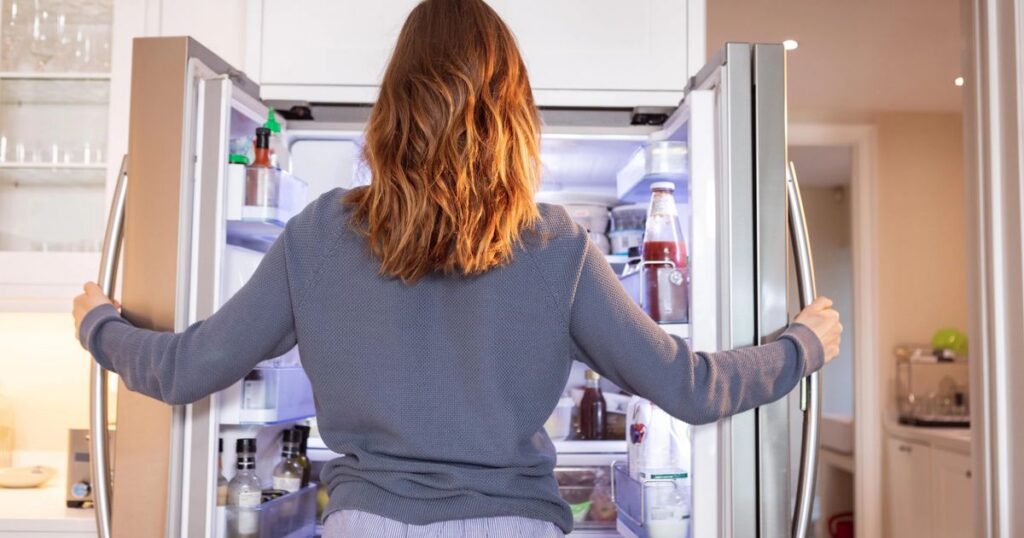
Tirzepatide lasts until the printed expiration date on the packaging when stored in the refrigerator at 36 to 46 degrees Fahrenheit (2 to 8 degrees Celsius), which is the standard temperature range for most household refrigerators. This expiration date applies only when the medication has been continuously refrigerated and has never been frozen or exposed to temperatures above 86 degrees Fahrenheit.
Brand-name tirzepatide pens (Mounjaro and Zepbound) are single-dose devices manufactured by Eli Lilly. Each pen contains one pre-measured dose and is designed to be used once and then discarded in an FDA-cleared sharps container. The pens should be kept in their original carton inside the refrigerator to protect them from light, which can degrade the peptide structure over time.
Compounded tirzepatide, which comes in multi-dose vials rather than prefilled pens, follows different storage timelines. Compounding pharmacies assign a beyond-use date (BUD) to each vial, which is typically 28 to 42 days from the date the vial is compounded, depending on the pharmacy’s stability testing data. Once a compounded vial is punctured with a needle for the first time, the beyond-use date begins counting down regardless of whether the vial is returned to the refrigerator. Always follow the specific storage instructions printed on your compounded vial label, as these can vary between pharmacies.
How Long Can Tirzepatide Be Out of the Fridge?
Tirzepatide can be out of the fridge for a maximum of 21 days when stored at room temperature up to 86 degrees Fahrenheit (30 degrees Celsius). After 21 days at room temperature, the pen must be discarded even if the printed expiration date has not passed and even if the medication still looks normal. The 21-day limit applies to unopened pens that have been removed from refrigeration, and the clock starts the moment the pen leaves the fridge.
A practical tip is to write the date on the pen or vial with a marker when you first remove it from the refrigerator. This removes guesswork about how many days have passed, especially if you have multiple pens at different stages. If you are unsure whether a pen has been at room temperature for more than 21 days, the safest approach is to discard it and use a properly stored replacement.
Temperatures above 86 degrees Fahrenheit accelerate peptide degradation. A car interior can exceed 130 degrees Fahrenheit in direct sunlight, even on a mild day. Tirzepatide should never be left in a vehicle, near a window, on a kitchen counter in direct sunlight, or in any location where heat can build up. How to inject semaglutide and tirzepatide properly includes allowing the medication to reach room temperature for 15 to 30 minutes before injecting (to reduce stinging), but this brief warm-up period does not count meaningfully toward the 21-day room temperature limit.
Can You Use Tirzepatide After 28 Days?
Whether you can use tirzepatide after 28 days depends on the product type and how it has been stored. Brand-name Mounjaro and Zepbound pens that have been continuously refrigerated remain usable until their printed expiration date, which is typically many months after purchase. The 21-day limit applies only to pens that have been removed from the refrigerator and stored at room temperature.
Compounded tirzepatide vials have a beyond-use date (BUD) assigned by the compounding pharmacy, which is often 28 to 42 days from the compounding date. Once this date passes, the vial should be discarded regardless of how much medication remains and regardless of whether it has been refrigerated the entire time. Compounded medications are not FDA-approved products and do not undergo the same stability testing as brand-name formulations, which is why their shelf life is shorter and more variable.
If a brand-name pen has been at room temperature for more than 21 days, it should be discarded even if fewer than 28 days have passed since purchase. The 21-day room temperature limit and the printed expiration date are separate requirements, and the medication must meet both to be considered safe for use.
How to Tell if Tirzepatide Is Bad
You can tell if tirzepatide is bad by inspecting the solution for cloudiness, particles, discoloration, or any visible change from its normal clear, colorless to slightly yellow appearance. The FDA-approved Instructions for Use specify that patients should visually inspect the medication before every injection.
- Hold the pen or vial up to a light source and look through the solution. Normal tirzepatide is clear and colorless to slightly yellow. Any cloudiness, haziness, or milky appearance indicates the peptide structure has degraded.
- Look for particles or floating debris in the solution. Any visible particles mean the medication should not be used.
- Check the color. A normal slight yellow tint is acceptable. Any other color change, including brown, green, or deep yellow, indicates degradation.
- Examine the pen device for physical damage. Cracks in the cartridge, a damaged needle attachment site, or a pen that has been dropped from a significant height may compromise sterility or dosing accuracy.
- Verify the dates. Confirm the pen is within its printed expiration date and, if it has been at room temperature, within the 21-day limit. For compounded vials, confirm the beyond-use date has not passed.
If anything looks unusual, discard the medication and use a properly stored replacement. Do not inject tirzepatide that has been frozen, even if it has thawed and looks normal. Freezing causes irreversible protein denaturation that is not visible to the eye but can eliminate the medication’s effectiveness. Medical weight loss programs help patients maintain proper medication handling as part of the overall treatment protocol.
Does Tirzepatide Lose Effectiveness Over Time?
Tirzepatide maintains its full effectiveness when stored within the recommended temperature range and used before its expiration date or beyond-use date, but it can lose effectiveness if exposed to improper storage conditions. The medication does not gradually weaken during normal storage. Instead, effectiveness loss occurs when the peptide structure is damaged by heat, freezing, light exposure, or excessive time at room temperature.
Patients who suspect their medication has been improperly stored may notice reduced appetite suppression, less weight loss than expected, or (for diabetes patients) rising blood sugar levels. These signs could indicate that the medication’s potency has been compromised. However, weight loss plateaus and reduced appetite suppression can also occur for reasons unrelated to storage, including metabolic adaptation, insufficient caloric deficit, or the need for a dose increase during the titration schedule.
The SURMOUNT-1 clinical trial demonstrated that properly administered tirzepatide at the 15 mg dose produced an average weight loss of 22.5% over 72 weeks. These results depend on the medication being stored and handled correctly throughout the treatment course. Tirzepatide weight loss outcomes are strongest when proper storage, consistent dosing, and lifestyle support work together.
How Long Does Compounded Semaglutide Last in the Fridge?
Compounded semaglutide typically lasts 28 to 42 days in the fridge once the vial has been compounded, though the exact beyond-use date varies by compounding pharmacy. Brand-name semaglutide products have different and generally longer storage allowances. The table below compares storage requirements across all four common GLP-1 medication formats.
| Medication | Refrigerated Shelf Life | Room Temperature Limit | Max Room Temp | After Freezing |
|---|---|---|---|---|
| Tirzepatide pens (Mounjaro/Zepbound) | Until printed expiration date | 21 days | 86°F (30°C) | Discard immediately |
| Compounded tirzepatide vials | 28-42 days (per pharmacy BUD) | Varies by pharmacy; typically shorter | Per pharmacy label | Discard immediately |
| Semaglutide pens (Ozempic) | Until printed expiration date | 56 days | 86°F (30°C) | Discard immediately |
| Semaglutide pens (Wegovy) | Until printed expiration date | 28 days | 77°F (25°C) | Discard immediately |
| Compounded semaglutide vials | 28-42 days (per pharmacy BUD) | Varies by pharmacy; typically shorter | Per pharmacy label | Discard immediately |
Sources: FDA-approved prescribing information for Mounjaro, Zepbound (Eli Lilly), Ozempic, Wegovy (Novo Nordisk); compounding pharmacy standard practices; USP 797 compounding guidelines.
The key difference between brand-name and compounded products is that brand-name pens undergo extensive stability testing by the manufacturer, which allows for longer shelf life assignments. Compounded medications are prepared by individual pharmacies and typically receive more conservative beyond-use dates. How many units is 2.5 mg of tirzepatide is a common question from compounded vial users, and accurate dosing from a properly stored vial is equally important for treatment effectiveness.
How Long Can Semaglutide Be Out of the Fridge?
Brand-name Ozempic pens can be out of the fridge for up to 56 days at room temperature up to 86 degrees Fahrenheit, while Wegovy pens allow up to 28 days at room temperature up to 77 degrees Fahrenheit. These room temperature windows are notably different from tirzepatide’s 21-day limit, which means patients switching between medications need to update their storage habits accordingly.
Compounded semaglutide vials follow the beyond-use date assigned by the compounding pharmacy, and the room temperature allowance for compounded products is typically more conservative than for brand-name pens. Some compounding pharmacies specify that punctured vials should remain refrigerated at all times and only be removed briefly for dose preparation. Always follow the specific instructions on your vial label rather than applying brand-name storage rules to compounded products.
If semaglutide or tirzepatide has been left out longer than the allowed room temperature window, the safest approach is to discard the medication and contact your pharmacy for a replacement. GLP-1 treatment continuity matters, so having a backup plan for replacement medication prevents gaps in therapy that can lead to appetite rebound and weight regain.
Can You Use Expired Tirzepatide?
No, you should not use expired tirzepatide. The expiration date on brand-name pens and the beyond-use date on compounded vials represent the last date the manufacturer or pharmacy can verify the medication’s potency, sterility, and safety. After this date, the peptide may have degraded to a point where it no longer produces the intended therapeutic effect, and the risk of contamination in multi-dose vials increases as sterility protections diminish over time.
Using expired medication is unlikely to cause acute harm, but it may deliver a reduced or unpredictable dose. For patients using tirzepatide for weight management, this means diminished appetite suppression and slower weight loss. For diabetes patients, it means potentially inadequate blood sugar control. Discarding expired medication and replacing it with a properly dated supply is always the correct approach.
How to Travel With Tirzepatide
Travel with tirzepatide by keeping it in your carry-on luggage (never checked baggage), using an insulated medication travel case with flexible ice packs, and transferring it to a refrigerator as soon as you reach your destination.
- For trips lasting fewer than 21 days, you can use tirzepatide pens stored at room temperature without refrigeration, as long as the temperature stays below 86 degrees Fahrenheit. This simplifies travel significantly.
- For longer trips or hot climates, use an insulated travel case with gel-based ice packs that remain flexible when frozen. Place a barrier (a small towel or the original carton) between the ice pack and the medication to prevent accidental freezing.
- Always carry tirzepatide in your carry-on bag when flying. Cargo holds on aircraft can reach freezing temperatures, and checked luggage is not temperature-controlled. TSA permits injectable medications and cooling supplies in carry-on luggage.
- At your destination, transfer the medication to a refrigerator immediately. Most hotels provide in-room refrigerators or can store medication in a secure location upon request.
- Never leave tirzepatide in a parked vehicle, even briefly. Car interiors can exceed 130 degrees Fahrenheit in direct sunlight, which would destroy the medication within minutes.
- Carry a letter from your provider explaining that you require temperature-sensitive injectable medication, especially for international travel where customs officials may inspect medical supplies.
Peptide therapy medications of all types require similar cold-chain handling, so patients who are familiar with tirzepatide storage are well-prepared for other injectable treatments as well.
What Should I Avoid While Taking Tirzepatide?
While taking tirzepatide, avoid high-fat and greasy foods, excessive alcohol, skipping meals entirely, stopping the medication abruptly without medical guidance, and storing the medication improperly. Each of these factors can either worsen side effects or reduce the medication’s effectiveness.
High-fat and fried foods exacerbate the nausea, bloating, and digestive discomfort that tirzepatide can produce during dose escalation. Alcohol increases nausea, dehydration, and blood sugar instability. Skipping meals entirely because of reduced appetite can cause blood sugar drops that produce fatigue, dizziness, and mood instability. The SURMOUNT-4 trial demonstrated that patients who stopped tirzepatide and switched to placebo regained an average of 14% of body weight over 36 weeks, which is why abrupt discontinuation without a maintenance strategy leads to significant weight regain. Weight loss nutrition guidance helps patients maintain adequate caloric intake and macronutrient balance even when appetite is suppressed.
Why Am I Not Losing Weight on Tirzepatide 5 mg?
You may not be losing weight on tirzepatide 5 mg because the dose may not yet be high enough for your body, your caloric intake may still exceed your expenditure despite reduced appetite, you may be losing fat while gaining muscle (which masks scale changes), or your medication may not have been stored properly.
The 5 mg dose is the first therapeutic dose after the 2.5 mg adjustment period. In the SURMOUNT-1 trial, the 5 mg dose produced an average weight loss of 16.0% over 72 weeks, which is substantial but lower than the 21.4% at 10 mg and 22.5% at 15 mg. Many patients see their strongest results after advancing to higher doses. If weight loss has stalled at 5 mg and side effects are manageable, discussing a dose increase with your provider is the appropriate next step.
Medication storage is an overlooked factor in weight loss plateaus. Tirzepatide that has been exposed to heat, left at room temperature beyond the 21-day limit, or stored in a fluctuating-temperature environment may have reduced potency. Here in the Kansas City area, we review medication storage and handling with every GLP-1 weight loss patient at each follow-up visit.
Tirzepatide side effects like fatigue, nausea, and mood changes can also indirectly slow weight loss by reducing physical activity and disrupting eating patterns, so addressing side effects is part of optimizing results.
Frequently Asked Questions
How Long Does a Vial of Semaglutide Last?
A compounded semaglutide vial typically lasts 28 to 42 days from the date it was compounded, depending on the pharmacy’s assigned beyond-use date. How many weekly doses a single vial provides depends on the vial size, the concentration (mg/mL), and your prescribed dose. For example, a 2 mL vial at 2.5 mg/mL contains 5 mg of semaglutide total. At a 0.5 mg weekly dose, that vial provides 10 weeks of doses, but the beyond-use date may expire before all doses are used. Always check the BUD and discard the vial when it passes, regardless of remaining medication.
Do You Keep Semaglutide in the Fridge?
Yes, semaglutide should be kept in the fridge at 36 to 46 degrees Fahrenheit before first use and ideally throughout the treatment period for compounded vials. Brand-name Ozempic pens in use can be stored at room temperature (up to 86 degrees Fahrenheit) for up to 56 days. Wegovy pens in use can be stored at room temperature (up to 77 degrees Fahrenheit) for up to 28 days. Compounded semaglutide should follow the specific storage instructions from your pharmacy.
How Long Does It Take for Semaglutide to Kick In?
Semaglutide begins affecting appetite and blood sugar within the first few days of injection, though visible weight loss typically takes 4 to 8 weeks to appear on the scale. The starting dose of 0.25 mg is an adjustment dose, and most patients see their first meaningful weight changes after advancing to 0.5 mg at week five. Clinical trials showed an average of approximately 15% body weight loss over 68 weeks at the 2.4 mg maintenance dose.
How Long Can Compounded Tirzepatide Be Out of the Fridge?
Compounded tirzepatide room temperature limits vary by pharmacy and are specified on the vial label. Brand-name tirzepatide pens allow 21 days at room temperature up to 86 degrees Fahrenheit. Compounded vials may have shorter room temperature allowances because they do not undergo the same stability testing as brand-name products. When in doubt, keep compounded tirzepatide refrigerated at all times except during the brief preparation and injection period.
What Happens if Tirzepatide Is Not Refrigerated?
Tirzepatide that is not refrigerated but kept at room temperature up to 86 degrees Fahrenheit for fewer than 21 days remains safe to use. Beyond 21 days at room temperature, or at any time if the temperature exceeds 86 degrees, the peptide structure may degrade and the medication should be discarded. Patients who have used improperly stored tirzepatide may notice reduced appetite suppression or diminished weight loss, which are signs of reduced potency.
Can I Drink Coffee on Tirzepatide?
Yes, you can drink coffee on tirzepatide. There is no known interaction between caffeine and tirzepatide. However, coffee on an empty stomach may worsen the nausea that some patients experience during the early weeks of treatment. If coffee exacerbates your GI symptoms, try drinking it with food or switching to a lower-caffeine option until the adjustment period passes. Adequate water intake alongside coffee helps prevent the dehydration that can worsen fatigue and other side effects.
Putting It All Together
Proper storage is one of the simplest and most important things you can do to protect the effectiveness of your tirzepatide treatment. Unopened pens last until the printed expiration date in the refrigerator at 36 to 46 degrees Fahrenheit. Once out of the fridge, the 21-day room temperature window begins. Compounded vials follow the beyond-use date from the pharmacy, typically 28 to 42 days. Never freeze tirzepatide. Always inspect the solution before injecting. And when traveling, carry the medication in your carry-on with an insulated case. These straightforward habits protect the peptide structure that makes the medication work and help you get the full weight loss and metabolic benefits that tirzepatide is designed to deliver.
At Slimming Solutions Med Spa, we provide complete GLP-1 treatment support including medication handling guidance, dose management, and ongoing monitoring. Call us at (816) 524-3438 to schedule a free consultation.
![[thumb]](https://slimmingsolutionsspa.com/wp-content/uploads/2023/12/botox1-150x150.png)
![[thumb]](https://slimmingsolutionsspa.com/wp-content/uploads/2023/12/Before2-150x150.png)
![[thumb]](https://slimmingsolutionsspa.com/wp-content/uploads/2023/12/Before3-150x150.png)





![[thumb]](https://slimmingsolutionsspa.com/wp-content/uploads/2023/12/revanesse-versa-1-150x150.png)
![[thumb]](https://slimmingsolutionsspa.com/wp-content/uploads/2023/12/revanesse-versa-2-150x150.png)
![[thumb]](https://slimmingsolutionsspa.com/wp-content/uploads/2023/12/revanesse-versa-3-150x150.png)
![[thumb]](https://slimmingsolutionsspa.com/wp-content/uploads/2023/12/revanesse-versa-4-150x150.png)
![[thumb]](https://slimmingsolutionsspa.com/wp-content/uploads/2023/12/revanesse-versa-5-150x150.png)
![[thumb]](https://slimmingsolutionsspa.com/wp-content/uploads/2024/01/Eyebrow-treatment-1-1-150x150.png)
![[thumb]](https://slimmingsolutionsspa.com/wp-content/uploads/2023/12/Skin-Rejuvenation-1-150x150.png)
![[thumb]](https://slimmingsolutionsspa.com/wp-content/uploads/2023/12/Skin-Rejuvenation-2-150x150.png)


![[thumb]](https://slimmingsolutionsspa.com/wp-content/uploads/2024/01/Lip-Filler-1-150x150.png)
![[thumb]](https://slimmingsolutionsspa.com/wp-content/uploads/2024/01/Lip-Filler-2-150x150.png)
![[thumb]](https://slimmingsolutionsspa.com/wp-content/uploads/2025/02/Lip-Filler-1-150x150.png)
![[thumb]](https://slimmingsolutionsspa.com/wp-content/uploads/2024/01/Lip-Filler-150x150.jpg)
![[thumb]](https://slimmingsolutionsspa.com/wp-content/uploads/2024/01/Before-1-150x150.jpg)

![[thumb]](https://slimmingsolutionsspa.com/wp-content/uploads/2024/01/RHA-Treatmetn-3-150x150.png)
![[thumb]](https://slimmingsolutionsspa.com/wp-content/uploads/2024/01/RHA-Treatmetn-2-150x150.png)
![[thumb]](https://slimmingsolutionsspa.com/wp-content/uploads/2024/01/RHA-Treatmetn-1-150x150.png)
![[thumb]](https://slimmingsolutionsspa.com/wp-content/uploads/2024/01/Thread-Lifts-1-150x150.png)
![[thumb]](https://slimmingsolutionsspa.com/wp-content/uploads/2024/01/Thread-Lifts-2-150x150.png)
![[thumb]](https://slimmingsolutionsspa.com/wp-content/uploads/2025/02/Lip-Filler-2-150x150.png)

![[thumb]](https://slimmingsolutionsspa.com/wp-content/uploads/2023/12/skin-reuvulation1-150x150.png)
![[thumb]](https://slimmingsolutionsspa.com/wp-content/uploads/2023/12/skin-rejuvulation-2-150x150.png)
![[thumb]](https://slimmingsolutionsspa.com/wp-content/uploads/2023/12/Skin-Tighting-150x150.png)
![[thumb]](https://slimmingsolutionsspa.com/wp-content/uploads/2023/12/Before-150x150.jpg)
![[thumb]](https://slimmingsolutionsspa.com/wp-content/uploads/2023/12/weightloss-1-150x150.png)
![[thumb]](https://slimmingsolutionsspa.com/wp-content/uploads/2023/12/weightloss-2-150x150.png)
![[thumb]](https://slimmingsolutionsspa.com/wp-content/uploads/2023/12/2Weight-Loss-2-150x150.png)
![[thumb]](https://slimmingsolutionsspa.com/wp-content/uploads/2025/02/Weight-Loss-1-new-150x150.png)
![[thumb]](https://slimmingsolutionsspa.com/wp-content/uploads/2023/12/Weight-Loss-3-150x150.png)
![[thumb]](https://slimmingsolutionsspa.com/wp-content/uploads/2025/03/Slimming-Solutions-BA-Template-150x150.png)


![[thumb]](https://slimmingsolutionsspa.com/wp-content/uploads/2023/12/dat3-150x150.png)
![[thumb]](https://slimmingsolutionsspa.com/wp-content/uploads/2023/12/dat-0-150x150.png)
![[thumb]](https://slimmingsolutionsspa.com/wp-content/uploads/2023/12/dat-1-150x150.png)
![[thumb]](https://slimmingsolutionsspa.com/wp-content/uploads/2023/12/Before-1-150x150.png)

![[thumb]](https://slimmingsolutionsspa.com/wp-content/uploads/2024/01/EMS-Treatment-2-150x150.png)
![[thumb]](https://slimmingsolutionsspa.com/wp-content/uploads/2024/01/EMS-Treatment-1-150x150.png)
![[thumb]](https://slimmingsolutionsspa.com/wp-content/uploads/2025/02/ems-BNA-front-150x150.png)
![[thumb]](https://slimmingsolutionsspa.com/wp-content/uploads/2025/02/EMS-bna-SIDE-150x150.png)
![[thumb]](https://slimmingsolutionsspa.com/wp-content/uploads/2024/01/EMS-Treatment-6-150x150.png)