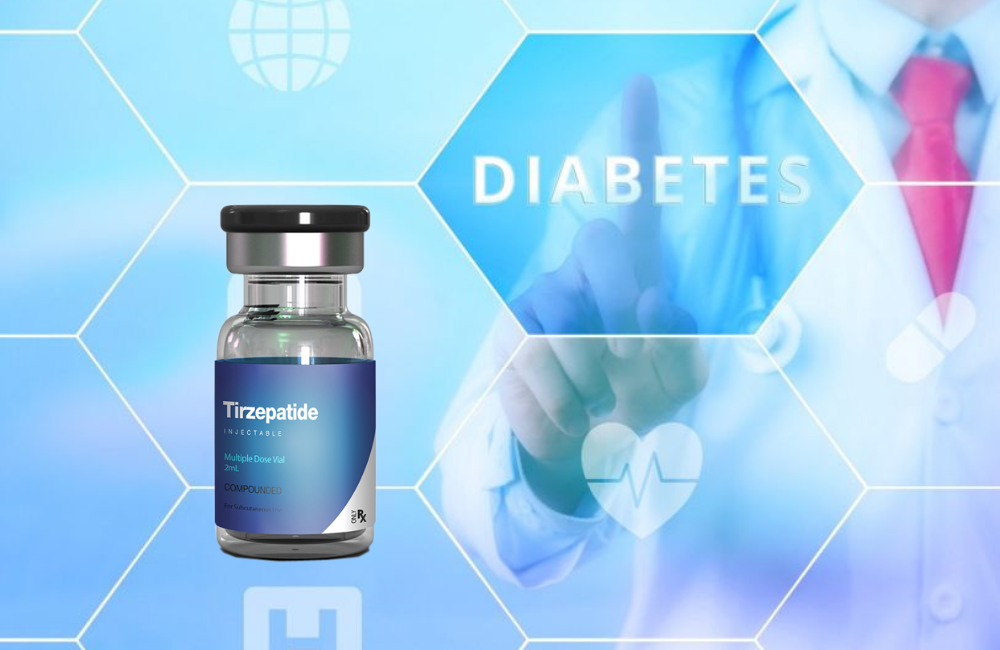
Clinical trials do not list anxiety as a recognized side effect of tirzepatide. The FDA-approved prescribing information for both Mounjaro (tirzepatide for type 2 diabetes) and Zepbound (tirzepatide for weight management) does not include anxiety among the documented adverse effects. However, some patients report feeling anxious, jittery, or emotionally different after starting the medication. These reports are anecdotal and have not been validated in controlled studies. A 2024 FDA review of 91 clinical trials involving 107,910 patients, combined with real-world data from more than 2.2 million people, found no clear evidence that GLP-1 receptor agonists increase the risk of suicidal thoughts or behaviors. A separate 2026 retrospective study found that tirzepatide was actually associated with lower rates of anxiety and depression diagnoses compared to other weight loss medications. This guide covers what the clinical evidence says, what indirect factors can produce anxiety-like symptoms during GLP-1 weight loss treatment, and how to manage mood changes if they occur.
Can Tirzepatide Cause Anxiety?
Tirzepatide has no established causal link to anxiety in FDA prescribing information or in the SURMOUNT and SURPASS clinical trial programs. Anxiety is not listed as a recognized adverse effect for either Mounjaro or Zepbound. Eli Lilly, the manufacturer, states directly that “there is no information about tirzepatide causing or worsening anxiety, panic, manic, or bipolar disorders because this has not been studied.”
The SURMOUNT clinical trials for weight management excluded participants with significant active or unstable major depressive disorder, schizophrenia, bipolar disorder, or other severe mood or anxiety disorders within the previous two years. Participants with stable generalized anxiety disorder or stable major depressive disorder could be included if they were not taking excluded medications. This exclusion criteria means the trials provide limited data on how tirzepatide affects patients with pre-existing anxiety conditions.
The Zepbound prescribing information does include a warning to monitor patients for the emergence or worsening of depression, suicidal thoughts or behaviors, and any unusual changes in mood or behavior. This monitoring warning exists because other weight management products have been associated with suicidal behavior, not because tirzepatide specifically has been linked to these outcomes. The FDA requested removal of the suicidal behavior warning from GLP-1 receptor agonist labels in 2024 after their comprehensive review found no clear increased risk.
Why Does Tirzepatide Make You Feel Weird?
Tirzepatide can make you feel weird because it simultaneously slows gastric emptying, reduces appetite signals in the brain, alters blood sugar patterns, and changes how your body processes energy, all of which produce physical sensations that feel unfamiliar. Tirzepatide is a dual glucose-dependent insulinotropic polypeptide (GIP) and glucagon-like peptide-1 (GLP-1) receptor agonist. This dual mechanism affects multiple body systems at the same time.
The most common physical effects occur in the gastrointestinal tract. Tirzepatide slows the rate at which food moves from the stomach into the small intestine (gastric emptying), which produces feelings of fullness, bloating, and nausea that many patients describe as “feeling off” or “not like myself.” These GI sensations can mimic the physical symptoms of anxiety, including stomach upset, restlessness, and general unease. A patient who has never experienced chronic nausea before may interpret the new physical discomfort as anxiety because the body sensations are similar.
Reduced caloric intake adds another layer. When appetite suppression causes a person to eat significantly less than their body is accustomed to, blood sugar can dip lower than usual. Mild hypoglycemia produces tremor, palpitations, sweating, nervousness, and irritability, which are nearly identical to the physical symptoms of an anxiety episode. Weight loss injections work by altering the hormonal signals that regulate hunger and satiety, and the adjustment period during the first weeks of treatment is when most patients report feeling different.
What Causes Anxiety-Like Symptoms on Tirzepatide?
Anxiety-like symptoms on tirzepatide are most commonly caused by gastrointestinal discomfort, blood sugar fluctuations, caloric restriction, rapid body changes, and the psychological adjustment that accompanies significant weight loss.
- Gastrointestinal distress: nausea, bloating, and abdominal discomfort activate the vagus nerve, which communicates directly with the brain’s anxiety centers. Persistent stomach upset can produce a state of general unease that patients interpret as anxiety.
- Blood sugar fluctuations: eating significantly less food can cause mild blood sugar drops that produce symptoms identical to anxiety, including rapid heartbeat, trembling, sweating, and nervousness. Patients taking tirzepatide alongside insulin or sulfonylureas face a higher risk of hypoglycemia.
- Caloric restriction effects: severe appetite suppression can reduce overall caloric intake to levels that affect energy, concentration, and mood stability. Inadequate nutrition amplifies emotional reactivity and reduces the brain’s ability to regulate stress.
- Rapid body changes: losing 15-22% of body weight over 72 weeks, as demonstrated in the SURMOUNT-1 trial, involves a profound physical transformation that can trigger identity-related anxiety, body image adjustment, and social discomfort.
- Stimulant-like sensation: some patients report a mild increase in heart rate (2-4 beats per minute on average) during tirzepatide treatment. This modest cardiovascular change can heighten awareness of the heartbeat, which some individuals interpret as anxiety.
Distinguishing between direct pharmacological anxiety (caused by the drug itself) and indirect anxiety (caused by the physical and psychological consequences of the drug’s effects) is critical for appropriate management. The clinical evidence strongly suggests that tirzepatide’s effects on anxiety are indirect rather than direct.
What Are the Most Common Side Effects of Tirzepatide?
The most common side effects of tirzepatide are gastrointestinal, including nausea (12-24% of patients), diarrhea (13-17%), vomiting (6-10%), constipation (5-11%), abdominal pain (5-10%), and decreased appetite. These GI effects are dose-dependent and typically most pronounced during the first weeks after starting treatment or increasing the dose.
| Side Effect | Frequency | Onset Pattern | Management |
|---|---|---|---|
| Nausea | 12-24% | Dose initiation/escalation; often diminishes over weeks | Gradual dose titration; smaller meals; avoid fatty foods |
| Diarrhea | 13-17% | Usually transient; first 2-4 weeks at new dose | Hydration; dietary modifications; reduce fiber temporarily |
| Constipation | 5-11% | Can occur at any dose level | Increase fluids and fiber; physical activity; magnesium |
| Vomiting | 6-10% | More common at higher doses | Eat slowly; smaller portions; avoid lying down after meals |
| Abdominal pain | 5-10% | Generally self-limiting | Bland diet; avoid trigger foods; contact provider if severe |
| Fatigue | 3-7% | Related to reduced caloric intake | Adequate nutrition; protein intake; sleep hygiene |
| Injection site reactions | Uncommon | At time of injection | Rotate injection sites; allow medication to reach room temperature |
Sources: FDA-approved prescribing information for Mounjaro and Zepbound (Eli Lilly); SURMOUNT clinical trial program data; SURPASS clinical trial program data.
Serious but rare adverse effects include acute pancreatitis (severe abdominal pain radiating to the back), gallbladder disease (particularly during rapid weight loss), acute kidney injury (typically secondary to severe dehydration from GI symptoms), and severe allergic reactions. These require immediate medical attention. Medical weight loss programs provide the monitoring and dose adjustment support that minimizes the severity and duration of side effects during the titration phase.
Can Tirzepatide Cause Depression?
Clinical trials have not established a causal link between tirzepatide and depression. A post hoc analysis of the SURMOUNT clinical program, published in the journal Obesity in 2026, found that tirzepatide did not increase depression or suicidal ideation in people with obesity who had no known major psychopathology. The FDA’s 2024 comprehensive review of GLP-1 receptor agonists across 91 clinical trials and real-world data from over 2.2 million patients found no clear evidence of increased risk for suicidal thoughts or behaviors.
A 2026 retrospective cohort study using electronic health records from the TriNetX United States Collaborative Network found that both tirzepatide and semaglutide were associated with lower hazards of anxiety disorders and depression diagnoses compared to naltrexone-bupropion in adults with type 2 diabetes. Earlier GLP-1 receptor agonists like exenatide, liraglutide, and semaglutide have been shown in systematic reviews to improve depressive symptoms, reduce the incidence of anxiety, and decrease binge-eating symptoms.
This emerging evidence suggests that GLP-1 medications may have a net positive effect on mental health for many patients, likely through a combination of weight loss benefits, improved metabolic health, reduced inflammation, and enhanced self-image. Patients who experience persistent low mood, loss of interest in activities, or thoughts of self-harm while taking tirzepatide should contact their healthcare provider immediately. Hormone therapy can address hormonal imbalances that independently contribute to mood disturbances in patients who are also managing weight with GLP-1 medications.
Does Semaglutide Cause Anxiety?
Semaglutide, like tirzepatide, does not list anxiety as a recognized side effect in its FDA-approved prescribing information, though patient reports of mood changes exist for both medications. A pharmacovigilance analysis of individual case safety reports submitted to the European EudraVigilance database found that psychiatric adverse events comprised only 1.2% of the total reports for semaglutide, liraglutide, and tirzepatide combined. Depression accounted for 50.3% of those psychiatric reports, anxiety for 38.7%, and suicidal ideation for 19.6%.
A post hoc analysis of the STEP 1, 2, 3, and 5 trials published in JAMA Internal Medicine in 2024 found that semaglutide 2.4 mg did not increase depression or suicidal ideation compared to placebo in participants without known major psychopathology. The same indirect mechanisms that produce anxiety-like symptoms with tirzepatide apply to semaglutide: GI discomfort, blood sugar fluctuations, caloric restriction, and the psychological adjustment of significant weight loss.
The SURMOUNT-5 trial, published in the New England Journal of Medicine in 2025, directly compared tirzepatide and semaglutide in 751 adults with obesity. Tirzepatide produced greater weight loss and waist circumference reduction. Both medications had similar GI side effect profiles, though gastrointestinal adverse events causing treatment discontinuation were observed more often with semaglutide (5.6%) than with tirzepatide (2.7%). Semaglutide weight loss results and side effects follow a similar pattern to tirzepatide, with individual response varying based on dose, health history, and lifestyle factors.
What Are the Neurological Side Effects of Tirzepatide?
The neurological side effects of tirzepatide are primarily limited to headache, dizziness, and fatigue, all of which are mild and typically resolve during the first weeks of treatment or after dose stabilization. Tirzepatide does not cross the blood-brain barrier in significant quantities at therapeutic doses, which limits its direct effects on the central nervous system.
GLP-1 receptors are present in the brain, particularly in areas involved in appetite regulation, reward processing, and nausea signaling. Tirzepatide’s appetite-suppressing effects occur because the medication activates GLP-1 receptors in the hypothalamus and brainstem. These same receptors may influence mood and emotional processing to some degree, which is why researchers are investigating whether GLP-1 medications have anxiolytic (anxiety-reducing) or antidepressant properties. Animal studies have shown that GLP-1 receptor agonists produce antidepressant and anxiolytic effects, though translating these findings to human clinical outcomes requires further research.
Peptide therapy that targets specific biological pathways can complement GLP-1 treatment by addressing individual symptoms like fatigue, cognitive fog, or sleep disruption that may accompany the early stages of weight loss medication.
Does Tirzepatide Cause Insomnia?
Insomnia is not listed as a common side effect of tirzepatide in the FDA prescribing information, but some patients report difficulty sleeping during treatment, particularly during dose escalation periods. Sleep disruption during tirzepatide treatment may result from several indirect factors rather than a direct pharmacological effect.
Nausea that persists into the evening and nighttime hours can make it difficult to fall asleep or stay asleep. Eating significantly less food during the day can alter blood sugar patterns overnight, and mild blood sugar drops during sleep can trigger wakefulness, sweating, and restlessness. The psychological adjustment to rapid body changes and altered eating habits can also produce racing thoughts and difficulty winding down at bedtime.
Maintaining consistent meal timing, consuming adequate protein and calories during the day to prevent overnight blood sugar drops, and practicing good sleep hygiene (consistent bedtime, cool bedroom temperature, limited screen time before bed) address the most common contributors to sleep disruption during GLP-1 treatment. Weight loss nutrition strategies that prioritize balanced macronutrient intake help stabilize energy and sleep patterns throughout the treatment course.
What Not to Do on Tirzepatide
While taking tirzepatide, you should not skip meals entirely, consume excessive alcohol, stop the medication abruptly without medical guidance, ignore persistent or severe side effects, or adjust your dose without consulting your provider.
- Skipping meals entirely because of reduced appetite can cause blood sugar drops that produce anxiety-like symptoms, fatigue, dizziness, and mood instability. Eating smaller, balanced meals throughout the day maintains stable blood sugar even when appetite is suppressed.
- Excessive alcohol consumption increases the risk of nausea, dehydration, blood sugar fluctuations, and liver stress during GLP-1 treatment. Alcohol also provides empty calories that counteract the medication’s weight loss effects.
- Stopping tirzepatide abruptly without medical guidance can lead to rapid weight regain and metabolic rebound. The SURMOUNT-4 trial demonstrated that patients who switched from tirzepatide to placebo regained an average of 14% of body weight over 36 weeks.
- Ignoring severe or persistent side effects, particularly severe abdominal pain (potential pancreatitis), persistent vomiting leading to dehydration, or significant mood changes, delays treatment that could prevent serious complications.
- Adjusting your dose independently, either increasing to accelerate weight loss or decreasing without provider input, increases the risk of GI side effects and reduces the medication’s effectiveness.
Here in the Kansas City area, we provide ongoing monitoring and dose adjustment support for every patient on GLP-1 treatment to minimize side effects and maximize results safely.
Does Tirzepatide Burn Fat or Just Suppress Appetite?
Tirzepatide both suppresses appetite and promotes fat loss, and the weight lost during treatment comes predominantly from fat mass rather than lean muscle tissue. The SURMOUNT-1 clinical trial found that participants taking tirzepatide achieved approximately three times greater reduction in fat mass compared to lean mass (33.9% fat mass reduction versus 10.9% lean mass reduction), according to Eli Lilly data.
Tirzepatide’s dual GIP and GLP-1 receptor activation produces weight loss through multiple pathways: reduced appetite and food intake, slowed gastric emptying that increases satiety, improved insulin sensitivity that enhances the body’s ability to use stored fat for energy, and direct effects on fat tissue metabolism through GIP receptor activation. The GIP component is particularly relevant because GIP receptors are present on fat cells and may influence how the body stores and mobilizes fat.
Preserving lean muscle mass during weight loss is important for maintaining metabolic rate and physical function. Tirzepatide weight loss results are strongest when the medication is combined with adequate protein intake (at least 0.7-1.0 grams per pound of body weight daily) and regular resistance training to protect muscle during the fat loss process.
Is Tirzepatide Stronger Than Ozempic?
Yes, tirzepatide produces greater weight loss than semaglutide (the active ingredient in Ozempic and Wegovy) based on head-to-head clinical trial data. The SURMOUNT-5 trial, published in the New England Journal of Medicine in 2025, directly compared tirzepatide to semaglutide in 751 adults with obesity and found tirzepatide to be superior in both percentage weight reduction and waist circumference reduction at 72 weeks.
In earlier separate trials, the SURMOUNT-1 study showed tirzepatide at its highest dose (15 mg) produced an average weight loss of 22.5% over 72 weeks. The STEP trials showed semaglutide at its highest weight loss dose (2.4 mg) produced an average weight loss of approximately 15% over 68 weeks. Tirzepatide’s additional GIP receptor activation is believed to contribute to its greater efficacy, though both medications produce clinically significant weight loss that exceeds older obesity treatments by a wide margin.
We offer both tirzepatide and semaglutide as part of our GLP-1 weight loss program, and we help each patient determine which medication best fits their health profile, goals, and response pattern.
Can You Lose Weight on Tirzepatide Without Exercise?
Yes, you can lose weight on tirzepatide without exercise because the medication’s appetite suppression and metabolic effects produce significant weight loss through reduced caloric intake alone. In the SURMOUNT clinical trials, the structured lifestyle intervention component was modest (500-calorie daily deficit and 150 minutes of weekly physical activity recommendations), and the medication itself drove the majority of the weight loss observed.
Exercise is not required for tirzepatide to work, but it substantially improves the quality of the results. Resistance training preserves lean muscle mass during weight loss, which maintains metabolic rate and prevents the “skinny fat” outcome where body weight drops but body composition remains unfavorable. Cardiovascular exercise supports heart health, improves insulin sensitivity, reduces stress and anxiety, and enhances mood through endorphin release. The anxiety-reducing benefits of regular exercise are particularly relevant for patients who experience mood changes during GLP-1 treatment.
Vitamin injections containing B12 and other energy-supporting nutrients can help patients maintain the motivation and energy levels needed to stay active during the weight loss process.
Frequently Asked Questions
Do You Gain All the Weight Back When You Stop Tirzepatide?
Weight regain after stopping tirzepatide is common if no maintenance strategy is in place. The SURMOUNT-4 trial found that patients who switched from tirzepatide to placebo regained an average of 14% of body weight over 36 weeks. Patients who continued tirzepatide maintained their weight loss. A structured transition plan that includes behavioral changes, dietary habits, and potentially a lower maintenance dose reduces the likelihood and severity of weight regain.
Can I Stop Tirzepatide Cold Turkey?
You should not stop tirzepatide cold turkey without discussing it with your provider first. Abrupt discontinuation does not produce dangerous withdrawal symptoms, but it removes the appetite suppression and metabolic support the medication provides, which can lead to rapid return of hunger, increased caloric intake, and weight regain. A gradual taper or structured maintenance plan is the safer approach.
What Are the Long-Term Benefits of Tirzepatide?
The long-term benefits of tirzepatide include sustained weight loss (22.9% maintained at 176 weeks in the SURMOUNT-1 extension), a 94% reduction in the risk of progressing to type 2 diabetes (Eli Lilly, 2024), improvements in blood pressure, cholesterol, and triglyceride levels, and reduced cardiovascular risk factors. Emerging evidence suggests potential benefits for sleep apnea, fatty liver disease, and inflammatory markers.
Is 10 mg of Tirzepatide a Lot?
10 mg of tirzepatide is a mid-range dose on the approved titration schedule, which spans from 2.5 mg (starting dose) to 15 mg (maximum dose). In the SURMOUNT-1 trial, participants on 10 mg achieved an average weight loss of 21.4% (approximately 49 pounds) over 72 weeks. Whether 10 mg is the right dose depends on the individual patient’s response, tolerability, and weight loss goals.
What Is a Microdose of Tirzepatide?
A microdose of tirzepatide refers to using a dose lower than the standard 2.5 mg starting dose, typically 1.0-1.25 mg per week. Microdosing is not part of the FDA-approved prescribing protocol but is used by some providers to introduce the medication even more gradually in patients who are particularly sensitive to GI side effects. Microdosing has not been studied in clinical trials for efficacy or safety.
How Long Does It Take to Lose 20 Lbs on Tirzepatide?
Most patients lose 20 pounds within the first 12 to 20 weeks of tirzepatide treatment, depending on their starting weight, dose progression, dietary adherence, and activity level. Clinical trial data shows that the rate of weight loss is fastest during the first 6 months of treatment and gradually slows as the body approaches a new equilibrium. Individual results vary significantly based on starting BMI and metabolic factors.
Putting It All Together
Tirzepatide does not have an established causal link to anxiety in clinical trial data or FDA prescribing information. The anxiety-like symptoms some patients report are most often tied to indirect factors: gastrointestinal discomfort that mimics anxiety sensations, blood sugar fluctuations from reduced food intake, the physical adjustment to a new metabolic state, and the psychological impact of rapid body changes. Emerging research suggests that GLP-1 medications may actually reduce the incidence of anxiety and depression in many patients compared to alternative weight loss treatments. The most effective response to mood changes during treatment is to document symptoms, maintain adequate nutrition, stay physically active, and communicate openly with your provider.
At Slimming Solutions Med Spa, we monitor every GLP-1 patient for both physical and emotional wellbeing throughout their treatment journey. Call us at (816) 524-3438 to schedule a free consultation.
![[thumb]](https://slimmingsolutionsspa.com/wp-content/uploads/2023/12/botox1-150x150.png)
![[thumb]](https://slimmingsolutionsspa.com/wp-content/uploads/2023/12/Before2-150x150.png)
![[thumb]](https://slimmingsolutionsspa.com/wp-content/uploads/2023/12/Before3-150x150.png)


![[thumb]](https://slimmingsolutionsspa.com/wp-content/uploads/2023/12/revanesse-versa-1-150x150.png)
![[thumb]](https://slimmingsolutionsspa.com/wp-content/uploads/2023/12/revanesse-versa-2-150x150.png)
![[thumb]](https://slimmingsolutionsspa.com/wp-content/uploads/2023/12/revanesse-versa-3-150x150.png)
![[thumb]](https://slimmingsolutionsspa.com/wp-content/uploads/2023/12/revanesse-versa-4-150x150.png)
![[thumb]](https://slimmingsolutionsspa.com/wp-content/uploads/2023/12/revanesse-versa-5-150x150.png)
![[thumb]](https://slimmingsolutionsspa.com/wp-content/uploads/2024/01/Eyebrow-treatment-1-1-150x150.png)
![[thumb]](https://slimmingsolutionsspa.com/wp-content/uploads/2023/12/Skin-Rejuvenation-1-150x150.png)
![[thumb]](https://slimmingsolutionsspa.com/wp-content/uploads/2023/12/Skin-Rejuvenation-2-150x150.png)


![[thumb]](https://slimmingsolutionsspa.com/wp-content/uploads/2024/01/Lip-Filler-1-150x150.png)
![[thumb]](https://slimmingsolutionsspa.com/wp-content/uploads/2024/01/Lip-Filler-2-150x150.png)
![[thumb]](https://slimmingsolutionsspa.com/wp-content/uploads/2025/02/Lip-Filler-1-150x150.png)
![[thumb]](https://slimmingsolutionsspa.com/wp-content/uploads/2024/01/Lip-Filler-150x150.jpg)
![[thumb]](https://slimmingsolutionsspa.com/wp-content/uploads/2024/01/Before-1-150x150.jpg)

![[thumb]](https://slimmingsolutionsspa.com/wp-content/uploads/2024/01/RHA-Treatmetn-3-150x150.png)
![[thumb]](https://slimmingsolutionsspa.com/wp-content/uploads/2024/01/RHA-Treatmetn-2-150x150.png)
![[thumb]](https://slimmingsolutionsspa.com/wp-content/uploads/2024/01/RHA-Treatmetn-1-150x150.png)
![[thumb]](https://slimmingsolutionsspa.com/wp-content/uploads/2024/01/Thread-Lifts-1-150x150.png)
![[thumb]](https://slimmingsolutionsspa.com/wp-content/uploads/2024/01/Thread-Lifts-2-150x150.png)
![[thumb]](https://slimmingsolutionsspa.com/wp-content/uploads/2025/02/Lip-Filler-2-150x150.png)

![[thumb]](https://slimmingsolutionsspa.com/wp-content/uploads/2023/12/skin-reuvulation1-150x150.png)
![[thumb]](https://slimmingsolutionsspa.com/wp-content/uploads/2023/12/skin-rejuvulation-2-150x150.png)
![[thumb]](https://slimmingsolutionsspa.com/wp-content/uploads/2023/12/Skin-Tighting-150x150.png)
![[thumb]](https://slimmingsolutionsspa.com/wp-content/uploads/2023/12/Before-150x150.jpg)
![[thumb]](https://slimmingsolutionsspa.com/wp-content/uploads/2023/12/weightloss-1-150x150.png)
![[thumb]](https://slimmingsolutionsspa.com/wp-content/uploads/2023/12/weightloss-2-150x150.png)
![[thumb]](https://slimmingsolutionsspa.com/wp-content/uploads/2023/12/2Weight-Loss-2-150x150.png)
![[thumb]](https://slimmingsolutionsspa.com/wp-content/uploads/2025/02/Weight-Loss-1-new-150x150.png)
![[thumb]](https://slimmingsolutionsspa.com/wp-content/uploads/2023/12/Weight-Loss-3-150x150.png)
![[thumb]](https://slimmingsolutionsspa.com/wp-content/uploads/2025/03/Slimming-Solutions-BA-Template-150x150.png)


![[thumb]](https://slimmingsolutionsspa.com/wp-content/uploads/2023/12/dat3-150x150.png)
![[thumb]](https://slimmingsolutionsspa.com/wp-content/uploads/2023/12/dat-0-150x150.png)
![[thumb]](https://slimmingsolutionsspa.com/wp-content/uploads/2023/12/dat-1-150x150.png)
![[thumb]](https://slimmingsolutionsspa.com/wp-content/uploads/2023/12/Before-1-150x150.png)

![[thumb]](https://slimmingsolutionsspa.com/wp-content/uploads/2024/01/EMS-Treatment-2-150x150.png)
![[thumb]](https://slimmingsolutionsspa.com/wp-content/uploads/2024/01/EMS-Treatment-1-150x150.png)
![[thumb]](https://slimmingsolutionsspa.com/wp-content/uploads/2025/02/ems-BNA-front-150x150.png)
![[thumb]](https://slimmingsolutionsspa.com/wp-content/uploads/2025/02/EMS-bna-SIDE-150x150.png)
![[thumb]](https://slimmingsolutionsspa.com/wp-content/uploads/2024/01/EMS-Treatment-6-150x150.png)