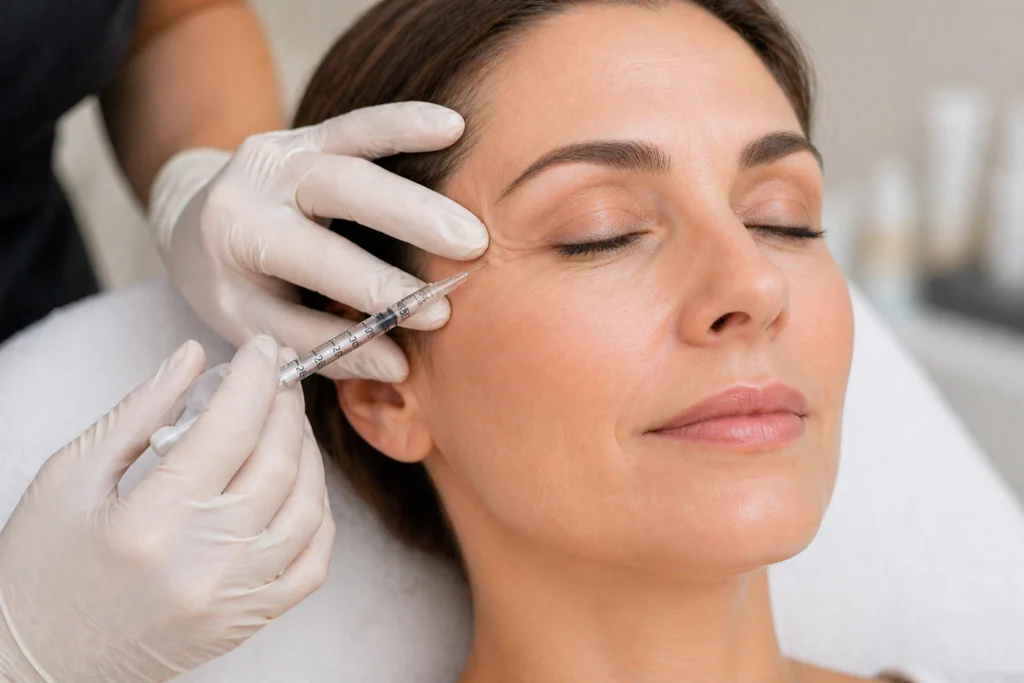

Most providers recommend against getting Botox while breastfeeding because there is not enough clinical data to confirm it is completely safe for a nursing infant. Current research, however, suggests that the risk is extremely low. A 2024 pilot study published in Facial Plastic Surgery and Aesthetic Medicine found that two of four breastfeeding women who received facial Botox injections had no detectable botulinum toxin in their breast milk at all, while the other two had levels measured in picograms per milliliter, which are parts per trillion. Botox remains the most popular non-surgical cosmetic procedure in the world, with over 9 million treatments performed globally in 2024 according to the International Society of Aesthetic Plastic Surgery (ISAPS), and approximately 19% of women receiving Botox are between the ages of 20 and 39, the primary childbearing years. This guide covers what the latest research says about Botox and breast milk, how to make an informed decision with your provider, what alternatives are available during breastfeeding, and when you can safely resume treatment.
Can You Get Botox While Breastfeeding?
Most healthcare providers recommend that you do not get Botox while breastfeeding, though the recommendation is based on a lack of sufficient safety data rather than evidence of harm. No clinical trial has ever been designed to test Botox directly on breastfeeding mothers and their infants because conducting such a study would raise significant ethical concerns. The precautionary recommendation exists because the safety of any substance during lactation must be established through research before providers can confidently endorse it.
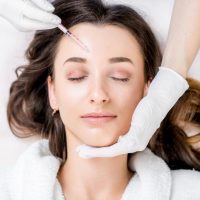
Botox, also known by its pharmaceutical name onabotulinumtoxinA, is a purified form of botulinum toxin produced by the bacterium Clostridium botulinum. It works by temporarily blocking the release of acetylcholine, the neurotransmitter that triggers muscle contractions. When injected into specific facial muscles, Botox relaxes those muscles and smooths the wrinkles they produce. The FDA has approved Botox for cosmetic treatment of facial wrinkles, chronic migraines, muscle spasms, excessive sweating, and overactive bladder.
The critical distinction for breastfeeding mothers is that cosmetic Botox contains no live bacteria and no spores. It is a purified, inactive protein administered in extremely small, controlled doses. When injected properly, Botox generally remains localized at the injection site with minimal systemic absorption. This localized behavior is what makes researchers believe the risk to a breastfed infant is very low, even though the data remains limited.
Is Botox Safe While Breastfeeding?
Botox has not been proven unsafe while breastfeeding, but it has also not been proven completely safe, which is why the medical consensus remains cautious. Two studies published in 2024 and 2025 represent the most current evidence on this topic.
The 2024 pilot study by Hudson and colleagues examined breast milk samples from four women who received 40 to 92 units of facial Botox. Two of the four participants had no detectable botulinum toxin in any of their breast milk samples. The other two participants had Botox concentrations ranging from 85 to 747 picograms per milliliter (pg/mL), which are extremely low quantities measured in parts per trillion. The levels did not correlate with the maternal dose or the time after injection.
A 2025 study by Gu and colleagues, published in Frontiers in Drug Safety and Regulation, analyzed breast milk from three women who received 64 units of facial Botox. Using an ELISA assay, the maximum Botox concentration detected was 167 pg/mL. When the researchers used mass spectrometry, a more precise measurement method, no Botox was detected at all. The InfantRisk Center at Texas Tech University reviewed both studies and concluded that Botox is “still unlikely to cause harm via breast milk,” while acknowledging that questions about the accuracy of measurement methods remain. How Botox works at the molecular level helps explain why the risk is considered low: the purified toxin protein is large, locally injected, and poorly absorbed when taken orally.
Does Botox Get Into Breast Milk?
Current research shows that Botox may enter breast milk in extremely small quantities after facial injections, but the clinical significance of these trace amounts for a nursing infant appears to be minimal. The 2024 and 2025 studies detected low or undetectable levels of botulinum toxin in breast milk depending on the measurement method used.
Even if trace amounts of Botox reach breast milk, the infant’s digestive system provides an additional layer of protection. Purified botulinum toxin is highly susceptible to destruction by stomach acid. A 1999 study by Maksymowych and colleagues found that pure botulinum neurotoxin administered orally has an extremely difficult time entering the bloodstream because stomach acid breaks down the protein before it can be absorbed. Foodborne botulism in adults requires additional protective proteins that accompany the toxin in contaminated food, proteins that are absent from purified Botox.
The InfantRisk Center noted that two historical cases of mothers who developed actual botulism (from contaminated food, not from Botox injections) showed no detectable botulinum toxin in their breast milk, and their infants were completely unaffected. These cases further support the conclusion that the risk of a nursing infant being harmed by maternal Botox exposure is extremely low.
How Long After Botox Can I Breastfeed?
Current evidence does not indicate a need to stop or delay breastfeeding after receiving Botox injections, and no pumping and dumping is necessary based on the available research. The InfantRisk Center’s 2025 review of the literature explicitly states that no precautions such as pumping and discarding breast milk are required after Botox injections.
The 2025 Gu et al. study did detect trace Botox presence in breast milk for an extended period using certain measurement methods, but the researchers noted that the quantities were so small as to be clinically insignificant. If you choose to receive Botox while breastfeeding, monitoring your infant for any unusual symptoms such as lethargy, difficulty swallowing, droopy eyelids, or unusual weakness is a reasonable precaution, though these symptoms have never been reported in infants of mothers who received cosmetic Botox.
The decision ultimately comes down to a personal risk-benefit analysis made with your healthcare provider. The following steps can help you structure that conversation:
- Ask your provider to review the current research on Botox and breast milk, including the 2024 Hudson et al. and 2025 Gu et al. studies, so you both have the same information.
- Discuss whether the Botox is for a cosmetic purpose or a medical need (such as chronic migraines), since medical necessity may shift the risk-benefit balance.
- Consider the age of your baby. Older infants with more developed digestive systems and diversified diets present a different risk profile than newborns who rely exclusively on breast milk.
- Evaluate whether a breastfeeding-safe alternative could address your concern during the remaining months of nursing.
- Make the decision that aligns with your comfort level. Some mothers feel comfortable proceeding given the available evidence. Others prefer to wait until breastfeeding is complete before resuming treatment. Both choices are reasonable.
Once breastfeeding is complete, resuming Botox treatment is straightforward. No special transition period is needed. You can schedule your first appointment as soon as you and your provider agree that nursing has ended.
Can You Get Botox While Pregnant?
No, you should not get Botox while pregnant, and the medical recommendation against Botox during pregnancy is stronger than the recommendation against Botox during breastfeeding. No human studies have tested the effects of botulinum toxin on fetal development. Animal studies have shown adverse effects at very high doses, though these doses far exceed what is used in cosmetic treatments.
The FDA classifies Botox as a Category C drug for pregnancy, meaning animal reproduction studies have shown an adverse effect on the fetus and there are no adequate, well-controlled studies in humans. The lack of human data combined with the theoretical risk to fetal development means that virtually all providers recommend avoiding Botox entirely during pregnancy. Women who are trying to conceive should also discuss the timing of their last Botox treatment with their provider, though Botox’s localized action and rapid metabolism mean it is unlikely to affect conception or early pregnancy if the injection occurred weeks or months before conception.
Can You Get Fillers While Breastfeeding?
The safety of dermal fillers during breastfeeding is unknown, and most providers recommend deferring filler treatments until after breastfeeding is complete. Dermal fillers work differently from Botox. Hyaluronic acid fillers like Juvederm and Restylane are injected into the skin to add volume, smooth wrinkles, and restore facial contour. The filler material stays in the tissue where it is placed and is not typically absorbed into the bloodstream.
Because fillers remain localized and do not enter systemic circulation when administered properly, the theoretical risk of transfer to breast milk is extremely low. However, allergic reactions, infection, and vascular occlusion are potential complications of any filler injection, and these complications could require medication that may be less compatible with breastfeeding. The FDA has not cleared any filler for use during breastfeeding, so the same “abundance of caution” principle applies.
Can You Get Botox While on Antibiotics?
Getting Botox while on certain antibiotics may increase the risk of side effects because some antibiotics can enhance the muscle-relaxing effects of botulinum toxin. Aminoglycoside antibiotics (such as gentamicin and tobramycin) interfere with neuromuscular transmission in a way that can amplify Botox’s muscle-weakening action. This interaction is documented in the Botox prescribing information.
Common antibiotics like amoxicillin and most oral antibiotics do not interact with Botox and are generally safe to combine. Doxycycline, a tetracycline antibiotic frequently prescribed for acne and infections, does not have a known direct interaction with Botox, though some providers prefer to wait until the infection has cleared before performing any injectable procedure to reduce the risk of introducing bacteria at the injection site. Xeomin, another botulinum toxin product, carries the same aminoglycoside interaction warning. Always inform your provider about all medications you are currently taking before any injectable treatment.
What to Do Instead of Botox While Breastfeeding
Instead of Botox while breastfeeding, you can pursue surface-level cosmetic treatments that have minimal systemic absorption, including laser treatments, microneedling, certain chemical peels, and a medical-grade skincare routine.
| Alternative Treatment | Safety During Breastfeeding | What It Treats | Downtime |
|---|---|---|---|
| Laser treatments (IPL, fractional) | Generally considered safe; surface-level, no systemic absorption | Sun damage, uneven skin tone, fine lines | 1-7 days depending on type |
| Microneedling | Generally considered safe; no injectable substances enter bloodstream | Fine lines, texture, acne scars, collagen stimulation | 1-3 days redness |
| Glycolic acid peels (light) | Generally considered safe; minimal absorption | Dullness, mild hyperpigmentation, texture | Minimal |
| Hyaluronic acid serums (topical) | Safe; applied to skin surface only | Hydration, plumping, fine line reduction | None |
| Vitamin C serums (topical) | Safe; applied to skin surface only | Brightening, antioxidant protection, collagen support | None |
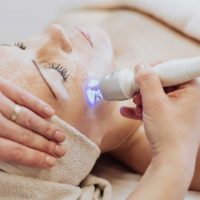
| LED light therapy | Safe; non-invasive, no substances involved | Inflammation, acne, collagen stimulation | None |
Sources: The Bump (expert recommendations, 2026); InfantRisk Center (2025); general dermatology safety guidelines for lactation.
Here in the Kansas City area, we offer several of these alternatives for breastfeeding mothers who want to maintain their skin health without the uncertainty surrounding injectable treatments. Chemical peels using glycolic acid provide effective exfoliation and collagen stimulation without systemic absorption concerns.
What Cosmetic Procedures Are Safe While Breastfeeding?
Cosmetic procedures that are generally considered safe while breastfeeding include laser treatments, microneedling with platelet-rich plasma (PRP), light chemical peels, LED therapy, and topical skincare treatments that remain on the skin surface. The common factor among these procedures is that nothing enters the bloodstream in quantities that would reach breast milk.
- Laser skin resurfacing and intense pulsed light (IPL) treatments target the skin’s surface and dermis without introducing any substance into the body.
- Microneedling creates controlled micro-injuries that stimulate collagen production. When combined with PRP (your own blood-derived growth factors), the treatment uses only your body’s own healing components.
- Light glycolic acid peels exfoliate the skin surface and stimulate cell turnover. Glycolic acid has minimal systemic absorption at concentrations used in cosmetic peels.
- LED light therapy uses specific wavelengths of light to reduce inflammation and stimulate cellular repair without any chemical agents.
Procedures to avoid during breastfeeding include Botox and other neurotoxin injections, dermal fillers, medium-to-deep chemical peels using trichloroacetic acid (TCA) or salicylic acid, and any treatment that involves substances with significant systemic absorption potential. Microdermabrasion is another surface-level option that gently exfoliates without introducing any chemicals into the body.
How Often Should You Get Botox in Your Forehead?
You should get Botox in your forehead every 3 to 4 months, which is the standard interval recommended by dermatologists and aesthetic providers for maintaining smooth, wrinkle-free results. Botox’s muscle-relaxing effect begins to wear off as the nerve endings regenerate and resume sending signals to the treated muscles. Most patients notice movement returning at around the 3-month mark, with the full effect fading by month 4.
The average age of Botox recipients is 43 years, according to industry data, though approximately 24% of Botox patients are between ages 19 and 34, reflecting a growing trend toward preventive treatment. Preventive Botox, sometimes called “baby Botox,” uses lower doses at earlier ages to slow the formation of dynamic wrinkles before they become permanent static lines. Botox frequency depends on the individual’s muscle strength, metabolism, treatment area, and desired level of movement restriction.
What Age Is Best to Start Botox?
The best age to start Botox is in the late 20s to early 30s for preventive purposes, or whenever dynamic wrinkles (lines that appear during facial expressions) begin to bother you. There is no universal “right age” because wrinkle formation depends on genetics, sun exposure history, skin type, and lifestyle factors like smoking and stress.
Preventive Botox works by relaxing the muscles that create expression lines before those lines become permanently etched into the skin at rest. A person who starts Botox at 28 may prevent the deep forehead lines and crow’s feet that would otherwise develop by their late 30s and 40s. Among all age groups, those aged 35 to 50 receive nearly half of all cosmetic Botox injections, according to industry data. The global Botox market is projected to reach $21.6 billion by 2032, reflecting the broad and growing demand across age groups.
Do You Age Faster After Stopping Botox?
No, you do not age faster after stopping Botox. Your skin simply returns to the natural aging process at the same rate it would have progressed without treatment. Botox does not alter the underlying biology of skin aging. It temporarily prevents the muscle contractions that create dynamic wrinkles. When you stop receiving injections, those muscles resume their normal activity and the wrinkles they produce gradually return.
This is particularly relevant for breastfeeding mothers who pause their Botox treatments during pregnancy and lactation. The pause does not cause accelerated aging. The wrinkles that reappear are simply the wrinkles that Botox was preventing, now visible again because the muscle-relaxing effect has worn off. Many patients notice that their skin actually looks better than expected after a long pause because the muscles were prevented from deepening lines during the treatment period. Botox and fillers can be resumed after breastfeeding is complete to address both dynamic wrinkles and volume loss simultaneously.
Frequently Asked Questions
Why Do I Still Have Wrinkles 4 Days After Botox?
You still have wrinkles 4 days after Botox because the full effect of the treatment takes 7 to 14 days to develop. Botox works by blocking the nerve signals that tell muscles to contract, and this blocking process happens gradually as the toxin binds to the nerve receptors at the neuromuscular junction. Most patients see initial smoothing within 3 to 5 days, with peak results appearing at the 10 to 14 day mark. Patience during this window is normal.
Can You Get Botox While Trying to Get Pregnant?
Most providers consider it acceptable to receive Botox while trying to get pregnant because Botox remains localized at the injection site and is metabolized quickly. Once you become pregnant, Botox is no longer recommended. Some women choose to stop Botox a few weeks before actively trying to conceive as an added precaution, though there is no clinical evidence that Botox affects fertility or early embryonic development at cosmetic doses.
Can You Get Botox While on Ozempic?
There is no known direct interaction between Botox and Ozempic (semaglutide). Botox is a localized injectable that affects neuromuscular junctions, while Ozempic is a GLP-1 receptor agonist that affects appetite and blood sugar regulation through systemic pathways. Patients taking Ozempic who experience nausea should inform their Botox provider, as the nausea could be compounded by the temporary discomfort of injection. Both treatments can generally be used simultaneously under provider guidance.
Does Botox Affect Breastfeeding Supply?
There is no evidence that Botox affects breast milk supply. Botox works by blocking acetylcholine at the neuromuscular junction in the injected muscles. Breast milk production is regulated by prolactin and oxytocin, hormones that operate through entirely different pathways. Cosmetic Botox doses remain localized and do not reach the brain regions that control lactation hormones.
Can You Get Botox While Pumping?
The same recommendations that apply to Botox while breastfeeding also apply to pumping. If you are exclusively pumping and feeding expressed breast milk to your infant, the safety considerations are identical because the breast milk composition is the same regardless of how it is delivered. Most providers still recommend waiting until you are no longer providing breast milk to your baby before resuming Botox.
Why Can’t You Get Botox While Breastfeeding?
You cannot get Botox while breastfeeding at most practices because the safety has not been definitively established through large-scale clinical research. The recommendation is precautionary. Current evidence from small studies suggests the risk to a nursing infant is extremely low, but providers prefer to err on the side of caution with any substance that could potentially reach a newborn through breast milk. The lack of data, rather than the presence of harm, is what drives the restriction.
Putting It All Together
The question of whether you can get Botox while breastfeeding does not have a simple yes or no answer. The current evidence suggests that the risk to a nursing infant is extremely low. Two of the most recent studies found either no detectable Botox in breast milk or trace amounts so small they are measured in parts per trillion. Stomach acid in the infant’s digestive system would further break down any ingested toxin protein. At the same time, the data is limited, and no large-scale clinical trial has confirmed absolute safety. Most providers recommend waiting until breastfeeding is complete before resuming or starting Botox, and that remains the safest approach when uncertainty exists. Laser treatments, microneedling, light chemical peels, and a medical-grade skincare routine offer effective alternatives during the breastfeeding period.
At Slimming Solutions Med Spa, we help patients make informed decisions about their cosmetic treatments at every stage of life, including during and after pregnancy. Call us at (816) 524-3438 to schedule a free consultation.
![[thumb]](https://slimmingsolutionsspa.com/wp-content/uploads/2023/12/botox1-150x150.png)
![[thumb]](https://slimmingsolutionsspa.com/wp-content/uploads/2023/12/Before2-150x150.png)
![[thumb]](https://slimmingsolutionsspa.com/wp-content/uploads/2023/12/Before3-150x150.png)


![[thumb]](https://slimmingsolutionsspa.com/wp-content/uploads/2023/12/revanesse-versa-1-150x150.png)
![[thumb]](https://slimmingsolutionsspa.com/wp-content/uploads/2023/12/revanesse-versa-2-150x150.png)
![[thumb]](https://slimmingsolutionsspa.com/wp-content/uploads/2023/12/revanesse-versa-3-150x150.png)
![[thumb]](https://slimmingsolutionsspa.com/wp-content/uploads/2023/12/revanesse-versa-4-150x150.png)
![[thumb]](https://slimmingsolutionsspa.com/wp-content/uploads/2023/12/revanesse-versa-5-150x150.png)
![[thumb]](https://slimmingsolutionsspa.com/wp-content/uploads/2024/01/Eyebrow-treatment-1-1-150x150.png)
![[thumb]](https://slimmingsolutionsspa.com/wp-content/uploads/2023/12/Skin-Rejuvenation-1-150x150.png)
![[thumb]](https://slimmingsolutionsspa.com/wp-content/uploads/2023/12/Skin-Rejuvenation-2-150x150.png)


![[thumb]](https://slimmingsolutionsspa.com/wp-content/uploads/2024/01/Lip-Filler-1-150x150.png)
![[thumb]](https://slimmingsolutionsspa.com/wp-content/uploads/2024/01/Lip-Filler-2-150x150.png)
![[thumb]](https://slimmingsolutionsspa.com/wp-content/uploads/2025/02/Lip-Filler-1-150x150.png)
![[thumb]](https://slimmingsolutionsspa.com/wp-content/uploads/2024/01/Lip-Filler-150x150.jpg)
![[thumb]](https://slimmingsolutionsspa.com/wp-content/uploads/2024/01/Before-1-150x150.jpg)

![[thumb]](https://slimmingsolutionsspa.com/wp-content/uploads/2024/01/RHA-Treatmetn-3-150x150.png)
![[thumb]](https://slimmingsolutionsspa.com/wp-content/uploads/2024/01/RHA-Treatmetn-2-150x150.png)
![[thumb]](https://slimmingsolutionsspa.com/wp-content/uploads/2024/01/RHA-Treatmetn-1-150x150.png)
![[thumb]](https://slimmingsolutionsspa.com/wp-content/uploads/2024/01/Thread-Lifts-1-150x150.png)
![[thumb]](https://slimmingsolutionsspa.com/wp-content/uploads/2024/01/Thread-Lifts-2-150x150.png)
![[thumb]](https://slimmingsolutionsspa.com/wp-content/uploads/2025/02/Lip-Filler-2-150x150.png)

![[thumb]](https://slimmingsolutionsspa.com/wp-content/uploads/2023/12/skin-reuvulation1-150x150.png)
![[thumb]](https://slimmingsolutionsspa.com/wp-content/uploads/2023/12/skin-rejuvulation-2-150x150.png)
![[thumb]](https://slimmingsolutionsspa.com/wp-content/uploads/2023/12/Skin-Tighting-150x150.png)
![[thumb]](https://slimmingsolutionsspa.com/wp-content/uploads/2023/12/Before-150x150.jpg)
![[thumb]](https://slimmingsolutionsspa.com/wp-content/uploads/2023/12/weightloss-1-150x150.png)
![[thumb]](https://slimmingsolutionsspa.com/wp-content/uploads/2023/12/weightloss-2-150x150.png)
![[thumb]](https://slimmingsolutionsspa.com/wp-content/uploads/2023/12/2Weight-Loss-2-150x150.png)
![[thumb]](https://slimmingsolutionsspa.com/wp-content/uploads/2025/02/Weight-Loss-1-new-150x150.png)
![[thumb]](https://slimmingsolutionsspa.com/wp-content/uploads/2023/12/Weight-Loss-3-150x150.png)
![[thumb]](https://slimmingsolutionsspa.com/wp-content/uploads/2025/03/Slimming-Solutions-BA-Template-150x150.png)


![[thumb]](https://slimmingsolutionsspa.com/wp-content/uploads/2023/12/dat3-150x150.png)
![[thumb]](https://slimmingsolutionsspa.com/wp-content/uploads/2023/12/dat-0-150x150.png)
![[thumb]](https://slimmingsolutionsspa.com/wp-content/uploads/2023/12/dat-1-150x150.png)
![[thumb]](https://slimmingsolutionsspa.com/wp-content/uploads/2023/12/Before-1-150x150.png)

![[thumb]](https://slimmingsolutionsspa.com/wp-content/uploads/2024/01/EMS-Treatment-2-150x150.png)
![[thumb]](https://slimmingsolutionsspa.com/wp-content/uploads/2024/01/EMS-Treatment-1-150x150.png)
![[thumb]](https://slimmingsolutionsspa.com/wp-content/uploads/2025/02/ems-BNA-front-150x150.png)
![[thumb]](https://slimmingsolutionsspa.com/wp-content/uploads/2025/02/EMS-bna-SIDE-150x150.png)
![[thumb]](https://slimmingsolutionsspa.com/wp-content/uploads/2024/01/EMS-Treatment-6-150x150.png)