
SEO Title: Personalized Treatment Planning
Meta Description: Personalized treatment planning is a customized approach to aesthetic care where your provider evaluates your skin type, health history, goals, and lifestyle to build a step-by-step plan that delivers natural, long-lasting results.
Blog Category: Facial Treatments
Personalized treatment planning is a step-by-step approach to aesthetic care where your provider builds a custom plan based on your skin type, health history, lifestyle, and personal goals. Instead of offering the same treatment to every patient, a personalized plan looks at what makes you different and creates a path that fits your body and your life. This article covers what personalized treatment planning means at a med spa, how the process works from consultation to follow-up, what treatments might be part of your plan, and how a customized approach leads to safer, longer-lasting results.
What Is a Personalized Treatment Plan at a Med Spa?
A personalized treatment plan at a med spa is a custom roadmap created just for you. It starts with a detailed consultation where your provider evaluates your skin condition, facial structure, medical background, and the results you want to achieve. From there, your provider selects treatments, sets a timeline, and builds a plan that addresses your specific concerns.
This is not a one-size-fits-all approach. According to a study by Epsilon, 80% of consumers are more likely to purchase from a brand that provides personalized experiences. That number holds true in aesthetic care. Patients who receive a plan built around their individual needs report higher satisfaction and better outcomes than those who receive generic treatments.
The global personalized medicine market was valued at $572.93 billion in 2024 and is projected to surpass $1.1 trillion by 2033, according to a report published by Towards Healthcare. That growth reflects a clear shift across all areas of health care, including aesthetics, toward treating the individual rather than the condition alone.
What Is the Difference Between a Personalized Plan and a Standard Treatment?
The difference between a personalized plan and a standard treatment is that a personalized plan is built around your individual skin, health, and goals, while a standard treatment applies the same approach to everyone. A standard treatment might help, but it does not account for factors like your skin sensitivity, your age, your hormone levels, or the specific areas you want to improve.
A personalized plan considers the full picture. Your provider might recommend dermal fillers for volume loss in one area and a skin-tightening treatment in another, all within one coordinated plan. A standard approach would treat each concern separately, often without considering how the treatments interact.
What Are the 4 Stages of Treatment Planning?
The 4 stages of treatment planning are the initial consultation, the assessment and diagnosis, the plan development, and the ongoing follow-up. Each stage plays a critical role in making sure your results are safe, effective, and aligned with your goals.
Stage 1: The Initial Consultation
This is where you sit down with your provider and talk about what you want to change. You share your concerns, your goals, and your expectations. Your provider also reviews your full medical history, current medications, allergies, and any past treatments you have had. A survey published by Repugen found that 69% of patients would switch providers for better, more customized services. The consultation is where that customization begins.
Stage 2: The Assessment and Diagnosis
After the conversation, your provider performs a thorough evaluation. This may include a detailed skin analysis, a review of facial symmetry, an assessment of skin elasticity, and an evaluation of areas with volume loss, pigmentation, or texture concerns. A study published in the Aesthetic Surgery Journal found that physicians sometimes underestimate patient concerns about under-eye hollows and mid-face volume loss, which is why a careful assessment matters so much.
Stage 3: The Plan Development
Based on the assessment, your provider builds your plan. This includes which treatments to use, how many sessions you may need, the order treatments should be performed in, and how far apart to space them. Here at our practice in Lee’s Summit, we take the time to make sure every step of your plan is explained clearly so you know exactly what to expect.
Stage 4: The Ongoing Follow-Up
Your plan does not end after your first treatment. Follow-up visits let your provider track your progress, adjust treatments as needed, and plan maintenance sessions to keep your results looking natural over time. A patient-centered approach that includes regular follow-up has been shown to increase both trust and satisfaction, according to research published in the Journal of Cosmetic Dermatology.
Why Does a Personalized Approach Lead to Better Results?
A personalized approach leads to better results because it matches each treatment to the specific needs of your skin and body. When treatments are selected based on your individual profile, they work more effectively, carry fewer risks, and produce results that look natural rather than overdone.
The U.S. medical aesthetics market was valued at $4.1 billion in 2024 and is projected to reach $8.8 billion by 2033, according to IMARC Group. A major reason for this growth is that patients are seeking providers who take the time to customize their care rather than offering cookie-cutter solutions.
Non-surgical procedures now represent 62% of all medical aesthetics treatments worldwide, according to data from Business Research Insights. With so many treatment options available, from neurotoxins and fillers to laser resurfacing and body contouring, a personalized plan is the only reliable way to determine which combination will work best for you.
How Does Your Skin Type Affect Your Treatment Plan?
Your skin type affects your treatment plan because different skin types respond differently to aesthetic treatments. Someone with sensitive, fair skin may need gentler laser settings or a milder chemical peel, while someone with thicker, more resilient skin may benefit from more aggressive resurfacing. Your provider also looks at your skin’s oil production, hydration levels, and tendency toward scarring or hyperpigmentation.
The Fitzpatrick skin type scale, widely used in dermatology and aesthetics, classifies skin into six categories based on how it responds to ultraviolet light. Your provider uses this classification, along with a hands-on evaluation, to choose the safest and most effective treatments for your complexion.
How Do Lifestyle Factors Influence Your Aesthetic Treatment?
Lifestyle factors influence your aesthetic treatment because things like sun exposure, smoking, sleep patterns, diet, stress levels, and exercise habits all affect how your skin looks and how it heals. A patient who spends a lot of time outdoors may need a different approach to pigmentation than someone who works indoors. A patient dealing with chronic stress or poor sleep may benefit from a plan that includes wellness support alongside cosmetic treatments.
According to data from the American Med Spa Association, the medical spa industry in the United States grew from 8,899 locations in 2022 to 10,488 in 2023. Part of that growth comes from the fact that modern med spas now consider the whole patient, not just the skin, when building treatment plans. Services like hormone therapy and vitamin support are increasingly woven into comprehensive aesthetic plans.
What Treatments Can Be Included in a Personalized Med Spa Plan?
Treatments included in a personalized med spa plan can range from injectables and facial treatments to body contouring and wellness therapies. The specific treatments chosen depend entirely on the patient’s goals, skin condition, and health profile.
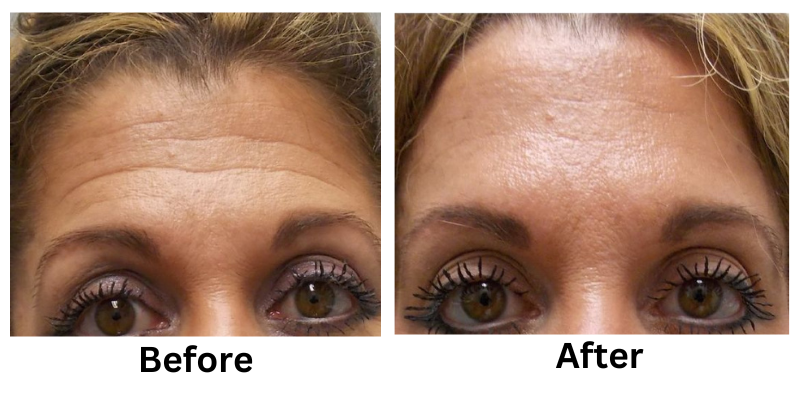
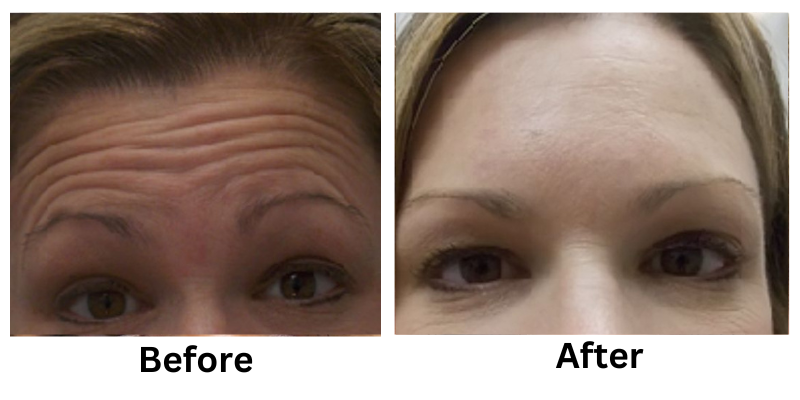
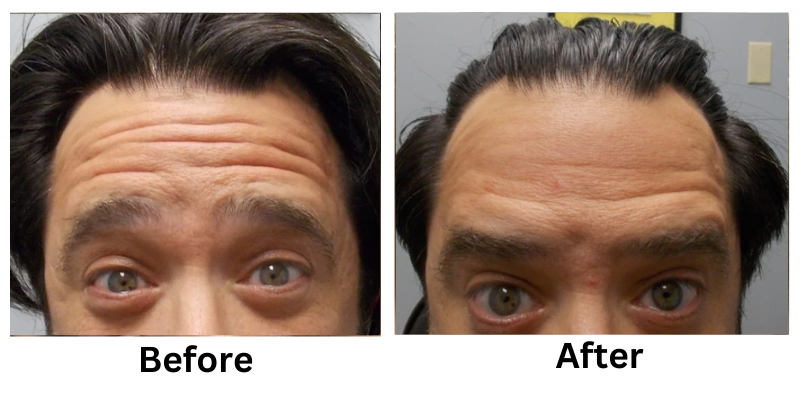
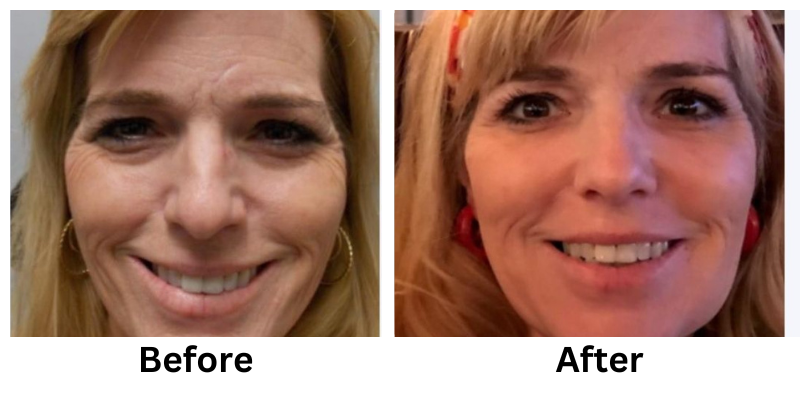
For patients concerned with fine lines and wrinkles, Botox and other neurotoxins can relax the muscles that cause dynamic wrinkles, while dermal fillers restore volume in the cheeks, lips, and under-eye area. According to the 2024 ISAPS Global Survey, 7.8 million botulinum toxin procedures were performed worldwide in 2024 alone, making it the most popular non-surgical aesthetic treatment globally.
For skin texture, tone, and pigmentation concerns, treatments like microdermabrasion, chemical peels, aqua facials, and laser skin resurfacing may be part of the plan. The same ISAPS survey reported that hyaluronic acid filler procedures grew by 5.2% to 6.3 million procedures in 2024, showing that patients are increasingly combining injectable and skin-resurfacing treatments in coordinated plans.
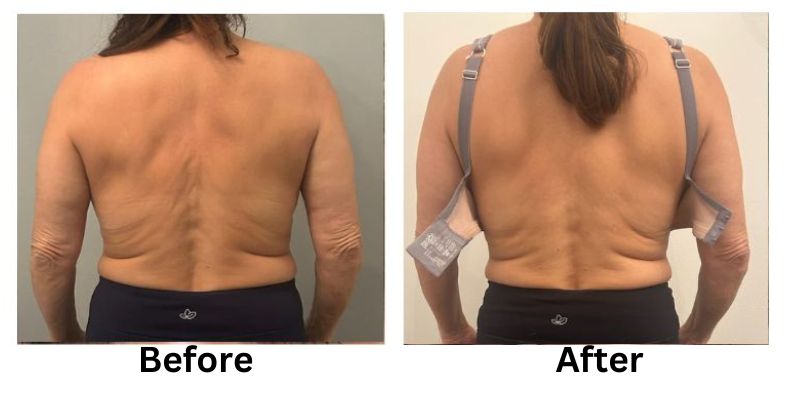
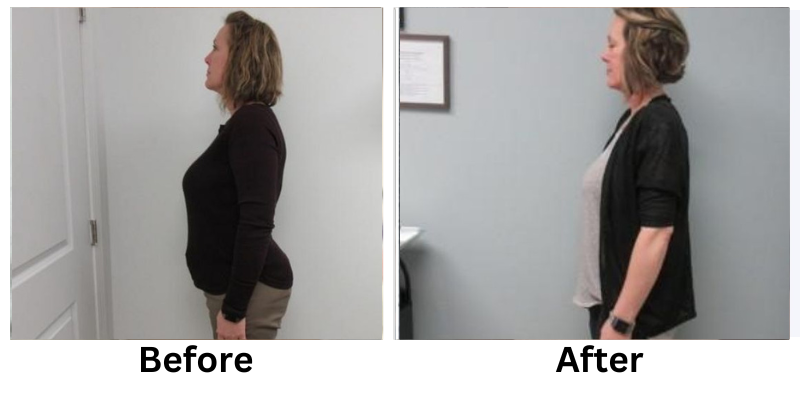
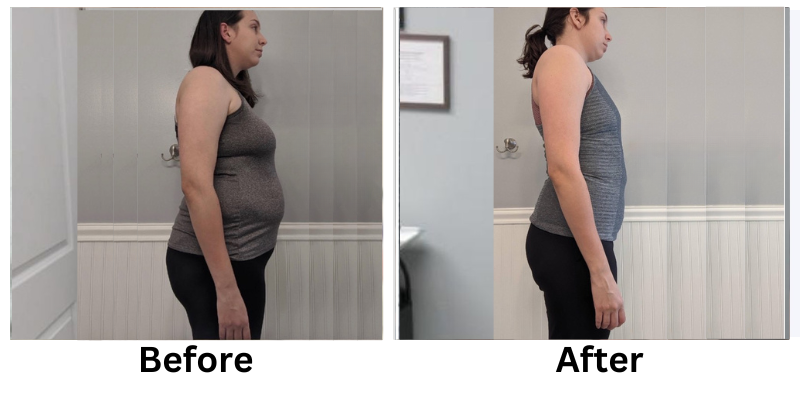
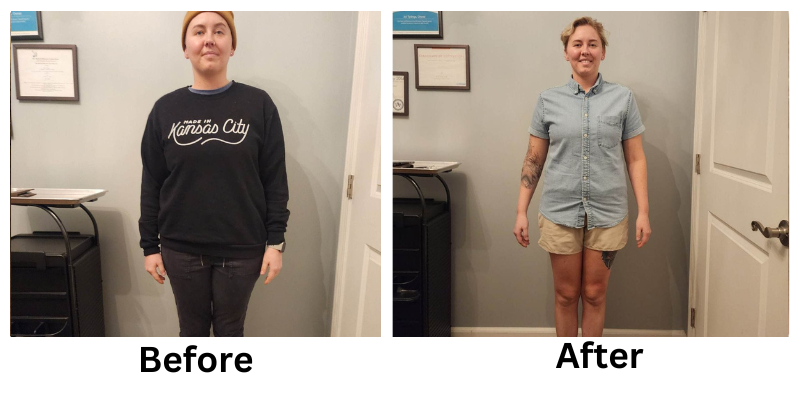
Patients looking to address excess fat or loose skin may benefit from body sculpting or skin-tightening procedures, which can be layered into a broader plan alongside facial treatments. Wellness services like peptide therapy, vitamin injections, and medical weight loss programs can also play a supporting role in a comprehensive plan.
Can You Combine Different Aesthetic Treatments in One Plan?
Yes, you can combine different aesthetic treatments in one plan, and doing so often produces better results than any single treatment on its own. Combination therapy allows your provider to address multiple concerns at once, such as pairing neurotoxins for wrinkle reduction with fillers for volume loss and a skin-tightening treatment for lax skin along the jawline.
According to data from the Octane Aesthetics Tech Forum, U.S. non-surgical aesthetics spending climbed to $17.5 billion in 2024, up from $15.1 billion just two years earlier. That increase reflects a growing trend toward multi-treatment plans that deliver comprehensive, natural-looking improvements.
The key to safe and effective combination therapy is timing. Certain treatments need to be spaced weeks or months apart to allow healing and avoid complications. Treatments like RF microneedling pair well with injectables when spaced properly. Your provider maps out the schedule so each treatment builds on the last without overwhelming your skin.
How Do You Know Which Aesthetic Treatment Is Right for You?
You know which aesthetic treatment is right for you by going through a thorough consultation with a qualified provider who evaluates your skin, listens to your goals, and recommends options based on evidence and experience. There is no shortcut to this process. What works for a friend or a social media influencer may not be the right fit for your skin, your age, or your health history.
A report by Bolt found that 75% of shoppers would pay more for beauty and skincare products if they received a personalized experience. That same demand for personalization applies to med spa treatments. Patients want to know that their provider is recommending a treatment because it is the best option for them, not because it is the most popular or the most profitable.
What Should You Tell Your Provider During a Consultation?
What you should tell your provider during a consultation includes your full medical history, any medications or supplements you take, past cosmetic treatments and their outcomes, allergies, your skin care routine at home, and the specific results you hope to achieve. Honest communication is the foundation of a good treatment plan.
You should also share any concerns you have about pain, downtime, or recovery. If you have an important event coming up, let your provider know so the plan can be timed accordingly. The more information your provider has, the more precise and effective your plan will be.
How Often Should You Update Your Treatment Plan?
You should update your treatment plan at least every 6 to 12 months, or whenever your skin, health, or goals change significantly. Skin ages gradually, and the treatments that worked well a year ago may need to be adjusted as your needs evolve.
Seasonal changes also play a role. Certain treatments, like aggressive laser procedures, are better suited for fall and winter months when sun exposure is lower. Your provider can adjust your plan throughout the year to keep your skin healthy and your results consistent. We see patients across the Kansas City area who schedule regular check-ins to keep their plans on track.
Can a Treatment Plan Change Over Time?
Yes, a treatment plan can and should change over time. Your skin, your body, and your goals are not static. Weight changes, hormonal shifts, pregnancy, menopause, stress, and aging all affect your skin and your aesthetic needs. A good personalized plan is flexible enough to adapt as your life changes.
According to the ISAPS 2024 Global Survey, cosmetic procedures worldwide increased by 42.5% over the last four years, with 20.5 million non-surgical procedures performed in 2024 alone. That growth reflects a shift toward ongoing aesthetic maintenance rather than one-time treatments. The most effective plans are living documents that evolve with the patient.
Personalized Treatment Planning vs. Standard Treatment
| Factor | Personalized Treatment Plan | Standard Treatment Approach |
|---|---|---|
| Assessment | Full skin analysis, medical history review, lifestyle evaluation | Brief visual assessment only |
| Treatment Selection | Customized to individual skin type, concerns, and goals | Same treatment applied to all similar concerns |
| Combination Therapy | Multiple treatments coordinated in a timed sequence | Treatments done individually without coordination |
| Patient Satisfaction | Higher (80% of consumers prefer personalized experiences, per Epsilon) | Lower, with more variability in outcomes |
| Safety | Reduced risk due to individualized dosing and product selection | Higher risk of adverse reactions or poor results |
| Long-Term Value | Avoids unnecessary treatments, saving time and money | May include treatments that do not address the root concern |
| Follow-Up | Regular check-ins with plan adjustments over time | Limited or no structured follow-up |
Sources: Epsilon consumer personalization study; ISAPS 2024 Global Survey on Aesthetic/Cosmetic Procedures; American Med Spa Association 2024 State of the Industry Report; IMARC Group U.S. Medical Aesthetics Market Report 2024.
What Are the 4 Ps of Personalized Medicine?
The 4 Ps of personalized medicine are predictive, preventive, personalized, and participatory. These four principles guide the shift from reactive health care to a proactive, patient-centered approach. In aesthetic medicine, the 4 Ps apply directly to how treatment plans are built.
Predictive means your provider uses your skin analysis, health data, and aging patterns to predict what your skin will need in the future. Preventive means starting treatments early, like Botox for fine lines in your late 20s or early 30s, before deep wrinkles form. Personalized means every treatment is selected specifically for you. Participatory means you are an active part of the decision-making process. Your input, your preferences, and your comfort level all shape the final plan.
Data from Business Research Insights shows that adoption of AI-guided treatment systems increased by 29% across major aesthetic facilities in 2024. These tools help providers analyze skin at a deeper level and make more precise, data-driven recommendations, bringing the 4 Ps to life in everyday practice.
What Are the 6 Principles of Personalized Care?
The 6 principles of personalized care are shared decision-making, individualized assessment, patient education, treatment flexibility, ongoing communication, and outcome tracking. These principles apply to every facial treatment and body treatment plan at a quality med spa.
Shared decision-making means you and your provider work together to choose the right treatments. Individualized assessment means no two evaluations look the same, because no two patients are the same. Patient education means you leave the consultation understanding exactly why each treatment was recommended. Treatment flexibility means your plan can shift if your skin responds differently than expected. Ongoing communication means your provider checks in with you between visits. Outcome tracking means your progress is documented so future treatments can build on past results.
A global survey published in the Aesthetic Surgery Journal emphasized that patient education and transparent communication are among the most important factors in achieving satisfaction after aesthetic treatments. These 6 principles put that research into action.
Frequently Asked Questions
What Is a Custom Treatment Plan?
A custom treatment plan is a step-by-step aesthetic care strategy built specifically for one patient. It accounts for the patient’s skin type, facial anatomy, health conditions, lifestyle habits, and desired results. According to IMARC Group, the U.S. medical aesthetics market is growing at 8.7% annually, driven in large part by patient demand for this kind of individualized care.
Do You Need a Consultation Before Aesthetic Treatments?
Yes, you need a consultation before aesthetic treatments. A consultation is the foundation of any safe and effective treatment plan. It allows your provider to evaluate your skin, review your medical history, set realistic expectations, and recommend the right combination of treatments for your goals.
How Long Does It Take to See Results From a Personalized Plan?
How long it takes to see results from a personalized plan depends on the treatments involved. Some treatments, like neurotoxins, show results within 3 to 7 days. Others, like collagen-stimulating fillers, may take several weeks to show full improvement. A comprehensive plan that includes multiple treatments may take 3 to 6 months to deliver complete results.
Is a Personalized Treatment Plan More Effective Than a Single Treatment?
Yes, a personalized treatment plan is more effective than a single treatment because it addresses multiple concerns in a coordinated way. For example, pairing a neurotoxin with a filler and a resurfacing treatment addresses wrinkles, volume loss, and texture all within one plan. Research consistently shows that combination approaches produce more natural, balanced outcomes.
Why Do Results Vary From Person to Person?
Results vary from person to person because every individual has a different skin type, metabolic rate, collagen production level, healing speed, and lifestyle. Two patients who receive the exact same filler may see different results due to these biological differences. Personalized treatment planning accounts for these variables and adjusts the approach accordingly.
Can Men Get a Personalized Aesthetic Treatment Plan?
Yes, men can get a personalized aesthetic treatment plan. The American Med Spa Association reports growing male participation across the medical aesthetics industry. Men often seek treatments for jawline definition, under-eye hollows, forehead lines, and body contouring. A personalized plan for men accounts for differences in skin thickness, facial hair, and muscle structure.
What Age Should You Start a Personalized Treatment Plan?
There is no single right age to start a personalized treatment plan. Many providers recommend beginning preventive treatments, like low-dose neurotoxins or professional skin care, in the late 20s to early 30s. However, the best time to start is whenever you have concerns you want to address. A global survey published in the Aesthetic Surgery Journal found that 68% of respondents believed aesthetic procedures should be sought in the 30s to 40s, while physicians recommended starting even earlier.
Putting It All Together
Personalized treatment planning is the difference between guessing and knowing. It takes the time to understand your skin, your health, and your goals before recommending a single treatment. With non-surgical aesthetics growing rapidly and more treatment options available than ever before, a customized plan is the smartest way to get results that look natural, last longer, and actually match what you want.
Whether you are interested in injectables, skin resurfacing, body treatments, or a full combination approach, the right plan starts with the right conversation. At Slimming Solutions Med Spa, we are here to listen, evaluate, and build a plan that fits your life.
You can request a consultation and take the first step toward a plan that is truly yours.
![[thumb]](https://slimmingsolutionsspa.com/wp-content/uploads/2023/12/botox1-150x150.png)
![[thumb]](https://slimmingsolutionsspa.com/wp-content/uploads/2023/12/Before2-150x150.png)
![[thumb]](https://slimmingsolutionsspa.com/wp-content/uploads/2023/12/Before3-150x150.png)


![[thumb]](https://slimmingsolutionsspa.com/wp-content/uploads/2023/12/revanesse-versa-1-150x150.png)
![[thumb]](https://slimmingsolutionsspa.com/wp-content/uploads/2023/12/revanesse-versa-2-150x150.png)
![[thumb]](https://slimmingsolutionsspa.com/wp-content/uploads/2023/12/revanesse-versa-3-150x150.png)
![[thumb]](https://slimmingsolutionsspa.com/wp-content/uploads/2023/12/revanesse-versa-4-150x150.png)
![[thumb]](https://slimmingsolutionsspa.com/wp-content/uploads/2023/12/revanesse-versa-5-150x150.png)
![[thumb]](https://slimmingsolutionsspa.com/wp-content/uploads/2024/01/Eyebrow-treatment-1-1-150x150.png)
![[thumb]](https://slimmingsolutionsspa.com/wp-content/uploads/2023/12/Skin-Rejuvenation-1-150x150.png)
![[thumb]](https://slimmingsolutionsspa.com/wp-content/uploads/2023/12/Skin-Rejuvenation-2-150x150.png)


![[thumb]](https://slimmingsolutionsspa.com/wp-content/uploads/2024/01/Lip-Filler-1-150x150.png)
![[thumb]](https://slimmingsolutionsspa.com/wp-content/uploads/2024/01/Lip-Filler-2-150x150.png)
![[thumb]](https://slimmingsolutionsspa.com/wp-content/uploads/2025/02/Lip-Filler-1-150x150.png)
![[thumb]](https://slimmingsolutionsspa.com/wp-content/uploads/2024/01/Lip-Filler-150x150.jpg)
![[thumb]](https://slimmingsolutionsspa.com/wp-content/uploads/2024/01/Before-1-150x150.jpg)

![[thumb]](https://slimmingsolutionsspa.com/wp-content/uploads/2024/01/RHA-Treatmetn-3-150x150.png)
![[thumb]](https://slimmingsolutionsspa.com/wp-content/uploads/2024/01/RHA-Treatmetn-2-150x150.png)
![[thumb]](https://slimmingsolutionsspa.com/wp-content/uploads/2024/01/RHA-Treatmetn-1-150x150.png)
![[thumb]](https://slimmingsolutionsspa.com/wp-content/uploads/2024/01/Thread-Lifts-1-150x150.png)
![[thumb]](https://slimmingsolutionsspa.com/wp-content/uploads/2024/01/Thread-Lifts-2-150x150.png)
![[thumb]](https://slimmingsolutionsspa.com/wp-content/uploads/2025/02/Lip-Filler-2-150x150.png)

![[thumb]](https://slimmingsolutionsspa.com/wp-content/uploads/2023/12/skin-reuvulation1-150x150.png)
![[thumb]](https://slimmingsolutionsspa.com/wp-content/uploads/2023/12/skin-rejuvulation-2-150x150.png)
![[thumb]](https://slimmingsolutionsspa.com/wp-content/uploads/2023/12/Skin-Tighting-150x150.png)
![[thumb]](https://slimmingsolutionsspa.com/wp-content/uploads/2023/12/Before-150x150.jpg)
![[thumb]](https://slimmingsolutionsspa.com/wp-content/uploads/2023/12/weightloss-1-150x150.png)
![[thumb]](https://slimmingsolutionsspa.com/wp-content/uploads/2023/12/weightloss-2-150x150.png)
![[thumb]](https://slimmingsolutionsspa.com/wp-content/uploads/2023/12/2Weight-Loss-2-150x150.png)
![[thumb]](https://slimmingsolutionsspa.com/wp-content/uploads/2025/02/Weight-Loss-1-new-150x150.png)
![[thumb]](https://slimmingsolutionsspa.com/wp-content/uploads/2023/12/Weight-Loss-3-150x150.png)
![[thumb]](https://slimmingsolutionsspa.com/wp-content/uploads/2025/03/Slimming-Solutions-BA-Template-150x150.png)


![[thumb]](https://slimmingsolutionsspa.com/wp-content/uploads/2023/12/dat3-150x150.png)
![[thumb]](https://slimmingsolutionsspa.com/wp-content/uploads/2023/12/dat-0-150x150.png)
![[thumb]](https://slimmingsolutionsspa.com/wp-content/uploads/2023/12/dat-1-150x150.png)
![[thumb]](https://slimmingsolutionsspa.com/wp-content/uploads/2023/12/Before-1-150x150.png)

![[thumb]](https://slimmingsolutionsspa.com/wp-content/uploads/2024/01/EMS-Treatment-2-150x150.png)
![[thumb]](https://slimmingsolutionsspa.com/wp-content/uploads/2024/01/EMS-Treatment-1-150x150.png)
![[thumb]](https://slimmingsolutionsspa.com/wp-content/uploads/2025/02/ems-BNA-front-150x150.png)
![[thumb]](https://slimmingsolutionsspa.com/wp-content/uploads/2025/02/EMS-bna-SIDE-150x150.png)
![[thumb]](https://slimmingsolutionsspa.com/wp-content/uploads/2024/01/EMS-Treatment-6-150x150.png)