Structural Skin Changes During Aging

Share This Post
Structural skin changes during aging

Table of Contents

Structural skin changes during aging happen in every layer of the skin, from the surface epidermis down through the deep dermis and subcutaneous tissue. Collagen production drops about 1% each year after your mid-twenties. Elastin fibers lose their organized structure. Hyaluronic acid decreases by half by age 50. The dermis, which gives skin its firmness and bounce, can lose 20% to 80% of its thickness over a lifetime. In this article, we break down exactly what changes in each skin layer as you age, what accelerates the damage, and what treatments can slow or reverse these structural shifts.

What Are the Structural Changes in Aging Skin?

The structural changes in aging skin include collagen degradation, elastin fiber breakdown, loss of hyaluronic acid, thinning of both the epidermis and dermis, flattening of the dermal-epidermal junction, and a decrease in the number of fibroblasts, melanocytes, and blood vessels. These changes happen gradually over decades, but they accelerate significantly after age 40 and again after menopause in women.

A review published in the International Journal of Molecular Sciences found that chronologically aged skin shows epidermal atrophy, decreased cell numbers, fewer mast cells and fibroblasts in the dermis, and significant disorganization of collagen and elastin fibers. The dermis is where the most dramatic changes take place. Collagen fibers, which account for about 75% of the dry weight of skin according to research published in PMC, become fragmented and less dense over time. This fragmentation is the primary reason skin loses its firmness and starts to sag.

A study by Marcos-Garces and colleagues found that collagen bundle density in the reticular dermis drops from about 81% in young tissue to just 58% in aged tissue. That is a substantial loss of the structural framework that holds skin together. We see the visible effects of this every day in our patients: deeper fine lines and wrinkles, thinner skin, and a loss of the plump, firm look that younger skin has.

What Are the 4 Layers of Aging?

The 4 layers of aging refer to the skin surface (epidermis), the structural middle layer (dermis), the fat layer beneath the skin (subcutaneous tissue), and the underlying bone and muscle. Each layer changes with age, and the visible signs of aging are the result of all four layers breaking down at the same time.

Epidermis (Outer Layer)

The epidermis thins as you age because skin cell turnover slows down. In young skin, the epidermis renews itself about every 28 days. By age 50, that cycle can take 40 to 60 days. The result is a duller, rougher surface. The number of melanocytes (the cells that produce pigment) decreases by 8% to 20% per decade, according to a review published in the International Journal of Molecular Sciences. This leads to uneven skin tone and hyperpigmentation in some areas and loss of color in others.

Dermis (Structural Layer)

The dermis undergoes the biggest structural changes. It can lose 20% to 80% of its thickness during the aging process, according to the Dermal Institute. Collagen production declines about 1% per year after age 25, and the collagen that remains becomes fragmented and disorganized. Elastin fibers, which give skin its snap-back ability, also degrade. In photoaged skin, these damaged elastin fragments accumulate in a condition called solar elastosis. In naturally aged skin, the elastic fiber network simply depletes over time.

Subcutaneous Fat Layer

The fat pads beneath the skin shrink and shift with age. This is what causes hollowing under the eyes, flattening of the cheeks, and deepening of the nasolabial folds. Facial volume loss is one of the most noticeable signs of aging because it changes the overall shape and contour of the face.

Bone and Muscle

Facial bones resorb over time, meaning they actually shrink. The eye sockets widen, the jawbone recedes, and the midface loses projection. Muscle mass also decreases. According to Harvard Health Publishing, adults lose 3% to 5% of muscle mass per decade after age 30. These deeper structural losses compound the changes happening in the skin layers above.

What Are the 7 Signs of Aging?

The 7 signs of aging are fine lines, wrinkles, loss of firmness, uneven skin tone, visible pores, dullness, and dryness. Each of these signs is directly tied to a structural change happening beneath the surface of the skin.

Fine lines appear first, usually around the eyes and forehead, because the thin skin in these areas loses collagen and elastin fastest. Wrinkles deepen as the dermis continues to thin. Loss of firmness happens when the collagen scaffold breaks down and the skin can no longer resist gravity. Uneven skin tone develops as melanocyte function becomes irregular and sun damage accumulates. Visible pores enlarge as the skin around them loses its structural support. Dullness results from slower cell turnover in the epidermis. Dryness increases because hyaluronic acid content, which is the skin’s primary moisture-binding molecule, drops significantly with age.

According to a study published in the Journal of the American Academy of Dermatology, the skin’s hyaluronic acid content begins to decrease as early as age 20 and is reduced to half by age 50. This loss of HA directly contributes to the dry, thin, less resilient quality of aging skin. Treatments like aqua facials and injectable fillers based on hyaluronic acid work specifically to replace this lost hydration and volume.

What Causes Skin to Age the Fastest?

UV radiation from the sun causes skin to age the fastest. A study published in the journal Clinical, Cosmetic and Investigational Dermatology found that UV exposure is responsible for approximately 80% of visible facial aging signs. The Skin Cancer Foundation reports that photoaging accounts for up to 90% of the visible changes to the skin, including wrinkles, dark spots, and loss of elasticity.

UV light damages skin at the molecular level. It activates enzymes called matrix metalloproteinases (MMPs), which break down collagen and elastin fibers in the dermis. A landmark study published in The New England Journal of Medicine demonstrated that UV irradiation triggers collagen degradation through these MMPs, and that the skin’s repair process after each exposure is imperfect. Over time, these imperfect repairs accumulate and create the coarse wrinkles, rough texture, and pigmentation changes that define photoaged skin.

Beyond UV light, smoking accelerates skin aging by restricting blood flow and increasing collagen-destroying enzymes. Air pollution deposits free radicals on the skin surface that trigger oxidative stress. Poor sleep raises cortisol, which degrades collagen. A diet high in sugar causes glycation, a process where sugar molecules bond to collagen fibers and make them stiff and brittle. All of these factors compound the natural aging process.

Which Vitamin Deficiency Causes Wrinkles?

Vitamin C deficiency causes wrinkles because vitamin C is essential for collagen synthesis. Without adequate vitamin C, the body cannot produce the stable collagen fibers that keep skin firm and smooth. Collagen production depends on vitamin C as a cofactor in the enzymatic process that cross-links and stabilizes collagen molecules. When levels are low, the body makes weaker, less organized collagen, and existing collagen breaks down faster.

Vitamin D deficiency also contributes to premature skin aging. Vitamin D plays a role in skin cell growth, repair, and immune function. Research published in PMC found that low vitamin D levels are associated with decreased skin thickness and impaired wound healing, both of which accelerate the visible signs of aging.

Vitamin A (retinol) deficiency slows skin cell turnover, leading to a rough, dull complexion and slower collagen production. This is why retinoid-based treatments are among the most studied and effective tools for addressing structural skin aging. Treatments like chemical peels often use acids that work alongside the body’s vitamin pathways to resurface damaged skin and stimulate new collagen.

What Vitamin Deficiencies Cause Skin Changes?

Vitamin deficiencies that cause skin changes include low levels of vitamin C, vitamin D, vitamin A, vitamin E, and B vitamins. Each one affects the skin differently, and deficiencies can accelerate the structural breakdown that leads to premature aging.

Vitamin C supports collagen production and acts as a powerful antioxidant that neutralizes free radicals from UV exposure and pollution. Vitamin D supports skin barrier function and cell renewal. Vitamin A regulates cell turnover and helps maintain a smooth, even skin surface. Vitamin E protects cell membranes from oxidative damage. B vitamins, especially B3 (niacinamide), support the skin’s barrier function and help reduce redness and uneven tone.

We often recommend vitamin injections to patients who want to support their skin health from the inside out. Delivering vitamins directly through an injection bypasses the digestive system and puts nutrients right into the bloodstream where the body can use them immediately. This is especially helpful for patients who are combining internal wellness support with external skin treatments for the best overall results.

What Are the First Signs of Aging?

The first signs of aging are fine lines around the eyes, a subtle loss of radiance, and slightly slower skin recovery after sun exposure or lack of sleep. These changes typically begin in the late twenties to early thirties, right as collagen production starts its steady decline.

The forehead and eye area are usually the first places to show aging because the skin there is thinner and moves more frequently than other parts of the face. Crow’s feet form from repeated squinting and smiling. Forehead lines deepen from raising the eyebrows. These are called dynamic wrinkles because they start as expression lines and gradually become etched into the skin as the underlying collagen weakens.

According to published dermatology research, collagen peaks between ages 25 and 34. After that, a gradual decline of approximately 25% occurs over the next four decades, based on a study published in OA Publish. Women experience an even sharper drop around menopause, losing up to 30% of their skin collagen in the first five years after menopause alone. Botox is one of the most popular early interventions because it relaxes the muscles that create dynamic wrinkles, preventing them from becoming permanent lines.

How Can I Look 10 Years Younger Naturally?

You can look 10 years younger naturally by protecting your skin from UV damage, staying hydrated, eating a nutrient-rich diet, getting enough sleep, and combining professional skin treatments that target multiple layers of aging at once. No single product or habit will erase a decade on its own, but the right combination of lifestyle changes and treatments produces dramatic results.

Daily sunscreen with SPF 30 or higher is the single most impactful step you can take. Since UV exposure causes up to 90% of visible skin aging according to the Skin Cancer Foundation, blocking that damage prevents the vast majority of future structural breakdown. Adding a retinoid to your nighttime routine stimulates collagen production and speeds up cell turnover.

Professional treatments like RF microneedling trigger deep collagen remodeling. Histological studies have shown a 400% increase in collagen and elastin deposition six months after a series of microneedling sessions. When paired with injectable volume restoration from fillers like Sculptra, which stimulates your own collagen over months, the combined effect targets the two biggest structural changes: collagen loss and volume depletion. This layered approach is what creates the “10 years younger” result that patients see in our Lee’s Summit practice.

Structural Skin Changes by Decade

Age Range Key Structural Changes Visible Signs
20s Collagen production begins declining (~1% per year); HA levels start to decrease Minimal visible signs; slight dullness may appear
30s Collagen and elastin loss becomes measurable; cell turnover slows; early fat pad shifting Fine lines around eyes and forehead; skin takes longer to bounce back
40s Major molecular shift around age 44; dermis thins noticeably; melanocyte irregularity increases Deeper wrinkles; uneven skin tone; visible pores; early volume loss
50s Women lose up to 30% of collagen in first 5 years post-menopause; HA reduced to half of youthful levels Significant sagging; dryness; pronounced nasolabial folds; skin feels thin
60s+ Collagen production drops by 75% vs. young skin; elastic fiber network severely depleted; bone resorption accelerates Deep wrinkles; hollowing; jowls; fragile skin; loss of facial contour

Sources: International Journal of Molecular Sciences (2021), OA Publish review on collagen and aging (2021), Journal of the American Academy of Dermatology (hyaluronic acid study), PMC Molecular Mechanisms of Dermal Aging (2019), Frontiers in Physiology dermal aging review (2023)

What Are the Most Visible Signs of Aging?

The most visible signs of aging are sagging skin around the jawline and neck, deep wrinkles on the forehead and around the mouth, under-eye hollows, and uneven skin tone with dark spots. These signs are the direct result of the structural changes happening in the collagen, elastin, fat, and bone layers beneath the skin surface.

Sagging is especially noticeable because it changes the entire shape of the face. When collagen density drops and fat pads slide downward, the sharp jawline and high cheekbones of youth give way to jowls and a less defined facial contour. The 2024 ASPS Procedural Statistics Report showed that neuromodulator use increased 4% and skin resurfacing procedures grew 6% that year, reflecting how many patients are actively treating these visible changes with professional interventions.

Treatments like thread lifts physically reposition sagging tissue and stimulate collagen production along the thread pathway. Dermal fillers restore volume in hollowed areas instantly. These treatments address the structural losses that cause the most visible aging, and they work best when combined as part of a comprehensive plan rather than used in isolation.

What Happens to Collagen and Elastin as You Age?

Collagen becomes fragmented, thinner, and less organized as you age. Elastin fibers lose their structured arrangement and either degrade completely or accumulate as disorganized, nonfunctional material. Together, these two proteins make up the structural scaffolding of the dermis, so their decline is the root cause of most visible aging.

Collagen makes up about 75% of the dry weight of the dermis. A study published in PMC found a 75% decline in overall collagen production in chronologically aged skin compared to young adult skin. The collagen that remains becomes cross-linked and brittle, losing the flexibility that keeps skin smooth and resilient. Matrix metalloproteinases (MMPs), enzymes that naturally break down collagen, become more active with age and UV exposure, further accelerating the loss.

Elastin is even harder to replace than collagen. The body produces most of its elastin during childhood and adolescence, and production slows dramatically after puberty. A review published in Frontiers in Physiology explained that in photoaged skin, elastin fibers in the upper dermis are degraded by enzymes, while in intrinsically aged skin, the elastic fiber network is simply depleted over time. This is why skin laxity becomes increasingly difficult to treat without professional interventions that stimulate new elastin and collagen production deep in the dermis.

How Treatments Address Structural Skin Aging

The most effective treatments for structural skin aging work by either stimulating new collagen and elastin production, replacing lost volume, or resurfacing the damaged outer layer of skin. The best results come from combining treatments that address multiple structural changes at the same time.

Collagen-stimulating treatments include RF microneedling, laser skin resurfacing, and biostimulatory fillers like Sculptra. These work deep in the dermis to trigger the body’s natural healing response, which produces new collagen and elastin fibers over weeks to months. The 2024 AAFPRS annual survey found that 57% of facial plastic surgeons consider regenerative medicine a major area of innovation, reflecting the industry’s shift toward treatments that rebuild the skin’s own structure rather than just covering up the damage.

Volume-restoring treatments include hyaluronic acid fillers like Juvederm and Restylane, which immediately replace lost volume and also provide hydration to the dermis. Surface-resurfacing treatments like chemical peels, microdermabrasion, and BioRePeel remove the damaged outer layer and accelerate cell turnover, revealing fresher, smoother skin underneath.

According to the 2024 ASPS report, over 28.5 million minimally invasive aesthetic procedures were performed in the United States in 2024. Hyaluronic acid fillers accounted for over 5.3 million of those treatments, and skin resurfacing procedures exceeded 3.7 million. These numbers show that patients are increasingly choosing treatments that target the structural roots of aging, not just the surface symptoms.

Frequently Asked Questions

What Are the 10 Physical Changes of Aging?

The 10 physical changes of aging that affect the skin and face are collagen loss, elastin degradation, decreased hyaluronic acid, thinning of the epidermis, thinning of the dermis, fat pad shrinkage and shifting, bone resorption, reduced blood vessel density, slower cell turnover, and decreased melanocyte function. Each of these changes contributes to the visible signs of wrinkles, sagging, volume loss, dullness, dryness, and uneven skin tone that develop over decades.

What Vitamins Help With Aging?

Vitamins that help with aging include vitamin C (supports collagen synthesis and fights free radicals), vitamin A (stimulates cell turnover and collagen production), vitamin D (supports skin cell growth and repair), vitamin E (protects cell membranes from oxidative stress), and vitamin B3 or niacinamide (strengthens the skin barrier and reduces redness). According to published dermatology research, vitamin C is one of the most effective topical antioxidants for preventing UV-induced collagen damage.

What Are the 5 Pillars of Aging?

The 5 pillars of aging in skin science are collagen loss, elastin breakdown, volume depletion (fat and bone loss), moisture loss (decreased hyaluronic acid and impaired barrier function), and oxidative damage from UV and environmental exposure. Addressing all five pillars simultaneously through a combination of professional treatments and daily skin care produces the most complete anti-aging results.

What Are Four Surprising Signs of Aging?

Four surprising signs of aging are enlarged pores (caused by loss of collagen around the pore walls), skin that bruises more easily (due to thinner dermis and weaker blood vessels), slower wound healing (from reduced cell turnover and fewer fibroblasts), and changes in skin texture on the hands and neck. Many people focus only on facial wrinkles, but these less obvious signs often appear just as early and reveal the same underlying structural changes in collagen and elastin.

What Is the 40-70 Rule for Aging?

The 40-70 rule for aging is a general observation that the structural changes which begin silently around age 40 become dramatically visible by age 70. Between these decades, the skin loses the majority of its collagen density, elastin structure, and subcutaneous fat volume. A published dermatology review noted a major molecular shift around age 44, where thousands of molecules related to skin integrity change significantly. A second major shift occurs around age 60, after which structural decline accelerates rapidly.

What Are Five Signs You Are Aging Well?

Five signs you are aging well are skin that still has a healthy glow and even tone, minimal deep wrinkling relative to your age, maintained facial volume without significant hollowing, good skin elasticity (when you pinch the skin it bounces back quickly), and consistent skin texture without excessive roughness or dryness. These signs indicate that your collagen and elastin networks are still relatively intact and that environmental damage has been kept to a minimum.

How Does Hormone Loss Affect Skin Aging?

Hormone loss, especially the drop in estrogen during menopause, dramatically accelerates skin aging. Research published in OA Publish found that women lose up to 30% of their skin collagen in the first five years after menopause, followed by a decline of about 2% per year after that. Estrogen plays a direct role in stimulating fibroblast activity and collagen synthesis. Hormone replacement therapy can help counteract some of this accelerated loss by restoring the hormonal signals that support skin structure.

What It All Comes Down To

Every wrinkle, every sag, and every hollow tells the story of structural changes happening inside your skin. Collagen breaks down at about 1% per year. The dermis can lose up to 80% of its thickness. Hyaluronic acid drops to half by age 50. UV exposure causes up to 90% of the visible damage. These are not cosmetic inconveniences. They are real, measurable biological changes that affect how your skin looks, feels, and functions.

The good news is that nearly every structural change can be slowed, and many can be partially reversed, with the right combination of sun protection, nutrition, and professional treatments. At Slimming Solutions Med Spa, we help patients address skin aging at every layer, from surface resurfacing to deep collagen stimulation to volume restoration. If you want to learn which combination of treatments is right for your skin, call us at (816) 524-3438 to schedule a consultation.

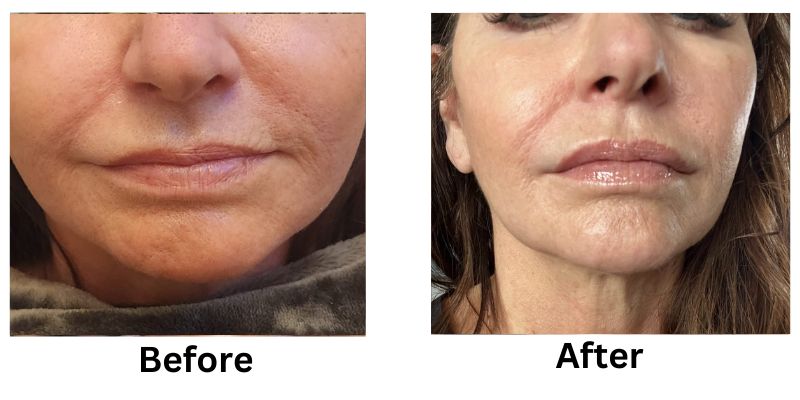
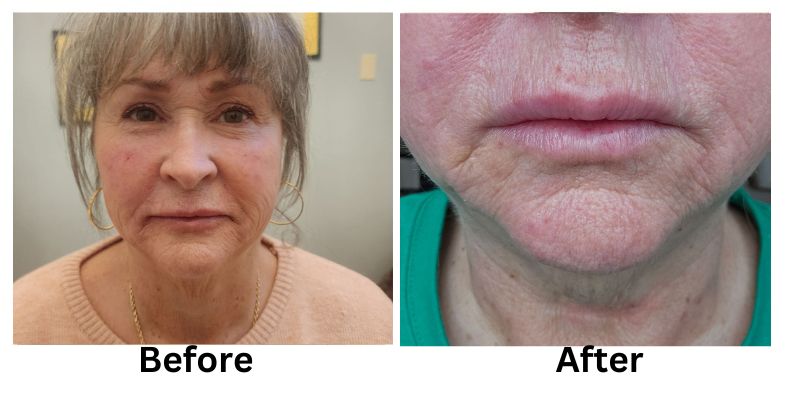
SEE OUR RESULTS

*Individual Results May Vary

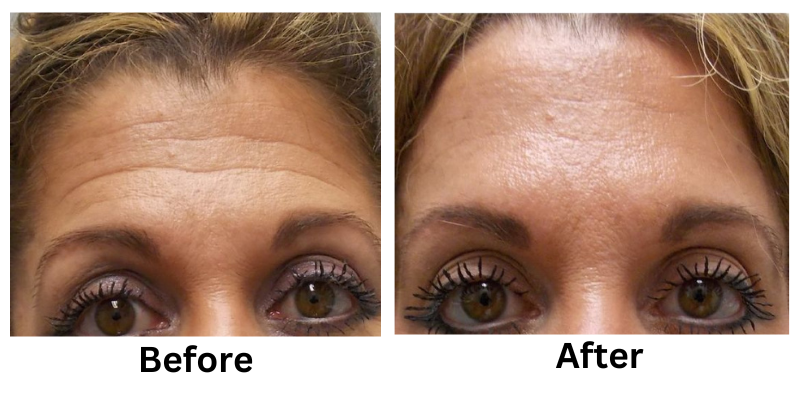
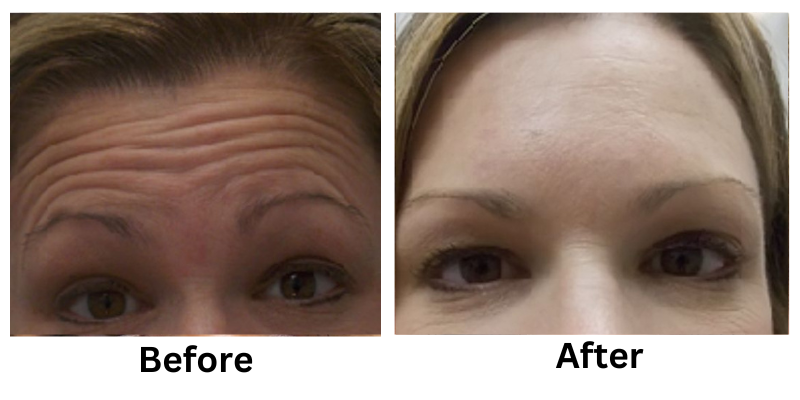
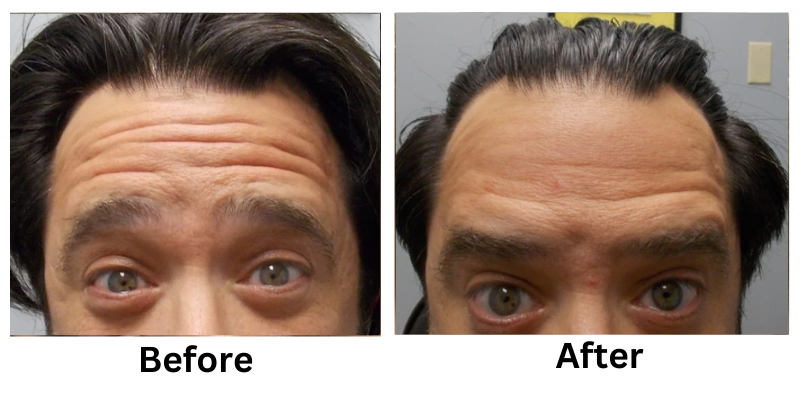
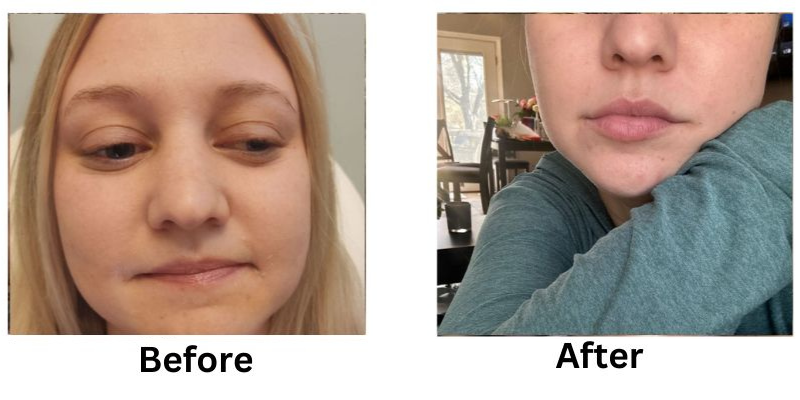
Our staff is made up of a team of motivated, well-trained individuals who are only happy with our work when you are 100% happy with your results… and we love our work! See some amazing results from our patients in our before & after gallery.

Botox Before and After
[thumb][thumb][thumb]
consultations available now
The first step is to schedule an in-person consultation with one of our highly trained providers at Slimming Solutions Spa located in Lee Summit, MO, serving the surrounding Kansas City areas. Simply fill out the form on this page and we will reach out to you promptly to schedule your appointment. Your journey to a healthier, happier you can start today.
Our Reviews

[trustindex no-registration=google]

More To Explore