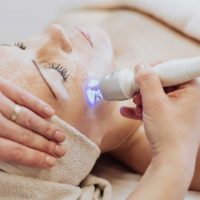

Skin regeneration through micro injury is the science behind microneedling, also called collagen induction therapy. Tiny, controlled punctures in the skin trigger the body’s natural healing response, which sends growth factors, fresh collagen, and elastin to the treated area to rebuild and repair. The result is smoother, firmer, more youthful skin without surgery or major downtime. This article explains how the micro injury healing process works at each stage, what kind of results to expect, who is a good candidate, how microneedling compares to other treatments, and what the latest research says about this increasingly popular procedure.
How Does Skin Regeneration Through Micro Injury Work?
Skin regeneration through micro injury works by using fine, sterile needles to create thousands of tiny punctures in the skin’s surface. These microscopic channels are small enough that they do not leave scars, but deep enough to trigger the body’s wound healing cascade. The skin perceives the micro injuries as damage and immediately begins repairing itself by producing new collagen and elastin fibers.
According to a comprehensive review published in the journal Cureus, microneedling targets the dermis and creates micro-wounds that stimulate the body’s natural healing processes without causing significant damage to the outer layer of skin called the epidermis. This targeted approach promotes collagen synthesis and skin remodeling, making it effective for treating fine lines, acne scars, hyperpigmentation, and stretch marks.
Clinical studies have shown that a series of four microneedling sessions spaced one month apart can increase collagen and elastin production by up to 400% over six months. That number comes from histological examinations showing a dramatic rise in collagen types I, III, and VII, which are the proteins responsible for keeping skin firm, elastic, and resilient.
What Are the Three Phases of the Wound Healing Cascade?
The three phases of the wound healing cascade are inflammation, proliferation, and remodeling. Every micro injury created during a microneedling session triggers this exact sequence, and each phase plays a specific role in rebuilding the skin from the inside out.
Phase 1: Inflammation (Days 1 to 7)
The inflammation phase begins immediately after treatment. The body sends immune cells and platelets to the micro injury sites. Blood flow increases, and the area releases growth factors like vascular endothelial growth factor, epidermal growth factor, and fibroblast growth factor. According to research published in the Journal of Dermatology and Dermatologic Surgery, these growth factors are essential for launching the skin regeneration process.
Phase 2: Proliferation (Days 3 to 21)
During the proliferation phase, fibroblast cells migrate to the treated area and begin producing new type III collagen, elastin, and glycosaminoglycans. New blood vessels also form through a process called angiogenesis, which delivers oxygen and nutrients to support the rebuilding tissue. A fibronectin matrix forms and acts as a scaffold for the new skin structure. This is the phase where visible improvements begin.
Phase 3: Remodeling (Week 3 to 12 Months)
The remodeling phase is where the real transformation happens. The initial type III collagen is gradually replaced by stronger, more durable type I collagen. This stronger collagen reorganizes itself into a tighter, more uniform structure. According to wound healing research cited in multiple peer-reviewed journals, this remodeling process can continue for up to 12 months after a treatment series, which is why patients see progressive improvement in fine lines and wrinkles long after the initial redness fades.
How to Speed Up Skin Regeneration After a Treatment
You can speed up skin regeneration after a treatment by following proper aftercare and giving your skin the support it needs to heal. The micro injury healing process depends on your body’s ability to produce collagen and rebuild tissue, and several factors can either help or slow that process down.
Staying hydrated is one of the simplest ways to support healing. Water helps transport nutrients to the repair zone and keeps skin cells functioning properly. Using a gentle, hydrating serum with hyaluronic acid after treatment can also help, since the micro channels created during the procedure allow topical products to penetrate deeper into the skin.
Avoiding direct sun exposure for at least two weeks after treatment is critical. UV radiation damages new collagen before it has a chance to mature. Wearing a broad-spectrum sunscreen with SPF 30 or higher protects the healing tissue. According to Yale Medicine, three to five monthly or biweekly sessions are typically recommended for best results, and protecting the skin between sessions helps each treatment build on the last.
Avoiding harsh active ingredients like retinoids, glycolic acid, and salicylic acid for at least 48 to 72 hours after treatment is also important. These products can irritate the freshly treated skin and interfere with the inflammatory phase of healing. We recommend patients here in Lee’s Summit follow a simplified routine for the first few days after each session.
How Many Times a Year Should I Get Microneedling Done?
You should get microneedling done three to six times a year for most skin concerns. Most providers recommend a series of three to four sessions spaced four to six weeks apart for the initial treatment phase, followed by one to two maintenance sessions per year to preserve results.
The spacing matters because each session needs to trigger a full wound healing cycle before the next round of micro injuries is introduced. According to clinical research, interrupting the collagen-building cycle by treating too soon can actually reduce results. The global microneedling therapy market was valued at $600 million in 2024, according to Verified Market Reports, and that growth reflects a shift toward maintenance-based treatment schedules rather than one-time procedures.
How Long Do Microneedling Results Last?
Microneedling results last anywhere from six months to several years depending on the number of sessions completed, the depth of treatment, and how well you maintain your skin afterward. The new collagen and elastin produced during the healing process provide structural improvements that persist long after the final session.
Research cited across multiple clinical studies shows that the collagen deposited after a microneedling series can remain in the skin for five to seven years. A fibronectin matrix that forms within five days of each treatment determines how new collagen is laid down, and this collagen tightens naturally over time, according to a paper published in the Journal of Dermatology and Dermatologic Surgery.
That said, your skin continues to age. Ongoing facial treatments and a solid home care routine can extend and maximize results. Patients who combine microneedling with complementary procedures like peptide therapy or professional-grade skin care tend to see the longest-lasting benefits.
How Many Years Can Microneedling Take Off?
Microneedling can take off the appearance of five to ten years of aging depending on the severity of your skin concerns and the number of sessions you complete. The treatment rebuilds the skin’s collagen infrastructure in a way that improves firmness, reduces wrinkle depth, evens out skin tone, and refines texture.
A clinical study published in the Journal of Clinical and Aesthetic Dermatology found that participants aged 35 to 65 who completed four microneedling sessions saw significant improvements in skin texture, elasticity, and fine lines. The cumulative effect of increased collagen density creates skin that looks and behaves like a younger version of itself.
Is Microneedling Good for Older Skin?
Yes, microneedling is good for older skin. The treatment stimulates collagen production in skin that has naturally slowed down its own collagen manufacturing. After age 25, the body loses about 1% of its collagen each year, according to widely cited dermatological research. By the time someone reaches their 50s or 60s, the cumulative loss is significant, and microneedling helps reverse that decline.
A 2025 study focused on women over 60 found that RF microneedling produced measurable improvements in wrinkle depth, skin elasticity, and patient satisfaction. RF microneedling combines the micro injury approach with radiofrequency energy, which adds a deeper layer of collagen stimulation and skin tightening. This combination is especially effective for mature skin because it allows providers to control needle depth precisely, making the treatment safe even for thinner, more delicate skin.
The microneedling devices market for skin rejuvenation earned $2.27 billion globally in 2024, according to industry data. A large share of that growth is driven by patients over 40 seeking non-surgical options for aging concerns like lax skin, deep wrinkles, and loss of firmness.
What Is the Best Age to Start Microneedling?
The best age to start microneedling is in the late 20s to early 30s for prevention, or at any age when you have specific skin concerns you want to address. Collagen production begins declining around age 25, so starting microneedling in your late 20s allows you to maintain collagen density before visible signs of aging set in.
For patients in their 30s and 40s, microneedling is typically used to correct early signs of aging, improve acne scarring, and refine skin texture. For patients over 50, the focus shifts to deeper collagen rebuilding and is often paired with radiofrequency energy for enhanced results. There is no age where microneedling stops being effective, though older patients may need more sessions and longer recovery intervals.
Is 50 Too Old for Microneedling?
No, 50 is not too old for microneedling. The treatment works on mature skin by stimulating the same wound healing cascade that benefits younger patients. The difference is that older skin may take slightly longer to heal between sessions, and results may develop more gradually. A study published in the Journal of Clinical and Aesthetic Dermatology confirmed that patients aged 35 to 65 saw statistically significant improvements in skin quality after a series of treatments.
Patients over 50 may benefit most from combining traditional microneedling with radiofrequency energy. We see patients across the Kansas City metro who are well past 50 and getting excellent results. A series of collagen induction therapy sessions can be adjusted to match the needs of mature skin.
What Do Dermatologists Think of Microneedling?
Dermatologists think of microneedling as a safe, effective, and well-researched treatment for a wide range of skin concerns. The procedure has strong support in peer-reviewed literature and is endorsed by multiple professional organizations. According to a comprehensive review published in Cureus, microneedling is widely utilized to address acne scars, wrinkles, hyperpigmentation, and stretch marks, and it is considered one of the most reliable minimally invasive procedures in aesthetic medicine.
Dermatologists particularly value microneedling because it works across all skin types. Unlike some laser treatments that carry a higher risk of pigmentation changes on darker skin tones, microneedling creates a mechanical injury rather than a thermal one. According to data from Mordor Intelligence, the microneedling market is expected to reach $1.10 billion by 2030, growing at a 10.9% annual rate. That growth is fueled in part by dermatologist endorsement and expanding clinical evidence. Treatments like laser resurfacing remain effective for certain concerns, but microneedling offers a gentler alternative for patients who want collagen stimulation without the risks of heat-based damage.
Which Is Safer, Microneedling or Botox?
Microneedling and Botox are both safe when performed by a trained provider, but they work in completely different ways and treat different concerns. Microneedling creates controlled micro injuries to stimulate collagen production, which improves skin texture, firmness, and tone over time. Botox is a neurotoxin that temporarily relaxes the muscles responsible for dynamic wrinkles like forehead lines and crow’s feet.
Microneedling is a regenerative treatment. It rebuilds the skin from within and produces results that develop gradually over weeks and months. Botox is a maintenance treatment that delivers visible results within 3 to 7 days but wears off in 3 to 4 months. According to the 2024 ISAPS Global Survey, 7.8 million botulinum toxin procedures were performed worldwide in 2024, making it the single most popular non-surgical aesthetic procedure globally.
Many patients benefit from combining both. Botox addresses movement-based wrinkles while microneedling improves overall skin quality. A good treatment plan uses each one where it works best rather than choosing one over the other.
Will Microneedling Help Sagging Jowls?
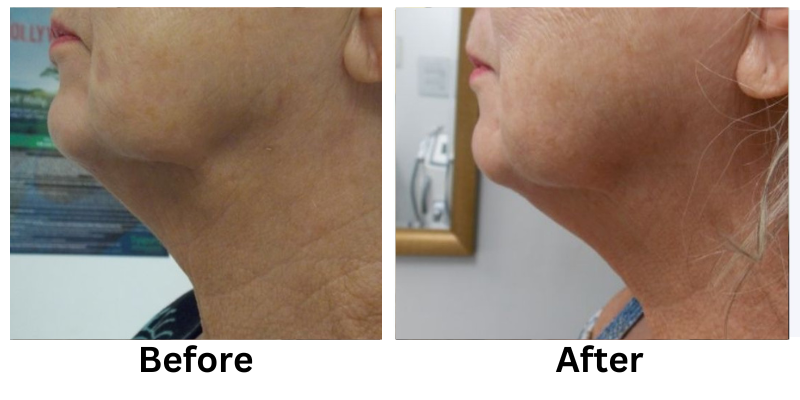
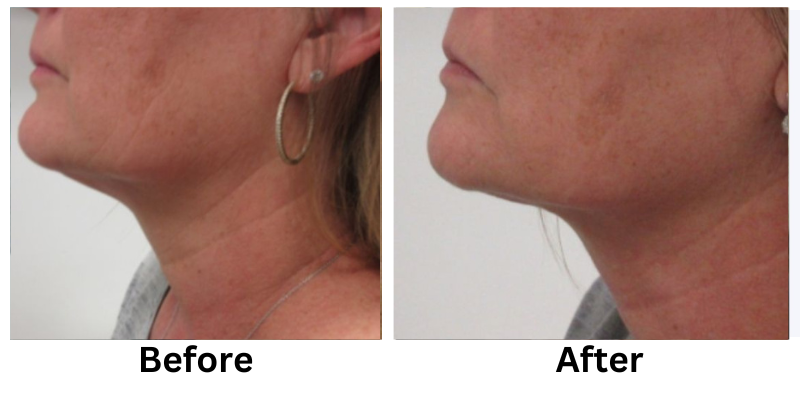
Yes, microneedling can help sagging jowls by stimulating collagen production in the lower face and jawline area, which gradually improves skin firmness and tightness. Standard microneedling provides moderate lifting effects, while RF microneedling delivers stronger results for sagging skin because the radiofrequency energy reaches deeper tissue layers and causes additional collagen contraction.
The RF microneedling device market was valued at $0.49 billion in 2024 and is projected to reach $1.08 billion by 2033, growing at a 9.3% annual rate according to Proficient Market Insights. That growth is driven largely by demand for non-surgical skin tightening options, especially along the jawline, neck, and lower face.
For significant jowl sagging, microneedling works best as part of a broader plan. Combining it with treatments like thread lifts or dermal fillers can produce more dramatic results. Your provider can evaluate the degree of laxity and recommend the right combination based on your goals.
How Should You Prepare Before Microneedling?
You should prepare before microneedling by stopping certain products and activities in the days leading up to your appointment. Avoid retinoids, exfoliating acids, and any products containing vitamin C for at least 48 to 72 hours before treatment. These ingredients can increase skin sensitivity and make the procedure less comfortable.
Limit sun exposure for at least a week before your session, and do not come to your appointment with a sunburn or active skin irritation. Avoid blood-thinning medications and supplements like aspirin, ibuprofen, fish oil, and vitamin E for at least a week beforehand unless your doctor says otherwise, as these can increase bruising. Arrive with a clean face and no makeup. Following these steps gives your skin the best starting point for a strong healing response.
Microneedling vs. RF Microneedling for Skin Regeneration
| Factor | Standard Microneedling | RF Microneedling |
|---|---|---|
| How It Works | Mechanical micro injuries from fine needles stimulate collagen | Needles deliver radiofrequency energy deep into the dermis for enhanced collagen and skin tightening |
| Collagen Increase | Up to 400% over 6 months (per clinical studies) | Up to 400% plus additional collagen contraction from RF energy |
| Best For | Fine lines, acne scars, texture, pore size, hyperpigmentation | Skin laxity, deeper wrinkles, jowls, neck tightening, and all of the above |
| Skin Types | Safe for all skin types and tones | Safe for all skin types and tones, including darker complexions |
| Sessions Needed | 3 to 6 sessions spaced 4 to 6 weeks apart | 3 to 4 sessions spaced 4 to 6 weeks apart |
| Downtime | 24 to 72 hours of redness | 2 to 5 days of redness and mild swelling |
| Results Timeline | Gradual improvement over 3 to 6 months | Gradual improvement over 3 to 6 months with tightening continuing up to 12 months |
| Market Growth | $1.1 billion market in 2024 (Precision Business Insights) | $0.49 billion in 2024, projected $1.08 billion by 2033 (Proficient Market Insights) |
Sources: Journal of Dermatology and Dermatologic Surgery; Cureus comprehensive microneedling review; Precision Business Insights microneedling market report 2024; Proficient Market Insights RF microneedling market report 2024; ISAPS 2024 Global Survey on Aesthetic/Cosmetic Procedures; Journal of Clinical and Aesthetic Dermatology.
Frequently Asked Questions
Is Microneedling Worth It for a 60 Year Old?
Yes, microneedling is worth it for a 60 year old. The treatment stimulates collagen production that has significantly declined by that age. A 2025 study on women over 60 showed measurable improvements in wrinkle depth, skin firmness, and overall satisfaction after a series of RF microneedling sessions. Older patients may need more sessions spaced further apart, but the results are real and well-documented.
What Happens When You Stop Microneedling?
When you stop microneedling, your skin does not suddenly reverse its improvements. The collagen that was produced during the healing process stays in your skin. However, natural aging continues, and without maintenance sessions, the benefits will gradually diminish over time. Research shows that collagen deposited through microneedling can last five to seven years, but periodic touch-up sessions help maintain results longer.
Can Microneedling Help With Acne Scars?
Yes, microneedling can help with acne scars. The micro injuries break up scar tissue and stimulate the production of new, organized collagen in the scarred area. A review published in Cureus confirmed that microneedling is widely recognized as an effective treatment for acne scarring, with visible improvements typically seen after three to six sessions.
How Soon Can You See Results After Microneedling?
You can see early results after microneedling within two to four weeks, as the skin begins producing new collagen during the proliferation phase of healing. However, the most significant improvements appear at three to six months, when the remodeling phase matures the new collagen into a stronger, more organized structure. Results continue improving for up to 12 months after a treatment series.
Can You Combine Microneedling With Other Treatments?
Yes, you can combine microneedling with other treatments like chemical peels, platelet-rich plasma, and professional serums. Combining treatments is common in comprehensive aesthetic plans and often produces better results than any single treatment alone. Treatments should be properly spaced to allow full healing between sessions.
Does Microneedling Work on All Skin Types?
Yes, microneedling works on all skin types, including darker skin tones. Because it creates a mechanical injury rather than a thermal one, it carries a lower risk of post-inflammatory hyperpigmentation compared to many laser-based treatments. This makes it a safer choice for patients with Fitzpatrick skin types IV through VI.
The Takeaway
Skin regeneration through micro injury is not a trend. It is a well-researched, clinically proven process that uses the body’s own healing ability to rebuild collagen, improve texture, reduce scars, and restore firmness. With up to a 400% increase in collagen production documented in clinical studies, microneedling delivers real structural changes that last years, not weeks.
Whether you are in your 30s looking to prevent early signs of aging or in your 60s wanting to restore firmness and smooth out deep lines, collagen induction therapy can be built into a plan that matches your skin and your goals. At Slimming Solutions Med Spa, we help patients find the right approach based on where their skin is today and where they want it to go.
You can request a consultation to find out which option fits your skin best.
![[thumb]](https://slimmingsolutionsspa.com/wp-content/uploads/2023/12/botox1-150x150.png)
![[thumb]](https://slimmingsolutionsspa.com/wp-content/uploads/2023/12/Before2-150x150.png)
![[thumb]](https://slimmingsolutionsspa.com/wp-content/uploads/2023/12/Before3-150x150.png)


![[thumb]](https://slimmingsolutionsspa.com/wp-content/uploads/2023/12/revanesse-versa-1-150x150.png)
![[thumb]](https://slimmingsolutionsspa.com/wp-content/uploads/2023/12/revanesse-versa-2-150x150.png)
![[thumb]](https://slimmingsolutionsspa.com/wp-content/uploads/2023/12/revanesse-versa-3-150x150.png)
![[thumb]](https://slimmingsolutionsspa.com/wp-content/uploads/2023/12/revanesse-versa-4-150x150.png)
![[thumb]](https://slimmingsolutionsspa.com/wp-content/uploads/2023/12/revanesse-versa-5-150x150.png)
![[thumb]](https://slimmingsolutionsspa.com/wp-content/uploads/2024/01/Eyebrow-treatment-1-1-150x150.png)
![[thumb]](https://slimmingsolutionsspa.com/wp-content/uploads/2023/12/Skin-Rejuvenation-1-150x150.png)
![[thumb]](https://slimmingsolutionsspa.com/wp-content/uploads/2023/12/Skin-Rejuvenation-2-150x150.png)


![[thumb]](https://slimmingsolutionsspa.com/wp-content/uploads/2024/01/Lip-Filler-1-150x150.png)
![[thumb]](https://slimmingsolutionsspa.com/wp-content/uploads/2024/01/Lip-Filler-2-150x150.png)
![[thumb]](https://slimmingsolutionsspa.com/wp-content/uploads/2025/02/Lip-Filler-1-150x150.png)
![[thumb]](https://slimmingsolutionsspa.com/wp-content/uploads/2024/01/Lip-Filler-150x150.jpg)
![[thumb]](https://slimmingsolutionsspa.com/wp-content/uploads/2024/01/Before-1-150x150.jpg)

![[thumb]](https://slimmingsolutionsspa.com/wp-content/uploads/2024/01/RHA-Treatmetn-3-150x150.png)
![[thumb]](https://slimmingsolutionsspa.com/wp-content/uploads/2024/01/RHA-Treatmetn-2-150x150.png)
![[thumb]](https://slimmingsolutionsspa.com/wp-content/uploads/2024/01/RHA-Treatmetn-1-150x150.png)
![[thumb]](https://slimmingsolutionsspa.com/wp-content/uploads/2024/01/Thread-Lifts-1-150x150.png)
![[thumb]](https://slimmingsolutionsspa.com/wp-content/uploads/2024/01/Thread-Lifts-2-150x150.png)
![[thumb]](https://slimmingsolutionsspa.com/wp-content/uploads/2025/02/Lip-Filler-2-150x150.png)

![[thumb]](https://slimmingsolutionsspa.com/wp-content/uploads/2023/12/skin-reuvulation1-150x150.png)
![[thumb]](https://slimmingsolutionsspa.com/wp-content/uploads/2023/12/skin-rejuvulation-2-150x150.png)
![[thumb]](https://slimmingsolutionsspa.com/wp-content/uploads/2023/12/Skin-Tighting-150x150.png)
![[thumb]](https://slimmingsolutionsspa.com/wp-content/uploads/2023/12/Before-150x150.jpg)
![[thumb]](https://slimmingsolutionsspa.com/wp-content/uploads/2023/12/weightloss-1-150x150.png)
![[thumb]](https://slimmingsolutionsspa.com/wp-content/uploads/2023/12/weightloss-2-150x150.png)
![[thumb]](https://slimmingsolutionsspa.com/wp-content/uploads/2023/12/2Weight-Loss-2-150x150.png)
![[thumb]](https://slimmingsolutionsspa.com/wp-content/uploads/2025/02/Weight-Loss-1-new-150x150.png)
![[thumb]](https://slimmingsolutionsspa.com/wp-content/uploads/2023/12/Weight-Loss-3-150x150.png)
![[thumb]](https://slimmingsolutionsspa.com/wp-content/uploads/2025/03/Slimming-Solutions-BA-Template-150x150.png)


![[thumb]](https://slimmingsolutionsspa.com/wp-content/uploads/2023/12/dat3-150x150.png)
![[thumb]](https://slimmingsolutionsspa.com/wp-content/uploads/2023/12/dat-0-150x150.png)
![[thumb]](https://slimmingsolutionsspa.com/wp-content/uploads/2023/12/dat-1-150x150.png)
![[thumb]](https://slimmingsolutionsspa.com/wp-content/uploads/2023/12/Before-1-150x150.png)

![[thumb]](https://slimmingsolutionsspa.com/wp-content/uploads/2024/01/EMS-Treatment-2-150x150.png)
![[thumb]](https://slimmingsolutionsspa.com/wp-content/uploads/2024/01/EMS-Treatment-1-150x150.png)
![[thumb]](https://slimmingsolutionsspa.com/wp-content/uploads/2025/02/ems-BNA-front-150x150.png)
![[thumb]](https://slimmingsolutionsspa.com/wp-content/uploads/2025/02/EMS-bna-SIDE-150x150.png)
![[thumb]](https://slimmingsolutionsspa.com/wp-content/uploads/2024/01/EMS-Treatment-6-150x150.png)