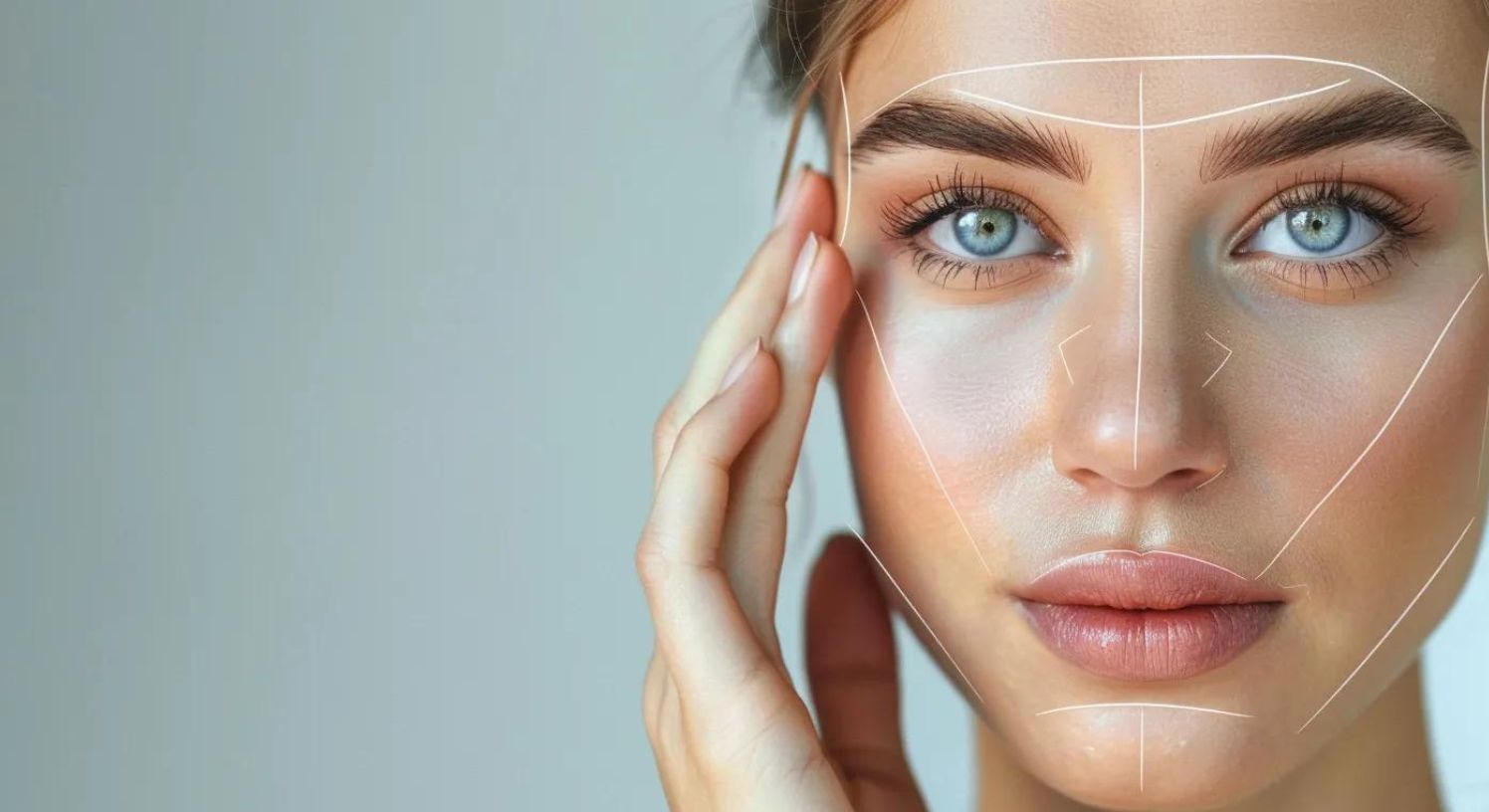

Yes, you can tighten loose skin after weight loss using treatments like radiofrequency skin tightening, ultrasound fat loss, body sculpting, and EMS treatments. These non surgical options stimulate collagen production and firm sagging skin without going under the knife. Results vary based on how much loose skin you have and your skin’s elasticity, but many people see noticeable improvement after several sessions.
This article covers everything you need to know about tightening loose skin after weight loss. We’ll walk through the most popular treatments, what they do, how long results last, and what you can realistically expect from each option.
Why Does Skin Get Loose After Weight Loss?
Loose skin after weight loss happens when your skin can’t bounce back after being stretched for a long time. When you carry extra weight, your skin stretches to accommodate that larger body size. The longer you carry that weight, the more your skin stretches.
According to the American Society of Plastic Surgeons, the skin’s ability to retract depends on several factors. Age is one of the biggest. As we get older, our skin produces less collagen and elastin. These proteins give skin its snap-back ability.
The American Academy of Dermatology reports that we lose about 1% of our collagen each year after age 30. That means someone who loses weight at 45 will have less skin retraction than someone who loses the same amount at 25.
How much weight you lose matters too. Losing 20 pounds might not leave much loose skin. Losing 100 pounds probably will. A study in the Journal of Plastic and Reconstructive Surgery found that people who lost more than 50 pounds had a 70% chance of developing loose skin.
How fast you lose weight plays a role. Rapid weight loss doesn’t give your skin time to adjust. According to research published in Obesity Surgery, people who lose weight gradually over 18 to 24 months have better skin retraction than those who lose it quickly.
Sun damage affects skin elasticity. The Skin Cancer Foundation reports that up to 90% of visible aging comes from UV exposure. If you’ve spent years in the sun, your skin might not snap back as well.
Smoking breaks down collagen and elastin. The Journal of Dermatological Science found that smokers have 40% less skin elasticity than non-smokers. If you smoked while carrying extra weight, your skin probably won’t bounce back as much.
Genetics matter. Some people have naturally more elastic skin than others. If your parents had good skin elasticity, you’re more likely to as well.
The good news? Several treatments can help tighten loose skin without surgery.
Want to learn more about treating loose skin? Our team in Lee’s Summit would be happy to answer your questions. Book a consultation today.
What Is The Best Treatment For Loose Skin?
The best treatment for loose skin depends on how much loose skin you have and where it’s located. Different areas respond better to different treatments.
For mild to moderate loose skin, radiofrequency treatments work really well. RF energy heats the deeper layers of your skin, causing immediate collagen contraction and triggering new collagen production over time.
A study in Dermatologic Surgery showed that radiofrequency treatments improved skin laxity by 35% to 45% after a series of sessions. The Journal of Cosmetic Dermatology reports that 83% of patients were satisfied with their RF skin tightening results.
Ultrasound fat loss treatments use focused sound waves to heat tissue deep under your skin. This stimulates collagen production and can also break down remaining small pockets of fat that make loose skin look worse.
The International Society of Aesthetic Plastic Surgery notes that ultrasound skin tightening procedures increased by 22% from 2021 to 2022. People love that there’s no cutting or downtime involved.
Body sculpting treatments combine fat reduction with skin tightening. They work well when you have both stubborn fat and loose skin in the same area. These treatments can address both issues at once.
EMS (electrical muscle stimulation) treatments build muscle while helping tighten skin. The muscle growth provides better support for loose skin, making it appear tighter and more toned.
For areas with small amounts of loose skin, laser skin resurfacing can improve texture and provide mild tightening. The laser removes damaged outer layers while heating deeper layers to stimulate collagen.
Many people get the best results from combining treatments. For example, pairing RF skin tightening with EMS gives you both collagen stimulation and muscle building. That double approach often works better than either treatment alone.
The American Society of Plastic Surgeons reports that over 3.2 million non surgical body contouring procedures were performed in 2022. That number keeps growing as treatments get more advanced.
Here in the Kansas City area, we customize treatment plans based on where your loose skin is located and how severe it is. What works for loose arm skin might be different from what works for loose belly skin.
Does RF Tighten Skin After Weight Loss?
Yes, RF (radiofrequency) can tighten skin after weight loss, especially if your loose skin is mild to moderate. RF treatments work by heating the deeper layers of your skin to stimulate collagen production.
Radiofrequency energy heats tissue to about 122 to 167 degrees Fahrenheit. That heat causes immediate collagen contraction, giving you some instant tightening. It also triggers your body to produce fresh collagen over the following months.
Radiofrequency microneedling delivers even better results than traditional RF. The tiny needles create channels in your skin, allowing the radiofrequency energy to penetrate deeper and work more precisely.
A clinical trial published in the Journal of Cosmetic and Laser Therapy found that RF treatments improved skin laxity by 30% to 40% after three to four sessions. Participants noticed tighter, firmer skin on their abdomen, arms, and thighs.
Most people need three to six treatments spaced about a month apart. Results develop gradually over two to three months as your body builds new collagen. The tightening can last 12 to 18 months with good maintenance.
According to research in Aesthetic Surgery Journal, 79% of patients reported visible improvement in skin firmness after RF treatments. People particularly loved that they could return to normal activities immediately.
RF works best for people who have lost 20 to 50 pounds and have mild to moderate skin laxity. If you’ve lost 100+ pounds and have significant excess skin, RF alone probably won’t give you enough tightening. You might need to combine it with other treatments or consider surgery.
The treatment feels warm on your skin. Most people describe it as a hot stone massage sensation. Sessions take 30 to 60 minutes depending on how many areas you’re treating.
You might see some immediate tightening from collagen contraction, but the real results show up over the next few months. Your skin gets progressively tighter as new collagen forms and replaces old, damaged fibers.
One of the biggest benefits of RF treatments is that there’s minimal downtime. You might have some redness for a few hours, but most people return to their regular routine right away.
Thinking about trying RF skin tightening? We can help you figure out if it’s right for you. Contact us to set up a time to chat.
How Do You Firm Up Saggy Skin?
Firming up saggy skin requires a combination approach. You need to build collagen, improve skin elasticity, and sometimes add muscle support underneath the loose skin.
Skin tightening treatments using radiofrequency or ultrasound energy are the foundation. These treatments heat the deeper layers of your skin to trigger collagen production. Over several months, your skin gets progressively firmer.
Building muscle helps tremendously. When you have more muscle mass, it fills out loose skin from underneath. EMS treatments stimulate muscle growth without hours at the gym. The American Council on Exercise reports that EMS can increase muscle mass by 15% to 20% when combined with regular activity.
Staying hydrated makes a big difference. The Journal of Clinical and Aesthetic Dermatology found that proper hydration improves skin elasticity by up to 20%. Drink at least eight glasses of water daily.
Eating protein supports collagen production. The American Journal of Clinical Nutrition reports that people who consume adequate protein (about 0.8 to 1 gram per pound of body weight) maintain better skin elasticity during weight loss.
Using topical products helps too. Retinoids boost collagen production. Vitamin C serums protect against damage and support collagen synthesis. The Journal of Cosmetic Dermatology found that consistent use of retinoids improved skin firmness by 15% over six months.
Massage can temporarily improve the appearance of loose skin by increasing blood flow. While it won’t create permanent tightening, regular massage helps keep skin healthy and may support collagen production.
Dry brushing is another technique some people find helpful. It stimulates circulation and may help with lymphatic drainage, making skin look temporarily firmer.
Maintaining a stable weight prevents further stretching. Yo-yo dieting (losing and gaining weight repeatedly) damages skin elasticity. According to research in Obesity, people who maintain weight loss for two years have better skin retraction than those who continue fluctuating.
Protecting your skin from sun damage is critical. UV exposure breaks down collagen and elastin. The Skin Cancer Foundation reports that daily sunscreen use can prevent up to 80% of skin aging.
Quit smoking if you haven’t already. Smoking interferes with collagen production and blood flow to your skin. Research shows that quitting smoking can improve skin elasticity within just a few months.
Consider body sculpting treatments if you still have pockets of stubborn fat. Sometimes what looks like loose skin is actually a combination of loose skin and remaining fat. Reducing that fat can make the skin appear tighter.
If you’re in the Kansas City area and curious about your options, schedule a consultation with us. We’re here to help.
Can Body Sculpting Help Loose Skin?
Yes, body sculpting can help with loose skin, especially when combined with skin tightening treatments. Body sculpting addresses both stubborn fat and skin laxity at the same time.
Body sculpting treatments use various technologies to reduce fat while stimulating collagen production. Some treatments combine multiple modalities to tackle both problems in one session.
Many body sculpting devices include radiofrequency or ultrasound components specifically designed to tighten skin. While they break down fat cells, they also heat the skin to trigger collagen production.
A study in the Journal of Clinical and Aesthetic Dermatology found that body sculpting treatments improved skin laxity by 25% to 35% in patients who had lost 30 to 60 pounds. The combination of fat reduction and skin tightening created smoother, more contoured results.
Ultrasound fat loss treatments use focused ultrasound energy to destroy fat cells while heating the skin. This dual action reduces fat and tightens skin simultaneously.
The American Society of Plastic Surgeons reports that non surgical body contouring procedures increased by 18% from 2021 to 2022. People appreciate getting multiple benefits from one treatment.
Body sculpting works best when you have both stubborn fat and mild to moderate loose skin. If you’ve reached your goal weight but still have problem areas that won’t respond to diet and exercise, body sculpting can refine your results.
Most treatments require multiple sessions. You might need three to six sessions spaced a few weeks apart. Results develop gradually over two to three months as your body eliminates dead fat cells and builds new collagen.
Common areas for body sculpting after weight loss include the abdomen, love handles, thighs, upper arms, and back. These areas tend to hold onto stubborn fat and often have loose skin after significant weight loss.
Keep in mind that body sculpting isn’t weight loss treatment. It’s a body contouring option for people who are already at or near their goal weight. The International Society of Aesthetic Plastic Surgery notes that the best candidates are within 20 to 30 pounds of their ideal weight.
Combining body sculpting with other treatments often gives better results. For example, pairing fat reduction with EMS treatments reduces fat while building muscle. That combination provides better overall body composition and tighter-looking skin.
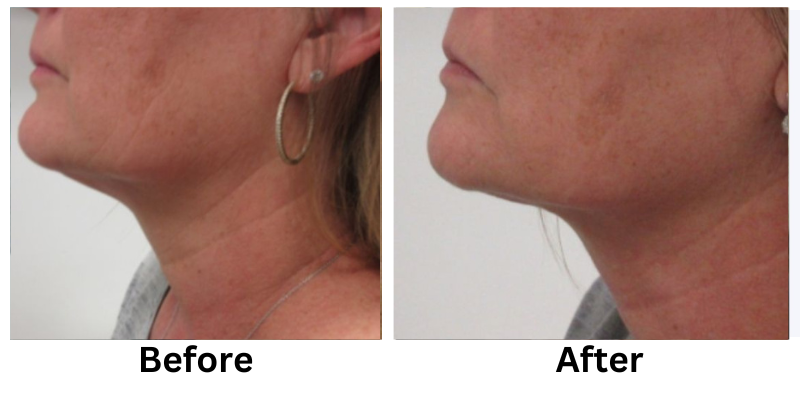
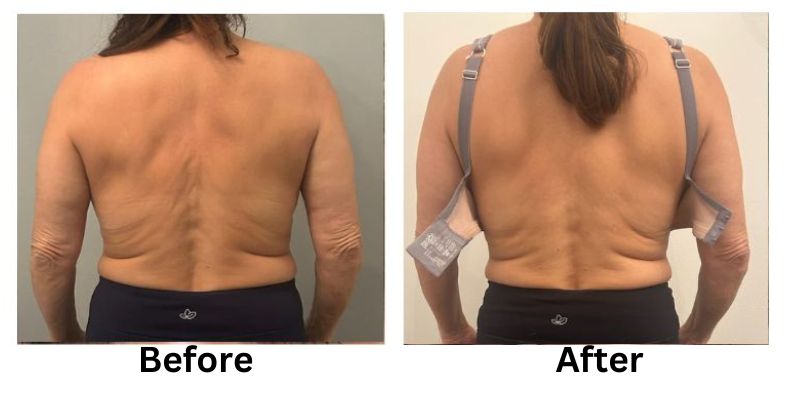
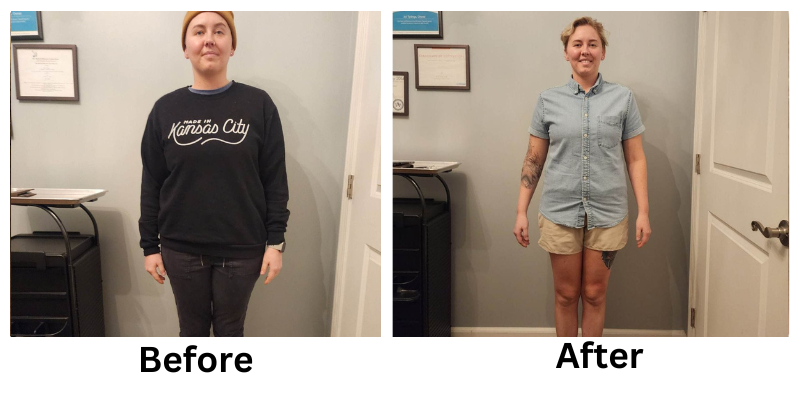
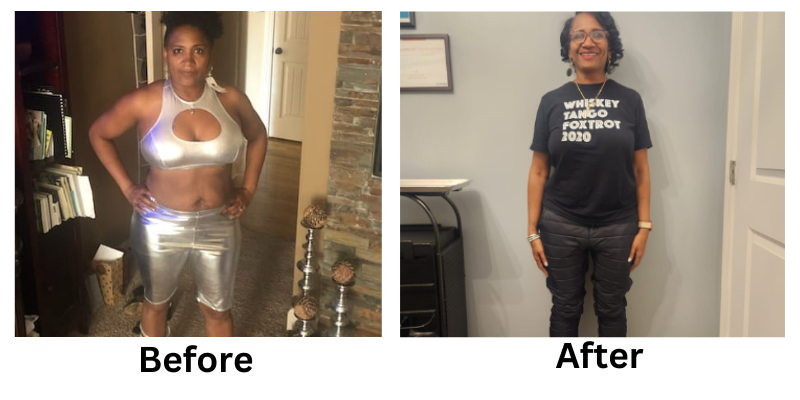
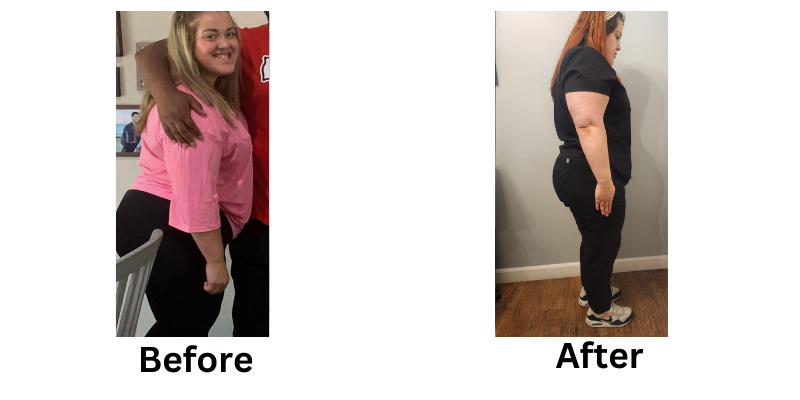
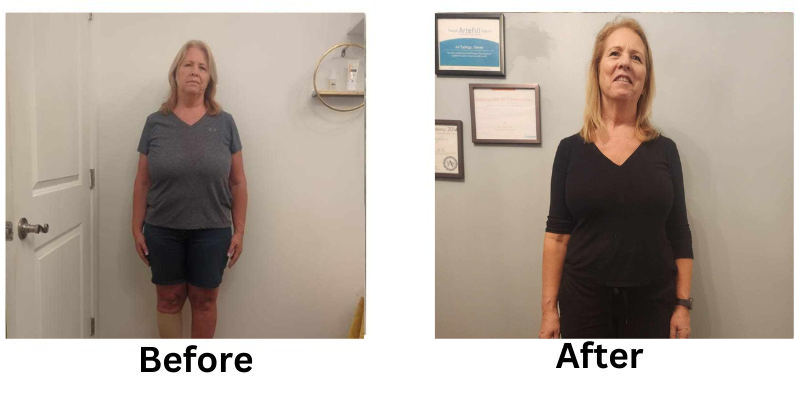
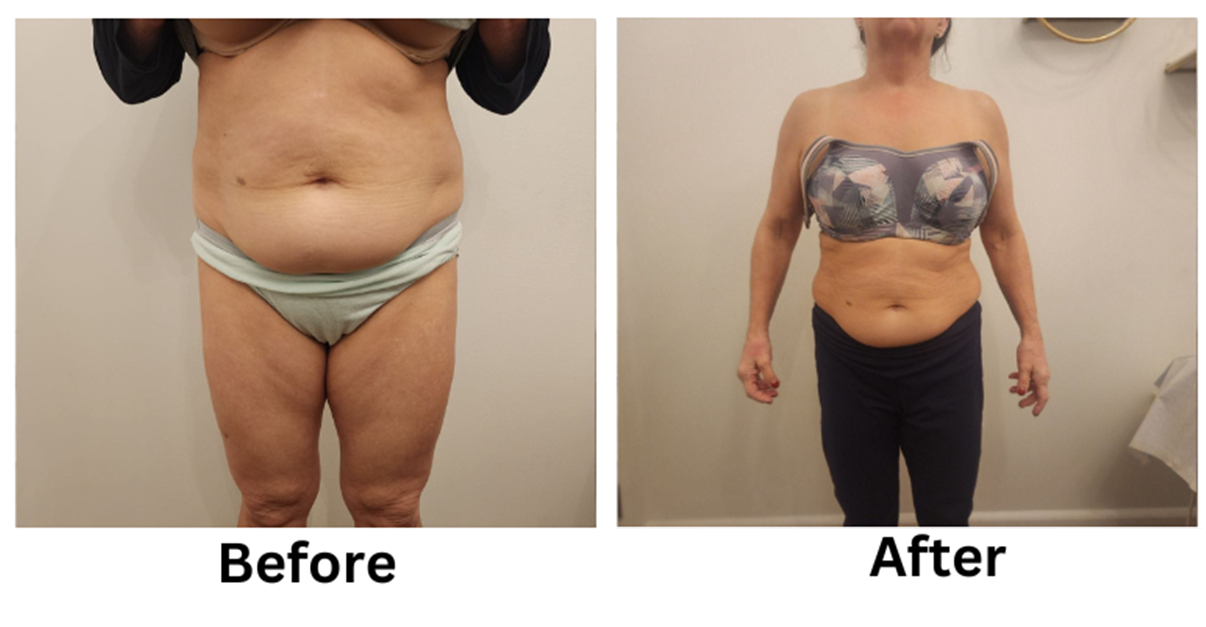
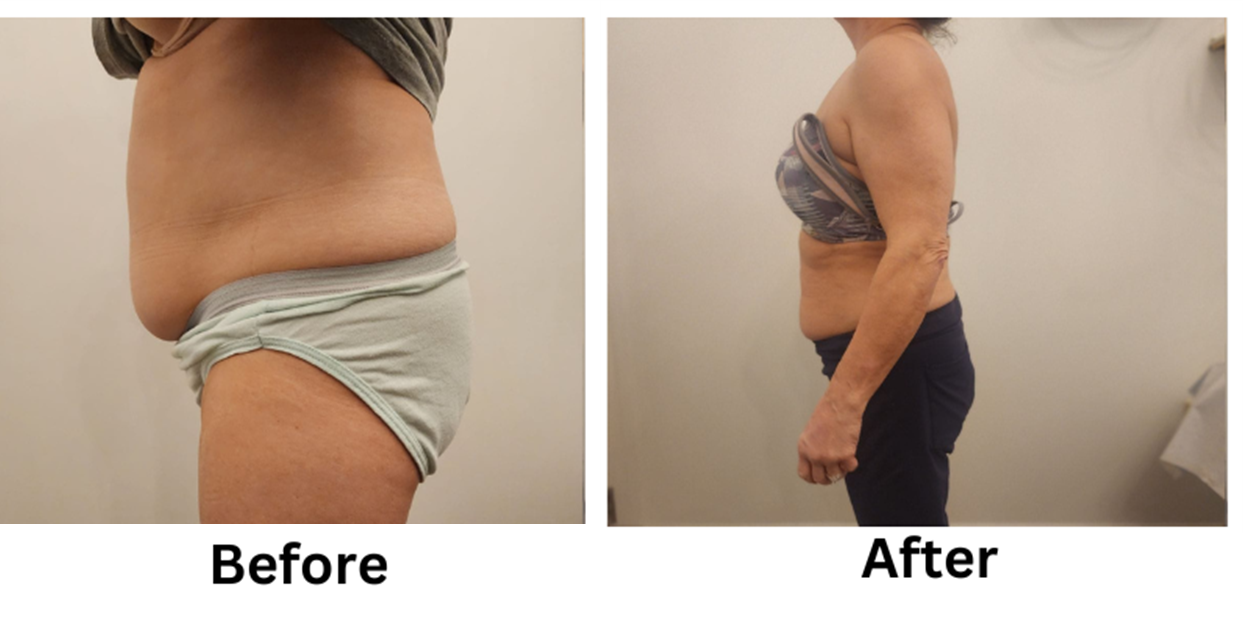
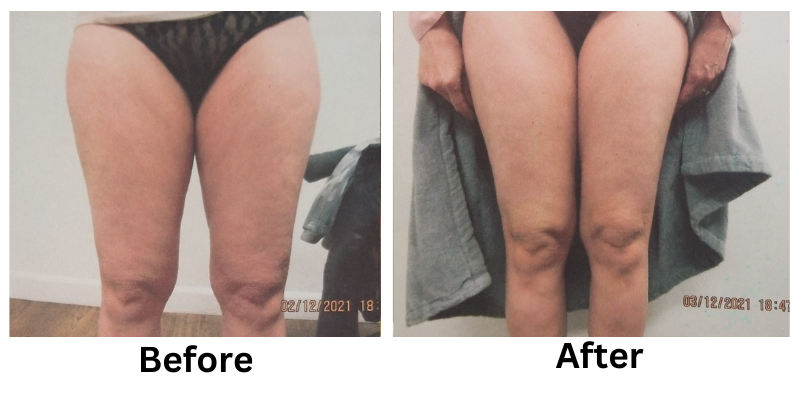
Check out our body sculpting before and after pictures to see what different treatments can do.
Ready to take the next step? Request a consultation and let’s talk about what might work best for you.
What Helps Skin Snap Back After Losing Weight?
Several factors help skin snap back after losing weight. Some you can control, and others depend on your genetics and age.
Losing weight gradually gives your skin time to adjust. The American Journal of Clinical Nutrition recommends losing 1 to 2 pounds per week for optimal results. This slower pace allows your skin to contract as you lose fat.
Building muscle while losing weight helps tremendously. Muscle fills out loose skin from underneath. According to the American Council on Exercise, strength training at least three times per week can significantly improve body composition during weight loss.
Eating enough protein supports collagen production. Research in the Journal of Nutrition found that people who consumed 25% to 30% of their calories from protein maintained better skin elasticity during weight loss than those who ate less protein.
Staying hydrated is crucial. The Journal of Clinical and Aesthetic Dermatology reports that proper hydration can improve skin elasticity by up to 20%. Aim for at least half your body weight in ounces of water daily.
Taking collagen supplements might help. A study in the Journal of Medicinal Food found that people who took collagen peptides for 12 weeks had improved skin elasticity compared to those who didn’t. Typical doses range from 10 to 20 grams daily.
Using topical retinoids boosts collagen production. The American Academy of Dermatology notes that prescription-strength retinoids can improve skin firmness by 15% to 20% over six months of consistent use.
Protecting your skin from sun damage prevents further elasticity loss. UV exposure breaks down collagen and elastin. Daily sunscreen use is non-negotiable if you want your skin to snap back.
Massage may support lymphatic drainage and improve skin appearance. While it won’t create permanent tightening, regular massage keeps circulation strong and skin healthy.
Not smoking makes a huge difference. Research in the Journal of Dermatological Science shows that smokers have 40% less skin elasticity than non-smokers. If you smoke, quitting can improve skin elasticity within months.
Getting treatments during or shortly after weight loss can help. Skin tightening procedures stimulate collagen production and may improve how much your skin contracts naturally.
Age affects skin retraction significantly. People in their 20s and 30s typically see better natural skin tightening than those in their 50s and 60s. According to the American Society of Dermatologic Surgery, patients under 40 have about 60% better natural skin retraction than those over 50.
Genetics play a role you can’t change. Some people naturally have more elastic skin. If your parents had good skin elasticity, you’re more likely to as well.
Here’s a comparison of factors that affect skin retraction:
| Factor | Impact on Skin Retraction | Can You Control It? |
|---|---|---|
| Age | Younger skin bounces back better | No |
| Weight loss speed | Gradual is better | Yes |
| Muscle building | Helps fill out skin | Yes |
| Protein intake | Supports collagen | Yes |
| Sun protection | Prevents damage | Yes |
| Genetics | Varies by person | No |
Have questions? Our team loves talking about this stuff. Reach out anytime.
Does EMS Help With Loose Skin?
Yes, EMS (electrical muscle stimulation) can help with loose skin by building muscle underneath the loose skin. The increased muscle mass provides better support and makes skin appear tighter and more toned.
EMS works by sending electrical impulses to your muscles, causing them to contract. These contractions are similar to what happens during regular exercise, but EMS can target specific muscle groups more intensely.
The Journal of Strength and Conditioning Research found that EMS treatments increased muscle mass by 15% to 20% over 12 weeks when combined with minimal physical activity. That muscle growth helps fill out loose skin.
EMS is particularly helpful after significant weight loss because many people lose both fat and muscle. When you rebuild that muscle, your body composition improves and loose skin has something to cling to.
Treatments take about 30 minutes per session. You’ll wear a special suit or pads that deliver electrical impulses to target muscles. The sensation feels like intense muscle contractions. Most people need 10 to 15 sessions for best results.
According to research in the European Journal of Applied Physiology, EMS can produce muscle contractions that are 30% stronger than voluntary contractions during regular exercise. That intensity is part of what makes it so good at building muscle.
Common areas for EMS treatment after weight loss include the abdomen, thighs, arms, and buttocks. These areas often have both loose skin and reduced muscle tone after dropping significant weight.
The American Council on Exercise notes that EMS works best when combined with some level of physical activity. You don’t need to become a gym rat, but walking regularly or doing light strength training enhances results.
Many people combine EMS with skin tightening treatments. The EMS builds muscle while radiofrequency or ultrasound treatments stimulate collagen production. That combination addresses loose skin from multiple angles.
A study published in Aesthetic Surgery Journal found that patients who combined EMS with RF treatments reported 35% higher satisfaction than those who used either treatment alone. The dual approach provided better overall body contouring.
EMS won’t help if your loose skin is severe or if you have large amounts of excess skin. In those cases, you might need more aggressive treatments or surgery. But for mild to moderate loose skin with poor muscle tone, EMS can make a real difference.
Results develop gradually over several weeks as your muscles grow and strengthen. You’ll notice better definition and tighter-looking skin as muscle mass increases.
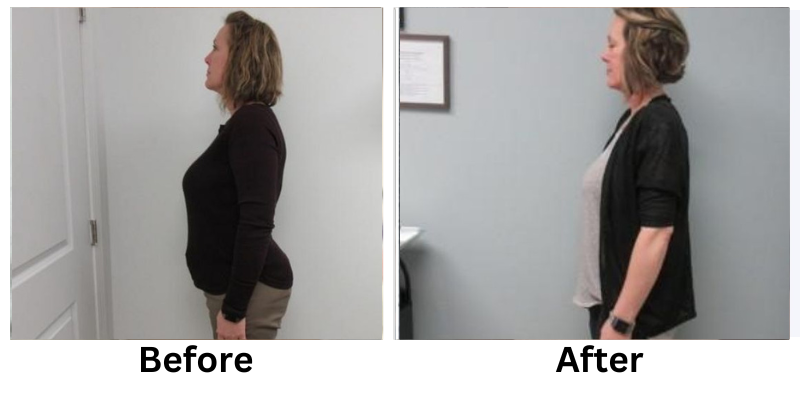
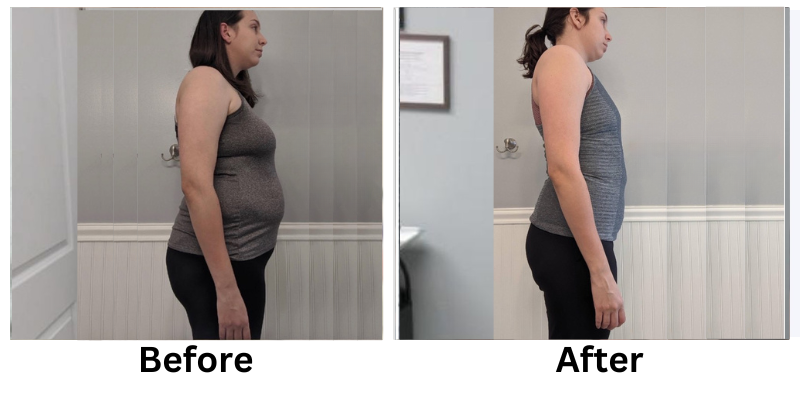
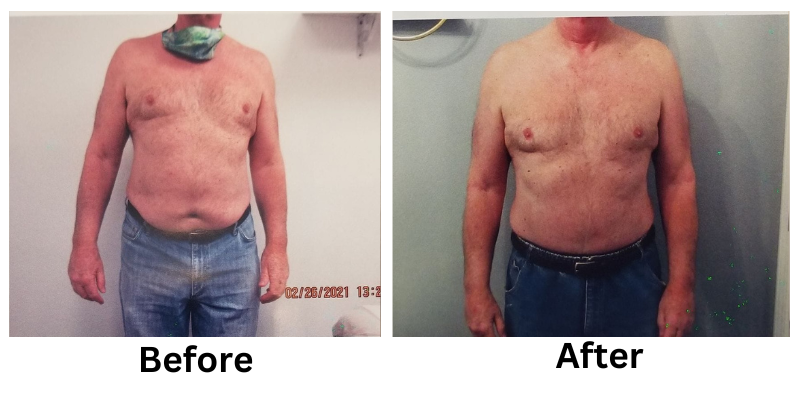
Check out our EMS treatment pictures to see what this treatment can do.
Combining Treatments For Best Results
Combining treatments often gives you better results than any single treatment alone when dealing with loose skin after weight loss. Different treatments address different aspects of the problem.
A popular combination here in Lee’s Summit is radiofrequency skin tightening plus EMS. The RF stimulates collagen production while EMS builds muscle. You’re tightening skin and improving what’s underneath it at the same time.
Another common pairing is ultrasound fat loss with body sculpting. This combination reduces any remaining stubborn fat while tightening loose skin. Many people have both issues after weight loss.
The Journal of Cosmetic Dermatology published research showing that combination treatments improved patient satisfaction scores by 42% compared to single treatments. People loved the comprehensive approach.
Some people add massage therapy to their treatment plan. While massage doesn’t create permanent tightening, it improves circulation and lymphatic drainage. This can reduce swelling and help skin look temporarily firmer.
Timing matters when combining treatments. RF and ultrasound treatments should be spaced at least two weeks apart. EMS can be done more frequently, often twice per week during the initial phase.
Not everyone needs multiple treatments right away. Many people start with one option and add others based on results. You might begin with RF skin tightening, then add EMS after a few months if you want more improvement.
Budget plays a role in treatment planning. Combining treatments costs more upfront but can save money long-term by giving you better results that last longer. You might need fewer total sessions overall.
Our team customizes treatment plans based on your specific concerns, how much weight you lost, where your loose skin is located, and what your goals are. We focus on what will actually help you reach those goals.
What To Expect During Treatment
Most non surgical skin tightening treatments are comfortable and require minimal downtime. Here’s what typically happens for each option.
Radiofrequency skin tightening sessions start with cleaning the treatment area. A gel gets applied to help the RF device glide smoothly over your skin.
The device moves over your skin delivering controlled heat. You’ll feel warmth, similar to a hot stone massage. Most people find it totally comfortable. Sessions take 30 to 60 minutes depending on how many areas you’re treating.
Your skin might be slightly red after treatment, like a mild sunburn. That usually fades within a few hours. You can return to normal activities immediately.
You’ll need three to six sessions spaced about a month apart. Results develop gradually over two to three months as your body builds new collagen.
Ultrasound treatments feel similar to RF. The treatment head delivers focused ultrasound energy while moving across your skin. You might feel tingling or warmth during the procedure.
Sessions last 30 to 60 minutes. There’s no downtime. You might have slight tenderness for a day or two, but most people don’t even notice that. Results show up over two to three months.
Body sculpting treatments vary based on the technology used. Some feel like a warming sensation, others create a cooling effect. Most are comfortable enough that you can relax or even nap during treatment.
Sessions typically last 30 to 45 minutes per area. You might need three to six sessions spaced a few weeks apart. Results develop over two to three months as your body eliminates destroyed fat cells and builds collagen.
EMS treatments involve wearing a special suit or having pads attached to target muscles. When the electrical impulses start, your muscles will contract intensely. It feels like a strong workout.
The sensation is intense but not painful. Most people adjust to it quickly. Sessions last about 30 minutes. You can do EMS twice per week during the initial phase, then once per week for maintenance.
You might feel muscle soreness after EMS, similar to what you’d feel after a tough gym session. That’s normal and shows your muscles are working. The soreness usually goes away within 24 to 48 hours.
The American Society of Plastic Surgeons reports that 87% of people who get non surgical body contouring treatments return to normal activities the same day. That’s one of the biggest benefits compared to surgery.
If you’re curious about what treatment might work best for your loose skin, schedule a consultation. We can walk you through the process and answer all your questions.
Maintaining Your Results
Getting rid of loose skin is just the beginning. Maintaining results requires ongoing care and healthy habits.
Maintaining a stable weight is critical. Gaining weight back will stretch your skin again. Yo-yo dieting damages skin elasticity. According to research in Obesity, maintaining weight loss for at least two years gives your skin the best chance to fully adapt.
Continue strength training. Building and maintaining muscle keeps skin looking firm and tight. The American Council on Exercise recommends strength training at least three times per week for optimal results.
Keep eating adequate protein. Your body needs protein to maintain collagen production. Research suggests consuming 0.8 to 1 gram of protein per pound of body weight daily supports healthy skin.
Stay hydrated. Dehydrated skin looks more wrinkled and saggy. Drink at least half your body weight in ounces of water every day.
Use quality skincare products. Retinoids boost collagen production. Vitamin C serums protect against damage. Peptide therapy products support skin repair and firmness.
Sunscreen is non-negotiable. UV exposure breaks down collagen and elastin. The Skin Cancer Foundation reports that daily sunscreen use can reduce signs of aging by 24% over three years.
Consider maintenance treatments. Most non surgical options need periodic touch-ups to maintain results. RF treatments once or twice a year, EMS sessions monthly, and occasional body sculpting treatments keep things looking good.
Get regular massage or body treatments. These keep your circulation strong and skin healthy. While they don’t create permanent tightening, they support overall skin quality.
Sleep well. Your body repairs and produces collagen during sleep. The Journal of Clinical and Experimental Dermatology found that people who get 7 to 9 hours of quality sleep nightly have 30% better skin repair than those who sleep less.
Manage stress. Chronic stress increases cortisol, which breaks down collagen. According to the American Academy of Dermatology, high stress levels can accelerate skin aging by up to 30%.
Don’t smoke. If you do smoke, quit. Smoking interferes with collagen production and blood flow to your skin. Quitting can improve skin quality within just a few months.
Consistency is what matters most. Small daily habits add up over time and help you maintain the results you worked hard to get.
Cost Of Skin Tightening Treatments
Non surgical skin tightening treatments cost less than surgery, but they’re still an investment. Prices vary based on the treatment type and how many areas you’re treating.
Radiofrequency skin tightening typically costs $500 to $1,500 per session. Most people need three to six sessions initially, then maintenance treatments once or twice a year.
Ultrasound fat loss treatments range from $1,000 to $3,000 per treatment area. You might need one to three sessions per area for optimal results.
Body sculpting treatments cost $1,000 to $4,000 per area depending on the technology used. Most people need three to six sessions spaced a few weeks apart.
EMS treatments cost $200 to $500 per session. Most people need 10 to 15 sessions initially for best results, then monthly maintenance sessions.
While these numbers might seem high, compare them to surgical options. Body lift surgery costs $8,000 to $15,000 on average according to the American Society of Plastic Surgeons. Arm lift surgery costs $5,000 to $8,000. Thigh lift surgery costs $5,000 to $10,000.
Surgery also requires weeks of recovery time, carries risks of complications, and leaves permanent scars. Non surgical treatments let you return to normal activities immediately with no scarring.
Many people find that spreading treatments over time makes them more affordable. You might start with one area, see how it works, then add other areas later based on your budget and results.
Some practices offer package deals that reduce per-treatment costs. At Slimming Solutions Med Spa, we work with clients to create treatment plans that fit their budget and goals.
Remember that non surgical treatments need maintenance. Factor those ongoing costs into your planning. The good news is that as your skin improves, you might need treatments less frequently over time.
Insurance doesn’t cover treatments for loose skin unless it’s causing medical problems like rashes or infections. In those cases, surgical removal might be covered. Cosmetic treatments are always out-of-pocket.
Some practices offer financing options that let you pay over time rather than all at once. This can make comprehensive treatment plans more accessible.
If you’re curious about pricing for your specific situation, schedule a consultation. We can give you accurate pricing based on your individual needs and goals.
When To Consider Surgery Instead
Non surgical treatments work great for mild to moderate loose skin, but they have their limits. Sometimes surgery is the better option.
If you’ve lost 100+ pounds and have large amounts of excess skin, non surgical treatments probably won’t give you enough improvement. RF and ultrasound can only tighten skin to a certain degree.
Surgical body contouring removes excess skin directly. This creates more dramatic results than any non surgical option can achieve. The American Society of Plastic Surgeons reports that satisfaction rates for body lift surgery are around 89%.
People with skin that hangs down or causes rashes and infections often need surgery. Non surgical treatments can’t reduce the amount of skin you have, only tighten what’s there.
If you’re looking for permanent results, surgery makes more sense. While surgical results don’t last forever (you’ll continue aging), they do last much longer than non surgical options.
Budget can influence this decision. While surgery costs more upfront, you won’t need regular maintenance treatments. When you add up the cost of multiple RF sessions, EMS treatments, and body sculpting over several years, surgery might actually be more cost-effective long-term.
Your lifestyle matters too. If you can take four to six weeks off for recovery, surgery might be fine. If you can’t afford that much downtime, non surgical options work better.
Some people use non surgical treatments to improve results after surgery. For example, someone might have a tummy tuck to remove excess abdominal skin, then use RF treatments to tighten skin on their thighs and arms.
There’s no rush to make this decision. Many people start with non surgical treatments and move toward surgery only if they’re not happy with the results. Others are perfectly satisfied with non surgical options and never need surgery.
During consultation, we’ll be honest about what non surgical treatments can and can’t do for your specific situation. If we think surgery would serve you better, we’ll tell you.
Final Thoughts
Tightening loose skin after weight loss is absolutely possible without surgery. Modern treatments like radiofrequency, ultrasound, body sculpting, and EMS give you real results without the risks and recovery time of going under the knife.
The best approach depends on how much loose skin you have and where it’s located. Mild to moderate laxity responds well to RF and ultrasound treatments. Areas with poor muscle tone benefit from EMS. Often, a combination of treatments gives the best results.
Results won’t last forever, but with proper maintenance and healthy habits, you can keep your skin looking firm and tight for years. Many people find that non surgical options fit better into their lifestyle than taking weeks off for surgery recovery.
Here in the Kansas City area, we help people tackle loose skin after weight loss every day. We’ve seen what works and what doesn’t. The right treatment plan makes all the difference.
If loose skin is bothering you after your weight loss success, don’t let it discourage you. You’ve worked hard to lose that weight. You deserve to feel good about how you look.
Contact us to discuss your options. We’ll help you figure out which treatments make sense for your goals, your timeline, and your budget. Your weight loss achievement deserves to be celebrated with a body you feel confident in.
![[thumb]](https://slimmingsolutionsspa.com/wp-content/uploads/2023/12/botox1-150x150.png)
![[thumb]](https://slimmingsolutionsspa.com/wp-content/uploads/2023/12/Before2-150x150.png)
![[thumb]](https://slimmingsolutionsspa.com/wp-content/uploads/2023/12/Before3-150x150.png)


![[thumb]](https://slimmingsolutionsspa.com/wp-content/uploads/2023/12/revanesse-versa-1-150x150.png)
![[thumb]](https://slimmingsolutionsspa.com/wp-content/uploads/2023/12/revanesse-versa-2-150x150.png)
![[thumb]](https://slimmingsolutionsspa.com/wp-content/uploads/2023/12/revanesse-versa-3-150x150.png)
![[thumb]](https://slimmingsolutionsspa.com/wp-content/uploads/2023/12/revanesse-versa-4-150x150.png)
![[thumb]](https://slimmingsolutionsspa.com/wp-content/uploads/2023/12/revanesse-versa-5-150x150.png)
![[thumb]](https://slimmingsolutionsspa.com/wp-content/uploads/2024/01/Eyebrow-treatment-1-1-150x150.png)
![[thumb]](https://slimmingsolutionsspa.com/wp-content/uploads/2023/12/Skin-Rejuvenation-1-150x150.png)
![[thumb]](https://slimmingsolutionsspa.com/wp-content/uploads/2023/12/Skin-Rejuvenation-2-150x150.png)


![[thumb]](https://slimmingsolutionsspa.com/wp-content/uploads/2024/01/Lip-Filler-1-150x150.png)
![[thumb]](https://slimmingsolutionsspa.com/wp-content/uploads/2024/01/Lip-Filler-2-150x150.png)
![[thumb]](https://slimmingsolutionsspa.com/wp-content/uploads/2025/02/Lip-Filler-1-150x150.png)
![[thumb]](https://slimmingsolutionsspa.com/wp-content/uploads/2024/01/Lip-Filler-150x150.jpg)
![[thumb]](https://slimmingsolutionsspa.com/wp-content/uploads/2024/01/Before-1-150x150.jpg)

![[thumb]](https://slimmingsolutionsspa.com/wp-content/uploads/2024/01/RHA-Treatmetn-3-150x150.png)
![[thumb]](https://slimmingsolutionsspa.com/wp-content/uploads/2024/01/RHA-Treatmetn-2-150x150.png)
![[thumb]](https://slimmingsolutionsspa.com/wp-content/uploads/2024/01/RHA-Treatmetn-1-150x150.png)
![[thumb]](https://slimmingsolutionsspa.com/wp-content/uploads/2024/01/Thread-Lifts-1-150x150.png)
![[thumb]](https://slimmingsolutionsspa.com/wp-content/uploads/2024/01/Thread-Lifts-2-150x150.png)
![[thumb]](https://slimmingsolutionsspa.com/wp-content/uploads/2025/02/Lip-Filler-2-150x150.png)

![[thumb]](https://slimmingsolutionsspa.com/wp-content/uploads/2023/12/skin-reuvulation1-150x150.png)
![[thumb]](https://slimmingsolutionsspa.com/wp-content/uploads/2023/12/skin-rejuvulation-2-150x150.png)
![[thumb]](https://slimmingsolutionsspa.com/wp-content/uploads/2023/12/Skin-Tighting-150x150.png)
![[thumb]](https://slimmingsolutionsspa.com/wp-content/uploads/2023/12/Before-150x150.jpg)
![[thumb]](https://slimmingsolutionsspa.com/wp-content/uploads/2023/12/weightloss-1-150x150.png)
![[thumb]](https://slimmingsolutionsspa.com/wp-content/uploads/2023/12/weightloss-2-150x150.png)
![[thumb]](https://slimmingsolutionsspa.com/wp-content/uploads/2023/12/2Weight-Loss-2-150x150.png)
![[thumb]](https://slimmingsolutionsspa.com/wp-content/uploads/2025/02/Weight-Loss-1-new-150x150.png)
![[thumb]](https://slimmingsolutionsspa.com/wp-content/uploads/2023/12/Weight-Loss-3-150x150.png)
![[thumb]](https://slimmingsolutionsspa.com/wp-content/uploads/2025/03/Slimming-Solutions-BA-Template-150x150.png)


![[thumb]](https://slimmingsolutionsspa.com/wp-content/uploads/2023/12/dat3-150x150.png)
![[thumb]](https://slimmingsolutionsspa.com/wp-content/uploads/2023/12/dat-0-150x150.png)
![[thumb]](https://slimmingsolutionsspa.com/wp-content/uploads/2023/12/dat-1-150x150.png)
![[thumb]](https://slimmingsolutionsspa.com/wp-content/uploads/2023/12/Before-1-150x150.png)

![[thumb]](https://slimmingsolutionsspa.com/wp-content/uploads/2024/01/EMS-Treatment-2-150x150.png)
![[thumb]](https://slimmingsolutionsspa.com/wp-content/uploads/2024/01/EMS-Treatment-1-150x150.png)
![[thumb]](https://slimmingsolutionsspa.com/wp-content/uploads/2025/02/ems-BNA-front-150x150.png)
![[thumb]](https://slimmingsolutionsspa.com/wp-content/uploads/2025/02/EMS-bna-SIDE-150x150.png)
![[thumb]](https://slimmingsolutionsspa.com/wp-content/uploads/2024/01/EMS-Treatment-6-150x150.png)