Some people regret laser hair removal because of unrealistic expectations, choosing an inexperienced provider, unexpected side effects, the cost of multiple sessions without guaranteed permanent results, or discovering that hormonal conditions like PCOS cause hair to grow back despite treatment. According to industry data, about 20% of laser hair removal patients express some level of dissatisfaction, most commonly because they expected permanent removal but received permanent reduction instead. However, the flip side of that number tells the real story: approximately 80% to 90% of patients are satisfied with their results when treated by a qualified professional using modern technology. According to the American Society of Plastic Surgeons, over 3.1 million skin treatment procedures including laser hair removal were performed in 2024, making it one of the most popular cosmetic treatments in the country. This guide explains why some people regret laser hair removal, the most common issues that lead to disappointment, who should think twice before getting treated, and how to avoid becoming one of the people who wish they had done things differently.
Does Anyone Ever Regret Laser Hair Removal?
Yes, some people do regret laser hair removal, but regret is more common among patients who chose the wrong provider, had unrealistic expectations, or did not fully understand what the treatment can and cannot do. According to patient satisfaction data, approximately 20% to 30% of patients report some level of dissatisfaction, with the most common complaints being incomplete hair removal, unexpected hair regrowth, pain during treatment, and cost.
The most important thing to understand is that laser hair removal produces permanent hair reduction, not permanent hair removal. The FDA classifies the treatment as a method for long-term hair reduction. After a full series of 6 to 8 sessions, most patients experience a 70% to 90% reduction in hair, with any regrowth being finer and lighter. Some patients go into treatment expecting to be completely hair-free forever, and when that does not happen, they feel disappointed.
Regret is far less common among patients who receive treatment from experienced providers using modern, medical-grade laser systems. A 2020 long-term study found that 87.9% of patients were still satisfied with their laser hair removal results over 11 years after their initial treatment series. The key to avoiding regret is choosing the right provider, setting realistic expectations, and following through with the full treatment plan. Professional laser hair removal performed in a medical setting consistently produces the highest satisfaction rates.
Can Laser Make PCOS Facial Hair Worse?
Yes, laser can make PCOS facial hair worse in rare cases through a phenomenon called paradoxical hypertrichosis, where laser treatment stimulates hair growth instead of reducing it. According to a systematic review and meta-analysis published in PubMed, paradoxical hypertrichosis occurs in approximately 3% of all laser hair removal patients, but the rate is significantly higher among women with PCOS and hormonal imbalances.
A 2025 prospective study published in Lasers in Medical Science found a 16.2% prevalence of facial paradoxical hypertrichosis following Alexandrite laser treatment, with significant associations found in patients with irregular menstrual cycles (33.3% vs. 12.6%), a family history of hirsutism, and Fitzpatrick skin types III and IV. PCOS, which affects an estimated 6% to 12% of women of reproductive age according to the CDC, is one of the strongest risk factors.
This does not mean women with PCOS should avoid laser hair removal altogether. It means they need a provider who understands hormonal hair growth, uses the right laser type and settings, and creates a treatment plan that accounts for the hormonal component. Addressing the underlying hormonal imbalance through treatments like hormone replacement therapy can improve laser hair removal outcomes for women with PCOS by slowing hormonally driven regrowth.
Can I Get Laser Hair Removal if I Have HPV?
You can get laser hair removal if you have HPV (human papillomavirus) in most cases, but you should not have laser treatment directly over active warts or lesions. HPV is a very common virus, and having it does not automatically disqualify you from laser hair removal. However, treating skin that has visible warts or HPV-related lesions can risk spreading the virus to surrounding areas through the heat and disruption caused by the laser.
If you have HPV, inform your provider before treatment so they can evaluate the treatment area and adjust their plan accordingly. If warts are present, your provider may recommend treating and resolving the warts first before proceeding with laser hair removal in that area. Areas of the body that are free of active lesions can typically be treated as normal.
Always be transparent about your full medical history during your consultation. A qualified provider will make sure the treatment plan is safe and appropriate for your specific situation. This disclosure protects both your skin health and the effectiveness of your results.
Can You Get Laser Hair Removal With Hashimoto’s?
Yes, you can get laser hair removal with Hashimoto’s thyroiditis in most cases, but your provider should be aware of your condition because thyroid disorders can affect hair growth patterns and skin sensitivity. Hashimoto’s is an autoimmune thyroid condition that can cause both excessive hair growth (hirsutism) and hair loss, depending on whether your thyroid is overactive or underactive.
Thyroid medications like levothyroxine do not typically interfere with laser hair removal. However, thyroid imbalances can make hair growth unpredictable, which may affect how your body responds to treatment and how many sessions you need. Some patients with thyroid conditions find that their hair grows back faster or in different patterns than expected, which can feel frustrating and contribute to regret if expectations were not properly set.
The best approach is to get your thyroid levels stabilized before starting laser hair removal. When your hormones are balanced, your hair growth patterns become more predictable, and the laser can target follicles during consistent growth cycles. This leads to better results and higher satisfaction.
Will Hair Grow Back if I Stop Lasering?
Some hair may grow back if you stop lasering, but it will typically be much finer, lighter, and sparser than the original hair. Laser hair removal permanently damages a significant percentage of the targeted follicles, which means those follicles will never produce hair again. However, follicles that were in a dormant phase during treatment, or new follicles activated by hormonal changes, can produce regrowth over time.
After completing a full treatment series of 6 to 8 sessions, most patients experience a 70% to 90% reduction in hair. A long-term study found that 87.9% of patients maintained their results over 11 years. Occasional maintenance sessions every 6 to 12 months can address any regrowth and keep the treated area smooth.
Hormonal changes from pregnancy, menopause, PCOS, thyroid conditions, or certain medications can trigger new hair growth even after successful laser treatment. This is not a failure of the treatment but rather a response to changing hormonal signals in the body. Understanding this distinction before starting treatment helps set expectations and prevents unnecessary regret. For a deeper look at results longevity, this guide on how long laser hair removal lasts covers the topic in full.
Who Shouldn’t Do Laser Hair Removal?
People who shouldn’t do laser hair removal include those who are pregnant, anyone currently taking isotretinoin (Accutane), people with active skin infections or open wounds in the treatment area, individuals with a history of keloid scarring, those with very light blonde, white, grey, or red hair, and anyone with active warts or HPV lesions in the treatment area.
People with certain photosensitive conditions or who are taking photosensitizing medications should consult their dermatologist before treatment. Antihistamines, tetracycline antibiotics, and some oral contraceptives can increase skin sensitivity to light. Sun exposure should be avoided for at least 2 weeks before and after each session, as tanned skin increases the risk of burns and pigmentation changes.
Women with undiagnosed or untreated PCOS should consider getting a hormonal evaluation before starting laser treatment. If the underlying hormonal imbalance is not addressed, the laser may not produce lasting results because hormones continue driving new hair growth. Treating the hormonal issue first, or alongside the laser sessions, produces significantly better outcomes.
Does Laser Affect the Thyroid?
No, laser hair removal does not affect the thyroid. The lasers used for hair removal target melanin (pigment) in the hair follicle and penetrate only the superficial layers of the skin. They do not reach deep enough to interact with the thyroid gland, which is located deep inside the neck behind layers of muscle and cartilage.
This is a common concern among patients with thyroid conditions, but there is no scientific evidence that laser hair removal causes thyroid damage, dysfunction, or any changes to thyroid hormone levels. The wavelengths used in cosmetic hair removal lasers (755nm, 810nm, 1064nm) are specifically designed to target hair pigment, not glandular tissue.
If you are getting laser hair removal on the neck area and have a thyroid condition, your provider may place a protective shield over the thyroid area as an extra precaution, though this is more for patient comfort and peace of mind than medical necessity.
What Are Two Drawbacks of Laser Therapy?
Two drawbacks of laser therapy for hair removal are the need for multiple sessions (6 to 8 or more) spaced weeks apart before seeing full results, and the risk of temporary side effects like redness, swelling, and in rare cases, burns or pigmentation changes. These two factors are the most commonly cited reasons for patient dissatisfaction.
The multi-session requirement means a significant time and financial commitment. According to the ASPS, the average cost per session is $389. With 6 to 8 sessions needed, the total investment can range from $2,300 to $3,100 or more for a single treatment area. When patients invest this amount and still see some hair regrowth, frustration is understandable.
Side effects, while usually temporary, can be alarming for patients who were not adequately prepared. Redness and mild swelling around the treated follicles are normal and resolve within hours to days. More serious effects like burns, blistering, or hyperpigmentation are rare and are most commonly associated with improper laser settings, inexperienced providers, or treatment on tanned or sun-exposed skin. Choosing a qualified provider with the right equipment for your skin type is the best way to minimize these risks.
Can Laser Make Chin Hair Worse?
Yes, laser can make chin hair worse in rare cases through paradoxical hypertrichosis, and the chin is one of the highest-risk areas for this side effect. According to published research, paradoxical hypertrichosis predominantly occurs on the face and neck, with the chin, upper lip, and jawline being the most commonly affected areas.
The risk is highest among women with darker skin types (Fitzpatrick III to VI), those with hormonal conditions like PCOS, and patients treated with insufficient energy levels that stimulate rather than destroy the hair follicle. A 2021 study of 7,381 patients found that 0.34% experienced paradoxical hypertrichosis, with Alexandrite lasers being more commonly associated with the effect than diode lasers.
To reduce the risk, make sure your provider uses the correct laser type for your skin tone, applies appropriate energy settings, and screens for underlying hormonal conditions before starting facial treatment. If you notice increased hair growth after laser sessions, report it to your provider immediately so they can adjust the treatment approach. Knowing how laser hair removal works helps you ask the right questions before treatment begins.
Is Six Sessions of Laser Enough?
Six sessions of laser is enough for many patients to achieve significant, lasting hair reduction, but some people may need 8 to 10 sessions depending on the treatment area, hair type, skin tone, and hormonal factors. According to the American Society for Laser Medicine and Surgery, the average person needs 6 to 9 treatments for optimal results.
At any given time, only 10% to 30% of the hair in a treatment area is in the active growth (anagen) phase. The laser can only damage follicles during this phase, so each session targets a different set of hairs. Six sessions catch a large percentage of the follicles, but areas with dense growth or hormonal influences (like the face, bikini line, and underarms) may need a few extra sessions for thorough coverage.
After 6 sessions, most patients see a 50% to 85% reduction in hair. Additional sessions bring that number closer to 90% or higher. If you feel like 6 sessions did not produce the results you expected, do not assume the treatment failed. Talk to your provider about adding 1 to 2 more sessions and assess whether hormonal factors or other variables are affecting your response.
What Happens if I Shave 3 Days After Laser?
If you shave 3 days after laser, it is generally fine and will not negatively impact your results. Most providers recommend waiting at least 24 to 48 hours before shaving to allow any redness or sensitivity to subside. After that window, shaving is safe and is the only recommended hair removal method between sessions.
Waxing, plucking, tweezing, and threading must be avoided between laser sessions because they remove the hair follicle from the root, which is the target the laser needs to work. Shaving only cuts the hair at the surface, leaving the follicle intact for the next laser session to target.
In the 1 to 3 weeks after your session, treated hairs will shed naturally. This shedding can look like hair growing, but it is actually the body pushing out the damaged hairs. Do not tweeze or pull these shedding hairs. Let them fall out on their own, and shave lightly if needed for cosmetic reasons during this period.
Can Girls With PCOS Get Laser Hair Removal?
Yes, girls and women with PCOS can get laser hair removal, and many do with great success. However, PCOS makes the treatment more complex because the hormonal imbalance (specifically elevated androgens) continuously stimulates new hair growth, which means more sessions may be needed and maintenance treatments are almost always required.
According to the CDC, PCOS affects 6% to 12% of women of reproductive age. One of the most visible and distressing symptoms is hirsutism, or excessive hair growth in areas like the face, chest, and abdomen. Laser hair removal can significantly reduce this hair, but it cannot permanently stop hormonally driven growth.
The best approach for PCOS patients is to combine laser hair removal with medical management of the hormonal imbalance. This may include birth control pills, anti-androgen medications, or other treatments that reduce the hormonal signals driving hair growth. Addressing the root cause alongside the cosmetic treatment produces the most satisfying, longest-lasting results. Patients with PCOS-related concerns may also benefit from exploring medical weight loss programs, since weight management can help improve hormonal balance in PCOS.
Is Laser Hair Removal a Waste of Time?
No, laser hair removal is not a waste of time for the vast majority of patients. It is one of the most effective long-term hair reduction methods available, with clinical research showing a 70% to 90% reduction in hair after a full treatment series. A long-term satisfaction study found that nearly 88% of patients were still happy with their results more than 11 years later.
Laser hair removal can feel like a waste of time for patients who chose the wrong provider, used at-home devices with insufficient power, did not complete the full recommended number of sessions, or had untreated hormonal conditions driving new hair growth. In these scenarios, the issue is not the technology itself but how it was applied.
When performed by a qualified provider using medical-grade equipment and proper settings for your skin and hair type, laser hair removal delivers dramatic, lasting results. It eliminates the need for daily shaving, regular waxing, and the ingrown hairs and irritation that come with those methods. For most patients, the investment of time and money pays off many times over in convenience, confidence, and long-term smoothness.
What Is a Good Age to Start Laser?
A good age to start laser hair removal is 18 and older, once hormonal fluctuations from puberty have stabilized and hair growth patterns are more established. According to industry data, the 30 to 54 age group accounts for the highest volume of laser hair removal procedures, but patients as young as 18 can be good candidates for stable hair growth areas like the underarms and legs.
Starting too young, before hormones have fully settled, can lead to disappointing results because new hair may continue to develop as the body matures. This is one of the factors that contributes to regret among younger patients who expected their results to be permanent.
There is no upper age limit for laser hair removal. Older adults can benefit from treatment as long as the hair being targeted is dark enough for the laser to detect. As hair becomes lighter and finer with age, it may respond less effectively to laser treatment. A consultation helps determine whether your hair color and type will respond well to the laser being used.
What I Wish I Knew Before Laser Hair Removal
What most people wish they knew before laser hair removal includes the fact that results are permanent reduction not permanent removal, that 6 to 8 sessions are needed before judging results, that hormonal conditions can cause regrowth, that different skin tones require different lasers, that shaving before sessions is mandatory, and that sun exposure must be avoided before and after treatment.
Many patients also wish they had known that the treatment area looks worse before it looks better. Shedding hair in the 1 to 3 weeks after each session can look like new growth, which alarms patients who do not know this is a normal and positive sign. Understanding the hair growth cycle and the shedding process eliminates unnecessary anxiety during the treatment series.
The biggest regret-prevention step is choosing the right provider. An experienced injector who uses the right laser for your skin tone, takes a thorough health history, screens for hormonal issues, and sets realistic expectations from day one dramatically reduces the risk of disappointment. Patients who do their homework before their first session are the ones who end up happiest with their results. A consultation before committing to a full treatment series gives you the chance to ask all the right questions.
Common Reasons for Laser Hair Removal Regret and How to Avoid Them
| Reason for Regret | Why It Happens | How to Avoid It |
|---|---|---|
| Expected permanent removal | The treatment is FDA-classified as permanent reduction, not removal | Set realistic expectations during consultation; plan for maintenance sessions |
| Hair grew back | Hormonal changes, PCOS, thyroid issues, or incomplete treatment course | Screen for hormonal conditions first; complete all recommended sessions |
| Paradoxical hypertrichosis (more hair) | Occurs in ~3% of patients, higher in hormonal conditions and darker skin types | Choose a provider who screens for risk factors and uses appropriate laser settings |
| Burns or pigmentation changes | Wrong laser type for skin tone, tanned skin, or inexperienced provider | Choose an experienced provider with multiple laser types; avoid sun before/after treatment |
| Too expensive for the results | High per-session cost ($389 avg) x 6-8 sessions with no guarantee of perfection | Compare providers; ask about packages; understand that touch-ups may be needed |
| Changed personal preference | Some patients later wish they had kept their natural hair | Start with one area to test satisfaction before committing to full-body treatment |
| Painful experience | Sensitive treatment area or outdated equipment without cooling technology | Choose a provider with modern lasers that include cooling systems; ask about numbing cream |
Sources: PubMed systematic review and meta-analysis (3% paradoxical hypertrichosis prevalence), Lasers in Medical Science (2025 PCOS study, 16.2% facial PH), ASPS 2024 ($389 avg per session, 3.1M+ procedures), long-term satisfaction study (87.9% satisfied at 11+ years), CDC (6-12% PCOS prevalence), clinical data (70-90% hair reduction after full series)
What Should I Avoid Before Laser Hair Removal?
What you should avoid before laser hair removal includes sun exposure and tanning for at least 2 weeks, waxing, plucking, or tweezing for 4 to 6 weeks, retinol and chemical exfoliants near the treatment area for at least 1 week, blood-thinning medications and supplements (aspirin, ibuprofen, fish oil, vitamin E) for several days, and self-tanning products for at least 2 weeks.
Shaving the treatment area 24 hours before your session is required. The laser needs to target the hair follicle beneath the skin, not the hair above it. Shaving leaves the follicle intact while removing the surface hair so the laser energy goes directly where it needs to go.
Arriving with tanned, sunburned, or chemically exfoliated skin dramatically increases the risk of burns and pigmentation changes. These are some of the most preventable causes of laser hair removal regret. Following your provider’s pre-treatment instructions to the letter gives you the safest, most effective experience possible.
Frequently Asked Questions
Do Most Celebrities Get Laser Hair Removal?
Yes, laser hair removal is widely used by celebrities and public figures as part of their grooming routines. While most celebrities do not publicly discuss their cosmetic treatments in detail, industry experts confirm that laser hair removal is one of the most common procedures among high-profile individuals. The treatment’s ability to provide smooth, maintenance-free skin makes it ideal for people who are constantly in the public eye and cannot afford visible stubble, ingrown hairs, or razor burn.
Why Is My Hair Still Growing After 10 Laser Sessions?
Your hair is still growing after 10 laser sessions because some follicles may have been in a dormant phase during your treatments, hormonal factors (PCOS, thyroid issues) may be driving new growth, or the laser settings may not have been optimized for your skin and hair type. Talk to your provider about adjusting your treatment plan. A hormonal evaluation may also reveal underlying conditions that need to be addressed for the best results.
Can You Remove Hair Permanently at Home?
No, you cannot remove hair permanently at home. At-home laser and IPL devices use much lower energy levels than professional systems and produce temporary reduction, not permanent results. According to industry experts, at-home devices can increase the risk of patchy results, burns, and paradoxical hypertrichosis because they lack the precision and power of medical-grade equipment. For lasting hair reduction, professional treatment in a medical setting is the safest and most effective option.
Am I Too Old for Laser Hair Removal?
No, you are not too old for laser hair removal. There is no upper age limit. The treatment works as long as the hair being targeted has enough pigment (melanin) for the laser to detect. As hair becomes lighter and finer with age, it may respond less effectively. A consultation with your provider will determine whether your hair color and type are suitable for laser treatment at your current age.
Is Laser Hair Removal Safe for All Skin Tones?
Yes, laser hair removal is safe for all skin tones when the right laser type is used. Nd:YAG lasers use a longer wavelength that is safe and effective for darker skin tones. Alexandrite and diode lasers work best on lighter to medium skin tones. The key is choosing a provider who has multiple laser types available and who matches the technology to your skin and hair profile. Using the wrong laser on the wrong skin type is one of the most common causes of burns and pigmentation issues.
How Many Years Does Laser Hair Removal Last?
Laser hair removal results last for many years after completing a full treatment series. A long-term study found that 87.9% of patients were still satisfied over 11 years later. While some hair may eventually regrow due to hormonal changes or aging, it is typically much finer and lighter than the original hair. Annual or biannual maintenance sessions keep regrowth under control indefinitely. For more detail, this guide on laser hair removal longevity covers the full timeline.
Why Does PCOS Hair Grow So Fast?
PCOS hair grows fast because polycystic ovary syndrome causes elevated levels of androgens (male hormones like testosterone), which stimulate the hair follicles to produce thicker, darker, and faster-growing hair, especially on the face, chest, and abdomen. According to the CDC, PCOS affects 6% to 12% of women of reproductive age and is one of the most common causes of hirsutism. Laser hair removal can significantly reduce PCOS-related hair, but it works best when combined with medical management of the hormonal imbalance.
Final Thoughts
Laser hair removal regret is real, but it is also largely preventable. The most common reasons for disappointment, including unrealistic expectations, wrong provider choice, undiagnosed hormonal conditions, and improper laser settings, can all be avoided with the right preparation and the right provider. The data is clear: when laser hair removal is performed by a qualified professional using modern, medical-grade technology, the vast majority of patients are happy with their results for years.
The single most important step you can take is to choose an experienced, knowledgeable provider who takes the time to assess your skin type, hair type, medical history, and goals before your first session. At Slimming Solutions Med Spa, the team provides professional laser hair removal with a thorough consultation process designed to set proper expectations, screen for risk factors, and create a customized treatment plan that maximizes results and minimizes the chance of regret. Request a consultation today and take the first step toward smooth, hair-free skin with confidence.
![[thumb]](https://slimmingsolutionsspa.com/wp-content/uploads/2023/12/botox1-150x150.png)
![[thumb]](https://slimmingsolutionsspa.com/wp-content/uploads/2023/12/Before2-150x150.png)
![[thumb]](https://slimmingsolutionsspa.com/wp-content/uploads/2023/12/Before3-150x150.png)



![[thumb]](https://slimmingsolutionsspa.com/wp-content/uploads/2023/12/revanesse-versa-1-150x150.png)
![[thumb]](https://slimmingsolutionsspa.com/wp-content/uploads/2023/12/revanesse-versa-2-150x150.png)
![[thumb]](https://slimmingsolutionsspa.com/wp-content/uploads/2023/12/revanesse-versa-3-150x150.png)
![[thumb]](https://slimmingsolutionsspa.com/wp-content/uploads/2023/12/revanesse-versa-4-150x150.png)
![[thumb]](https://slimmingsolutionsspa.com/wp-content/uploads/2023/12/revanesse-versa-5-150x150.png)
![[thumb]](https://slimmingsolutionsspa.com/wp-content/uploads/2024/01/Eyebrow-treatment-1-1-150x150.png)
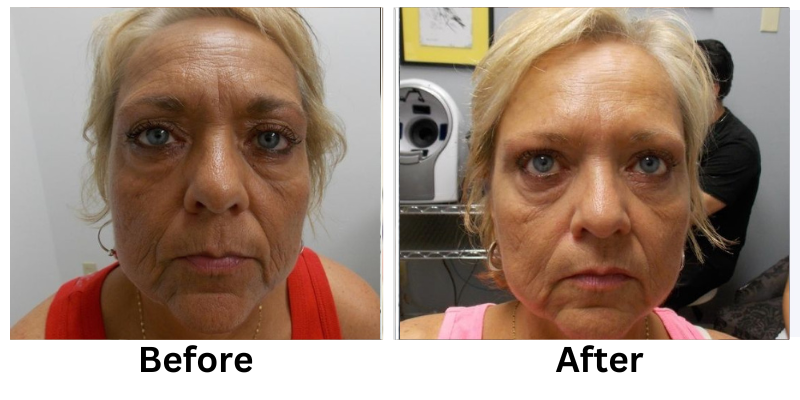
![[thumb]](https://slimmingsolutionsspa.com/wp-content/uploads/2023/12/Skin-Rejuvenation-1-150x150.png)
![[thumb]](https://slimmingsolutionsspa.com/wp-content/uploads/2023/12/Skin-Rejuvenation-2-150x150.png)


![[thumb]](https://slimmingsolutionsspa.com/wp-content/uploads/2024/01/Lip-Filler-1-150x150.png)
![[thumb]](https://slimmingsolutionsspa.com/wp-content/uploads/2024/01/Lip-Filler-2-150x150.png)
![[thumb]](https://slimmingsolutionsspa.com/wp-content/uploads/2025/02/Lip-Filler-1-150x150.png)
![[thumb]](https://slimmingsolutionsspa.com/wp-content/uploads/2024/01/Lip-Filler-150x150.jpg)
![[thumb]](https://slimmingsolutionsspa.com/wp-content/uploads/2024/01/Before-1-150x150.jpg)

![[thumb]](https://slimmingsolutionsspa.com/wp-content/uploads/2024/01/RHA-Treatmetn-3-150x150.png)
![[thumb]](https://slimmingsolutionsspa.com/wp-content/uploads/2024/01/RHA-Treatmetn-2-150x150.png)
![[thumb]](https://slimmingsolutionsspa.com/wp-content/uploads/2024/01/RHA-Treatmetn-1-150x150.png)
![[thumb]](https://slimmingsolutionsspa.com/wp-content/uploads/2024/01/Thread-Lifts-1-150x150.png)
![[thumb]](https://slimmingsolutionsspa.com/wp-content/uploads/2024/01/Thread-Lifts-2-150x150.png)
![[thumb]](https://slimmingsolutionsspa.com/wp-content/uploads/2025/02/Lip-Filler-2-150x150.png)

![[thumb]](https://slimmingsolutionsspa.com/wp-content/uploads/2023/12/skin-reuvulation1-150x150.png)
![[thumb]](https://slimmingsolutionsspa.com/wp-content/uploads/2023/12/skin-rejuvulation-2-150x150.png)
![[thumb]](https://slimmingsolutionsspa.com/wp-content/uploads/2023/12/Skin-Tighting-150x150.png)
![[thumb]](https://slimmingsolutionsspa.com/wp-content/uploads/2023/12/Before-150x150.jpg)
![[thumb]](https://slimmingsolutionsspa.com/wp-content/uploads/2023/12/weightloss-1-150x150.png)
![[thumb]](https://slimmingsolutionsspa.com/wp-content/uploads/2023/12/weightloss-2-150x150.png)
![[thumb]](https://slimmingsolutionsspa.com/wp-content/uploads/2023/12/2Weight-Loss-2-150x150.png)
![[thumb]](https://slimmingsolutionsspa.com/wp-content/uploads/2025/02/Weight-Loss-1-new-150x150.png)
![[thumb]](https://slimmingsolutionsspa.com/wp-content/uploads/2023/12/Weight-Loss-3-150x150.png)
![[thumb]](https://slimmingsolutionsspa.com/wp-content/uploads/2025/03/Slimming-Solutions-BA-Template-150x150.png)


![[thumb]](https://slimmingsolutionsspa.com/wp-content/uploads/2023/12/dat3-150x150.png)
![[thumb]](https://slimmingsolutionsspa.com/wp-content/uploads/2023/12/dat-0-150x150.png)
![[thumb]](https://slimmingsolutionsspa.com/wp-content/uploads/2023/12/dat-1-150x150.png)
![[thumb]](https://slimmingsolutionsspa.com/wp-content/uploads/2023/12/Before-1-150x150.png)

![[thumb]](https://slimmingsolutionsspa.com/wp-content/uploads/2024/01/EMS-Treatment-2-150x150.png)
![[thumb]](https://slimmingsolutionsspa.com/wp-content/uploads/2024/01/EMS-Treatment-1-150x150.png)
![[thumb]](https://slimmingsolutionsspa.com/wp-content/uploads/2025/02/ems-BNA-front-150x150.png)
![[thumb]](https://slimmingsolutionsspa.com/wp-content/uploads/2025/02/EMS-bna-SIDE-150x150.png)
![[thumb]](https://slimmingsolutionsspa.com/wp-content/uploads/2024/01/EMS-Treatment-6-150x150.png)