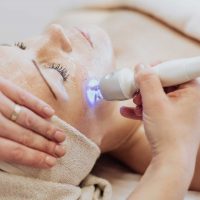

Your face loses volume as you age because fat pads beneath the skin shrink and shift downward, bones gradually resorb and become smaller, collagen and elastin production decreases, and muscle tone weakens. These changes happen naturally starting in your mid-20s and accelerate in your 40s and 50s. The fat that once gave your face a full, youthful shape diminishes in areas like the cheeks, temples, and under the eyes, while sometimes accumulating in areas like the jowls and chin. Combined with gravity pulling everything downward over time, these changes create a hollowed, aged appearance with sagging skin and deeper wrinkles.
This article explains the science behind facial volume loss, which areas are most affected, and the most effective treatments for restoring a fuller, more youthful appearance.
The Science of Facial Volume Loss
Facial aging involves multiple layers of your face changing simultaneously. Understanding these changes helps you make informed decisions about treatment.
The deepest layer is bone. Your facial bones gradually lose density and resorb as you age. The eye sockets become larger, cheekbones flatten, and the jawbone loses definition. According to research published in Plastic and Reconstructive Surgery, facial bone volume decreases by approximately 10 to 15 percent between ages 25 and 65.
Above the bone sits fat compartments. Your face has distinct fat pads in specific locations that give it shape and fullness. These compartments shrink and deflate with age, creating hollows where there was once plumpness.
The fat doesn’t just disappear, it also descends. Gravity pulls facial fat downward over decades, which is why cheeks flatten while jowls form. Fat that once created high, full cheeks migrates toward the lower face.
Muscle tone weakens over time. The muscles supporting facial structure become less firm, contributing to sagging. Muscles also thin with age, reducing the foundation that skin rests upon.
Collagen and elastin in the skin decline significantly. You produce about 1 percent less collagen each year after age 20. Elastin fibers that keep skin bouncy also deteriorate. This makes skin thinner, less elastic, and unable to snap back into place.
According to the American Academy of Dermatology, these combined changes create the characteristic signs of facial aging: hollow temples, sunken cheeks, under-eye hollows, deeper nasolabial folds, marionette lines, and sagging jowls.
Blood supply to facial tissues decreases too. Reduced circulation means less oxygen and nutrients reaching skin cells, which affects skin quality and healing capacity.
All these factors work together to change facial shape from the full, rounded contours of youth to the more angular, hollow appearance of aging.
What Causes Sunken Face With Age?
Sunken face develops when fat pads in your cheeks, temples, and under-eye areas diminish while bones resorb underneath. This creates a hollow, gaunt appearance that makes you look tired or older than you feel.
The cheek fat pads are particularly important for facial fullness. These compartments sit over the cheekbones and create the “apple” of your cheeks. As they shrink, the area below your cheekbone becomes hollow, creating shadows and an aged look.
Temple hollowing happens when fat in the temporal region disappears. This creates an indentation on the sides of your forehead near your eyes. Hollow temples make the upper face look skeletal and aged.
Under-eye hollows form as fat pads beneath the eyes diminish and the orbital bone enlarges. This creates the tear trough deformity, a groove running from the inner corner of your eye diagonally across the under-eye area. It makes you look exhausted even when well-rested.
According to research in the Journal of Cosmetic Dermatology, volume loss in the midface (cheeks and under-eyes) is one of the earliest and most noticeable signs of facial aging, often beginning in the late 30s or early 40s.
Genetics influence how quickly and severely facial volume loss occurs. Some people maintain facial fullness well into their 60s, while others develop a sunken appearance in their 40s. Family history gives you clues about your likely aging pattern.
Weight loss can accelerate sunken face appearance. When you lose significant weight, facial fat goes with it. This is why people who were overweight often look more aged after major weight loss, even though they’re healthier.
Sun damage speeds up volume loss by breaking down collagen and elastin faster. Years of sun exposure thin the skin and weaken the support structure, making volume loss more apparent.
Smoking dramatically accelerates facial aging and volume loss. Nicotine restricts blood flow to facial tissues, reducing oxygen and nutrients. Smoking also breaks down collagen and elastin faster than normal aging.
Our clients here in Lee’s Summit often notice these changes accelerating in their 40s and 50s. Understanding the causes helps determine the best approach for restoring fullness.
Which Areas Lose Volume First?
Facial volume loss follows a predictable pattern, though timing varies individually. Certain areas show changes earlier than others.
The under-eye area often shows the first signs of volume loss, sometimes as early as the late 20s or early 30s. Under-eye hollows and dark circles become more prominent as fat pads in this delicate area thin.
Temples hollow out in the mid-30s to 40s. The temporal fat pad is relatively small to begin with, so even modest loss creates noticeable indentation. Hollow temples make the upper face look aged and can throw off facial proportions.
Cheeks begin losing volume in the late 30s and 40s. The midface fat pads deflate and descend, flattening the cheeks and creating hollows below the cheekbones. This is one of the most aging changes because full cheeks are associated with youth.
According to the American Society of Plastic Surgeons, midface volume loss is the most common concern among people seeking facial rejuvenation treatments in their 40s and 50s.
The jawline loses definition as fat pads along the jaw shrink and descend. This creates jowls and blurs the once-sharp angle between face and neck. Loss of jawline definition typically becomes noticeable in the late 40s to 50s.
Lips thin with age as volume decreases. The vermillion border (the edge of the lip) flattens, and vertical lines appear above the upper lip. Thin lips can make you look older even if the rest of your face maintains good volume.
The chin loses projection as bone resorbs. A receding chin makes the face look older and can create the appearance of jowls even when skin isn’t especially loose.
Hands often show volume loss earlier than expected, with prominent veins and tendons becoming visible in the 40s. While not part of the face, hand rejuvenation often accompanies facial treatments.
Understanding which areas lose volume first helps create effective treatment plans. Addressing early changes can prevent more dramatic aging down the road.
Thinking about addressing volume loss? Schedule a consultation and we’ll assess which areas would benefit most from treatment.
How Do You Restore Facial Volume?
Several effective treatments restore facial volume. The right choice depends on which areas need attention, how much volume you’ve lost, and your goals.
Dermal fillers are the most common solution for volume restoration. Fillers like Juvederm, Restylane, and Radiesse add volume immediately by filling in hollow areas. Results are visible right away and last from six months to two years depending on the product.
Different fillers work better in different areas. Hyaluronic acid fillers work well for cheeks, under-eyes, and lips. Calcium hydroxylapatite fillers like Radiesse excel in deeper areas like cheeks and jawline. Sculptra stimulates collagen production gradually for natural-looking volume restoration over several months.
According to the American Society for Dermatologic Surgery, nearly 3 million dermal filler procedures were performed in 2022, with volume restoration being one of the primary reasons people seek treatment.
Fat grafting transfers your own fat from one body area to your face. This surgical procedure provides permanent volume restoration. Fat is harvested from areas like the abdomen or thighs, processed, and carefully injected into facial areas needing volume.
Sculptra is ideal for long-term volume restoration. Unlike fillers that add immediate volume, Sculptra stimulates your body to produce collagen gradually. Results develop over several months and can last over two years.
Thread lifts provide both lifting and mild volume enhancement. PDO threads inserted beneath the skin lift sagging tissue while stimulating collagen production. Thread lifts work well for moderate sagging combined with volume loss.
Combination approaches often work best. Many people use fillers in some areas, Sculptra in others, and combine with skin tightening treatments for comprehensive rejuvenation.
We customize treatment plans here at Slimming Solutions Med Spa based on individual aging patterns. What works for one person might not be ideal for another.
Can Fillers Reverse Aging Face?
Fillers can’t reverse aging completely, but they can significantly improve facial appearance by restoring lost volume. The results can be dramatic enough that people often say they look years younger.
Fillers address volume loss, which is a major component of facial aging. By replacing lost volume in cheeks, temples, under-eyes, and other areas, fillers recreate the fuller contours of a younger face.
According to research published in Aesthetic Surgery Journal, strategic filler placement in key areas of volume loss can reduce the perceived age of a face by 5 to 10 years.
Fillers work particularly well for certain aging changes. They excel at filling hollow cheeks, smoothing under-eye hollows, restoring temple volume, defining jawlines, and plumping thin lips. These improvements create a more rested, youthful appearance.
Fillers don’t address all aging signs. They won’t tighten loose skin, eliminate deep wrinkles caused by sun damage, or fix skin texture issues like roughness or enlarged pores. For comprehensive rejuvenation, fillers work best combined with other treatments.
Botox and fillers used together provide more complete results than either treatment alone. Botox addresses muscle movement and expression lines, while fillers restore volume. The combination tackles aging from multiple angles.
The key is natural-looking results. Overfilling creates an artificial appearance that actually looks worse than natural aging. Skilled injectors add just enough volume to restore youthful proportions without looking overdone.
Maintenance is necessary. Dermal fillers last anywhere from six months to two years. Regular touch-ups maintain results. Some people prefer gradual, subtle changes over time rather than dramatic transformations all at once.
Realistic expectations matter. Fillers can make you look like a younger, more refreshed version of yourself. They won’t make you look 20 again if you’re 60, and they shouldn’t try to. The goal is natural improvement.
We focus on creating results that look like you, just better. People should notice you look great without being able to pinpoint what changed.
What Is the Best Treatment for Volume Loss?
The best treatment depends on the specific areas affected, severity of volume loss, and your goals. No single treatment works best for everyone.
For moderate to severe cheek volume loss, hyaluronic acid fillers like Juvederm Voluma or Restylane Lyft provide immediate, noticeable results. These fillers are designed specifically for the midface and can last 18 to 24 months.
Sculptra works best for overall facial volume loss across multiple areas. It gradually stimulates collagen production, providing natural-looking results that develop over several months and last over two years. Many people prefer Sculptra for full-face rejuvenation because results look very natural.
According to the International Society of Aesthetic Plastic Surgery, Sculptra has gained popularity for its ability to address volume loss comprehensively while maintaining a natural appearance as results develop gradually.
Under-eye hollows respond well to specialized fillers like Restylane or Belotero. These areas require delicate technique and fillers with appropriate consistency. Restylane works well in this sensitive area.
Temple hollowing is best addressed with fillers designed for deeper placement, such as Juvederm Voluma or Radiesse. These areas require sufficient volume to create noticeable improvement.
Lip volume loss responds to lip-specific fillers like Juvederm Volbella or Restylane Kysse. These provide natural-looking enhancement without the overfilled appearance that gives lip fillers a bad reputation.
Jawline definition benefits from firmer fillers like Radiesse or Juvederm Volux. These products provide structure and definition along the jaw, creating a more youthful contour.
Fat grafting provides permanent volume restoration for people who want long-lasting results and don’t mind a surgical procedure with recovery time. Results look very natural since you’re using your own tissue.
Combination treatments often provide the best overall results. For example, Sculptra for overall volume, targeted fillers for specific areas like lips or under-eyes, and Botox for expression lines creates comprehensive facial rejuvenation.
We assess each client individually during consultations to recommend the most appropriate treatments for their specific volume loss pattern and aesthetic goals.
Ready to address volume loss? Request a consultation and we’ll create a personalized treatment plan.
How Do You Fix Hollow Face?
Fixing hollow face requires a strategic approach that addresses multiple areas of volume loss simultaneously. Treating just one area often looks unbalanced.
Start with the midface. Restoring cheek volume creates the foundation for a fuller, more youthful appearance. Fillers placed in the cheek area lift the entire midface and reduce the appearance of nasolabial folds without directly injecting those lines.
Address temples if they’re hollow. Temple volume restoration frames the face and creates balance with fuller cheeks. Many people don’t realize their temples are hollow until they’re filled, then they notice how much better their whole face looks.
Fill under-eye hollows if present. This area is delicate and requires an experienced injector. Properly treated under-eyes look more rested and reduce shadows that create a tired, aged appearance.
According to facial plastic surgeons, treating volume loss requires a three-dimensional understanding of facial anatomy and how different areas relate to each other. Isolated treatments rarely provide optimal results.
Consider jawline definition if volume loss has blurred the jaw angle. Restoring definition along the jaw creates a lifted appearance and frames the face more youthfully.
Don’t forget lips if they’ve thinned. Even modest lip enhancement can balance facial proportions when other areas are being treated.
The treatment timeline matters. Some providers recommend treating one area per visit to assess results before proceeding. Others prefer comprehensive treatment in one session for immediate overall improvement. Both approaches work depending on your preferences and budget.
Gradual treatment allows you to adjust to changes and see how each area affects your overall appearance. Comprehensive treatment provides faster results but requires a larger initial investment.
Maintenance keeps results looking good long-term. As fillers gradually break down, schedule touch-ups before volume loss becomes noticeable again. Staying ahead of the curve maintains consistent results.
Combine fillers with other treatments for best outcomes. Skin treatments like chemical peels or laser resurfacing improve skin texture and quality while fillers address volume.
We work with clients throughout the Kansas City area to develop treatment schedules that fit their goals and budgets while achieving natural-looking facial fullness.
What Is Full Face Rejuvenation?
Full face rejuvenation addresses multiple signs of aging simultaneously rather than treating isolated concerns. This comprehensive approach creates balanced, natural-looking results.
The treatment typically includes volume restoration with fillers or Sculptra in areas like cheeks, temples, under-eyes, and lips. This recreates the fullness and contours of a younger face.
Muscle relaxation with Botox or similar neurotoxins smooths expression lines on the forehead, between the eyebrows, and around the eyes. This addresses the dynamic wrinkles that come from facial movement.
Skin quality improvements through treatments like chemical peels, microneedling, or laser resurfacing address texture, tone, and fine lines. These treatments complement volume restoration and muscle relaxation.
According to the American Academy of Facial Plastic and Reconstructive Surgery, full face rejuvenation has become increasingly popular as patients recognize that treating multiple aging factors produces more natural, balanced results than focusing on one area.
The approach is customized based on individual aging patterns. Someone in their 40s might need mostly volume restoration and preventive Botox. Someone in their 60s might need comprehensive treatment including skin tightening.
Full face rejuvenation can be phased over several months or completed in one session. Phased treatment spreads out costs and allows gradual adjustment to changes. Comprehensive treatment provides faster results.
Combining different filler types optimizes results. For example, Sculptra for overall volume, hyaluronic acid fillers for targeted areas, and Radiesse for jawline definition creates layered, natural-looking enhancement.
Maintenance keeps results consistent. Full face rejuvenation isn’t a one-time treatment. Regular touch-ups every 6 to 18 months maintain the improvements. Many people schedule standing appointments to stay ahead of visible aging.
The goal is looking refreshed and natural, not obviously “done.” Properly executed full face rejuvenation should make people say you look great without being able to identify what changed.
We specialize in full face rejuvenation at Slimming Solutions Med Spa, creating customized treatment plans that address each client’s unique aging concerns comprehensively.
Preventing Further Volume Loss
While you can’t stop facial aging completely, certain strategies slow volume loss and preserve facial fullness longer.
Sun protection is the single most important preventive measure. UV exposure accelerates collagen breakdown and speeds up all aspects of facial aging. Wear broad-spectrum SPF 30 or higher daily, even on cloudy days. Reapply every two hours when outdoors.
According to dermatology research, consistent sun protection can slow facial aging by up to 24 percent compared to unprotected sun exposure.
Don’t smoke and avoid secondhand smoke. Smoking dramatically accelerates facial volume loss and skin aging. If you smoke, quitting is the best thing you can do for your face.
Maintain stable weight. Yo-yo dieting and repeated weight fluctuations accelerate facial volume loss. Fat cells in your face shrink and don’t always fully recover when you regain weight.
Stay hydrated. Adequate water intake supports skin health and maintains facial plumpness. Dehydration makes skin appear thinner and more aged.
Eat a nutrient-rich diet with adequate protein, healthy fats, and antioxidants. These nutrients support collagen production and cellular health. Vitamin C, in particular, is critical for collagen synthesis.
Get enough sleep. During sleep, your body repairs and regenerates tissues, including facial skin and underlying structures. Chronic sleep deprivation accelerates aging.
Manage stress. Chronic stress raises cortisol levels, which breaks down collagen and accelerates aging. Find healthy stress management techniques that work for you.
Use quality skincare with retinoids, vitamin C, and peptides. These ingredients support collagen production and skin health. Retinoids are particularly effective for stimulating cellular turnover and collagen synthesis.
Consider earlier intervention with preventive treatments. Starting fillers in your 30s or 40s when volume loss is minimal can help maintain facial fullness rather than trying to restore it after significant loss.
Regular facial treatments that stimulate collagen, like microneedling or RF treatments, support skin structure and slow visible aging.
Cost Considerations for Volume Restoration
Volume restoration treatments vary in cost based on the type of treatment, areas treated, and amount of product needed.
Dermal fillers are typically priced per syringe. Hyaluronic acid fillers cost $600 to $1,000 per syringe on average. Most people need one to three syringes per treatment area depending on the degree of volume loss.
Sculptra is usually sold in vials. Each vial costs approximately $800 to $1,200. Most people need three to five vials total, spread across multiple treatment sessions over several months.
According to pricing data from the American Society of Plastic Surgeons, the average cost for dermal filler treatments is approximately $1,000 per session, though costs vary significantly based on geographic location and provider experience.
Full face rejuvenation typically costs $3,000 to $8,000 depending on the number of areas treated and products used. This can be done all at once or phased over several months to spread out costs.
Fat grafting is more expensive as a surgical procedure, typically costing $4,000 to $8,000. While the upfront cost is higher, results are permanent unlike temporary fillers.
Maintenance costs add up over time. If you need touch-ups every 12 to 18 months, budget accordingly. Some people save by treating only the areas that need refreshing rather than redoing everything each time.
Insurance doesn’t cover cosmetic treatments. Volume restoration is considered elective, so you’ll pay out of pocket. Some providers offer payment plans or financing options.
Provider experience affects pricing. Highly skilled injectors often charge more, but their expertise is worth the investment. Poor technique can waste money on unsatisfactory results.
Location influences cost. Major metropolitan areas typically have higher prices than smaller cities. Our pricing here in Lee’s Summit is competitive for the Kansas City area while maintaining high quality standards.
Consider the value, not just the cost. Cheaper isn’t always better with cosmetic treatments. Focus on finding a skilled provider who produces natural results, even if it costs slightly more.
We provide transparent pricing during consultations so you know exactly what to expect with no surprises.
Choosing the Right Provider
Provider selection is critical for volume restoration treatments. Proper technique makes the difference between natural-looking results and an overdone or unnatural appearance.
Look for providers with extensive training in facial anatomy and injectable techniques. Medical background matters, but specialized training in aesthetics is just as important. Doctors, nurse practitioners, and physician assistants can all be excellent injectors with proper training.
According to the American Society for Aesthetic Plastic Surgery, complications from fillers most often result from inexperienced injectors who lack proper anatomical knowledge or injection technique.
Check credentials and certifications. Providers should be licensed medical professionals with specific training in cosmetic injectables. Ask about their experience with the specific treatment you’re considering.
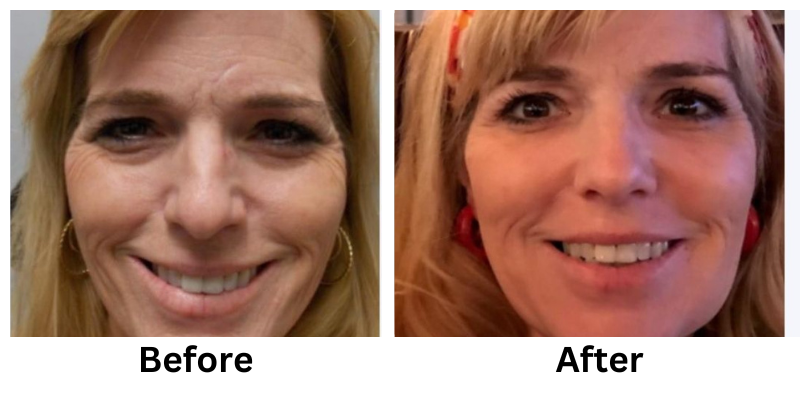
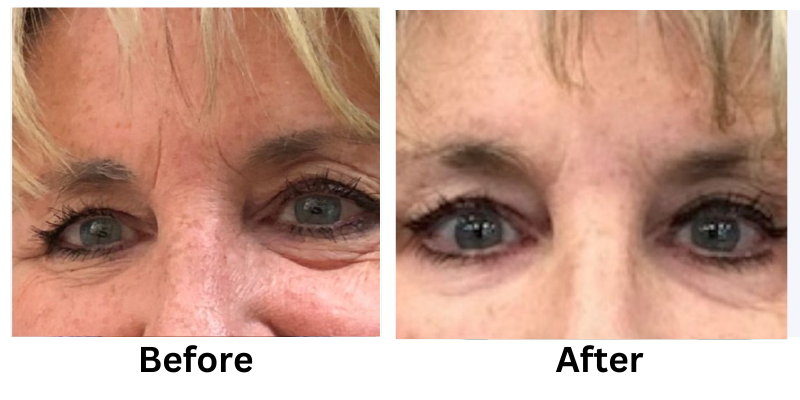
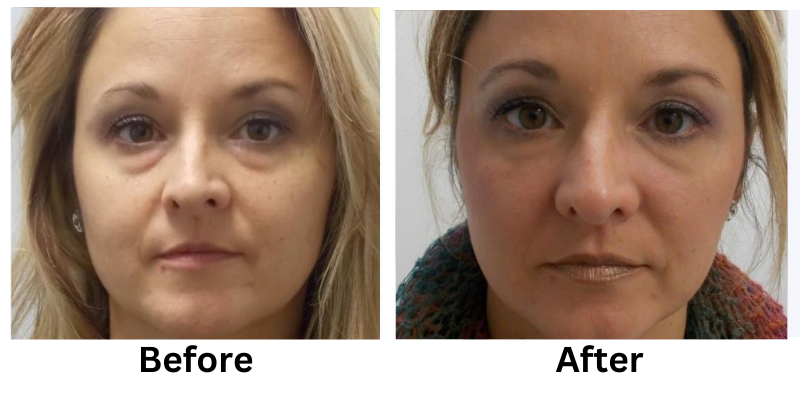
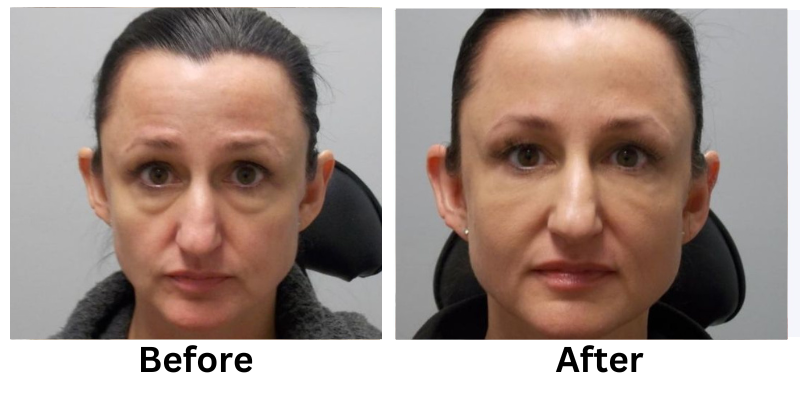
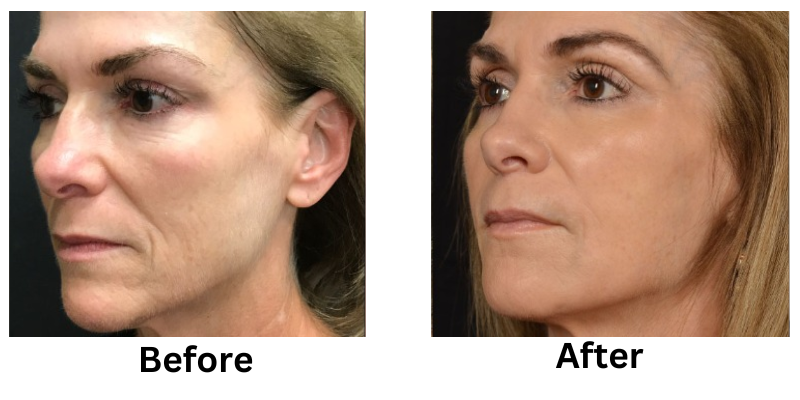
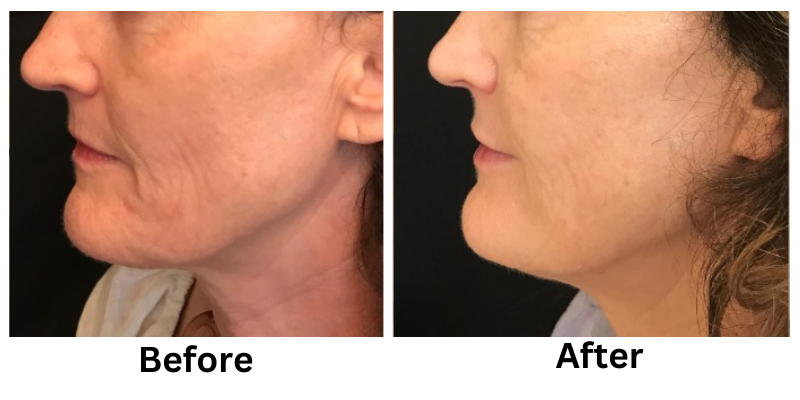
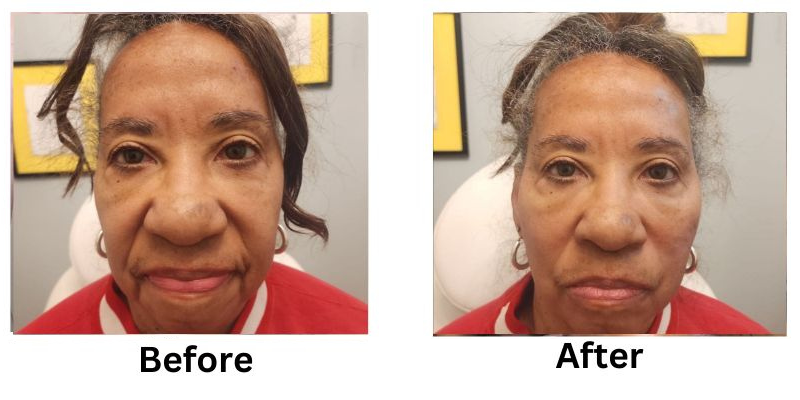
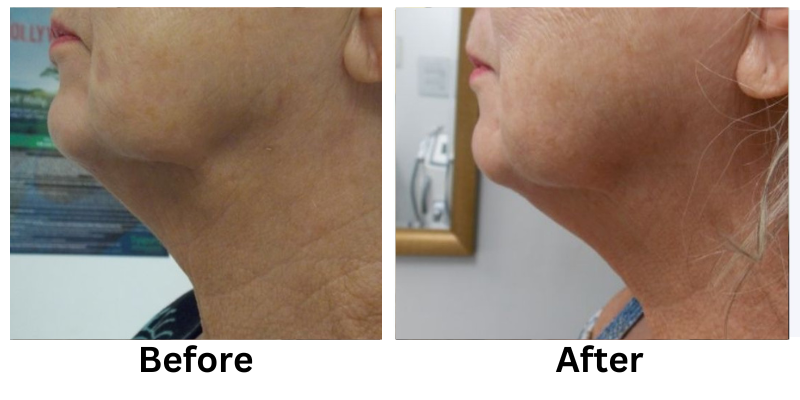
Review before and after photos of the provider’s actual work. Photos should show natural-looking results, not obviously overdone faces. Look for results on people with similar features and aging concerns to yours.
Read reviews from other clients. Look for comments about the provider’s technique, bedside manner, and results. Multiple negative reviews about poor outcomes or customer service are red flags.
Schedule a consultation before committing to treatment. This lets you meet the provider, assess their communication style, and see if you feel comfortable with them. A good provider listens to your concerns and sets realistic expectations.
Ask about their approach to volume restoration. Providers who focus on creating natural, balanced results rather than overfilling will mention proportions, facial harmony, and gradual improvement.
Discuss their experience with complications. Even the best injectors occasionally encounter issues. Ask how they handle complications and whether they provide corrective treatments if needed.
Our team at Slimming Solutions Med Spa has extensive experience in facial rejuvenation. We prioritize natural-looking results and take time to understand each client’s individual goals.
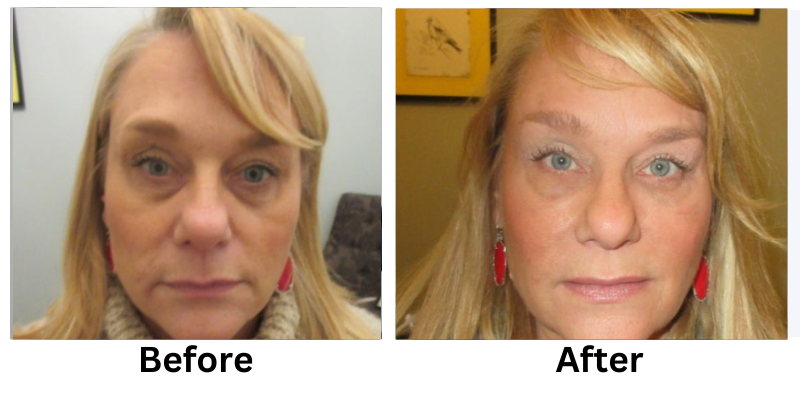
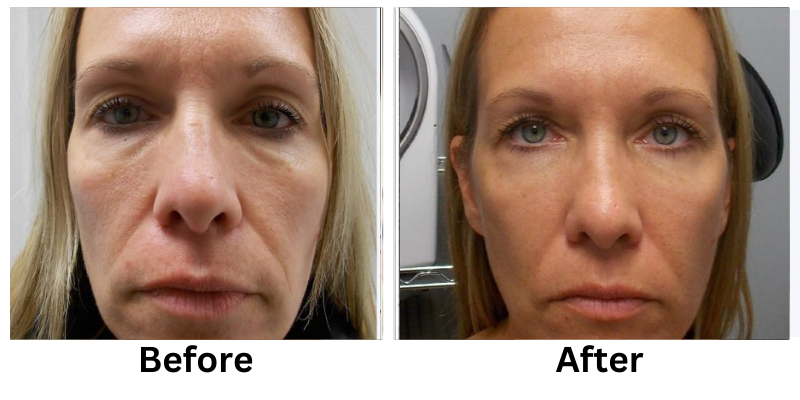
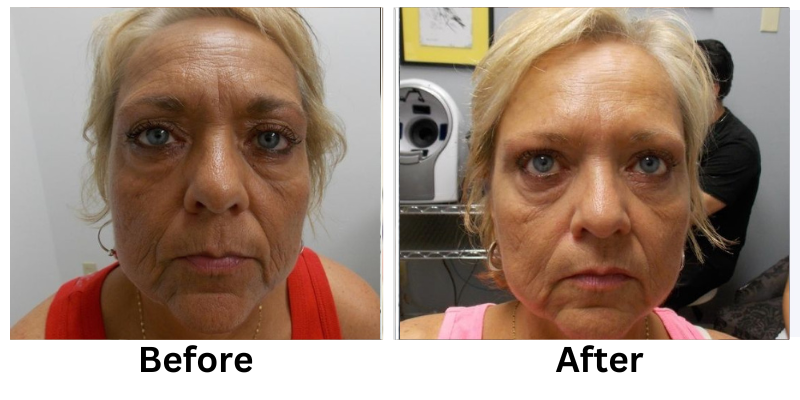
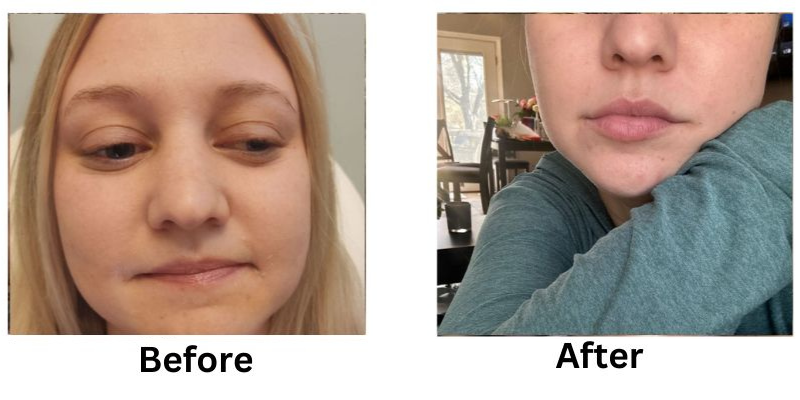
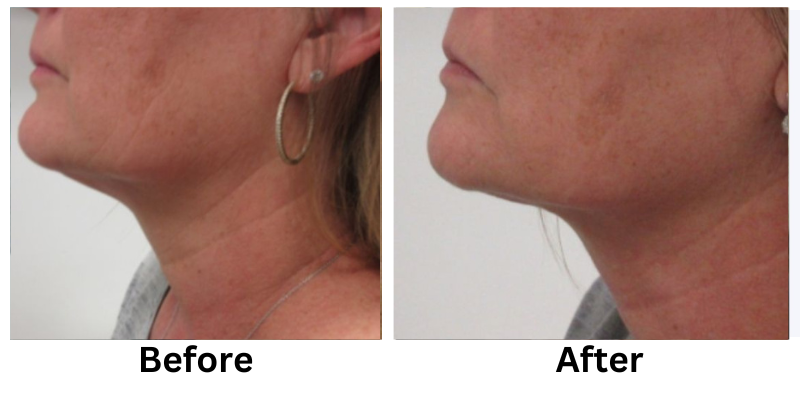
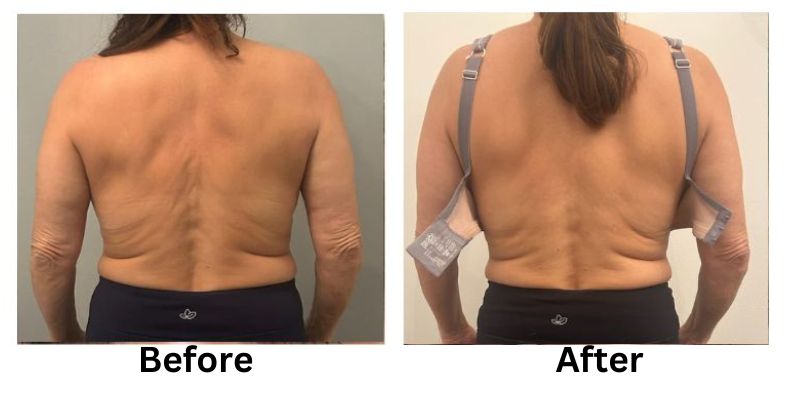
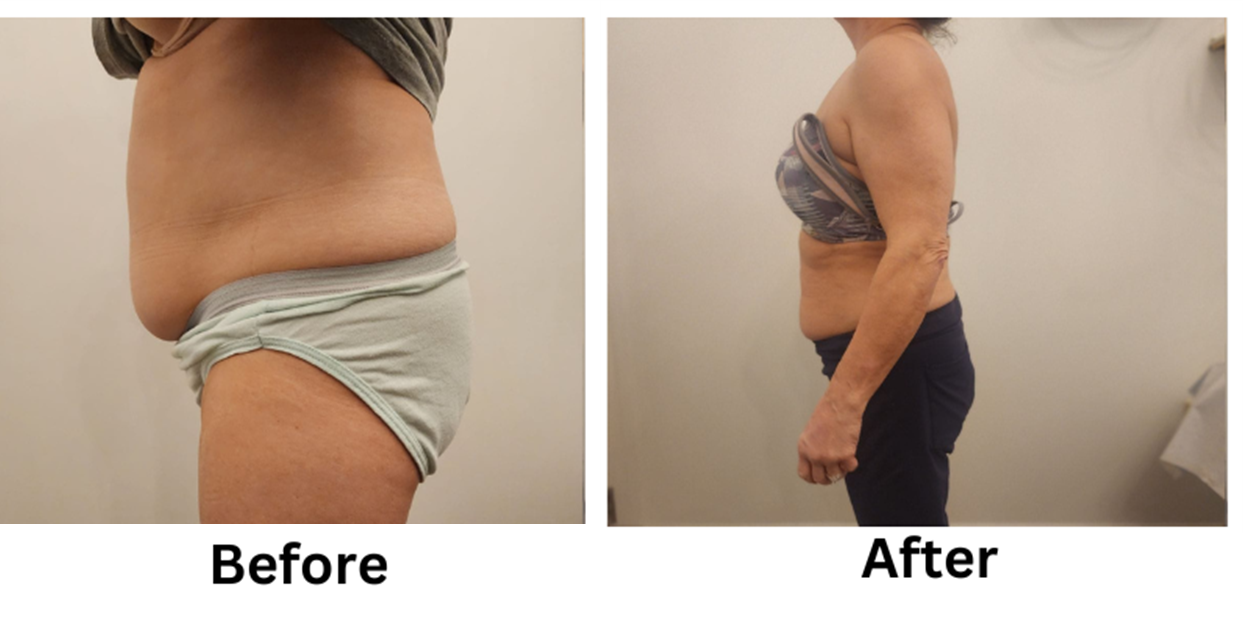
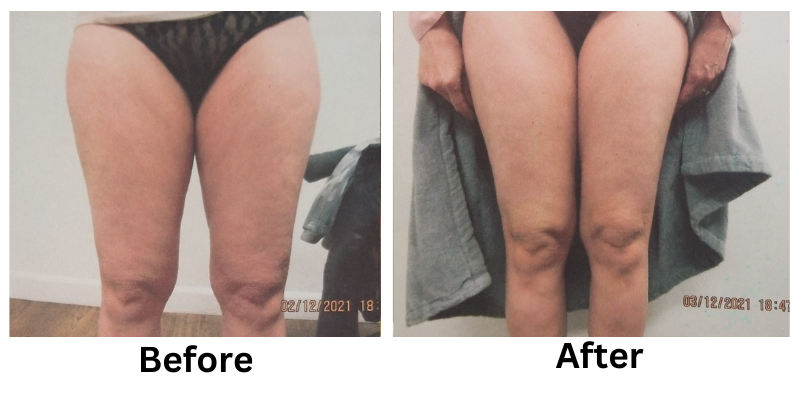
Want to see our before and after results? We’re happy to show you examples of our work during your consultation.
Final Thoughts
Your face loses volume as you age due to multiple factors working together: fat pads shrinking and descending, bone resorption, collagen and elastin decline, and muscle weakening. These changes create a hollow, aged appearance with sunken cheeks, temples, and under-eyes.
Volume restoration through fillers, Sculptra, or fat grafting can significantly improve facial fullness and create a more youthful appearance. The best treatment depends on which areas need attention, how much volume you’ve lost, and your aesthetic goals. Full face rejuvenation that addresses multiple concerns simultaneously often provides the most natural, balanced results.
Prevention through sun protection, healthy lifestyle habits, and quality skincare slows volume loss. Earlier intervention with preventive treatments helps maintain facial fullness rather than trying to restore it after significant loss.
If you’re in Lee’s Summit or the Kansas City area and noticing facial volume loss, we can help. Contact us to schedule a consultation. We’ll assess your facial structure, discuss your concerns, and create a personalized treatment plan to restore the fullness and contours of a more youthful appearance. Our team at Slimming Solutions Med Spa is here to help you look like the best version of yourself.
![[thumb]](https://slimmingsolutionsspa.com/wp-content/uploads/2023/12/botox1-150x150.png)
![[thumb]](https://slimmingsolutionsspa.com/wp-content/uploads/2023/12/Before2-150x150.png)
![[thumb]](https://slimmingsolutionsspa.com/wp-content/uploads/2023/12/Before3-150x150.png)


![[thumb]](https://slimmingsolutionsspa.com/wp-content/uploads/2023/12/revanesse-versa-1-150x150.png)
![[thumb]](https://slimmingsolutionsspa.com/wp-content/uploads/2023/12/revanesse-versa-2-150x150.png)
![[thumb]](https://slimmingsolutionsspa.com/wp-content/uploads/2023/12/revanesse-versa-3-150x150.png)
![[thumb]](https://slimmingsolutionsspa.com/wp-content/uploads/2023/12/revanesse-versa-4-150x150.png)
![[thumb]](https://slimmingsolutionsspa.com/wp-content/uploads/2023/12/revanesse-versa-5-150x150.png)
![[thumb]](https://slimmingsolutionsspa.com/wp-content/uploads/2024/01/Eyebrow-treatment-1-1-150x150.png)
![[thumb]](https://slimmingsolutionsspa.com/wp-content/uploads/2023/12/Skin-Rejuvenation-1-150x150.png)
![[thumb]](https://slimmingsolutionsspa.com/wp-content/uploads/2023/12/Skin-Rejuvenation-2-150x150.png)


![[thumb]](https://slimmingsolutionsspa.com/wp-content/uploads/2024/01/Lip-Filler-1-150x150.png)
![[thumb]](https://slimmingsolutionsspa.com/wp-content/uploads/2024/01/Lip-Filler-2-150x150.png)
![[thumb]](https://slimmingsolutionsspa.com/wp-content/uploads/2025/02/Lip-Filler-1-150x150.png)
![[thumb]](https://slimmingsolutionsspa.com/wp-content/uploads/2024/01/Lip-Filler-150x150.jpg)
![[thumb]](https://slimmingsolutionsspa.com/wp-content/uploads/2024/01/Before-1-150x150.jpg)

![[thumb]](https://slimmingsolutionsspa.com/wp-content/uploads/2024/01/RHA-Treatmetn-3-150x150.png)
![[thumb]](https://slimmingsolutionsspa.com/wp-content/uploads/2024/01/RHA-Treatmetn-2-150x150.png)
![[thumb]](https://slimmingsolutionsspa.com/wp-content/uploads/2024/01/RHA-Treatmetn-1-150x150.png)
![[thumb]](https://slimmingsolutionsspa.com/wp-content/uploads/2024/01/Thread-Lifts-1-150x150.png)
![[thumb]](https://slimmingsolutionsspa.com/wp-content/uploads/2024/01/Thread-Lifts-2-150x150.png)
![[thumb]](https://slimmingsolutionsspa.com/wp-content/uploads/2025/02/Lip-Filler-2-150x150.png)

![[thumb]](https://slimmingsolutionsspa.com/wp-content/uploads/2023/12/skin-reuvulation1-150x150.png)
![[thumb]](https://slimmingsolutionsspa.com/wp-content/uploads/2023/12/skin-rejuvulation-2-150x150.png)
![[thumb]](https://slimmingsolutionsspa.com/wp-content/uploads/2023/12/Skin-Tighting-150x150.png)
![[thumb]](https://slimmingsolutionsspa.com/wp-content/uploads/2023/12/Before-150x150.jpg)
![[thumb]](https://slimmingsolutionsspa.com/wp-content/uploads/2023/12/weightloss-1-150x150.png)
![[thumb]](https://slimmingsolutionsspa.com/wp-content/uploads/2023/12/weightloss-2-150x150.png)
![[thumb]](https://slimmingsolutionsspa.com/wp-content/uploads/2023/12/2Weight-Loss-2-150x150.png)
![[thumb]](https://slimmingsolutionsspa.com/wp-content/uploads/2025/02/Weight-Loss-1-new-150x150.png)
![[thumb]](https://slimmingsolutionsspa.com/wp-content/uploads/2023/12/Weight-Loss-3-150x150.png)
![[thumb]](https://slimmingsolutionsspa.com/wp-content/uploads/2025/03/Slimming-Solutions-BA-Template-150x150.png)


![[thumb]](https://slimmingsolutionsspa.com/wp-content/uploads/2023/12/dat3-150x150.png)
![[thumb]](https://slimmingsolutionsspa.com/wp-content/uploads/2023/12/dat-0-150x150.png)
![[thumb]](https://slimmingsolutionsspa.com/wp-content/uploads/2023/12/dat-1-150x150.png)
![[thumb]](https://slimmingsolutionsspa.com/wp-content/uploads/2023/12/Before-1-150x150.png)

![[thumb]](https://slimmingsolutionsspa.com/wp-content/uploads/2024/01/EMS-Treatment-2-150x150.png)
![[thumb]](https://slimmingsolutionsspa.com/wp-content/uploads/2024/01/EMS-Treatment-1-150x150.png)
![[thumb]](https://slimmingsolutionsspa.com/wp-content/uploads/2025/02/ems-BNA-front-150x150.png)
![[thumb]](https://slimmingsolutionsspa.com/wp-content/uploads/2025/02/EMS-bna-SIDE-150x150.png)
![[thumb]](https://slimmingsolutionsspa.com/wp-content/uploads/2024/01/EMS-Treatment-6-150x150.png)