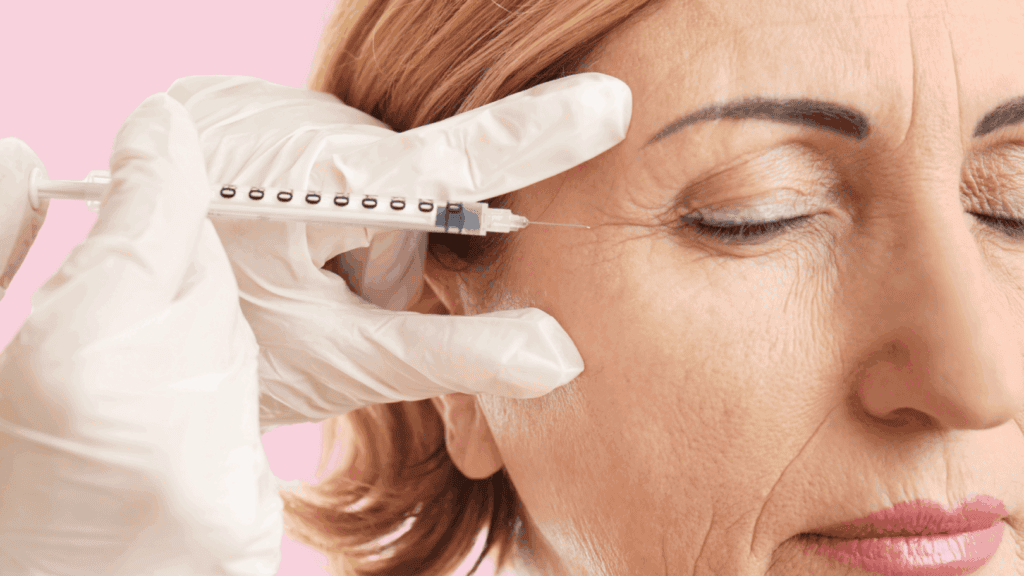
Botox kicks in within 2 to 3 days after injection for most patients. You will notice the first signs of muscle relaxation around day 2 or 3, visible smoothing of wrinkles by day 5 to 7, and full results by day 10 to 14. The neurotoxin needs time to bind to nerve endings, block acetylcholine release, and allow the targeted muscles to gradually relax. Botox does not produce instant results, and the timeline varies depending on the treatment area, the strength of your facial muscles, the dose used, and whether you have had Botox before.
According to the American Society of Plastic Surgeons (ASPS), 9.48 million neurotoxin procedures were performed in the United States in the latest reporting year, making Botox the most popular minimally invasive cosmetic treatment in the country. Despite its popularity, the most common question we hear from patients after their appointment is some version of “is it working yet?” This guide walks through exactly what happens day by day after your Botox injection, the signs that confirm it is kicking in, the factors that speed up or slow down onset, and what to do if you are not seeing results after the first week.
What Does Botox Look Like Day by Day?
Botox produces a gradual progression of results that unfolds over 14 days, starting with subtle muscle changes on day 2 and culminating in full wrinkle smoothing by day 10 to 14. The timeline below represents what most patients experience after a standard Botox treatment for cosmetic wrinkle reduction.
| Day | What You May Notice |
|---|---|
| Day 0 (treatment day) | Small bumps at injection sites that resolve within 30 to 60 minutes. Possible mild redness or tenderness. No change in muscle movement or wrinkles. |
| Day 1 | Injection sites have healed. No visible wrinkle improvement yet. The botulinum toxin is beginning to bind to nerve endings beneath the skin. |
| Day 2 to 3 | First signs of muscle relaxation. You may notice it is slightly harder to furrow your brow or raise your forehead. Some patients describe a subtle heaviness or tightness in the treated area. |
| Day 4 to 5 | Visible smoothing begins. Dynamic wrinkles that appear during expressions start to soften. Lines that previously formed when you frowned or squinted are less pronounced. |
| Day 7 | Significant improvement for most patients. The treated area looks noticeably smoother both at rest and during expressions. You can see and feel the difference clearly. |
| Day 10 to 14 | Full results. Maximum muscle relaxation is achieved. The wrinkles are at their smoothest. This is the point at which you should evaluate your outcome. |
Sources: American Society of Plastic Surgeons, Mayo Clinic aftercare guidelines, Botox Cosmetic prescribing information (Allergan/AbbVie)
The progression from day 0 to day 14 follows the biology of how Botox works at the cellular level. The botulinum toxin protein must travel from the injection site to the nerve endings within the targeted muscle. The toxin then binds to the nerve receptor and blocks the release of acetylcholine, the chemical messenger that tells the muscle to contract. This binding process takes 24 to 48 hours to begin and continues over the following days. As more nerve receptors are blocked, the muscle relaxes further, and the overlying skin smooths progressively.
The most important thing to understand about this timeline is that Botox does not produce a single moment of “it’s working.” The change is gradual. Patients who check the mirror every hour on day 1 will not see anything different. Patients who compare their appearance on day 7 to a photo taken on day 0 will see a clear difference. The full 14-day window is the minimum evaluation period. Any judgment made before day 14 is premature.
How Do You Know When Botox Is Kicking In?
You know Botox is kicking in when you notice specific changes in how your facial muscles respond to voluntary expressions. The signs are physical, not visual at first. You feel the Botox working before you see it working. These are the signals that confirm the neurotoxin is binding to nerve endings and beginning to relax the targeted muscles:
- You find it harder to frown, raise your eyebrows, or squint with the same force you normally use. The muscles feel like they are resisting your effort to contract them.
- The treated area feels slightly heavy or tight, particularly in the forehead. This heaviness is the frontalis muscle relaxing and losing its ability to pull the skin upward as forcefully as before.
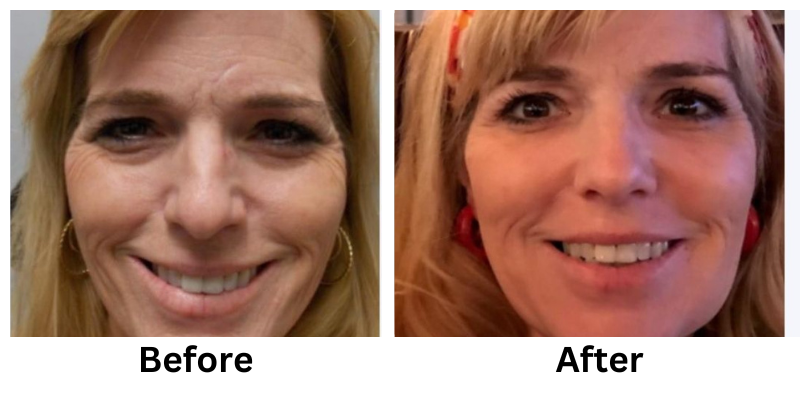
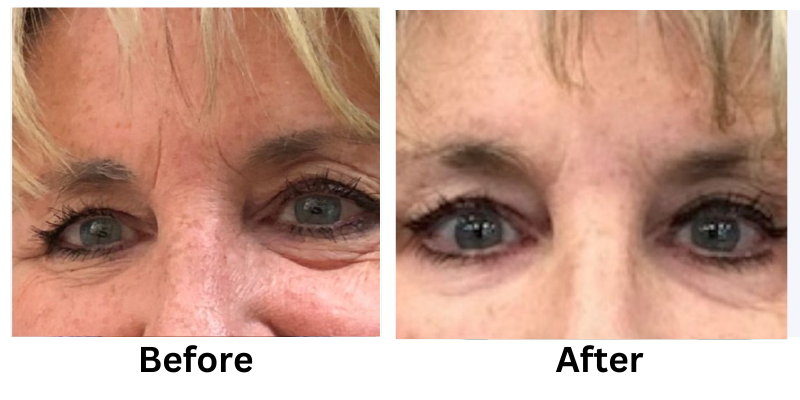
- Fine lines and wrinkles that normally appear during expressions begin to soften. Crow’s feet that form when you smile become less pronounced. Frown lines that deepen when you concentrate start to flatten.
- Lines that previously stayed visible for several seconds after you stopped the expression now fade almost immediately, or do not appear at all.
- You notice asymmetry between treated and untreated areas. If Botox was injected into the forehead but not the crow’s feet, the forehead looks noticeably smoother while the crow’s feet lines remain unchanged. This contrast confirms the treatment is working in the targeted zones.
Some patients report feeling the first signs within 24 hours, particularly a subtle tightness or reduced contraction in the forehead. Most patients feel definitive changes by day 2 or 3. If you feel nothing at all by day 5, the treatment may still be progressing normally, as some patients are on the slower end of the onset spectrum. The critical threshold is day 14. If no changes are apparent by that point, contact your provider.
What Factors Affect How Quickly Botox Kicks In?
Several factors influence whether you experience Botox onset on the faster end (day 1 to 2) or the slower end (day 5 to 7) of the timeline. No two patients respond identically, and the variables below explain most of the variation in onset speed.
- Muscle size and strength: Larger, stronger muscles take longer to relax than smaller, thinner muscles. The frontalis muscle in the forehead is one of the strongest facial muscles and often takes the full 7 to 14 days to reach maximum relaxation. The orbicularis oculi around the eyes is smaller and thinner, which is why crow’s feet often respond faster than forehead lines.
- Dosage: Higher unit counts for a given area tend to produce faster and more complete relaxation. Under-dosing, which occurs when too few units are injected for the muscle’s size and strength, can lead to slower onset and less visible results. An experienced injector calibrates the dose to your specific anatomy.
- Individual metabolism: People with faster metabolic rates may process the neurotoxin slightly differently. Metabolism primarily affects how long Botox lasts rather than how quickly it starts, but it plays a secondary role in onset timing.
- Treatment history: Patients who have been receiving neurotoxin injections consistently over time often report faster onset with each subsequent session. The muscles are already partially weakened from prior treatments and require less time to respond to the new dose.
- Product choice: Different botulinum toxin products have slightly different molecular structures that affect how quickly they diffuse and bind. Dysport is commonly reported to take effect 1 to 2 days faster than Botox. Xeomin has a similar onset timeline to Botox. Your provider can recommend the product that best fits your goals and timeline needs.
First-time patients with strong, highly active muscles are the most likely to experience onset at the later end of the spectrum. The muscles have never been treated before, they are contracting at full strength, and the neurotoxin has to overcome that full contraction force for the first time. By the second or third treatment session, the same patient typically notices faster results because the muscles have been pre-weakened.
Does Dysport Kick In Faster Than Botox?
Yes, Dysport generally kicks in 1 to 2 days faster than Botox. Many patients and providers report that Dysport produces noticeable results within 24 to 48 hours, compared to 48 to 72 hours for Botox. The faster onset is attributed to Dysport’s smaller molecular structure, which allows the product to diffuse through the muscle tissue and bind to nerve receptors more quickly.
The faster diffusion means Dysport spreads slightly more than Botox after injection, which can be an advantage in broad treatment areas like the forehead (where wider spread covers more surface area) and a disadvantage in precise areas near the eyes (where unwanted spread could affect adjacent muscles). Xeomin has a similar onset profile to Botox, typically taking 2 to 3 days for initial effects. All three products reach their full peak effect by approximately day 14, so the difference is primarily in how quickly the first signs appear, not in the final result.
When Does Masseter Botox Kick In?
Masseter Botox kicks in more slowly than standard cosmetic Botox, with initial softening at 2 to 4 weeks and full jawline slimming visible at 4 to 6 weeks. The masseter muscle is one of the largest and densest muscles in the face. It generates the force that closes the jaw during chewing, clenching, and grinding. Because of its size, density, and constant daily use, the masseter takes significantly longer to respond to botulinum toxin than the forehead or crow’s feet muscles.
Patients who receive masseter Botox for jawline slimming or TMJ relief should expect a gradual process. The muscle begins to weaken within the first 1 to 2 weeks, but the visible change in jaw shape requires the muscle to physically shrink from reduced use over several weeks. The peak slimming effect typically appears 6 to 8 weeks after injection. Masseter Botox also requires higher doses than cosmetic forehead or crow’s feet treatment, typically 25 to 50 units per side, which contributes to the longer timeline.
Why Is My Botox Not Working After One Week?
Your Botox may appear to not be working after one week because the full effect has not yet developed. Day 7 is the midpoint of the onset timeline, not the endpoint. Most patients see significant improvement by day 7, but the peak result does not arrive until day 10 to 14. Evaluating your results at day 7 is like leaving a movie at intermission and wondering why the plot did not resolve.
If you see partial improvement at day 7, the treatment is working normally and will continue to develop over the next week. If you see no improvement at all by day 7, the treatment may still be progressing, particularly if you are a first-time patient with strong muscles. The 14-day mark is when your provider can accurately assess whether the treatment achieved the intended result. Dermal fillers produce instant volume, but Botox does not produce instant muscle relaxation. The biology requires patience.
If you reach day 14 and still see minimal results, several explanations are possible. Under-dosing is the most common: too few units were injected for the muscle’s size and strength, and a touch-up with additional units often resolves the issue. In rare cases, patients develop antibodies to botulinum toxin after frequent, high-dose treatments over many years, which reduces the product’s effectiveness. Switching to a different neurotoxin brand can sometimes overcome antibody resistance. Injection technique also matters; if the product was not placed at the optimal depth within the muscle, the results may be incomplete.
What Should You Avoid After Botox?
What you should avoid after Botox depends on how many days have passed since your injection. The aftercare timeline protects the neurotoxin from migrating away from the targeted muscles, reduces side effects like bruising and swelling, and supports the best possible results.
| Activity | When It Is Safe | Why |
|---|---|---|
| Touching, rubbing, or massaging the treated area | After 24 hours | Pressure can displace Botox before it binds to nerve endings |
| Lying flat or bending forward | After 4 hours | Gravity can shift the product before binding is complete |
| Strenuous exercise | After 24 hours | Increased blood flow and facial flushing can spread the product |
| Alcohol consumption | After 24 hours | Alcohol dilates blood vessels and increases bruising risk |
| Sauna, steam room, hot tub | After 48 hours | Heat increases circulation and risk of product migration |
| Gentle hydrating facial (no massage) | After 48 to 72 hours | Minimal contact, no deep pressure on injection sites |
| Aqua facial / HydraFacial | After 48 to 72 hours | Gentle suction without manual pressure |
| Standard facial with massage | After 7 to 14 days | Sustained manual pressure on injection areas |
| Chemical peels, microdermabrasion | After 7 to 14 days | Acids and abrasion increase circulation and skin sensitivity |
Sources: Mayo Clinic Botox aftercare guidelines, Cleveland Clinic post-injection recommendations, ASPS provider protocols
The first 24 hours carry the highest risk because the botulinum toxin is still in its initial binding phase. After 48 hours, the toxin has largely attached to the nerve receptors, and the risk of displacement drops significantly. By day 14, the Botox has fully settled and the treated muscles are at maximum relaxation, which means most activities and treatments can resume without concern.
Do You Need Less Botox Over Time?
Yes, many patients need less Botox over time with consistent treatment. When muscles are repeatedly relaxed over multiple treatment cycles, they gradually weaken and shrink from reduced use. A muscle that has been treated with Botox every 3 to 4 months for two years is significantly weaker than the same muscle before any treatment. Weaker muscles require fewer units of neurotoxin to achieve the same level of relaxation.
This cumulative weakening effect is one of the reasons that long-term Botox patients often report that their results last longer and look better over time. A patient who needed 20 units of Botox in the forehead during their first session may need only 12 to 15 units after two years of consistent treatment. The muscles have been trained to contract less forcefully, and the lower baseline contraction means less product is needed to produce the same smooth result. A consistent Botox schedule of every 3 to 4 months delivers this cumulative benefit most effectively.
How Long Do Botox Results Last?
Botox results last 3 to 4 months on average after reaching full effect. The botulinum toxin is naturally metabolized by the body during this period. The nerve endings regenerate new acetylcholine receptors, normal muscle function gradually returns, and the wrinkles that Botox was smoothing slowly reappear. Some patients experience results lasting up to 5 or 6 months, particularly those who have been receiving Botox cosmetic treatments consistently for several years and have developed cumulative muscle weakening.
The official Botox Cosmetic prescribing information from Allergan/AbbVie states that full results for forehead lines, frown lines, and crow’s feet appear by Day 30, with effects lasting approximately 3 to 4 months. In clinical practice, most patients see their peak results between day 10 and day 30 and begin noticing muscle movement returning between months 3 and 4. Scheduling your next appointment before the previous treatment fully wears off maintains consistent smoothing and prevents the muscles from returning to full contraction strength between sessions. Botox duration varies by individual, and your provider can help you determine the ideal retreatment interval based on how your body responds.
Frequently Asked Questions
Is 35 Too Late to Start Botox?
No, 35 is not too late to start Botox. Patients start Botox at every age from the late 20s through the 60s and beyond. At 35, dynamic wrinkles caused by muscle movement are typically becoming more visible, which makes Botox effective for both correcting existing lines and preventing them from deepening further. The average Botox patient is 43 years old, according to data from the International Society of Aesthetic Plastic Surgery, so starting at 35 is well within the most common treatment window.
What Is the Rule of 3 in Botox?
The rule of 3 in Botox refers to the observation that Botox takes approximately 3 days to start showing visible effects, reaches strong improvement around day 7 to 10, and produces full peak results by approximately day 14. The “3” anchors the timeline: 3 days for initial onset, and the full process completes within roughly 3 times that window. The rule of 3 is a simplified guideline, not a strict clinical standard, but it helps patients set realistic expectations during the first two weeks.
Why No Coffee After Botox?
Some providers recommend limiting caffeine intake immediately after Botox because caffeine is a mild stimulant that can temporarily increase heart rate and blood pressure, which may contribute to bruising at injection sites. Caffeine does not interfere with how Botox works or how quickly it takes effect. Most providers agree that moderate coffee consumption (one to two cups) after Botox is fine. The more important aftercare guidelines are avoiding strenuous exercise, heat exposure, and lying flat during the first 4 to 24 hours.
What Do You Wish You Knew Before Botox?
The most common thing patients wish they knew before Botox is that results are not instant. Many first-time patients expect to leave the appointment with visibly smoother skin and feel disappointed when nothing changes on day 1. The 2-to-14-day timeline catches new patients off guard because other cosmetic treatments like dermal fillers produce immediate results. The second most common surprise is that Botox feels subtle and natural when done correctly. Most patients do not feel “frozen” or unable to make expressions. They simply notice that their wrinkles are softer and their resting face looks more relaxed.
Does Botox Make Wrinkles Worse?
No, Botox does not make wrinkles worse. When Botox wears off after 3 to 4 months, the treated muscles resume their normal contraction patterns and the wrinkles return to their pre-treatment state. The wrinkles are not deeper or more pronounced than they were before treatment. In fact, patients who use Botox consistently over time often find that their wrinkles are less severe when they stop because the prolonged muscle relaxation slowed the repetitive folding that deepens creases over years.
How Long After Botox Can You Get a Facial?
You can get a gentle hydrating facial without massage 48 to 72 hours after Botox. Standard spa facials that involve massage, extractions, or deep pressure require a wait of at least 7 days. Chemical peels, microdermabrasion, and microneedling require 7 to 14 days. The waiting period protects the Botox from migrating away from the targeted muscles before the neurotoxin has fully bound to the nerve endings.
Putting It All Together
Botox follows a predictable timeline that starts with invisible changes on day 1, transitions to noticeable muscle relaxation around day 3, progresses to visible wrinkle smoothing by day 7, and reaches its full peak by day 10 to 14. The timeline is not instant, but it is consistent. Patience during the first two weeks is the single most important thing you can do after your appointment. Judging your results before day 14 leads to unnecessary worry, and the vast majority of patients who feel underwhelmed at day 5 feel great by day 14.
We see this progression every day with our patients, and it never gets old watching the moment when someone notices the full result for the first time. At Slimming Solutions Med Spa, Nurse Joi has been performing Botox injections since 2006 and delivers results that are both natural and consistent. Call us at (816) 524-3438 to schedule your appointment.
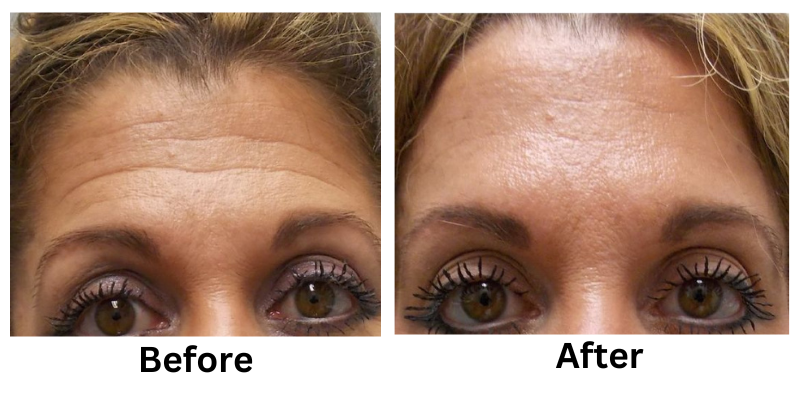
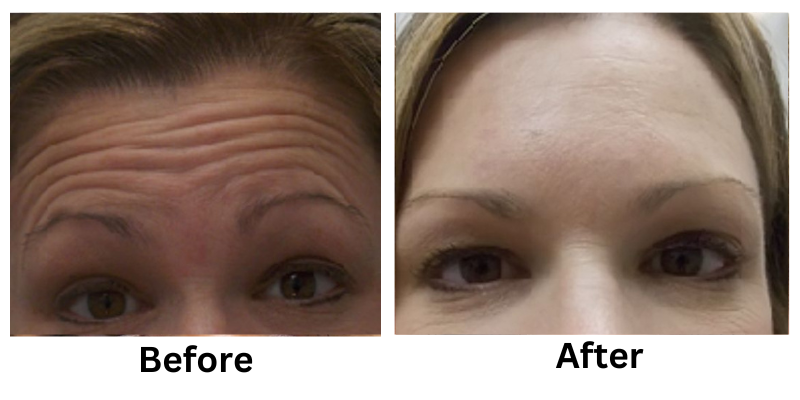
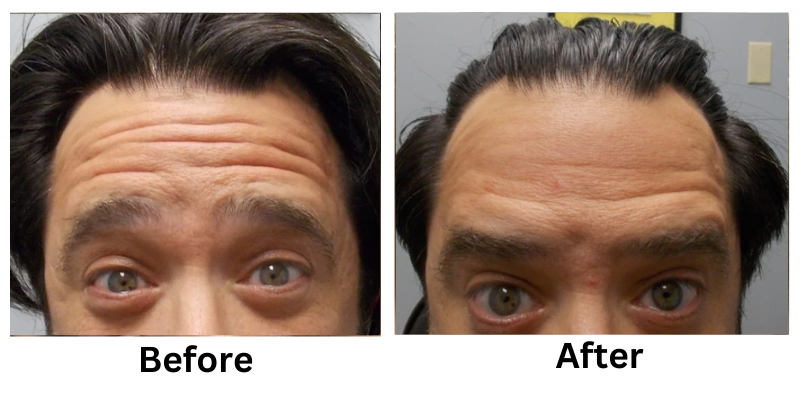
![[thumb]](https://slimmingsolutionsspa.com/wp-content/uploads/2023/12/botox1-150x150.png)
![[thumb]](https://slimmingsolutionsspa.com/wp-content/uploads/2023/12/Before2-150x150.png)
![[thumb]](https://slimmingsolutionsspa.com/wp-content/uploads/2023/12/Before3-150x150.png)


![[thumb]](https://slimmingsolutionsspa.com/wp-content/uploads/2023/12/revanesse-versa-1-150x150.png)
![[thumb]](https://slimmingsolutionsspa.com/wp-content/uploads/2023/12/revanesse-versa-2-150x150.png)
![[thumb]](https://slimmingsolutionsspa.com/wp-content/uploads/2023/12/revanesse-versa-3-150x150.png)
![[thumb]](https://slimmingsolutionsspa.com/wp-content/uploads/2023/12/revanesse-versa-4-150x150.png)
![[thumb]](https://slimmingsolutionsspa.com/wp-content/uploads/2023/12/revanesse-versa-5-150x150.png)
![[thumb]](https://slimmingsolutionsspa.com/wp-content/uploads/2024/01/Eyebrow-treatment-1-1-150x150.png)
![[thumb]](https://slimmingsolutionsspa.com/wp-content/uploads/2023/12/Skin-Rejuvenation-1-150x150.png)
![[thumb]](https://slimmingsolutionsspa.com/wp-content/uploads/2023/12/Skin-Rejuvenation-2-150x150.png)


![[thumb]](https://slimmingsolutionsspa.com/wp-content/uploads/2024/01/Lip-Filler-1-150x150.png)
![[thumb]](https://slimmingsolutionsspa.com/wp-content/uploads/2024/01/Lip-Filler-2-150x150.png)
![[thumb]](https://slimmingsolutionsspa.com/wp-content/uploads/2025/02/Lip-Filler-1-150x150.png)
![[thumb]](https://slimmingsolutionsspa.com/wp-content/uploads/2024/01/Lip-Filler-150x150.jpg)
![[thumb]](https://slimmingsolutionsspa.com/wp-content/uploads/2024/01/Before-1-150x150.jpg)

![[thumb]](https://slimmingsolutionsspa.com/wp-content/uploads/2024/01/RHA-Treatmetn-3-150x150.png)
![[thumb]](https://slimmingsolutionsspa.com/wp-content/uploads/2024/01/RHA-Treatmetn-2-150x150.png)
![[thumb]](https://slimmingsolutionsspa.com/wp-content/uploads/2024/01/RHA-Treatmetn-1-150x150.png)
![[thumb]](https://slimmingsolutionsspa.com/wp-content/uploads/2024/01/Thread-Lifts-1-150x150.png)
![[thumb]](https://slimmingsolutionsspa.com/wp-content/uploads/2024/01/Thread-Lifts-2-150x150.png)
![[thumb]](https://slimmingsolutionsspa.com/wp-content/uploads/2025/02/Lip-Filler-2-150x150.png)

![[thumb]](https://slimmingsolutionsspa.com/wp-content/uploads/2023/12/skin-reuvulation1-150x150.png)
![[thumb]](https://slimmingsolutionsspa.com/wp-content/uploads/2023/12/skin-rejuvulation-2-150x150.png)
![[thumb]](https://slimmingsolutionsspa.com/wp-content/uploads/2023/12/Skin-Tighting-150x150.png)
![[thumb]](https://slimmingsolutionsspa.com/wp-content/uploads/2023/12/Before-150x150.jpg)
![[thumb]](https://slimmingsolutionsspa.com/wp-content/uploads/2023/12/weightloss-1-150x150.png)
![[thumb]](https://slimmingsolutionsspa.com/wp-content/uploads/2023/12/weightloss-2-150x150.png)
![[thumb]](https://slimmingsolutionsspa.com/wp-content/uploads/2023/12/2Weight-Loss-2-150x150.png)
![[thumb]](https://slimmingsolutionsspa.com/wp-content/uploads/2025/02/Weight-Loss-1-new-150x150.png)
![[thumb]](https://slimmingsolutionsspa.com/wp-content/uploads/2023/12/Weight-Loss-3-150x150.png)
![[thumb]](https://slimmingsolutionsspa.com/wp-content/uploads/2025/03/Slimming-Solutions-BA-Template-150x150.png)


![[thumb]](https://slimmingsolutionsspa.com/wp-content/uploads/2023/12/dat3-150x150.png)
![[thumb]](https://slimmingsolutionsspa.com/wp-content/uploads/2023/12/dat-0-150x150.png)
![[thumb]](https://slimmingsolutionsspa.com/wp-content/uploads/2023/12/dat-1-150x150.png)
![[thumb]](https://slimmingsolutionsspa.com/wp-content/uploads/2023/12/Before-1-150x150.png)

![[thumb]](https://slimmingsolutionsspa.com/wp-content/uploads/2024/01/EMS-Treatment-2-150x150.png)
![[thumb]](https://slimmingsolutionsspa.com/wp-content/uploads/2024/01/EMS-Treatment-1-150x150.png)
![[thumb]](https://slimmingsolutionsspa.com/wp-content/uploads/2025/02/ems-BNA-front-150x150.png)
![[thumb]](https://slimmingsolutionsspa.com/wp-content/uploads/2025/02/EMS-bna-SIDE-150x150.png)
![[thumb]](https://slimmingsolutionsspa.com/wp-content/uploads/2024/01/EMS-Treatment-6-150x150.png)