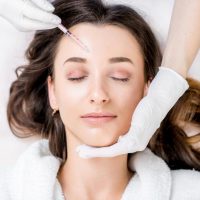
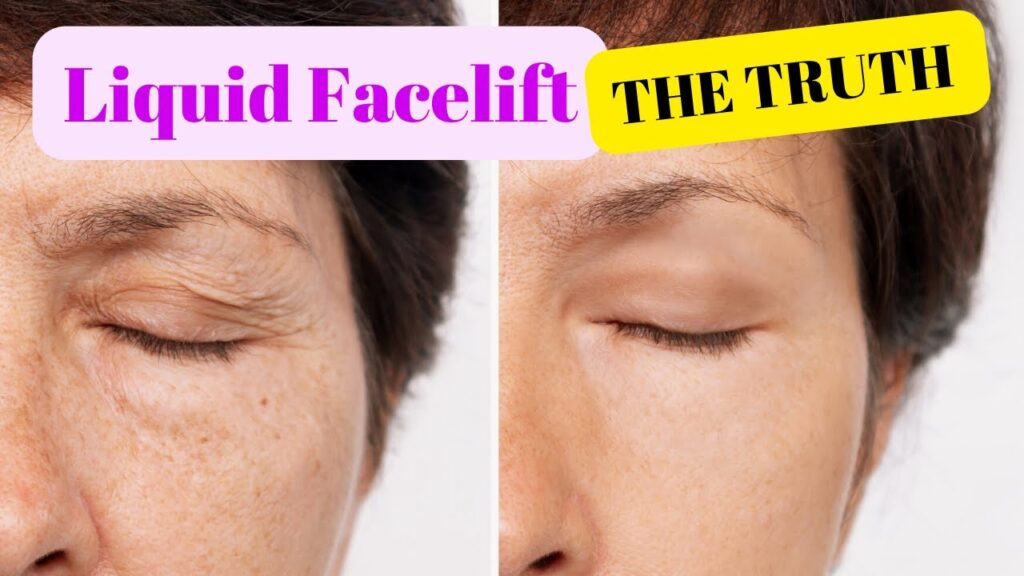
A liquid facelift is a non-surgical facial rejuvenation procedure that uses injectable fillers and neurotoxins like Botox to restore volume, smooth wrinkles, and lift sagging skin without surgery. The treatment strategically combines dermal fillers in areas of volume loss (cheeks, temples, jawline) with Botox in areas of muscle movement (forehead, crow’s feet, frown lines) to create a more youthful appearance. Results are immediate with fillers and develop over days with Botox, lasting anywhere from several months to two years depending on products used. The procedure takes about an hour, requires no downtime, and costs significantly less than surgical facelift.
This article covers everything about liquid facelifts including how they work, what to expect, costs, and whether they can truly replace surgical facelifts.
How Does Non Surgical Facelift Work?
A non-surgical facelift works by addressing the underlying causes of facial aging using injectable treatments rather than surgical intervention. The approach combines different products to tackle multiple aging concerns simultaneously.
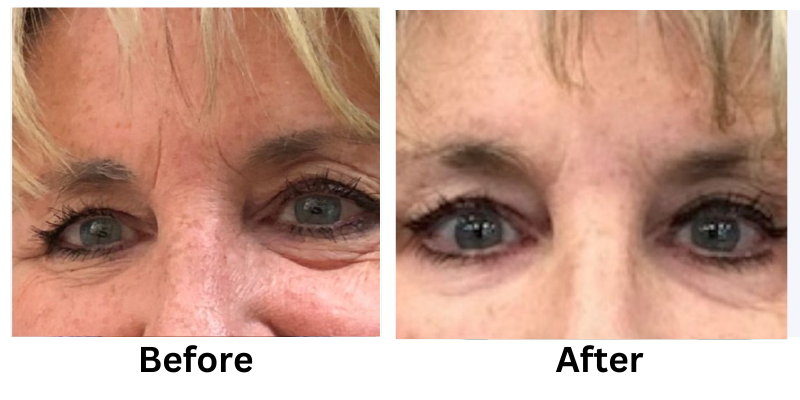
Dermal fillers restore lost volume in areas that have hollowed with age. Strategic placement in the cheeks, temples, under-eyes, and jawline recreates the full, lifted contours of a younger face. The volume itself creates a subtle lifting effect as it plumps areas that have deflated.
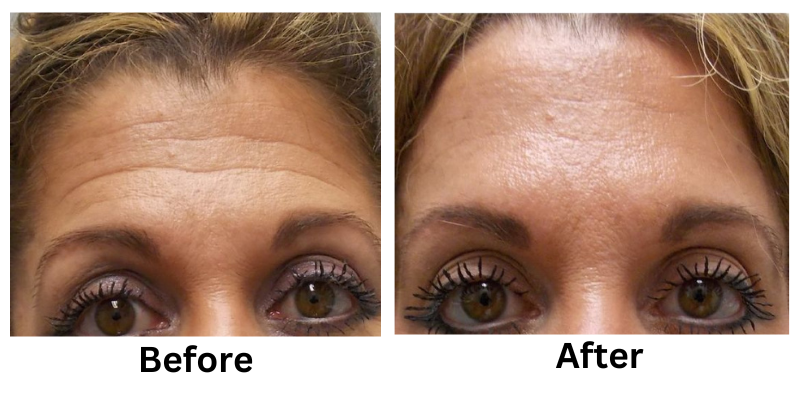
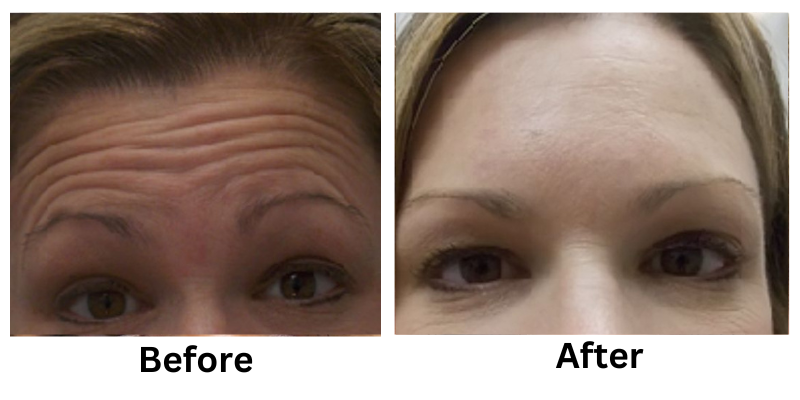
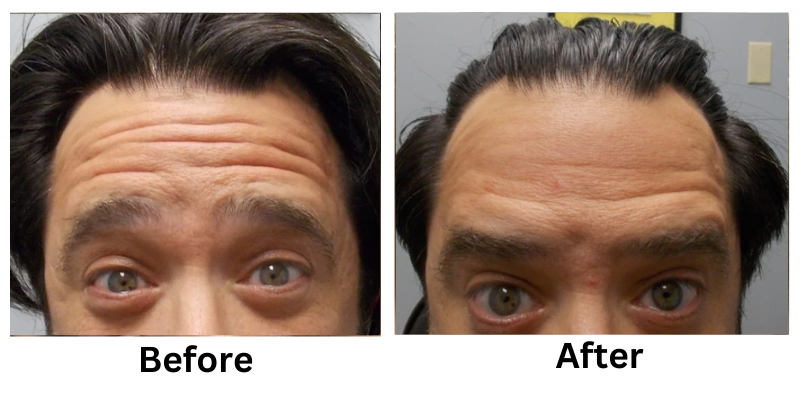
Neurotoxins like Botox relax muscles that create expression lines. By softening forehead lines, frown lines, and crow’s feet, the upper face looks smoother and more refreshed. Botox can also create a subtle brow lift when injected strategically.
According to research published in Aesthetic Surgery Journal, combining volumizing fillers with muscle-relaxing neurotoxins produces synergistic effects that address both static wrinkles (always visible) and dynamic wrinkles (visible with movement).
The technique focuses on key structural areas. Adding volume to cheeks lifts the midface and reduces the appearance of nasolabial folds without directly injecting those lines. Defining the jawline creates structure and counters sagging. Filling temples frames the face and creates balance.
Placement matters more than the amount of product. Skilled injectors understand facial anatomy and know exactly where to place fillers to create natural lift and rejuvenation. Small amounts in strategic locations produce better results than large amounts placed randomly.
The procedure is performed in-office and takes 30 minutes to an hour depending on how many areas are treated. Numbing cream minimizes discomfort, though many fillers contain lidocaine to reduce pain during injection.
Results with fillers are immediate, though some swelling may occur initially. Botox results develop over three to five days and reach full effect around two weeks. The combination of immediate volume restoration and progressive smoothing creates comprehensive rejuvenation.
There’s no downtime required. Most people return to normal activities immediately, though you may have minor swelling or bruising for a few days. This makes non-surgical facelifts appealing for people who can’t take time off for surgical recovery.
We perform liquid facelifts regularly here in Lee’s Summit, helping clients achieve refreshed, natural-looking results without surgery.
What Is Injectable Facelift?
An injectable facelift is another term for a liquid facelift. Both refer to using injectable products to rejuvenate the face without surgical intervention.
The treatment strategically uses multiple types of injectables to address different aspects of facial aging. Each product serves a specific purpose in the overall rejuvenation plan.
Hyaluronic acid fillers like Juvederm and Restylane add immediate volume and hydration. These work well in cheeks, under-eyes, lips, and nasolabial folds. They integrate smoothly with facial tissues and create natural-looking results.
Calcium hydroxylapatite fillers like Radiesse provide structure and stimulate collagen production. These work excellently for jawline definition, cheek augmentation, and hand rejuvenation.
Poly-L-lactic acid fillers like Sculptra gradually stimulate your body’s collagen production over several months. Results develop slowly and naturally, lasting over two years. Sculptra works particularly well for overall facial volume restoration.
According to the American Society of Plastic Surgeons, injectable facelifts have increased in popularity by over 200 percent in the past decade as techniques have improved and longer-lasting products have become available.
Neurotoxins including Botox, Xeomin, and Dysport relax muscles causing expression lines. These smooth the forehead, reduce crow’s feet, soften frown lines, and can even lift the brows slightly.
The combination creates what surgeons call the “triangle of youth.” Young faces have fullness in the upper face (temples and cheeks) with a narrow, defined lower face (jawline and chin). Aging inverts this triangle as upper volume is lost and lower face widens with sagging.
Injectable facelifts restore the youthful triangle by adding volume to the upper and mid-face while defining the jawline. This recreates more youthful proportions without surgery.
The treatment is customized based on individual aging patterns. Someone in their 40s might need mostly volume restoration with minimal Botox. Someone in their 60s might need comprehensive treatment across multiple areas.
Injectable facelifts work best for mild to moderate aging. They can’t address severe sagging skin or significant jowling the way surgery can, but they produce noticeable improvement for many people.
Thinking about an injectable facelift? Schedule a consultation and we’ll assess whether this approach would work for your concerns.
How Long Does Liquid Facelift Last?
Liquid facelift results typically last 12 to 18 months on average, though duration varies based on the specific products used and individual factors. Different components of the treatment last different lengths of time.
Botox effects last three to four months. Most people need touch-ups every three to four months to maintain smoothness in treated areas. Some people stretch it to five or six months, but regular maintenance produces the most consistent results.
Hyaluronic acid fillers last six months to two years depending on the specific product and placement. Thinner fillers in mobile areas like lips last six to 12 months. Thicker fillers in less mobile areas like cheeks last 12 to 24 months.
According to clinical data, Juvederm Voluma for cheeks lasts up to two years, making it one of the longest-lasting hyaluronic acid fillers available.
Radiesse typically lasts 12 to 18 months. Beyond the immediate volumizing effect, it stimulates collagen production, which extends results. Some people see benefits lasting up to two years.
Sculptra produces the longest-lasting results, often over two years and sometimes up to three years. Because it works by stimulating your own collagen production rather than just filling space, results are gradual but durable.
Individual metabolism affects duration. People with fast metabolisms break down fillers more quickly. Very active individuals or those who exercise intensely may notice shorter duration.
Treatment area influences longevity. Areas with more movement, like around the mouth, break down fillers faster. Areas with less movement, like temples or upper cheeks, maintain results longer.
According to research in Dermatologic Surgery, patients who maintain regular treatment schedules often experience gradually increasing duration between appointments as facial tissues adapt to the enhanced support structure.
The amount of product used matters too. Underfilling may look subtle initially but fades quickly. Proper dosing provides noticeable results that last the expected timeframe.
Lifestyle factors affect duration. Sun exposure, smoking, stress, and poor skincare accelerate filler breakdown. Protecting your investment through healthy habits extends results.
Most people schedule maintenance appointments before results completely fade. Coming back when you’re 75 percent satisfied maintains consistent appearance rather than letting everything wear off and starting over.
We help clients in the Kansas City area develop maintenance schedules that keep their results looking fresh year-round.
Is Liquid Facelift Worth It?
For the right candidate, a liquid facelift is absolutely worth it. The treatment provides significant rejuvenation without surgery, downtime, or the risks associated with going under the knife.
The main advantages are numerous. There’s no general anesthesia, no incisions, no scars, and no lengthy recovery period. You can have treatment during lunch and return to work immediately.
Results are immediate with fillers and develop quickly with Botox. Within two weeks, you see the full effects of your treatment. This instant gratification appeals to people who don’t want to wait months for surgical swelling to resolve.
The cost is significantly lower than surgical facelift. Liquid facelifts typically cost $3,000 to $8,000, while surgical facelifts cost $15,000 to $25,000 or more. For people not ready for surgery or unable to afford it, injectables provide an accessible alternative.
According to patient satisfaction surveys published in Aesthetic Plastic Surgery, over 85 percent of patients who receive liquid facelifts report high satisfaction with their results and would repeat the treatment.
The treatment is reversible with hyaluronic acid fillers. If you don’t like the results, an enzyme called hyaluronidase can dissolve these fillers within hours. This safety net doesn’t exist with surgery.
Results look natural when done properly. Good technique produces subtle enhancement that makes you look refreshed and rested, not obviously “done.” People notice you look great without pinpointing what changed.
The gradual approach allows adjustment over time. You can start conservatively and add more later if desired. This flexibility lets you control the extent of change.
There are limitations to consider. Liquid facelifts don’t address severe sagging or excess skin. They can’t tighten significantly loose neck skin or remove large jowls. For severe aging, surgery remains more effective.
Results are temporary. Maintenance appointments and ongoing costs are necessary to maintain improvements. Over years, the cumulative cost may approach surgical facelift costs.
Some people find liquid facelifts worthwhile as a bridge to surgery. Injectables in your 40s and 50s can delay the need for surgical intervention until your 60s or later.
We discuss these considerations honestly during consultations so clients can make informed decisions about whether liquid facelift aligns with their goals and expectations.
What Is the Cost of Liquid Facelift?
Liquid facelift costs typically range from $3,000 to $8,000 depending on the extent of treatment, products used, and geographic location. The wide range reflects the customizable nature of the procedure.
Several factors influence total cost. The number of areas treated is the biggest variable. Treating just cheeks and nasolabial folds costs less than comprehensive treatment including temples, under-eyes, cheeks, jawline, lips, and Botox for the upper face.
The amount of product needed affects price. Someone with mild volume loss might need three to five syringes of filler. Someone with significant hollowing might need eight to 10 syringes. Each syringe costs $600 to $1,000 on average.
Product selection matters. Sculptra treatments require multiple vials spread across several sessions, with each vial costing $800 to $1,200. The upfront cost is higher, but results last longer than hyaluronic acid fillers.
According to pricing data from the American Society of Plastic Surgeons, the average cost for a comprehensive liquid facelift using multiple products is approximately $5,000, though this varies significantly by region.
Botox adds to the total. Most comprehensive liquid facelifts include Botox for the upper face. This adds $300 to $600 depending on the number of units needed.
Provider experience influences pricing. Highly skilled injectors with extensive experience often charge more, but their expertise is worth the investment. Results depend heavily on technique and artistic vision.
Geographic location affects costs. Major metropolitan areas typically have higher prices than smaller cities. Our pricing here in Lee’s Summit is competitive for the Kansas City area.
Payment options vary by practice. Some providers require full payment upfront. Others offer payment plans or financing through companies like CareCredit.
Insurance doesn’t cover liquid facelifts since they’re cosmetic procedures. You’ll pay out of pocket for all costs.
Maintenance costs add up over time. Budget for touch-up appointments every 12 to 18 months to maintain results. Some people need more frequent Botox maintenance every three to four months.
Compare the cost to surgical facelift, which typically runs $15,000 to $25,000. While liquid facelifts require ongoing maintenance, the lower upfront cost and lack of surgical risks make them appealing to many people.
We provide detailed cost breakdowns during consultations so you know exactly what to expect with no surprises.
Want to discuss pricing for your specific situation? Contact us and we’ll walk you through the numbers.
Can Fillers Replace a Facelift?
Fillers can replace a facelift for some people but not everyone. The answer depends on the severity of aging and what you’re hoping to achieve.
Fillers work well for mild to moderate volume loss and early sagging. If your main concerns are hollow cheeks, under-eye hollows, loss of jawline definition, and mild jowling, fillers can produce noticeable improvement.
Strategic filler placement creates a lifting effect. Adding volume to cheeks lifts the midface. Defining the jawline counters sagging. Filling temples and under-eyes refreshes the upper face. The combination creates significant rejuvenation without surgery.
According to facial plastic surgeons, fillers can turn back the clock approximately 5 to 10 years when used strategically for volume restoration and subtle lifting effects.
Fillers have limitations. They can’t remove excess skin. If you have significant loose skin on your neck, deep jowls, or severe sagging, fillers alone won’t produce satisfactory results. Surgery is more appropriate for advanced aging.
Skin quality matters. Fillers add volume and create some tightening through mechanical lift, but they don’t significantly improve skin laxity. If your skin has lost substantial elasticity, combining fillers with skin tightening treatments or considering surgery produces better outcomes.
Age is a factor but not the deciding one. Some 60-year-olds are good candidates for fillers alone. Some 50-year-olds need surgical intervention. Individual aging patterns matter more than chronological age.
Expectations play a huge role. If you want dramatic transformation and maximum tightening, surgery is the answer. If you want noticeable improvement with natural results and no downtime, fillers may be sufficient.
Many people use fillers as a bridge to eventual surgery. Injectable treatments in your 40s and 50s can delay surgical facelift until your 60s or 70s. This staged approach spreads costs over time and delays surgical intervention.
Some people combine approaches. Thread lifts provide more lift than fillers alone while still being less invasive than surgery. PDO threads combined with fillers create substantial improvement for moderate aging.
The best approach is a thorough consultation where your concerns are evaluated honestly. A good provider will tell you if fillers can achieve your goals or if you’d be better served by surgical options.
We’re honest with clients about what injectable treatments can and can’t accomplish. If surgery would serve you better, we’ll tell you that during consultation.
Ideal Candidates for Liquid Facelift
Good candidates for liquid facelift have mild to moderate facial aging with volume loss as a primary concern. If your face looks deflated, hollow, or tired but doesn’t have excessive loose skin, you’re likely a good candidate.
Age isn’t as important as aging pattern. Most people seeking liquid facelifts are in their 40s through 60s, but candidates range from 30s to 70s depending on individual circumstances.
You should have realistic expectations about what injectable treatments can achieve. If you understand that results will be noticeable but natural, not dramatic transformation, you’ll likely be satisfied with outcomes.
Good overall health is necessary. While liquid facelifts aren’t surgery, you should be healthy enough for any cosmetic procedure. Certain medical conditions or medications may make you a poor candidate.
According to guidelines from the American Society for Aesthetic Plastic Surgery, ideal liquid facelift candidates have good skin elasticity, moderate volume loss, realistic expectations, and commitment to maintenance treatments.
You should be committed to maintenance. Results aren’t permanent, so you need to accept ongoing treatments and costs to maintain improvements. People looking for one-and-done solutions may prefer surgical options.
Non-smokers or those willing to quit make better candidates. Smoking accelerates filler breakdown and interferes with results. If you smoke and won’t quit, you may be disappointed with how quickly results fade.
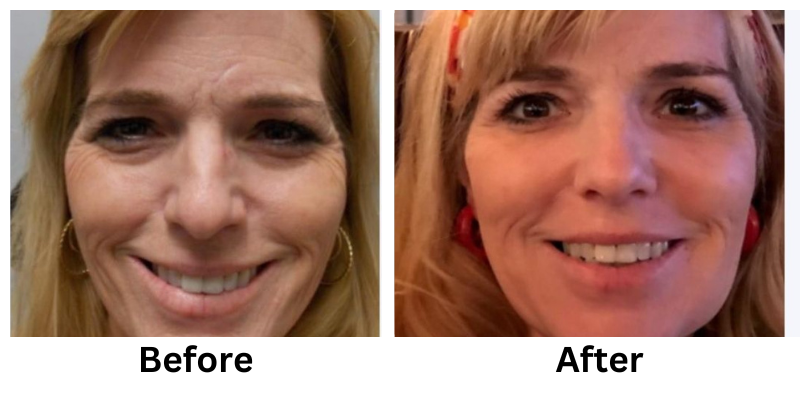
Specific concerns that liquid facelifts address well include hollow cheeks, under-eye hollows, temple hollowing, loss of jawline definition, mild jowling, thin lips, nasolabial folds, marionette lines, and expression lines on the forehead and around eyes.
You’re not a good candidate if you have severe sagging, very loose skin, large jowls, significant neck laxity, or if you want dramatic, long-lasting results without maintenance. In these cases, surgical facelift is more appropriate.
Allergies to filler ingredients may disqualify you from certain products. Hyaluronic acid allergies are extremely rare, but allergies to lidocaine or other components can occur. We screen for these during consultations.
Previous filler complications don’t necessarily disqualify you, but they require careful evaluation. If you had poor results from inexperienced injectors, proper technique with a skilled provider often produces much better outcomes.
We evaluate each person individually to determine if liquid facelift will meet their goals or if alternative approaches would be better.
The Liquid Facelift Procedure
The liquid facelift procedure is performed in-office and typically takes 30 to 60 minutes depending on how many areas are treated. Here’s what to expect during your appointment.
Pre-treatment consultation involves discussing your concerns and goals. Your provider assesses your facial structure, identifies areas of volume loss, and creates a customized treatment plan. Photos document your baseline appearance.
Numbing cream is applied to treatment areas about 15 to 20 minutes before starting. This minimizes discomfort during injections. Many fillers also contain lidocaine, which numbs as it’s injected.
The injection process starts with marking strategic points on your face. Your provider may have you make facial expressions to identify muscle movements and optimal filler placement.
According to injection best practices, treatments typically begin with deeper layers and structural areas like cheeks and temples, then move to more superficial areas like under-eyes or lips.
Fillers are injected using either needles or cannulas. Cannulas are blunt-tipped tubes that glide beneath the skin, potentially reducing bruising compared to needles. Some providers prefer needles for precision in certain areas.
You may feel pressure, pinching, or slight burning during injections. Most people find the discomfort manageable, especially with numbing. The process takes 20 to 40 minutes depending on areas treated.
Massage and molding occur immediately after filler placement. Your provider shapes the product to create optimal contours and ensure even distribution.
Botox injections follow if included in your treatment. These are quick, taking just a few minutes for typical treatment areas.
Post-treatment assessment involves checking symmetry and making any final adjustments. Your provider may add small amounts of filler to perfect results.
Immediate aftercare instructions include avoiding touching treated areas for several hours, staying upright for a few hours, avoiding strenuous exercise for 24 hours, and not applying makeup for several hours.
You can return to normal activities immediately, though you may have swelling, redness, or bruising for a few days. Ice helps reduce swelling. Arnica tablets or cream may minimize bruising.
Results with fillers are visible immediately, though you may have swelling that makes it hard to judge final appearance. Swelling typically resolves within a few days. Botox results develop over the following week.
A follow-up appointment two weeks after treatment allows your provider to assess results and make any necessary adjustments. Small touch-ups are sometimes needed to perfect outcomes.
We walk clients through every step of the process to ensure comfort and address any concerns before, during, and after treatment.
Ready to see what a liquid facelift could do for you? Request a consultation and we’ll create a personalized plan.
Combining Liquid Facelift With Other Treatments
Liquid facelifts often work best when combined with other non-surgical treatments that address different aspects of aging. This comprehensive approach produces more dramatic results.
Skin resurfacing treatments like chemical peels or laser treatments improve skin texture, tone, and quality while fillers address volume. The combination creates both structural improvement and surface refinement.
Microneedling stimulates collagen production and improves skin texture. When combined with fillers, you get both immediate volume restoration and progressive skin quality improvement.
Skin tightening treatments using radiofrequency or ultrasound address mild skin laxity that fillers alone can’t fix. Combining these with volume restoration creates more comprehensive rejuvenation.
According to aesthetic medicine research, patients who combine multiple treatment modalities achieve superior results compared to single-treatment approaches, with higher satisfaction rates and more natural-looking outcomes.
Thread lifts provide additional lifting beyond what fillers alone can achieve. Combining threads with strategic filler placement creates substantial improvement for moderate sagging.
PDO threads work particularly well with liquid facelifts. Threads lift sagging tissue while fillers restore volume. The combination addresses both structural descent and volume loss.
Skincare products containing retinoids, vitamin C, and growth factors support and extend your injectable results. Quality at-home care maintains skin health between professional treatments.
Timing matters when combining treatments. Some procedures need to be spaced apart to allow healing. Others can be performed during the same visit. We coordinate treatment schedules for optimal results and minimal downtime.
Maintenance for combined approaches may involve different schedules for different treatments. For example, you might need Botox every three months, filler touch-ups every 12 to 18 months, and skin treatments quarterly.
Budget considerations increase with combined approaches, but many people find the comprehensive results worth the investment. Phasing treatments over several months spreads out costs while building toward your final goals.
We specialize in comprehensive facial rejuvenation here at Slimming Solutions Med Spa, creating treatment plans that address all your concerns rather than just one aspect of aging.
Risks and Side Effects
Liquid facelifts are generally safe when performed by experienced providers, but all cosmetic procedures carry some risks. Understanding potential side effects helps you make informed decisions.
Common temporary side effects include swelling, bruising, redness, and tenderness at injection sites. These typically resolve within a few days to a week. Ice and arnica help minimize these effects.
Bruising is the most common side effect, occurring in approximately 20 to 40 percent of patients. Bruising is more likely in thin-skinned areas like under the eyes and in people taking blood thinners or certain supplements.
According to safety data from the American Society of Plastic Surgeons, serious complications from dermal fillers are rare, occurring in less than 1 percent of procedures when performed by qualified providers.
Asymmetry can occur if filler distributes unevenly or if one side receives slightly more product than the other. Minor asymmetries often resolve as swelling subsides. Significant asymmetry can be corrected with additional filler or, with hyaluronic acid fillers, by dissolving excess with hyaluronidase.
Lumpiness or visible filler can happen if product is placed too superficially or clumps together. Massage usually resolves minor lumps. Persistent lumps may need to be dissolved or surgically removed.
Overfilling creates an unnatural, puffy appearance. This is why starting conservatively and building gradually produces better results than trying to achieve dramatic change immediately.
Vascular complications are rare but serious. If filler accidentally enters a blood vessel, it can block blood flow and potentially cause tissue damage or, in very rare cases, vision problems. Experienced injectors know how to minimize this risk through proper technique and product selection.
Infection is uncommon but possible any time the skin is punctured. Proper sterile technique and post-treatment care minimize infection risk. Signs include increasing pain, warmth, redness, or pus at injection sites.
Allergic reactions to filler ingredients are extremely rare with hyaluronic acid fillers. Reactions to lidocaine in the filler are more common but still unusual.
Tyndall effect causes a bluish tint under the skin when hyaluronic acid filler is placed too superficially in thin-skinned areas. This can usually be corrected by dissolving the filler.
Granulomas are small nodules that form in response to filler. These are rare and more common with certain types of fillers. They may require steroid injections or surgical removal.
Migration occurs when filler moves from the injection site to adjacent areas. This is more common with soft fillers in mobile areas. Proper product selection and placement technique minimize this risk.
We take all precautions to minimize risks and carefully screen patients to ensure they’re appropriate candidates for treatment.
Final Thoughts
A liquid facelift uses injectable fillers and neurotoxins to restore facial volume, smooth wrinkles, and create a lifted appearance without surgery. The treatment combines different products strategically placed in key areas to address multiple signs of aging simultaneously.
Results last 12 to 18 months on average depending on products used. The procedure costs $3,000 to $8,000, significantly less than surgical facelift while providing noticeable rejuvenation with no downtime.
Liquid facelifts work well for people with mild to moderate aging and volume loss as a primary concern. They can’t replace surgical facelifts for severe sagging or excess skin, but they provide excellent results for appropriate candidates who want natural-looking improvement without going under the knife.
If you’re in Lee’s Summit or the Kansas City area and interested in liquid facelift, we’re here to help. Contact us to schedule a consultation. We’ll assess your facial structure, discuss your goals, and determine whether liquid facelift or alternative approaches would best serve your needs. Our team at Slimming Solutions Med Spa specializes in creating natural, beautiful results that help you look like the most refreshed version of yourself.
![[thumb]](https://slimmingsolutionsspa.com/wp-content/uploads/2023/12/botox1-150x150.png)
![[thumb]](https://slimmingsolutionsspa.com/wp-content/uploads/2023/12/Before2-150x150.png)
![[thumb]](https://slimmingsolutionsspa.com/wp-content/uploads/2023/12/Before3-150x150.png)
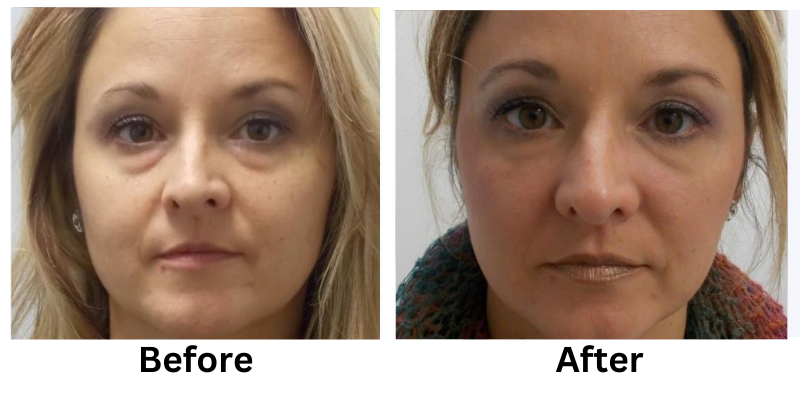
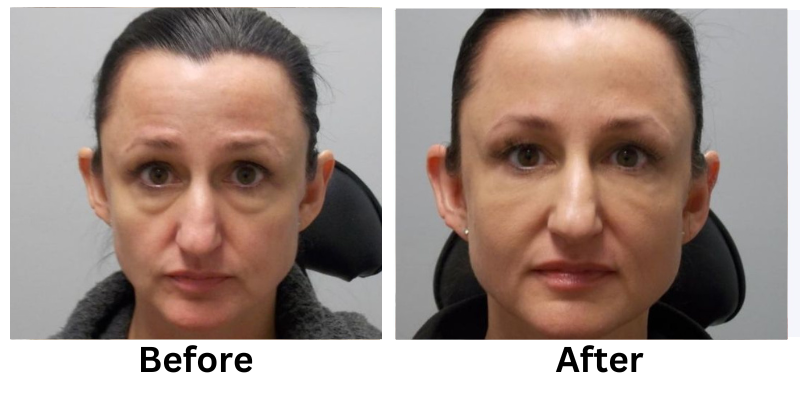
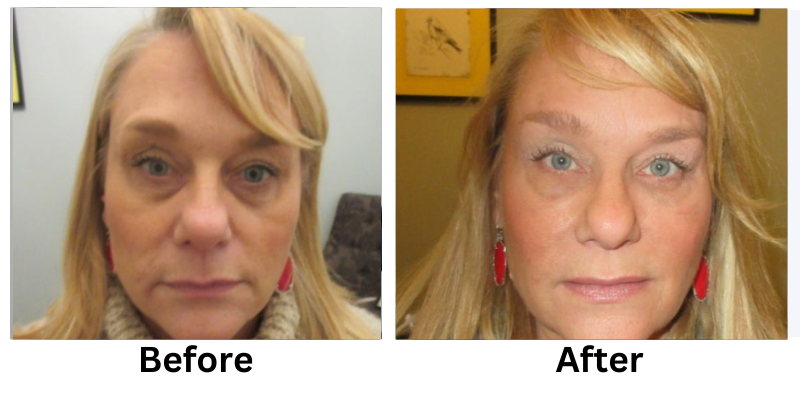


![[thumb]](https://slimmingsolutionsspa.com/wp-content/uploads/2023/12/revanesse-versa-1-150x150.png)
![[thumb]](https://slimmingsolutionsspa.com/wp-content/uploads/2023/12/revanesse-versa-2-150x150.png)
![[thumb]](https://slimmingsolutionsspa.com/wp-content/uploads/2023/12/revanesse-versa-3-150x150.png)
![[thumb]](https://slimmingsolutionsspa.com/wp-content/uploads/2023/12/revanesse-versa-4-150x150.png)
![[thumb]](https://slimmingsolutionsspa.com/wp-content/uploads/2023/12/revanesse-versa-5-150x150.png)
![[thumb]](https://slimmingsolutionsspa.com/wp-content/uploads/2024/01/Eyebrow-treatment-1-1-150x150.png)
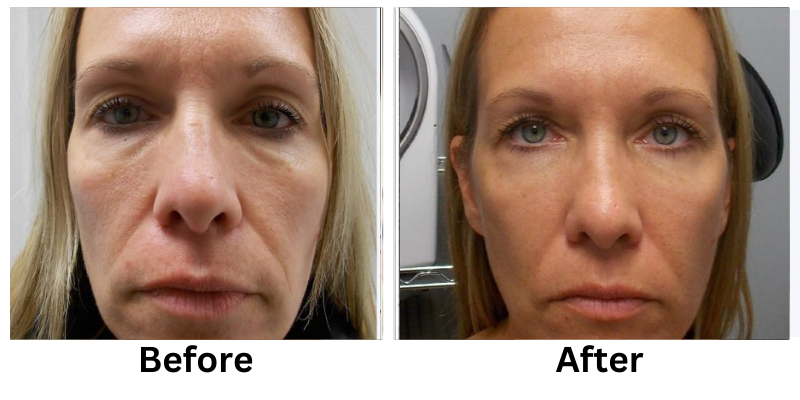
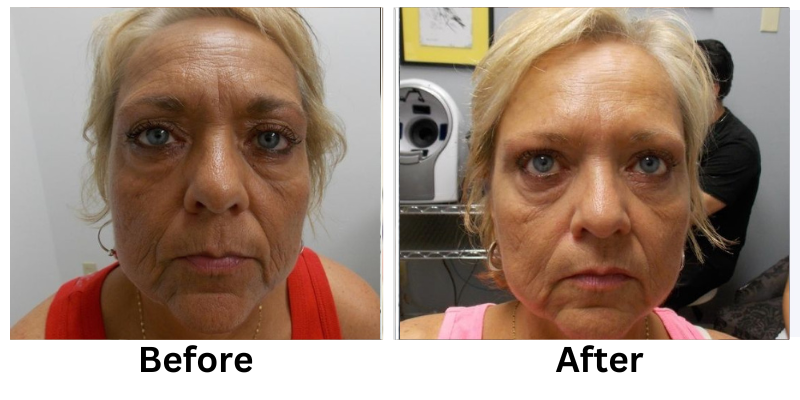
![[thumb]](https://slimmingsolutionsspa.com/wp-content/uploads/2023/12/Skin-Rejuvenation-1-150x150.png)
![[thumb]](https://slimmingsolutionsspa.com/wp-content/uploads/2023/12/Skin-Rejuvenation-2-150x150.png)


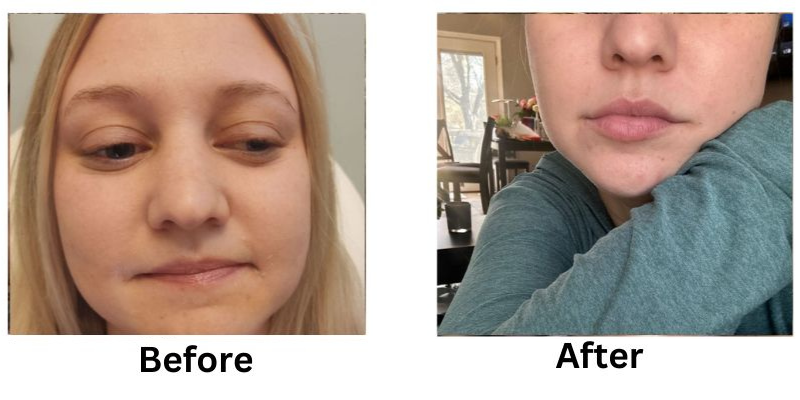
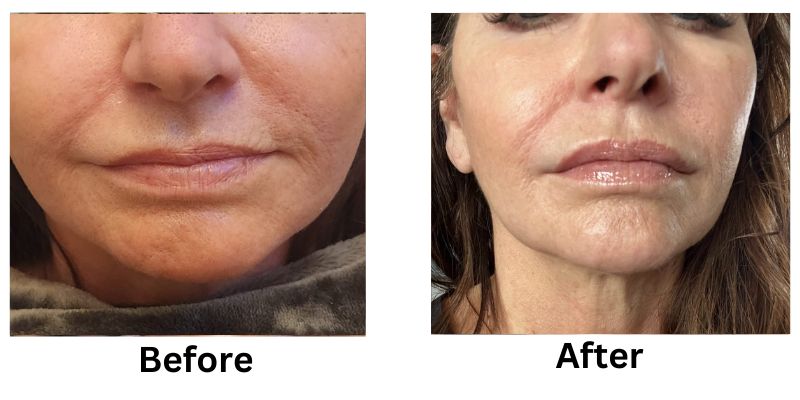
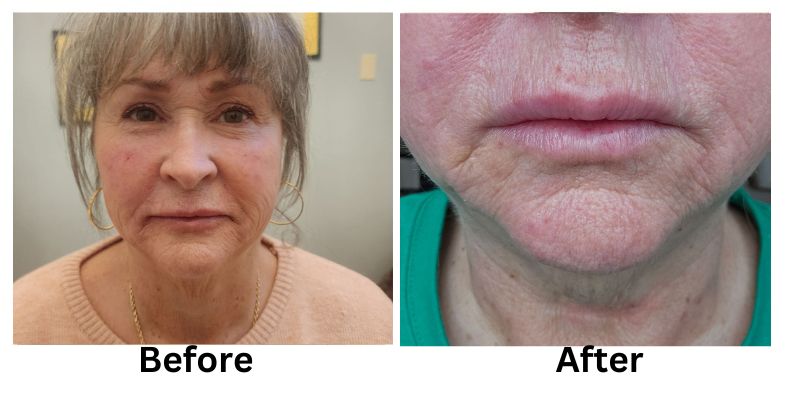
![[thumb]](https://slimmingsolutionsspa.com/wp-content/uploads/2024/01/Lip-Filler-1-150x150.png)
![[thumb]](https://slimmingsolutionsspa.com/wp-content/uploads/2024/01/Lip-Filler-2-150x150.png)
![[thumb]](https://slimmingsolutionsspa.com/wp-content/uploads/2025/02/Lip-Filler-1-150x150.png)
![[thumb]](https://slimmingsolutionsspa.com/wp-content/uploads/2024/01/Lip-Filler-150x150.jpg)
![[thumb]](https://slimmingsolutionsspa.com/wp-content/uploads/2024/01/Before-1-150x150.jpg)
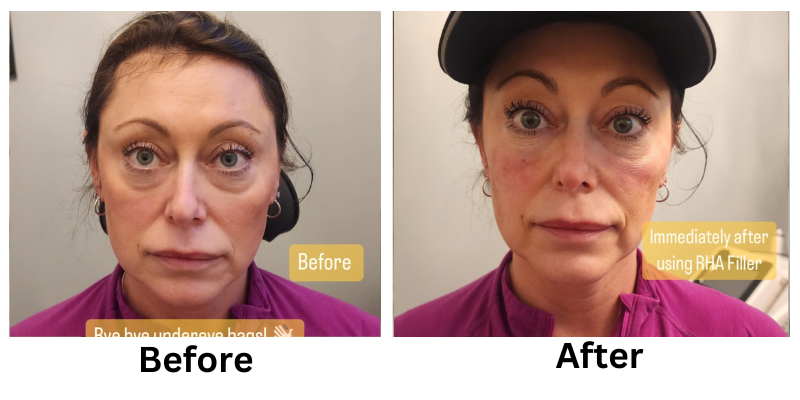
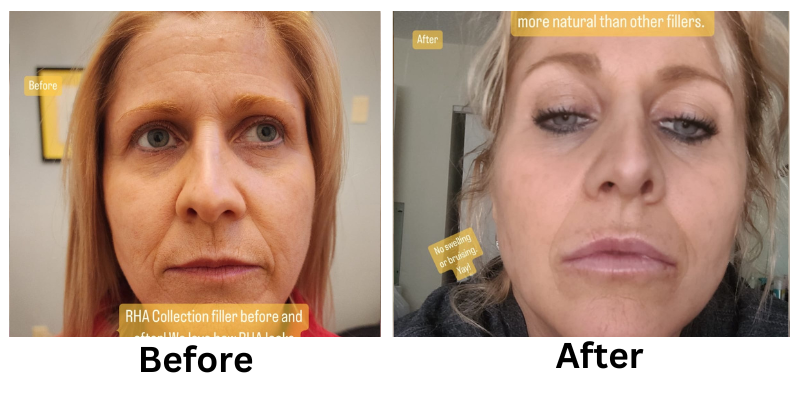

![[thumb]](https://slimmingsolutionsspa.com/wp-content/uploads/2024/01/RHA-Treatmetn-3-150x150.png)
![[thumb]](https://slimmingsolutionsspa.com/wp-content/uploads/2024/01/RHA-Treatmetn-2-150x150.png)
![[thumb]](https://slimmingsolutionsspa.com/wp-content/uploads/2024/01/RHA-Treatmetn-1-150x150.png)
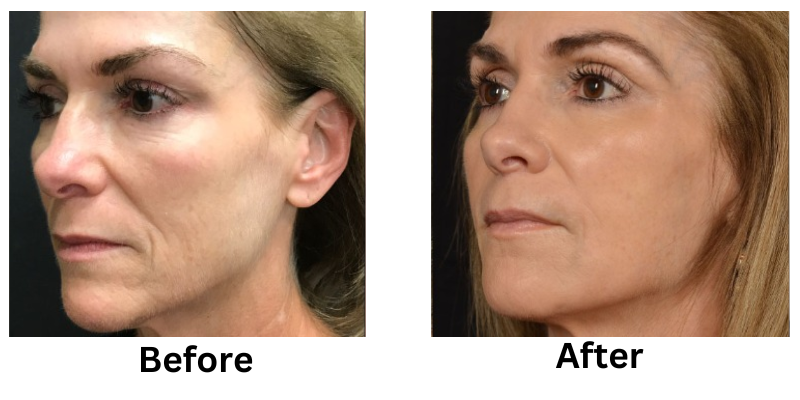
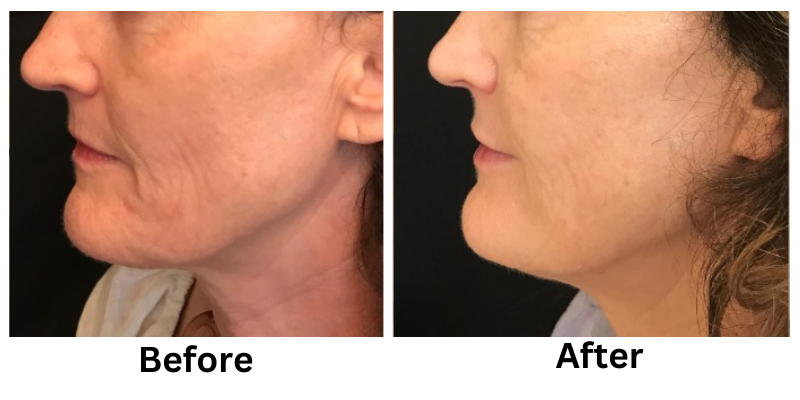
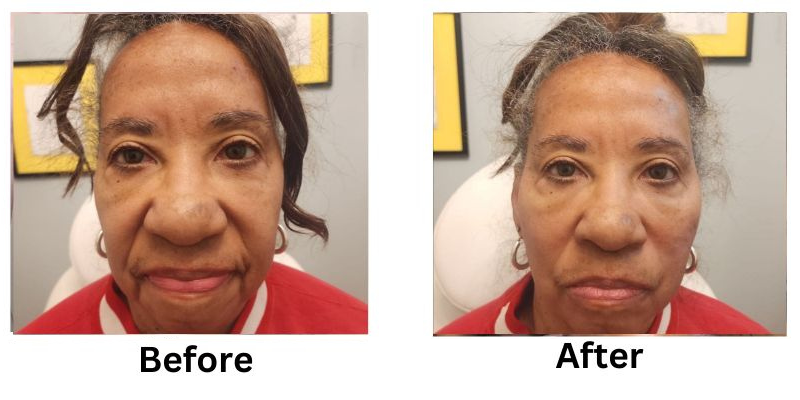
![[thumb]](https://slimmingsolutionsspa.com/wp-content/uploads/2024/01/Thread-Lifts-1-150x150.png)
![[thumb]](https://slimmingsolutionsspa.com/wp-content/uploads/2024/01/Thread-Lifts-2-150x150.png)
![[thumb]](https://slimmingsolutionsspa.com/wp-content/uploads/2025/02/Lip-Filler-2-150x150.png)
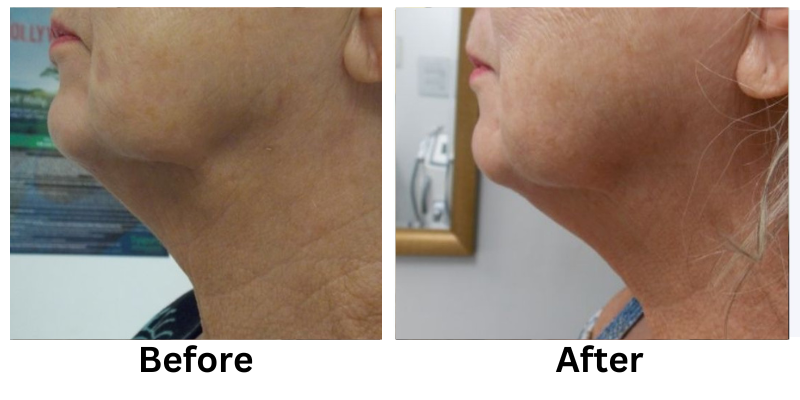
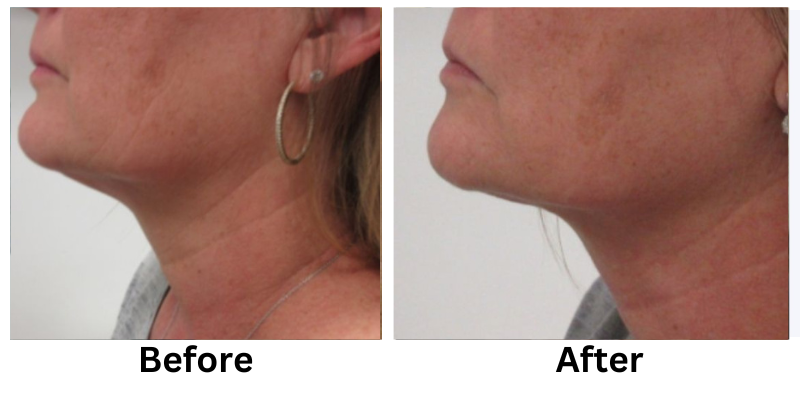

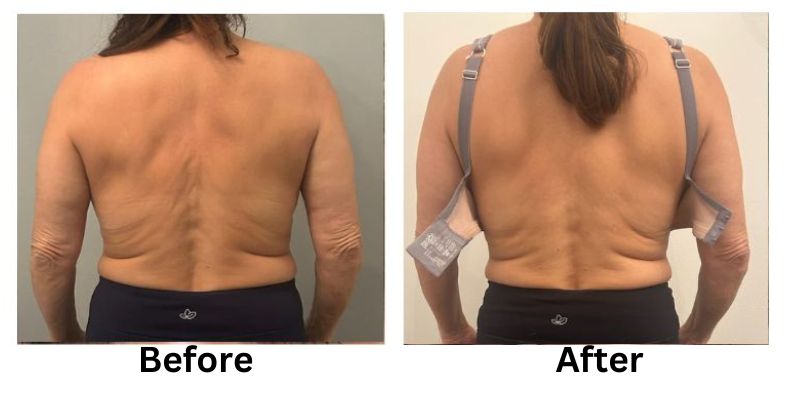
![[thumb]](https://slimmingsolutionsspa.com/wp-content/uploads/2023/12/skin-reuvulation1-150x150.png)
![[thumb]](https://slimmingsolutionsspa.com/wp-content/uploads/2023/12/skin-rejuvulation-2-150x150.png)
![[thumb]](https://slimmingsolutionsspa.com/wp-content/uploads/2023/12/Skin-Tighting-150x150.png)
![[thumb]](https://slimmingsolutionsspa.com/wp-content/uploads/2023/12/Before-150x150.jpg)
![[thumb]](https://slimmingsolutionsspa.com/wp-content/uploads/2023/12/weightloss-1-150x150.png)
![[thumb]](https://slimmingsolutionsspa.com/wp-content/uploads/2023/12/weightloss-2-150x150.png)
![[thumb]](https://slimmingsolutionsspa.com/wp-content/uploads/2023/12/2Weight-Loss-2-150x150.png)
![[thumb]](https://slimmingsolutionsspa.com/wp-content/uploads/2025/02/Weight-Loss-1-new-150x150.png)
![[thumb]](https://slimmingsolutionsspa.com/wp-content/uploads/2023/12/Weight-Loss-3-150x150.png)
![[thumb]](https://slimmingsolutionsspa.com/wp-content/uploads/2025/03/Slimming-Solutions-BA-Template-150x150.png)


![[thumb]](https://slimmingsolutionsspa.com/wp-content/uploads/2023/12/dat3-150x150.png)
![[thumb]](https://slimmingsolutionsspa.com/wp-content/uploads/2023/12/dat-0-150x150.png)
![[thumb]](https://slimmingsolutionsspa.com/wp-content/uploads/2023/12/dat-1-150x150.png)
![[thumb]](https://slimmingsolutionsspa.com/wp-content/uploads/2023/12/Before-1-150x150.png)

![[thumb]](https://slimmingsolutionsspa.com/wp-content/uploads/2024/01/EMS-Treatment-2-150x150.png)
![[thumb]](https://slimmingsolutionsspa.com/wp-content/uploads/2024/01/EMS-Treatment-1-150x150.png)
![[thumb]](https://slimmingsolutionsspa.com/wp-content/uploads/2025/02/ems-BNA-front-150x150.png)
![[thumb]](https://slimmingsolutionsspa.com/wp-content/uploads/2025/02/EMS-bna-SIDE-150x150.png)
![[thumb]](https://slimmingsolutionsspa.com/wp-content/uploads/2024/01/EMS-Treatment-6-150x150.png)