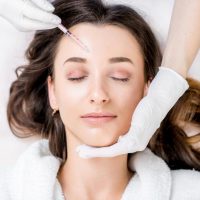
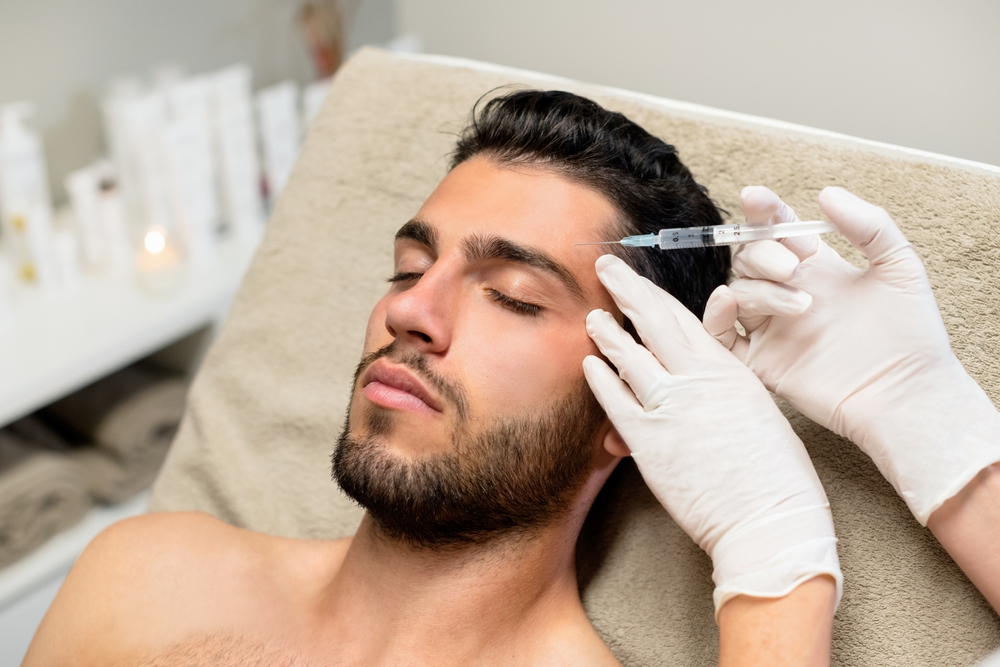
Botox can treat many areas of the face, including forehead lines, frown lines between the eyebrows, crow’s feet around the eyes, bunny lines on the nose, lip lines, chin dimpling, neck bands, and the masseter muscles in the jaw. It works anywhere facial muscles create wrinkles or where muscle relaxation can improve appearance. The most common treatment areas are the upper face, but Botox is also used effectively on the lower face and neck for various concerns.
This article covers all the areas where Botox can be injected, what each treatment does, and how to know which areas might work best for your specific concerns.
Upper Face: Forehead Lines
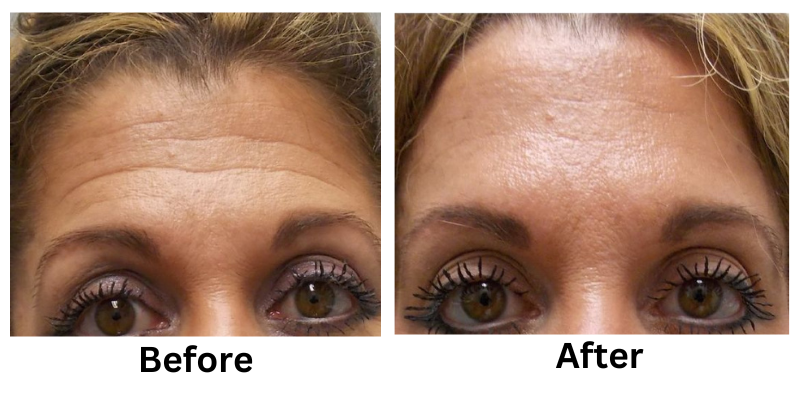
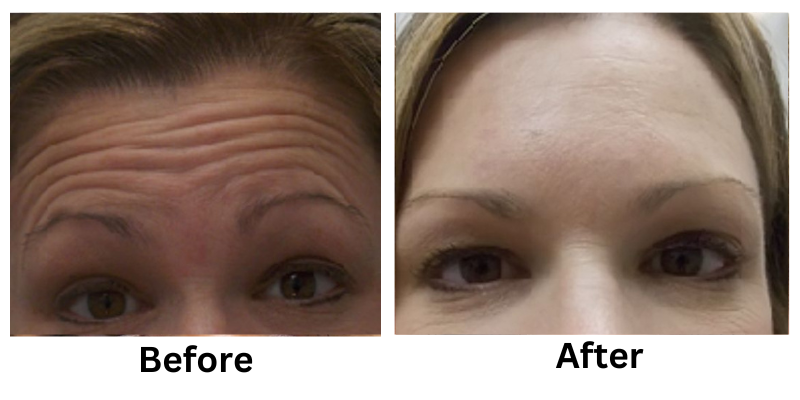
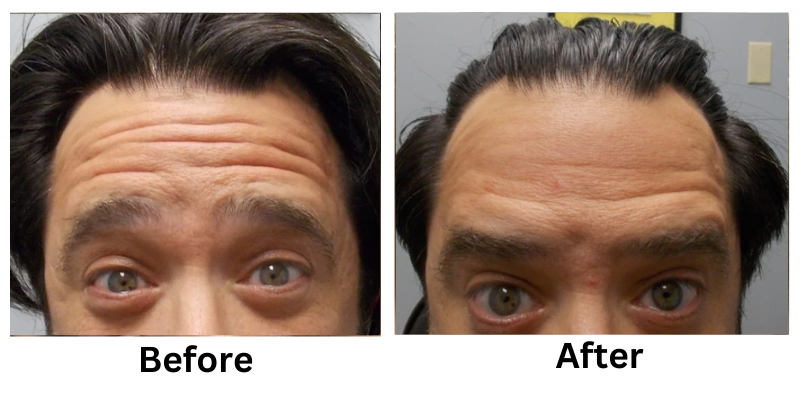
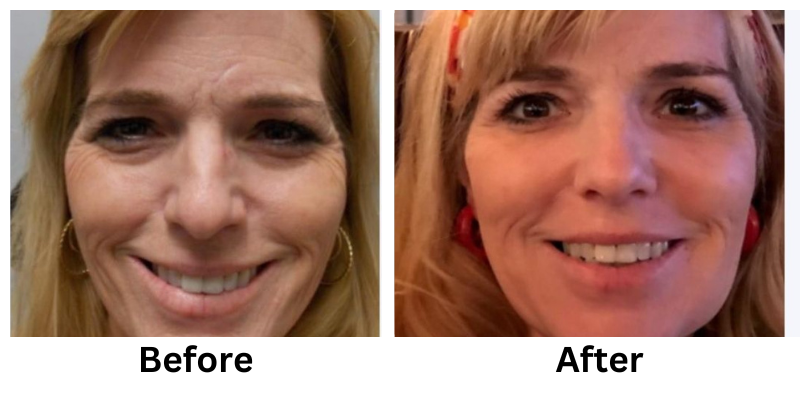
The forehead is one of the most popular areas for Botox treatment. Horizontal lines across your forehead form from repeatedly raising your eyebrows. Over time, these lines become visible even when your face is relaxed.
Botox injections in the forehead relax the frontalis muscle, which controls eyebrow movement. When this muscle relaxes, your forehead stays smooth and wrinkle-free.
According to the American Society of Plastic Surgeons, forehead lines are among the top three most treated areas with Botox, alongside crow’s feet and frown lines. Over 7.4 million Botox procedures were performed in 2022.
Treatment takes just a few minutes. Most people need between 10 and 30 units depending on how strong the muscle is and how deep the lines are. Results appear within a few days and last three to four months.
One thing to watch: too much Botox in the forehead can make eyebrows look heavy or cause an unnatural frozen appearance. Proper dosing and placement prevent this.
We work with clients here in Lee’s Summit to find the right balance between smooth skin and natural movement. You want to look refreshed, not expressionless.
Between the Eyebrows: Frown Lines
Frown lines, also called glabellar lines or “11 lines,” appear between your eyebrows. These vertical creases form from frowning, concentrating, or squinting. They can make you look angry or tired even when you’re not.
This area responds really well to Botox. The corrugator and procerus muscles create these lines, and relaxing them smooths out the crease.
According to data from the International Society of Aesthetic Plastic Surgery, frown lines are the most common reason people seek Botox treatment worldwide. They’re often the first area people notice aging.
Treatment typically requires 20 to 25 units. Results show up within three to five days, with full effects visible around two weeks later. This area often lasts slightly longer than the forehead because the muscle is smaller and you use it less throughout the day.
Deep frown lines that have been there for years might need additional treatment. Sometimes Botox and fillers are used together to both relax the muscle and fill in the groove that’s already set in.
Thinking about smoothing out frown lines? Schedule a consultation and we’ll show you what’s possible.
Around the Eyes: Crow’s Feet
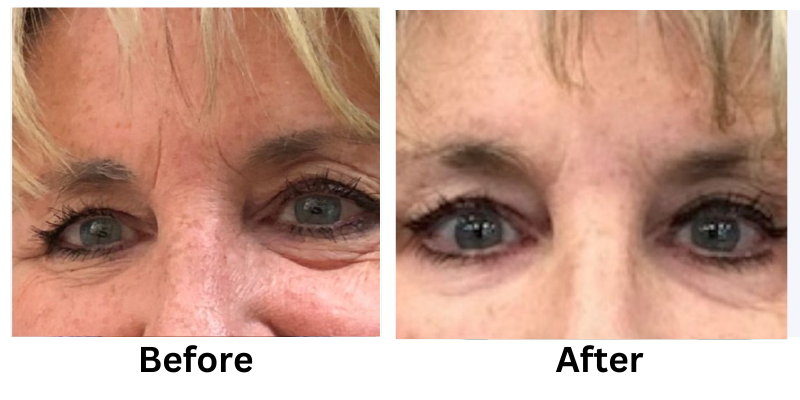
Crow’s feet are the lines that fan out from the outer corners of your eyes when you smile or squint. Everyone gets them eventually. Sun exposure and genetics play a role in how deep they become.
Botox softens crow’s feet by relaxing the orbicularis oculi muscle around the eyes. You’ll still smile naturally, but the deep creases won’t be as prominent.
This is one of the most satisfying areas to treat because results are so visible. Your eyes look brighter and more refreshed. Many people say treating crow’s feet takes years off their appearance.
Most people need 12 to 24 units total for both eyes. The treatment is quick and relatively comfortable. Some people worry about Botox this close to their eyes, but it’s completely safe when done correctly.
A study in the Journal of Cosmetic Dermatology found that patients treated for crow’s feet reported significant improvement in appearance and high satisfaction rates, with effects lasting an average of three to four months.
Crow’s feet are part of the “Botox trio” we often treat together: forehead, frown lines, and crow’s feet. Addressing all three gives the most balanced, natural-looking results for the upper face.
Nose: Bunny Lines
Bunny lines are the diagonal wrinkles that appear on the sides of your nose when you scrunch it. Not everyone gets them, but if you do, they can be noticeable.
A small amount of Botox in the nasalis muscle smooths these lines out. This is a quick, simple treatment that uses just a few units per side.
Some people develop bunny lines after getting Botox in other areas. When you relax the forehead and frown muscles, your face compensates by using other muscles more. If that happens, treating the bunny lines brings everything back into balance.
This isn’t a common standalone treatment. Most people who get bunny lines treated are already getting Botox in other areas and want to address this spot too.
If you’re in the Kansas City area and curious about treating multiple areas at once, contact us and we’ll walk you through what makes sense for your face.
Can You Get Botox Around Mouth?
Yes, Botox can be used around the mouth, but it requires careful technique. The muscles around your mouth control eating, drinking, talking, and facial expressions. Too much Botox here can affect these functions, so precision matters.
Botox around the mouth treats several concerns. It can soften vertical lip lines (also called smoker’s lines or lipstick lines), reduce a gummy smile, and relax a downturned mouth.
For lip lines, small amounts of Botox are injected just above the upper lip. This relaxes the orbicularis oris muscle and smooths out the vertical creases. Results are subtle. You’re not trying to eliminate all movement, just soften the lines.
A gummy smile happens when too much gum shows when you smile. Botox in the upper lip muscle prevents it from lifting as high, which covers more of the gums. Most people love this result because it makes their smile look more balanced.
Downturned mouth corners can make you look sad or upset. Botox in the depressor anguli oris muscle allows the corners to lift slightly, creating a more pleasant resting expression.
According to the American Academy of Dermatology, perioral Botox (around the mouth) has become increasingly popular, but patients should work with experienced injectors who understand the delicate muscle balance in this area.
Many people combine Botox around the mouth with lip fillers for fuller, smoother lips. The combination addresses both muscle movement and volume.
Does Botox Help With Chin Dimpling?
Yes, Botox helps smooth out chin dimpling, often called “peau d’orange” or orange peel chin. This textured, bumpy appearance happens when the mentalis muscle in your chin contracts.
Some people have chin dimpling all the time. Others only notice it when they’re talking, eating, or making certain expressions. Either way, it’s fixable with Botox.
Small amounts of Botox injected into the mentalis muscle relax it and smooth out the surface of the chin. The treatment uses just a few units and takes seconds to do.
Results appear within a few days. Your chin looks smoother and less wrinkled. The effect lasts the usual three to four months.
This is another treatment that people often add after addressing their primary concerns. Once the forehead and eyes are smooth, the chin dimpling becomes more noticeable. Treating it creates overall facial harmony.
We see this often with clients here in Lee’s Summit who start with basic treatments and gradually add other areas as they get comfortable with Botox.
Ready to smooth out your chin? Request a consultation and we’ll show you what a few units can do.
What Is Masseter Botox?
Masseter Botox involves injecting the masseter muscles, which are the large chewing muscles at the angle of your jaw. This treatment has two main purposes: slimming the jawline and reducing jaw clenching or teeth grinding.
The masseter muscle can become enlarged from constant clenching, grinding, or just genetics. When these muscles are bulky, they create a square, wider-looking jaw. Botox relaxes and shrinks the muscle over time, creating a slimmer, more tapered jawline.
According to research published in Dermatologic Surgery, masseter Botox reduces muscle size by approximately 20 to 40 percent after several months of treatment. The slimming effect becomes more noticeable with repeated treatments.
For jaw clenching and grinding (bruxism), Botox reduces the intensity of muscle contractions. You can still chew normally, but the muscle doesn’t clench as forcefully. This helps with jaw pain, headaches, and teeth damage caused by grinding.
Masseter Botox requires more units than typical facial treatments. Most people need 25 to 50 units per side, depending on muscle size and goals. Results take two to four weeks to fully appear and can last four to six months.
This treatment has become popular in recent years, especially among people who want a more defined, V-shaped face without surgery.
Can Botox Slim Your Jawline?
Yes, Botox can slim your jawline by relaxing and shrinking the masseter muscles. Over time, the muscle becomes smaller from reduced use, which narrows the lower face and creates a more contoured appearance.
This works best for people with naturally strong or enlarged masseter muscles. If your wide jawline comes from bone structure rather than muscle, Botox won’t change that. A consultation helps determine if you’re a good candidate.
The slimming effect develops gradually. You might notice some change after the first treatment, but optimal results usually show up after two or three rounds spaced a few months apart.
Data from the American Society for Aesthetic Plastic Surgery shows that masseter Botox has increased in popularity by over 40 percent in recent years, with many patients seeking jawline slimming for cosmetic purposes.
People who get masseter Botox for jawline slimming often combine it with other treatments. Dermal fillers in the chin can enhance definition, while skin tightening treatments improve the jawline’s overall appearance.
We work with clients throughout the Kansas City area on jawline contouring. It’s a popular treatment for people who want facial balance without going under the knife.
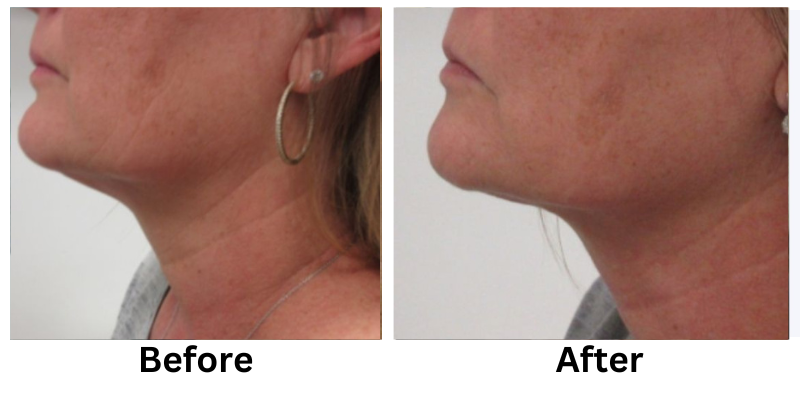
Does Botox Work for Neck Bands?
Yes, Botox works really well for neck bands. Vertical bands on the neck, called platysmal bands, form when the platysma muscle contracts. These bands become more prominent with age and make the neck look aged or strained.
Botox injections along these bands relax the muscle and smooth out the appearance. The neck looks tighter and more youthful. This treatment is sometimes called a “Botox neck lift” or “Nefertiti lift.”
According to a study in the Journal of Drugs in Dermatology, Botox for platysmal bands shows significant improvement in neck appearance, with high patient satisfaction and minimal side effects.
The treatment requires multiple small injections along each band. Most people need 25 to 50 units total, depending on how prominent the bands are. Results appear within one to two weeks and last three to four months.
Some providers combine neck Botox with jawline treatment to create a more defined lower face and neck contour. The combination lifts the jawline slightly while smoothing the neck.
Neck Botox works best for people with moderate bands. If you have severe sagging or excess skin, you might need additional treatments like skin tightening or thread lifts for optimal results.
Curious if neck bands are treatable with Botox? Contact us and we’ll take a look.
Eyebrows: The Brow Lift
Botox can create a subtle eyebrow lift without surgery. By strategically relaxing certain muscles while leaving others active, we can lift the outer corners of the eyebrows and open up the eye area.
This works by injecting Botox in the muscles that pull the eyebrows down (the orbicularis oculi and corrugator muscles) while leaving the muscles that lift the eyebrows (the frontalis muscle) relatively active. The lifting muscles win, and the brows elevate slightly.
The effect is subtle but noticeable. Your eyes look more open and alert. It’s especially helpful for people who feel their brows are starting to droop or hood over their eyelids.
A Botox brow lift uses similar units to treating crow’s feet and forehead lines, usually around 20 to 30 units total. Results last the standard three to four months.
According to the American Society of Plastic Surgeons, the Botox brow lift has become a popular alternative to surgical brow lifts for people seeking mild to moderate improvement without downtime.
This technique requires skill and understanding of facial anatomy. Injecting the wrong areas can cause the opposite effect and make brows droop. Always work with an experienced provider.
For people dealing with more significant brow drooping, thread lifts or surgical options might be better. We can discuss all your options during a consultation.
Where Can You Inject Botox on Face?
Botox can be injected almost anywhere on the face where muscle movement creates unwanted lines or where muscle relaxation improves appearance. The most common areas are the upper face, but lower face and neck treatments are growing in popularity.
Here’s a breakdown of treatable areas:
| Area | What It Treats | Typical Units Needed |
|---|---|---|
| Forehead | Horizontal lines | 10-30 units |
| Frown lines | Vertical lines between brows | 20-25 units |
| Crow’s feet | Lines around eyes | 12-24 units |
| Bunny lines | Wrinkles on nose | 5-10 units |
| Brow lift | Drooping eyebrows | 20-30 units |
| Gummy smile | Excessive gum show | 2-4 units |
| Lip lines | Vertical lines above lips | 4-8 units |
| Downturned mouth | Sad-looking mouth corners | 4-6 units |
| Chin dimpling | Orange peel texture | 4-6 units |
| Masseter | Jaw slimming, teeth grinding | 25-50 units per side |
| Neck bands | Vertical neck lines | 25-50 units |
The key is understanding facial anatomy and knowing how much product to use in each area. Too little won’t give results. Too much can cause problems like drooping or an unnatural appearance.
Every face is different. What works for one person might not work for another. We customize treatment plans based on your facial structure, muscle strength, and goals.
Want to know which areas would benefit you most? Schedule a consultation at Slimming Solutions Med Spa and we’ll create a personalized plan.
Combining Multiple Treatment Areas
Most people don’t treat just one area. Addressing multiple spots at once creates better overall balance and more natural results. The most common combination is forehead, frown lines, and crow’s feet, sometimes called a “full-face Botox” treatment.
Treating the entire upper face gives you smooth, refreshed skin without any one area looking overdone. When you only treat one spot, other areas can look more prominent by comparison.
According to the International Society of Aesthetic Plastic Surgery, combination Botox treatments account for the majority of procedures, with patients typically treating three or more areas per session.
Some people start with one area and gradually add more as they get comfortable. Others go all-in from the beginning. Both approaches work fine.
Combining Botox with other treatments is common too. Many clients pair it with dermal fillers to address both muscle movement and volume loss. Botox smooths lines while fillers restore fullness. Together, they provide comprehensive facial rejuvenation.
Skin treatments like chemical peels or microneedling can be scheduled around Botox appointments to improve skin texture and tone. The combination addresses multiple signs of aging at once.
We work with clients here in Lee’s Summit to build treatment plans that fit their goals and budget. You don’t have to do everything at once. We can phase treatments over several months if that works better for you.
How Much Botox Do You Need?
The amount of Botox you need depends on which areas you’re treating, how strong your muscles are, and what results you want. Men typically need more units than women because facial muscles are generally stronger.
First-time users often start with conservative amounts to see how their body responds. You can always add more at a follow-up appointment if needed. It’s harder to fix too much Botox than too little.
The American Society of Plastic Surgeons reports that the average Botox treatment uses between 30 and 60 units total. Treating just one area might use 10 to 25 units, while full-face treatments can use 50 to 80 units.
Units directly affect how much Botox costs. Providers typically charge per unit, with prices ranging from $10 to $15 per unit on average. Treating more areas means using more units and higher cost.
Some areas naturally require more product. Masseter injections for jaw slimming use significantly more units than treating bunny lines on your nose. We’ll give you a clear breakdown of expected units and cost during your consultation.
Your dosage might change over time. People who get Botox regularly sometimes find they need less product as muscles stay relaxed. Others need slight increases as they age and muscles become stronger or deeper lines form.
Areas to Avoid Without Proper Training
Botox is safe when administered correctly, but certain areas require advanced training and experience. Injecting too close to important nerves or muscles can cause temporary drooping or other unwanted effects.
The area around the eyes is delicate. Injecting too low near the crow’s feet can affect the muscle that lifts your cheek when you smile. Injecting too close to the eyebrow can cause brow drooping.
The mouth area requires precision. The muscles around your lips control many functions. Poor technique can affect your ability to smile naturally, drink through a straw, or pronounce certain words clearly.
According to a study in Aesthetic Surgery Journal, complications from Botox are rare but most often result from improper injection technique or lack of anatomical knowledge. Working with experienced providers significantly reduces risk.
This is why provider selection matters. Our team has extensive training in facial anatomy and injection techniques. We stay current on best practices and safety protocols.
If you’re considering Botox in any area, make sure your provider has specific experience treating that spot. Don’t be afraid to ask about their training and how many times they’ve performed the treatment you’re interested in.
Customizing Treatment to Your Face
Cookie-cutter approaches don’t work with Botox. Your face has unique proportions, muscle patterns, and aging concerns. Treatment should be customized to you.
During your consultation, we assess your facial structure, watch how your muscles move, and listen to what bothers you most. Maybe you hate your forehead lines but don’t mind your crow’s feet. Maybe you clench your jaw at night and want masseter Botox for relief, not slimming.
Your goals matter. Some people want every line completely smooth. Others prefer a softer approach that maintains some natural expression. We adjust dosing and placement based on what you’re comfortable with.
Age plays a role too. Younger clients often use Botox for prevention, treating light lines before they deepen. Older clients might need more comprehensive treatment to address established wrinkles.
Facial symmetry is important. Most faces aren’t perfectly symmetrical. One eyebrow might sit higher than the other, or one side might have deeper lines. We adjust injections to create balance rather than treating both sides identically.
Your lifestyle affects treatment too. If you’re very expressive or work in front of cameras, we might take a conservative approach. If you want maximum smoothness and don’t mind reduced movement, we can use slightly more product.
Ready for a customized treatment plan? Request a consultation and let’s talk about what’s right for your face.
Maintenance for Different Areas
Different areas of the face may need different maintenance schedules. Upper face treatments (forehead, frown lines, crow’s feet) typically last three to four months. Lower face and neck areas can vary more.
Masseter Botox often lasts longer than facial treatments, sometimes four to six months. The muscle is large and takes longer to regain full strength. Some people find results last even longer with repeated treatments as the muscle shrinks.
Lip and perioral treatments might wear off slightly faster because you use these muscles constantly for eating, drinking, and talking. Some people need touch-ups every three months to maintain results.
Tracking which areas fade first helps you plan maintenance. Maybe your forehead stays smooth for four months, but crow’s feet need attention at three months. You can treat just the areas that need it at each appointment.
Many clients schedule regular appointments every three to four months for full maintenance, then add targeted touch-ups between visits if needed. This keeps everything looking consistent without wasting product on areas that are still smooth.
We help our Kansas City clients stay on track with personalized maintenance plans. Everyone’s schedule looks a little different based on their response to treatment and which areas they’re maintaining.
Final Thoughts
Botox can treat many areas of the face and neck, from the forehead down to platysmal bands on the neck. The most common areas are forehead lines, frown lines, and crow’s feet, but Botox is also used for bunny lines, lip lines, chin dimpling, gummy smiles, jaw slimming, and more.
The key is working with someone who understands facial anatomy and can customize treatment to your specific needs. Every face is different, and what works for one person might not work for another.
If you’re here in Lee’s Summit or the surrounding Kansas City area and curious about which areas Botox could help, we’d love to talk with you. Contact us to schedule a consultation. We’ll assess your face, answer your questions, and create a treatment plan that makes sense for your goals. Our team at Slimming Solutions Med Spa is here to help you look and feel your best.
![[thumb]](https://slimmingsolutionsspa.com/wp-content/uploads/2023/12/botox1-150x150.png)
![[thumb]](https://slimmingsolutionsspa.com/wp-content/uploads/2023/12/Before2-150x150.png)
![[thumb]](https://slimmingsolutionsspa.com/wp-content/uploads/2023/12/Before3-150x150.png)


![[thumb]](https://slimmingsolutionsspa.com/wp-content/uploads/2023/12/revanesse-versa-1-150x150.png)
![[thumb]](https://slimmingsolutionsspa.com/wp-content/uploads/2023/12/revanesse-versa-2-150x150.png)
![[thumb]](https://slimmingsolutionsspa.com/wp-content/uploads/2023/12/revanesse-versa-3-150x150.png)
![[thumb]](https://slimmingsolutionsspa.com/wp-content/uploads/2023/12/revanesse-versa-4-150x150.png)
![[thumb]](https://slimmingsolutionsspa.com/wp-content/uploads/2023/12/revanesse-versa-5-150x150.png)
![[thumb]](https://slimmingsolutionsspa.com/wp-content/uploads/2024/01/Eyebrow-treatment-1-1-150x150.png)
![[thumb]](https://slimmingsolutionsspa.com/wp-content/uploads/2023/12/Skin-Rejuvenation-1-150x150.png)
![[thumb]](https://slimmingsolutionsspa.com/wp-content/uploads/2023/12/Skin-Rejuvenation-2-150x150.png)


![[thumb]](https://slimmingsolutionsspa.com/wp-content/uploads/2024/01/Lip-Filler-1-150x150.png)
![[thumb]](https://slimmingsolutionsspa.com/wp-content/uploads/2024/01/Lip-Filler-2-150x150.png)
![[thumb]](https://slimmingsolutionsspa.com/wp-content/uploads/2025/02/Lip-Filler-1-150x150.png)
![[thumb]](https://slimmingsolutionsspa.com/wp-content/uploads/2024/01/Lip-Filler-150x150.jpg)
![[thumb]](https://slimmingsolutionsspa.com/wp-content/uploads/2024/01/Before-1-150x150.jpg)

![[thumb]](https://slimmingsolutionsspa.com/wp-content/uploads/2024/01/RHA-Treatmetn-3-150x150.png)
![[thumb]](https://slimmingsolutionsspa.com/wp-content/uploads/2024/01/RHA-Treatmetn-2-150x150.png)
![[thumb]](https://slimmingsolutionsspa.com/wp-content/uploads/2024/01/RHA-Treatmetn-1-150x150.png)
![[thumb]](https://slimmingsolutionsspa.com/wp-content/uploads/2024/01/Thread-Lifts-1-150x150.png)
![[thumb]](https://slimmingsolutionsspa.com/wp-content/uploads/2024/01/Thread-Lifts-2-150x150.png)
![[thumb]](https://slimmingsolutionsspa.com/wp-content/uploads/2025/02/Lip-Filler-2-150x150.png)

![[thumb]](https://slimmingsolutionsspa.com/wp-content/uploads/2023/12/skin-reuvulation1-150x150.png)
![[thumb]](https://slimmingsolutionsspa.com/wp-content/uploads/2023/12/skin-rejuvulation-2-150x150.png)
![[thumb]](https://slimmingsolutionsspa.com/wp-content/uploads/2023/12/Skin-Tighting-150x150.png)
![[thumb]](https://slimmingsolutionsspa.com/wp-content/uploads/2023/12/Before-150x150.jpg)
![[thumb]](https://slimmingsolutionsspa.com/wp-content/uploads/2023/12/weightloss-1-150x150.png)
![[thumb]](https://slimmingsolutionsspa.com/wp-content/uploads/2023/12/weightloss-2-150x150.png)
![[thumb]](https://slimmingsolutionsspa.com/wp-content/uploads/2023/12/2Weight-Loss-2-150x150.png)
![[thumb]](https://slimmingsolutionsspa.com/wp-content/uploads/2025/02/Weight-Loss-1-new-150x150.png)
![[thumb]](https://slimmingsolutionsspa.com/wp-content/uploads/2023/12/Weight-Loss-3-150x150.png)
![[thumb]](https://slimmingsolutionsspa.com/wp-content/uploads/2025/03/Slimming-Solutions-BA-Template-150x150.png)


![[thumb]](https://slimmingsolutionsspa.com/wp-content/uploads/2023/12/dat3-150x150.png)
![[thumb]](https://slimmingsolutionsspa.com/wp-content/uploads/2023/12/dat-0-150x150.png)
![[thumb]](https://slimmingsolutionsspa.com/wp-content/uploads/2023/12/dat-1-150x150.png)
![[thumb]](https://slimmingsolutionsspa.com/wp-content/uploads/2023/12/Before-1-150x150.png)

![[thumb]](https://slimmingsolutionsspa.com/wp-content/uploads/2024/01/EMS-Treatment-2-150x150.png)
![[thumb]](https://slimmingsolutionsspa.com/wp-content/uploads/2024/01/EMS-Treatment-1-150x150.png)
![[thumb]](https://slimmingsolutionsspa.com/wp-content/uploads/2025/02/ems-BNA-front-150x150.png)
![[thumb]](https://slimmingsolutionsspa.com/wp-content/uploads/2025/02/EMS-bna-SIDE-150x150.png)
![[thumb]](https://slimmingsolutionsspa.com/wp-content/uploads/2024/01/EMS-Treatment-6-150x150.png)