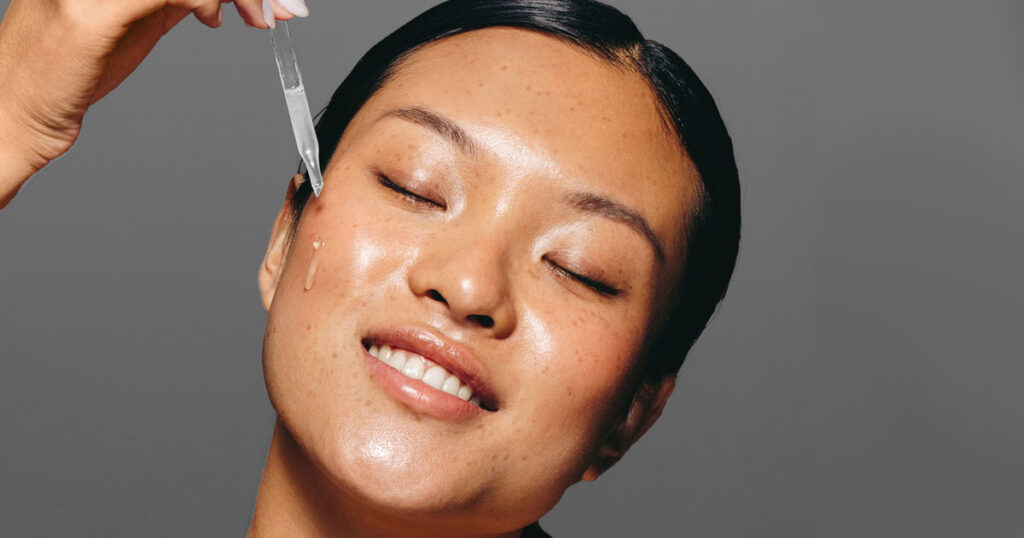
Skin hydration and barrier repair are the foundation of every effective aesthetic treatment plan. The skin barrier is the outermost layer of your skin, and it is responsible for holding moisture in and keeping irritants, bacteria, and pollutants out. When the barrier is damaged, water escapes faster than the skin can replace it, leading to dryness, sensitivity, redness, and accelerated aging. Professional treatments that restore hydration and repair the barrier give the skin a stronger foundation, which makes every other aesthetic treatment work better. This article explains the science behind the skin barrier, what causes it to break down, which professional treatments help the most, and how to protect your results long term.
How Skin Hydration and Barrier Repair Work in Aesthetic Medicine
Skin hydration and barrier repair in aesthetic medicine work by restoring the skin’s natural moisture balance and rebuilding the lipid layer that protects it. The skin barrier, also called the stratum corneum, is often compared to a brick wall. The skin cells are the bricks, and the lipids between them, primarily ceramides, cholesterol, and fatty acids, are the mortar. When that mortar breaks down, water escapes through a process called transepidermal water loss, or TEWL.
According to ScienceDirect, the average transepidermal water loss in healthy human skin is about 300 to 400 milliliters per day. When the barrier is damaged, that number rises significantly, leaving the skin dehydrated, irritated, and more vulnerable to environmental damage. Research published in Cureus confirms that maintaining the ceramide-cholesterol-fatty acid ratio at 3:1:1 is recommended by dermatological societies for optimal barrier restoration.
Professional facial treatments that focus on hydration and barrier repair go far beyond what at-home products can achieve. They deliver active ingredients deeper into the skin, remove damaged surface cells, and create conditions that accelerate the skin’s natural repair processes.
Does Dehydrated Skin Mean Damaged Skin Barrier?
Dehydrated skin does not always mean a damaged skin barrier, but the two conditions are closely connected. Dehydrated skin lacks water, while a damaged barrier has lost the lipids that hold that water in. You can have dehydrated skin from not drinking enough water or from environmental exposure without having significant barrier damage. But if your barrier is damaged, your skin will almost always be dehydrated because it cannot retain moisture.
According to the American Academy of Dermatology, over 85 million Americans suffer from some form of dry skin, ranging from mild dryness to chronic conditions like eczema. Many of those cases involve some degree of barrier compromise. A 2024 global consumer survey reported by Dataintelo found that 68% of adult skincare consumers in developed markets now actively seek products that reinforce the skin barrier, up from just 41% in 2019. That shift shows how widely recognized barrier health has become.
How to Hydrate a Damaged Skin Barrier
You hydrate a damaged skin barrier by combining professional treatments that infuse moisture deep into the skin with a simplified at-home routine that avoids further irritation. The first step is to stop using harsh active ingredients like retinoids, glycolic acid, and physical scrubs until the barrier has had time to recover. These products strip the lipids that the skin is trying to rebuild.
Professional treatments like aqua facials are specifically designed for this purpose. They cleanse, exfoliate gently, extract, and infuse the skin with hydrating serums all in one session. The process delivers hyaluronic acid, peptides, and antioxidants directly into the skin through the micro-channels created during the treatment, which dramatically improves absorption compared to applying products on the surface alone.
Ceramides are critical to barrier repair. Clinical studies show that ceramides make up about 50% of the skin’s outer layer, and ceramide-containing treatments significantly improve skin hydration within 24 hours. Niacinamide, a form of vitamin B3, has been shown in studies published in Scientific Reports to increase ceramide synthesis by 4 to 5 fold, making it one of the most effective ingredients for barrier restoration.
How to Revive a Damaged Skin Barrier
You revive a damaged skin barrier by reducing inflammation first and then rebuilding the lipid layer through professional treatments and targeted home care. The key is to stop doing the things that caused the damage, whether that is over-exfoliating, using too many active ingredients at once, or skipping sun protection, and replace them with a repair-focused routine.
A BioRePeel is one option that combines gentle exfoliation with bio-stimulating ingredients that support the skin’s healing process without stripping the barrier further. Unlike aggressive peels that remove layers of skin, this type of treatment works with the skin to encourage cell turnover while delivering amino acids, vitamins, and hyaluronic acid at the same time.
According to Dermatology Times, barrier restoration was a central theme in aesthetic product innovation throughout 2025, with moisturizers evolving beyond simple hydration to serve as active treatment vehicles that strengthen the barrier, support collagen, and lock in moisture for long-term skin health.
How to Heal Severely Dehydrated Skin
You heal severely dehydrated skin by addressing the problem from both the inside and the outside. Internally, increasing water intake and eating foods rich in essential fatty acids helps provide the raw materials the skin needs to rebuild. Externally, professional treatments paired with a barrier-focused skincare routine accelerate recovery far beyond what either approach can do alone.
For severe dehydration, a series of hydrating facials spaced two to four weeks apart can restore moisture levels progressively. Each session builds on the last, layering hydration deeper into the skin while allowing the barrier to strengthen between visits. Peptide therapy is another option that delivers signaling molecules that tell the skin to produce more collagen and strengthen its structural integrity.
According to a report from Elucid Magazine, dermatologists and estheticians reported record levels of compromised skin barriers, chronic inflammation, and unexplained sensitivity in patients of all ages by late 2024 and throughout 2025. Aggressive exfoliation routines, poorly guided aesthetic interventions, and overuse of active ingredients were identified as the primary causes. Healing severely dehydrated skin often means simplifying the routine before adding anything new.
What Are the 7 Signs of Dehydration in the Skin?
The 7 signs of dehydration in the skin are tightness (especially after cleansing), dullness or lack of glow, increased sensitivity or stinging when applying products, fine lines that appear more prominent than usual, rough or flaky texture, uneven skin tone, and a feeling of itchiness or discomfort without a clear cause. These signs can appear even in people with oily skin, because dehydration is about water content, not oil production.
The moisturizers segment held 32.2% of the North American skincare market share in 2024, according to Market Data Forecast. That share reflects the massive demand for hydration-focused products, driven by the fact that skin barrier health and moisture retention have become top priorities for consumers and providers alike. At our practice in Lee’s Summit, we see patients with every skin type come in with dehydration as a primary concern.
What Can Be Mistaken for Dehydration?
Conditions that can be mistaken for dehydration include eczema, contact dermatitis, rosacea, and early-stage psoriasis. All of these conditions cause redness, flaking, and sensitivity that look a lot like simple dehydration. The difference is that these conditions involve an immune or inflammatory response that requires medical-grade treatment, not just moisture.
A thorough skin evaluation helps distinguish between dehydration and a more complex condition. Patients who address skin texture concerns with hydration alone and do not see improvement may have an underlying condition that needs a different approach. Getting an accurate assessment before starting treatment prevents wasted time and protects the skin from protocols that could make the problem worse.
How Fast Can You Reverse Dehydration in the Skin?
You can begin to reverse dehydration in the skin within 24 to 72 hours with the right professional treatment and product support. Clinical studies confirm that ceramide-containing treatments significantly improve hydration levels within 24 hours. However, fully repairing a damaged barrier and restoring optimal moisture retention typically takes four to eight weeks of consistent care.
The timeline depends on how much damage has been done. Mild dehydration from a weekend of sun exposure or a single harsh product can bounce back quickly. Chronic dehydration from months of over-exfoliation or barrier-stripping routines takes longer because the lipid structure needs time to rebuild. A series of microdermabrasion sessions paired with hydrating masks can accelerate the process by removing dead surface cells and allowing fresh, hydrated skin to come through.
Are Most People Dehydrated?
Many adults do not drink enough water, but the commonly cited claim that 75% of Americans are chronically dehydrated is not supported by scientific evidence. According to a review published by the National Institutes of Health through StatPearls, no medical literature validates that specific percentage. What is supported by data is that a large number of people have dehydrated skin, which is a separate issue from systemic dehydration. You can drink plenty of water and still have a damaged skin barrier that cannot hold moisture.
According to the American Academy of Dermatology, dermatologists recommend daily moisturizer use for all skin types, including oily and acne-prone skin, to maintain the skin barrier and prevent transepidermal water loss. That recommendation exists because barrier health is a universal concern, not just a problem for people with dry skin types.
Is Dehydration Worse as You Age?
Yes, dehydration is worse as you age because the skin produces fewer natural lipids and less hyaluronic acid over time, which weakens the barrier and reduces its ability to retain moisture. Collagen and elastin production also decline with age, which makes the skin thinner and more vulnerable to water loss.
After age 40, many people notice that their skin feels drier, looks duller, and reacts more easily to products that never caused problems before. These are signs that the barrier is weakening. Professional treatments that deliver deep hydration and stimulate the skin’s own repair mechanisms become increasingly important during this stage. RF microneedling combines micro-injury-driven collagen stimulation with barrier strengthening when paired with the right post-treatment serums.
According to research from the U.S. National Library of Medicine, ceramide-deficient skin is more susceptible to irritation and inflammation, reinforcing the medical necessity of consistent hydration and barrier support as the skin matures.
Professional Treatments for Skin Hydration and Barrier Repair
| Treatment | How It Helps the Barrier | Best For | Frequency |
|---|---|---|---|
| Aqua Facial (HydraFacial) | Deep cleansing, gentle exfoliation, serum infusion with hyaluronic acid and antioxidants | All skin types, mild to moderate dehydration, maintenance | Every 2 to 4 weeks |
| BioRePeel | Gentle exfoliation with bio-stimulating ingredients, delivers amino acids and vitamins | Dull, congested, mildly dehydrated skin | Every 2 to 4 weeks (series of 4 to 6) |
| Chemical Peel (light/medium) | Removes damaged surface cells, promotes cell turnover, allows deeper product penetration | Sun damage, uneven tone, chronic dullness | Every 4 to 6 weeks |
| RF Microneedling | Stimulates collagen and elastin, strengthens dermal structure, enhances barrier from within | Aging skin, laxity, chronic barrier weakness | Every 4 to 6 weeks (series of 3 to 4) |
| Peptide Therapy | Delivers signaling molecules that promote collagen synthesis and structural repair | Chronic dehydration, thinning skin, post-procedure recovery | Varies by protocol |
| Vitamin Injections | Supports hydration and skin health from the inside through nutrient delivery | Overall wellness, energy, skin support | Weekly to monthly |
Sources: American Academy of Dermatology; Dermatology Times 2025 aesthetic product review; Dataintelo skin hydration market report 2024; Cureus research on ceramide-cholesterol-fatty acid ratio; Scientific Reports niacinamide and ceramide synthesis study; ScienceDirect transepidermal water loss data; National Institutes of Health StatPearls.
How Do I Rehydrate My Skin Quickly?
You rehydrate your skin quickly by applying a hyaluronic acid serum to damp skin, followed immediately by a ceramide-rich moisturizer to seal the moisture in. Hyaluronic acid holds up to 1,000 times its weight in water, making it one of the most effective humectants available. The moisturizer acts as an occlusive layer that prevents the water from evaporating.
For faster results, a professional hydrating facial provides a level of penetration and infusion that at-home products cannot match. Patients across the Kansas City area who come in with acute dehydration, whether from travel, seasonal changes, or product overuse, often see an immediate improvement in skin texture and comfort after a single session. Professional treatments combined with proper home care create the fastest path to rehydration.
Frequently Asked Questions
How Do I Know If My Skin Barrier Is Damaged?
You know your skin barrier is damaged if your skin stings or burns when you apply products that never bothered you before, if your skin looks red or feels tight even after moisturizing, or if you notice increased flaking and sensitivity. According to the Cleveland Clinic, these are the most common indicators of barrier compromise, and they often appear together rather than one at a time.
Can Aesthetic Treatments Damage the Skin Barrier?
Yes, aesthetic treatments can damage the skin barrier if they are performed too aggressively, too frequently, or without proper aftercare. Over-exfoliation, overly deep chemical peels, and inadequate sun protection after treatment are the most common causes of treatment-related barrier damage. Working with a qualified provider who understands spacing and aftercare prevents this.
What Role Does Hyaluronic Acid Play in Skin Hydration?
Hyaluronic acid plays a critical role in skin hydration because it is a humectant that draws water from the environment and deeper skin layers into the outer skin where it is needed most. It holds up to 1,000 times its weight in water, making it one of the most powerful hydrating ingredients available. Hyaluronic acid is used in both topical products and injectable treatments like dermal resurfacing protocols.
How Long Does It Take to Repair a Damaged Skin Barrier?
It takes two to eight weeks to repair a damaged skin barrier depending on the severity of the damage. Mild barrier disruption from a single product reaction can heal in a few days with proper care. Chronic barrier damage from months of over-exfoliation or aggressive treatments takes longer because the lipid structure needs to fully rebuild. Consistent use of ceramide-rich products and professional hydrating treatments speeds the process.
Does Drinking Water Fix Dehydrated Skin?
Drinking water supports overall health and contributes to skin hydration, but it does not fix dehydrated skin on its own. If the skin barrier is damaged, the water you drink will still escape through increased transepidermal water loss. Fixing dehydrated skin requires both internal hydration and external barrier repair through moisturizers, serums, and professional treatments that seal moisture in and rebuild the protective lipid layer.
Can You Have Oily Skin and Still Be Dehydrated?
Yes, you can have oily skin and still be dehydrated. Oily skin produces excess sebum, but dehydration is about water content, not oil. When oily skin is dehydrated, it often overproduces oil to compensate for the moisture loss, which can make breakouts and congestion worse. A vitamin-rich treatment combined with a lightweight hydrating facial addresses both the dehydration and the excess oil without clogging pores.
Wrapping It Up
Skin hydration and barrier repair are not just skincare basics. They are the foundation that every other aesthetic result depends on. A strong, well-hydrated barrier holds moisture in, keeps irritants out, and allows collagen-stimulating treatments to work the way they are supposed to. Without that foundation, even the most advanced treatments deliver less than their full potential.
Whether your skin is mildly dry or chronically dehydrated, the path back to healthy, resilient skin starts with understanding what your barrier needs and building a plan around it. At Slimming Solutions Med Spa, we evaluate your skin’s hydration and barrier health before recommending any treatment.
You can request a consultation to find out where your skin stands and what it needs to get back on track.
![[thumb]](https://slimmingsolutionsspa.com/wp-content/uploads/2023/12/botox1-150x150.png)
![[thumb]](https://slimmingsolutionsspa.com/wp-content/uploads/2023/12/Before2-150x150.png)
![[thumb]](https://slimmingsolutionsspa.com/wp-content/uploads/2023/12/Before3-150x150.png)


![[thumb]](https://slimmingsolutionsspa.com/wp-content/uploads/2023/12/revanesse-versa-1-150x150.png)
![[thumb]](https://slimmingsolutionsspa.com/wp-content/uploads/2023/12/revanesse-versa-2-150x150.png)
![[thumb]](https://slimmingsolutionsspa.com/wp-content/uploads/2023/12/revanesse-versa-3-150x150.png)
![[thumb]](https://slimmingsolutionsspa.com/wp-content/uploads/2023/12/revanesse-versa-4-150x150.png)
![[thumb]](https://slimmingsolutionsspa.com/wp-content/uploads/2023/12/revanesse-versa-5-150x150.png)
![[thumb]](https://slimmingsolutionsspa.com/wp-content/uploads/2024/01/Eyebrow-treatment-1-1-150x150.png)
![[thumb]](https://slimmingsolutionsspa.com/wp-content/uploads/2023/12/Skin-Rejuvenation-1-150x150.png)
![[thumb]](https://slimmingsolutionsspa.com/wp-content/uploads/2023/12/Skin-Rejuvenation-2-150x150.png)


![[thumb]](https://slimmingsolutionsspa.com/wp-content/uploads/2024/01/Lip-Filler-1-150x150.png)
![[thumb]](https://slimmingsolutionsspa.com/wp-content/uploads/2024/01/Lip-Filler-2-150x150.png)
![[thumb]](https://slimmingsolutionsspa.com/wp-content/uploads/2025/02/Lip-Filler-1-150x150.png)
![[thumb]](https://slimmingsolutionsspa.com/wp-content/uploads/2024/01/Lip-Filler-150x150.jpg)
![[thumb]](https://slimmingsolutionsspa.com/wp-content/uploads/2024/01/Before-1-150x150.jpg)

![[thumb]](https://slimmingsolutionsspa.com/wp-content/uploads/2024/01/RHA-Treatmetn-3-150x150.png)
![[thumb]](https://slimmingsolutionsspa.com/wp-content/uploads/2024/01/RHA-Treatmetn-2-150x150.png)
![[thumb]](https://slimmingsolutionsspa.com/wp-content/uploads/2024/01/RHA-Treatmetn-1-150x150.png)
![[thumb]](https://slimmingsolutionsspa.com/wp-content/uploads/2024/01/Thread-Lifts-1-150x150.png)
![[thumb]](https://slimmingsolutionsspa.com/wp-content/uploads/2024/01/Thread-Lifts-2-150x150.png)
![[thumb]](https://slimmingsolutionsspa.com/wp-content/uploads/2025/02/Lip-Filler-2-150x150.png)

![[thumb]](https://slimmingsolutionsspa.com/wp-content/uploads/2023/12/skin-reuvulation1-150x150.png)
![[thumb]](https://slimmingsolutionsspa.com/wp-content/uploads/2023/12/skin-rejuvulation-2-150x150.png)
![[thumb]](https://slimmingsolutionsspa.com/wp-content/uploads/2023/12/Skin-Tighting-150x150.png)
![[thumb]](https://slimmingsolutionsspa.com/wp-content/uploads/2023/12/Before-150x150.jpg)
![[thumb]](https://slimmingsolutionsspa.com/wp-content/uploads/2023/12/weightloss-1-150x150.png)
![[thumb]](https://slimmingsolutionsspa.com/wp-content/uploads/2023/12/weightloss-2-150x150.png)
![[thumb]](https://slimmingsolutionsspa.com/wp-content/uploads/2023/12/2Weight-Loss-2-150x150.png)
![[thumb]](https://slimmingsolutionsspa.com/wp-content/uploads/2025/02/Weight-Loss-1-new-150x150.png)
![[thumb]](https://slimmingsolutionsspa.com/wp-content/uploads/2023/12/Weight-Loss-3-150x150.png)
![[thumb]](https://slimmingsolutionsspa.com/wp-content/uploads/2025/03/Slimming-Solutions-BA-Template-150x150.png)


![[thumb]](https://slimmingsolutionsspa.com/wp-content/uploads/2023/12/dat3-150x150.png)
![[thumb]](https://slimmingsolutionsspa.com/wp-content/uploads/2023/12/dat-0-150x150.png)
![[thumb]](https://slimmingsolutionsspa.com/wp-content/uploads/2023/12/dat-1-150x150.png)
![[thumb]](https://slimmingsolutionsspa.com/wp-content/uploads/2023/12/Before-1-150x150.png)

![[thumb]](https://slimmingsolutionsspa.com/wp-content/uploads/2024/01/EMS-Treatment-2-150x150.png)
![[thumb]](https://slimmingsolutionsspa.com/wp-content/uploads/2024/01/EMS-Treatment-1-150x150.png)
![[thumb]](https://slimmingsolutionsspa.com/wp-content/uploads/2025/02/ems-BNA-front-150x150.png)
![[thumb]](https://slimmingsolutionsspa.com/wp-content/uploads/2025/02/EMS-bna-SIDE-150x150.png)
![[thumb]](https://slimmingsolutionsspa.com/wp-content/uploads/2024/01/EMS-Treatment-6-150x150.png)