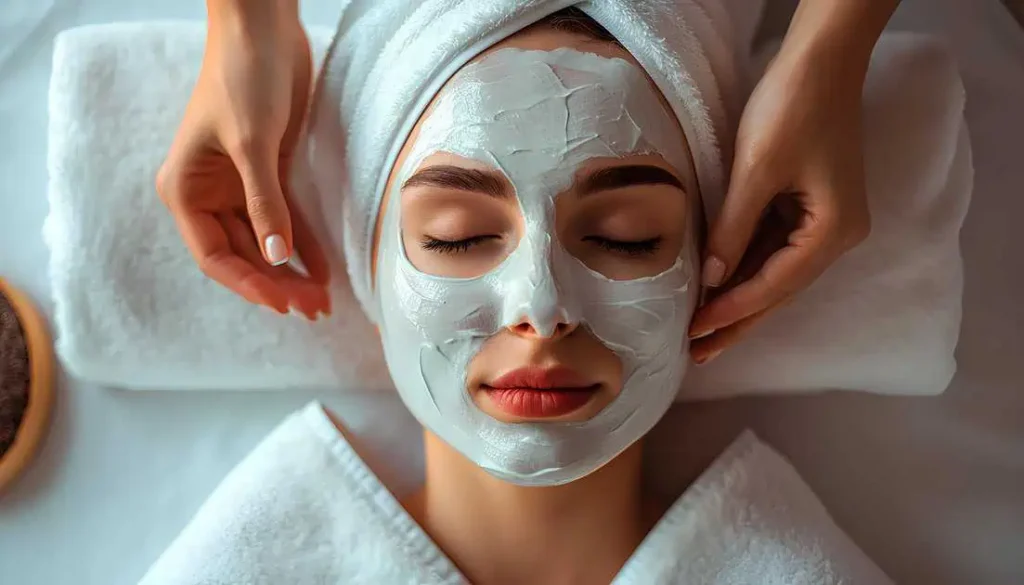
Multi treatment protocols for facial rejuvenation combine two or more aesthetic procedures into one coordinated plan that addresses multiple skin concerns at once. Instead of relying on a single treatment to do everything, a multi-treatment approach layers complementary procedures like chemical peels, microneedling, injectables, lasers, and skin-tightening technologies to target wrinkles, volume loss, texture, pigmentation, and laxity together. This article explains how these protocols work, which combinations produce the strongest results, what order treatments should follow, and why this layered approach has become the fastest-growing trend in aesthetic medicine.
What Are Multi-Treatment Protocols for Facial Rejuvenation?
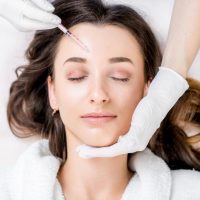
Multi-treatment protocols for facial rejuvenation are structured plans that use two or more complementary procedures to treat the face in a coordinated way. Each treatment in the protocol targets a different layer of the skin or a different concern, and the results build on each other over time. A protocol might pair a neurotoxin for wrinkle prevention with a resurfacing treatment for texture and a filler for volume, all scheduled in a sequence that allows proper healing between steps.
The global aesthetics combination therapy market was estimated at $3.69 billion in 2024 and is forecast to reach $8.03 billion by 2034, growing at an 8.1% annual rate according to Fact.MR. In the United States alone, the combination therapy market reached $1.23 billion in 2024. These numbers reflect a clear shift in how providers and patients approach facial rejuvenation, moving away from single treatments and toward multi-layered plans that deliver more complete, natural-looking results.
According to data from Business Research Insights, combination therapies in facial aesthetics increased by 33% in 2024, and 40% of premium clinics have now adopted personalized multi-treatment plans as standard practice.
What Is the Correct Order for Facial Treatments?
The correct order for facial treatments starts with the deepest or most intensive procedure first and works outward to gentler, surface-level treatments. In a multi-treatment protocol, the general sequence is cleansing and preparation, followed by any injectable treatments (neurotoxins or fillers), then energy-based treatments (laser, radiofrequency, or microneedling), and finally surface treatments (peels, hydrating facials, or topical infusions).
Timing is just as important as order. Some treatments need to be spaced weeks apart to allow the skin to heal before the next step. For example, a provider might schedule Botox two weeks before a resurfacing treatment so the neurotoxin has time to settle. According to the 2024 ISAPS Global Survey, 7.8 million botulinum toxin procedures were performed globally in 2024, and a growing number of those were paired with complementary treatments as part of layered protocols.
What Procedure Takes 10 Years Off Your Face?
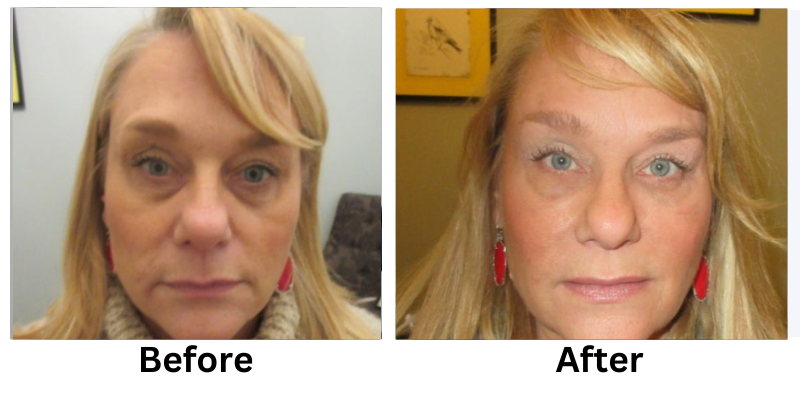
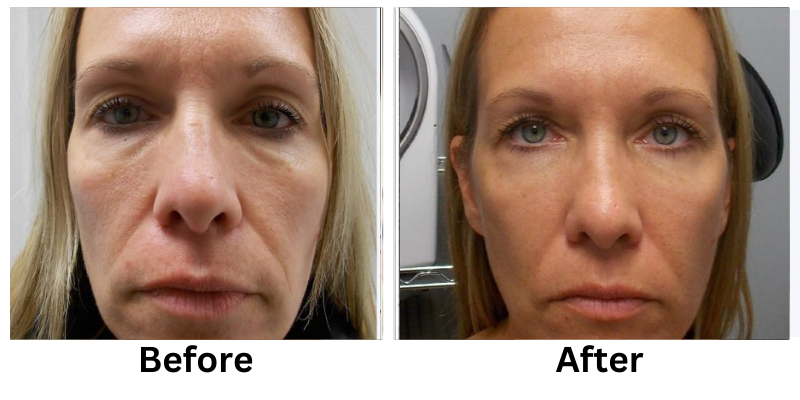
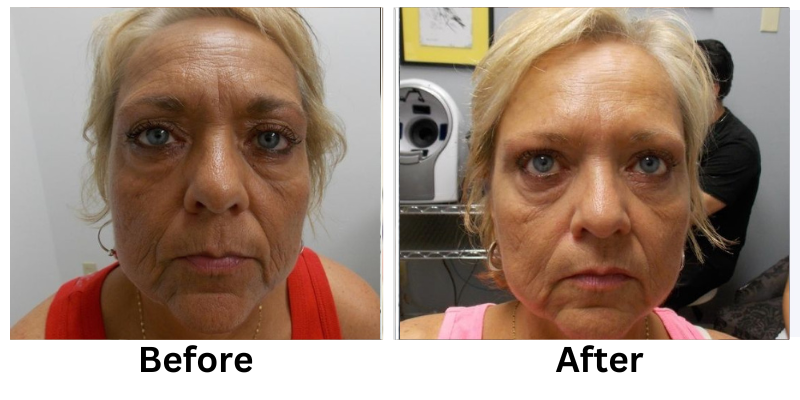
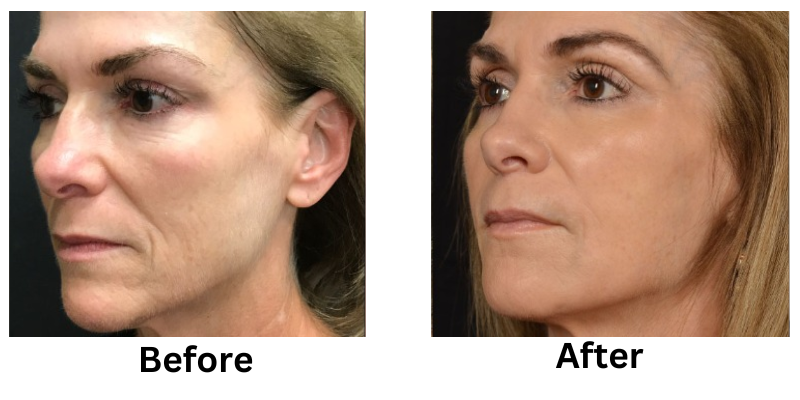
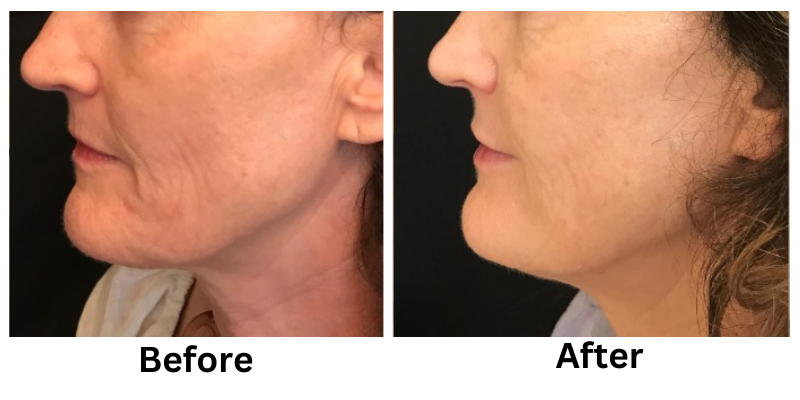
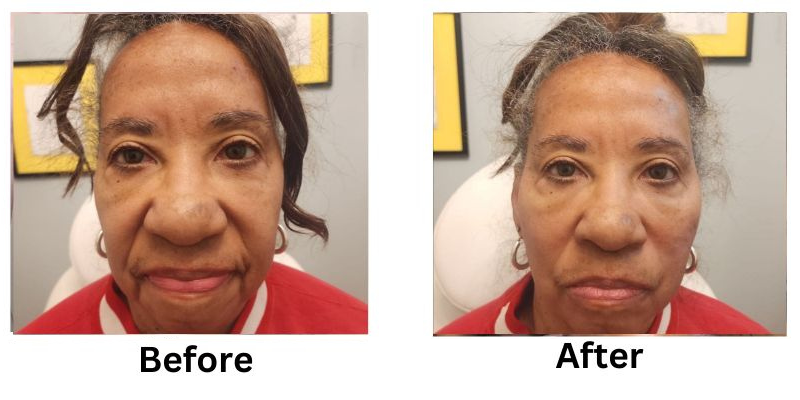
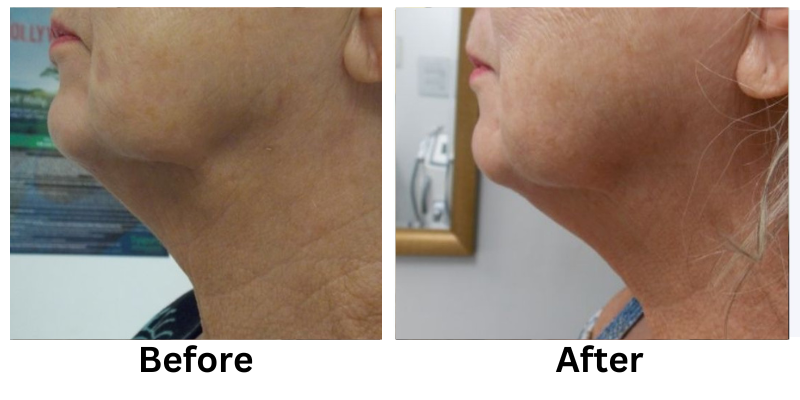
The procedure that takes 10 years off your face is not a single treatment. It is a combination of treatments that work together to address wrinkles, volume loss, skin texture, and laxity all at once. A protocol that pairs a neurotoxin with dermal fillers, a resurfacing treatment like RF microneedling, and a surface peel delivers the kind of comprehensive improvement that makes someone look a decade younger.
According to data from Business Research Insights, 78% of all facial aesthetic procedures performed in 2024 were minimally invasive, and 52% of patients preferred treatments with less than 24 hours of recovery time. Multi-treatment protocols meet both of those demands because each individual step is non-surgical, but the combined effect rivals what more aggressive procedures used to deliver.
A study by Allergan Aesthetics called the HARMONY study evaluated the aesthetic and psychological impact of treating patients with multiple products across multiple facial areas. The study found that a pan-facial approach to treatment yielded greater overall benefit to patients because it allowed for a more balanced rejuvenation that addressed multiple concerns at once.
How to Take 10 Years Off Your Face
To take 10 years off your face, you need a plan that targets the four main signs of facial aging: dynamic wrinkles caused by muscle movement, volume loss in the cheeks and under-eye area, surface damage like uneven texture and pigmentation, and skin laxity along the jawline and neck.
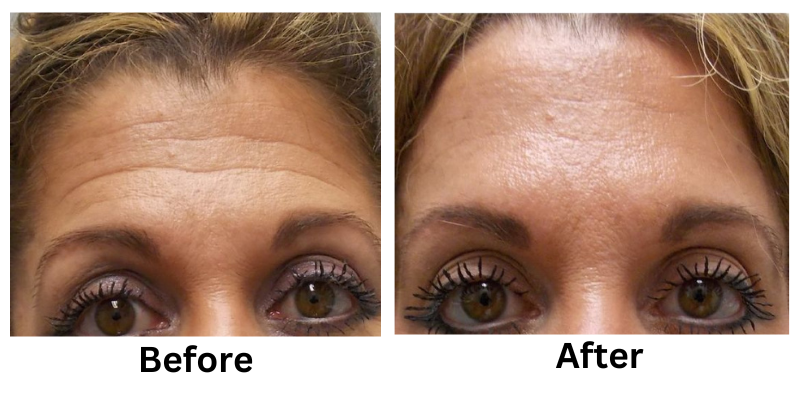
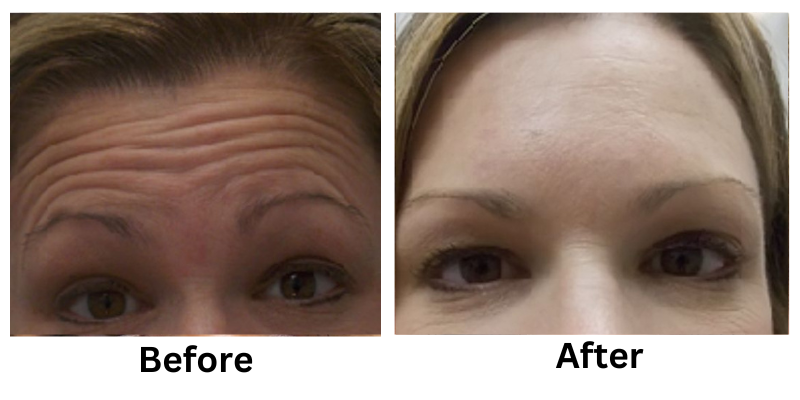
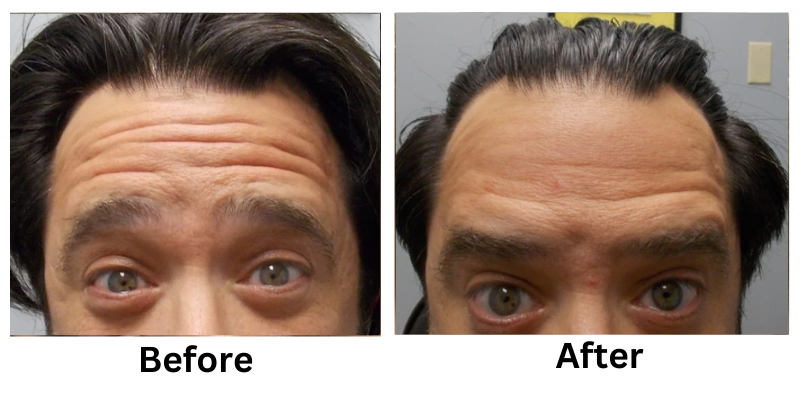
A typical multi-treatment protocol for this goal might include a neurotoxin for forehead lines and crow’s feet, a hyaluronic acid filler for cheek and under-eye volume, an RF microneedling series for collagen stimulation and skin tightening, and a chemical peel or resurfacing treatment for tone and texture. When these are sequenced properly and spaced over several months, the result is a natural, refreshed appearance rather than a “done” look.
What Is the Most Effective Facial Treatment for Aging Skin?
The most effective facial treatment for aging skin is a combination protocol that layers multiple treatments together rather than relying on a single procedure. No one treatment can address every aspect of aging on its own. Wrinkles, volume loss, texture changes, pigmentation, and lax skin each respond to different types of treatments, which is why a layered approach delivers far better outcomes.
The facial aesthetics market reached $14.2 billion in 2024 and is projected to grow to $34.25 billion by 2032 at an 11.6% annual rate, according to DataM Intelligence. A significant driver of that growth is the shift toward combination protocols. The United States recorded over 15 million facial treatment procedures in 2024, and 41% of U.S. facilities now incorporate combination therapies into their offerings, according to 360 Research Reports.
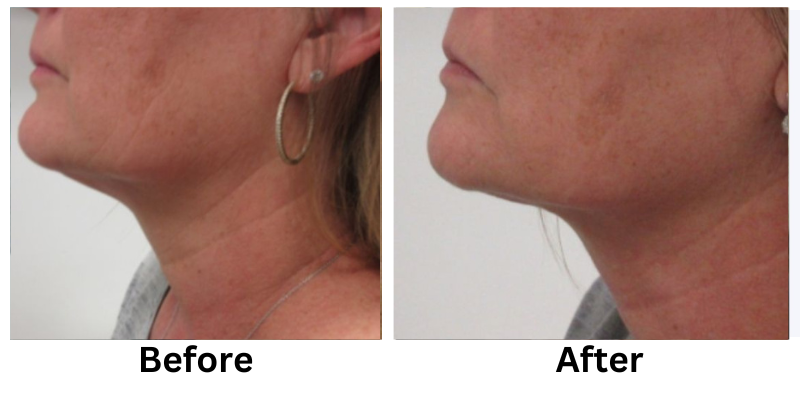
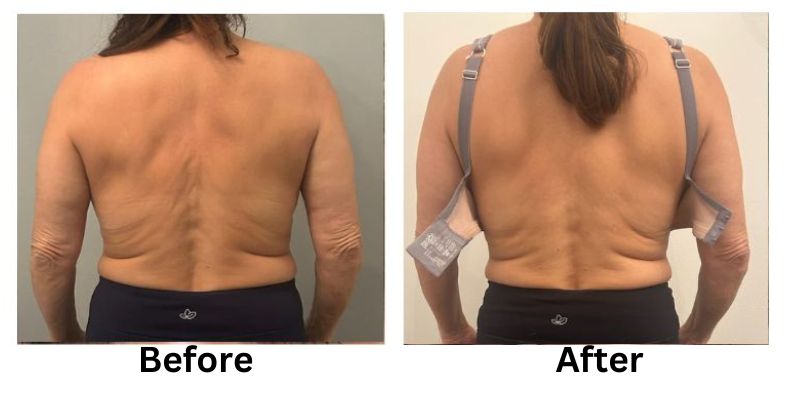
At our practice, we build multi-treatment plans around each patient’s specific aging concerns. For someone dealing primarily with texture and sun damage, a combination of laser resurfacing and a professional-grade peel might be the focus. For someone concerned about sagging, the protocol might center on RF microneedling and skin tightening.
Choosing the right combination depends on your skin type, your primary concerns, and your goals. The best approaches to treating aging skin always start with an honest evaluation of what your skin needs most.
Can You Combine Multiple Facial Treatments in One Plan?
Yes, you can combine multiple facial treatments in one plan, and doing so typically produces better results than any single treatment alone. The key is choosing treatments that complement each other rather than overlap. For example, a neurotoxin relaxes the muscles that create dynamic wrinkles, while a filler restores volume that was lost due to aging. Those are two different problems solved by two different mechanisms, and combining them in one plan produces a more balanced improvement.
According to Fact.MR, demand for botulinum toxin and dermal filler combination therapy is projected to increase at an 8.2% annual rate through 2034. North America accounts for 44.7% of the global combination therapy market, reflecting how widely accepted this approach has become among providers and patients in the United States.
What Are the Latest Facial Treatment Trends?
The latest facial treatment trends center on treatment stacking, regenerative aesthetics, and technology-driven personalization. Treatment stacking is the practice of combining multiple modalities in a single protocol to achieve results that no one treatment could deliver on its own. Regenerative aesthetics focuses on stimulating the body’s own collagen and elastin production rather than simply filling or freezing.
According to Hamilton Fraser’s annual aesthetic trends report, multiplatform devices that combine multiple technologies in one system for multi-layered results are one of the defining trends. Protocols that pair bio-stimulating injectables like Sculptra with energy-based treatments like RF microneedling are growing in popularity because they deliver structural improvements that develop naturally over time.
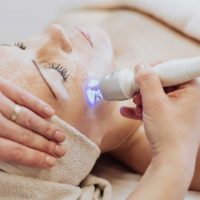
LED light therapy is also being layered into facial protocols. Red light therapy at 660 to 700 nanometers stimulates collagen production and reduces inflammation, making it an effective add-on after more intensive procedures. Skin tightening treatments using radiofrequency and ultrasound technologies continue to gain traction as non-surgical alternatives to facelift surgery.
What Is the Beauty Trend of 2026?
The beauty trend of 2026 is the “quiet luxury” face, where the goal is smooth, refined, healthy-looking skin that appears natural rather than obviously treated. Patients are moving away from dramatic volume and toward subtle, layered treatments that improve skin quality from the inside out. Collagen banking, where younger patients invest in collagen-stimulating treatments like microneedling and bio-stimulators early to preserve skin structure, is gaining major traction.
According to Business Research Insights, personalized treatment plans have seen a 40% adoption rate among premium clinics in 2024, and AI-based diagnostic tools are used in 35% of clinics to improve treatment precision. The combination of smarter diagnostics and multi-treatment protocols is making it possible to deliver highly customized results that look natural and last longer. In Lee’s Summit, we see this trend reflected in the growing number of patients who ask for combination plans rather than single treatments.
What Are the Guidelines for Performing a Facial Treatment?
The guidelines for performing a facial treatment include conducting a thorough skin assessment, reviewing the patient’s medical history, selecting treatments based on skin type and concerns, following proper sterilization protocols, and setting realistic expectations for results and recovery. In a multi-treatment protocol, the guidelines also require careful scheduling to avoid overloading the skin and to allow adequate healing between procedures.
A comprehensive consultation is always the first step. The provider needs to evaluate the patient’s skin condition, identify the primary and secondary concerns, and determine which combination of treatments will address those concerns most effectively. Not every patient needs the same protocol, and a good provider builds the plan around the patient rather than applying a standard formula.
How to Avoid Common Facial Treatment Mistakes
You can avoid common facial treatment mistakes by working with a qualified provider, following pre-treatment and post-treatment instructions carefully, and not trying to do too many treatments at once. One of the most common mistakes is rushing between procedures without allowing enough healing time. Another is combining treatments that create too much inflammation when used together, like pairing an aggressive peel with a deep microneedling session on the same day.
Skipping sunscreen after resurfacing treatments is another frequent mistake. Newly treated skin is more vulnerable to UV damage, and sun exposure can cause hyperpigmentation or reverse the benefits of the treatment. Using harsh active ingredients like retinoids too soon after a procedure can also slow healing. A good multi-treatment plan accounts for all of these factors and builds in the right spacing and aftercare instructions.
How Often Should You Get Facial Treatments?
You should get facial treatments every four to six weeks during an active treatment phase, and every two to three months during maintenance. The frequency depends on which treatments are in your protocol and how your skin responds. More intensive treatments like laser resurfacing or deep peels need longer intervals, while gentler treatments like aqua facials or light peels can be done more frequently.
During the initial phase of a multi-treatment protocol, sessions are typically closer together because the goal is to build a foundation of new collagen and address surface-level damage. Once the skin has improved, the frequency shifts to maintenance mode. According to data from 360 Research Reports, adults aged 25 to 54 represent 68% of facial treatment consumers, and the 55-plus age group accounts for 22%, showing that ongoing facial care spans a wide range of ages and needs.
Common Multi-Treatment Facial Combinations and What They Address
| Treatment Combination | Concerns Addressed | Typical Spacing | Who It Is Best For |
|---|---|---|---|
| Neurotoxin + Dermal Filler | Dynamic wrinkles and volume loss | Same session or 2 weeks apart | Patients 35+ with moderate aging |
| RF Microneedling + Chemical Peel | Skin tightening, texture, fine lines, pore size | 4 to 6 weeks apart | Patients with laxity and uneven texture |
| Laser Resurfacing + Hydrating Facial | Sun damage, pigmentation, dryness | 2 to 4 weeks apart | Patients with sun-damaged or dehydrated skin |
| Neurotoxin + RF Microneedling + Filler | Full facial rejuvenation (wrinkles, collagen, volume) | Staged over 6 to 12 weeks | Patients wanting comprehensive results |
| BioRePeel + Aqua Facial | Dullness, congestion, hydration, mild texture | Same session or 1 to 2 weeks apart | Younger patients or maintenance patients |
| Microneedling + LED Light Therapy | Collagen stimulation, inflammation reduction, healing support | Same session (LED immediately after) | Patients wanting enhanced recovery and collagen boost |
Sources: Fact.MR combination therapy in aesthetics market report 2024; Business Research Insights facial aesthetics market report 2024; 360 Research Reports facial treatment market data; ISAPS 2024 Global Survey; Hamilton Fraser aesthetic trends report 2025; DataM Intelligence facial aesthetics market forecast 2024-2032.
Frequently Asked Questions
What Are the 7 Steps of Facial in Order?
The 7 steps of a facial in order are cleansing, exfoliation, extraction (if needed), treatment application (such as a serum, peel, or mask), massage, mask or hydration, and moisturizer with SPF. In a professional setting, these steps can be enhanced with advanced technologies like LED therapy or microcurrent devices to amplify results beyond what a basic facial can deliver.
What Are the 5 Basic Steps of a Facial?
The 5 basic steps of a facial are cleansing, exfoliation, extraction, treatment (serum or mask), and moisturizing. These foundational steps form the backbone of every facial, and multi-treatment protocols build on this framework by adding clinical-grade procedures like microdermabrasion, peels, or energy-based treatments during the treatment phase.
Can Combination Treatments Work on All Skin Types?
Yes, combination treatments can work on all skin types when the protocol is selected and adjusted based on the individual patient’s skin. Darker skin tones may need gentler laser settings or different peel formulations to avoid hyperpigmentation, while sensitive skin may require longer intervals between sessions. A qualified provider will evaluate your Fitzpatrick skin type and customize the protocol accordingly.
How Long Does a Multi-Treatment Facial Session Take?
A multi-treatment facial session takes 60 to 90 minutes on average, though some combination protocols that include multiple modalities may extend to two hours. When treatments are staged across separate appointments, each individual session typically lasts 30 to 60 minutes. The total timeline for a complete multi-treatment protocol usually spans three to six months.
Do Multi-Treatment Protocols Have More Downtime?
Multi-treatment protocols do not necessarily have more downtime than single treatments if the procedures are properly spaced. Each treatment in the protocol has its own recovery window, and your provider schedules them so recovery periods do not overlap. Some combinations, like a BioRePeel paired with a hydrating facial, have virtually no downtime at all.
Are Combination Facial Treatments Safe?
Yes, combination facial treatments are safe when performed by a trained, experienced provider who understands how different treatments interact. The key safety factors are proper patient selection, appropriate treatment sequencing, adequate spacing between sessions, and thorough aftercare instructions. According to the Allergan Aesthetics HARMONY study, patients who received multi-product facial treatment protocols experienced positive aesthetic and psychological outcomes with a strong safety profile.
The Bottom Line
Multi-treatment protocols for facial rejuvenation are the most effective way to address the full range of aging concerns in a single, coordinated plan. No one treatment can fix wrinkles, restore volume, improve texture, correct pigmentation, and tighten skin all at once, but the right combination of two, three, or four complementary procedures can. The aesthetics industry is moving decisively in this direction, with combination therapy spending surpassing $3.69 billion globally in 2024 and growing fast.
The right protocol starts with the right evaluation. At Slimming Solutions Med Spa, we build multi-treatment plans around your skin, your goals, and your timeline so every step of the process works together.
You can request a consultation to find out which combination of treatments will give you the results you are looking for.
![[thumb]](https://slimmingsolutionsspa.com/wp-content/uploads/2023/12/botox1-150x150.png)
![[thumb]](https://slimmingsolutionsspa.com/wp-content/uploads/2023/12/Before2-150x150.png)
![[thumb]](https://slimmingsolutionsspa.com/wp-content/uploads/2023/12/Before3-150x150.png)


![[thumb]](https://slimmingsolutionsspa.com/wp-content/uploads/2023/12/revanesse-versa-1-150x150.png)
![[thumb]](https://slimmingsolutionsspa.com/wp-content/uploads/2023/12/revanesse-versa-2-150x150.png)
![[thumb]](https://slimmingsolutionsspa.com/wp-content/uploads/2023/12/revanesse-versa-3-150x150.png)
![[thumb]](https://slimmingsolutionsspa.com/wp-content/uploads/2023/12/revanesse-versa-4-150x150.png)
![[thumb]](https://slimmingsolutionsspa.com/wp-content/uploads/2023/12/revanesse-versa-5-150x150.png)
![[thumb]](https://slimmingsolutionsspa.com/wp-content/uploads/2024/01/Eyebrow-treatment-1-1-150x150.png)
![[thumb]](https://slimmingsolutionsspa.com/wp-content/uploads/2023/12/Skin-Rejuvenation-1-150x150.png)
![[thumb]](https://slimmingsolutionsspa.com/wp-content/uploads/2023/12/Skin-Rejuvenation-2-150x150.png)


![[thumb]](https://slimmingsolutionsspa.com/wp-content/uploads/2024/01/Lip-Filler-1-150x150.png)
![[thumb]](https://slimmingsolutionsspa.com/wp-content/uploads/2024/01/Lip-Filler-2-150x150.png)
![[thumb]](https://slimmingsolutionsspa.com/wp-content/uploads/2025/02/Lip-Filler-1-150x150.png)
![[thumb]](https://slimmingsolutionsspa.com/wp-content/uploads/2024/01/Lip-Filler-150x150.jpg)
![[thumb]](https://slimmingsolutionsspa.com/wp-content/uploads/2024/01/Before-1-150x150.jpg)

![[thumb]](https://slimmingsolutionsspa.com/wp-content/uploads/2024/01/RHA-Treatmetn-3-150x150.png)
![[thumb]](https://slimmingsolutionsspa.com/wp-content/uploads/2024/01/RHA-Treatmetn-2-150x150.png)
![[thumb]](https://slimmingsolutionsspa.com/wp-content/uploads/2024/01/RHA-Treatmetn-1-150x150.png)
![[thumb]](https://slimmingsolutionsspa.com/wp-content/uploads/2024/01/Thread-Lifts-1-150x150.png)
![[thumb]](https://slimmingsolutionsspa.com/wp-content/uploads/2024/01/Thread-Lifts-2-150x150.png)
![[thumb]](https://slimmingsolutionsspa.com/wp-content/uploads/2025/02/Lip-Filler-2-150x150.png)

![[thumb]](https://slimmingsolutionsspa.com/wp-content/uploads/2023/12/skin-reuvulation1-150x150.png)
![[thumb]](https://slimmingsolutionsspa.com/wp-content/uploads/2023/12/skin-rejuvulation-2-150x150.png)
![[thumb]](https://slimmingsolutionsspa.com/wp-content/uploads/2023/12/Skin-Tighting-150x150.png)
![[thumb]](https://slimmingsolutionsspa.com/wp-content/uploads/2023/12/Before-150x150.jpg)
![[thumb]](https://slimmingsolutionsspa.com/wp-content/uploads/2023/12/weightloss-1-150x150.png)
![[thumb]](https://slimmingsolutionsspa.com/wp-content/uploads/2023/12/weightloss-2-150x150.png)
![[thumb]](https://slimmingsolutionsspa.com/wp-content/uploads/2023/12/2Weight-Loss-2-150x150.png)
![[thumb]](https://slimmingsolutionsspa.com/wp-content/uploads/2025/02/Weight-Loss-1-new-150x150.png)
![[thumb]](https://slimmingsolutionsspa.com/wp-content/uploads/2023/12/Weight-Loss-3-150x150.png)
![[thumb]](https://slimmingsolutionsspa.com/wp-content/uploads/2025/03/Slimming-Solutions-BA-Template-150x150.png)


![[thumb]](https://slimmingsolutionsspa.com/wp-content/uploads/2023/12/dat3-150x150.png)
![[thumb]](https://slimmingsolutionsspa.com/wp-content/uploads/2023/12/dat-0-150x150.png)
![[thumb]](https://slimmingsolutionsspa.com/wp-content/uploads/2023/12/dat-1-150x150.png)
![[thumb]](https://slimmingsolutionsspa.com/wp-content/uploads/2023/12/Before-1-150x150.png)

![[thumb]](https://slimmingsolutionsspa.com/wp-content/uploads/2024/01/EMS-Treatment-2-150x150.png)
![[thumb]](https://slimmingsolutionsspa.com/wp-content/uploads/2024/01/EMS-Treatment-1-150x150.png)
![[thumb]](https://slimmingsolutionsspa.com/wp-content/uploads/2025/02/ems-BNA-front-150x150.png)
![[thumb]](https://slimmingsolutionsspa.com/wp-content/uploads/2025/02/EMS-bna-SIDE-150x150.png)
![[thumb]](https://slimmingsolutionsspa.com/wp-content/uploads/2024/01/EMS-Treatment-6-150x150.png)