Non-invasive facial contouring techniques reshape, lift, and define the face without surgery. These treatments use dermal fillers, radiofrequency energy, ultrasound, collagen stimulators, and fat-dissolving injectables to restore volume, tighten skin, sharpen the jawline, and improve facial balance, all with little to no downtime. This article covers what non-invasive facial contouring is, which techniques produce the strongest results, how they compare to surgical options, which areas of the face they can treat, and what the latest science says about their effectiveness and longevity.
What Is Non-Invasive Facial Contouring?
Non-invasive facial contouring is a category of aesthetic treatments that reshape and refine the face without incisions, general anesthesia, or surgery. These techniques use injectable products, energy-based devices, or a combination of both to restore volume where it has been lost, tighten skin that has started to sag, reduce pockets of unwanted fat, and create sharper definition along the jawline, cheekbones, and chin.
The global non-surgical skin tightening market was valued at $0.91 billion in 2024 and is projected to reach $3.52 billion by 2034, growing at a 14.49% annual rate according to Precedence Research. That rapid expansion reflects how many patients are choosing non-surgical contouring over traditional facelifts. According to data from Business Research Insights, 78% of all facial aesthetic procedures performed in 2024 were minimally invasive.
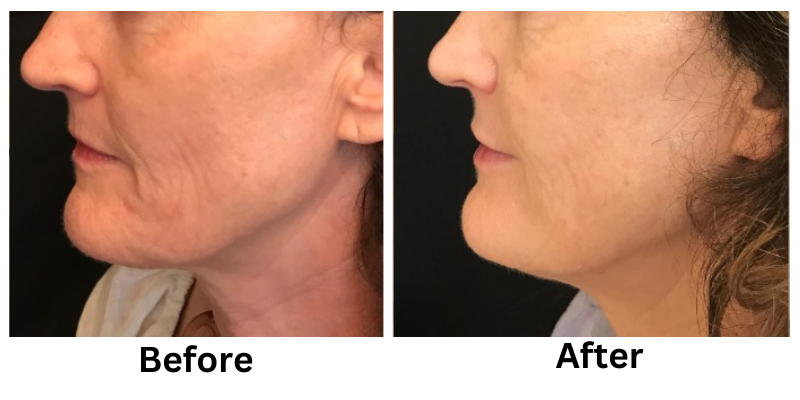
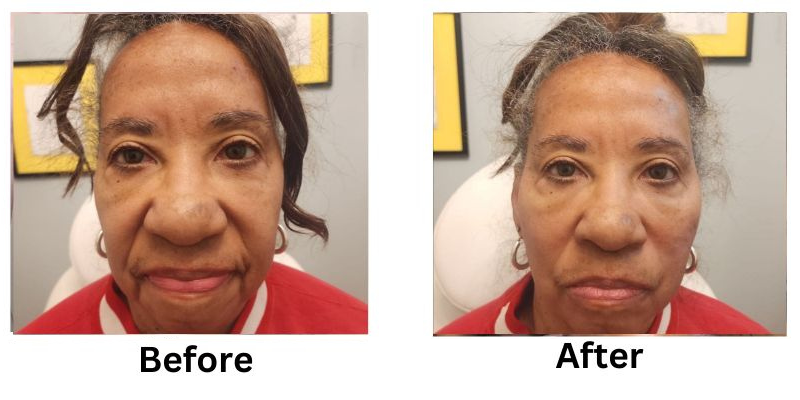
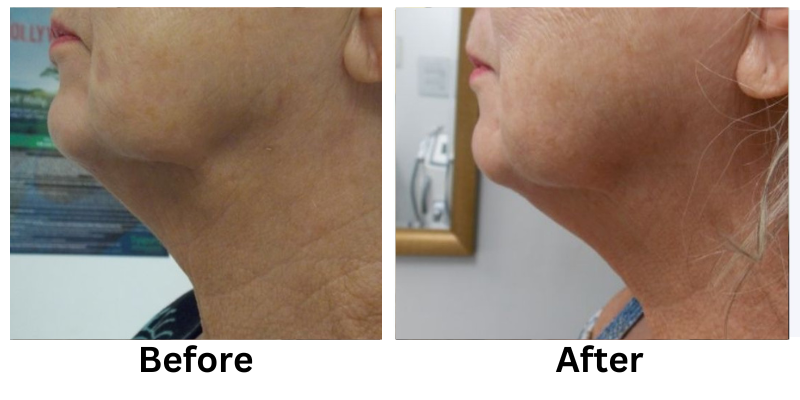
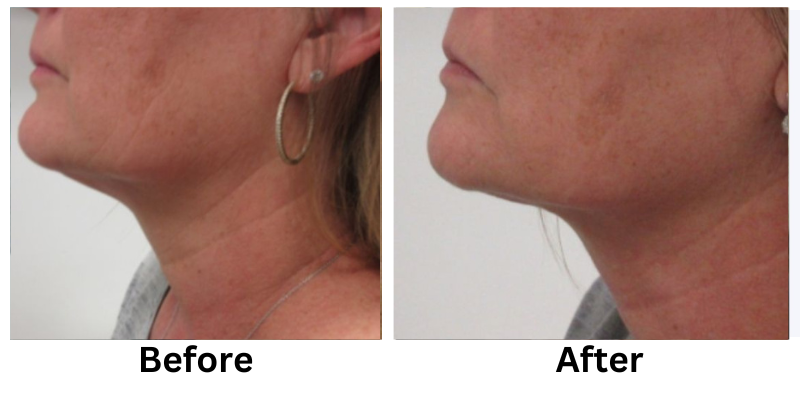
The appeal is straightforward. Non-invasive contouring delivers visible improvement with minimal recovery, lower risk, and the ability to make gradual adjustments over time. We use a variety of skin tightening and injectable techniques to help patients achieve contoured, balanced results that look natural.
What Areas of the Face Can Be Contoured Without Surgery?
The areas of the face that can be contoured without surgery include the jawline, chin, cheeks, temples, under-eye hollows, nasolabial folds, marionette lines, the brow area, and even the nose through a non-surgical rhinoplasty approach. Non-invasive techniques can add definition where structure has been lost, smooth out areas where fat has shifted, and create a lifted appearance along the lower face and neck.
Jawline contouring is one of the fastest-growing applications. According to industry trend reports, clinics are expanding their service menus specifically for jawline definition and non-surgical facial lifting. Radiesse and other calcium hydroxylapatite-based fillers are especially popular for jawline contouring because they provide both immediate volume and long-term collagen stimulation.
What Procedure Takes 10 Years Off Your Face?
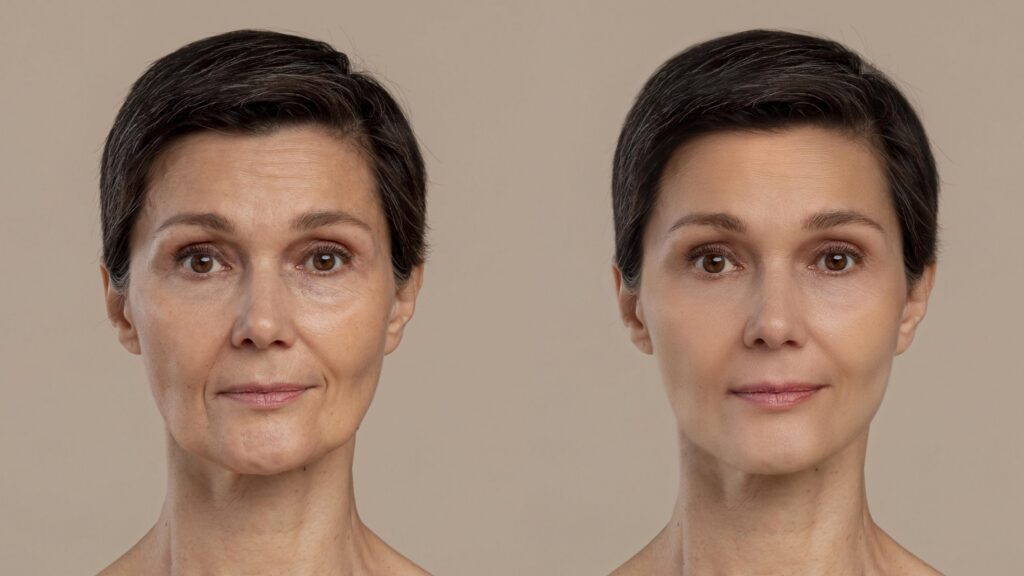
The procedure that takes 10 years off your face is typically a combination of two or more non-invasive treatments working together. A single treatment can improve one aspect of aging, but the combination of a neurotoxin for wrinkle relaxation, a dermal filler for volume restoration, and a skin-tightening treatment for collagen stimulation addresses multiple layers of aging at once, producing results that can genuinely turn back the clock by a decade.
According to the 2024 ISAPS Global Survey, 7.8 million botulinum toxin procedures and 6.3 million hyaluronic acid filler procedures were performed worldwide in 2024. The growing trend is to use these treatments together as part of a contouring plan rather than in isolation. A liquid facelift, which combines fillers and neurotoxins strategically across the full face, is one of the most effective ways to achieve a 10-year improvement without surgery.
Collagen-stimulating treatments like Sculptra add another dimension. Unlike hyaluronic acid fillers that provide immediate volume, Sculptra works gradually over several months by triggering the body to produce its own collagen. The result is a structural improvement that develops naturally and can last two years or more.
How to Take 20 Years Off Your Face
To take 20 years off your face, you need a comprehensive, multi-treatment approach that addresses all four layers of facial aging: the skin surface, the fat pads, the muscular layer, and the underlying bone structure. Research published in npj Aging confirmed that collagen production declines by approximately 1% to 1.5% per year starting in the mid-twenties, and women can lose up to 30% of their skin collagen in the first five years after menopause alone, according to a literature review published in the American Journal of Physical Anthropology.
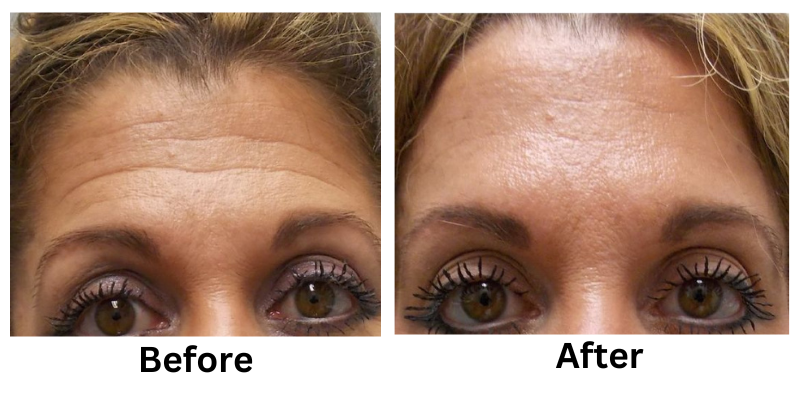
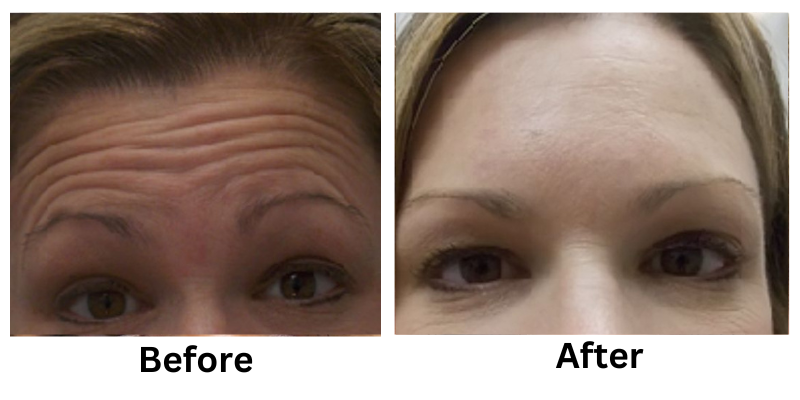
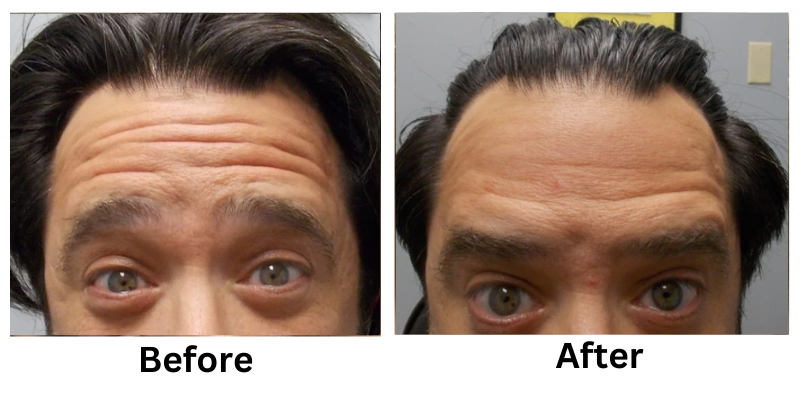
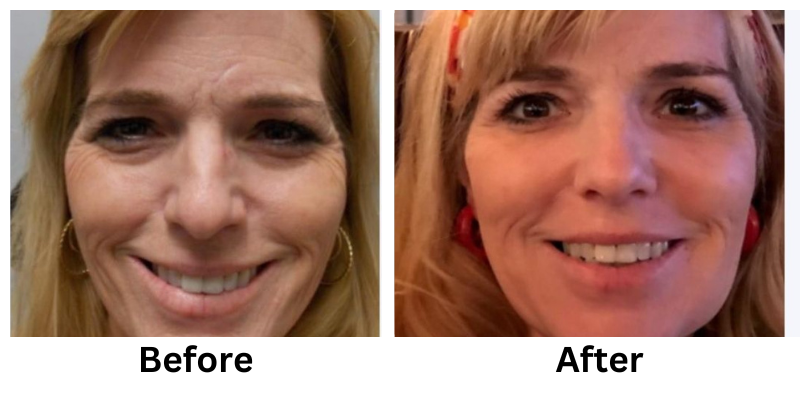
A plan designed to take 20 years off typically includes volume restoration with dermal fillers in the cheeks, temples, and jawline, neurotoxin treatment for forehead lines and crow’s feet, RF microneedling or skin tightening for collagen rebuilding and firming, and possibly a fat-dissolving treatment for submental fullness under the chin. Each treatment targets a different layer and a different cause of aging, and the combined effect is far greater than what any single procedure can achieve.
What Are the Latest Non-Invasive Skin Tightening Techniques?
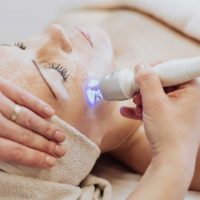
The latest non-invasive skin tightening techniques include radiofrequency (RF) devices, RF microneedling, high-intensity focused ultrasound (HIFU), and combination platforms that merge multiple energy types in a single treatment session. Radiofrequency technology led the non-surgical skin tightening market with a 30% share in 2024, according to Precedence Research, making it the dominant modality in the category.
RF microneedling has become especially popular because it combines the collagen-stimulating benefits of microneedling with the deeper tissue tightening that radiofrequency energy provides. Clinical studies have shown that a series of RF microneedling treatments can increase collagen and elastin production by up to 400% over six months. The RF microneedling device market was valued at $0.49 billion in 2024 and is projected to reach $1.08 billion by 2033, growing at a 9.3% annual rate.
Combination platforms that deliver RF, ultrasound, and vacuum-assisted technologies in a single session represent the next wave. A multicenter study published in the Journal of Cosmetic Dermatology in 2025 evaluated a novel RF and vacuum device for non-surgical facial contouring and reported measurable improvements in skin firmness and facial definition across 33 patients with no significant adverse effects.
At What Age Does Your Face Age the Most?
Your face ages the most during your 40s and 50s. This is when collagen loss accelerates, fat pads shrink and shift downward, elastin breaks down more rapidly, and the facial bones begin losing structure. For women, the menopausal transition makes this decade especially impactful because estrogen decline triggers a sharp drop in collagen production.
According to research published in the Aesthetic Surgery Journal (PMC), the rate of collagen breakdown increases while the rate of collagen synthesis decreases throughout midlife. Elastin biosynthesis begins to decline steeply between ages 40 and 50. By this time, the skin has already lost 15% to 22% of the collagen it had at age 25, and the facial bone loses approximately 1% of its structure per year after 40.
This is also the decade when patients most commonly seek non-invasive contouring. Treating facial volume loss during this period can prevent the cascade of sagging and hollowing that becomes harder to reverse in the 60s and beyond. Starting a contouring plan in your 40s gives you the advantage of working with more remaining structure.
How to Look 10 Years Younger Than Your Age
To look 10 years younger than your age, focus on three things: maintaining collagen with stimulating treatments, restoring volume where it has been lost, and protecting your skin from further damage with consistent sun protection and a professional skincare routine. Looking younger is not about chasing a frozen or overfilled appearance. It is about restoring the proportions and firmness your face had a decade ago.
The facial aesthetics market reached $14.2 billion in 2024 and is projected to grow to $34.25 billion by 2032, according to DataM Intelligence. A major factor in that growth is the shift toward subtle, natural-looking results. Patients are asking for treatments that make them look rested and refreshed, not obviously treated. Non-invasive contouring with properly placed fillers and injectables delivers exactly that kind of result.
How Long Do Non-Invasive Facial Contouring Results Last?
Non-invasive facial contouring results last anywhere from six months to over two years depending on the treatment used. Hyaluronic acid fillers typically last 6 to 18 months depending on the product and the area treated. Calcium hydroxylapatite fillers like Radiesse last 12 to 18 months. Collagen stimulators like Sculptra can last two years or more because they trigger structural collagen production that persists even after the product itself is absorbed.
Skin tightening results from RF or ultrasound-based devices last 12 to 24 months and continue improving for several months after the final session as collagen remodels and matures. Non-surgical tightening combined with injectable contouring extends the overall duration of results because you are addressing both the structural loss and the surface laxity at the same time.
Maintenance treatments every 12 to 18 months help preserve results long term. Many patients in the Kansas City area schedule annual touch-ups to keep their contours defined without needing to start over from scratch.
Can Non-Invasive Contouring Replace a Facelift?
Non-invasive contouring can achieve results that rival a facelift for patients with mild to moderate aging, but it cannot fully replace a surgical facelift for patients with severe laxity or significant skin excess. The advantage of non-invasive techniques is that they offer a gradual, adjustable approach with no surgical risks, no scarring, and no extended recovery period.
For many patients, especially those in their 30s through 50s, non-invasive contouring provides enough improvement that surgery is not necessary. A study published in the Journal of Cosmetic Dermatology evaluated the combination of Kybella, fillers, and energy-based devices for comprehensive facial reshaping and found that multi-modality non-surgical approaches produced meaningful improvements in facial definition and patient satisfaction.
Non-Invasive Facial Contouring Techniques Compared
| Technique | How It Works | Best Areas | Results Duration | Sessions Needed |
|---|---|---|---|---|
| Dermal Fillers (HA-based) | Injects hyaluronic acid gel to restore volume and define contours | Cheeks, jawline, chin, lips, under-eyes, temples | 6 to 18 months | 1 (with touch-ups) |
| Collagen Stimulators (Sculptra, Radiesse) | Triggers the body to produce new collagen for gradual structural improvement | Cheeks, temples, jawline, full face | 1 to 2+ years | 2 to 3 sessions |
| Neurotoxins (Botox, Xeomin) | Relaxes muscles to smooth wrinkles and subtly lift brows and jawline | Forehead, crow’s feet, brow, jawline (masseter) | 3 to 4 months | 1 (every 3 to 4 months) |
| RF Microneedling | Delivers RF energy through micro-needles to stimulate deep collagen and tighten skin | Full face, jawline, neck, under-eyes | 12 to 24 months | 3 to 4 sessions |
| Skin Tightening (RF/Ultrasound) | Heats deeper tissue layers to cause collagen contraction and remodeling | Lower face, jawline, neck, jowls | 12 to 24 months | 1 to 3 sessions |
| Kybella (Fat-Dissolving Injectable) | Destroys fat cells under the chin to reduce submental fullness | Under the chin (double chin) | Permanent (fat cells do not return) | 2 to 4 sessions |
Sources: Precedence Research non-surgical skin tightening market report 2024; ISAPS 2024 Global Survey on Aesthetic/Cosmetic Procedures; Journal of Cosmetic Dermatology multicenter RF study 2025; DataM Intelligence facial aesthetics market forecast 2024; npj Aging (Nature) collagen decline research 2025; American Journal of Physical Anthropology facial aging study.
Frequently Asked Questions
How Many Sessions Do You Need for Non-Invasive Facial Contouring?
The number of sessions needed for non-invasive facial contouring depends on the technique. Dermal filler treatments often require just one session with periodic touch-ups. Collagen stimulators like Sculptra typically require two to three sessions spaced four to six weeks apart. RF microneedling usually involves three to four sessions. Your provider will design a schedule based on your goals and how your skin responds.
Is Non-Invasive Facial Contouring Safe?
Yes, non-invasive facial contouring is safe when performed by a trained, experienced provider. The most common side effects are mild swelling, redness, or bruising at the treatment site, all of which resolve within a few days. Serious complications are rare and are almost always associated with improper technique or unqualified providers. Choosing a medical-grade facility with licensed professionals significantly reduces risk.
What Is a Liquid Facelift?
A liquid facelift is a non-surgical procedure that combines dermal fillers and neurotoxins to lift, contour, and rejuvenate the face without incisions. Fillers restore volume in the cheeks, temples, and jawline while neurotoxins relax wrinkle-causing muscles in the forehead and around the eyes. The combined effect produces a lifted, more youthful appearance that can last 12 to 18 months.
Can Men Get Non-Invasive Facial Contouring?
Yes, men can get non-invasive facial contouring. Jawline definition, chin augmentation, and under-eye correction are among the most popular contouring treatments for men. According to Precedence Research, the male segment is the fastest-growing demographic in the non-surgical skin tightening market as social acceptance of male aesthetic care continues to rise.
What Is the Difference Between Surgical and Non-Surgical Facial Contouring?
The difference between surgical and non-surgical facial contouring is that surgery physically removes excess skin and repositions deeper tissue through incisions, while non-surgical contouring uses injectables and energy-based devices to achieve similar improvements without cutting. Surgery delivers more dramatic results for severe aging but carries higher risk, longer recovery, and permanent scarring. Non-surgical contouring offers gradual, adjustable results with minimal downtime.
How Soon Will I See Results After Non-Invasive Contouring?
You will see results after non-invasive contouring immediately with filler-based treatments, within 3 to 7 days with neurotoxins, and gradually over 3 to 6 months with collagen-stimulating treatments and skin-tightening devices. The timeline depends on the technique used. Filler results are visible as soon as the swelling subsides, while collagen-based improvements develop as the body produces new structural proteins.
Putting It All Together
Non-invasive facial contouring has changed what is possible without surgery. With the right combination of fillers, collagen stimulators, neurotoxins, and energy-based devices, patients can restore volume, sharpen their jawline, lift sagging skin, and take years off their appearance, all without a single incision. The non-surgical skin tightening market alone is growing at over 14% annually, and the demand for combination contouring protocols continues to climb.
The key is working with a provider who understands facial anatomy and knows how to layer treatments for natural, balanced results. At Slimming Solutions Med Spa, we evaluate your facial structure, identify where volume, firmness, or definition has been lost, and build a contouring plan that fits your goals.
You can request a consultation to explore which non-invasive techniques are right for your face.
![[thumb]](https://slimmingsolutionsspa.com/wp-content/uploads/2023/12/botox1-150x150.png)
![[thumb]](https://slimmingsolutionsspa.com/wp-content/uploads/2023/12/Before2-150x150.png)
![[thumb]](https://slimmingsolutionsspa.com/wp-content/uploads/2023/12/Before3-150x150.png)
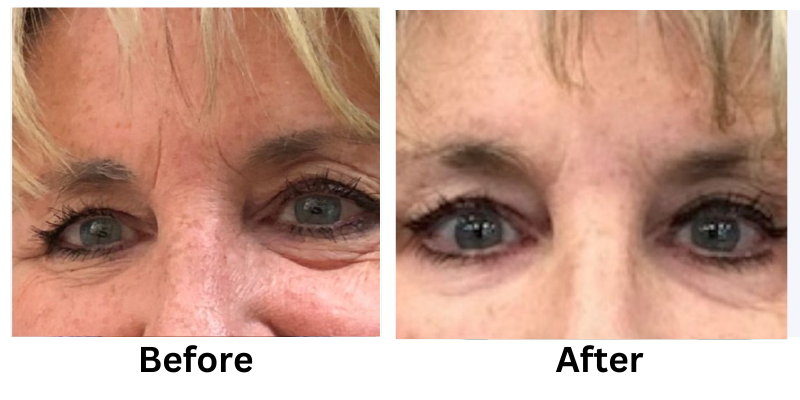
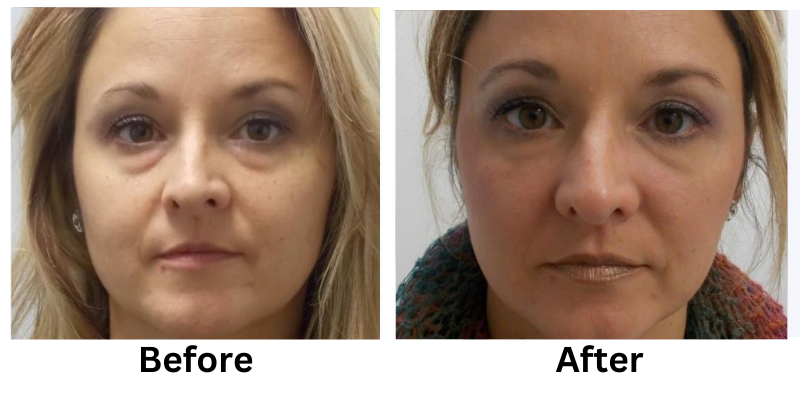
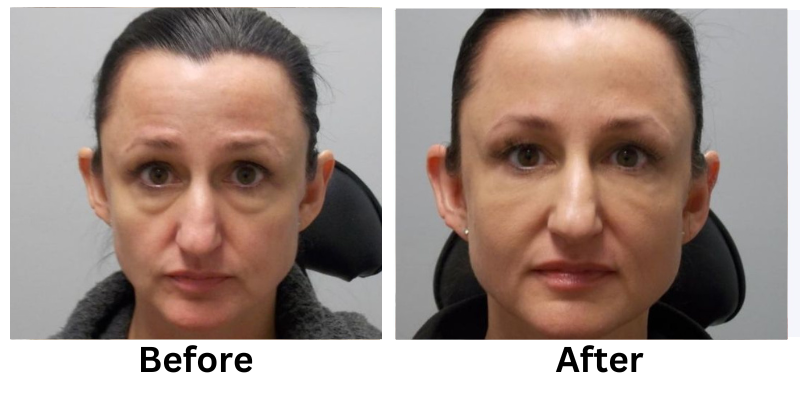
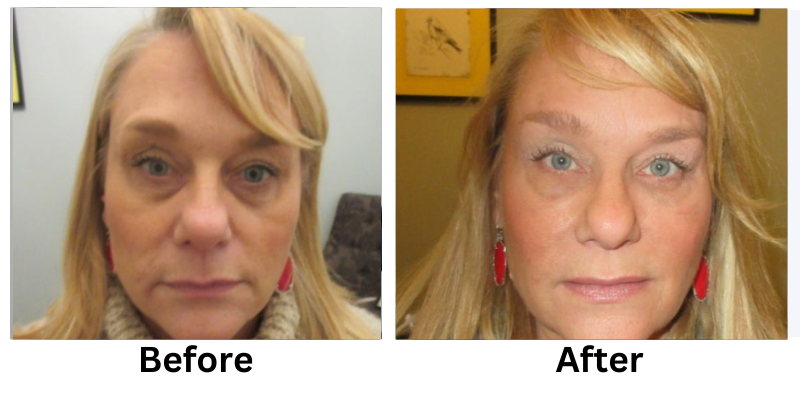


![[thumb]](https://slimmingsolutionsspa.com/wp-content/uploads/2023/12/revanesse-versa-1-150x150.png)
![[thumb]](https://slimmingsolutionsspa.com/wp-content/uploads/2023/12/revanesse-versa-2-150x150.png)
![[thumb]](https://slimmingsolutionsspa.com/wp-content/uploads/2023/12/revanesse-versa-3-150x150.png)
![[thumb]](https://slimmingsolutionsspa.com/wp-content/uploads/2023/12/revanesse-versa-4-150x150.png)
![[thumb]](https://slimmingsolutionsspa.com/wp-content/uploads/2023/12/revanesse-versa-5-150x150.png)
![[thumb]](https://slimmingsolutionsspa.com/wp-content/uploads/2024/01/Eyebrow-treatment-1-1-150x150.png)
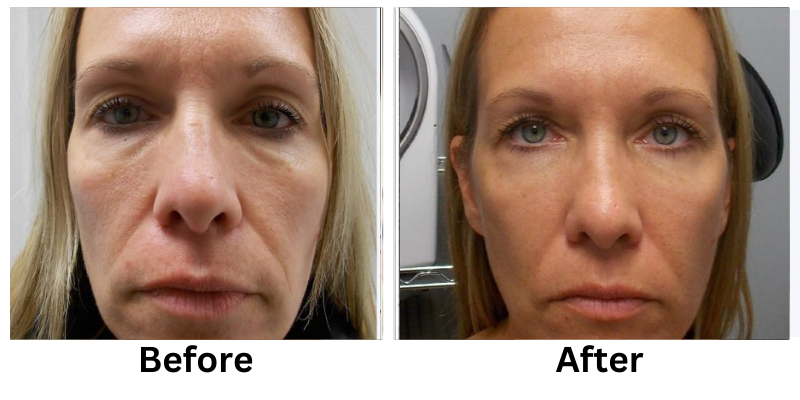
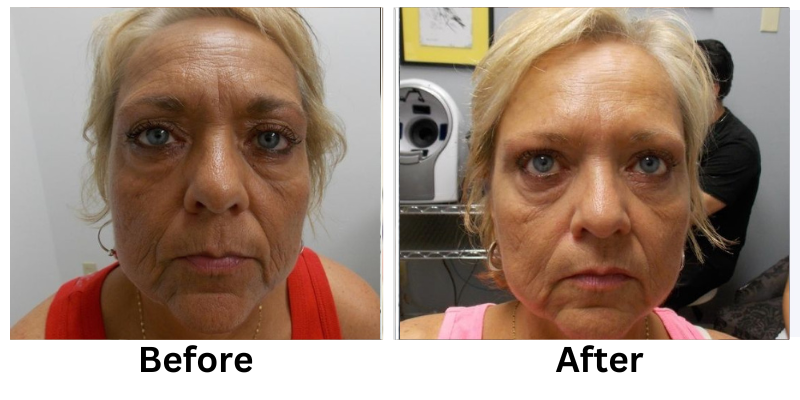
![[thumb]](https://slimmingsolutionsspa.com/wp-content/uploads/2023/12/Skin-Rejuvenation-1-150x150.png)
![[thumb]](https://slimmingsolutionsspa.com/wp-content/uploads/2023/12/Skin-Rejuvenation-2-150x150.png)


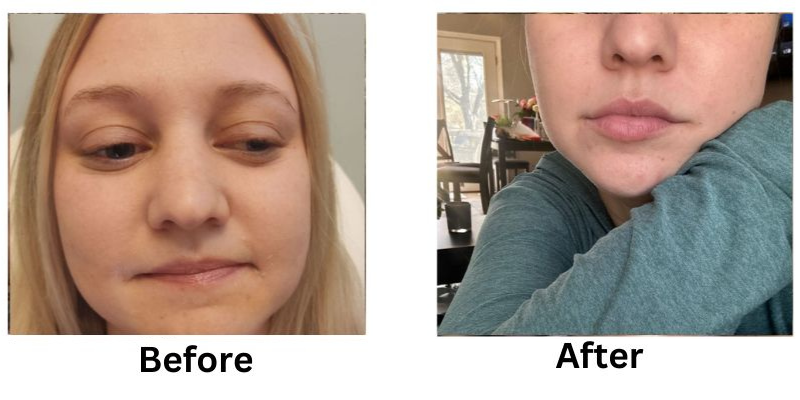
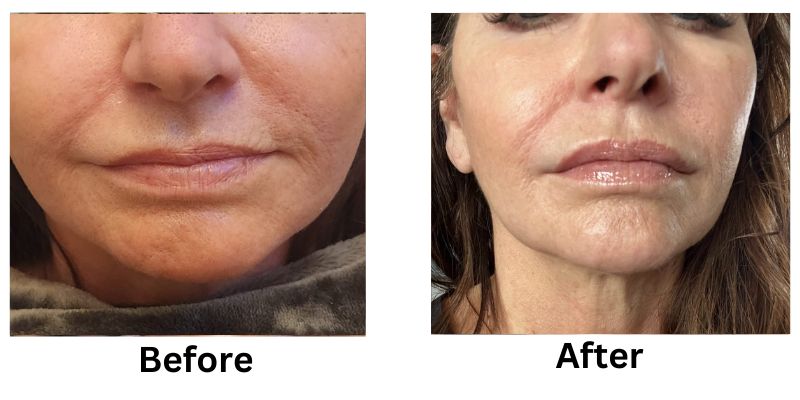
![[thumb]](https://slimmingsolutionsspa.com/wp-content/uploads/2024/01/Lip-Filler-1-150x150.png)
![[thumb]](https://slimmingsolutionsspa.com/wp-content/uploads/2024/01/Lip-Filler-2-150x150.png)
![[thumb]](https://slimmingsolutionsspa.com/wp-content/uploads/2025/02/Lip-Filler-1-150x150.png)
![[thumb]](https://slimmingsolutionsspa.com/wp-content/uploads/2024/01/Lip-Filler-150x150.jpg)
![[thumb]](https://slimmingsolutionsspa.com/wp-content/uploads/2024/01/Before-1-150x150.jpg)

![[thumb]](https://slimmingsolutionsspa.com/wp-content/uploads/2024/01/RHA-Treatmetn-3-150x150.png)
![[thumb]](https://slimmingsolutionsspa.com/wp-content/uploads/2024/01/RHA-Treatmetn-2-150x150.png)
![[thumb]](https://slimmingsolutionsspa.com/wp-content/uploads/2024/01/RHA-Treatmetn-1-150x150.png)
![[thumb]](https://slimmingsolutionsspa.com/wp-content/uploads/2024/01/Thread-Lifts-1-150x150.png)
![[thumb]](https://slimmingsolutionsspa.com/wp-content/uploads/2024/01/Thread-Lifts-2-150x150.png)
![[thumb]](https://slimmingsolutionsspa.com/wp-content/uploads/2025/02/Lip-Filler-2-150x150.png)

![[thumb]](https://slimmingsolutionsspa.com/wp-content/uploads/2023/12/skin-reuvulation1-150x150.png)
![[thumb]](https://slimmingsolutionsspa.com/wp-content/uploads/2023/12/skin-rejuvulation-2-150x150.png)
![[thumb]](https://slimmingsolutionsspa.com/wp-content/uploads/2023/12/Skin-Tighting-150x150.png)
![[thumb]](https://slimmingsolutionsspa.com/wp-content/uploads/2023/12/Before-150x150.jpg)
![[thumb]](https://slimmingsolutionsspa.com/wp-content/uploads/2023/12/weightloss-1-150x150.png)
![[thumb]](https://slimmingsolutionsspa.com/wp-content/uploads/2023/12/weightloss-2-150x150.png)
![[thumb]](https://slimmingsolutionsspa.com/wp-content/uploads/2023/12/2Weight-Loss-2-150x150.png)
![[thumb]](https://slimmingsolutionsspa.com/wp-content/uploads/2025/02/Weight-Loss-1-new-150x150.png)
![[thumb]](https://slimmingsolutionsspa.com/wp-content/uploads/2023/12/Weight-Loss-3-150x150.png)
![[thumb]](https://slimmingsolutionsspa.com/wp-content/uploads/2025/03/Slimming-Solutions-BA-Template-150x150.png)


![[thumb]](https://slimmingsolutionsspa.com/wp-content/uploads/2023/12/dat3-150x150.png)
![[thumb]](https://slimmingsolutionsspa.com/wp-content/uploads/2023/12/dat-0-150x150.png)
![[thumb]](https://slimmingsolutionsspa.com/wp-content/uploads/2023/12/dat-1-150x150.png)
![[thumb]](https://slimmingsolutionsspa.com/wp-content/uploads/2023/12/Before-1-150x150.png)

![[thumb]](https://slimmingsolutionsspa.com/wp-content/uploads/2024/01/EMS-Treatment-2-150x150.png)
![[thumb]](https://slimmingsolutionsspa.com/wp-content/uploads/2024/01/EMS-Treatment-1-150x150.png)
![[thumb]](https://slimmingsolutionsspa.com/wp-content/uploads/2025/02/ems-BNA-front-150x150.png)
![[thumb]](https://slimmingsolutionsspa.com/wp-content/uploads/2025/02/EMS-bna-SIDE-150x150.png)
![[thumb]](https://slimmingsolutionsspa.com/wp-content/uploads/2024/01/EMS-Treatment-6-150x150.png)