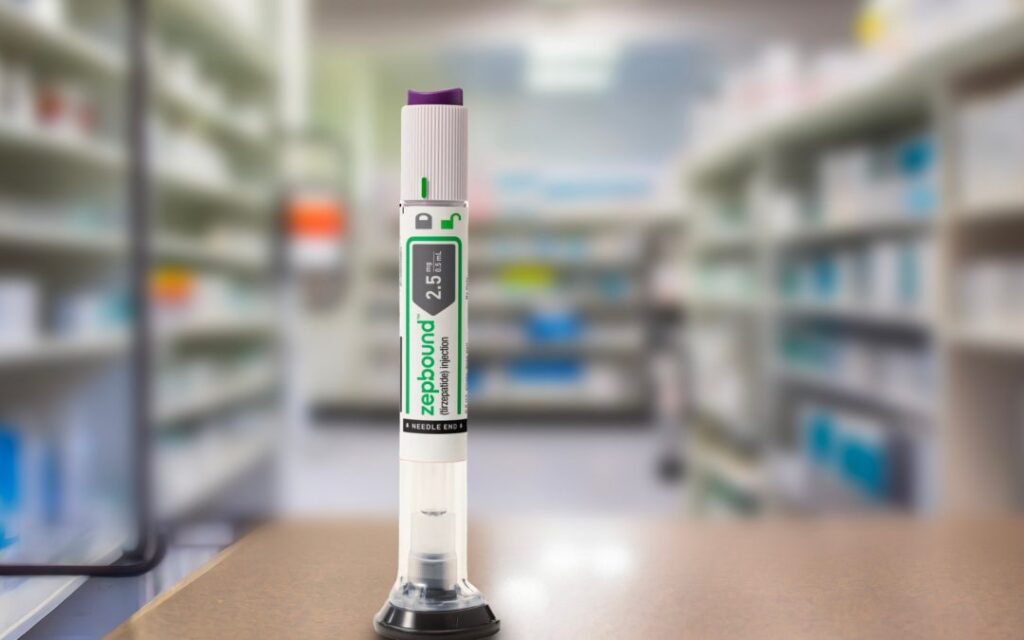
Yes, Zepbound is the same as tirzepatide. Tirzepatide is the name of the active ingredient, and Zepbound is the brand name Eli Lilly gives that ingredient when it is prescribed for weight management. Mounjaro is the same molecule again, branded for type 2 diabetes. Nothing about the medicine changes between those two boxes. What changes is the FDA-approved indication printed on the label, which affects who qualifies and how insurance handles it. Below we untangle that naming system, correct a widespread mix-up about generic tirzepatide, and map out which of the other GLP-1 names are the same drug and which are not.
Is Zepbound the Same as Tirzepatide?
Zepbound is the same as tirzepatide, because tirzepatide is the active ingredient inside Zepbound. Comparing them is like comparing acetaminophen to Tylenol. One name describes the molecule, the other describes the product a company sells.
Molecule and product carry different kinds of information. Tirzepatide tells you the pharmacology: it is a dual receptor agonist that activates both the glucose-dependent insulinotropic polypeptide (GIP) receptor and the glucagon-like peptide-1 (GLP-1) receptor. Zepbound tells you the commercial and regulatory facts: who makes it, what the FDA approved it to treat, and what your pharmacy will dispense.
Both pieces matter to patients for different reasons. The pharmacology determines how you will feel and what results are realistic. The regulatory side determines whether you qualify and what your plan covers. Patients starting GLP-1 weight loss treatment usually need both explained once, and then the naming stops being confusing.
What Is the Generic Name for Zepbound?
The generic name for Zepbound is tirzepatide. Every prescription medication has two names: a brand name chosen by the manufacturer, and a generic name, sometimes called the nonproprietary or established name, which identifies the active ingredient regardless of who sells it.
Naming conventions in this drug class follow a visible pattern. Tirzepatide, semaglutide, liraglutide, and dulaglutide all end in the same suffix, which signals that they belong to the same family of glucagon-like peptide analogs. Brand names follow no pattern at all, since they are invented by marketing teams and cleared for use across many languages.
That invented quality explains names like Zepbound. The “zep” almost certainly comes from tirzepatide itself, and the rest was built to be pronounceable and legally distinct from every other drug name on the market.
Is There a Generic Version of Zepbound?
No, there is no generic version of Zepbound available, because tirzepatide remains under patent protection and the FDA has not approved any generic tirzepatide product. This is where the naming system trips almost everyone up, and it is worth slowing down on.
Two different meanings of the word “generic” are colliding. A generic name is simply the ingredient’s official name, which tirzepatide has. A generic drug is a separate product, made by a different manufacturer after the original patent expires, that the FDA has reviewed and approved as therapeutically equivalent. Tirzepatide has the first. It does not have the second.
Sources add to the confusion by using the terms loosely, and even reputable health publishers sometimes describe tirzepatide as “the generic drug” when they mean the generic name. The practical takeaway is simple. If you see something advertised as generic tirzepatide, it is not an FDA-approved generic, because none exists.
Is Generic Tirzepatide as Good as Zepbound?
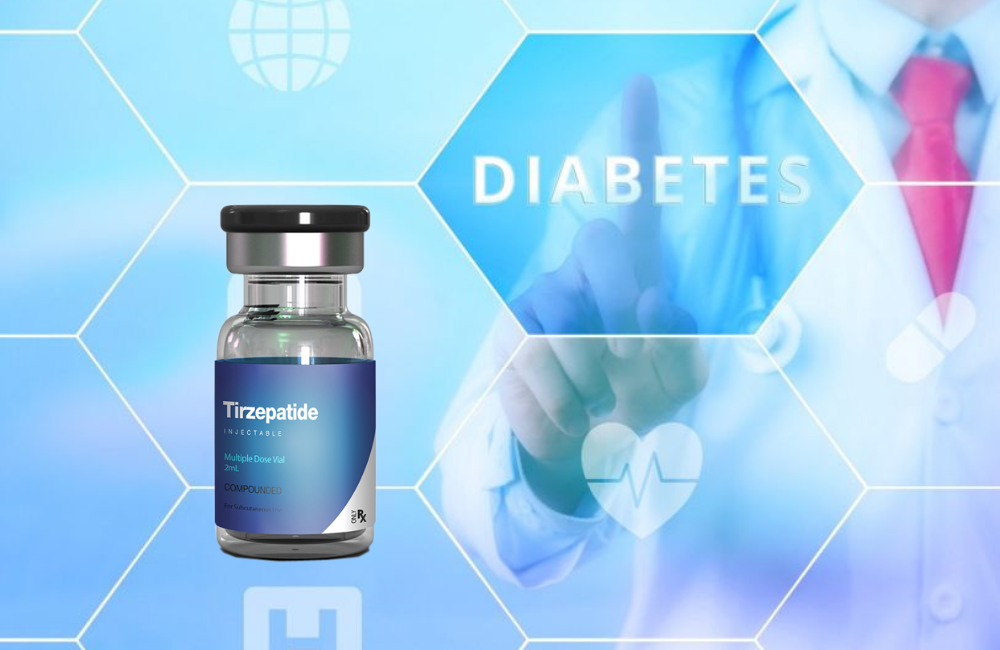
The question of whether generic tirzepatide is as good as Zepbound cannot be answered as asked, because there is no generic tirzepatide to compare. Products marketed under that label are almost always compounded tirzepatide, which is a fundamentally different category from a generic.
Category matters more than the label suggests. A generic drug must prove it delivers the same active ingredient in the same amount and behaves the same way in the body. A compounded preparation goes through no such review.
What Is the Difference Between Compounded Tirzepatide and Zepbound?
The difference between compounded tirzepatide and Zepbound is FDA approval and everything that follows from it: verified ingredients, consistent manufacturing, tested potency, and documented safety. Zepbound has all of that. Compounded preparations have none of it.
Manufacturing is the clearest divide. Zepbound is produced in inspected facilities under standardized quality controls, and Eli Lilly had to demonstrate safety, effectiveness, and consistency through the large-scale SURMOUNT trial program before approval. Compounded tirzepatide is mixed by individual pharmacies, and federal law regulates the type of facility rather than reviewing each product, so the FDA never tests an individual compounded batch before it reaches a patient.
Absence of batch testing has produced measurable harm. The FDA has identified more than 900 adverse event cases linked to compounded tirzepatide and semaglutide, including at least 17 confirmed deaths, according to figures compiled by the National Association of Manufacturers. Those numbers likely undercount the real total, because federal law does not require compounding pharmacies to report adverse reactions to the FDA database.
Reported problems fall into recognizable groups: bacterial contamination and sterility failures, samples containing incorrect ingredients or no active medication at all, dosing and measurement errors from hand-mixed batches, and unapproved delivery formats such as tablets and nasal sprays that have never been evaluated for absorption or safety.
Regulatory footing has also narrowed. Tirzepatide entered the FDA shortage list in December 2022, which temporarily allowed pharmacies to produce copies. The FDA resolved that shortage in late 2024 and the exception expired. Today a pharmacy may prepare compounded tirzepatide only when a prescriber documents that the approved product cannot meet a specific patient need, such as an allergy to an inactive ingredient.
Why Does the Same Drug Have Two Brand Names?
The same drug carries two brand names because the FDA approves medications for specific indications, and Eli Lilly registered tirzepatide separately for weight management and for type 2 diabetes. Zepbound is the weight management brand. Mounjaro is the diabetes brand.
Indication-based branding is standard practice in this drug class rather than something unique to tirzepatide. Novo Nordisk does exactly the same thing with semaglutide, selling it as Wegovy for weight management and Ozempic for diabetes.
Separate brands create separate lanes through the healthcare system. A prescription written for Zepbound signals weight management to the pharmacy and the insurer. One written for Mounjaro signals diabetes. Those signals determine eligibility checks, prior authorization requirements, and coverage decisions, which is why the paperwork can feel like it matters more than the medicine.
Is Zepbound More Effective in Weight Loss Than Mounjaro?
No, Zepbound is not more effective than Mounjaro, because both contain the identical tirzepatide molecule at identical strengths. Any difference patients experience between the two comes from dose, adherence, or individual response rather than from the product itself.
Identical also extends to the dosing schedule. Both follow the same weekly injection rhythm and the same titration ladder, starting at 2.5 mg and stepping up in 2.5 mg increments every four weeks as tolerated, to a maximum of 15 mg per week. Both come in six strengths across that range. Both are self-administered under the skin.
What genuinely differs sits outside the syringe.
| Zepbound | Mounjaro | |
|---|---|---|
| Active ingredient | Tirzepatide | Tirzepatide |
| FDA-approved for | Chronic weight management; moderate-to-severe obstructive sleep apnea in adults with obesity | Type 2 diabetes |
| Who qualifies | BMI 30 or higher, or 27 or higher with a weight-related condition | Adults with type 2 diabetes |
| Dosing | 2.5 mg weekly to a 15 mg maximum, 2.5 mg steps every 4 weeks | Identical |
| Coverage pathway | Often restricted or excluded by plans that do not cover weight loss drugs | More commonly covered as a diabetes medication |
| Manufacturer | Eli Lilly | Eli Lilly |
Sources: FDA prescribing information; UCHealth, Dr. Cecilia Low Wang; Doctronic, medically reviewed.
Coverage is where most patients feel the difference in practice, and it has nothing to do with how well the drug works.
Is Semaglutide the Same as Wegovy?
Yes, semaglutide is the same as Wegovy, following the exact pattern as tirzepatide and Zepbound. Semaglutide is the active ingredient. Wegovy is the brand name Novo Nordisk uses when that ingredient is prescribed for weight management.
Ozempic completes the pair. It contains the same semaglutide, branded for type 2 diabetes, and the two carry different approved doses alongside their different indications. Rybelsus is a third form, an oral tablet containing semaglutide, approved for type 2 diabetes, and it produces less weight loss than the injectable versions.
Recognizing the pattern once makes the whole category easier to read. Published semaglutide results apply to the molecule, so trial data collected under one brand name describes the same medicine sold under the other.
Is Semaglutide the Same as Tirzepatide?
No, semaglutide and tirzepatide are not the same drug, and the difference is mechanical rather than cosmetic. Semaglutide activates one hormone receptor. Tirzepatide activates two.
Two pathways versus one is the distinction that matters. Semaglutide is a single-agonist medication that works on the GLP-1 receptor, slowing gastric emptying and signaling fullness to the brain. Tirzepatide is a dual agonist that engages the GLP-1 receptor and the GIP receptor together, and the added GIP activity affects how the body stores and breaks down energy and improves insulin sensitivity.
Dr. Cecilia Low Wang, an endocrinology and metabolism specialist at UCHealth and a former chair of the FDA advisory committee on endocrine and metabolic drugs, described tirzepatide as belonging to a completely new drug class, a combination peptide, and noted that the dual agonist approach appears to produce more weight loss than medications activating only one pathway. The mechanics behind both are covered further in how weight loss injections act on appetite.
Is Liraglutide the Same as Semaglutide?
No, liraglutide is not the same as semaglutide. Both are GLP-1 receptor agonists in the same drug family, but they are distinct molecules with different dosing schedules. Liraglutide is injected daily and sold as Saxenda for weight management and Victoza for diabetes. Semaglutide is injected weekly.
Frequency alone changes the experience considerably. A daily injection and a weekly one place very different demands on a routine, which is one reason the weekly medications have largely overtaken the older daily option.
Is GLP-1 the Same as Semaglutide?
No, GLP-1 is not the same as semaglutide, because GLP-1 is a category and semaglutide is one medication within it. The relationship runs the same way as “antibiotic” and “amoxicillin.”
GLP-1 originally names a hormone. Glucagon-like peptide-1 is produced naturally by the small intestine after eating, and it regulates blood sugar, prompts insulin release, slows stomach emptying, and signals fullness. Medications in this class are properly called GLP-1 receptor agonists because they mimic that hormone.
Common usage collapsed the term. People now say “GLP-1” to mean any of these medications, which is why the category name and individual drug names get treated as interchangeable. Here is how the names actually sort out.
| Name | What It Is | Same As |
|---|---|---|
| Tirzepatide | Active ingredient, dual GIP and GLP-1 agonist | Zepbound, Mounjaro |
| Zepbound | Brand name for weight management | Tirzepatide, Mounjaro |
| Mounjaro | Brand name for type 2 diabetes | Tirzepatide, Zepbound |
| Semaglutide | Active ingredient, GLP-1 agonist | Wegovy, Ozempic, Rybelsus |
| Wegovy | Brand name for weight management | Semaglutide, Ozempic |
| Ozempic | Brand name for type 2 diabetes | Semaglutide, Wegovy |
| Rybelsus | Oral semaglutide tablet for diabetes | Same ingredient, different form |
| Liraglutide | Active ingredient, daily GLP-1 agonist | Saxenda, Victoza |
| Semglee | Insulin glargine, a long-acting insulin | Nothing above. Not a GLP-1. |
Sources: FDA prescribing information; UCHealth; Cleveland Clinic.
Newer compounds continue to arrive in this space, including triple-agonist molecules, and retatrutide is one worth watching as the category expands.
Is Semglee the Same as Semaglutide?
No, Semglee is not the same as semaglutide, and this one is worth flagging clearly because the names look almost identical. Semglee is a brand of insulin glargine, a long-acting insulin used to manage blood sugar in diabetes. It is not a GLP-1 receptor agonist and it is not used for weight loss.
Similar spellings on medication names are a known safety issue, and pharmacies build checks around exactly this kind of pair. Read the active ingredient line on your prescription rather than relying on how the brand name looks.
Does the Brand Name Affect How Well It Works?
No, the brand name does not affect how well the medication works, though it does affect what you pay and whether your prescription gets filled. The molecule performs the same regardless of what is printed on the box.
Insurers and pharmacies read the approved indication on the label rather than the chemistry. Many commercial plans cover a tirzepatide prescription written as Mounjaro for diabetes while restricting or excluding the same molecule written as Zepbound for weight loss, and plans often require prior authorization or documentation of a weight-related condition before approving the weight management version.
Documentation is where a supervised program earns its keep. When patients at our Lee’s Summit office run into a coverage question, having lab work and a documented clinical history already on file makes the conversation with an insurer far shorter. Anyone starting GLP-1 therapy should check their own plan’s formulary before assuming either way.
Can You Switch From Mounjaro to Zepbound?
Yes, you can switch from Mounjaro to Zepbound, and because the molecule and the dose strengths are identical, the transition is usually straightforward. Your prescriber decides whether you continue at your current dose or make an adjustment.
Adjustments depend on your history rather than a fixed rule. Here is what the switch typically involves:
- Confirm you meet the Zepbound indication. Weight management approval requires a BMI of 30 or higher, or 27 or higher with a weight-related condition.
- Review your current dose and tolerance. Patients already stable on a given strength usually continue at that strength.
- Check your plan’s formulary. Coverage frequently differs between the two brands even though the drug does not.
- Get the new prescription written for the correct indication. Filling one brand under the other’s label creates problems at the pharmacy.
- Keep the same injection day. Continuity of the weekly rhythm keeps blood levels steady.
- Watch the first few weeks. Report anything unexpected, though most patients notice no change at all.
Switching from a compounded product to a branded one follows a similar path with one extra consideration, since compounded vials vary in concentration and your prescriber will confirm what dose you have actually been receiving.
Patients moving onto weekly GLP-1 injections from any prior product get that dose confirmed in writing before the first injection rather than estimated.
What Does Zepbound Treat That Mounjaro Does Not?
Zepbound holds an FDA approval for moderate-to-severe obstructive sleep apnea in adults with obesity, and Mounjaro does not. That approval makes Zepbound the only medication of its kind cleared for the condition.
The benefit works indirectly. Zepbound does not act on the brain’s sleep centers or regulate sleep architecture. Obstructive sleep apnea occurs when the airway collapses during sleep, and fat deposits around the neck and airway are a major contributor to severity. As weight comes down, those deposits shrink, airway collapse decreases, and breathing improves.
Indirect mechanism does not make the effect less real. It does mean the approval applies specifically to sleep apnea driven by obesity rather than to cases caused by anatomical differences, where weight reduction would not address the underlying problem.
Who Qualifies for Zepbound?
Adults qualify for Zepbound with a BMI of 30 or higher, or a BMI of 27 or higher alongside at least one weight-related health condition such as high blood pressure, high cholesterol, or type 2 diabetes. Roughly 70% of US adults have a BMI in the overweight or obese range, according to the National Institute of Diabetes and Digestive and Kidney Diseases, though meeting a threshold is only the starting point.
Screening covers considerably more than a number. Dr. Low Wang has noted that an elevated BMI does not tell you everything about a person’s health, and that a fit, muscular person can carry a higher BMI without needing this medication at all.
The factors a provider evaluates before prescribing:
- Personal or family history of medullary thyroid carcinoma or Multiple Endocrine Neoplasia syndrome type 2, both of which rule the medication out entirely.
- Pregnancy or plans to become pregnant, since these medications are not used during pregnancy.
- History of pancreatitis or severe gastrointestinal disease, including severe gastroparesis, which has not been studied with this drug.
- Current medications, particularly insulin or sulfonylureas, which raise hypoglycemia risk in combination.
- History of depression or suicidal thoughts, since the manufacturer advises monitoring and immediate discontinuation if such thoughts occur.
- Baseline lab work, covering blood sugar, kidney and liver function, and lipids.
- Overall metabolic picture rather than the scale alone, including blood pressure, cholesterol, and body composition.
Our medical weight loss program works through all of that at the first visit in Lee’s Summit rather than treating a BMI number as the whole assessment.
Assessment on that scale is why whether someone is a good candidate is a broader question than any single measurement answers.
What Results Do People See on Tirzepatide?
People without diabetes taking the 15 mg dose of tirzepatide lost an average of 18% of their body weight, according to FDA data cited by UCHealth, with some study participants losing as much as 21%. Participants who also had diabetes lost an average of 12%, a consistent pattern across this drug class.
Averages sit inside a wide range. A medically reviewed summary from Maven Clinic places trial outcomes between 16% and 22.5% of body weight over 72 weeks, and those results came from participants who were also following reduced-calorie eating and increased physical activity. Individual results vary considerably based on starting weight, adherence, and metabolic factors.
Seventy-two weeks is the other number worth holding onto. These are not short-term figures, and the trajectory depends heavily on what happens alongside the medication. Dr. Low Wang has been direct that these drugs are not a replacement for healthy lifestyle changes.
Lifestyle changes shape the composition of the loss as much as its size, and knowing what to eat while appetite is suppressed determines how much comes from fat rather than muscle.
The published tirzepatide results reflect that combination rather than the injection alone.
Frequently Asked Questions
Which Body Part Loses Fat First?
No medication or diet directs fat loss to a chosen body part, and where you lose first is determined largely by genetics and hormones. Visceral fat around the abdominal organs often responds early, which is the fat most closely linked to blood pressure, cholesterol, and blood sugar problems. Substantial loss in any area can leave loose skin behind, which is a separate concern from the fat itself.
Is Compounded Semaglutide the Same as Wegovy?
Compounded semaglutide is not the same as Wegovy. Wegovy is FDA-approved, manufactured under inspected quality controls, and tested for potency and purity. Compounded semaglutide is mixed by individual pharmacies without FDA review of the finished product, so concentration and contents cannot be verified the same way.
Do Zepbound and Mounjaro Have the Same Side Effects?
Zepbound and Mounjaro have the same side effects, because they contain the same medication. The most common are nausea, vomiting, diarrhea, decreased appetite, constipation, and abdominal discomfort. Most patients tolerate the medication well, and symptoms typically ease as the body adjusts.
Is Rybelsus the Same as Ozempic?
Rybelsus and Ozempic contain the same active ingredient, semaglutide, but they are not interchangeable. Rybelsus is a daily oral tablet approved for type 2 diabetes, while Ozempic is a weekly injection. Rybelsus produces less weight loss than the injectable forms.
Does Zepbound Work if You Do Not Have Diabetes?
Zepbound works for people without diabetes, and trial data show they tend to lose more weight than participants who do have diabetes. FDA figures cited by UCHealth put average loss at 18% for participants without diabetes at the highest dose, compared with 12% for those with it.
What Should You Ask Before Switching Brands?
Ask whether your current dose carries over, whether your plan covers the new brand, whether prior authorization is needed, and what documentation your prescriber will need to provide. Also confirm the injection day stays the same. Patients pairing medication with other supportive options sometimes ask about slimming shots during the same visit.
Wrapping It Up
Zepbound and tirzepatide are the same drug, one named for the ingredient and one named for the product. Mounjaro is that same molecule with a different approved indication, and semaglutide follows the identical pattern through Wegovy and Ozempic. The naming looks chaotic from the outside, but it resolves into one simple rule: the ingredient name tells you how the medicine works, and the brand name tells you what it was approved to treat and how your insurance will handle it. Two things worth remembering past that. There is no FDA-approved generic tirzepatide, so anything advertised as one is compounded rather than generic. And Semglee, despite the spelling, is insulin and has nothing to do with semaglutide.
Sorting out which product fits your situation is a conversation rather than a lookup, since it depends on your labs, your history, your indication, and your coverage. At Slimming Solutions Med Spa, weight management runs as a supervised program with screening up front and the same team throughout, using FDA-approved medications matched to what you actually qualify for.
Questions before starting are always welcome, and a consultation is a good place to begin.
This article is for general education and is not medical advice. Compounded medications are not FDA-approved and are not reviewed by the FDA for safety, effectiveness, or quality. Individual results vary. Talk with a licensed provider about your specific situation.
![[thumb]](https://slimmingsolutionsspa.com/wp-content/uploads/2023/12/botox1-150x150.png)
![[thumb]](https://slimmingsolutionsspa.com/wp-content/uploads/2023/12/Before2-150x150.png)
![[thumb]](https://slimmingsolutionsspa.com/wp-content/uploads/2023/12/Before3-150x150.png)


![[thumb]](https://slimmingsolutionsspa.com/wp-content/uploads/2023/12/revanesse-versa-1-150x150.png)
![[thumb]](https://slimmingsolutionsspa.com/wp-content/uploads/2023/12/revanesse-versa-2-150x150.png)
![[thumb]](https://slimmingsolutionsspa.com/wp-content/uploads/2023/12/revanesse-versa-3-150x150.png)
![[thumb]](https://slimmingsolutionsspa.com/wp-content/uploads/2023/12/revanesse-versa-4-150x150.png)
![[thumb]](https://slimmingsolutionsspa.com/wp-content/uploads/2023/12/revanesse-versa-5-150x150.png)
![[thumb]](https://slimmingsolutionsspa.com/wp-content/uploads/2024/01/Eyebrow-treatment-1-1-150x150.png)
![[thumb]](https://slimmingsolutionsspa.com/wp-content/uploads/2023/12/Skin-Rejuvenation-1-150x150.png)
![[thumb]](https://slimmingsolutionsspa.com/wp-content/uploads/2023/12/Skin-Rejuvenation-2-150x150.png)


![[thumb]](https://slimmingsolutionsspa.com/wp-content/uploads/2024/01/Lip-Filler-1-150x150.png)
![[thumb]](https://slimmingsolutionsspa.com/wp-content/uploads/2024/01/Lip-Filler-2-150x150.png)
![[thumb]](https://slimmingsolutionsspa.com/wp-content/uploads/2025/02/Lip-Filler-1-150x150.png)
![[thumb]](https://slimmingsolutionsspa.com/wp-content/uploads/2024/01/Lip-Filler-150x150.jpg)
![[thumb]](https://slimmingsolutionsspa.com/wp-content/uploads/2024/01/Before-1-150x150.jpg)

![[thumb]](https://slimmingsolutionsspa.com/wp-content/uploads/2024/01/RHA-Treatmetn-3-150x150.png)
![[thumb]](https://slimmingsolutionsspa.com/wp-content/uploads/2024/01/RHA-Treatmetn-2-150x150.png)
![[thumb]](https://slimmingsolutionsspa.com/wp-content/uploads/2024/01/RHA-Treatmetn-1-150x150.png)
![[thumb]](https://slimmingsolutionsspa.com/wp-content/uploads/2024/01/Thread-Lifts-1-150x150.png)
![[thumb]](https://slimmingsolutionsspa.com/wp-content/uploads/2024/01/Thread-Lifts-2-150x150.png)
![[thumb]](https://slimmingsolutionsspa.com/wp-content/uploads/2025/02/Lip-Filler-2-150x150.png)

![[thumb]](https://slimmingsolutionsspa.com/wp-content/uploads/2023/12/skin-reuvulation1-150x150.png)
![[thumb]](https://slimmingsolutionsspa.com/wp-content/uploads/2023/12/skin-rejuvulation-2-150x150.png)
![[thumb]](https://slimmingsolutionsspa.com/wp-content/uploads/2023/12/Skin-Tighting-150x150.png)
![[thumb]](https://slimmingsolutionsspa.com/wp-content/uploads/2023/12/Before-150x150.jpg)
![[thumb]](https://slimmingsolutionsspa.com/wp-content/uploads/2023/12/weightloss-1-150x150.png)
![[thumb]](https://slimmingsolutionsspa.com/wp-content/uploads/2023/12/weightloss-2-150x150.png)
![[thumb]](https://slimmingsolutionsspa.com/wp-content/uploads/2023/12/2Weight-Loss-2-150x150.png)
![[thumb]](https://slimmingsolutionsspa.com/wp-content/uploads/2025/02/Weight-Loss-1-new-150x150.png)
![[thumb]](https://slimmingsolutionsspa.com/wp-content/uploads/2023/12/Weight-Loss-3-150x150.png)
![[thumb]](https://slimmingsolutionsspa.com/wp-content/uploads/2025/03/Slimming-Solutions-BA-Template-150x150.png)


![[thumb]](https://slimmingsolutionsspa.com/wp-content/uploads/2023/12/dat3-150x150.png)
![[thumb]](https://slimmingsolutionsspa.com/wp-content/uploads/2023/12/dat-0-150x150.png)
![[thumb]](https://slimmingsolutionsspa.com/wp-content/uploads/2023/12/dat-1-150x150.png)
![[thumb]](https://slimmingsolutionsspa.com/wp-content/uploads/2023/12/Before-1-150x150.png)

![[thumb]](https://slimmingsolutionsspa.com/wp-content/uploads/2024/01/EMS-Treatment-2-150x150.png)
![[thumb]](https://slimmingsolutionsspa.com/wp-content/uploads/2024/01/EMS-Treatment-1-150x150.png)
![[thumb]](https://slimmingsolutionsspa.com/wp-content/uploads/2025/02/ems-BNA-front-150x150.png)
![[thumb]](https://slimmingsolutionsspa.com/wp-content/uploads/2025/02/EMS-bna-SIDE-150x150.png)
![[thumb]](https://slimmingsolutionsspa.com/wp-content/uploads/2024/01/EMS-Treatment-6-150x150.png)