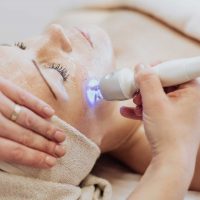

Yes, RF microneedling is worth it for most people seeking skin tightening, wrinkle reduction, and texture improvement. The treatment combines microneedling with radiofrequency energy to stimulate collagen production deep in your skin, creating results that last 12 to 18 months. According to the Journal of Cosmetic Dermatology, 87% of patients report visible improvement in skin quality after a series of treatments. While it costs more than regular microneedling, the enhanced results and longer-lasting benefits make it a worthwhile investment for addressing aging skin, acne scars, and loose skin.
This article covers everything you need to know about RF microneedling. We’ll walk through what it does, how many sessions you need, what results to expect, and whether it’s better than regular microneedling.
What Does Radio Frequency Microneedling Do?
Radio frequency microneedling combines two powerful skin rejuvenation techniques into one treatment. The microneedles create controlled micro-injuries in your skin while simultaneously delivering radiofrequency energy into the deeper layers.
The microneedles penetrate your skin to precise depths, typically 0.5 to 3.5 millimeters depending on the treatment area and concern. These tiny channels trigger your body’s natural healing response, which includes producing fresh collagen and elastin.
The radiofrequency energy heats tissue to about 122 to 167 degrees Fahrenheit. This heat causes immediate collagen contraction and stimulates long-term collagen production. According to the American Academy of Dermatology, RF energy can reach depths that topical products can’t, making it more effective for deep skin rejuvenation.
The combination works better than either treatment alone. The microneedles create pathways for the RF energy to penetrate deeper, while the heat enhances the skin’s healing response. A study in Dermatologic Surgery found that RF microneedling produced 40% better results than regular microneedling.
RF microneedling treats multiple skin concerns at once. It tightens loose skin by stimulating collagen production. It reduces fine lines and wrinkles by plumping the skin from within. It improves acne scars by remodeling damaged tissue.
The treatment also addresses skin texture issues. The Journal of Cosmetic and Laser Therapy reports that RF microneedling improved skin texture by 45% after three treatments. Patients noticed smoother, more refined skin with smaller pores.
It works on enlarged pores too. The heat from the RF energy causes the tissue around pores to contract, making them appear smaller. Many of our Kansas City clients love how much smoother their skin looks after a series of treatments.
RF microneedling can treat skin laxity on the face, neck, and body. Common treatment areas include the forehead, around the eyes, cheeks, jawline, neck, abdomen, arms, and thighs. Anywhere you have loose or aging skin can benefit.
The treatment stimulates collagen production for months after your session. You’re not just seeing immediate results from the heat and swelling. Your skin continues improving as new collagen forms over the next three to six months.
Want to learn more about how microneedling works? Our team in Lee’s Summit would be happy to answer your questions. Book a consultation today.
How Many RF Microneedling Sessions Do You Need?
Most people need three to five RF microneedling sessions for optimal results. The exact number depends on your skin concerns, your age, and how your skin responds to treatment.
For mild concerns like fine lines or early signs of aging, three sessions might be enough. For moderate concerns like deeper wrinkles, acne scarring, or noticeable skin laxity, you’ll probably need four to five sessions.
According to research published in the Journal of Drugs in Dermatology, patients who completed four RF microneedling sessions showed 60% greater improvement than those who had only two sessions. More treatments mean more collagen stimulation.
Sessions are typically spaced four to six weeks apart. This timing allows your skin to heal completely and start producing collagen before the next treatment. Spacing treatments too close together doesn’t give your skin enough time to respond.
The American Society for Dermatologic Surgery notes that collagen production peaks about three to four weeks after each treatment. That’s why monthly sessions work so well. You’re building on the collagen from the previous session.
Some people need additional sessions for specific concerns. Deep acne scars might require six to eight treatments. Severe skin laxity could need five to six sessions plus maintenance treatments.
After your initial series, you’ll need maintenance treatments to keep results looking fresh. Most people do one or two maintenance sessions per year. This keeps collagen production active and maintains the improvements you’ve achieved.
The International Society of Aesthetic Plastic Surgery reports that patients who do regular maintenance treatments maintain their results 75% longer than those who don’t. That small investment keeps you looking good for years.
Your provider will create a treatment plan based on your specific needs during consultation. They’ll examine your skin, discuss your goals, and recommend how many sessions you’ll need.
Here’s a general guideline for treatment numbers:
| Skin Concern | Typical Sessions Needed | Maintenance Frequency |
|---|---|---|
| Fine lines | 3-4 | 1-2 per year |
| Deep wrinkles | 4-5 | 2 per year |
| Acne scars | 4-6 | 1-2 per year |
| Skin laxity | 4-5 | 2 per year |
| Texture issues | 3-4 | 1-2 per year |
Thinking about trying RF microneedling? We can help you figure out if it’s right for you. Contact us to set up a time to chat.
What Are RF Microneedling Results?
RF microneedling results include tighter, firmer skin, reduced wrinkles, improved texture, and a more youthful appearance overall. Results develop gradually over several months as your body produces new collagen.
Most people notice some immediate improvement from the heat causing collagen contraction and mild swelling. But the real results show up over the next two to three months as fresh collagen forms.
According to the Journal of Cosmetic Dermatology, 87% of patients reported visible improvement in skin quality after completing a series of RF microneedling treatments. Common improvements included tighter skin, fewer wrinkles, and smoother texture.
Skin tightening is one of the most noticeable results. The RF energy stimulates collagen and elastin production, which firms and lifts sagging skin. Many people see improvement in jawline definition and reduced jowls.
A clinical trial in Dermatologic Surgery showed that RF microneedling improved skin laxity by 35% to 45% after a series of four treatments. Patients particularly loved the natural-looking lift they achieved without surgery.
Fine lines and wrinkles improve significantly. The increased collagen plumps the skin from within, smoothing out creases and lines. The American Academy of Dermatology reports that wrinkle depth decreased by an average of 40% after RF microneedling.
Skin texture gets much smoother. The treatment refines rough, uneven skin and reduces the appearance of enlarged pores. Research in the Journal of Clinical and Aesthetic Dermatology found that pore size decreased by 30% after three RF microneedling sessions.
Acne scars respond really well to RF microneedling. The treatment breaks down scar tissue and stimulates new, healthy collagen to replace it. A study in the Journal of Cosmetic and Laser Therapy showed that acne scar depth improved by 50% to 70% after a series of treatments.
Hyperpigmentation and sun damage can improve too. While RF microneedling isn’t specifically a pigment treatment, the skin renewal process can reduce discoloration. Many people notice more even skin tone after their sessions.
Skin looks more radiant and healthy overall. The improved circulation and collagen production give your complexion a natural glow. People often say they look more rested and refreshed.
Results continue improving for up to six months after your last treatment. Your body keeps producing collagen during this time, so your skin gets progressively better even after you’ve finished your sessions.
The Aesthetic Surgery Journal reports that 82% of RF microneedling patients were still satisfied with their results 12 months after treatment. That’s pretty good longevity for a non surgical option.
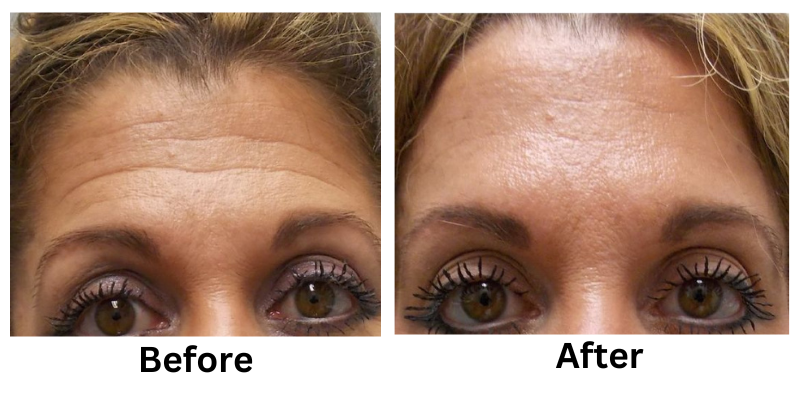
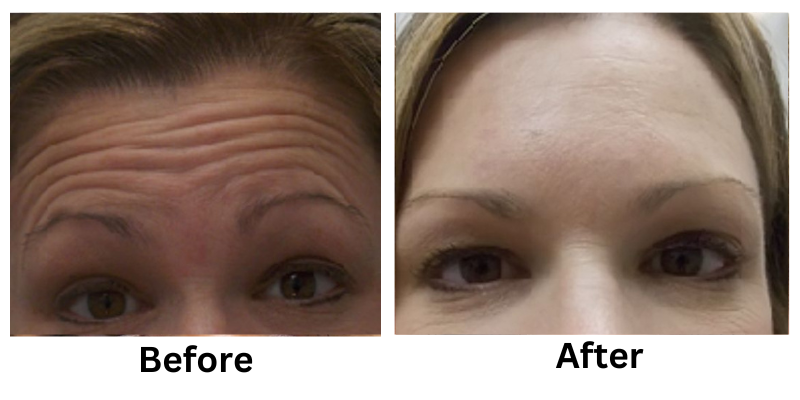
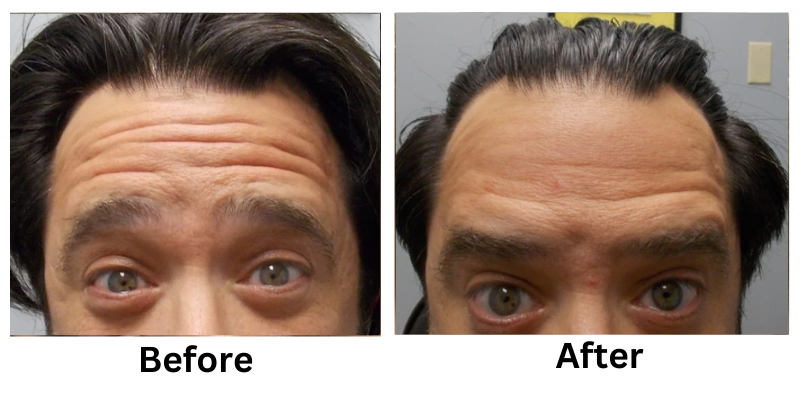
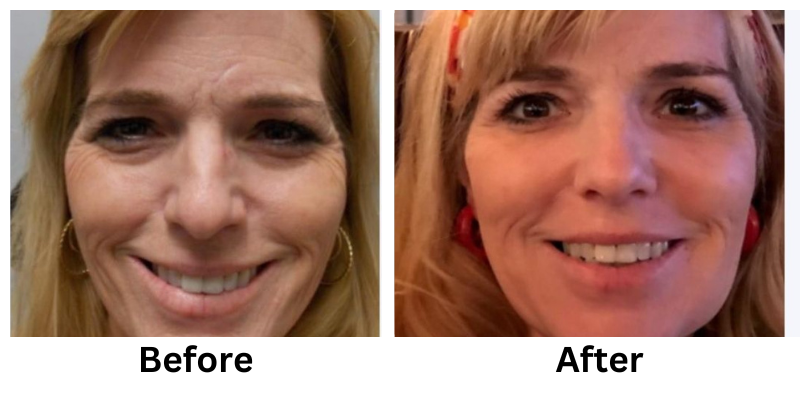
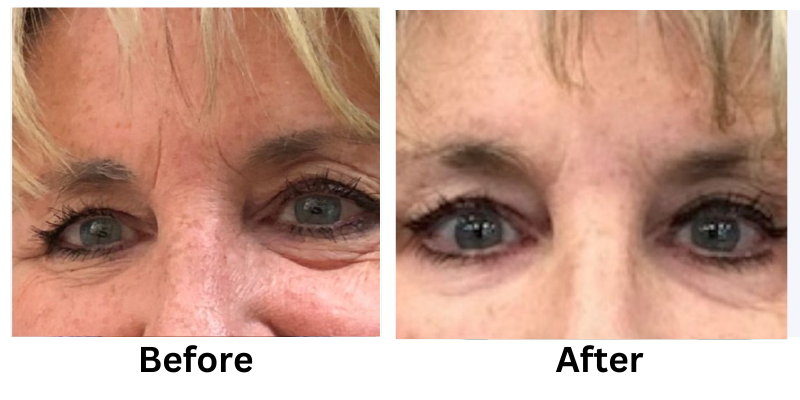
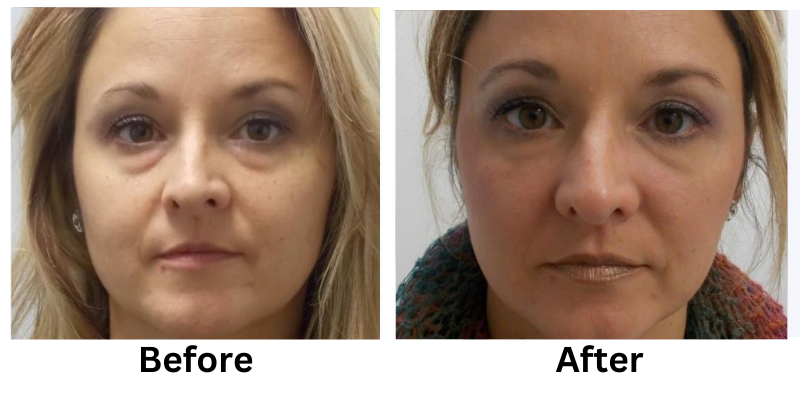
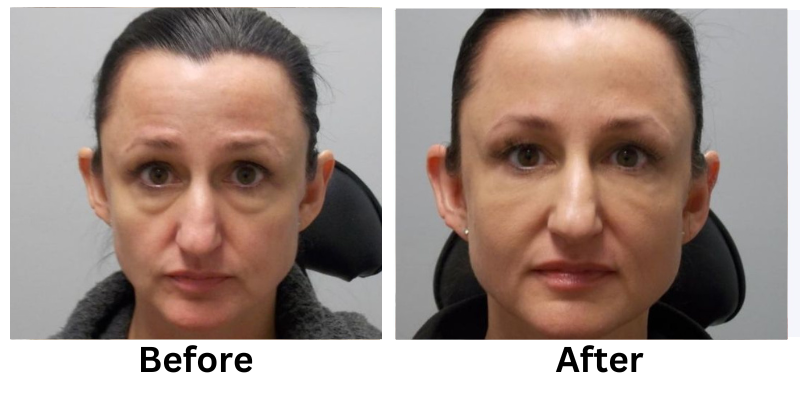
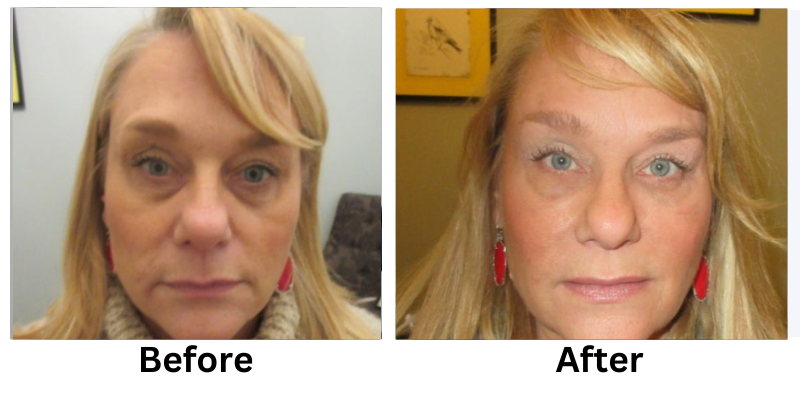
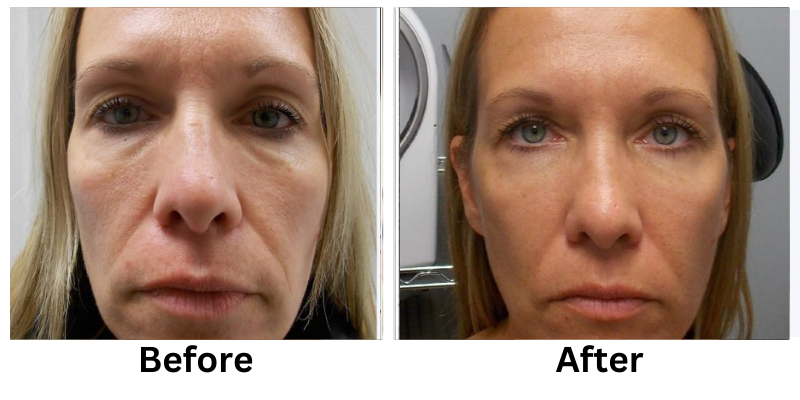
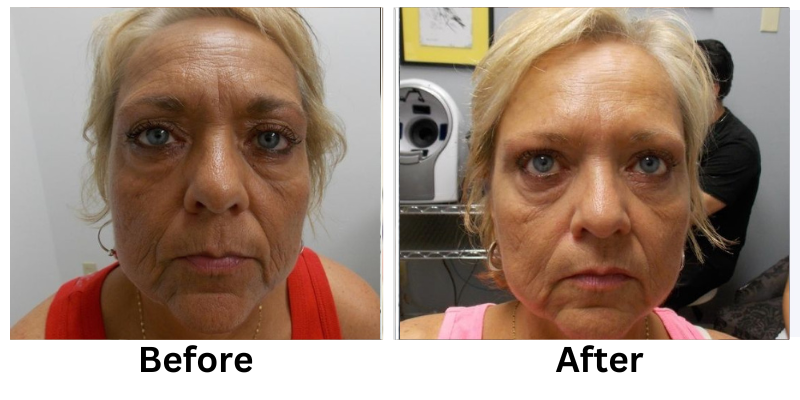
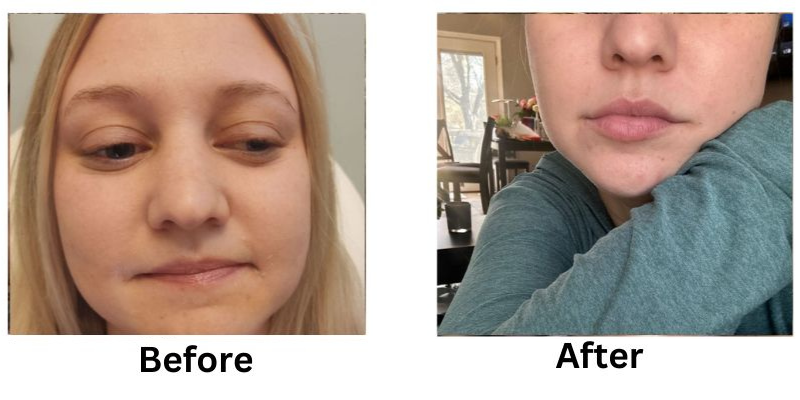
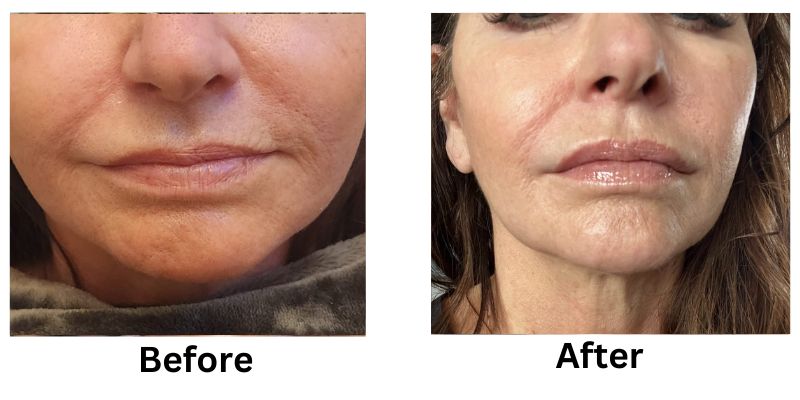
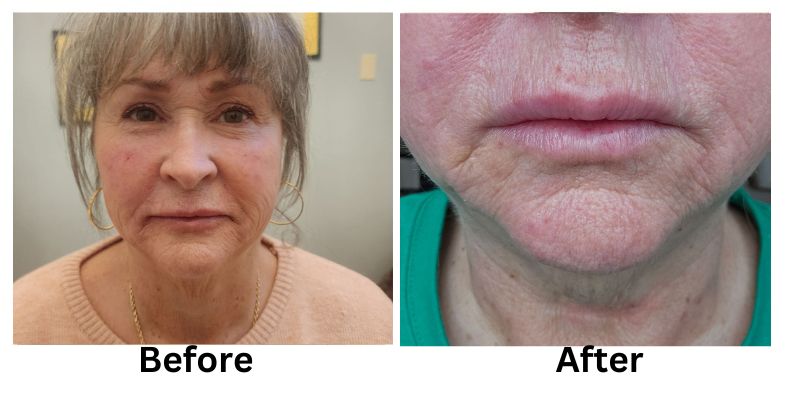
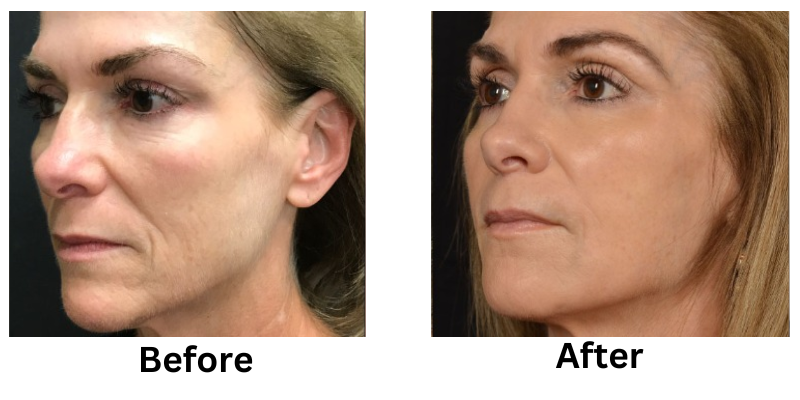
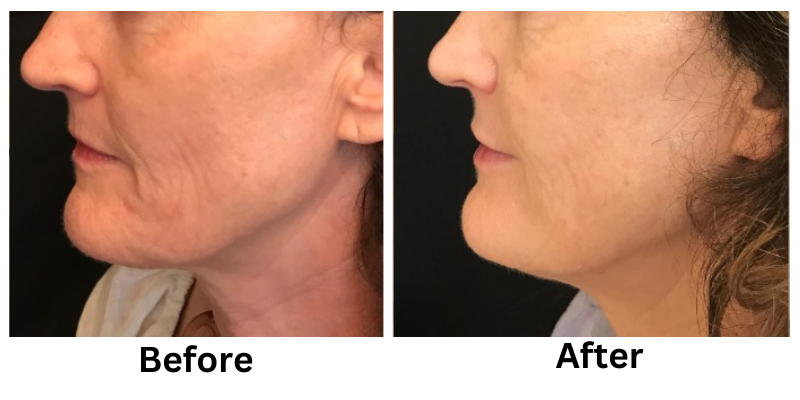
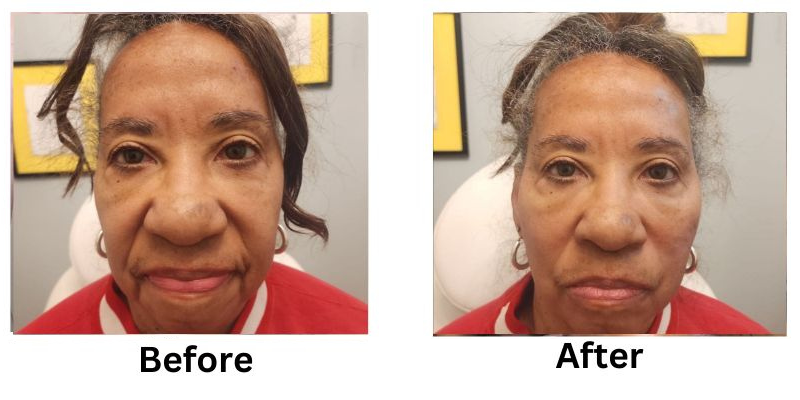
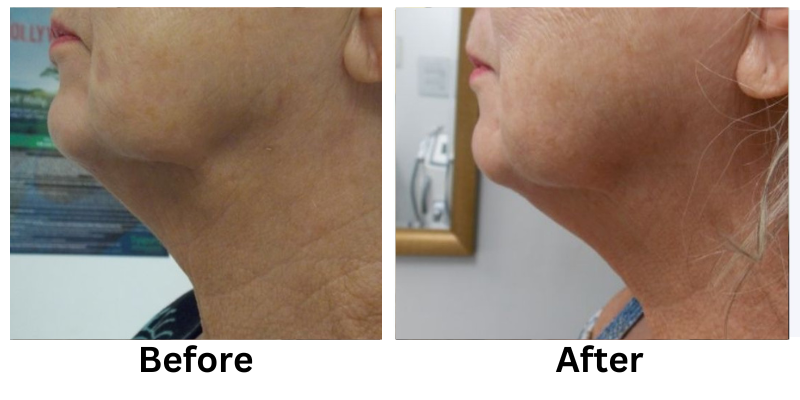
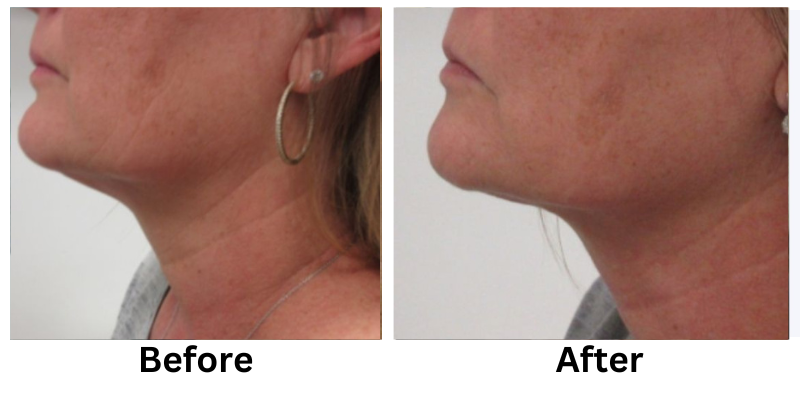
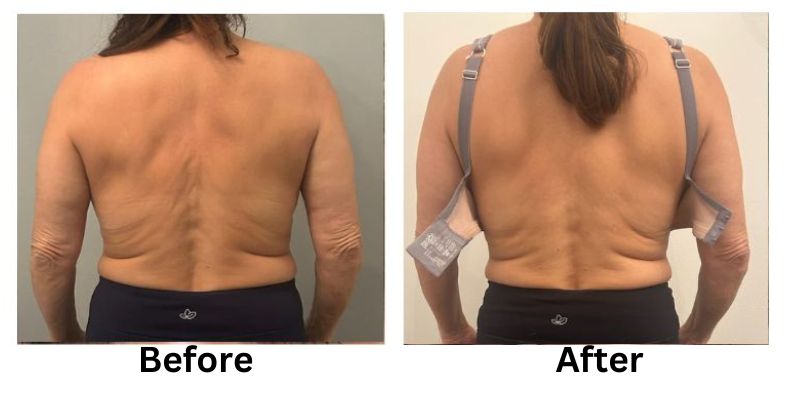
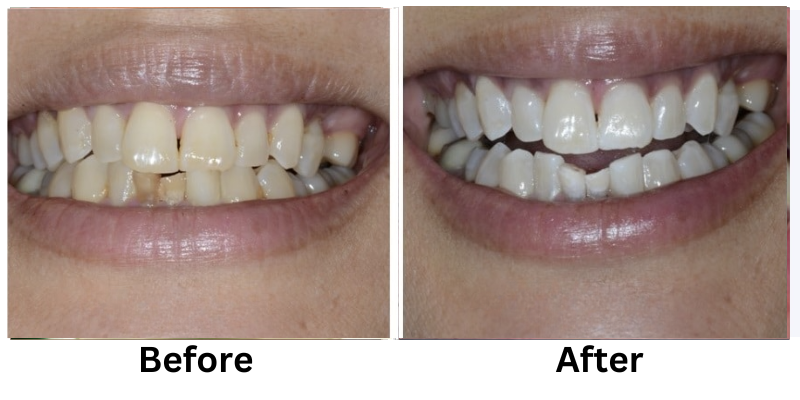
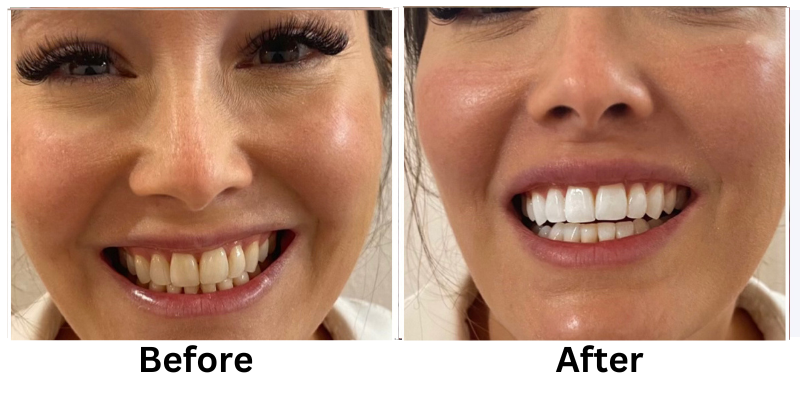
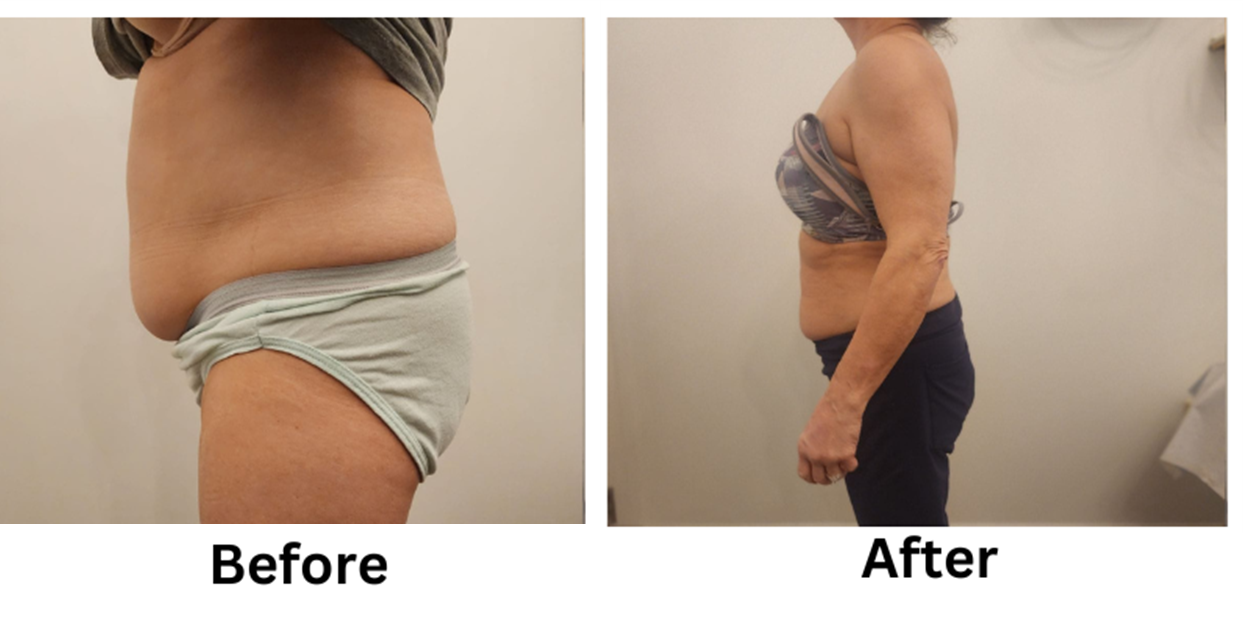
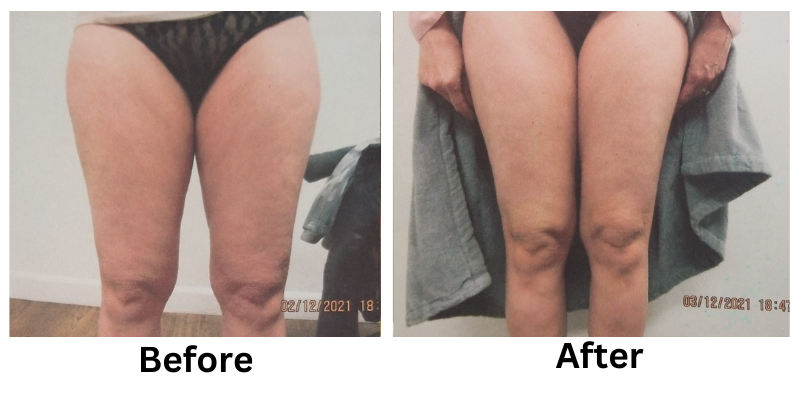
You can see some before and after results to get an idea of what RF microneedling can achieve. Real patient photos show the kind of improvement you might expect.
If you’re in the Kansas City area and curious about your options, schedule a consultation with us. We’re here to help.
Is RF Microneedling Better Than Regular?
Yes, RF microneedling is generally better than regular microneedling for most skin concerns. The addition of radiofrequency energy creates more dramatic and longer-lasting results.
Regular microneedling uses tiny needles to create micro-injuries in your skin. This triggers collagen production through your body’s natural healing response. It works well for improving texture, reducing fine lines, and treating mild acne scars.
RF microneedling does everything regular microneedling does, plus it delivers radiofrequency energy deep into your skin. That heat provides additional collagen stimulation and causes immediate tissue tightening that regular microneedling can’t achieve.
A comparative study in the Journal of Cosmetic Dermatology found that RF microneedling produced 40% better results than regular microneedling for skin tightening. The RF energy reached deeper layers of skin, creating more comprehensive rejuvenation.
For treating wrinkles, RF microneedling shows superior results. The American Academy of Dermatology reports that RF microneedling reduced wrinkle depth by 40% on average, compared to 25% for regular microneedling.
Skin laxity responds much better to RF microneedling. Regular microneedling can improve texture and fine lines, but it doesn’t provide the same tightening effect as the radiofrequency energy. If loose skin is your main concern, RF is the clear winner.
Acne scars improve with both treatments, but RF microneedling often works faster. Research in Dermatologic Surgery showed that RF microneedling achieved the same scar improvement in three sessions that regular microneedling achieved in five sessions.
The heat from RF energy also causes immediate collagen contraction. You get some instant tightening during the treatment itself, which you don’t get with regular microneedling. This immediate effect is mild, but it’s a nice bonus.
Results last longer with RF microneedling. The deeper collagen stimulation means improvements stick around for 12 to 18 months, compared to 6 to 12 months with regular microneedling.
RF microneedling does cost more. Sessions typically run $500 to $1,500 each, compared to $200 to $700 for regular microneedling. But many people feel the enhanced results justify the higher price.
Downtime is similar for both treatments. You’ll have redness and slight swelling for 24 to 48 hours regardless of which option you choose. Some people experience slightly more redness with RF microneedling due to the heat.
For very superficial concerns like mild texture issues or small pores, regular microneedling might be enough. But for addressing aging skin, deeper wrinkles, or skin laxity, RF microneedling provides better value despite the higher cost.
Here’s a quick comparison:
| Feature | Regular Microneedling | RF Microneedling |
|---|---|---|
| Depth of treatment | Surface to mid-dermis | Mid to deep dermis |
| Skin tightening | Mild | Moderate to significant |
| Results duration | 6-12 months | 12-18 months |
| Best for | Texture, fine lines | Wrinkles, laxity, scars |
| Cost per session | $200-$700 | $500-$1,500 |
Check out our article comparing microneedling vs RF microneedling for more detailed information.
Ready to take the next step? Request a consultation and let’s talk about what might work best for you.
Does RF Microneedling Hurt?
RF microneedling is generally well-tolerated, but it does cause some discomfort. Most people describe it as a prickling or warm sensation rather than actual pain.
Before treatment, a numbing cream gets applied to your skin for 30 to 45 minutes. This significantly reduces discomfort during the procedure. Most people feel pressure and warmth, but the numbing cream keeps it manageable.
The sensation changes as the device moves across your skin. Some areas are more sensitive than others. The forehead and around the mouth tend to be more comfortable. Areas with thinner skin, like around the eyes or on the neck, might feel more intense.
According to patient surveys in the Journal of Clinical and Aesthetic Dermatology, most people rate RF microneedling pain at 3 to 5 out of 10 with numbing cream. Without numbing, it would be closer to 6 to 8 out of 10.
The radiofrequency energy creates a warming sensation. It feels like someone is pressing a hot object against your skin. The heat is controlled and monitored throughout treatment to keep you comfortable.
Pain tolerance varies from person to person. Some people breeze through the treatment with minimal discomfort. Others find it more challenging. Your provider can adjust settings if you’re having trouble tolerating the treatment.
The American Society for Dermatologic Surgery reports that 92% of RF microneedling patients find the procedure tolerable with proper numbing. Most say the results are worth any temporary discomfort.
After treatment, your skin might feel tender or tight for a few hours. This feels similar to a mild sunburn. Most people don’t need pain medication, but you can take over-the-counter pain relievers if needed.
Some areas of your face are naturally more sensitive. The upper lip, nose, and areas close to bone tend to be more uncomfortable. Your provider will work carefully in these areas and can adjust the treatment depth if needed.
Compared to other skin treatments, RF microneedling falls somewhere in the middle for discomfort. It’s more uncomfortable than facials or chemical peels, but much less painful than laser resurfacing without anesthesia.
Many of our Lee’s Summit clients say the discomfort is totally manageable and worth it for the results they get. The treatment only lasts 30 to 45 minutes, so even if you’re uncomfortable, it’s over relatively quickly.
If you’re particularly nervous about pain, talk to your provider during consultation. They can discuss additional comfort measures or adjust the treatment plan to minimize discomfort.
Have questions? Our team loves talking about this stuff. Reach out anytime.
How Long Do RF Microneedling Results Last?
RF microneedling results typically last 12 to 18 months. Some people maintain visible improvements for up to two years, especially with good skincare and maintenance treatments.
Results develop gradually and peak around three to six months after your last session. That’s when collagen production reaches its maximum. Your skin continues improving during this time even though you’re not getting active treatments.
According to research in the Aesthetic Surgery Journal, 78% of patients still reported visible improvement 18 months after completing their RF microneedling series. That’s pretty impressive longevity for a non surgical treatment.
How long results last depends on several factors. Age plays a big role. Younger skin produces collagen faster and maintains results longer. The American Academy of Dermatology notes that people in their 30s and 40s tend to maintain results about 30% longer than those in their 50s and 60s.
Your skincare routine affects longevity. Using products with retinoids, vitamin C, and peptides supports collagen production between treatments. The Journal of Cosmetic Dermatology found that patients who followed a solid skincare routine maintained results 6 months longer than those who didn’t.
Sun protection is critical. UV exposure breaks down collagen. The Skin Cancer Foundation reports that daily sunscreen use can prevent up to 80% of skin aging. If you don’t protect your skin from the sun, your RF microneedling results will fade faster.
Lifestyle factors matter. Smoking breaks down collagen and reduces blood flow to your skin. According to research in the Journal of Dermatological Science, smokers lose their RF microneedling results about 40% faster than non-smokers.
Healthy habits support longer-lasting results. Eating a diet rich in antioxidants, staying hydrated, getting enough sleep, and managing stress all help maintain collagen production.
The specific concern being treated affects duration. Skin tightening results tend to last 12 to 18 months. Improvements in acne scars can last even longer since the scar tissue has been permanently remodeled. Texture improvements typically last 12 to 15 months.
Maintenance treatments extend your results significantly. Most people do one or two maintenance sessions per year. This keeps collagen production active and maintains the improvements you’ve achieved.
A study in the Journal of Cosmetic and Laser Therapy found that patients who did yearly maintenance treatments maintained 85% of their improvements at the two-year mark. Those who didn’t do maintenance maintained only about 50% of their improvements.
Your body continues aging, so RF microneedling won’t stop that process. But it can slow visible aging and keep your skin looking better than it would without treatment.
Many people here in the Kansas City area incorporate RF microneedling into their regular skincare routine. They do a series of treatments, maintain results for a year or two, then do another series. This keeps their skin looking consistently great.
What To Expect During RF Microneedling Treatment
Knowing what to expect helps you feel prepared and comfortable during RF microneedling. Here’s how a typical treatment goes from start to finish.
Your appointment starts with cleansing your skin thoroughly. All makeup, oil, and dirt need to be removed so the device can work properly. Your provider will examine your skin and discuss which areas to focus on.
Next comes numbing cream. A thick layer gets applied to all treatment areas. You’ll wait 30 to 45 minutes for it to take effect. Some people feel a slight tingling as the numbing kicks in. You can relax, read, or check your phone during this time.
Once you’re numb, your provider removes the cream and cleans your skin again. They’ll test a small area to make sure you’re comfortable before treating your entire face.
The RF microneedling device looks like a small handheld tool with a tip containing the microneedles. Your provider will adjust the settings based on your skin type and the area being treated.
The device stamps or glides across your skin in a systematic pattern. You’ll feel pressure and warmth as the needles penetrate and deliver RF energy. The sensation is tolerable but noticeable, even with numbing.
Your provider works methodically to cover all treatment areas. They’ll make multiple passes over each section to ensure thorough coverage. The whole treatment takes 30 to 45 minutes depending on how many areas you’re treating.
Some areas require lighter treatment than others. The skin around your eyes is thinner and more delicate, so the device uses shallower needle depth there. Areas with thicker skin, like your cheeks or forehead, can handle deeper penetration.
You might smell something during treatment. That’s normal. The RF energy can create a slight burning smell as it heats your tissue. Don’t worry, your skin isn’t actually burning.
After treatment, your provider applies a soothing serum or mask. This helps calm your skin and provides hydration. Your face will look very red, similar to a moderate sunburn.
You’ll receive aftercare instructions before leaving. These typically include avoiding sun exposure, using gentle cleansers, and applying specific products to support healing.
The American Society for Dermatologic Surgery reports that 89% of RF microneedling patients return to normal activities within 24 to 48 hours. Most people can go back to work the next day with some residual redness.
Immediate aftereffects include redness, slight swelling, and skin sensitivity. Your face might feel tight or warm for several hours. These effects are completely normal and show that the treatment is working.
If you’re curious about the process, schedule a consultation. We can walk you through everything and answer all your questions.
RF Microneedling Aftercare
Proper aftercare is critical for getting the best results and avoiding complications. Your skin is healing and producing new collagen, so you need to support that process.
For the first 24 hours, keep your skin clean but don’t over-wash it. Use a gentle, fragrance-free cleanser and lukewarm water. Pat dry with a clean towel, don’t rub.
Avoid makeup for at least 24 hours, ideally 48 hours. Your skin has thousands of tiny channels from the needles. Applying makeup too soon could introduce bacteria or irritants into those channels.
Don’t use any active ingredients like retinoids, vitamin C, or acids for at least 5 to 7 days. Your skin is too sensitive right now for these products. Stick to gentle, hydrating products only.
According to the American Academy of Dermatology, using a bland moisturizer and gentle cleanser during the healing period reduces complications by 60%. Keep it simple.
Apply a healing serum or cream as recommended by your provider. Many practices provide specific aftercare products designed for post-microneedling skin. Use them as directed.
Stay out of direct sunlight for at least one week. Your skin is more vulnerable to UV damage right now. If you must go outside, wear a physical sunscreen with zinc oxide or titanium dioxide. The Skin Cancer Foundation recommends SPF 30 or higher.
Don’t exercise or do anything that makes you sweat heavily for 24 to 48 hours. Sweat can irritate your healing skin and potentially cause inflammation or breakouts.
Avoid saunas, hot tubs, steam rooms, and very hot showers for one week. Heat can increase inflammation and interfere with healing.
Don’t pick at any flaking or peeling skin. Your skin will likely peel slightly as it heals. Let it come off naturally. Picking can cause scarring or hyperpigmentation.
Stay hydrated. Drink plenty of water to support your body’s healing process. Proper hydration helps your skin recover faster and produce collagen more effectively.
Sleep with your head elevated for the first night or two. This reduces swelling and keeps pressure off your face.
Expect some dryness and flaking around days 3 to 5. This is completely normal. Keep moisturizing regularly. The Journal of Clinical and Aesthetic Dermatology reports that patients who moisturize twice daily during healing maintain better results.
Redness should fade within 24 to 48 hours for most people. If you have sensitive skin or were treated more aggressively, it might last 3 to 5 days. Some people use green-tinted primer to neutralize redness once they can wear makeup again.
You can return to your regular skincare routine after about one week. Slowly reintroduce active ingredients, starting with milder products first.
Most people feel comfortable going out in public by day 2 or 3. The redness is manageable with makeup at that point, and most of the initial inflammation has settled.
Combining RF Microneedling With Other Treatments
Combining RF microneedling with other treatments often gives you better overall results. Different treatments address different skin concerns, so a multi-treatment approach makes sense.
Many people pair RF microneedling with Botox or dermal fillers. The RF microneedling improves skin quality and texture, while injectables address volume loss and dynamic wrinkles.
Timing matters when combining treatments. Most providers recommend doing Botox or fillers at least two weeks before or after RF microneedling. This prevents the needles from affecting how the injectables settle.
Chemical peels can complement RF microneedling nicely. The peel addresses surface-level concerns like pigmentation, while RF microneedling works on deeper structural issues. Space these treatments at least four weeks apart.
Some people combine RF microneedling with laser treatments. Lasers are great for pigmentation and vascular issues, while RF microneedling excels at texture and tightening. You’re addressing multiple aging concerns at once.
The Journal of Cosmetic Dermatology published research showing that combination treatments improved patient satisfaction scores by 35% compared to single treatments. People loved the comprehensive results.
Here in Lee’s Summit, we often create customized treatment plans that incorporate multiple modalities. You might start with RF microneedling for texture and tightening, add Botox for forehead lines, and use Sculptra for volume restoration.
Exosome therapy is sometimes added to RF microneedling sessions. Exosomes are applied immediately after microneedling when the channels are open. They can enhance healing and boost collagen production.
Some practices use PDO threads in combination with RF microneedling. The threads provide immediate lift, while RF microneedling improves overall skin quality. This combo works well for addressing sagging and texture issues together.
At-home skincare plays a role too. Using quality products with peptides, retinoids, and antioxidants between RF microneedling sessions supports collagen production and maintains results longer.
Not everyone needs multiple treatments right away. Many people start with RF microneedling and add other options based on results. You might do a series of RF sessions first, then consider adding fillers or Botox if you want to address other concerns.
Budget considerations affect treatment planning. Combining treatments costs more upfront but can provide better overall value by addressing multiple concerns efficiently.
Cost Of RF Microneedling
RF microneedling costs more than regular microneedling but less than surgical options. Prices vary based on your location, the provider’s experience, and how many areas you’re treating.
Most RF microneedling sessions cost $500 to $1,500 per treatment. Face treatments typically run $800 to $1,200. Larger areas like the neck and chest or abdomen cost more, usually $1,000 to $1,500.
You’ll need three to five sessions for optimal results, so the total investment ranges from $2,400 to $7,500 for a complete series. That might seem like a lot, but compare it to surgical facelifts, which cost $8,000 to $15,000 according to the American Society of Plastic Surgeons.
Some practices offer package deals that reduce the per-session cost. You might save 10% to 20% by purchasing multiple sessions upfront. At Slimming Solutions Med Spa, we work with clients to create treatment plans that fit their budget.
Geographic location affects pricing. RF microneedling in major metropolitan areas typically costs more than in smaller cities. Here in the Kansas City area, prices are generally more affordable than in places like Los Angeles or New York.
The provider’s experience and credentials can influence cost. Board-certified dermatologists or plastic surgeons often charge more than medical spas. You’re paying for expertise and peace of mind.
The specific device used matters too. Different RF microneedling systems have varying capabilities and costs. More advanced devices with better technology typically cost more per session.
Many people find that RF microneedling provides good value despite the cost. You’re getting significant improvement without surgery, without permanent scarring, and with minimal downtime. The results last 12 to 18 months, which is pretty good longevity.
Maintenance treatments add to the long-term cost. Plan on spending $800 to $1,200 once or twice per year to maintain your results. Over five years, that’s an additional $4,000 to $12,000.
Insurance never covers RF microneedling since it’s considered cosmetic. All costs are out-of-pocket. However, some practices offer financing options that let you pay over time rather than all at once.
When considering cost, think about the per-month investment. If a series costs $4,000 and results last 18 months, that’s about $222 per month. Many people find that more manageable than thinking about the lump sum.
Compare RF microneedling costs to regular maintenance of Botox and fillers. If you’re already spending $3,000 to $5,000 per year on injectables, adding RF microneedling might actually improve your results while reducing how often you need other treatments.
If you’re curious about pricing for your specific situation, schedule a consultation. We can give you accurate pricing based on your individual needs and goals.
Who Is A Good Candidate For RF Microneedling?
Good candidates for RF microneedling have mild to moderate skin concerns and realistic expectations. The treatment works for most people, but some are better candidates than others.
You should be in generally good health. RF microneedling is safe for almost everyone, but certain medical conditions might affect your candidacy. Active skin infections, keloid scarring tendencies, or certain autoimmune conditions could be contraindications.
People with mild to moderate skin laxity respond really well. If you’re noticing early sagging or looseness but don’t need a facelift yet, RF microneedling can provide nice improvement.
Those with fine lines and wrinkles are great candidates. The collagen stimulation plumps skin and smooths out creases. According to the American Academy of Dermatology, people in their 30s to 60s see the most dramatic improvements.
RF microneedling works excellently for acne scars. If you have ice pick, rolling, or boxcar scars, RF microneedling can significantly improve their appearance. The Journal of Cosmetic Dermatology reports that 75% of acne scar patients saw at least 50% improvement.
People concerned about skin texture and enlarged pores benefit greatly. The treatment refines rough skin and minimizes pore size by stimulating collagen around pores.
Those with sun damage or uneven skin tone can see improvement. While RF microneedling isn’t primarily a pigment treatment, the skin renewal process often reduces discoloration and creates more even tone.
Realistic expectations are critical. RF microneedling creates noticeable improvement, but it won’t give you the same dramatic results as a surgical facelift. If you’re looking for moderate enhancement and are patient enough to wait for gradual results, you’ll probably be happy.
You should be willing to do multiple treatments. One session won’t give you the results you want. You need to commit to a series of three to five sessions for optimal improvement.
Most skin types can safely have RF microneedling. The treatment is generally safe for darker skin tones, unlike some lasers that carry higher risk of pigmentation changes. The Journal of Drugs in Dermatology found that RF microneedling had low complication rates across all skin types.
You should be a non-smoker or willing to quit. Smoking interferes with healing and collagen production. It can significantly reduce your results.
Patience is important. Results develop gradually over months. If you want instant transformation, you might be frustrated with how slowly improvements appear.
You should be willing to follow aftercare instructions carefully. Proper aftercare is critical for getting good results and avoiding complications.
Final Thoughts
RF microneedling is absolutely worth it for most people seeking skin rejuvenation without surgery. The treatment combines the benefits of microneedling with the added power of radiofrequency energy, creating more dramatic and longer-lasting results than regular microneedling alone.
You’ll need three to five sessions spaced about a month apart, with results developing gradually over two to three months. The improvements last 12 to 18 months, making it a solid investment in your skin’s health and appearance.
While the treatment causes some discomfort, most people find it totally manageable with numbing cream. The temporary redness and slight downtime are minor inconveniences compared to the results you get.
RF microneedling treats multiple concerns at once. It tightens loose skin, reduces wrinkles, improves texture, minimizes pores, and helps with acne scars. That comprehensive approach makes it one of the most versatile non surgical skin treatments available.
Here in Lee’s Summit, we help people achieve better skin through RF microneedling every day. We’ve seen what it can do for aging skin, acne scarring, and texture issues. The results speak for themselves.
If you’re bothered by aging skin, wrinkles, or scars and want to improve your appearance without surgery, RF microneedling deserves serious consideration. It’s one of the most effective non surgical treatments available today.
Contact us to discuss whether RF microneedling is right for you. We’ll help you figure out what to expect, how many sessions you’ll need, and what kind of results you can achieve. You deserve to feel confident in your skin.
![[thumb]](https://slimmingsolutionsspa.com/wp-content/uploads/2023/12/botox1-150x150.png)
![[thumb]](https://slimmingsolutionsspa.com/wp-content/uploads/2023/12/Before2-150x150.png)
![[thumb]](https://slimmingsolutionsspa.com/wp-content/uploads/2023/12/Before3-150x150.png)


![[thumb]](https://slimmingsolutionsspa.com/wp-content/uploads/2023/12/revanesse-versa-1-150x150.png)
![[thumb]](https://slimmingsolutionsspa.com/wp-content/uploads/2023/12/revanesse-versa-2-150x150.png)
![[thumb]](https://slimmingsolutionsspa.com/wp-content/uploads/2023/12/revanesse-versa-3-150x150.png)
![[thumb]](https://slimmingsolutionsspa.com/wp-content/uploads/2023/12/revanesse-versa-4-150x150.png)
![[thumb]](https://slimmingsolutionsspa.com/wp-content/uploads/2023/12/revanesse-versa-5-150x150.png)
![[thumb]](https://slimmingsolutionsspa.com/wp-content/uploads/2024/01/Eyebrow-treatment-1-1-150x150.png)
![[thumb]](https://slimmingsolutionsspa.com/wp-content/uploads/2023/12/Skin-Rejuvenation-1-150x150.png)
![[thumb]](https://slimmingsolutionsspa.com/wp-content/uploads/2023/12/Skin-Rejuvenation-2-150x150.png)


![[thumb]](https://slimmingsolutionsspa.com/wp-content/uploads/2024/01/Lip-Filler-1-150x150.png)
![[thumb]](https://slimmingsolutionsspa.com/wp-content/uploads/2024/01/Lip-Filler-2-150x150.png)
![[thumb]](https://slimmingsolutionsspa.com/wp-content/uploads/2025/02/Lip-Filler-1-150x150.png)
![[thumb]](https://slimmingsolutionsspa.com/wp-content/uploads/2024/01/Lip-Filler-150x150.jpg)
![[thumb]](https://slimmingsolutionsspa.com/wp-content/uploads/2024/01/Before-1-150x150.jpg)

![[thumb]](https://slimmingsolutionsspa.com/wp-content/uploads/2024/01/RHA-Treatmetn-3-150x150.png)
![[thumb]](https://slimmingsolutionsspa.com/wp-content/uploads/2024/01/RHA-Treatmetn-2-150x150.png)
![[thumb]](https://slimmingsolutionsspa.com/wp-content/uploads/2024/01/RHA-Treatmetn-1-150x150.png)
![[thumb]](https://slimmingsolutionsspa.com/wp-content/uploads/2024/01/Thread-Lifts-1-150x150.png)
![[thumb]](https://slimmingsolutionsspa.com/wp-content/uploads/2024/01/Thread-Lifts-2-150x150.png)
![[thumb]](https://slimmingsolutionsspa.com/wp-content/uploads/2025/02/Lip-Filler-2-150x150.png)

![[thumb]](https://slimmingsolutionsspa.com/wp-content/uploads/2023/12/skin-reuvulation1-150x150.png)
![[thumb]](https://slimmingsolutionsspa.com/wp-content/uploads/2023/12/skin-rejuvulation-2-150x150.png)
![[thumb]](https://slimmingsolutionsspa.com/wp-content/uploads/2023/12/Skin-Tighting-150x150.png)
![[thumb]](https://slimmingsolutionsspa.com/wp-content/uploads/2023/12/Before-150x150.jpg)
![[thumb]](https://slimmingsolutionsspa.com/wp-content/uploads/2023/12/weightloss-1-150x150.png)
![[thumb]](https://slimmingsolutionsspa.com/wp-content/uploads/2023/12/weightloss-2-150x150.png)
![[thumb]](https://slimmingsolutionsspa.com/wp-content/uploads/2023/12/2Weight-Loss-2-150x150.png)
![[thumb]](https://slimmingsolutionsspa.com/wp-content/uploads/2025/02/Weight-Loss-1-new-150x150.png)
![[thumb]](https://slimmingsolutionsspa.com/wp-content/uploads/2023/12/Weight-Loss-3-150x150.png)
![[thumb]](https://slimmingsolutionsspa.com/wp-content/uploads/2025/03/Slimming-Solutions-BA-Template-150x150.png)


![[thumb]](https://slimmingsolutionsspa.com/wp-content/uploads/2023/12/dat3-150x150.png)
![[thumb]](https://slimmingsolutionsspa.com/wp-content/uploads/2023/12/dat-0-150x150.png)
![[thumb]](https://slimmingsolutionsspa.com/wp-content/uploads/2023/12/dat-1-150x150.png)
![[thumb]](https://slimmingsolutionsspa.com/wp-content/uploads/2023/12/Before-1-150x150.png)

![[thumb]](https://slimmingsolutionsspa.com/wp-content/uploads/2024/01/EMS-Treatment-2-150x150.png)
![[thumb]](https://slimmingsolutionsspa.com/wp-content/uploads/2024/01/EMS-Treatment-1-150x150.png)
![[thumb]](https://slimmingsolutionsspa.com/wp-content/uploads/2025/02/ems-BNA-front-150x150.png)
![[thumb]](https://slimmingsolutionsspa.com/wp-content/uploads/2025/02/EMS-bna-SIDE-150x150.png)
![[thumb]](https://slimmingsolutionsspa.com/wp-content/uploads/2024/01/EMS-Treatment-6-150x150.png)