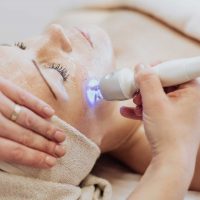

Hydrafacial treats acne scars better than microdermabrasion. Hydrafacial cleans pores, removes dead skin, and adds healing serums deep into skin layers. Microdermabrasion only removes surface skin cells without adding nutrients back.
What Causes Acne Scars?
Acne scars form when deep breakouts damage skin tissue below the surface. The skin tries to heal itself but produces too much or too little collagen during repair.
Research shows 80-90% of acne scar patients have atrophic scars. These scars appear as depressions or indentations in the skin surface.
Types of Acne Scars
Ice pick scars create deep, narrow holes that extend into the dermis. These scars look like small puncture marks across the skin. Boxcar scars form wide depressions with sharp, defined edges. Rolling scars produce wave-like texture across larger skin areas.
Hypertrophic scars rise above the skin level due to excess collagen production. These raised scars differ from keloid scars, which grow beyond the original wound boundaries.
Main Causes
Scars develop from multiple factors. Picking or squeezing pimples damages surrounding tissue and increases inflammation. Severe cystic acne penetrates deep into skin layers, causing extensive tissue damage.
Infected breakouts trigger stronger inflammatory responses that destroy collagen. Poor healing responses occur when the body produces inadequate or excessive collagen during repair. Genetics also determine scar susceptibility and healing capacity.
How Does Microdermabrasion Work?
Microdermabrasion removes dead skin using crystals or diamond-tipped tools. A handheld device sprays aluminum oxide crystals onto skin or uses a textured wand to exfoliate the outer layer.
The vacuum system pulls away debris, dead cells, and surface impurities. This mechanical exfoliation stimulates cell turnover and reveals fresher skin underneath.
Treatment Process
Treatment takes 30-40 minutes per session. The technician moves the device across your face in systematic patterns, covering all treatment areas evenly.
Most patients feel a scratching sensation during the procedure. The intensity level adjusts based on skin sensitivity and treatment goals. Some providers use multiple passes over problem areas for enhanced exfoliation.
Types of Microdermabrasion
Crystal microdermabrasion uses aluminum oxide or sodium bicarbonate crystals. The device propels fine particles against skin at controlled speeds. Diamond microdermabrasion employs a wand with diamond-embedded tips. This method offers more precision and produces no loose particles.
Hydradermabrasion combines water with exfoliation but differs from true Hydrafacial technology. Each method removes approximately 5 microns of stratum corneum.
Results and Limitations
Studies published in Plastic and Reconstructive Surgery show mild to moderate improvement in surface scars. The treatment removes approximately 5 microns of skin compared to 400 microns with traditional dermabrasion.
Results last 2-3 weeks before new dead skin cells accumulate. Skin appears brighter immediately after treatment due to improved light reflection. Research in the American Journal of Clinical Dermatology confirms most cases show mild to moderate improvement only.
Microdermabrasion cannot treat deep ice pick scars or severe boxcar depressions. The procedure reaches only the epidermis without affecting deeper dermal structures. Deep scars require treatments that stimulate collagen remodeling in lower skin layers.
The procedure may worsen active acne by spreading bacteria across the skin surface. Temporary redness lasts up to 24 hours after treatment. Darker skin tones face higher risks of post-inflammatory hyperpigmentation.
How Does Hydrafacial Work?
Hydrafacial uses water pressure and suction to clean, extract, and hydrate skin. The patented Vortex-Fusion technology performs three steps without abrasive surfaces.
Treatment takes 30-45 minutes depending on the service level chosen. The device maintains consistent vacuum pressure throughout the session.
Three-Step Process
Step one applies a glycolic acid and salicylic acid solution to dissolve dead cells. The peel solution loosens debris and prepares pores for extraction. This chemical exfoliation works more gently than mechanical abrasion.
Step two extracts blackheads, oil, and debris through vacuum suction. The spiral design of the treatment tip creates a vortex effect that dislodges impurities. Extraction occurs without manual pressure or squeezing.
Step three infuses hyaluronic acid, peptides, and antioxidants into clean pores. The same vortex technology pushes active ingredients deep into skin layers. Serums customize based on specific skin concerns.
Treatment Levels
Signature Hydrafacial includes the three core steps in 30 minutes. Deluxe Hydrafacial adds LED light therapy and booster serums in 45 minutes. Platinum Hydrafacial begins with lymphatic drainage and includes all premium enhancements in 60 minutes.
Clinical Evidence
A 2022 study in the Journal of Clinical and Aesthetic Dermatology tested 20 patients with mild-to-moderate acne. Researchers conducted the study at two treatment sites over 12 weeks.
After six treatments over 12 weeks, 100% of participants showed improvement. The proportion with clear or almost clear skin increased from 20% to 65%. Patient satisfaction reached 100% by the final treatment compared to 40% after the first session.
Investigators measured acne severity using the Global Acne Severity Score. Both investigator assessments and patient self-reports showed statistically significant improvement. The study reported p-values of 0.0027 and 0.0016 respectively.
Active Ingredients
Hydrafacial serums contain hyaluronic acid for moisture retention. This molecule holds up to 1000 times its weight in water. Peptides signal skin cells to produce more collagen and elastin.
Antioxidants like vitamin C and vitamin E reduce inflammation and protect against free radical damage. Glycolic acid dissolves the bonds between dead skin cells. Salicylic acid penetrates oil-filled pores to clear congestion.
Blue LED light therapy targets acne-causing bacteria during treatment. The 415-nanometer wavelength destroys Propionibacterium acnes without harming surrounding tissue.
Which Treatment Works Better for Acne Scars?
Hydrafacial delivers superior results for acne scars compared to microdermabrasion. Research from Water’s Edge Dermatology confirms Hydrafacial treats hyperpigmentation more effectively through combined physical exfoliation and chemical acids.
Key Differences
Microdermabrasion penetrates 5 microns deep into the stratum corneum only. Hydrafacial reaches both epidermis and dermis layers through chemical exfoliation and serum penetration.
Hydrafacial causes zero pain and most patients find the sensation relaxing. Microdermabrasion creates a scratching feeling that some find uncomfortable.
Downtime differs significantly between treatments. Microdermabrasion requires 1 day for redness to fade completely. Hydrafacial has zero recovery time and patients can apply makeup immediately.
Results duration varies substantially. Microdermabrasion effects last 2-3 weeks as new dead cells accumulate. Hydrafacial maintains improvements for 4-6 weeks through deeper action and collagen stimulation.
Cost Comparison
Cost per session ranges $90-$150 for microdermabrasion versus $150-$300 for Hydrafacial. However, total treatment costs favor Hydrafacial when calculating full programs.
Microdermabrasion requires 5-16 sessions totaling $450-$2400. Hydrafacial needs only 3-6 sessions totaling $450-$1800. Fewer sessions mean less time commitment and potentially lower overall investment.
Treatment Effectiveness
Microdermabrasion improves optical skin quality temporarily through surface smoothing. Light reflects better off even surfaces, creating an illusion of scar reduction. This effect fades as new dead cells accumulate.
Hydrafacial stimulates actual collagen remodeling beneath the surface. Chemical exfoliants trigger cell signaling pathways that increase collagen synthesis. Peptides in infused serums further enhance this regenerative response.
Dermatologists report Hydrafacial works on multiple skin concerns simultaneously. Single treatments address hyperpigmentation, active acne, dehydration, and fine lines together.
Research published in dermatology journals shows Hydrafacial achieves higher patient satisfaction scores. The combination of immediate glow plus progressive improvement creates better perceived value.
Who Should Choose Microdermabrasion?
Choose microdermabrasion for shallow, surface-level scarring only. Patients with fair skin and no active breakouts respond best to crystal exfoliation.
The treatment suits people wanting quick skin brightening before special events. A single session creates temporary radiance for occasions like weddings or photoshoots.
Best Candidates
Budget-conscious patients may prefer lower per-session costs despite needing more treatments overall. Those comfortable with regular maintenance appointments fit microdermabrasion schedules well.
Microdermabrasion works well for rough texture, enlarged pores, and minor discoloration. Patients seeking simple exfoliation without additional treatments prefer this straightforward approach.
People with tough, resilient skin tolerate the abrasive action better. Fair-skinned individuals face lower risks of post-inflammatory pigmentation changes.
Who Should Choose Hydrafacial?
Choose Hydrafacial for mild to moderate acne scars plus ongoing breakouts. The treatment works safely on all skin types, including sensitive skin prone to irritation.
Patients with skin texture and pore concerns benefit from combined cleansing and hydration. The multi-step process addresses several issues in single appointments.
Ideal Candidates
Those seeking zero downtime prefer Hydrafacial over more aggressive options. Professionals who cannot take time off work choose treatments without recovery periods.
Hydrafacial addresses multiple concerns in single sessions including acne, scars, dryness, and aging signs. Patients wanting comprehensive skin improvement value this efficiency.
People with sensitive skin choose Hydrafacial because customizable intensity prevents irritation. The ability to adjust suction pressure and acid concentrations accommodates various tolerance levels.
Patients still experiencing breakouts benefit from the antibacterial effects of blue LED therapy. Active acne improves while existing scars fade simultaneously.
What Are the Treatment Costs?
Hydrafacial costs $150-$300 per session depending on location and service level. Signature treatments start at lower prices while Platinum options reach premium pricing.
A typical treatment plan requires 6 sessions totaling $900-$1,800. Most providers offer package discounts that reduce per-session costs by 10-20%.
Microdermabrasion Pricing
Microdermabrasion costs $90-$150 per session in most markets. Prices vary based on geographic location and provider credentials.
Most patients need 5-16 treatments totaling $450-$2,400 for complete results. Package pricing may reduce costs but requires upfront payment.
Insurance and Financing
Neither treatment qualifies for insurance coverage as both are cosmetic procedures. Medical necessity does not apply to aesthetic scar reduction.
Many medical spas offer payment plans through third-party financing companies. Monthly payment options make larger packages more accessible. Some providers accept healthcare credit cards with promotional interest rates.
Calculate total investment including maintenance sessions before choosing a treatment plan. Long-term costs often exceed initial package prices.
How Often Should You Get Treatments?
Get microdermabrasion every 2-4 weeks during active treatment phases. Skin barrier function returns to baseline after 4 weeks according to dermatology research.
Maintenance treatments continue monthly or bimonthly after achieving desired results. Stopping treatments causes gradual return to pre-treatment appearance.
Hydrafacial Frequency
Get Hydrafacial every 3-6 weeks for optimal results. The exact timing depends on skin type and concerns being treated.
Patients with oily skin may benefit from monthly sessions due to faster sebum production. Dry or mature skin types often space treatments 6 weeks apart.
Regular maintenance preserves long-term improvements in skin texture and scar appearance. Consistent scheduling produces better outcomes than sporadic treatments.
What Other Treatments Help Acne Scars?
Chemical peels and laser resurfacing treat deeper scars that respond poorly to gentler methods. Chemical peels using 70% TCA show 66% of patients achieving good or excellent improvement in clinical studies.
Advanced Options
Laser skin resurfacing with CO2 or Er:YAG lasers achieves up to 90% efficacy for atrophic scars. Ablative lasers vaporize damaged tissue while stimulating collagen production.
Radio frequency microneedling combines needle penetration with heat energy. This dual action triggers stronger healing responses than mechanical needling alone.
Exosome microneedling adds growth factors and signaling molecules to enhance results. Exosomes contain cellular communication tools that accelerate tissue repair.
Surgical Options
Subcision breaks fibrotic bands under rolling scars with 100% improvement rates using standardized grading systems. The procedure inserts a needle beneath scars to release tethered tissue.
Dermal fillers temporarily fill deep depressions with hyaluronic acid or calcium hydroxylapatite. Results last 6-18 months depending on filler type and location.
Punch excision removes individual ice pick scars surgically. This technique works best for isolated deep scars rather than widespread scarring.
Are There Side Effects?
Hydrafacial causes minimal side effects that resolve quickly. Most patients experience slight redness lasting under one hour after treatment.
Rare cases report temporary tingling sensations during serum application. Some people experience mild breakouts as skin purges impurities trapped in pores. This purging typically occurs after the first treatment only.
Microdermabrasion Risks
Microdermabrasion causes more irritation than Hydrafacial. Common effects include redness, swelling, and sun sensitivity lasting 24 hours.
Some patients develop petechiae (tiny broken blood vessels) from suction pressure. These marks fade within a few days without intervention.
Darker skin tones risk post-inflammatory hyperpigmentation from mechanical irritation. This darkening may persist for weeks or months without proper treatment.
Managing Side Effects
Both treatments increase photosensitivity temporarily. Patients must apply SPF 30 or higher sunscreen daily after sessions.
Side effects typically decrease with subsequent treatments as skin adapts to the procedure. Starting with gentler settings reduces initial reaction severity.
Proper hydration before and after treatment minimizes irritation. Avoiding harsh products for 48 hours prevents additional sensitivity.
Who Should Avoid These Treatments?
Avoid microdermabrasion with active acne, rosacea, or recent Accutane use. The abrasive action worsens inflamed skin and may cause permanent scarring on retinoid-sensitized tissue.
Wait 6-12 months after stopping isotretinoin before scheduling treatment. The medication thins skin and impairs healing for months after discontinuation.
Additional Contraindications
Patients with open wounds, active cold sores, or bacterial infections should postpone treatment. Microdermabrasion can spread infections across larger skin areas.
People with very thin or fragile skin risk excessive damage from mechanical exfoliation. Aging skin loses resilience and tolerates aggressive treatments poorly.
Those with autoimmune conditions affecting skin healing may experience complications. Conditions like lupus or scleroderma require medical clearance before cosmetic procedures.
Hydrafacial Restrictions
Avoid Hydrafacial only during infected breakouts with pus or open lesions. Once active infection heals, the treatment becomes safe even for sensitive skin types.
Patients with severe rosacea should consult dermatologists before treatment. Some rosacea types worsen with facial manipulation and suction.
Pregnant women can safely receive Hydrafacial but should avoid certain booster serums. Retinol-containing products require avoidance during pregnancy and breastfeeding.
What Results Can You Expect?
Microdermabrasion delivers immediate smoothness lasting 2-3 weeks. Skin feels softer and looks brighter right after treatment.
Visible scar reduction requires 5-10 sessions minimum. Shallow scars show more improvement than deep depressions. Results remain temporary without ongoing maintenance treatments.
Hydrafacial Timeline
Hydrafacial shows progressive improvement over 3-6 sessions. Skin appears dewy and glowing immediately after the first treatment.
Acne scar depth reduces gradually as collagen production increases. Pigmentation from old acne fades through combined exfoliation and brightening serums.
Studies confirm collagen remodeling continues up to 3 months after activation. Peak results appear 4-8 weeks after completing a treatment series.
Realistic Expectations
Deep scars may need additional treatments like laser resurfacing or subcision for optimal correction. Neither Hydrafacial nor microdermabrasion eliminates severe scarring completely.
Mild to moderate scars show 40-60% improvement on average. Individual results vary based on scar age, depth, and skin healing capacity.
Regular maintenance preserves long-term results and prevents new scars from active breakouts. Continuing treatments produces better outcomes than stopping after initial series.
What Should You Do Before Treatment?
Stop retinol and acids one week before scheduling. Active ingredients increase skin sensitivity and may cause excessive peeling during treatment.
Pre-Treatment Guidelines
Avoid sun exposure, waxing, and other facial treatments for 7 days prior. Sunburned or irritated skin cannot tolerate additional stress.
Come with clean skin and no makeup on treatment day. Makeup removal adds time and may interfere with product penetration.
Disclose all medications and skincare products to your provider. Some medications increase sensitivity or bleeding risks.
Medication Considerations
Patients on Accutane must wait at least 6 months after finishing medication. Some providers require 12-month waiting periods for safety.
Blood thinners like aspirin may increase bruising risks during treatments. Discuss medication management with your doctor before scheduling.
Drink adequate water in the days before treatment to support skin hydration. Well-hydrated skin responds better to treatments and heals faster.
What Should You Do After Treatment?
Apply broad-spectrum SPF 30 sunscreen daily after both treatments. UV exposure damages newly exposed skin and may darken scars.
Reapply sunscreen every 2 hours when outdoors. Mineral sunscreens with zinc oxide or titanium dioxide provide best protection for treated skin.
Post-Treatment Care
Avoid makeup for 24 hours post-microdermabrasion to prevent pore clogging. Hydrafacial allows immediate makeup application with clean products.
Skip harsh exfoliants, hot water, and steam rooms for 48 hours. Heat increases inflammation and may prolong redness.
Use gentle cleansers and fragrance-free moisturizers only. Avoid products containing alcohol, menthol, or strong fragrances.
Recovery Tips
Drink extra water to support skin healing processes. Adequate hydration improves nutrient delivery to healing tissues.
Avoid touching or picking at your face throughout the day. Hands transfer bacteria that may cause breakouts on freshly treated skin.
Sleep on clean pillowcases to prevent bacterial transfer. Consider changing pillowcases nightly during the first week after treatment.
Skip strenuous exercise for 24 hours post-treatment. Sweating may irritate freshly exfoliated skin and increase infection risks.
Can You Combine Multiple Treatments?
Combining treatments improves acne scar results according to clinical research. Studies show chemical peels with microneedling achieve better outcomes than single-method approaches.
Effective Combinations
Patients may alternate Hydrafacial monthly with quarterly laser treatments for comprehensive correction. This schedule allows adequate healing between aggressive procedures.
Dermaplaning before Hydrafacial enhances serum absorption. Removing vellus hair creates smoother pathways for product penetration.
Some providers combine LED light therapy with both treatments. Red light (633nm) reduces inflammation while blue light (415nm) kills bacteria.
Timing Considerations
Always complete treatment series in proper sequence under professional guidance. Incorrect timing may cause excessive inflammation and scarring.
Space aggressive treatments at least 4-6 weeks apart. Skin needs adequate recovery time between strong interventions.
Combining gentle treatments like Hydrafacial with regular facials maintains results between more intensive procedures.
Frequently Asked Questions
Can Hydrafacial Remove Deep Acne Scars?
Hydrafacial reduces the appearance of mild to moderate acne scars but cannot completely remove deep scars. Deep ice pick and boxcar scars require more aggressive treatments like laser skin resurfacing or subcision. Hydrafacial works best for surface scarring and improves skin texture over multiple sessions through collagen stimulation and gentle exfoliation.
How Many Microdermabrasion Sessions Do You Need for Acne Scars?
Most patients need 5-16 microdermabrasion sessions to see visible improvement in acne scars. Sessions occur every 2-4 weeks depending on skin tolerance and healing time. Results remain temporary without ongoing maintenance treatments every 4-6 weeks. The exact number depends on scar depth, skin type, and individual healing responses.
Which Treatment Hurts More, Hydrafacial or Microdermabrasion?
Hydrafacial causes no pain and feels relaxing during treatment. Most patients describe a gentle suction sensation. Microdermabrasion creates a scratching feeling and may cause mild discomfort as crystals or diamond tips abrade skin. Neither treatment requires numbing medication or anesthesia for most patients.
Can You Get Hydrafacial and Microdermabrasion Together?
You cannot combine Hydrafacial and microdermabrasion in the same session as both exfoliate skin. Combining would cause excessive irritation and potential damage to the skin barrier. Alternate between treatments monthly or choose one method based on your scar severity and skin sensitivity. Consult your provider about proper treatment sequencing.
Do Chemical Peels Work Better Than Hydrafacial for Acne Scars?
Chemical peels penetrate deeper than Hydrafacial and may work better for moderate to severe acne scars. Studies show 70% TCA peels achieve 66% good or excellent improvement rates. Chemical peels cause more downtime with 3-7 days of peeling compared to Hydrafacial’s zero recovery period. Choose based on scar severity and schedule flexibility.
Final Thoughts
Hydrafacial treats acne scars more effectively than microdermabrasion through multi-step cleansing, extraction, and serum infusion. Clinical studies demonstrate 100% improvement rates for mild-to-moderate acne after six treatments over 12 weeks.
Microdermabrasion offers temporary smoothness for surface-level concerns but requires more frequent sessions and causes more irritation. The treatment costs less per session but total investment may exceed Hydrafacial when calculating full programs.
Choose based on your scar depth, skin sensitivity, budget, and downtime tolerance. Patients with active breakouts plus scars benefit more from Hydrafacial’s comprehensive approach. Those with only superficial texture concerns may find microdermabrasion sufficient.
Slimming Solutions Med Spa provides both treatments plus advanced options like laser resurfacing and chemical peels. Our experienced team evaluates your specific scar type and creates customized treatment plans. Request a consultation to determine the best approach for your acne scars and skin goals.
![[thumb]](https://slimmingsolutionsspa.com/wp-content/uploads/2023/12/botox1-150x150.png)
![[thumb]](https://slimmingsolutionsspa.com/wp-content/uploads/2023/12/Before2-150x150.png)
![[thumb]](https://slimmingsolutionsspa.com/wp-content/uploads/2023/12/Before3-150x150.png)


![[thumb]](https://slimmingsolutionsspa.com/wp-content/uploads/2023/12/revanesse-versa-1-150x150.png)
![[thumb]](https://slimmingsolutionsspa.com/wp-content/uploads/2023/12/revanesse-versa-2-150x150.png)
![[thumb]](https://slimmingsolutionsspa.com/wp-content/uploads/2023/12/revanesse-versa-3-150x150.png)
![[thumb]](https://slimmingsolutionsspa.com/wp-content/uploads/2023/12/revanesse-versa-4-150x150.png)
![[thumb]](https://slimmingsolutionsspa.com/wp-content/uploads/2023/12/revanesse-versa-5-150x150.png)
![[thumb]](https://slimmingsolutionsspa.com/wp-content/uploads/2024/01/Eyebrow-treatment-1-1-150x150.png)
![[thumb]](https://slimmingsolutionsspa.com/wp-content/uploads/2023/12/Skin-Rejuvenation-1-150x150.png)
![[thumb]](https://slimmingsolutionsspa.com/wp-content/uploads/2023/12/Skin-Rejuvenation-2-150x150.png)


![[thumb]](https://slimmingsolutionsspa.com/wp-content/uploads/2024/01/Lip-Filler-1-150x150.png)
![[thumb]](https://slimmingsolutionsspa.com/wp-content/uploads/2024/01/Lip-Filler-2-150x150.png)
![[thumb]](https://slimmingsolutionsspa.com/wp-content/uploads/2025/02/Lip-Filler-1-150x150.png)
![[thumb]](https://slimmingsolutionsspa.com/wp-content/uploads/2024/01/Lip-Filler-150x150.jpg)
![[thumb]](https://slimmingsolutionsspa.com/wp-content/uploads/2024/01/Before-1-150x150.jpg)

![[thumb]](https://slimmingsolutionsspa.com/wp-content/uploads/2024/01/RHA-Treatmetn-3-150x150.png)
![[thumb]](https://slimmingsolutionsspa.com/wp-content/uploads/2024/01/RHA-Treatmetn-2-150x150.png)
![[thumb]](https://slimmingsolutionsspa.com/wp-content/uploads/2024/01/RHA-Treatmetn-1-150x150.png)
![[thumb]](https://slimmingsolutionsspa.com/wp-content/uploads/2024/01/Thread-Lifts-1-150x150.png)
![[thumb]](https://slimmingsolutionsspa.com/wp-content/uploads/2024/01/Thread-Lifts-2-150x150.png)
![[thumb]](https://slimmingsolutionsspa.com/wp-content/uploads/2025/02/Lip-Filler-2-150x150.png)

![[thumb]](https://slimmingsolutionsspa.com/wp-content/uploads/2023/12/skin-reuvulation1-150x150.png)
![[thumb]](https://slimmingsolutionsspa.com/wp-content/uploads/2023/12/skin-rejuvulation-2-150x150.png)
![[thumb]](https://slimmingsolutionsspa.com/wp-content/uploads/2023/12/Skin-Tighting-150x150.png)
![[thumb]](https://slimmingsolutionsspa.com/wp-content/uploads/2023/12/Before-150x150.jpg)
![[thumb]](https://slimmingsolutionsspa.com/wp-content/uploads/2023/12/weightloss-1-150x150.png)
![[thumb]](https://slimmingsolutionsspa.com/wp-content/uploads/2023/12/weightloss-2-150x150.png)
![[thumb]](https://slimmingsolutionsspa.com/wp-content/uploads/2023/12/2Weight-Loss-2-150x150.png)
![[thumb]](https://slimmingsolutionsspa.com/wp-content/uploads/2025/02/Weight-Loss-1-new-150x150.png)
![[thumb]](https://slimmingsolutionsspa.com/wp-content/uploads/2023/12/Weight-Loss-3-150x150.png)
![[thumb]](https://slimmingsolutionsspa.com/wp-content/uploads/2025/03/Slimming-Solutions-BA-Template-150x150.png)


![[thumb]](https://slimmingsolutionsspa.com/wp-content/uploads/2023/12/dat3-150x150.png)
![[thumb]](https://slimmingsolutionsspa.com/wp-content/uploads/2023/12/dat-0-150x150.png)
![[thumb]](https://slimmingsolutionsspa.com/wp-content/uploads/2023/12/dat-1-150x150.png)
![[thumb]](https://slimmingsolutionsspa.com/wp-content/uploads/2023/12/Before-1-150x150.png)

![[thumb]](https://slimmingsolutionsspa.com/wp-content/uploads/2024/01/EMS-Treatment-2-150x150.png)
![[thumb]](https://slimmingsolutionsspa.com/wp-content/uploads/2024/01/EMS-Treatment-1-150x150.png)
![[thumb]](https://slimmingsolutionsspa.com/wp-content/uploads/2025/02/ems-BNA-front-150x150.png)
![[thumb]](https://slimmingsolutionsspa.com/wp-content/uploads/2025/02/EMS-bna-SIDE-150x150.png)
![[thumb]](https://slimmingsolutionsspa.com/wp-content/uploads/2024/01/EMS-Treatment-6-150x150.png)