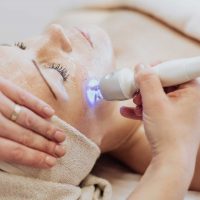

No, taking collagen does not really help sagging skin. High-quality studies show collagen supplements do not improve elasticity, hydration, or wrinkles when industry bias is removed. The most comprehensive 2025 independent research confirmed that collagen offers no proven effect on skin aging. Medical experts agree there is no clear benefit for sagging. For real tightening, treatments like microneedling, radiofrequency, ultrasound, or fillers work best, along with daily sunscreen and consistent skincare.
What Is Collagen And Why Does Your Skin Lose Firmness?
Collagen accounts for 30% of your body’s total protein and serves as the primary structural component in skin, bones, muscles, and connective tissues. This protein forms a network of fibers that provides skin with strength, elasticity, and smoothness.
Understanding Collagen Types In Your Tissue
Your body produces collagen naturally using amino acids from protein-rich foods. The production process requires vitamin C, zinc, and copper as cofactors. Type I collagen makes up 90% of tissue collagen and provides the main structural support.
Younger tissue contains 80% Type I collagen and 15% Type III collagen. With age, collagen fibers become thicker and shorter while overall production decreases. This structural change creates visible signs of aging including wrinkles, fine lines, and sagging areas.
When Does Collagen Loss Begin?
Collagen loss begins in your mid-20s at a rate of 1% per year. Several factors accelerate this decline beyond natural aging. Ultraviolet exposure breaks down collagen through UV radiation damage. Smoking reduces collagen production by restricting blood flow and introducing harmful chemicals.
Women experience additional collagen loss during menopause, losing 30% of tissue collagen in the five years following menopause according to dermatology experts. This accelerated loss explains why many women notice significant changes during this life stage.
Environmental Factors That Damage Collagen
Poor nutrition lacking essential amino acids limits the raw materials needed for collagen synthesis. High sugar intake creates advanced glycation end products that stiffen collagen fibers and reduce their function.
Environmental factors compound natural aging. Air pollution, stress, and excessive alcohol consumption further damage existing collagen. These external stressors create free radicals that break down healthy collagen faster than your body can replace it.
Does Science Support Collagen Supplements For Skin Tightening?
Scientific evidence for collagen supplements remains weak and conflicting. A comprehensive 2025 meta-analysis examined 23 randomized controlled trials with 1,474 participants. The results revealed a significant bias problem in collagen research.
Industry-Funded Versus Independent Clinical Trial Results
Studies receiving funding from pharmaceutical companies showed significant improvements in hydration, elasticity, and wrinkles. Studies not funded by supplement companies revealed no effect on hydration, elasticity, or wrinkles. This funding bias raises serious questions about supplement effectiveness.
High-quality, independent clinical trial evidence consistently shows minimal benefits. When researchers used rigorous methodology and removed industry bias, powder and capsule forms failed to demonstrate meaningful improvement. The most comprehensive review concluded that no clinical evidence supports using supplements to prevent or treat aging.
Research Quality And Duration Issues
Multiple systematic reviews have examined collagen research. A 2023 analysis of 26 trials involving 1,721 patients showed improvements in skin hydration and elasticity. However, 14 of these studies focused on fish collagen, while 9 studies lacked information about collagen source.
The study duration ranged from only 2 to 12 weeks, too short to assess long-term skin changes. Most skin improvements require months or years to develop, making short-term studies inadequate for evaluating real effectiveness.
Measurement Methods In Collagen Studies
The measurement methods in collagen studies often lack precision. Researchers typically use corneometer devices to measure skin hydration through electrical current resistance. These measurements reflect surface moisture rather than deep structural changes in sagging skin.
True collagen improvement requires changes in skin thickness, elasticity, and structural integrity. Surface hydration measurements cannot capture these deeper improvements that matter for sagging skin concerns.
How Do Collagen Supplements Work In Your Digestive System?
Collagen supplements undergo complete breakdown in your digestive system. Stomach acid and digestive enzymes break collagen proteins into individual amino acids within hours of consumption. These amino acids enter your bloodstream as building blocks that may or may not reassemble as collagen.
The Digestion And Absorption Process
The digestive process cannot selectively deliver nutrients to facial areas. Your body uses amino acids from powder and capsule forms for various functions including muscle repair, bone maintenance, immune system support, and energy production. No mechanism exists to direct these amino acids specifically to areas with sagging concerns.
Clinical trial data shows that peptide components are absorbed through your gastrointestinal tract, but absorption does not equal effectiveness for improvement. Research tracking derived amino acids finds them distributed across multiple body systems rather than concentrated in facial tissue.
Hydrolyzed Collagen Versus Regular Gelatin
Hydrolyzed powder undergoes pre-processing to break protein chains into smaller peptide components. Manufacturers claim this improves absorption, but digestive challenges remain the same. Even hydrolyzed forms face breakdown by stomach compounds and distribution throughout the entire body rather than targeted delivery.
What about peptide versus whole gelatin? Peptide components represent pre-broken chains designed for easier absorption. However, no human clinical trial evidence has clearly proven that nutrients taken orally end up in facial tissue according to Harvard Medical School research.
Why Topical Collagen Also Fails
The molecular size problem affects both oral and topical collagen. Collagen molecules are too large to penetrate skin barriers when applied topically. Oral supplements face the additional challenge of surviving digestion and reaching target tissues in sufficient quantities.
Most topical collagen products sit on the skin surface without penetrating to deeper layers where structural changes occur. This explains why topical collagen creams provide temporary cosmetic benefits without long-term skin improvement.
What Are The Side Effects And Safety Concerns?
Collagen supplements cause mild digestive side effects in some users. Common reactions include nausea, bloating, gas, and stomach upset. These symptoms typically resolve within days of discontinuing supplementation.
FDA Regulation And Quality Control Issues
The FDA does not regulate collagen supplements like prescription medications. This lack of oversight creates quality control issues. Products may contain more or less of stated ingredients without regulatory consequences. Manufacturers face no requirement to prove safety or effectiveness before marketing.
Animal-derived powder and capsule products carry contamination risks. Products made from connective tissue, bones, and other parts of cows, pigs, chicken, and fish can contain toxins and heavy metals that pose health hazards. Third-party testing helps identify contaminated products, but most options lack this verification.
Allergic Reactions And Contraindications
Allergic reactions occur in people sensitive to specific animal proteins. Fish collagen supplements can trigger reactions in those with seafood allergies. Bovine collagen may cause problems for people allergic to beef proteins. Always check ingredient labels and consult healthcare providers about allergy concerns.
Certain populations should exercise extra caution with collagen supplements. Pregnant and nursing women lack safety data for supplementation during these periods. People taking blood-thinning medications may experience interaction effects.
Industry Quality Problems
The supplement industry has a history of inaccurate labeling and contamination according to Cleveland Clinic experts. Independent testing frequently reveals products containing different amounts of active ingredients than listed on labels. Some products contain unlisted additives or fillers that may cause adverse reactions.
Those with kidney problems should avoid high-protein supplements without medical supervision. Excess protein intake can strain kidney function in people with existing kidney disease or reduced kidney capacity.
What Professional Treatments Actually Tighten Sagging Skin?
Professional treatments stimulate natural collagen production through targeted mechanisms that supplements cannot match. These procedures work by creating controlled damage or delivering energy directly to skin tissues where collagen formation occurs.
Microneedling And Collagen Induction Therapy
Microneedling stimulates natural collagen production through controlled micro-injuries. This procedure uses fine, medical-grade needles to create thousands of tiny punctures in skin. The controlled damage triggers your body’s healing response, increasing collagen and elastin production in targeted areas.
Professional microneedling treatments penetrate deeper than at-home devices. Medical-grade equipment reaches skin depths that stimulate substantial collagen remodeling. Treatment series typically involve 3 to 5 sessions spaced 4 to 6 weeks apart for optimal results.
The procedure takes 30 to 60 minutes depending on treatment area size. Providers apply topical numbing cream before treatment to minimize discomfort. Most patients describe the sensation as mild pressure with minimal pain during the procedure.
Radiofrequency Skin Tightening
Radiofrequency treatments combine heat energy with collagen stimulation. These procedures use controlled thermal energy to contract existing collagen fibers while stimulating new collagen formation. Skin tightening treatments using radiofrequency technology show measurable improvements in skin firmness within weeks.
The heat energy penetrates skin layers without damaging the surface. This selective heating triggers immediate collagen contraction for visible tightening effects. Over following months, thermal stimulation promotes new collagen growth for continued improvement.
Treatment sessions last 45 to 90 minutes depending on the area treated. Most patients need 3 to 6 sessions for optimal results. Radiofrequency treatments work on all skin types without pigmentation risks associated with some laser procedures.
Laser Resurfacing Options
Laser resurfacing removes damaged skin layers and forces regeneration with tighter tissue. Ablative lasers create controlled wounds that heal with improved collagen structure. Laser skin resurfacing treatments range from mild to aggressive depending on skin concerns and desired downtime.
Fractional lasers treat portions of skin while leaving surrounding tissue intact. This approach reduces healing time while still stimulating significant collagen remodeling. Non-ablative lasers heat deeper skin layers without removing surface tissue.
Recovery time varies by laser type and treatment depth. Mild treatments require 3 to 7 days of healing. More aggressive procedures may need 2 to 3 weeks for complete recovery. Results continue improving for months as new collagen forms.
Injectable Volume Restoration
Injectable treatments provide immediate volume restoration for sagging areas. Dermal fillers like Juvederm and Restylane add hyaluronic acid directly to areas needing lift and support. Results appear immediately and last 6 to 18 months depending on product type and injection location.
Hyaluronic acid fillers attract water molecules to create volume and hydration. This dual action provides immediate lifting while improving skin quality over time. Different filler formulations target specific concerns from fine lines to deep volume loss.
Collagen-stimulating injectables work differently than traditional fillers. Products like Sculptra contain poly-L-lactic acid that gradually stimulates natural collagen production over months. These treatments build volume slowly but can last up to 2 years with proper maintenance.
What Lifestyle Changes Prevent Collagen Loss?
Prevention remains more effective and affordable than attempting to replace lost collagen through supplements or treatments. Simple daily habits protect existing collagen while supporting natural production processes.
Sun Protection Strategies
Sun protection prevents the majority of premature aging. Ultraviolet radiation breaks down fibers through oxidative damage and inflammatory processes. Daily application of SPF 30 or higher sunscreen blocks harmful rays that accelerate breakdown.
Physical sunscreen containing zinc oxide or titanium dioxide provides broad-spectrum protection without chemical absorption. Reapplication every 2 hours maintains protection throughout the day. Protective clothing and wide-brimmed hats offer additional ultraviolet protection.
Seeking shade during peak UV hours reduces cumulative sun damage. UV intensity peaks between 10 AM and 4 PM when collagen damage occurs most rapidly. Planning outdoor activities outside these hours helps preserve skin health.
Smoking Cessation Benefits
Smoking cessation provides immediate benefits for collagen preservation. Cigarette smoke contains chemicals that directly damage collagen and elastin fibers. Smoking also restricts blood flow to skin, limiting nutrient delivery needed for collagen maintenance and repair.
Within weeks of quitting smoking, skin circulation improves and collagen repair processes resume normal function. Former smokers show measurable improvements in skin elasticity and hydration within months of cessation.
Avoiding secondhand smoke exposure also protects collagen health. Environmental tobacco smoke contains similar damaging chemicals that affect collagen structure and skin aging processes.
Sleep Quality And Collagen Production
Sleep quality affects collagen production through growth hormone release. Your body produces the majority of growth hormone during deep sleep phases, which stimulates protein synthesis including collagen formation. Adults need 7 to 9 hours of quality sleep nightly for optimal skin repair.
Sleep position influences facial aging patterns. Sleeping on your back prevents compression wrinkles that can become permanent over time. Using silk or satin pillowcases reduces friction that can damage skin and hair.
Creating optimal sleep conditions supports natural repair processes. Cool, dark rooms promote deeper sleep stages. Consistent sleep schedules help regulate hormone cycles that support collagen production.
Nutrition For Support
Dietary choices influence synthesis through nutrient availability. Vitamin C functions as a cofactor in formation, requiring daily intake from food sources. Protein foods provide amino acids needed as building blocks.
Antioxidant-rich foods protect existing structures from free radical damage. Berries, leafy greens, and colorful vegetables contain compounds that neutralize harmful oxidative stress. These foods support preservation while providing nutrients for new synthesis.
Adequate protein intake ensures amino acid availability for production. Fish, poultry, eggs, and legumes provide complete amino profiles. Plant-based protein sources can meet needs when consumed in proper combinations.
How Much Do Collagen Supplements Cost Versus Professional Treatments?
Understanding the true cost comparison between supplements and professional treatments requires analyzing both upfront expenses and long-term effectiveness. This analysis reveals that professional treatments often provide better value despite higher initial costs.
Ongoing Supplement Expenses
Powder and capsule forms create ongoing monthly expenses with questionable returns. Quality options range from $30 to $60 monthly and require continuous use for any potential benefits. Annual costs reach $360 to $720 without guaranteed results.
The true cost extends beyond purchase price. Most clinical trial evidence showing benefits required 3 to 6 months of daily use before noting improvements. These improvements typically represent minor changes in hydration rather than significant reduction in sagging.
Supplement effectiveness diminishes when discontinued. Any minor benefits achieved through months of supplementation disappear within weeks of stopping. This creates a lifetime dependency for maintaining questionable improvements.
Professional Treatment Investment
Professional treatment costs vary by procedure type and treatment area. Microneedling series cost $600 to $1,200 total for 3 to 4 sessions. Results last 6 to 12 months and provide measurable improvements in skin texture and firmness.
Injectable treatments range from $600 to $1,500 per session depending on product type and amount used. Dermal fillers provide immediate results lasting 6 to 18 months. Collagen stimulators cost more upfront but last up to 2 years with proper maintenance.
Laser treatments represent higher upfront costs but deliver dramatic results. Professional laser resurfacing ranges from $1,000 to $3,000 per treatment depending on laser type and treatment depth. Results can last several years with proper skincare and sun protection.
Value Analysis Per Result
The cost-per-result analysis favors professional treatments over supplements. While supplements require continuous monthly payments, professional treatments provide defined periods of improvement. Most patients find professional treatments more cost-effective when comparing actual visible results.
Combining multiple supplement costs over time often exceeds professional treatment expenses. Many people try various supplement brands and formulations seeking better results. These multiple purchases quickly accumulate higher costs than single professional treatments.
Professional treatments also provide predictable timelines and measurable outcomes. Patients can evaluate results objectively and make informed decisions about maintenance treatments. Supplement results remain subjective and difficult to quantify accurately.
What Do Dermatologists Recommend Instead Of Supplements?
Board-certified dermatologists consistently recommend evidence-based treatments over unproven supplements. Medical professionals focus on interventions with decades of research supporting their effectiveness for skin improvement.
Prescription Retinoid Treatments
Board-certified dermatology experts recommend prescription retinoids as the gold standard for stimulation. Tretinoin, adapalene, and tazarotene have decades of clinical research proving their effectiveness for improvement. These vitamin A derivatives increase production and accelerate cell turnover.
Prescription retinoids work at the cellular level to stimulate synthesis. They also improve texture, reduce fine lines, and even tone through multiple mechanisms. Results typically appear within 3 to 6 months of consistent use.
Starting with lower concentrations helps skin adjust to retinoid treatment. Gradual increase in strength and frequency minimizes irritation while maximizing benefits. Most patients achieve significant improvement with consistent long-term use.
Medical-Grade Topical Treatments
Topical vitamin C serums provide better support than oral powder or capsule forms. L-ascorbic compounds applied directly to tissue participate in synthesis at the cellular level. Medical-grade vitamin C formulations penetrate barriers more effectively than dietary sources.
Professional-strength chemical peels remove damaged layers and stimulate regeneration. Chemical peels range from mild glycolic treatments to deeper phenol peels depending on concerns and desired results.
Peptide creams and growth factor serums support production through targeted signaling molecules. These advanced formulations deliver specific compounds that stimulate cellular repair and regeneration processes.
Combination Treatment Approaches
Combination treatments maximize collagen stimulation through multiple mechanisms. Many dermatologists recommend pairing microneedling with radiofrequency energy or platelet-rich plasma. These combinations enhance results beyond what single treatments can achieve.
Prescription skincare regimens target specific aging concerns with proven ingredients. Dermatologists customize treatment plans using retinoids, antioxidants, peptides, and growth factors based on individual skin needs. These medical-grade products contain higher concentrations than over-the-counter alternatives.
Regular professional maintenance prevents further collagen loss while improving existing damage. Facial treatments performed monthly help maintain skin health between more intensive procedures. This approach provides better long-term results than sporadic treatments.
What Questions Should You Ask Your Provider?
Selecting the right professional treatment requires asking specific questions about your individual situation and treatment options. These conversations help establish realistic expectations and treatment timelines.
How severe is my collagen loss? Skin analysis determines the extent of collagen damage and helps prioritize treatment options. Professional assessment identifies specific areas needing attention and realistic improvement expectations.
Which treatments address my specific concerns? Different procedures target various aspects of skin aging. Some focus on surface texture while others address deeper structural issues. Understanding treatment goals helps select appropriate options.
What results can I expect and when? Realistic timelines vary by treatment type and individual healing response. Some procedures show immediate results while others require weeks or months for full benefits to appear.
How many treatments will I need? Most professional procedures require multiple sessions for optimal results. Understanding the full treatment commitment helps with planning and budgeting decisions.
What are the risks and side effects? All procedures carry some level of risk or temporary side effects. Discussing these concerns beforehand helps make informed decisions about treatment options.
How do I maintain results long-term? Professional treatments provide temporary improvements that require maintenance. Understanding ongoing care requirements helps preserve treatment benefits over time.
Frequently Asked Questions About Collagen And Sagging Skin
Do Collagen Supplements Really Work For Sagging Skin?
No, powder and capsule forms do not effectively treat sagging areas. Independent clinical trial data shows no significant improvement in elasticity or firmness. Your digestive system breaks down nutrients into basic amino acids before they can reach facial areas.
How Long Does It Take To See Results From Collagen Supplements?
Most research showing minimal benefits required 3 to 6 months of daily use. However, these improvements typically involve minor changes in hydration rather than meaningful reduction in sagging or wrinkles.
What Is The Best Alternative To Collagen Supplements For Sagging Skin?
Professional treatments like microneedling, radiofrequency, and laser resurfacing provide measurable results by stimulating natural production in targeted areas. These procedures offer visible improvements that powder and capsule forms cannot achieve.
Are There Any Side Effects From Taking Collagen Supplements?
Common side effects include nausea, bloating, gas, and stomach upset. More serious concerns involve potential contamination with heavy metals and toxins since the FDA does not regulate supplement quality.
How Much Should I Expect To Spend On Effective Skin Tightening?
Professional treatments range from $600 to $3,000 depending on the procedure type. While more expensive upfront than powder or capsule options, these treatments provide measurable results that last months or years rather than requiring daily ongoing costs.
Final Thoughts
Powder and capsule forms provide minimal benefits for sagging areas despite extensive advertising claims. Scientific evidence consistently shows that high-quality, unbiased clinical trial data fails to support supplement effectiveness for tightening.
The digestive system breaks down nutrients into basic amino acids that distribute throughout the entire body rather than targeting facial areas. No mechanism exists to direct these nutrients specifically to areas with sagging concerns.
Professional treatments offer measurable results through direct stimulation in targeted areas. Microneedling, radiofrequency, laser treatments, and injectable options provide visible improvements that powder and capsule forms cannot match. These procedures work by stimulating your body’s natural production where you need it most.
Prevention remains the most cost-effective approach to maintaining firmness. Daily sunscreen use, smoking cessation, quality sleep, and stress management protect existing structures better than any supplement. These lifestyle factors address the root causes of loss rather than attempting to replace what has already been damaged.
The best approach combines professional treatments with consistent daily care. This strategy addresses both existing sagging and prevents future loss. Consulting with qualified professionals helps develop personalized treatment plans based on individual concerns and realistic goals.
Rather than investing in unproven powder or capsule options, focus resources on evidence-based treatments that deliver measurable results. Your tissue will benefit more from proven procedures and preventive care than from daily supplement routines with questionable effectiveness.
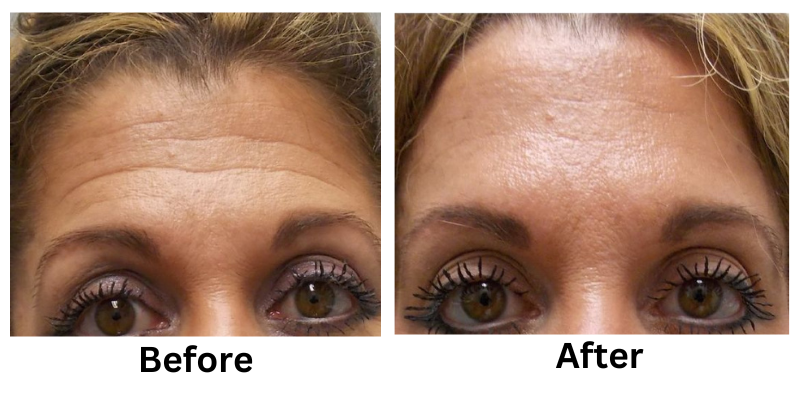
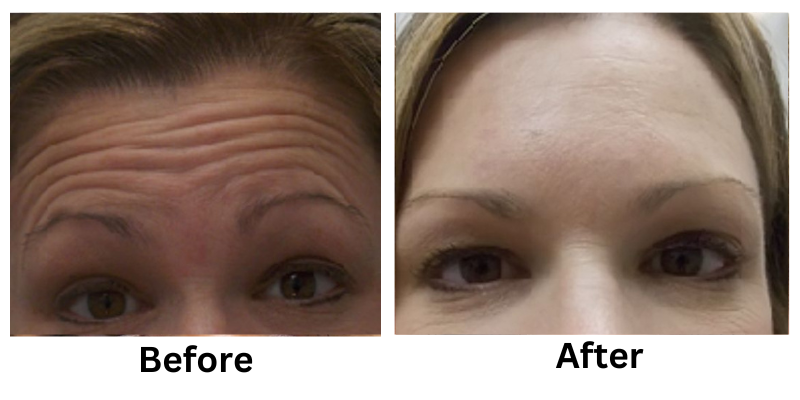
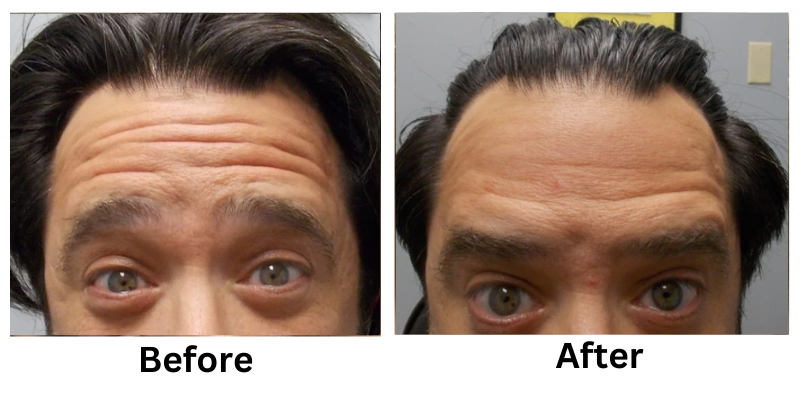
![[thumb]](https://slimmingsolutionsspa.com/wp-content/uploads/2023/12/botox1-150x150.png)
![[thumb]](https://slimmingsolutionsspa.com/wp-content/uploads/2023/12/Before2-150x150.png)
![[thumb]](https://slimmingsolutionsspa.com/wp-content/uploads/2023/12/Before3-150x150.png)


![[thumb]](https://slimmingsolutionsspa.com/wp-content/uploads/2023/12/revanesse-versa-1-150x150.png)
![[thumb]](https://slimmingsolutionsspa.com/wp-content/uploads/2023/12/revanesse-versa-2-150x150.png)
![[thumb]](https://slimmingsolutionsspa.com/wp-content/uploads/2023/12/revanesse-versa-3-150x150.png)
![[thumb]](https://slimmingsolutionsspa.com/wp-content/uploads/2023/12/revanesse-versa-4-150x150.png)
![[thumb]](https://slimmingsolutionsspa.com/wp-content/uploads/2023/12/revanesse-versa-5-150x150.png)
![[thumb]](https://slimmingsolutionsspa.com/wp-content/uploads/2024/01/Eyebrow-treatment-1-1-150x150.png)
![[thumb]](https://slimmingsolutionsspa.com/wp-content/uploads/2023/12/Skin-Rejuvenation-1-150x150.png)
![[thumb]](https://slimmingsolutionsspa.com/wp-content/uploads/2023/12/Skin-Rejuvenation-2-150x150.png)


![[thumb]](https://slimmingsolutionsspa.com/wp-content/uploads/2024/01/Lip-Filler-1-150x150.png)
![[thumb]](https://slimmingsolutionsspa.com/wp-content/uploads/2024/01/Lip-Filler-2-150x150.png)
![[thumb]](https://slimmingsolutionsspa.com/wp-content/uploads/2025/02/Lip-Filler-1-150x150.png)
![[thumb]](https://slimmingsolutionsspa.com/wp-content/uploads/2024/01/Lip-Filler-150x150.jpg)
![[thumb]](https://slimmingsolutionsspa.com/wp-content/uploads/2024/01/Before-1-150x150.jpg)

![[thumb]](https://slimmingsolutionsspa.com/wp-content/uploads/2024/01/RHA-Treatmetn-3-150x150.png)
![[thumb]](https://slimmingsolutionsspa.com/wp-content/uploads/2024/01/RHA-Treatmetn-2-150x150.png)
![[thumb]](https://slimmingsolutionsspa.com/wp-content/uploads/2024/01/RHA-Treatmetn-1-150x150.png)
![[thumb]](https://slimmingsolutionsspa.com/wp-content/uploads/2024/01/Thread-Lifts-1-150x150.png)
![[thumb]](https://slimmingsolutionsspa.com/wp-content/uploads/2024/01/Thread-Lifts-2-150x150.png)
![[thumb]](https://slimmingsolutionsspa.com/wp-content/uploads/2025/02/Lip-Filler-2-150x150.png)

![[thumb]](https://slimmingsolutionsspa.com/wp-content/uploads/2023/12/skin-reuvulation1-150x150.png)
![[thumb]](https://slimmingsolutionsspa.com/wp-content/uploads/2023/12/skin-rejuvulation-2-150x150.png)
![[thumb]](https://slimmingsolutionsspa.com/wp-content/uploads/2023/12/Skin-Tighting-150x150.png)
![[thumb]](https://slimmingsolutionsspa.com/wp-content/uploads/2023/12/Before-150x150.jpg)
![[thumb]](https://slimmingsolutionsspa.com/wp-content/uploads/2023/12/weightloss-1-150x150.png)
![[thumb]](https://slimmingsolutionsspa.com/wp-content/uploads/2023/12/weightloss-2-150x150.png)
![[thumb]](https://slimmingsolutionsspa.com/wp-content/uploads/2023/12/2Weight-Loss-2-150x150.png)
![[thumb]](https://slimmingsolutionsspa.com/wp-content/uploads/2025/02/Weight-Loss-1-new-150x150.png)
![[thumb]](https://slimmingsolutionsspa.com/wp-content/uploads/2023/12/Weight-Loss-3-150x150.png)
![[thumb]](https://slimmingsolutionsspa.com/wp-content/uploads/2025/03/Slimming-Solutions-BA-Template-150x150.png)


![[thumb]](https://slimmingsolutionsspa.com/wp-content/uploads/2023/12/dat3-150x150.png)
![[thumb]](https://slimmingsolutionsspa.com/wp-content/uploads/2023/12/dat-0-150x150.png)
![[thumb]](https://slimmingsolutionsspa.com/wp-content/uploads/2023/12/dat-1-150x150.png)
![[thumb]](https://slimmingsolutionsspa.com/wp-content/uploads/2023/12/Before-1-150x150.png)

![[thumb]](https://slimmingsolutionsspa.com/wp-content/uploads/2024/01/EMS-Treatment-2-150x150.png)
![[thumb]](https://slimmingsolutionsspa.com/wp-content/uploads/2024/01/EMS-Treatment-1-150x150.png)
![[thumb]](https://slimmingsolutionsspa.com/wp-content/uploads/2025/02/ems-BNA-front-150x150.png)
![[thumb]](https://slimmingsolutionsspa.com/wp-content/uploads/2025/02/EMS-bna-SIDE-150x150.png)
![[thumb]](https://slimmingsolutionsspa.com/wp-content/uploads/2024/01/EMS-Treatment-6-150x150.png)