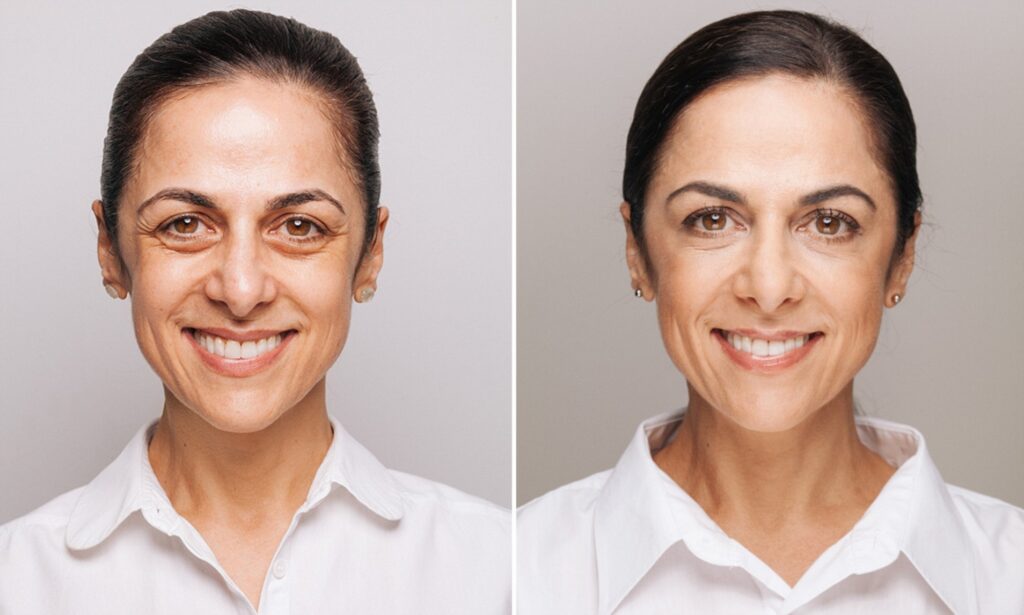
Botox can help with under-eye bags in some cases, but it does not work for every type of under-eye puffiness. Botox softens mild under-eye concerns caused by muscle activity, such as fine lines, crow’s feet, and the small roll of skin that bulges beneath the lower lash line when you smile. Botox does not remove true under-eye bags caused by herniated fat pads or loose, sagging skin. In those cases, relaxing the muscle with Botox can actually make the bags look more noticeable because the muscle that holds the fat pads in place loses its tension.
The distinction between muscle-related puffiness and structural under-eye bags determines whether Botox will improve or worsen the area. According to the American Society of Plastic Surgeons (ASPS), 9.48 million neurotoxin procedures were performed in the most recent reporting year, making Botox the most popular minimally invasive cosmetic treatment in the United States. Many of those patients ask about treating the under-eye area. This guide explains what Botox can and cannot do for under-eye bags, when it works, when it fails, and which alternatives produce better results for different types of under-eye concerns.
What Causes Under-Eye Bags?
Under-eye bags form from five primary causes: fat pad herniation, skin laxity, muscle hyperactivity, fluid retention, and volume loss in the tear trough. Each cause produces a different type of puffiness, and each responds to different treatments. Treating the wrong cause with the wrong treatment is the most common reason patients feel disappointed with their under-eye results.
- Fat pad herniation: Three fat pads sit beneath each eye, one near the nose, one in the center of the lower lid, and one on the outer side. As the connective tissue that holds these fat pads weakens with age, the fat pushes forward and creates visible bulges beneath the skin. According to the ASPS, this herniation is the most common structural cause of under-eye bags in patients over 40.
- Skin laxity: The skin beneath the eyes is the thinnest skin on the body, measuring less than 0.5 millimeters in many people. As collagen and elastin decline with age, this thin skin loses its ability to hold its shape and begins to droop, making any underlying puffiness more visible.
- Muscle hyperactivity: The orbicularis oculi muscle wraps around the entire eye and controls blinking and squinting. When this muscle contracts strongly, particularly the portion directly below the lower lash line, it creates a visible roll of skin and muscle that bulges outward. This bulge is most noticeable when smiling.
- Fluid retention: Allergies, high sodium intake, poor sleep, and hormonal changes can cause fluid to accumulate beneath the eyes. Fluid-related puffiness tends to fluctuate throughout the day and often looks worse in the morning.
- Tear trough volume loss: The tear trough is the curved groove that runs from the inner corner of the eye down toward the cheek. As the face loses volume with age, this groove deepens and creates a shadow that makes any puffiness above it look like a pronounced bag.
The cause of your under-eye bags determines which treatment will work. Botox only affects one of these five causes: muscle hyperactivity. Fine lines and wrinkles caused by repeated muscle contraction respond well to Botox. Fat protrusion, skin laxity, and volume loss do not respond to Botox because they are structural problems, not muscle problems.
What Does Botox Under the Eye Actually Do?
Botox under the eye relaxes the orbicularis oculi muscle, which reduces fine lines, softens the “jelly roll” bulge that appears when smiling, and smooths the lower lid area. Botox cosmetic works by blocking the release of acetylcholine, the neurotransmitter that signals a muscle to contract. When injected in very small doses into the orbicularis oculi, Botox weakens the contraction of the lower eyelid muscle without completely paralyzing it.
The orbicularis oculi is a nearly circular muscle that encircles the eye socket. The portion of this muscle that sits directly beneath the lower lash line is the target for under-eye Botox. How Botox works in this area is the same mechanism it uses everywhere else: it temporarily blocks nerve-to-muscle communication. The difference is that the under-eye area requires much smaller doses, typically 2 to 4 units per side, compared to 10 to 30 units for the forehead or crow’s feet.
Under-eye Botox is an off-label use in the United States. The FDA has approved Botox for cosmetic treatment of crow’s feet (lateral canthal lines) and forehead wrinkles, but has not specifically approved it for injection beneath the lower eyelid. Off-label use is legal and common in aesthetic medicine; it simply means the treating provider is using clinical judgment to apply a proven medication in an area that the FDA has not formally studied for that specific indication. The off-label status makes injector experience especially important. The under-eye area is delicate, and incorrect placement or excessive dosing can cause complications like lower lid drooping or difficulty closing the eye completely.
When Does Botox Help with Under-Eye Bags?
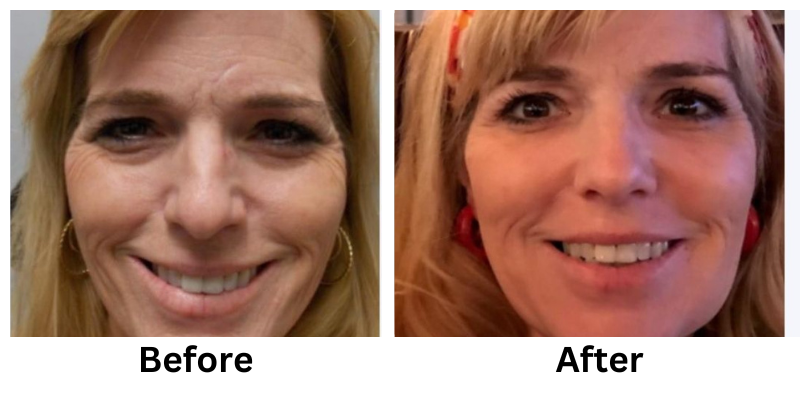
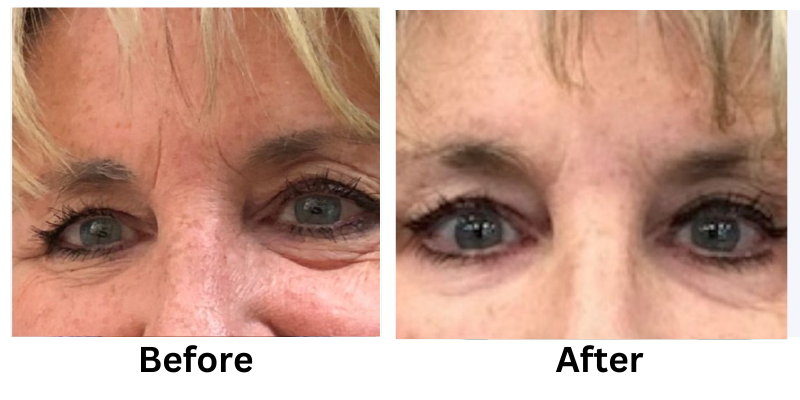
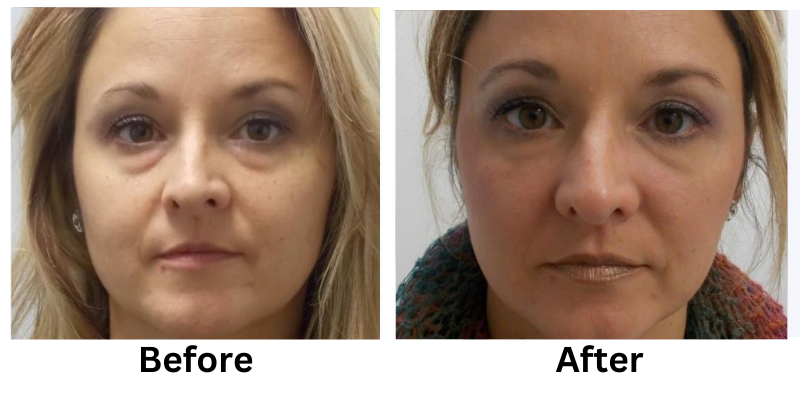
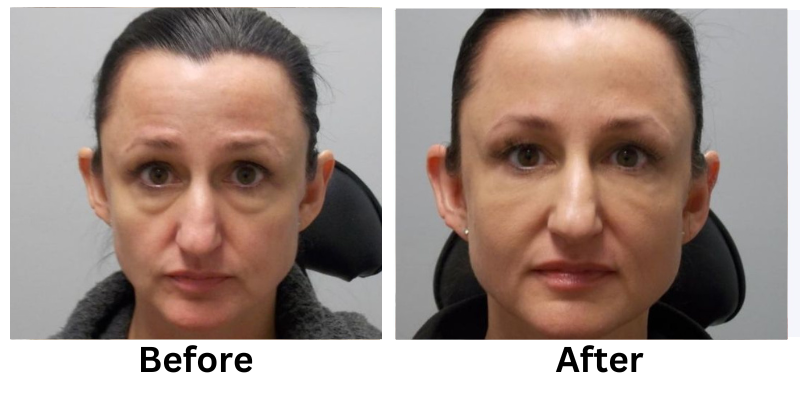
Botox helps with under-eye bags when the puffiness is caused primarily by muscle activity rather than fat protrusion or loose skin. Patients who see the best results from under-eye Botox typically have mild under-eye concerns, visible wrinkling or bunching of skin when smiling, and good skin elasticity with minimal sagging.
The most common successful application is treating the “jelly roll,” a term that describes the small roll of skin and muscle that bulges beneath the lower lash line during facial expressions, especially smiling. The jelly roll forms because the orbicularis oculi contracts and pushes the overlying skin outward. A small dose of neurotoxin relaxes this contraction and creates a smoother lower lid when the patient smiles. Improvement from jelly roll Botox typically appears within 3 to 5 days, with full results visible by day 10 to 14.
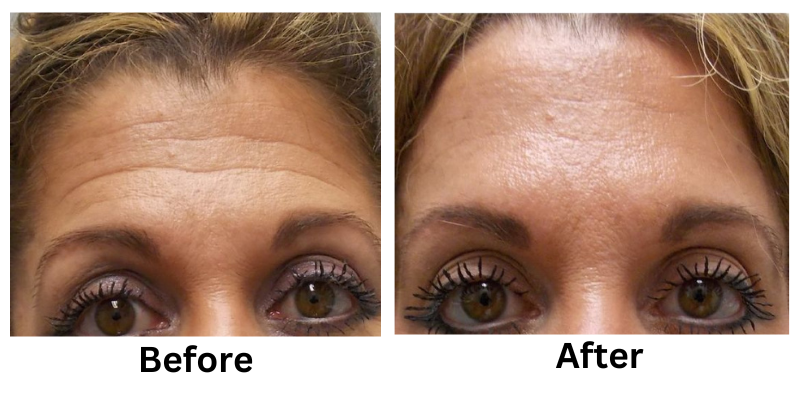
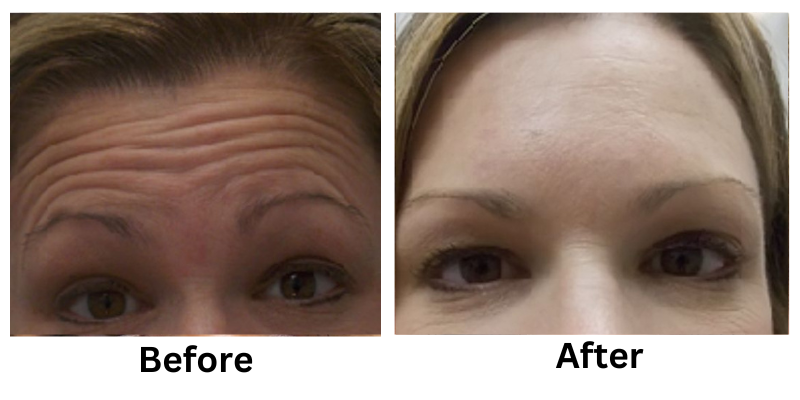
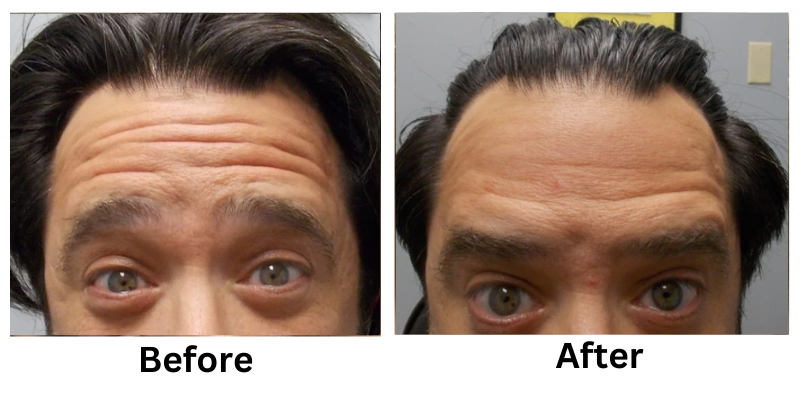
Crow’s feet treatment near the outer corner of the eye also reduces the appearance of under-eye puffiness indirectly. According to the ASPS, Botox injected into the crow’s feet area relaxes the tension around the eyes and smooths the wrinkles that frame the lower lid. This smoothing effect does not eliminate bags, but it reduces the visual emphasis on the puffiness by softening the surrounding skin. Crow’s feet treatment is the FDA-approved Botox indication closest to the under-eye area and carries the most established safety data for periorbital injection.
Botox for Under-Eye Bags When Smiling
Botox for under-eye bags when smiling targets the lower portion of the orbicularis oculi muscle that contracts and pushes skin outward during a smile. Many patients notice that their under-eye area looks smooth at rest but develops a visible bulge or roll of puffiness when they smile or laugh. This dynamic puffiness is muscle-driven, not fat-driven, which makes it a good candidate for Botox.
The treatment involves injecting 2 to 4 units of botulinum toxin into the pretarsal portion of the orbicularis oculi, approximately 3 millimeters below the lower lash line. A dose-finding study published in Ophthalmic Plastic and Reconstructive Surgery tested 4-unit and 8-unit doses in the lower eyelid and found that patients reported mild to moderate improvement in lower eyelid wrinkles at both dose levels. The lower dose is generally preferred because it reduces the risk of over-relaxing the muscle, which could affect blinking function or allow fat pads to push forward.
Patients with strong orbicularis oculi activity and minimal fat herniation see the most consistent results from this treatment. The improvement is subtle by design. Under-eye Botox produces a softening effect, not a dramatic transformation. The goal is to reduce the muscle bulge enough to create a smoother contour when smiling while preserving natural eye movement and expression.
Can Botox Make Under-Eye Bags Worse?
Yes, Botox can make under-eye bags worse if the bags are caused by fat protrusion rather than muscle activity. The orbicularis oculi muscle acts as a natural barrier that holds the orbital fat pads in place. When Botox relaxes this muscle, the barrier weakens. Fat pads that are already herniating forward can push out further once the muscle tension decreases, making the bags appear more prominent than they were before treatment.
This is one of the most important distinctions in under-eye aesthetics. A patient whose under-eye puffiness comes from strong muscle contraction will improve with Botox. A patient whose puffiness comes from fat pushing through weakened connective tissue will get worse with Botox. The two conditions can look similar at a surface level, which is why an experienced injector evaluates the underlying cause before recommending treatment.
Other potential side effects of under-eye Botox include lower eyelid drooping (from over-relaxation of the muscle), difficulty fully closing the eye, increased tear production, and temporary swelling or bruising at the injection site. A 2021 review published in the Journal of Cosmetic Dermatology found that the overall adverse event rate for cosmetic botulinum toxin in the upper face was only 2.6%, but the under-eye area carries higher risk than the forehead or crow’s feet because of the thin skin, dense blood vessel network, and the critical functional role the orbicularis oculi plays in protecting the eyeball.
Which Is Better for Under-Eye Wrinkles, Botox or Fillers?
Botox is better for dynamic under-eye wrinkles caused by muscle movement, while dermal fillers are better for volume loss, tear trough hollows, and static wrinkles that exist even when the face is at rest. The two treatments address different problems and work through completely different mechanisms.
| Feature | Botox | Dermal Fillers | Lower Blepharoplasty |
|---|---|---|---|
| How It Works | Relaxes orbicularis oculi muscle | Restores volume with hyaluronic acid | Removes or repositions fat and excess skin |
| Best For | Fine lines, jelly roll, crow’s feet | Tear trough hollows, volume loss, dark circles from shadows | Fat herniation, significant skin laxity, structural bags |
| FDA Status for Under-Eye | Off-label (crow’s feet approved nearby) | Off-label (FDA recommends caution periorbital) | Established surgical procedure |
| Duration of Results | 3 to 4 months | 6 to 18 months | 10+ years |
| Downtime | None to minimal | Mild swelling for 1 to 3 days | 7 to 14 days recovery |
| Risk Level | Low (higher in lower lid than forehead) | Moderate (vascular risk in periorbital area) | Moderate (surgical risks) |
Sources: American Society of Plastic Surgeons, FDA advisory on periorbital filler use, ASPS 2024 Plastic Surgery Statistics Report
Juvederm fillers and Restylane fillers are the most commonly used hyaluronic acid products for tear trough treatment. These fillers add volume beneath the skin to fill the hollow groove, which reduces the shadow effect that makes bags look more severe. Filler does not remove fat pads or tighten skin; it camouflages volume loss by plumping the area around the bag. The FDA has issued guidance recommending caution with periorbital filler injection due to the complex blood supply in this region, which means tear trough filler should only be performed by providers with advanced injection training and thorough anatomical knowledge.
Blepharoplasty, specifically lower blepharoplasty, remains the gold standard for treating true under-eye bags caused by fat herniation and skin laxity. According to the 2024 ASPS Plastic Surgery Statistics Report, blepharoplasty was the fifth most popular cosmetic surgery procedure in the United States. The International Society of Aesthetic Plastic Surgery (ISAPS) reports that over 1.5 million eyelid surgery procedures are performed globally each year. Blepharoplasty results typically last a decade or longer because the procedure physically removes or repositions the fat and excess skin that create the bags.
Can You Combine Botox and Filler for Under-Eye Concerns?
Yes, you can combine Botox and filler for under-eye concerns, and this combination approach often produces the most natural-looking results. The two treatments target different layers of the problem. Botox addresses the muscle activity that creates dynamic lines and the jelly roll effect. Filler addresses the volume loss in the tear trough that creates shadows and deepens the appearance of bags.
A typical combination treatment plan uses Botox in the crow’s feet and, if appropriate, the lower orbicularis oculi, while placing hyaluronic acid filler in the tear trough to smooth the transition between the lower lid and the cheek. Crow’s feet Botox softens the lateral wrinkles around the eye, and tear trough filler fills the hollow groove beneath the eye. The result is a smoother, more rested appearance without the “done” look that can occur when only one treatment is used in isolation. Dermal fillers and Botox complement each other because they solve adjacent problems through different mechanisms.
Patients who combine treatments often find that the overall effect looks more natural than either treatment alone. The Botox relaxes the muscle tension that creates lines, and the filler restores the volume that creates smooth contours. When both concerns are addressed, the eye area looks refreshed rather than treated.
What Is the Best Treatment for Under-Eye Bags?
The best treatment for under-eye bags depends on the underlying cause of the puffiness. No single treatment works for every type of under-eye bag. The right approach starts with identifying what is creating the problem and then matching the treatment to the cause.
For mild muscle-related puffiness and fine lines, Botox provides effective short-term improvement with minimal downtime. The 40-to-54 age group receives the most Botox procedures in the United States, with over 2.5 million treatments per year according to ASPS data, and under-eye smoothing is a common request within that demographic.
For volume loss and tear trough hollows, hyaluronic acid fillers provide the best non-surgical correction. Filler results last 6 to 18 months depending on the product and the patient’s metabolism. For patients who want to address skin texture, tone, and mild laxity around the eyes, skin tightening procedures and RF microneedling stimulate collagen production in the delicate periorbital skin without affecting the deeper muscle or fat layers.
For true structural under-eye bags caused by fat herniation and significant skin sagging, laser resurfacing and surgical blepharoplasty produce the longest-lasting results. Blepharoplasty addresses the root cause by removing or repositioning the herniated fat and excising excess skin. Non-surgical treatments cannot replicate this structural correction.
What to Expect During an Under-Eye Consultation
An under-eye consultation involves a thorough evaluation of the cause of your under-eye bags, your skin quality, your facial anatomy, and your goals for treatment. The consultation determines whether Botox, filler, a combination approach, or a referral for surgical evaluation is the right path for you.
- Your provider examines the under-eye area at rest and during facial expressions (smiling, squinting) to determine whether puffiness is muscle-driven, fat-driven, or a combination of both.
- The provider assesses skin elasticity by gently pressing on the lower lid to check how quickly the skin rebounds, which indicates how much collagen and elastin support remains.
- The tear trough depth is evaluated to determine whether volume loss contributes to the appearance of bags or dark circles.
- Your provider reviews your medical history, including allergies, previous cosmetic treatments, medications (especially blood thinners), and any history of eye conditions.
- Based on the evaluation, the provider recommends one or more treatment options and explains what each option can realistically achieve. Patients in the Lee’s Summit and Kansas City area can schedule a free consultation to have this assessment done in person.
The most important outcome of the consultation is an accurate diagnosis of the cause. Patients who skip this step and go directly to a treatment based on what they read online are the ones most likely to be disappointed. A 10-minute evaluation by an experienced neurotoxin treatment provider can prevent months of frustration from choosing the wrong approach.
How to Protect Your Under-Eye Results Long Term
Protecting your under-eye results requires sun protection, adequate hydration, quality sleep, and a consistent maintenance schedule for injectable treatments. The under-eye area ages faster than almost any other part of the face because the skin is so thin and the area is constantly in motion from blinking, squinting, and expressing.
Daily sunscreen is the single most effective long-term protection for the under-eye area. Ultraviolet radiation breaks down collagen and elastin fibers, which accelerates both skin laxity and volume loss around the eyes. A broad-spectrum SPF 30 or higher applied every morning, including to the delicate orbital skin, slows this degradation. Sunglasses with UV protection reduce the amount of squinting the orbicularis oculi performs throughout the day, which in turn reduces the repetitive muscle contraction that deepens crow’s feet and contributes to the jelly roll effect.
Hydration supports skin plumpness from the inside. Dehydrated skin looks thinner and more creased, which exaggerates any puffiness beneath. Adequate water intake, combined with a hyaluronic acid serum applied topically, helps maintain the skin’s moisture barrier. Reducing sodium intake minimizes fluid retention that causes morning puffiness, and sleeping with the head slightly elevated encourages fluid drainage away from the orbital area overnight.
For patients using Botox injections to manage under-eye lines, maintaining a consistent treatment schedule of every 3 to 4 months produces the best cumulative results. Over time, the muscles that cause the lines gradually weaken from repeated treatment, which means some patients find they need fewer units or less frequent sessions as the years progress. According to ISAPS data, 85.5% of all Botox treatments are administered to women, though men are the fastest-growing demographic for neurotoxin treatments globally.
Frequently Asked Questions
Can Botox Fix Saggy Eye Bags?
No, Botox cannot fix saggy eye bags. Saggy eye bags are caused by fat herniation and skin laxity, both of which are structural problems that Botox does not address. Botox relaxes muscles; it does not remove fat or tighten loose skin. Saggy eye bags caused by fat protrusion respond best to lower blepharoplasty, a surgical procedure that removes or repositions the herniated fat and trims excess skin. Botox applied to an area with significant sagging can worsen the appearance by reducing the muscle tension that partially holds the fat pads in place.
What Is the Riskiest Place for Botox?
The area around the eyes, specifically the lower eyelid and the region between the brow and the upper lid, carries the highest risk for Botox complications. The orbicularis oculi muscle controls eyelid closure, and over-relaxation can cause difficulty closing the eye, lower lid drooping, or increased tear production. A 2026 narrative review published in PubMed found that upper eyelid ptosis was the most frequently reported clinically significant complication from facial Botox injections. The risk is minimized when treatment is performed by an experienced injector who understands periorbital anatomy and uses conservative dosing.
How Many Units of Botox Are Used Under the Eyes?
Under-eye Botox typically uses 2 to 4 units per side, for a total of 4 to 8 units. This is significantly less than the 10 to 30 units commonly used for forehead lines or crow’s feet. The small dose reflects the delicacy of the lower eyelid area and the importance of preserving enough muscle function to protect the eye and maintain natural blinking.
What Happens After 20 Years of Botox?
After 20 years of consistent Botox use, the treated muscles are typically weaker and smaller from prolonged disuse, which means dynamic wrinkles in those areas are less pronounced even without treatment. The skin itself continues to age naturally, losing collagen and elasticity over time, but the wrinkles caused by muscle contraction are reduced because the muscles have been repeatedly relaxed. Botox does not cause long-term damage to skin, nerves, or muscles, and it is fully metabolized by the body within 3 to 4 months of each treatment.
Does Botox Eventually Leave Your Body?
Yes, Botox completely leaves your body. The botulinum toxin is broken down by your body’s natural metabolic processes within 3 to 4 months after injection. Once the toxin is metabolized, the nerve endings regenerate new acetylcholine receptors, normal muscle function returns, and no trace of the product remains in the tissue. Botox does not accumulate in the body with repeated use.
When Is Botox at Its Peak?
Botox reaches its peak effect approximately 10 to 14 days after injection. The toxin begins binding to nerve receptors within the first 24 to 48 hours, visible changes appear between days 3 and 5, and maximum muscle relaxation occurs by day 14. Results remain at or near peak strength for approximately 4 to 6 weeks before the nerve endings gradually regenerate and muscle movement slowly returns over the following 2 to 3 months.
What It All Comes Down To
Botox can help with under-eye bags, but only when the puffiness is caused by muscle activity, not fat protrusion or loose skin. The “jelly roll” effect when smiling, fine lines beneath the lower lash line, and crow’s feet that frame the eye area are the concerns that respond best to Botox. True structural bags from herniated fat pads or significant skin sagging require dermal fillers, laser treatments, or surgical blepharoplasty for meaningful improvement. The most successful patients are the ones who get an accurate diagnosis first and then choose the treatment that matches the cause.
We see under-eye concerns every day, and the right answer starts with understanding what is happening beneath the surface. At Slimming Solutions Med Spa, we evaluate your under-eye area, explain what is causing the puffiness, and recommend a treatment plan that fits your goals and your anatomy. Call us at (816) 524-3438 to schedule a free consultation.
![[thumb]](https://slimmingsolutionsspa.com/wp-content/uploads/2023/12/botox1-150x150.png)
![[thumb]](https://slimmingsolutionsspa.com/wp-content/uploads/2023/12/Before2-150x150.png)
![[thumb]](https://slimmingsolutionsspa.com/wp-content/uploads/2023/12/Before3-150x150.png)


![[thumb]](https://slimmingsolutionsspa.com/wp-content/uploads/2023/12/revanesse-versa-1-150x150.png)
![[thumb]](https://slimmingsolutionsspa.com/wp-content/uploads/2023/12/revanesse-versa-2-150x150.png)
![[thumb]](https://slimmingsolutionsspa.com/wp-content/uploads/2023/12/revanesse-versa-3-150x150.png)
![[thumb]](https://slimmingsolutionsspa.com/wp-content/uploads/2023/12/revanesse-versa-4-150x150.png)
![[thumb]](https://slimmingsolutionsspa.com/wp-content/uploads/2023/12/revanesse-versa-5-150x150.png)
![[thumb]](https://slimmingsolutionsspa.com/wp-content/uploads/2024/01/Eyebrow-treatment-1-1-150x150.png)
![[thumb]](https://slimmingsolutionsspa.com/wp-content/uploads/2023/12/Skin-Rejuvenation-1-150x150.png)
![[thumb]](https://slimmingsolutionsspa.com/wp-content/uploads/2023/12/Skin-Rejuvenation-2-150x150.png)


![[thumb]](https://slimmingsolutionsspa.com/wp-content/uploads/2024/01/Lip-Filler-1-150x150.png)
![[thumb]](https://slimmingsolutionsspa.com/wp-content/uploads/2024/01/Lip-Filler-2-150x150.png)
![[thumb]](https://slimmingsolutionsspa.com/wp-content/uploads/2025/02/Lip-Filler-1-150x150.png)
![[thumb]](https://slimmingsolutionsspa.com/wp-content/uploads/2024/01/Lip-Filler-150x150.jpg)
![[thumb]](https://slimmingsolutionsspa.com/wp-content/uploads/2024/01/Before-1-150x150.jpg)

![[thumb]](https://slimmingsolutionsspa.com/wp-content/uploads/2024/01/RHA-Treatmetn-3-150x150.png)
![[thumb]](https://slimmingsolutionsspa.com/wp-content/uploads/2024/01/RHA-Treatmetn-2-150x150.png)
![[thumb]](https://slimmingsolutionsspa.com/wp-content/uploads/2024/01/RHA-Treatmetn-1-150x150.png)
![[thumb]](https://slimmingsolutionsspa.com/wp-content/uploads/2024/01/Thread-Lifts-1-150x150.png)
![[thumb]](https://slimmingsolutionsspa.com/wp-content/uploads/2024/01/Thread-Lifts-2-150x150.png)
![[thumb]](https://slimmingsolutionsspa.com/wp-content/uploads/2025/02/Lip-Filler-2-150x150.png)

![[thumb]](https://slimmingsolutionsspa.com/wp-content/uploads/2023/12/skin-reuvulation1-150x150.png)
![[thumb]](https://slimmingsolutionsspa.com/wp-content/uploads/2023/12/skin-rejuvulation-2-150x150.png)
![[thumb]](https://slimmingsolutionsspa.com/wp-content/uploads/2023/12/Skin-Tighting-150x150.png)
![[thumb]](https://slimmingsolutionsspa.com/wp-content/uploads/2023/12/Before-150x150.jpg)
![[thumb]](https://slimmingsolutionsspa.com/wp-content/uploads/2023/12/weightloss-1-150x150.png)
![[thumb]](https://slimmingsolutionsspa.com/wp-content/uploads/2023/12/weightloss-2-150x150.png)
![[thumb]](https://slimmingsolutionsspa.com/wp-content/uploads/2023/12/2Weight-Loss-2-150x150.png)
![[thumb]](https://slimmingsolutionsspa.com/wp-content/uploads/2025/02/Weight-Loss-1-new-150x150.png)
![[thumb]](https://slimmingsolutionsspa.com/wp-content/uploads/2023/12/Weight-Loss-3-150x150.png)
![[thumb]](https://slimmingsolutionsspa.com/wp-content/uploads/2025/03/Slimming-Solutions-BA-Template-150x150.png)


![[thumb]](https://slimmingsolutionsspa.com/wp-content/uploads/2023/12/dat3-150x150.png)
![[thumb]](https://slimmingsolutionsspa.com/wp-content/uploads/2023/12/dat-0-150x150.png)
![[thumb]](https://slimmingsolutionsspa.com/wp-content/uploads/2023/12/dat-1-150x150.png)
![[thumb]](https://slimmingsolutionsspa.com/wp-content/uploads/2023/12/Before-1-150x150.png)

![[thumb]](https://slimmingsolutionsspa.com/wp-content/uploads/2024/01/EMS-Treatment-2-150x150.png)
![[thumb]](https://slimmingsolutionsspa.com/wp-content/uploads/2024/01/EMS-Treatment-1-150x150.png)
![[thumb]](https://slimmingsolutionsspa.com/wp-content/uploads/2025/02/ems-BNA-front-150x150.png)
![[thumb]](https://slimmingsolutionsspa.com/wp-content/uploads/2025/02/EMS-bna-SIDE-150x150.png)
![[thumb]](https://slimmingsolutionsspa.com/wp-content/uploads/2024/01/EMS-Treatment-6-150x150.png)