No, you should not get a chemical peel while taking doxycycline. This common antibiotic makes your skin extra sensitive to light a condition doctors call photosensitivity. Chemical peels remove outer skin layers, leaving fresh skin that burns very easily. Put these two together, and you risk serious burns, dark spots, and lasting skin damage.
Here at Slimming Solutions Med Spa on Douglas Street in Lee’s Summit, MO, we talk about this topic often. Many of our Kansas City area clients take doxycycline for acne, rosacea, or infections. They want to know if they can still get their favorite skin treatments. The short answer is yes but you need to wait at least 7-14 days after your last dose.
This guide covers everything about mixing doxycycline and chemical peels. You’ll learn why timing matters, how long to wait, what can go wrong, and what safe options exist while you’re on this medication. We’ll also share insights from our team’s decades of experience helping clients from Lee’s Summit, Independence, Blue Springs, Raymore, and across the Kansas City metro achieve beautiful skin safely.
Understanding Doxycycline and How It Affects Your Skin
Before we dive into chemical peels, let’s talk about what doxycycline actually does to your skin. This knowledge helps you understand why timing your treatments matters so much.
What Is Doxycycline?
Doxycycline belongs to a family of antibiotics called tetracyclines. Doctors prescribe it for many conditions. These include acne, rosacea, skin infections, Lyme disease, and even malaria prevention. It works by killing bacteria and reducing inflammation in the body.
For skin problems like acne, doxycycline fights the bacteria that cause breakouts. It also calms down redness and swelling. Many people see great results from this medication. But it comes with one important side effect that affects skincare treatments photosensitivity.
How Photosensitivity Works
When you take doxycycline, the drug travels through your bloodstream and settles into your skin cells. These cells then absorb ultraviolet (UV) light much more than they normally would. According to research published in Skin Pharmacology and Physiology, the UVA1 spectrum (340-400 nm wavelength) triggers most doxycycline reactions.
Here’s what happens at a cellular level. The doxycycline in your skin absorbs UV energy. This creates something called reactive oxygen species tiny molecules that damage skin cells from the inside out. The result looks and feels like a severe sunburn, but it can happen much faster and with less sun exposure than normal.
Symptoms of doxycycline photosensitivity include intense redness on sun-exposed areas, burning or stinging sensations, swelling and puffiness, blistering in severe cases, and sometimes even nail problems called photo-onycholysis.
How Common Is This Reaction?
Studies show photosensitivity reactions happen in about 1-3% of patients taking standard doses of doxycycline (100mg twice daily). However, research from PMC shows this number jumps significantly at higher doses. People taking doxycycline for longer periods (14-15 days) also face higher risks than those on shorter courses.
Fair-skinned individuals those with Fitzpatrick skin types I through III face the highest risk. But anyone on doxycycline should take precautions, regardless of their natural skin tone.
Why Doxycycline and Chemical Peels Don’t Mix
Now let’s connect the dots between doxycycline’s effects and chemical peel treatments. Understanding this relationship helps you make smart decisions about your skincare.
How Chemical Peels Work
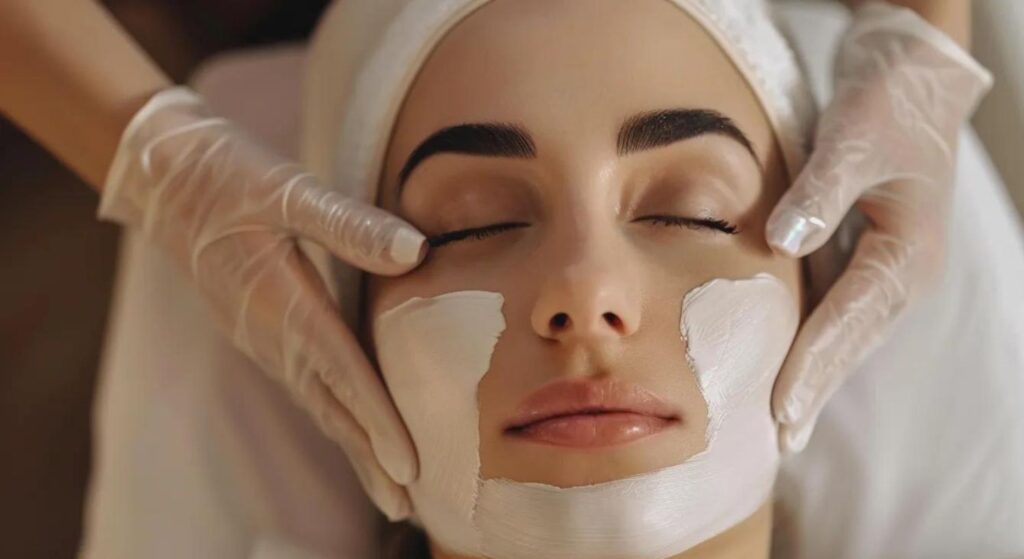
Chemical peels use acid solutions to remove damaged outer skin layers. At Slimming Solutions Med Spa, we only use medical and physician-grade chemical peels. These peels are made from fruit or milk acids which is why it’s a bit puzzling they’re called “chemical” peels, but they work fantastically!
The acids dissolve the bonds holding dead skin cells together. This allows old, dull skin to slough off. Fresh, new skin emerges from underneath. This process treats sun damage, wrinkles, scarring, acne, large pores, and discoloration.
The key point here is that chemical peels purposely remove your skin’s protective outer layer. That fresh skin underneath has zero built-in defense. It hasn’t developed any natural protection yet.
The Double Trouble Effect
When you combine photosensitive skin (from doxycycline) with vulnerable new skin (from a chemical peel), you create what skincare professionals call a “double trouble” situation. Your risk for complications multiplies.
Think of it like this. Normal skin has a shield. Doxycycline weakens that shield significantly. A chemical peel then removes whatever shield remains. You’re left with raw, defenseless skin that reacts badly to any light exposure.
The specific risks include:
Severe Burns: Even brief exposure to sunlight or even bright indoor lighting in some cases can cause burns on treated skin. These aren’t ordinary sunburns. They can blister, weep, and take weeks to heal.
Post-Inflammatory Hyperpigmentation: This is a fancy term for dark patches that appear after skin trauma. When photosensitive skin gets a chemical peel, the combination can trigger your melanocytes (pigment-producing cells) to go into overdrive. The result is dark spots that can last 6-12 months or longer.
Extended Healing Times: Normal chemical peel recovery takes about 7-14 days depending on the peel depth. With doxycycline in your system, healing can take much longer because your skin can’t regenerate normally while fighting constant light sensitivity.
Increased Scarring Risk: When skin can’t heal properly, scarring becomes more likely. This is especially true if blistering or severe burns occur.
For folks living in Lee’s Summit, Blue Springs, Independence, Raytown, and throughout the Kansas City area, these risks matter even more during our bright Missouri summers. Even our cloudy winter days can trigger reactions in photosensitive skin.
How Long Should You Wait After Stopping Doxycycline?
This is the million-dollar question we hear from clients at our Lee’s Summit med spa. The answer depends on several factors.
General Guidelines
Most skincare experts and dermatology clinics recommend waiting at least 7-14 days after your last doxycycline dose before getting a chemical peel. According to pre-procedure guidelines from leading dermatology practices, patients should stop doxycycline at least one week before any exfoliating treatment.
However, the safest approach involves individual assessment. Your wait time may need to be longer based on several factors.
Factors That Affect Your Wait Time
Peel Depth: Deeper peels remove more skin and require longer healing. They need longer doxycycline-free periods for safety.
Your Skin Type: Fair-skinned individuals (Fitzpatrick types I-III) should wait longer because they’re more prone to photosensitivity reactions and post-inflammatory hyperpigmentation.
Doxycycline Dose: Higher doses mean more drug accumulation in your skin. If you were taking more than the standard 100mg twice daily, add extra wait time.
Treatment Duration: Taking doxycycline for several months means more has built up in your tissues. Research from The Journal of Pediatrics shows photosensitivity symptoms commonly resolve 10-14 days after stopping medication, but some individuals need longer.
Season and Sun Exposure: Getting a peel in summer requires more caution than winter. If you spend a lot of time outdoors, factor that into your timeline.
Recommended Wait Times by Peel Type
| Peel Type | Minimum Wait Time | Notes |
|---|---|---|
| Light “Lunch Time” Peels | 7–10 days | Safest starting point for recently cleared patients |
| Medium Peels | 10–14 days | Standard recommendation for most clients |
| TCA or Deep Peels | 14–21 days | Requires longer clearance due to deeper penetration |
| Fair Skin (Types I–II) | Add 3–7 extra days | Higher photosensitivity risk |
| High-Dose Users | Add 7 extra days | More drug accumulation in tissues |
| Long-Term Users (3+ months) | Add 7–14 extra days | Consider consultation before scheduling |
The Science Behind These Timelines
Doxycycline has what pharmacologists call a “half-life” of 18-22 hours. This means half the drug leaves your body roughly every day. After about 5 half-lives (roughly 4-5 days), most of the drug has cleared from your bloodstream.
But here’s the catch. Small amounts of doxycycline stay in your skin longer than in your blood. Your skin acts like a reservoir, slowly releasing the drug over time. That’s why the recommended wait time is 7-14 days rather than just 4-5 days.
What Our Lee’s Summit Team Recommends
At Slimming Solutions Med Spa, all medical peels are administered by Joi Tydings, our registered nurse who is also a licensed esthetician. Joi has been in medical esthetics since 2006 and holds two certified laser technician certificates. She always asks clients about current medications during consultations.
Our Consultation Process
When you visit our location at 501 SE Douglas St. in Lee’s Summit, here’s what happens:
First, we review your complete medication history. This includes prescription drugs, over-the-counter medications, and supplements. Many products can affect skin sensitivity.
Next, we examine your skin type and current condition. We look for any signs of existing sun damage or sensitivity that might indicate you need extra caution.
Then, we discuss your goals. What skin concerns are you trying to address? What kind of results do you want? How much downtime can you handle?
Finally, we create a personalized treatment plan. If you’re on doxycycline or recently stopped, we’ll map out a timeline that keeps your skin safe while still helping you reach your goals.
Why This Matters
Our team has decades of combined experience. We’ve participated in hands-on training with medical professionals from around the world. We’ve even flown in experts for private training sessions. This background helps us recognize potential problems before they happen.
Our Medical Director, Dr. David Jensen, DO, brings years of experience and genuine enthusiasm for the newest treatment applications. Rhonda Wilt, APRN, our Patient Care Specialist, began her nursing career in 1989. Together, this team catches issues that less experienced providers might miss.
What Happens If You Don’t Wait Long Enough
Understanding the consequences helps reinforce why patience pays off. Let’s look at what can go wrong.
Immediate Reactions
When photosensitive skin undergoes chemical exfoliation, problems can start right away. Even indoor lighting can sometimes cause mild reactions. Direct sunlight poses severe danger.
Common immediate issues include:
Intense Burning: The treated area may burn or sting much more than normal during and after the peel. This isn’t the typical mild tingling most clients experience it’s painful.
Excessive Redness: Some redness after a peel is normal. But photosensitive skin turns extremely red, almost purple in some cases. This redness lasts much longer than it should.
Blistering: In severe cases, the skin blisters like a bad sunburn. These blisters can weep, crust over, and take weeks to heal.
Severe Swelling: The face may swell significantly, especially around the eyes and cheeks. This swelling can last several days.
Long-Term Complications
The bigger concerns often show up days or weeks later.
Post-Inflammatory Hyperpigmentation (PIH): This is the most common long-term complication. Stressed, traumatized skin produces excess melanin as a protective response. Dark patches appear in the treated areas. These can last 6-12 months or longer, sometimes becoming permanent without proper treatment.
People with darker skin tones Fitzpatrick skin types IV through VI face even higher PIH risks. The combination of doxycycline-caused photosensitivity and peel-related skin trauma creates a perfect storm for pigmentation problems.
Scarring: While scarring from chemical peels is rare when performed correctly, the risk increases significantly when skin can’t heal normally. If blistering occurs or if someone picks at healing skin, permanent scars can form.
Prolonged Sensitivity: Some patients develop ongoing sensitivity that lasts months after the incident. Their skin remains reactive to products, sun exposure, and other treatments long after it should have healed.
Uneven Results: Even if you avoid major complications, getting a peel while photosensitive often leads to uneven results. Some areas heal differently than others, creating a patchy appearance.
Safe Skin Treatments While Taking Doxycycline
Just because you’re on doxycycline doesn’t mean you can’t take care of your skin. Several treatments work safely with this medication. Here at Slimming Solutions, we offer many alternatives for our Lee’s Summit and Kansas City area clients.
Gentle Facial Treatments
Our professional facials offer deep cleansing and hydration without harsh exfoliation. We customize these treatments to avoid acids that might irritate photosensitive skin.
A good facial while on doxycycline might include gentle cleansing to remove dirt and oil, steam to open pores (briefly, not prolonged heat), manual extractions if needed, hydrating masks and serums, and soothing, anti-inflammatory products.
These steps improve your skin without the risks associated with chemical exfoliation.
Aqua Facials
Aqua facials use water-based cleansing and hydration. The gentle vortex technology removes impurities without aggressive chemical action.
This treatment provides deep pore cleansing, gentle exfoliation through water pressure rather than acids, antioxidant infusion for skin health, and immediate hydration and glow.
Many clients from Lee’s Summit, Raymore, Belton, and throughout Jackson County love aqua facials as a safe option while on photosensitizing medications.
LED Light Therapy Considerations
Here’s some good news from research. LED light masks use different wavelengths than the UV spectrum that triggers doxycycline reactions. Studies show blue light (415nm) and red light (630nm) don’t interact with doxycycline the same way UVA light does.
However, we still recommend discussing LED treatments with your provider. Every patient’s sensitivity level differs. Some people react to light spectrums that don’t typically cause problems.
Focus on Hydration and Protection
While waiting to schedule your peel, focus on these skin priorities:
Moisturize Daily: Doxycycline can dry out skin. Use gentle, fragrance-free moisturizers morning and night. Hyaluronic acid serums add moisture without irritation. Ceramide-rich creams help repair the skin barrier.
Serious Sun Protection: Wear SPF 30 or higher every single day even on cloudy Kansas City days. UVA rays penetrate clouds and windows. Reapply every two hours when outdoors. Consider mineral sunscreens with zinc oxide, which block UVA rays better than chemical-only formulas.
Skip Harsh Products: While on doxycycline, avoid retinoids and retinol products, strong vitamin C serums (especially L-ascorbic acid), alpha hydroxy acids (AHAs) like glycolic acid, beta hydroxy acids (BHAs) like salicylic acid, physical scrubs and exfoliating brushes, and any products labeled “brightening” or “resurfacing.”
Your skin is already sensitive. These products add more stress and increase your risk of reactions.
Treatments to Definitely Avoid
While on doxycycline, skip these treatments entirely:
- Chemical peels of any depth
- Microdermabrasion
- Dermaplaning
- Laser treatments
- IPL (Intense Pulsed Light)
- FotoFacial RF
- Any light-based therapy
Wait until you’ve been off the medication for the recommended time before booking these services.
Planning Your Chemical Peel After Doxycycline
Ready to book your peel after finishing doxycycline? Here’s a complete guide to preparing for great results.
Pre-Treatment Checklist
Before your appointment at our Lee’s Summit location, complete these important steps:
Step 1: Confirm with Your Doctor Never stop any medication without medical guidance. Talk to the doctor who prescribed your doxycycline. Make sure it’s safe to discontinue and that you’ve completed your full course of treatment.
Step 2: Mark Your Calendar Note the date of your last doxycycline dose. Count forward to determine your safe treatment window based on the guidelines we discussed earlier.
Step 3: Schedule a Consultation Book a free consultation at Slimming Solutions Med Spa. Our team will assess your skin, review your medication history, and recommend the right peel type and timing.
Step 4: Start Sun Protection Protocol Begin strict sun protection 2-4 weeks before your peel. This prepares your skin and reduces your risk of post-inflammatory hyperpigmentation.
Step 5: Prep Your Skin About 2 weeks before your peel, you may be advised to use certain products to prepare your skin. This might include a gentle retinol (stopped 5-7 days before the peel) or a hydrating routine to ensure your skin is in optimal condition.
Choosing the Right Peel for Your Needs
At Slimming Solutions, we offer several chemical peel options. Here’s what might work best depending on your situation:
The “Lunch Time” Peel This lighter peel relieves skin dullness and improves acne with no downtime. It’s formulated to improve the appearance and texture of the skin. For clients recently off doxycycline, this offers a safer starting point with minimal risk.
This peel works great for mild acne and congestion, dull or tired-looking skin, minor discoloration, first-time peel clients, and those who can’t take time off work.
The TCA Peel This is one of our deepest peels. The most potent of our formulas, this peel improves skin tone and provides exfoliation for oilier and thicker skin. It’s effective for those who need deeper treatment because of scarring, wrinkling, or aging.
Because TCA peels remove more skin layers, we recommend waiting longer after doxycycline at least 14-21 days. The results are more dramatic, but the commitment is higher too.
Medical Microdermabrasion Combine any chemical peel with microdermabrasion for more dramatic improvement. The diamond-tip microdermabrasion removes surface dead skin before the chemical peel is applied, allowing deeper penetration and better results.
What to Expect During Your Treatment
All medical peels at Slimming Solutions are administered by a registered nurse who is also a licensed esthetician. Your peel can take anywhere from 30-90 minutes depending on which type you receive.
Here’s the typical process:
- Skin Analysis: We examine your skin and confirm the treatment plan.
- Cleansing: Your face is thoroughly cleaned to remove all makeup, oil, and debris.
- Preparation: For some peels, a prep solution is applied first.
- Peel Application: The chemical solution is carefully applied. You may feel tingling during the peel for a few minutes. This is normal.
- Neutralization: For certain peels, a neutralizing solution is applied.
- Soothing Products: We apply calming, hydrating products to comfort your skin.
- Aftercare Instructions: You receive detailed instructions for caring for your skin at home.
Recovery and Aftercare
It’s a medical peel, so you may have a few days of downtime with dryness. But it’s worth it for the amazing glow you’ll see soon enough! Our Post Treatment Care product speeds the healing.
What to expect during recovery:
Days 1-3: Your skin may look slightly red and feel tight. This is normal.
Days 3-5: Peeling typically begins, starting around the nose and mouth. Some clients peel more than others. Don’t pick or pull at peeling skin!
Days 5-10: New skin emerges. You’ll start seeing the glow.
Weeks 1-2: Initial results become visible. Most people experience the benefits of their chemical peel for up to 6 months.
After your chemical peel, strict sun protection is essential especially if you were recently on doxycycline. Your new skin is vulnerable. Wear SPF 30+ daily, avoid direct sunlight as much as possible, and consider wearing a hat outdoors.
Other Medications That Affect Chemical Peels
Doxycycline isn’t the only medication that increases photosensitivity. Several other common drugs need similar caution. Always tell your skincare provider about ALL medications you take.
Other Antibiotics to Watch
Minocycline: Another tetracycline antibiotic with similar photosensitizing effects.
Fluoroquinolones: This family includes ciprofloxacin (Cipro), levofloxacin (Levaquin), and others. They commonly cause sun sensitivity.
Sulfonamides: Including Bactrim and other sulfa antibiotics.
Other Common Photosensitizing Medications
Blood Pressure Medications: Thiazide diuretics like hydrochlorothiazide are notorious for causing sun sensitivity.
NSAIDs: Ibuprofen, naproxen, and similar anti-inflammatory drugs can increase photosensitivity in some people.
Certain Antidepressants: Some SSRIs and tricyclic antidepressants cause sun sensitivity.
Antifungals: Certain oral antifungal medications increase photosensitivity risk.
Retinoids: Oral isotretinoin (Accutane) is in a category all its own see below.
Chemotherapy Drugs: Many cancer medications cause severe photosensitivity.
Accutane Requires Special Consideration
While doxycycline requires 7-14 days of waiting, Accutane (isotretinoin) is much more serious. This powerful acne medication dramatically thins the skin and impairs healing for months after stopping.
Most providers require waiting 6-12 months after stopping Accutane before any chemical peel. Some recommend waiting a full year for deeper peels.
If you’ve used Accutane recently even if it was 6+ months ago please mention this during your Slimming Solutions consultation. We take this very seriously.
Why Trust Slimming Solutions Med Spa
Since 2007, Slimming Solutions has served Lee’s Summit and the greater Kansas City community. Our husband-and-wife owned practice treats every client like family. As soon as you walk in the door, you become part of that family.
Our Team’s Credentials and Experience
Joi Tydings, RN/BS/LE/CLT/Master Injector Joi has been in medical esthetics since 2006. She’s a licensed Advanced Esthetician, Registered Nurse, and holds two certified laser technician certificates. She specializes in anti-aging techniques to keep your skin healthy and youthful. Joi constantly learns the newest techniques, procedures, and technology in the industry.
Fun fact: Joi personally lost 86 pounds in 2010 and offers the same successful strategies through Slimming Solutions’ Behavior Modification Program.
David Rawitch, Office Manager/Counselor David handles most behind-the-scenes work but loves meeting clients whenever possible. He’s completed work toward a Master’s Degree in Psychology and has attended the majority of training with Joi. His understanding nature makes him perfect for helping clients who struggle with emotional aspects of their wellness journey.
Dr. David Jensen, DO, Medical Director Along with many years of experience, Dr. Jensen brings infectious enthusiasm for the newest treatment applications in the medspa industry. He’s a perfect fit for the Slimming Solutions family.
Rhonda Wilt, APRN, Patient Care Specialist When Rhonda joined in 2017, we were amazed at her level of care and professionalism. She began her nursing career in 1989 and has been on a constant path of improvement. Her experience and genuine caring are rare finds.
Training That Sets Us Apart
Our staff has amassed decades of expertise and training. We’ve participated in hands-on training with medical professionals from around the world. We’ve even flown in experts for private training sessions.
You simply cannot get better than that.
Serving the Kansas City Metro Since 2007
We’ve helped patients from Lee’s Summit, Leawood, Overland Park, Raymore, Independence, Blue Springs, Raytown, Grandview, Belton, and the surrounding Kansas City area achieve their personal goals for nearly two decades. We even have clients fly in from around the country and beyond!
Our location at 501 SE Douglas St. in Lee’s Summit is easily accessible from anywhere in the metro. We’re open by appointment only, so you never feel rushed or processed through like at high-volume clinics.
Frequently Asked Questions
Can I Get a Light Peel While on Doxycycline?
No. Even light peels remove protective skin layers. Combined with doxycycline’s photosensitizing effects, this creates risk for burns and dark spots. Wait at least 7-10 days after your last dose for the safest results.
How Do I Know When It’s Safe to Get a Peel?
The safest approach is a consultation with experienced professionals like our team at Slimming Solutions. We’ll review your medication history, examine your skin, and recommend the right timing for your specific situation. Call us at (816) 524-3438 to schedule your free consultation.
What If I Need to Stay on Doxycycline Long-Term?
Some people take doxycycline for months for conditions like rosacea. In these cases, we can discuss alternative treatments like gentle facials, aqua facials, or plan for chemical peels during breaks in your medication schedule always with your doctor’s approval.
Does Doxycycline Affect Other Skin Treatments?
Yes. You should avoid doxycycline for at least one week before laser treatments, IPL, microdermabrasion, and other light-based or exfoliating procedures. The photosensitivity affects any treatment that involves light energy or removes protective skin layers.
Will My Skin Return to Normal After Stopping Doxycycline?
Yes. Most research shows photosensitivity fades within 10-14 days after your last dose. However, some people need a bit longer. Fair-skinned individuals and those who took higher doses should allow extra time.
I Got a Peel While on Doxycycline and Now Have Dark Spots. What Can I Do?
First, don’t panic. Post-inflammatory hyperpigmentation often fades with time and proper care. Strict sun protection is essential any additional sun exposure will make the spots worse. Visit us for a consultation. We can recommend treatments like chemical peels for pigmentation (once you’re fully healed and off doxycycline), vitamin C serums, and other options to help fade the discoloration.
Final Thoughts
Chemical peels offer wonderful benefits for skin texture, tone, and clarity. They treat hyperpigmentation, fine lines and wrinkles, acne scars, and dull skin beautifully. But timing matters especially when doxycycline is in the picture.
By waiting 7-14 days after stopping this medication, you protect yourself from burns, dark spots, and other complications. It’s a small delay for much better results and far fewer risks.
At Slimming Solutions Med Spa in Lee’s Summit, we believe infor
![[thumb]](https://slimmingsolutionsspa.com/wp-content/uploads/2023/12/botox1-150x150.png)
![[thumb]](https://slimmingsolutionsspa.com/wp-content/uploads/2023/12/Before2-150x150.png)
![[thumb]](https://slimmingsolutionsspa.com/wp-content/uploads/2023/12/Before3-150x150.png)


![[thumb]](https://slimmingsolutionsspa.com/wp-content/uploads/2023/12/revanesse-versa-1-150x150.png)
![[thumb]](https://slimmingsolutionsspa.com/wp-content/uploads/2023/12/revanesse-versa-2-150x150.png)
![[thumb]](https://slimmingsolutionsspa.com/wp-content/uploads/2023/12/revanesse-versa-3-150x150.png)
![[thumb]](https://slimmingsolutionsspa.com/wp-content/uploads/2023/12/revanesse-versa-4-150x150.png)
![[thumb]](https://slimmingsolutionsspa.com/wp-content/uploads/2023/12/revanesse-versa-5-150x150.png)
![[thumb]](https://slimmingsolutionsspa.com/wp-content/uploads/2024/01/Eyebrow-treatment-1-1-150x150.png)
![[thumb]](https://slimmingsolutionsspa.com/wp-content/uploads/2023/12/Skin-Rejuvenation-1-150x150.png)
![[thumb]](https://slimmingsolutionsspa.com/wp-content/uploads/2023/12/Skin-Rejuvenation-2-150x150.png)


![[thumb]](https://slimmingsolutionsspa.com/wp-content/uploads/2024/01/Lip-Filler-1-150x150.png)
![[thumb]](https://slimmingsolutionsspa.com/wp-content/uploads/2024/01/Lip-Filler-2-150x150.png)
![[thumb]](https://slimmingsolutionsspa.com/wp-content/uploads/2025/02/Lip-Filler-1-150x150.png)
![[thumb]](https://slimmingsolutionsspa.com/wp-content/uploads/2024/01/Lip-Filler-150x150.jpg)
![[thumb]](https://slimmingsolutionsspa.com/wp-content/uploads/2024/01/Before-1-150x150.jpg)

![[thumb]](https://slimmingsolutionsspa.com/wp-content/uploads/2024/01/RHA-Treatmetn-3-150x150.png)
![[thumb]](https://slimmingsolutionsspa.com/wp-content/uploads/2024/01/RHA-Treatmetn-2-150x150.png)
![[thumb]](https://slimmingsolutionsspa.com/wp-content/uploads/2024/01/RHA-Treatmetn-1-150x150.png)
![[thumb]](https://slimmingsolutionsspa.com/wp-content/uploads/2024/01/Thread-Lifts-1-150x150.png)
![[thumb]](https://slimmingsolutionsspa.com/wp-content/uploads/2024/01/Thread-Lifts-2-150x150.png)
![[thumb]](https://slimmingsolutionsspa.com/wp-content/uploads/2025/02/Lip-Filler-2-150x150.png)

![[thumb]](https://slimmingsolutionsspa.com/wp-content/uploads/2023/12/skin-reuvulation1-150x150.png)
![[thumb]](https://slimmingsolutionsspa.com/wp-content/uploads/2023/12/skin-rejuvulation-2-150x150.png)
![[thumb]](https://slimmingsolutionsspa.com/wp-content/uploads/2023/12/Skin-Tighting-150x150.png)
![[thumb]](https://slimmingsolutionsspa.com/wp-content/uploads/2023/12/Before-150x150.jpg)
![[thumb]](https://slimmingsolutionsspa.com/wp-content/uploads/2023/12/weightloss-1-150x150.png)
![[thumb]](https://slimmingsolutionsspa.com/wp-content/uploads/2023/12/weightloss-2-150x150.png)
![[thumb]](https://slimmingsolutionsspa.com/wp-content/uploads/2023/12/2Weight-Loss-2-150x150.png)
![[thumb]](https://slimmingsolutionsspa.com/wp-content/uploads/2025/02/Weight-Loss-1-new-150x150.png)
![[thumb]](https://slimmingsolutionsspa.com/wp-content/uploads/2023/12/Weight-Loss-3-150x150.png)
![[thumb]](https://slimmingsolutionsspa.com/wp-content/uploads/2025/03/Slimming-Solutions-BA-Template-150x150.png)


![[thumb]](https://slimmingsolutionsspa.com/wp-content/uploads/2023/12/dat3-150x150.png)
![[thumb]](https://slimmingsolutionsspa.com/wp-content/uploads/2023/12/dat-0-150x150.png)
![[thumb]](https://slimmingsolutionsspa.com/wp-content/uploads/2023/12/dat-1-150x150.png)
![[thumb]](https://slimmingsolutionsspa.com/wp-content/uploads/2023/12/Before-1-150x150.png)

![[thumb]](https://slimmingsolutionsspa.com/wp-content/uploads/2024/01/EMS-Treatment-2-150x150.png)
![[thumb]](https://slimmingsolutionsspa.com/wp-content/uploads/2024/01/EMS-Treatment-1-150x150.png)
![[thumb]](https://slimmingsolutionsspa.com/wp-content/uploads/2025/02/ems-BNA-front-150x150.png)
![[thumb]](https://slimmingsolutionsspa.com/wp-content/uploads/2025/02/EMS-bna-SIDE-150x150.png)
![[thumb]](https://slimmingsolutionsspa.com/wp-content/uploads/2024/01/EMS-Treatment-6-150x150.png)