
Yes, you can do Botox and chemical peels at the same time with proper timing. Recent 2024 research shows combining these treatments produces 60% better wrinkle reduction and 70% improved skin tone. Chemical peels must come first, followed by Botox injections.
This guide covers timing, safety, benefits, and costs for combined treatments. Medical spas now offer these procedures together because they target different aspects of skin aging simultaneously.
What is Botox and how does it work?
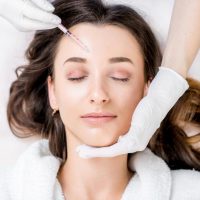
Botox is a neurotoxin injection that relaxes facial muscles to reduce wrinkles. The treatment uses botulinum toxin to temporarily paralyze muscles that create expression lines. Common treatment areas include forehead, crow’s feet, and frown lines between eyebrows.
Botox injections take 10 minutes per session. Results appear in 3-7 days and last 3-4 months on average. Most patients need 20-60 units per treatment depending on the treatment area size. The FDA approved Botox for cosmetic use in 2002 after extensive clinical testing.
Dynamic wrinkles form from repeated muscle contractions over years. Squinting, frowning, and smiling create these lines. Botox blocks nerve signals to these muscles, preventing contractions that deepen existing wrinkles. The treatment also prevents new wrinkles from forming in treated areas.
Botox works best on expression lines rather than static wrinkles caused by sun damage or aging. Static wrinkles require different treatments like chemical peels or laser resurfacing. This difference explains why combining Botox with other treatments produces better overall results.
What are chemical peels and their types?
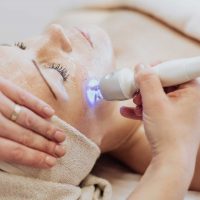
Chemical peels are acid treatments that remove damaged skin layers. The procedure uses acids like glycolic acid, salicylic acid, or trichloroacetic acid to exfoliate dead skin cells. New skin grows back smoother, clearer, and more evenly toned.
Three main peel categories exist based on penetration depth. Light peels affect only the epidermis using mild acids like glycolic acid or lactic acid. Medium peels penetrate the upper dermis using trichloroacetic acid. Deep peels reach the mid-dermal layer but require extensive recovery time.
Light peels need no downtime and patients can resume normal activities immediately. These peels improve skin texture, reduce minor discoloration, and provide a healthy glow. Treatment sessions typically occur every 2-4 weeks for optimal results.
Medium peels cause 3-7 days of peeling and require careful aftercare. These treatments address moderate sun damage, acne scarring, and deeper pigmentation issues. Patients must avoid sun exposure during healing to prevent complications.
Chemical peels stimulate collagen production in the deeper skin layers. This natural process improves skin elasticity and firmness over time. The collagen boost complements Botox cosmetic neurotoxins treatments by creating a foundation for longer-lasting results.
Can you get both treatments on the same day safely?
You can get both treatments on the same day with light peels only. A 2024 study published in the Journal of Drugs in Dermatology tested same-day treatments on 30 patients aged 30-70. Results showed 96% patient satisfaction with no additional side effects compared to individual treatments.
Same-day treatment works best for experienced patients who have received both procedures previously. First-time patients should space treatments apart to observe individual reactions. Light chemical peels pair safely with Botox because they create minimal skin trauma.
Medium peels require 2-4 weeks before Botox injections due to deeper skin damage. The healing process must complete before introducing injection sites. Deep peels need 4-6 weeks recovery time before any additional facial procedures.
Patient skin sensitivity affects same-day treatment eligibility. Those with reactive skin should separate treatments by at least one week. Providers assess individual factors during consultations to determine appropriate timing.
Medical professionals recommend starting with lighter treatments and progressing gradually. This approach allows patients to build tolerance while achieving desired results safely.
What does research show about combining treatments?
Research shows combined treatments produce superior results compared to single treatments. The 2024 study measured improvements using standardized dermatological scales including the Wrinkle Severity Scale and Uniformity of Pigment Scale.
Specific improvements recorded in the study included wrinkle severity dropping from 1.46 to 0.59, representing a 60% improvement. Skin pigmentation scores improved from 2.27 to 0.92, showing 59% enhancement. Overall skin tone ratings improved from 2.35 to 0.71, demonstrating 70% better results.
No adverse events occurred during the study period. All participants expressed willingness to repeat the combined treatment. Patient questionnaires showed high satisfaction rates with both safety and effectiveness measures.
The research supports clinical observations that combination treatments address multiple aging factors simultaneously. Single treatments often leave some concerns unaddressed, requiring additional procedures later.
Which treatment should come first and why?
Chemical peels should always come first, followed by Botox injections. This sequence prevents peel acids from interfering with Botox placement and distribution. Chemical solutions can spread to unintended areas if applied over fresh injection sites.
Medical professionals established this protocol through clinical experience and safety studies. The chemical peel creates a clean, prepared surface for precise Botox injections. Reversing the order increases risks of uneven results or complications.
Fresh injection sites have tiny openings that allow chemical solutions to penetrate deeper than intended. This deeper penetration can cause excessive skin irritation or damage. Following proper sequence eliminates these risks.
The waiting period between treatments allows initial healing and reduces skin sensitivity. Even light peels cause microscopic changes that need time to stabilize before additional procedures.
How long should you wait between treatments?
Waiting times depend on peel depth and individual skin sensitivity. Standard recommendations vary based on the specific acids used and treatment intensity. Most providers follow established protocols developed through clinical experience.
Light peels using glycolic acid or lactic acid require 24 hours to 1 week waiting period. Same-day treatment often works for these gentle procedures. The minimal skin trauma allows quick recovery and Botox compatibility.
Medium peels using trichloroacetic acid need 2-4 weeks before Botox injections. Complete skin healing must occur before introducing injection sites. Premature Botox can interfere with the peeling process or cause complications.
Patient factors also influence timing recommendations. Those with sensitive skin, rosacea, or healing disorders need extended waiting periods. Age, sun damage, and previous treatment history affect recovery speeds.
Providers customize timing based on individual assessments during consultations. Standard protocols provide starting points, but personalized approaches deliver better results and safety.
What are the comprehensive benefits of combining treatments?
Combined treatments address both dynamic wrinkles and skin texture issues simultaneously. Botox targets muscle movement while peels improve skin surface quality, creating comprehensive facial rejuvenation in one treatment plan.
Dynamic wrinkles result from repeated muscle contractions over time. Static skin issues come from sun damage, aging, and environmental factors. Single treatments address only one category, leaving other concerns visible.
The combination extends individual treatment results beyond normal timeframes. Chemical peels boost collagen production, which supports and prolongs Botox effects. Improved skin quality provides a better foundation for wrinkle reduction.
Patients achieve more natural-looking results with combined approaches. Overly smooth skin from Botox alone can appear artificial. Chemical peels restore natural skin texture while Botox addresses expression lines.
Cost effectiveness improves with combination treatments. Single appointment scheduling reduces time and travel expenses. Many providers offer package pricing that costs less than separate procedures.
Treatment planning becomes more efficient with combined approaches. Providers coordinate timing and techniques to maximize benefits while minimizing downtime. Patients reach their aesthetic goals faster with comprehensive plans.
Who qualifies as good candidates for combined treatments?
Good candidates have realistic expectations and healthy skin without active conditions. Ideal patients are ages 30-65 with mild to moderate skin aging signs. Previous experience with either treatment helps but is not required for candidacy.
Candidates should have stable skin without infections, open wounds, or active inflammatory conditions. Recent facial procedures need complete healing before combination treatments. Certain medications affect healing and may require treatment delays.
Pregnant women should postpone all cosmetic procedures until after breastfeeding ends. Hormonal changes during pregnancy affect skin sensitivity and healing responses. Safety data for pregnant patients remains limited.
Realistic expectations prevent disappointment with results. Combined treatments improve skin appearance but cannot stop natural aging processes. Maintenance treatments are needed to sustain benefits over time.
Financial commitment is another candidacy factor. Combined treatments cost more initially but provide better value than separate procedures. Patients should budget for both initial treatments and ongoing maintenance.
What are the risks and side effects to consider?
Common side effects are mild and temporary with proper treatment protocols. Chemical peels cause redness, peeling, and temporary skin darkening in some patients. Botox can cause bruising, swelling, or mild headaches that resolve within days.
Serious complications remain rare with experienced providers using proper techniques. Risk factors include inexperienced injectors, improper timing between treatments, and poor aftercare compliance. Choosing qualified providers significantly reduces complication risks.
Chemical peel risks include infection, scarring, and permanent pigmentation changes. These complications occur more often with deeper peels or in patients with darker skin tones. Proper candidate selection and technique minimize these risks.
Botox complications include temporary muscle weakness, asymmetry, or drooping eyelids. These effects result from improper injection technique or dosing errors. Board-certified providers have extensive training to prevent these issues.
Combined treatment risks do not exceed individual procedure risks when proper protocols are followed. The 2024 research study found no additional complications from same-day treatments compared to separate procedures.
Patients reduce risks by following pre-treatment and aftercare instructions carefully. Avoiding sun exposure, using prescribed skincare products, and attending follow-up appointments support safe healing and optimal results.
How much do combined treatments cost across different markets?
Combined treatments cost $400-2000 depending on peel type and Botox units needed. Geographic location, provider experience, and facility overhead affect pricing significantly. Urban markets typically charge higher rates than suburban or rural areas.
Individual treatment costs provide pricing baselines. Botox costs $10-20 per unit with most patients needing 20-60 units per session. Light chemical peels range from $100-300 while medium peels cost $300-800 per treatment.
Many providers offer package discounts for combined treatments ranging from 10-20% savings. Membership programs provide additional discounts for regular patients. Some facilities offer financing options for larger treatment packages.
Insurance does not cover cosmetic procedures, making patients responsible for full treatment costs. Health savings accounts or flexible spending accounts may cover some treatments depending on specific circumstances and documentation.
Value comparison should consider results duration and maintenance requirements. Combined treatments often last longer than individual procedures, providing better long-term cost effectiveness. Slimming Solutions Med Spa creates customized treatment plans that maximize value for individual budgets and goals.
What should patients expect during combined treatment appointments?
Treatment appointments last 45-75 minutes for combined procedures depending on treatment areas. The chemical peel happens first, taking 20-40 minutes including preparation and neutralization. Botox injections follow, requiring 15-25 minutes for multiple treatment areas.
Preparation begins with thorough skin cleansing and assessment. Providers document baseline conditions with photographs and measurements. Patient comfort measures include topical numbing cream if needed for sensitive areas.
Chemical peel application follows specific timing protocols based on acid type and concentration. Patients experience mild stinging or burning sensations that subside quickly. Neutralization stops the chemical action at the appropriate treatment depth.
Botox injection technique uses fine needles and precise placement in target muscles. Most patients describe the sensation as small pinches or bee stings. Ice application before and after injections reduces discomfort and swelling.
Post-treatment instructions begin immediately after procedures complete. Providers explain expected side effects, aftercare requirements, and warning signs requiring medical attention. Patients receive written instructions and emergency contact information.
Recovery expectations vary based on peel depth and individual healing rates. Light peels allow immediate return to normal activities while medium peels require 3-7 days of modified routines.
How should patients prepare for optimal treatment outcomes?
Preparation begins 1-2 weeks before scheduled treatments for best results. Specific steps include discontinuing certain skincare products, avoiding sun exposure, and adjusting medications as directed by providers.
Skincare modifications include stopping retinoids, AHA products, and mechanical exfoliation 5-7 days before treatment. These products increase skin sensitivity and can cause excessive peeling or irritation. Gentle cleansers and moisturizers maintain skin health during preparation.
Sun protection becomes critical 2 weeks before treatment and continues throughout the healing process. Even minimal sun exposure can cause complications or poor results. Broad-spectrum sunscreen with SPF 30 or higher provides adequate protection.
Medical history review identifies potential complications or contraindications. Blood thinning medications may need temporary discontinuation to reduce bruising risks. Herpes simplex history requires prophylactic antiviral medication before chemical peels.
Consultation appointments allow providers to assess skin conditions and customize treatment plans. Before photos document baseline conditions for results comparison. Patients can ask questions and clarify expectations during these visits.
What constitutes proper aftercare for combined treatments?
Aftercare focuses on gentle skin protection and healing support using mild products. Post-treatment protocols vary based on peel depth but always emphasize sun protection and gentle skincare routines. Proper aftercare significantly affects final results and complication rates.
First 24 hours require minimal skin manipulation and protection from environmental irritants. Cold compresses reduce swelling and discomfort from both treatments. Gentle cleansing with lukewarm water maintains hygiene without irritation.
First week aftercare includes using prescribed skincare products and avoiding heat exposure. Saunas, hot yoga, and intense exercise can increase swelling and interfere with healing. Microdermabrasion and other facial treatments should wait until complete healing occurs.
Peeling skin should not be picked or forced off prematurely. Natural shedding ensures proper healing and prevents scarring. Gentle moisturizers and healing ointments support the natural process.
Follow-up appointments allow providers to monitor healing progress and address any concerns. Most patients schedule 2-week check-ins to assess results and plan maintenance treatments. Early intervention prevents complications and optimizes outcomes.
How long do combined treatment results typically last?
Combined treatment results last 4-6 months depending on individual factors and maintenance routines. Botox effects begin fading after 3-4 months as nerve connections regenerate. Chemical peel benefits continue for 4-6 months as new collagen production supports skin improvements.
Individual factors affecting duration include age, skin type, sun exposure, and skincare habits. Younger patients with good skincare routines often see longer-lasting results. Those with extensive sun damage or poor skincare may need more frequent treatments.
Maintenance treatments help extend results and prevent regression to baseline conditions. Most patients schedule Botox touch-ups every 3-4 months and chemical peels every 3-6 months. Some choose alternating schedules to maintain consistent improvement.
Regular facials and professional skincare support treatment longevity. Home skincare routines using medical-grade products enhance and maintain professional treatment results.
Lifestyle factors significantly impact result duration. Sun protection, proper nutrition, adequate sleep, and stress management all affect skin health and treatment longevity. Patients who maintain healthy lifestyles typically see extended benefits.
What complementary treatments enhance combined results?
Dermal fillers and advanced skincare treatments complement Botox and chemical peels effectively. These additional procedures address volume loss and deeper skin concerns that neither Botox nor peels fully correct.
Juvederm fillers restore facial volume in areas like cheeks, lips, and under-eye hollows. The timing coordination requires careful planning to avoid treatment interactions. Most providers space filler injections 2-4 weeks from chemical peels.
Radio frequency microneedling provides deeper skin remodeling than surface peels alone. This combination addresses both superficial and deeper skin layers for comprehensive improvement. Treatment spacing of 4-6 weeks prevents over-treatment.
Advanced treatments work synergistically when properly coordinated. Each procedure targets different aspects of skin aging, creating comprehensive rejuvenation programs. Providers develop long-term treatment plans that rotate different procedures for sustained improvement.
Treatment sequencing becomes important with multiple procedures. Generally, deeper treatments like microneedling come first, followed by chemical peels, then Botox and fillers. This sequence optimizes healing and results while minimizing complications.
How do patients choose qualified providers for combined treatments?
Choose providers with specific training and extensive experience in both Botox and chemical peels. Board certification in dermatology or plastic surgery provides foundational medical knowledge. Additional training in cosmetic procedures demonstrates specialized expertise.
Facility accreditation and licensing compliance indicate professional standards and safety protocols. State medical boards maintain provider licensing information and disciplinary records. Patients should verify credentials before scheduling consultations.
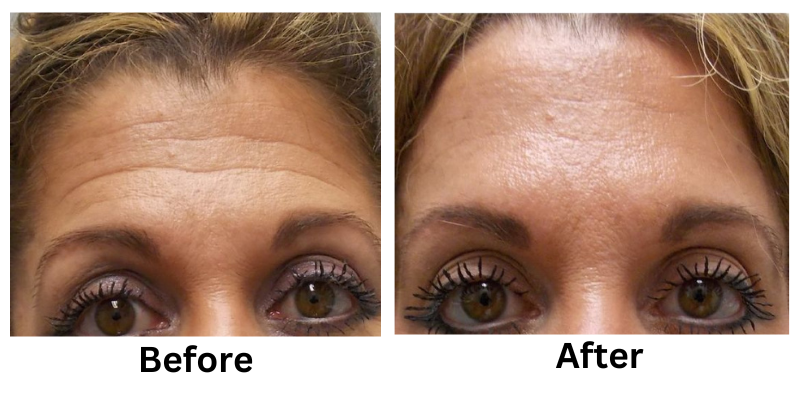
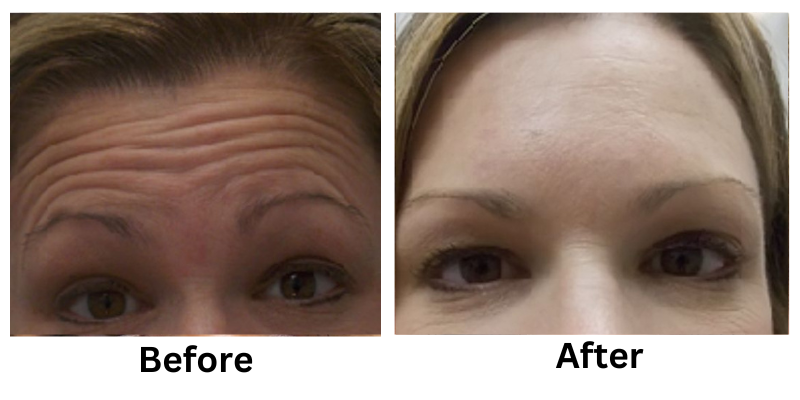
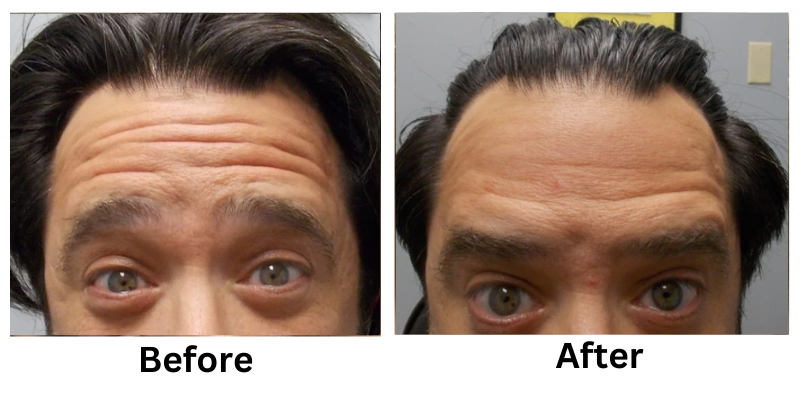
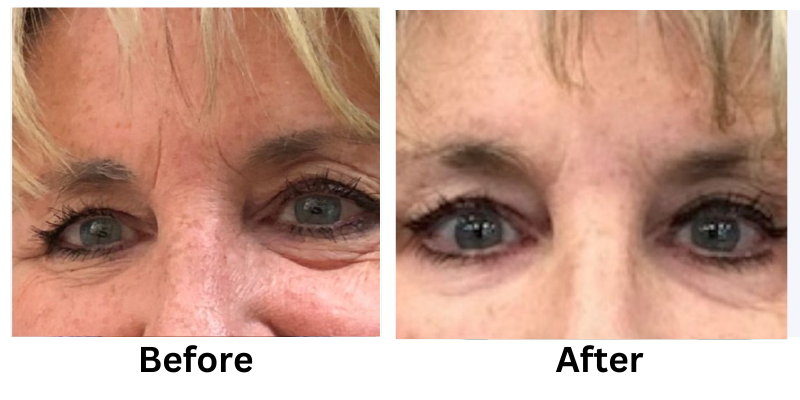
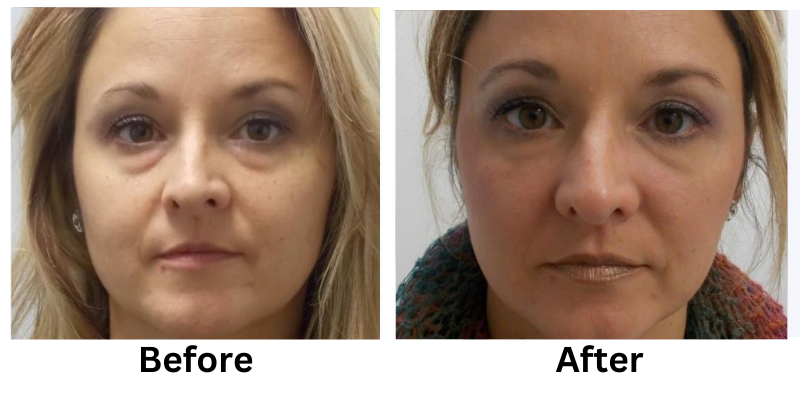
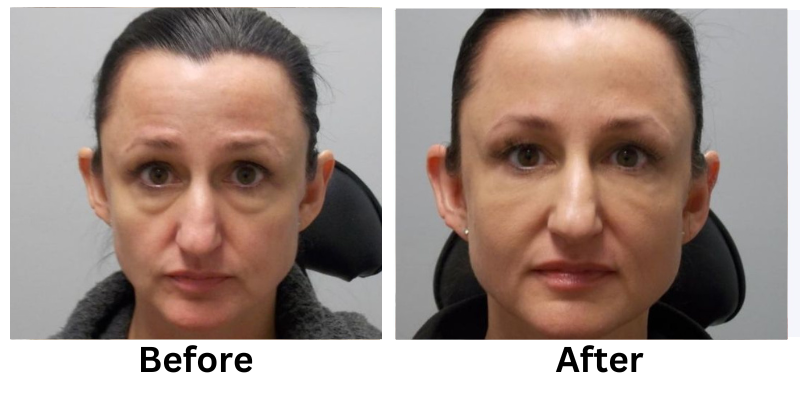
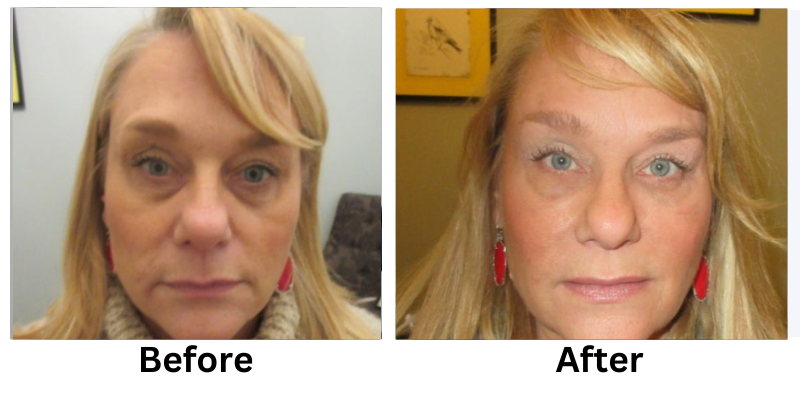
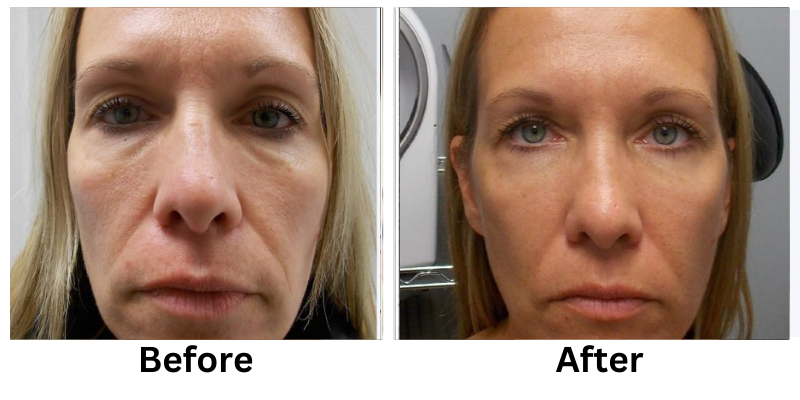
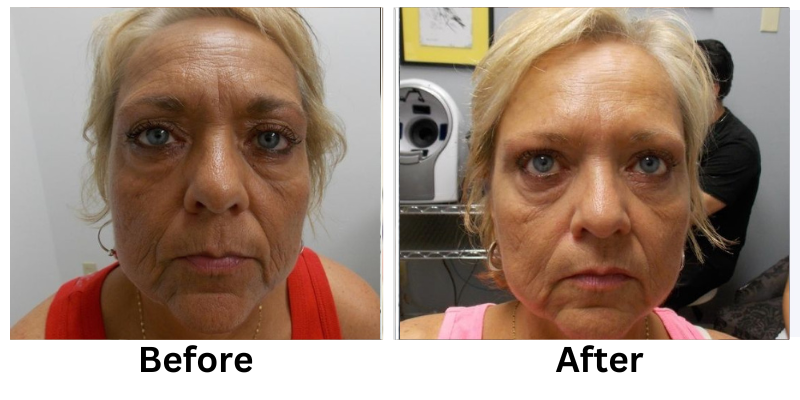
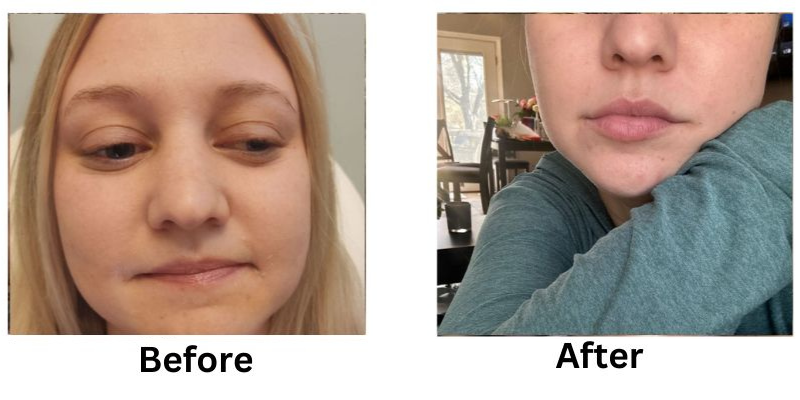
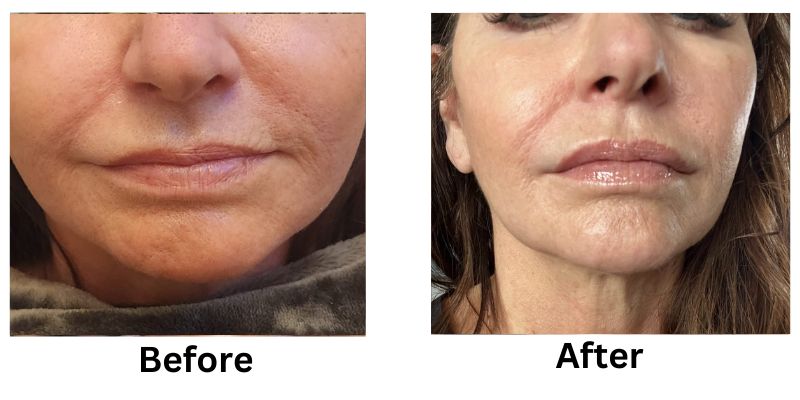
Before and after photos demonstrate provider skill and artistic ability. Look for natural-looking results that match your desired outcomes. Multiple examples of similar cases show consistency in technique and results.
Patient reviews and testimonials provide insights into actual experiences and satisfaction rates. Multiple positive reviews across different platforms suggest reliable service quality. Recent reviews reflect current practice standards and staff performance.
Consultation quality reveals provider expertise and communication skills. Qualified providers explain procedures thoroughly, discuss risks honestly, and create realistic expectations. They should answer questions knowledgeably and provide detailed aftercare instructions.
What are the latest developments in combination treatments?
Recent innovations include customized peel formulations and advanced Botox techniques for better results. Providers now use combination acids in single peels to address multiple skin concerns simultaneously. New injection techniques improve Botox placement accuracy and natural appearance.
Technology advances enable more precise treatment planning and execution. Digital imaging systems help providers visualize potential outcomes and customize treatments accordingly. These tools improve patient education and result predictability.
Research continues investigating optimal timing protocols and combination strategies. Recent studies explore different acid combinations, injection patterns, and recovery protocols. This ongoing research refines best practices and improves patient outcomes.
Skin tightening technologies complement traditional Botox and peel combinations. These devices address skin laxity that neither injections nor peels can improve. Integration of multiple technologies provides comprehensive facial rejuvenation.
Future developments may include longer-lasting neurotoxins and gentler peel formulations. These advances could extend treatment intervals and reduce recovery time. Research into combination products specifically designed for simultaneous use shows promise.
Frequently Asked Questions
Can I wear makeup immediately after combined treatments?
Avoid makeup for 24 hours after both treatments to prevent irritation and infection. Light mineral makeup can be applied after 24 hours if skin is not actively peeling. Use clean brushes and replace products that may harbor bacteria.
How soon will I see results from combined treatments?
Chemical peel results appear in 3-7 days as skin begins peeling and revealing new layers. Botox results become visible in 3-10 days as treated muscles gradually relax. Full combined results develop over 2-3 weeks as both treatments reach maximum effectiveness.
Can I exercise after getting both treatments?
Avoid intense exercise for 24 hours after Botox to prevent the toxin from spreading to unintended muscles. Light walking is acceptable immediately after light chemical peels. Medium peels require avoiding activities that cause excessive sweating until initial healing completes.
What happens if I have an adverse reaction?
Contact your provider immediately if you experience severe swelling, persistent pain, signs of infection, or unusual symptoms. Most reactions are mild and resolve within days. Providers maintain emergency protocols and can prescribe medications if needed.
Are combined treatments suitable for men?
Men are excellent candidates for combined Botox and chemical peel treatments. Male skin is typically thicker and may require stronger peel formulations. Treatment areas often focus on forehead lines and crow’s feet for natural masculine results.
How often should I repeat combined treatments?
Most patients schedule maintenance treatments every 3-4 months for Botox and every 4-6 months for chemical peels. Some prefer alternating treatments every 2-3 months to maintain consistent results. Your provider will recommend timing based on your response and goals.
Can I get these treatments while taking medications?
Certain medications affect healing and bleeding risks. Blood thinners may need temporary discontinuation before treatments. Always provide complete medication lists during consultations. Your provider will coordinate with prescribing physicians if needed.
What should I do if my skin peels excessively?
Excessive peeling is normal after medium chemical peels but contact your provider if accompanied by severe pain or signs of infection. Apply prescribed healing ointments and avoid picking at loose skin. Keep the area moisturized and protected from sun exposure.
Final Thoughts
Combined Botox and chemical peel treatments offer comprehensive skin improvement when performed by qualified providers using proper protocols. The 2024 research confirms these combinations produce superior results compared to individual treatments while maintaining excellent safety profiles.
Success depends on appropriate candidate selection, proper treatment sequencing, and diligent aftercare compliance. Patients achieve natural-looking rejuvenation that addresses both dynamic wrinkles and skin texture concerns in coordinated treatment plans.
Schedule a consultation to discuss your specific skin goals and determine the best combination approach for your needs. Professional evaluation considers individual factors like skin type, aging patterns, and lifestyle requirements to create personalized treatment strategies.
The investment in combined treatments provides long-term value through extended results and comprehensive improvement. Proper maintenance programs help sustain benefits while preventing progression of additional aging signs.
![[thumb]](https://slimmingsolutionsspa.com/wp-content/uploads/2023/12/botox1-150x150.png)
![[thumb]](https://slimmingsolutionsspa.com/wp-content/uploads/2023/12/Before2-150x150.png)
![[thumb]](https://slimmingsolutionsspa.com/wp-content/uploads/2023/12/Before3-150x150.png)


![[thumb]](https://slimmingsolutionsspa.com/wp-content/uploads/2023/12/revanesse-versa-1-150x150.png)
![[thumb]](https://slimmingsolutionsspa.com/wp-content/uploads/2023/12/revanesse-versa-2-150x150.png)
![[thumb]](https://slimmingsolutionsspa.com/wp-content/uploads/2023/12/revanesse-versa-3-150x150.png)
![[thumb]](https://slimmingsolutionsspa.com/wp-content/uploads/2023/12/revanesse-versa-4-150x150.png)
![[thumb]](https://slimmingsolutionsspa.com/wp-content/uploads/2023/12/revanesse-versa-5-150x150.png)
![[thumb]](https://slimmingsolutionsspa.com/wp-content/uploads/2024/01/Eyebrow-treatment-1-1-150x150.png)
![[thumb]](https://slimmingsolutionsspa.com/wp-content/uploads/2023/12/Skin-Rejuvenation-1-150x150.png)
![[thumb]](https://slimmingsolutionsspa.com/wp-content/uploads/2023/12/Skin-Rejuvenation-2-150x150.png)


![[thumb]](https://slimmingsolutionsspa.com/wp-content/uploads/2024/01/Lip-Filler-1-150x150.png)
![[thumb]](https://slimmingsolutionsspa.com/wp-content/uploads/2024/01/Lip-Filler-2-150x150.png)
![[thumb]](https://slimmingsolutionsspa.com/wp-content/uploads/2025/02/Lip-Filler-1-150x150.png)
![[thumb]](https://slimmingsolutionsspa.com/wp-content/uploads/2024/01/Lip-Filler-150x150.jpg)
![[thumb]](https://slimmingsolutionsspa.com/wp-content/uploads/2024/01/Before-1-150x150.jpg)

![[thumb]](https://slimmingsolutionsspa.com/wp-content/uploads/2024/01/RHA-Treatmetn-3-150x150.png)
![[thumb]](https://slimmingsolutionsspa.com/wp-content/uploads/2024/01/RHA-Treatmetn-2-150x150.png)
![[thumb]](https://slimmingsolutionsspa.com/wp-content/uploads/2024/01/RHA-Treatmetn-1-150x150.png)
![[thumb]](https://slimmingsolutionsspa.com/wp-content/uploads/2024/01/Thread-Lifts-1-150x150.png)
![[thumb]](https://slimmingsolutionsspa.com/wp-content/uploads/2024/01/Thread-Lifts-2-150x150.png)
![[thumb]](https://slimmingsolutionsspa.com/wp-content/uploads/2025/02/Lip-Filler-2-150x150.png)

![[thumb]](https://slimmingsolutionsspa.com/wp-content/uploads/2023/12/skin-reuvulation1-150x150.png)
![[thumb]](https://slimmingsolutionsspa.com/wp-content/uploads/2023/12/skin-rejuvulation-2-150x150.png)
![[thumb]](https://slimmingsolutionsspa.com/wp-content/uploads/2023/12/Skin-Tighting-150x150.png)
![[thumb]](https://slimmingsolutionsspa.com/wp-content/uploads/2023/12/Before-150x150.jpg)
![[thumb]](https://slimmingsolutionsspa.com/wp-content/uploads/2023/12/weightloss-1-150x150.png)
![[thumb]](https://slimmingsolutionsspa.com/wp-content/uploads/2023/12/weightloss-2-150x150.png)
![[thumb]](https://slimmingsolutionsspa.com/wp-content/uploads/2023/12/2Weight-Loss-2-150x150.png)
![[thumb]](https://slimmingsolutionsspa.com/wp-content/uploads/2025/02/Weight-Loss-1-new-150x150.png)
![[thumb]](https://slimmingsolutionsspa.com/wp-content/uploads/2023/12/Weight-Loss-3-150x150.png)
![[thumb]](https://slimmingsolutionsspa.com/wp-content/uploads/2025/03/Slimming-Solutions-BA-Template-150x150.png)


![[thumb]](https://slimmingsolutionsspa.com/wp-content/uploads/2023/12/dat3-150x150.png)
![[thumb]](https://slimmingsolutionsspa.com/wp-content/uploads/2023/12/dat-0-150x150.png)
![[thumb]](https://slimmingsolutionsspa.com/wp-content/uploads/2023/12/dat-1-150x150.png)
![[thumb]](https://slimmingsolutionsspa.com/wp-content/uploads/2023/12/Before-1-150x150.png)

![[thumb]](https://slimmingsolutionsspa.com/wp-content/uploads/2024/01/EMS-Treatment-2-150x150.png)
![[thumb]](https://slimmingsolutionsspa.com/wp-content/uploads/2024/01/EMS-Treatment-1-150x150.png)
![[thumb]](https://slimmingsolutionsspa.com/wp-content/uploads/2025/02/ems-BNA-front-150x150.png)
![[thumb]](https://slimmingsolutionsspa.com/wp-content/uploads/2025/02/EMS-bna-SIDE-150x150.png)
![[thumb]](https://slimmingsolutionsspa.com/wp-content/uploads/2024/01/EMS-Treatment-6-150x150.png)