Botox costs between $10 and $25 per unit on average, with most treatments totaling $300 to $600 depending on the area being treated and the number of units needed. According to the American Society of Plastic Surgeons (ASPS), the average cost of a botulinum toxin treatment is approximately $528. Botox remains the single most popular minimally invasive cosmetic procedure in the United States, with 9.88 million neuromodulator treatments performed in 2024 alone, a 4% increase from the previous year. In this article, you will learn exactly what drives Botox pricing, how many units common treatment areas require, what factors affect your total bill, and how to get the most value from your investment.
How Much Does Botox Cost Per Unit?
Botox costs between $10 and $25 per unit in most markets across the United States. The exact price per unit depends on your geographic location, the experience of your provider, and the type of practice where you receive treatment. In major metropolitan areas, per-unit pricing tends to fall between $15 and $25, while smaller cities and rural areas often offer rates between $10 and $15 per unit.
Most cosmetic Botox treatments require between 20 and 60 total units, depending on the number of areas being treated and the strength of your facial muscles. A standard treatment for one area, like the forehead or frown lines, typically uses 20 to 30 units. That means a single-area treatment at $12 to $15 per unit would cost roughly $240 to $450.
The global botulinum toxin market was valued at $8.65 billion in 2024, according to Precedence Research, and is projected to reach over $21 billion by 2034. That explosive growth reflects how widely Botox has been adopted for both cosmetic and therapeutic purposes. Patients who are considering Botox cosmetic treatments can get an accurate price quote during a personalized consultation, where a provider will assess how many units each treatment area needs.
How Much Does 20 Units of Botox Cover?
20 units of Botox covers one treatment area, such as the forehead lines or the frown lines between the eyebrows (also called the glabellar lines or “11s”). At $10 to $25 per unit, 20 units of Botox typically costs between $200 and $500. This is often the starting point for first-time patients who want to address one specific area of concern.
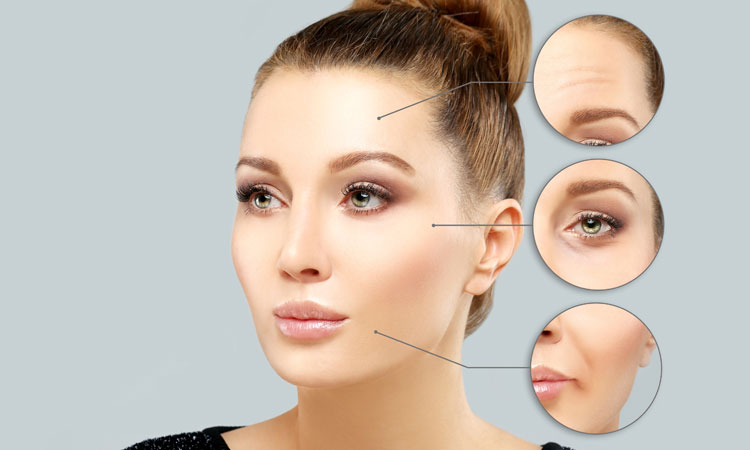
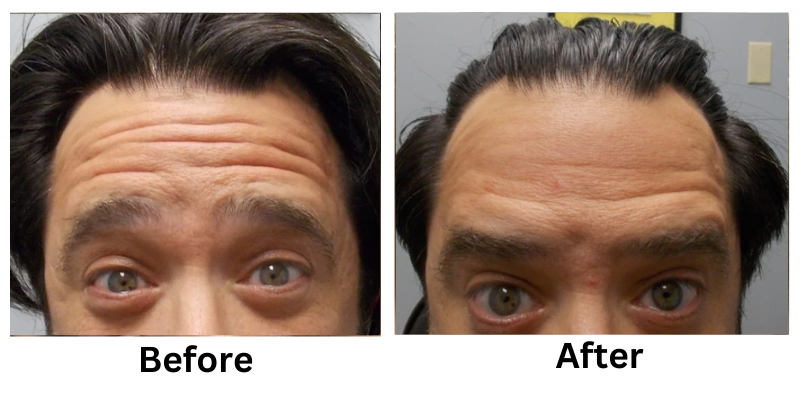
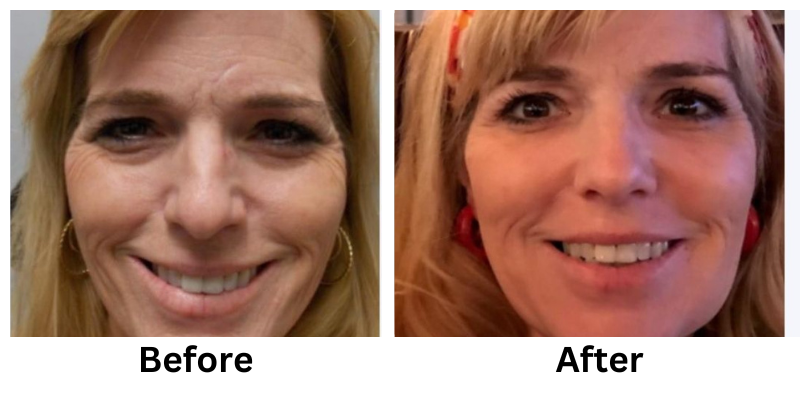
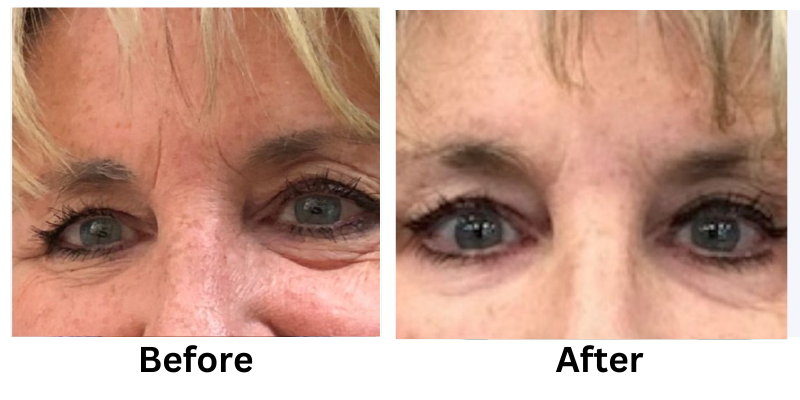
For reference, the forehead typically requires 10 to 30 units depending on muscle strength and wrinkle depth. The glabellar region between the brows usually requires 15 to 25 units. Crow’s feet around the eyes typically use about 12 units per side, or 24 units total. These are averages, and your provider will adjust the dosage based on your facial anatomy and desired result.
The 2023 ASPS Procedural Statistics Report found that 4.7 million botulinum toxin type A procedures were performed in the United States that year, a 6% increase from 2022. By 2024, that number climbed to 9.88 million neuromodulator treatments when including all brands. This shows how accessible and mainstream Botox has become for patients of all ages.
How Much Is a Full Face of Botox?
A full face of Botox typically costs between $600 and $1,200, depending on the number of units used and the provider’s pricing. A “full face” treatment usually includes the forehead lines, frown lines between the brows, and crow’s feet around the eyes. This combination commonly requires between 50 and 80 units total.
Here is a typical breakdown: approximately 20 units for the forehead, 20 units for the glabellar lines, and 24 units for the crow’s feet (12 per side). At $11 to $16 per unit, that 64-unit treatment would cost roughly $700 to $1,024. Some patients also add Botox to the chin, upper lip, or jawline, which increases the total unit count and cost.
Men often require more units than women because of greater muscle mass in the face. According to a study published in Dermatologic Therapy, the duration of Botox effect ranged from 3 to 5 months in female patients and 4 to 6 months in male patients, with men typically needing a higher dosage for equivalent results. This can add 10% to 30% more to the total cost of a full-face treatment for male patients.
How Long Does Botox Really Last?
Botox really lasts between 3 and 4 months for most patients, though some people see results that hold for up to 6 months. According to the American Society of Plastic Surgeons, the effects of Botox generally last 3 to 4 months, with first-time patients sometimes noticing a shorter duration that improves with subsequent treatments.
The timeline works like this: results begin to appear within 3 to 5 days after injection. Full effects are visible at about 10 to 14 days. The smoothing effect typically peaks around weeks 2 through 6 and then gradually fades over the following months as the body metabolizes the neurotoxin. Most patients return for follow-up treatments every 3 to 4 months to maintain a smooth, consistent result.
A landmark twin study from 2006 compared one twin who received regular Botox injections for 12 years with the other twin who had only two treatments. Even 7 months after their last injections, the twin who received regular Botox had noticeably fewer crow’s feet. According to Cleveland Clinic, this suggests that long-term, consistent Botox use may help train muscles to be less active over time, potentially slowing wrinkle formation.
Patients who combine Botox with other treatments like dermal fillers often report a more comprehensive rejuvenation. Botox and fillers work together to address different types of aging: Botox relaxes dynamic wrinkles caused by muscle movement, while fillers restore lost volume in areas like the cheeks and lips.
What Is the Best Age To Start Botox?
The best age to start Botox is typically in the late 20s to early 30s for preventive purposes, or whenever you begin to notice lines at rest that bother you. There is no single “right” age. Some patients start in their mid-20s to prevent wrinkles from forming, while others begin in their 40s or 50s to soften existing lines.
Preventive Botox, sometimes called “Baby Botox,” uses smaller doses to keep muscles from creating deep wrinkles over time. According to the ASPS 2023 statistics, neuromodulator injections saw an 8% increase among patients aged 20 to 29, showing that younger adults are increasingly choosing early treatment as a preventive strategy.
A good rule of thumb is to consider Botox when a line in your area of concern becomes visible at rest, not just when you are making an expression. If you can see a crease on your forehead or between your brows when your face is completely relaxed, that is a signal that the muscle has been folding the skin enough to create a static line. Treating it at that stage prevents the line from becoming deeper and harder to address later.
Why Is Botox So Expensive?
Botox is expensive because of the cost of the product itself, the expertise required to inject it safely, and the overhead of running a medical practice. The wholesale cost of a 100-unit vial of Botox ranges from $350 to $700 depending on the supplier and volume purchased. That cost is then passed on to the patient along with the provider’s fee for performing the treatment.
A board-certified dermatologist or plastic surgeon with years of training will charge more per unit than a less experienced injector. That premium reflects their ability to deliver precise, natural-looking results while minimizing the risk of complications. According to the ASPS, the expertise of the provider is one of the most significant factors in treatment cost and quality of outcome.
When you break down the math, Botox is actually one of the most affordable cosmetic procedures available. A treatment costing $400 that lasts 3 to 4 months works out to roughly $100 to $133 per month. Compared to the cumulative cost of high-end skincare products, a single Botox treatment often delivers more visible improvement per dollar spent. Patients who value their results often find that the benefits of Botox far outweigh the cost.
What Is the 4 Hour Rule for Botox?
The 4 hour rule for Botox refers to the recommended waiting period after treatment before lying down or engaging in strenuous physical activity. After Botox injections, patients are typically advised to stay upright for at least 4 hours. This helps prevent the Botox from migrating to unintended areas, which could affect surrounding muscles and lead to unwanted side effects like eyelid drooping.
During this 4-hour window, you should also avoid rubbing, pressing, or massaging the treated areas. Touching the injection sites can shift the product before it has fully settled into the targeted muscle. Most providers also recommend avoiding intense exercise, hot baths, or saunas for the first 24 hours after treatment.
These aftercare guidelines are simple and easy to follow. The treatment itself typically takes only 10 to 15 minutes, and you can return to most normal activities immediately. There is no downtime required, which is one of the main reasons Botox is often called a “lunchtime procedure.”
What Is the Rule of 3 in Botox?
The rule of 3 in Botox is a simple way to remember the typical Botox timeline: results appear in about 3 days, peak at around 3 weeks, and last for approximately 3 months. While these are general averages and individual results vary, the rule of 3 gives patients a helpful framework for setting expectations.
Initial muscle relaxation begins within 3 to 5 days of injection. The full smoothing effect develops over the next 10 to 14 days and reaches its peak at approximately 2 to 3 weeks. From that point, the results remain stable for several weeks before the body gradually metabolizes the neurotoxin and muscle movement returns. Most patients schedule their next treatment at the 3 to 4 month mark.
What Is the Downside of Botox?
The downside of Botox is that results are temporary, it requires repeat treatments every 3 to 4 months, and there is a small risk of side effects. The most common side effects include bruising, swelling, and redness at the injection sites. These are typically mild and resolve within a few days.
Less common side effects include headache, eyelid drooping (ptosis), and temporary asymmetry. According to the ASPS, serious complications from Botox are extremely rare when the procedure is performed by a qualified, experienced provider using authentic, FDA-approved product. The risk increases significantly when patients visit unlicensed practitioners or receive counterfeit product. In fact, the FDA issued a public alert in April 2024 warning about counterfeit Botox found in multiple states.
The other consideration is cumulative cost. At $300 to $600 per treatment and 3 to 4 treatments per year, Botox can cost $900 to $2,400 annually. However, many patients view this as a worthwhile investment in their appearance and confidence. For a detailed look at both the positives and negatives, the pros and cons of Botox are worth reviewing before making a decision.
Do You Look Older After Botox Wears Off?
No, you do not look older after Botox wears off. When Botox fades, your face gradually returns to its natural state before treatment. The muscles slowly regain their movement, and the wrinkles that were temporarily smoothed will reappear at roughly the same depth as before.
This is a common misconception. Botox does not accelerate the aging process. In fact, regular Botox use may slow the deepening of expression lines over time by reducing repetitive muscle contractions that cause wrinkles to form. As Cleveland Clinic explains, consistent treatment can help “train” the muscles to be less active, which may lead to longer-lasting results over the years.
If you decide to stop getting Botox, your skin will simply resume aging at its natural pace. You will not experience a rebound effect or sudden worsening of wrinkles. Many patients find that even after stopping, the preventive benefits of years of treatment leave their skin in better condition than if they had never started.
What Happens After 20 Years of Botox?
After 20 years of Botox, the treated muscles become significantly weaker from long-term reduced activity, which typically results in softer wrinkles and a smoother resting appearance compared to someone who never had treatment. Long-term Botox use does not cause harm to the muscles or the skin.
The twin study cited by Cleveland Clinic demonstrated that a twin who received Botox regularly for over a decade had visibly fewer lines than the sibling who only received two treatments. This suggests that decades of consistent use leads to cumulative cosmetic benefits. The muscles become conditioned to contract less forcefully, which means the skin is subjected to less repetitive folding over time.
Some long-term Botox users report that they eventually need fewer units or less frequent treatments to maintain their results. This is because the targeted muscles adapt to reduced activity and do not return to their full strength between sessions. This can make Botox more cost-effective over the long term for dedicated patients.
Is 60 Too Old for Botox?
No, 60 is not too old for Botox. Botox is FDA-approved for adults of all ages and can effectively smooth dynamic wrinkles at any stage. According to the ASPS 2024 statistics, neuromodulator injections were the most popular minimally invasive treatment for Baby Boomers and patients over 70, showing strong demand among older adults who want to maintain a refreshed appearance.
However, Botox works best on dynamic wrinkles, which are lines caused by muscle movement. Static wrinkles that remain visible even when the face is at rest, and volume loss caused by fat and collagen depletion, may respond better to dermal fillers or other treatments. Patients over 60 often benefit most from a combination approach that includes Botox for expression lines alongside Juvederm fillers or Sculptra for volume restoration.
How Often Should You Get Botox Injections?
You should get Botox injections every 3 to 4 months to maintain consistent results. This is the most widely recommended treatment interval based on how long the effects of botulinum toxin typically last. Most providers advise scheduling your next appointment before the previous treatment has fully worn off, so there is no gap in coverage.
Over time, regular Botox patients may be able to extend the interval between treatments to every 4 to 6 months. This happens because the treated muscles gradually weaken with consistent use, requiring less product and less frequent sessions to maintain the same smooth result. First-time patients often notice that their initial treatment wears off slightly faster than subsequent ones.
The ASPS reports that neuromodulator treatments grew 4% year-over-year in 2024, reaching 9.88 million procedures. This consistent growth shows that millions of patients have adopted regular Botox as a core part of their aesthetic routine. Understanding how long Botox lasts helps patients plan their schedule and budget effectively.
Will Insurance Pay for Botox for TMJ?
Insurance may pay for Botox for TMJ in some cases, but coverage varies widely by plan and provider. Botox is FDA-approved for several medical conditions, including chronic migraines, cervical dystonia, and overactive bladder. TMJ (temporomandibular joint disorder) is considered an off-label use, which means insurance companies are not required to cover it.
Some insurance plans do cover Botox for TMJ when it is prescribed by a physician and documented as medically necessary. Patients who have tried and failed other treatments, such as oral splints or physical therapy, may have a stronger case for insurance approval. It is always best to check with your insurance company directly and get pre-authorization before scheduling treatment.
For cosmetic Botox, insurance does not provide coverage. Cosmetic treatments are considered elective, and the full cost is the patient’s responsibility. Many medical spas and clinics offer financing options through companies like CareCredit, as well as loyalty programs like Alle (by Allergan) that provide discounts and reward points on Botox treatments.
How Much Do You Tip for $500 Botox?
You do not typically tip for $500 Botox when the treatment is performed by a doctor, physician assistant, or nurse practitioner. Botox is a medical procedure, and tipping medical professionals is not standard practice in the United States. This is similar to not tipping your dentist or physician after an office visit.
However, tipping etiquette can vary depending on the setting. At some medical spas, the support staff may appreciate a tip if they provided exceptional service during your visit. If you feel compelled to show your appreciation, a kind review, a referral to a friend, or a small gift is always welcome and appropriate.
Botox Cost by Treatment Area
| Treatment Area | Average Units Needed | Estimated Cost ($11-$16/unit) |
|---|---|---|
| Forehead Lines | 10 to 30 units | $110 to $480 |
| Frown Lines (Glabellar / “11s”) | 15 to 25 units | $165 to $400 |
| Crow’s Feet (Both Sides) | 20 to 24 units | $220 to $384 |
| Bunny Lines (Nose) | 5 to 10 units | $55 to $160 |
| Lip Lines / Lip Flip | 4 to 8 units | $44 to $128 |
| Chin (Dimpling) | 4 to 8 units | $44 to $128 |
| Jawline / Masseter (TMJ) | 25 to 50 units per side | $275 to $800+ |
| Full Face (Forehead + Frown + Crow’s Feet) | 50 to 80 units | $550 to $1,280 |
Sources: American Society of Plastic Surgeons (2024), CareCredit Botox Cosmetic Cost Guide, Drugs.com medical reference, Dermacare San Diego treatment guide
What to Do if You Can’t Afford Botox?
If you can’t afford Botox, there are several options to make treatment more accessible. Many medical spas offer membership programs that provide discounted per-unit pricing in exchange for a monthly commitment. Loyalty programs like Alle by Allergan reward returning patients with points that can be redeemed for savings on future treatments.
Financing through companies like CareCredit allows you to spread the cost of treatment over several months with little or no interest. Some providers also offer package pricing or seasonal promotions that reduce the per-unit cost when you purchase a larger number of units upfront.
Another option is to consider alternative neurotoxins. Products like Xeomin and Dysport contain the same active ingredient as Botox but may be priced differently depending on the provider. Comparing Botox and Xeomin can help you decide which product offers the best value for your goals. Both deliver similar wrinkle-smoothing results, so the right choice depends on your provider’s recommendation and your budget.
Do You Age Faster After Stopping Botox?
No, you do not age faster after stopping Botox. When you stop getting Botox treatments, your muscles gradually regain their full movement and your wrinkles return to their pre-treatment depth. Your skin does not “catch up” on aging or worsen beyond what would have happened naturally.
The perception that stopping Botox makes you look older comes from the contrast effect. After months or years of seeing a smoother version of your face, the return of expression lines can feel more noticeable. But your skin is simply returning to its natural trajectory, not accelerating past it.
Regular Botox users who stop often find that the muscles have weakened enough to keep lines slightly softer than they would have been without any treatment history. According to research, consistent Botox injections over time may reduce the depth and severity of wrinkles even after discontinuation because the muscles have been conditioned to contract less forcefully.
What Should You Not Do Before Botox?
Before Botox, you should not take blood-thinning medications or supplements unless directed by your doctor, as these increase the risk of bruising at the injection sites. Common blood thinners to avoid for 7 to 10 days before treatment include aspirin, ibuprofen, fish oil, vitamin E, and certain herbal supplements like ginkgo biloba and St. John’s Wort.
You should also avoid alcohol for at least 24 hours before your appointment, as alcohol thins the blood and increases the likelihood of bruising and swelling. On the day of treatment, arrive with a clean face and avoid applying heavy makeup or skincare products to the treatment area.
Knowing how Botox works can also help you prepare mentally for the procedure. Botox blocks the nerve signals that tell facial muscles to contract. By relaxing those muscles, the skin above them smooths out, reducing the appearance of wrinkles. The procedure is quick, usually taking just 10 to 15 minutes.
What to Avoid After Botox Injections?
After Botox injections, you should avoid lying down for at least 4 hours, rubbing or massaging the treated areas, engaging in strenuous exercise for 24 hours, and exposing the treated area to excessive heat from saunas, hot tubs, or sunbathing. These precautions help keep the Botox in the targeted muscles and reduce the risk of side effects.
You should also avoid facials, microdermabrasion, or chemical peels for at least 24 to 48 hours after treatment. These procedures involve pressure on the face that could displace the Botox before it has fully bonded to the targeted nerve endings.
Most patients can return to work and normal daily activities immediately after their appointment. Mild redness, slight swelling, or small bumps at the injection sites are normal and typically resolve within a few hours. If you experience any unusual symptoms like difficulty swallowing, speaking, or breathing, contact your provider immediately, as these are rare but serious signs that require medical attention.
Frequently Asked Questions
How Much Does Botox Cost Per Year?
Botox costs between $900 and $2,400 per year for most patients. This estimate is based on 3 to 4 treatments per year at an average cost of $300 to $600 per session. Patients who treat multiple areas or require higher doses will fall on the higher end of this range. Loyalty programs and membership plans can reduce the annual cost by 10% to 20%.
Is Botox Cheaper Than Fillers?
Yes, Botox is generally cheaper than fillers on a per-treatment basis. A standard Botox treatment costs $300 to $600, while dermal filler treatments typically range from $500 to $1,500 or more per syringe. However, fillers often last longer (6 to 18 months depending on the product), which can make them more cost-effective per month. Botox and fillers address different concerns, so many patients benefit from both. The cost of Botox is most competitive when treating dynamic wrinkles like forehead lines and crow’s feet.
Can Botox Prevent Wrinkles if You Start Early?
Yes, Botox can prevent wrinkles if you start early because it stops the repetitive muscle movements that cause lines to form over time. This is the principle behind preventive or “Baby Botox,” which uses smaller doses to keep muscles relaxed before deep wrinkles develop. Research suggests that patients who begin treatment in their late 20s or early 30s may need less product and less frequent sessions as they age, because the targeted muscles adapt to reduced activity.
Who Should Not Get Botox?
People who should not get Botox include pregnant or breastfeeding women, individuals with certain neuromuscular disorders like myasthenia gravis, anyone allergic to botulinum toxin or its ingredients, and patients with active skin infections at the injection site. You should also avoid Botox if you are taking certain medications that may interact with the neurotoxin. Always disclose your full medical history and current medications during your consultation so your provider can determine if Botox is safe for you.
Does Botox Hurt?
Botox does not hurt significantly for most patients. The needles used for Botox injections are extremely thin, and the procedure is very quick, usually just a few small injections that take 10 to 15 minutes total. Most patients describe the sensation as a brief pinch or slight sting that lasts only a second per injection. Some providers apply a topical numbing cream or use ice to further reduce any discomfort.
How Do You Choose a Good Botox Provider?
You choose a good Botox provider by looking for a licensed medical professional with specific training in facial aesthetics, a strong track record of before-and-after results, and transparent pricing. Board-certified dermatologists, plastic surgeons, and experienced nurse practitioners who specialize in injectables are the safest choices. Always verify that the practice uses authentic, FDA-approved Botox sourced directly from Allergan. Reviews from real patients and a comfortable consultation experience are also strong indicators of quality care.
Final Thoughts
Botox remains the most popular minimally invasive cosmetic procedure in the world for good reason. At an average cost of $300 to $600 per treatment, it delivers visible, natural-looking wrinkle reduction with no downtime and minimal risk. Nearly 10 million neuromodulator treatments were performed in the United States in 2024 alone, reflecting the trust that millions of patients place in this proven treatment.
Whether you are considering Botox for the first time or looking to maintain the results you already have, the key to a great experience is choosing a qualified provider who takes the time to understand your goals and customize your treatment. Combining Botox with complementary treatments like Restylane, facials, or skin tightening can create an even more comprehensive rejuvenation plan.
If you are ready to find out how Botox can help you look and feel your best, Slimming Solutions Med Spa offers expert consultations with experienced practitioners who will build a personalized plan around your needs and budget. Call (816) 524-3438 or request a consultation today to get started.
![[thumb]](https://slimmingsolutionsspa.com/wp-content/uploads/2023/12/botox1-150x150.png)
![[thumb]](https://slimmingsolutionsspa.com/wp-content/uploads/2023/12/Before2-150x150.png)
![[thumb]](https://slimmingsolutionsspa.com/wp-content/uploads/2023/12/Before3-150x150.png)


![[thumb]](https://slimmingsolutionsspa.com/wp-content/uploads/2023/12/revanesse-versa-1-150x150.png)
![[thumb]](https://slimmingsolutionsspa.com/wp-content/uploads/2023/12/revanesse-versa-2-150x150.png)
![[thumb]](https://slimmingsolutionsspa.com/wp-content/uploads/2023/12/revanesse-versa-3-150x150.png)
![[thumb]](https://slimmingsolutionsspa.com/wp-content/uploads/2023/12/revanesse-versa-4-150x150.png)
![[thumb]](https://slimmingsolutionsspa.com/wp-content/uploads/2023/12/revanesse-versa-5-150x150.png)
![[thumb]](https://slimmingsolutionsspa.com/wp-content/uploads/2024/01/Eyebrow-treatment-1-1-150x150.png)
![[thumb]](https://slimmingsolutionsspa.com/wp-content/uploads/2023/12/Skin-Rejuvenation-1-150x150.png)
![[thumb]](https://slimmingsolutionsspa.com/wp-content/uploads/2023/12/Skin-Rejuvenation-2-150x150.png)


![[thumb]](https://slimmingsolutionsspa.com/wp-content/uploads/2024/01/Lip-Filler-1-150x150.png)
![[thumb]](https://slimmingsolutionsspa.com/wp-content/uploads/2024/01/Lip-Filler-2-150x150.png)
![[thumb]](https://slimmingsolutionsspa.com/wp-content/uploads/2025/02/Lip-Filler-1-150x150.png)
![[thumb]](https://slimmingsolutionsspa.com/wp-content/uploads/2024/01/Lip-Filler-150x150.jpg)
![[thumb]](https://slimmingsolutionsspa.com/wp-content/uploads/2024/01/Before-1-150x150.jpg)

![[thumb]](https://slimmingsolutionsspa.com/wp-content/uploads/2024/01/RHA-Treatmetn-3-150x150.png)
![[thumb]](https://slimmingsolutionsspa.com/wp-content/uploads/2024/01/RHA-Treatmetn-2-150x150.png)
![[thumb]](https://slimmingsolutionsspa.com/wp-content/uploads/2024/01/RHA-Treatmetn-1-150x150.png)
![[thumb]](https://slimmingsolutionsspa.com/wp-content/uploads/2024/01/Thread-Lifts-1-150x150.png)
![[thumb]](https://slimmingsolutionsspa.com/wp-content/uploads/2024/01/Thread-Lifts-2-150x150.png)
![[thumb]](https://slimmingsolutionsspa.com/wp-content/uploads/2025/02/Lip-Filler-2-150x150.png)

![[thumb]](https://slimmingsolutionsspa.com/wp-content/uploads/2023/12/skin-reuvulation1-150x150.png)
![[thumb]](https://slimmingsolutionsspa.com/wp-content/uploads/2023/12/skin-rejuvulation-2-150x150.png)
![[thumb]](https://slimmingsolutionsspa.com/wp-content/uploads/2023/12/Skin-Tighting-150x150.png)
![[thumb]](https://slimmingsolutionsspa.com/wp-content/uploads/2023/12/Before-150x150.jpg)
![[thumb]](https://slimmingsolutionsspa.com/wp-content/uploads/2023/12/weightloss-1-150x150.png)
![[thumb]](https://slimmingsolutionsspa.com/wp-content/uploads/2023/12/weightloss-2-150x150.png)
![[thumb]](https://slimmingsolutionsspa.com/wp-content/uploads/2023/12/2Weight-Loss-2-150x150.png)
![[thumb]](https://slimmingsolutionsspa.com/wp-content/uploads/2025/02/Weight-Loss-1-new-150x150.png)
![[thumb]](https://slimmingsolutionsspa.com/wp-content/uploads/2023/12/Weight-Loss-3-150x150.png)
![[thumb]](https://slimmingsolutionsspa.com/wp-content/uploads/2025/03/Slimming-Solutions-BA-Template-150x150.png)


![[thumb]](https://slimmingsolutionsspa.com/wp-content/uploads/2023/12/dat3-150x150.png)
![[thumb]](https://slimmingsolutionsspa.com/wp-content/uploads/2023/12/dat-0-150x150.png)
![[thumb]](https://slimmingsolutionsspa.com/wp-content/uploads/2023/12/dat-1-150x150.png)
![[thumb]](https://slimmingsolutionsspa.com/wp-content/uploads/2023/12/Before-1-150x150.png)

![[thumb]](https://slimmingsolutionsspa.com/wp-content/uploads/2024/01/EMS-Treatment-2-150x150.png)
![[thumb]](https://slimmingsolutionsspa.com/wp-content/uploads/2024/01/EMS-Treatment-1-150x150.png)
![[thumb]](https://slimmingsolutionsspa.com/wp-content/uploads/2025/02/ems-BNA-front-150x150.png)
![[thumb]](https://slimmingsolutionsspa.com/wp-content/uploads/2025/02/EMS-bna-SIDE-150x150.png)
![[thumb]](https://slimmingsolutionsspa.com/wp-content/uploads/2024/01/EMS-Treatment-6-150x150.png)