Skin elasticity in anti-aging treatments refers to the measurable improvement in your skin’s ability to stretch and snap back to its original shape after professional or topical interventions that stimulate collagen and elastin production. Collagen makes up 75-80% of the skin’s dry weight, according to research published in the Journal of Cosmetic Dermatology, and its production declines approximately 1-1.5% per year beginning in the mid-to-late 20s. Anti-aging treatments target this decline by triggering the body to produce new collagen fibers, restore hydration, and rebuild the structural framework that keeps skin firm. The following guide covers what skin elasticity is, why it declines, which treatments restore it most effectively, and how to protect the results over time.
What Is Skin Elasticity and Why Does It Decline With Age?
Skin elasticity is the skin’s capacity to stretch under pressure and return to its original position, and it declines with age because the body produces less of the structural proteins that give skin its firmness and bounce. The medical term for this loss is elastosis. Elastosis causes skin to look saggy, wrinkled, and creased, particularly around the eyes, jawline, neck, and hands.
Two proteins in the dermis, the skin’s middle layer, are responsible for elasticity. Collagen provides structural strength and connects skin cells into a dense, organized scaffold. Elastin provides the snap-back quality that allows skin to return to its resting shape after being stretched. The dermis also contains hyaluronic acid, a molecule that binds water and keeps the tissue hydrated and plump. All three components diminish with age. Research from the Dermal Institute shows that the dermis can lose 20-80% of its thickness over a lifetime, which directly reduces the skin’s ability to resist gravity, expression lines, and environmental stress.
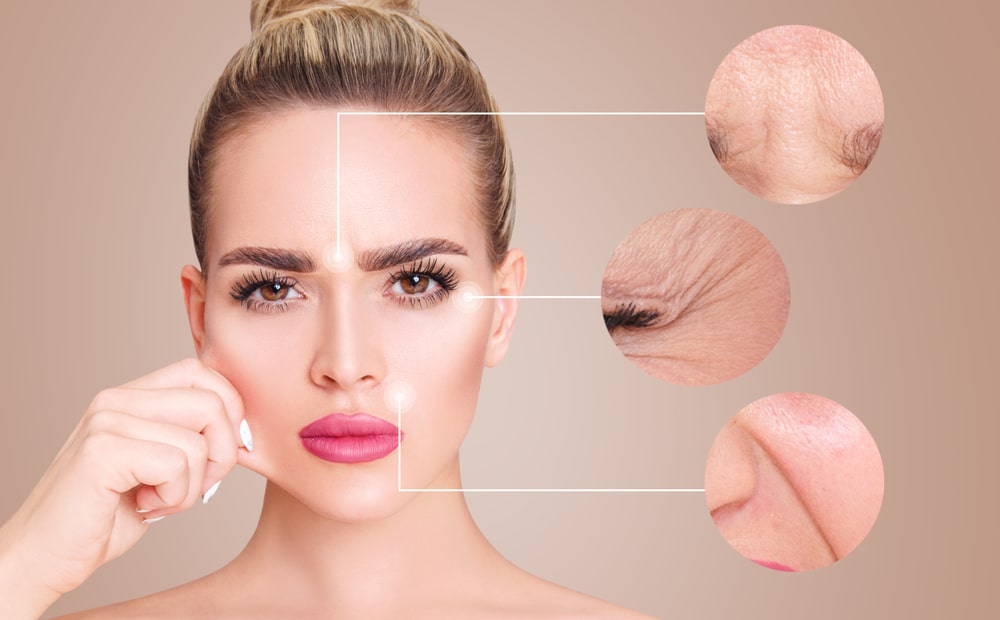
The visible signs of declining skin elasticity include fine lines that remain after a facial expression relaxes, deeper creases around the mouth and forehead, sagging along the jawline and neck, and a loss of fullness in the cheeks. A simple pinch test on the back of the hand reveals elasticity status: skin that returns flat in 1-2 seconds indicates strong elasticity, while skin that takes 10 seconds or more indicates significant lax skin.
What Causes Loss of Skin Elasticity?
Loss of skin elasticity is caused by intrinsic aging, ultraviolet radiation, smoking, poor nutrition, chronic stress, inadequate sleep, and significant weight fluctuations. Intrinsic aging is the genetic component that reduces collagen and elastin production over time regardless of lifestyle. Extrinsic aging is the damage caused by environmental and behavioral factors that accelerate the decline beyond what genetics alone would produce.
- Ultraviolet radiation from sun exposure breaks down collagen fibers and damages elastin, producing a condition called solar elastosis (also known as actinic elastosis). Photoaged skin appears leathery, wrinkled, and discolored.
- Smoking decreases type I and type III collagen synthesis by 18-22%, according to a collagen loss review published by NCBI in 2026. Nicotine constricts blood vessels near the skin’s surface, reducing oxygen and nutrient delivery to skin cells.
- Poor nutrition, particularly diets high in sugar and refined carbohydrates, promotes the formation of advanced glycation end products (AGEs). AGEs cross-link collagen and elastin fibers, causing them to stiffen, brown, and lose their flexibility.
- Chronic stress elevates cortisol levels, which accelerates collagen breakdown and slows the production of new collagen fibers.
- Inadequate sleep reduces the body’s overnight repair cycle. Collagen production peaks during deep sleep, and consistently getting fewer than seven hours reduces the skin’s ability to regenerate.
- Rapid or significant weight loss stretches skin beyond its ability to retract, particularly after losses of 50 pounds or more.
Each of these factors compounds the others. A person who smokes, gets minimal sleep, and spends significant time in the sun without protection will experience elasticity loss at a rate far exceeding what chronological age alone would predict.
What Is the Difference Between Collagen and Elastin?
The difference between collagen and elastin is that collagen provides structural strength and firmness to the skin, while elastin provides the ability to stretch and snap back to its original shape. Collagen functions as the scaffold that holds skin cells in place. Elastin functions as the rubber band that allows the scaffold to flex without permanently deforming.
Young skin contains approximately 80% type I collagen and 15% type III collagen, according to research published in OAE Publishing’s journal on skin health. These collagen types form dense, organized fiber bundles in the reticular dermis. A study by Marcos-Garces and colleagues found that collagen bundle density in the reticular dermis drops from approximately 81% in young tissue to just 58% in aged tissue, a substantial loss of structural support.
Elastin is far more difficult to regenerate than collagen. Most anti-aging treatments primarily stimulate new collagen production (neocollagenesis), and the improvement in elasticity comes largely from the restored collagen framework supporting the remaining elastin fibers. This distinction matters when choosing treatments. Collagen for skin health depends on both stimulating new production and protecting existing fibers from degradation.
At What Age Is Skin Most Elastic?
Skin is most elastic in the late teens and early-to-mid 20s, when the body produces collagen and elastin at peak rates and the dermis is at its thickest. During this period, skin cell turnover occurs approximately every 28 days, dead cells are replaced quickly, and the dermis contains a dense, organized network of collagen and elastin fibers.
Collagen production begins its measurable decline around age 25, dropping roughly 1% per year. By age 50, a person may have lost 25-30% of their skin’s original collagen content. Elastin fibers begin losing their organized structure during this same period, becoming thinner, fragmented, and less capable of returning stretched skin to its resting position. The number of melanocytes, the cells that produce skin pigment, decreases by 8-20% per decade, contributing to uneven skin tone and hyperpigmentation alongside the structural decline.
By age 50, epidermal cell turnover slows to 40-60 days, nearly double the rate of young skin. Slower turnover means dead skin cells accumulate on the surface, producing a duller, rougher appearance that makes the underlying structural loss more visible. Chemical peels accelerate this turnover by removing the outer layers, stimulating fresh cell growth and new collagen production in the dermis below.
At What Age Does a Woman’s Face Age the Most?
A woman’s face ages the most during the menopausal transition, typically between ages 45 and 55, when declining estrogen levels trigger an accelerated loss of collagen, elastin, and skin moisture. Research consistently shows that women lose up to 30% of their skin collagen in the first five years after menopause. This five-year window produces more visible aging than the entire preceding decade.
Estrogen plays a direct role in collagen synthesis, skin thickness, and moisture retention. When estrogen levels drop during perimenopause and menopause, the skin’s ability to produce new collagen fibers declines sharply. The dermis thins, hydration decreases, and expression lines that were once temporary become permanently etched. Men experience a more gradual, linear decline in collagen production throughout their lives because they do not undergo a hormonal event comparable to menopause.
Hormone therapy can partially counteract this acceleration. Research published in the Global Reproductive and Endocrine Medicine Journal in 2024 found that transdermal estrogen therapy improves skin hydration, thickness, and elasticity in postmenopausal women. Hormone therapy is not appropriate for everyone, but for candidates who qualify, it can slow the menopausal collagen decline while anti-aging treatments address the visible damage that has already occurred.
How Does Sun Damage Affect Skin Elasticity?
Sun damage affects skin elasticity by breaking down collagen fibers, degrading elastin, and accelerating the formation of matrix metalloproteinases (MMPs), enzymes that actively destroy the skin’s structural proteins. Ultraviolet A (UVA) rays penetrate deep into the dermis, where they damage the collagen and elastin network. Ultraviolet B (UVB) rays burn the skin’s surface and contribute to DNA damage in skin cells.
Chronic UV exposure produces solar elastosis, a condition where the elastin fibers in the dermis become tangled, disorganized, and non-functional. Skin with solar elastosis appears leathery, deeply wrinkled, and yellowish. A 2021 research review published in the American Journal of Clinical Dermatology confirmed that daily sunscreen use prevents further photodamage, though it cannot reverse elastosis that has already occurred. Reversing existing sun damage requires treatments that stimulate new collagen and elastin production in the dermis.
Broad-spectrum sunscreen with a sun protection factor (SPF) of at least 30, applied daily regardless of weather, is the single most effective preventive measure for preserving skin elasticity. The American Dermatology Association recommends broad-spectrum formulas because they protect against both UVA (aging) and UVB (burning) rays simultaneously.
What Slows Aging the Most?
Daily broad-spectrum sunscreen application slows aging the most, followed by a consistent retinoid regimen, adequate sleep, antioxidant-rich nutrition, and avoidance of smoking. Sun protection prevents the single largest source of extrinsic skin damage. Retinoids stimulate the collagen production that counteracts intrinsic aging. Sleep provides the recovery window the body needs to repair and regenerate skin tissue.
- Apply broad-spectrum sunscreen (SPF 30 or higher) every morning and reapply every two hours during sun exposure. This single habit prevents more visible aging than any other lifestyle choice.
- Use a retinoid consistently. Prescription tretinoin is the most studied and effective topical agent for reversing photoaging and stimulating collagen production, according to a 2023 review published in the British Journal of Dermatology.
- Consume a diet rich in antioxidants including vitamin C, vitamin E, carotenoids, and lycopene. Vitamin C is a required cofactor for collagen synthesis, and topical vitamin C serums encourage new collagen growth while protecting existing collagen from free radical damage.
- Sleep 7-9 hours per night to support the overnight collagen production cycle and reduce cortisol-driven collagen breakdown.
- Avoid smoking entirely. Collagen synthesis drops 18-22% in smokers, and the vascular constriction caused by nicotine starves skin cells of oxygen and nutrients.
- Stay hydrated. Adequate water intake supports skin turgor and helps hyaluronic acid maintain its water-binding function in the dermis.
These six strategies form the foundation. Professional treatments build on this foundation by actively rebuilding what aging and environmental damage have already taken. Treatments designed for aging skin combine multiple approaches to address both surface texture and deeper structural decline simultaneously.
Can You Restore Elasticity to Your Skin?
Yes, you can restore elasticity to your skin through a combination of topical products that stimulate collagen production, oral supplements that provide collagen building blocks, and professional treatments that trigger neocollagenesis in the dermis. Full restoration to the elasticity of youth is not achievable, but measurable improvement in skin firmness, bounce-back, and wrinkle depth is well-documented across multiple treatment categories.
The degree of restoration depends on the severity of the existing damage, the person’s age, their commitment to daily skin protection, and the type and frequency of professional treatments they receive. A person with moderate sun damage in their 40s who combines retinol, sunscreen, collagen supplementation, and periodic professional treatments can achieve visible improvement within 90 days, with progressive gains continuing over 6-12 months.
Sculptra is one injectable option that works by stimulating the body’s own collagen production gradually over several months, producing results that look natural because they come from the body’s own regenerative response rather than from an externally added filler material.
How Does Retinol Improve Skin Elasticity?
Retinol improves skin elasticity by accelerating cell turnover in the epidermis and stimulating collagen production in the dermis. Retinol is a form of vitamin A available in over-the-counter products at concentrations up to 0.3%. Prescription retinoids, such as tretinoin (Retin-A), are more potent and have been extensively studied for their ability to reverse photoaging.
A 2023 review published in the British Journal of Dermatology confirmed that prescription retinoids boost collagen synthesis, reduce fine lines, and improve overall skin texture. Retinoids work at the cellular level by binding to specific receptors in skin cells, signaling them to increase the production of new collagen and to shed dead surface cells more rapidly. Faster cell turnover produces a smoother, more radiant surface, while the deeper collagen stimulation restores firmness and resilience in the dermis.
Retinol and retinoids can cause irritation, dryness, and sun sensitivity, particularly during the first few weeks of use. Starting at a lower concentration and applying every other night reduces these side effects while still delivering long-term benefits. Microdermabrasion can complement a retinoid regimen by removing the outer layer of dead skin cells, improving the penetration of topical products applied afterward.
Can Collagen Supplements Improve Skin Elasticity?
Yes, collagen supplements can improve skin elasticity, and multiple systematic reviews of randomized controlled trials confirm statistically significant improvements in both skin hydration and elasticity. A 2023 meta-analysis of 26 randomized controlled trials involving 1,721 patients, published in the journal Nutrients, found that hydrolyzed collagen supplementation significantly improved skin elasticity compared to placebo (p < 0.00001).
A separate 2021 systematic review of 19 studies involving 1,125 participants found that oral collagen supplements improved skin elasticity, hydration, and wrinkle appearance over a 90-day period. Hydrolyzed collagen, the form used in supplements, is broken into small peptides that the digestive system absorbs and delivers to the skin via the bloodstream. These peptides signal fibroblasts in the dermis to increase collagen production.
The global anti-aging market was valued at approximately $55-85 billion in 2025, according to Grand View Research and Precedence Research, with collagen supplements representing one of the fastest-growing segments. The improvements documented in clinical studies are typically in the range of 5-15% improvement in elasticity scores, which, while modest, represent a measurable reversal of age-related decline.
What Role Does Hyaluronic Acid Play in Skin Elasticity?
Hyaluronic acid plays a critical role in skin elasticity by binding and retaining water in the dermis, keeping the collagen and elastin fibers hydrated, flexible, and functional. One molecule of hyaluronic acid (HA) can hold up to 1,000 times its weight in water. This water-binding capacity keeps the dermis plump and supports the structural proteins that provide firmness and bounce-back.
Hyaluronic acid levels decrease with age and with UV exposure. By age 50, the body’s HA levels may drop to roughly half of what they were in youth. Topical HA serums draw moisture into the outer skin layers and can temporarily improve the appearance of fine lines. Injectable HA fillers, such as Juvederm and Restylane, restore volume in the deeper layers of the face, providing structural support that complements the skin’s own collagen network.
Elastin fibers require hydration to function properly. Elastin conformation changes only occur in the presence of hydrated proteins, which means that restoring HA levels indirectly supports elastin function even in skin where elastin fibers have begun to degrade. Aqua facial treatments infuse the skin with hydrating serums containing HA, providing immediate moisture restoration alongside gentle exfoliation.
What Is the Best Treatment for Elasticity in Skin?
The best treatment for elasticity in skin is radiofrequency (RF) skin tightening, which uses controlled thermal energy to contract existing collagen fibers and stimulate the production of new collagen in the dermis. RF treatments are non-invasive, require no downtime, and produce progressive improvements over 3-6 months as the body’s collagen remodeling process unfolds. A 2025 systematic review of 20 RF microneedling studies involving 558 participants, published in PubMed, found consistent improvements in skin texture, tightening, and overall aesthetic outcomes.
Multiple professional treatments target skin elasticity through different mechanisms. The best choice depends on the severity of elasticity loss, the treatment area, skin type, and the patient’s tolerance for downtime.
| Treatment | Mechanism | Results Timeline | Clinical Evidence |
|---|---|---|---|
| RF Skin Tightening | Heats collagen fibers in dermis, causing contraction and neocollagenesis | Immediate tightening; peak results at 3 months | Consistent improvements in skin laxity across multiple studies |
| RF Microneedling | Combines microneedle puncture with RF energy for deeper collagen remodeling | 1-2 weeks initial; peak at 3-6 months | 15-20% increase in dermal thickness at 3 months (biopsy studies) |
| Chemical Peels (medium/deep) | Removes outer skin layers, stimulates new collagen and cell regeneration | 2-4 weeks healing; progressive improvement over months | Reduces elastosis and increases collagen production (PMC, 2018) |
| Laser Skin Resurfacing | Fractional laser creates micro-injuries that trigger collagen remodeling | 1-2 weeks healing; peak results at 3-6 months | Promotes neocollagenesis and improved skin tone (PMC, 2020) |
| Thread Lift | Absorbable threads physically lift sagging tissue and stimulate collagen along insertion path | Immediate lift; collagen stimulation continues 3-6 months | Non-surgical lift with progressive collagen response |
Sources: PubMed systematic review, 2025; La Belle Vie Med Spa citing biopsy studies; PMC articles on chemical peels (2018) and fractional lasers (2020).
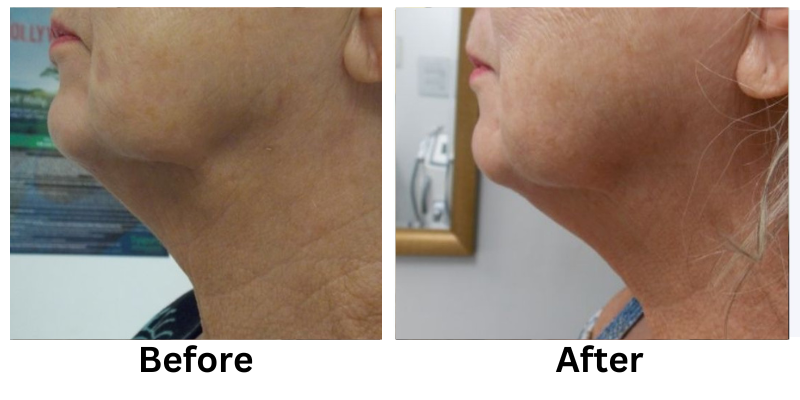
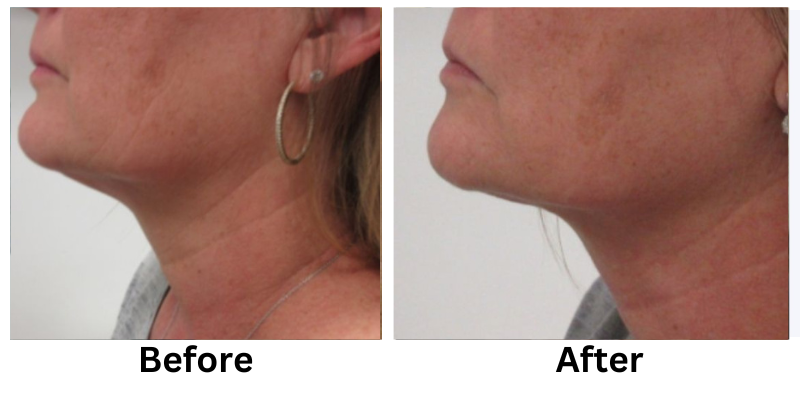
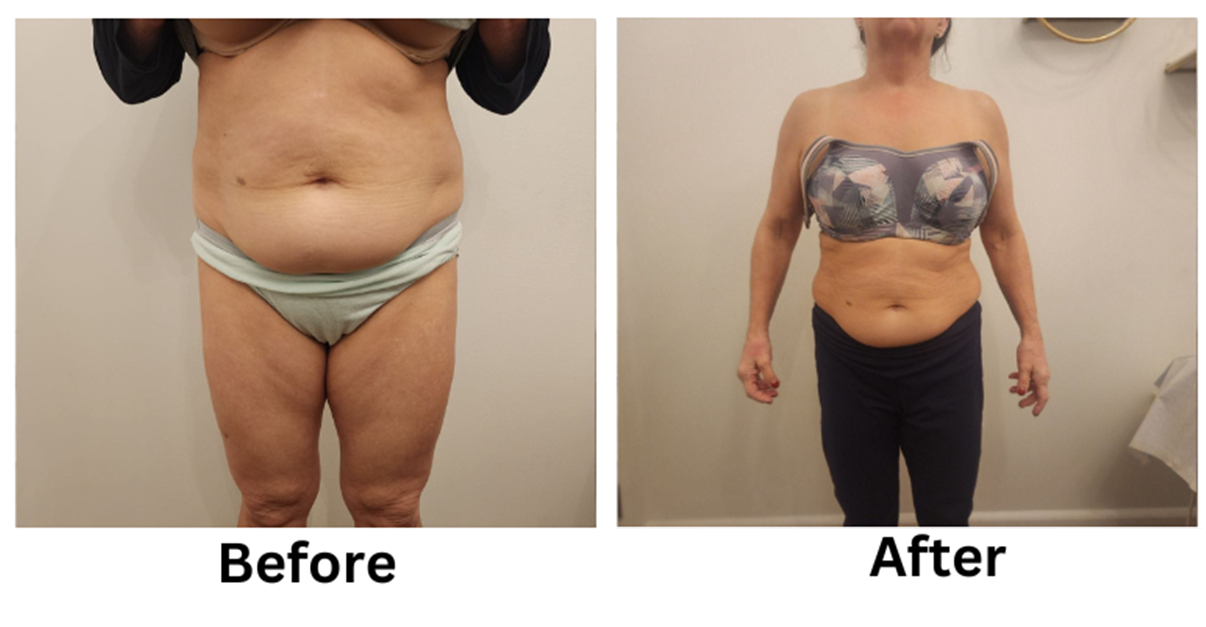
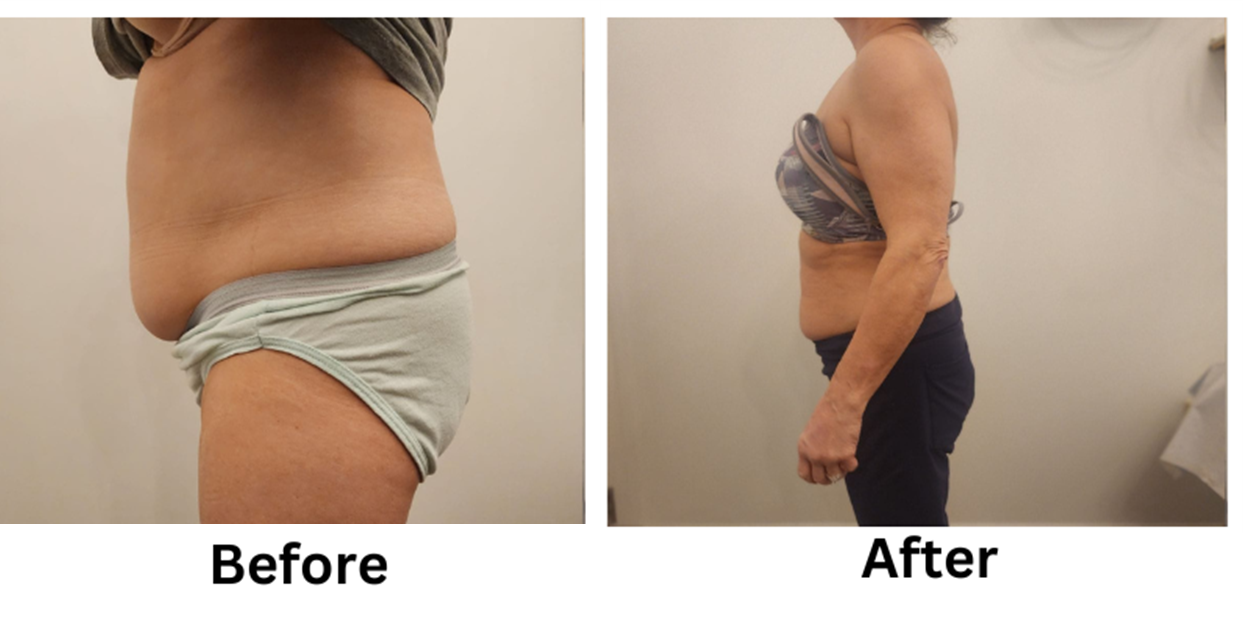
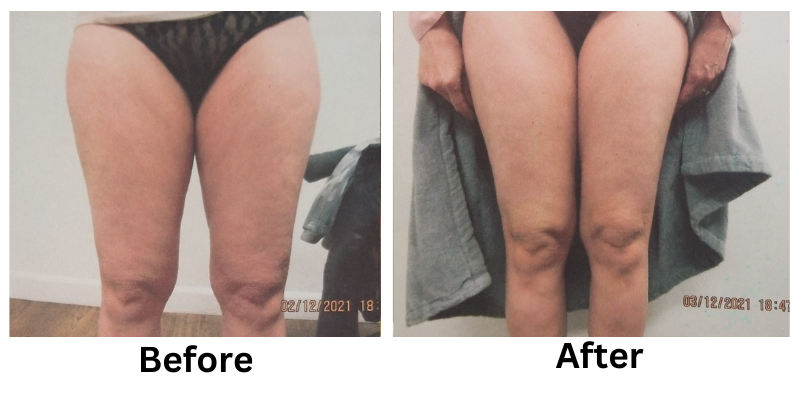
Here in the Kansas City area, we offer skin tightening using radiofrequency technology that heats collagen fibers beneath the skin’s surface, producing a tightening effect that patients describe as a warm, comfortable massage with visible results that continue building for up to three months.
Does Radiofrequency Tighten Skin?
Yes, radiofrequency tightens skin by delivering controlled electromagnetic energy into the dermis, where it heats collagen fibers to a temperature that causes immediate contraction and triggers long-term collagen remodeling. The RF energy passes through the skin’s surface without damaging it, reaching the collagen-rich dermis layer where the structural proteins are located.
The thermal effect produces two distinct results. The first is immediate tissue contraction as existing collagen fibers shorten in response to the heat. The second is a sustained neocollagenesis response, where the body produces new collagen over the following weeks and months to repair the controlled thermal stimulus. Results from radiofrequency skin tightening keep building over time and typically reach their full potential at approximately 3 months post-treatment.
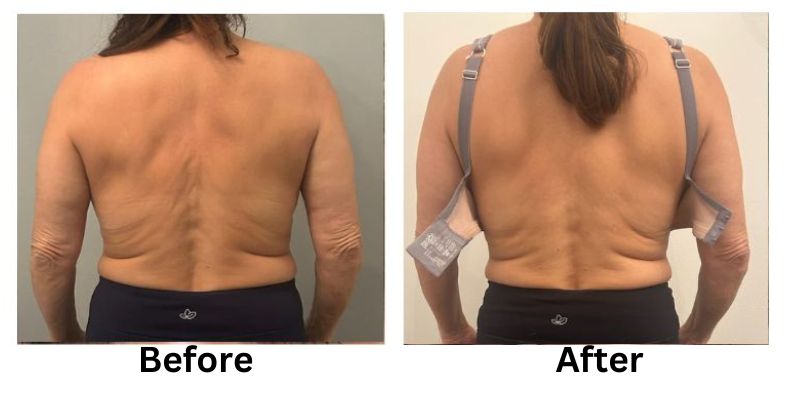
RF skin tightening is effective on the face, neck, jowls, around the eyes, above the knees, inner thighs, upper arms, and abdomen. The treatment requires no incisions, produces no scarring, and involves nearly zero downtime. Most sessions take 30-45 minutes, and patients can return to normal activities immediately afterward.
Does Microneedling Help With Skin Elasticity?
Yes, microneedling helps with skin elasticity by creating controlled micro-injuries in the skin that activate the body’s wound-healing response, stimulating new collagen and elastin fiber production. The process is called collagen induction therapy. When tiny needles puncture the dermis, the body sends growth factors, fibroblasts, and other repair cells to the area, producing a surge of new structural protein synthesis.
RF microneedling combines this mechanical collagen induction with radiofrequency energy delivered through the needle tips. The combination produces deeper tissue remodeling than standard microneedling alone. Biopsy studies demonstrate that RF microneedling increases dermal thickness by an average of 15-20% at three months post-treatment. A 2025 pilot study by Hong and colleagues published in Dermatologic Therapy found that RF microneedling improved skin elasticity by 22% and reduced horizontal neck wrinkles by 35% in study participants.
Type I collagen levels show the most significant increase after RF microneedling, while elastin fiber organization improves gradually over the treatment course. Peak results typically appear at 3-6 months post-treatment as the full collagen remodeling cycle completes.
How Long Does It Take for Skin Tightening Treatments to Work?
Skin tightening treatments take 3-6 months to produce their full results, although most patients notice initial improvement within the first 1-4 weeks. The timeline depends on the type of treatment, the patient’s age, the severity of skin laxity, and the body’s individual collagen production capacity.
Radiofrequency skin tightening produces some immediate visible tightening due to collagen fiber contraction during the treatment session. This initial result continues to improve as new collagen forms over the following 8-12 weeks. RF microneedling follows a similar trajectory, with early texture improvements visible within 1-2 weeks and structural firmness improvements building through month 3-6. Laser skin resurfacing involves a healing period of 1-2 weeks, followed by progressive improvement as the treated dermis remodels.
Most patients benefit from a series of treatments rather than a single session. The cumulative effect of multiple sessions, spaced 4-6 weeks apart, produces greater collagen density than a single treatment can achieve. A personalized treatment plan based on the patient’s specific skin condition, goals, and budget produces the most consistent outcomes.
Can You Tighten Loose Skin From Aging?
Yes, you can tighten loose skin from aging through a combination of lifestyle habits that protect existing collagen, topical products that stimulate new collagen production, and professional treatments that mechanically or thermally trigger tissue remodeling. The approach depends on the degree of laxity. Mild laxity responds well to topical retinoids, consistent sunscreen use, and collagen supplementation. Moderate laxity benefits from professional treatments like RF skin tightening, RF microneedling, or chemical peels. Significant laxity may require more intensive interventions like thread lift procedures that physically reposition sagging tissue while stimulating collagen along the insertion path.
The 41% of consumers who now adopt non-invasive aesthetic treatments, according to Global Growth Insights (2025), reflect a broad shift toward professional skin tightening as a mainstream approach to aging. Non-surgical skin tightening produces a natural look without the over-tightened appearance, bruising, or prolonged recovery associated with surgical facelifts.
Combining treatments with a strong daily regimen produces the best long-term results. Patients who pair professional RF treatments with daily retinoid use, broad-spectrum sunscreen, collagen supplementation, and adequate hydration maintain their improvements longer and need fewer maintenance sessions over time.
How to Thicken Crepey Skin?
To thicken crepey skin, you need to rebuild collagen density in the thinning dermis through a combination of prescription retinoids, hyaluronic acid hydration, collagen-stimulating professional treatments, and consistent sun protection. Crepey skin develops when the dermis becomes thin enough that the skin’s surface takes on a crinkled, tissue-paper texture, typically on the arms, neck, chest, and under the eyes.
Prescription retinoids (tretinoin) are the most effective topical option for thickening thin skin because they directly stimulate fibroblast activity and new collagen synthesis in the dermis. Topical hyaluronic acid serums restore surface hydration that plumps the skin temporarily, and over time, consistent hydration supports the health of remaining collagen and elastin fibers. A 2022 research review in the journal Dermatologic Therapy noted that topical HA improves skin elasticity and reduces the appearance of fine lines.
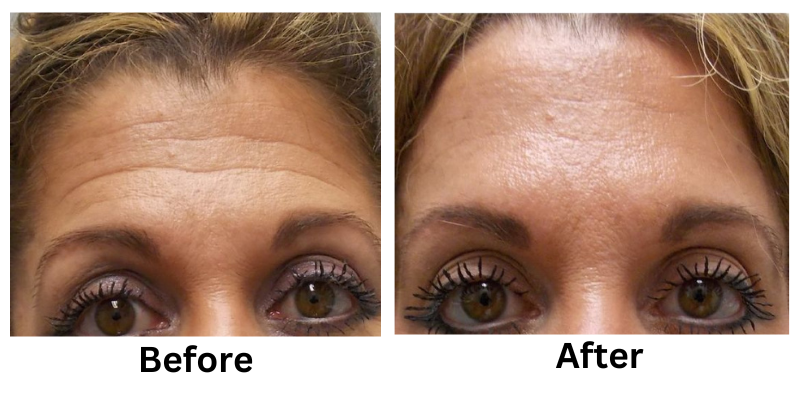
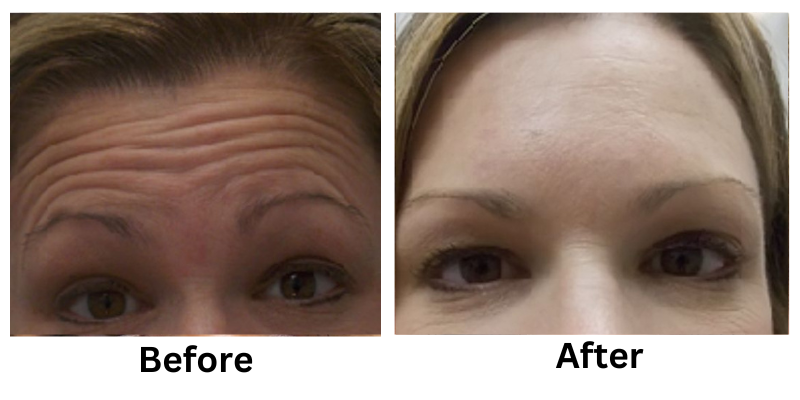
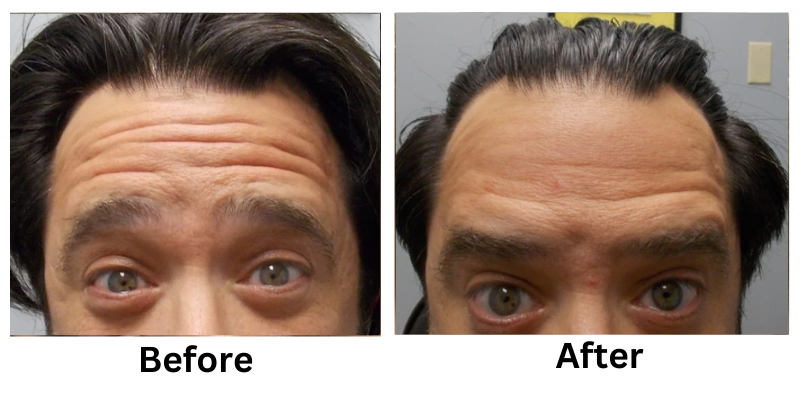
Professional treatments for crepey skin include RF microneedling (which increases dermal thickness by 15-20% at 3 months), fractional laser resurfacing (which triggers neocollagenesis through controlled micro-injuries), and medium-depth chemical peels (which remove damaged outer layers and stimulate fresh cell growth). Botox can complement these treatments by relaxing the underlying muscles that create expression lines, allowing the skin’s surface to smooth while the dermal treatments rebuild structural support beneath.
Frequently Asked Questions
How to Increase Elasticity in Aging Skin?
To increase elasticity in aging skin, combine daily sunscreen use (SPF 30+) with a topical retinoid, oral collagen supplementation (2.5-10 grams of hydrolyzed collagen daily), a diet rich in vitamin C and antioxidants, and professional treatments such as radiofrequency skin tightening or RF microneedling. A 2021 systematic review of 19 studies confirmed that oral collagen supplements improve skin elasticity and hydration within 90 days. Consistency across all of these strategies produces the strongest cumulative improvement.
What Is Collagen and Why Is It Important for Skin?
Collagen is the most abundant protein in the human body and comprises 75-80% of the skin’s dry weight. Collagen provides the structural scaffold that gives skin its firmness, thickness, and resistance to sagging. When collagen production declines, skin becomes thinner, looser, and more prone to wrinkles. Stimulating new collagen production is the primary goal of most anti-aging treatments.
Does Drinking Water Improve Skin Elasticity?
Drinking adequate water supports skin turgor and helps hyaluronic acid maintain its water-binding function in the dermis. Research indicates that people who drink sufficient water show fewer signs of aging, including reduced wrinkling and improved skin texture. Water alone cannot reverse established collagen loss, but chronic dehydration accelerates the visible signs of skin aging.
Can Weight Loss Cause Loss of Skin Elasticity?
Yes, significant or rapid weight loss can cause loss of skin elasticity. When skin stretches to accommodate excess weight and then the weight is lost quickly, the skin may lack sufficient collagen and elastin to retract to its original shape. Gradual weight loss of 1-2 pounds per week produces less skin laxity than rapid loss because the skin has more time to adapt.
Is Skin Elasticity Loss Reversible After Menopause?
Skin elasticity loss after menopause is partially reversible through hormone therapy, topical retinoids, collagen supplementation, and professional treatments like radiofrequency skin tightening. Research shows that estrogen therapy improves skin hydration, thickness, and elasticity in postmenopausal women. While full restoration to pre-menopausal levels is unlikely, measurable improvement is achievable with consistent treatment.
How Often Should You Get Skin Tightening Treatments?
Most skin tightening treatment plans involve a series of 3-6 sessions spaced 4-6 weeks apart for initial results, followed by maintenance sessions every 3-6 months. The exact frequency depends on the patient’s age, the severity of laxity, the type of treatment used, and the individual response to collagen-stimulating procedures. A personalized plan developed with a provider produces the most predictable and lasting outcomes.
The Takeaway
Skin elasticity declines because the body produces less collagen and elastin over time, and environmental factors like sun exposure, smoking, and poor nutrition accelerate that loss. The good news is that modern anti-aging treatments can measurably reverse the decline. Radiofrequency skin tightening, RF microneedling, retinoids, collagen supplementation, and consistent sun protection work together to rebuild the dermal structure that keeps skin firm, smooth, and resilient. Starting with sun protection and topical products and adding professional treatments as needed produces the strongest, most sustainable results.
At Slimming Solutions Med Spa, we help patients at every stage of the aging process restore their skin’s firmness and confidence through personalized treatment plans built around their specific needs and goals.
Call us at (816) 524-3438 to schedule a free consultation.
![[thumb]](https://slimmingsolutionsspa.com/wp-content/uploads/2023/12/botox1-150x150.png)
![[thumb]](https://slimmingsolutionsspa.com/wp-content/uploads/2023/12/Before2-150x150.png)
![[thumb]](https://slimmingsolutionsspa.com/wp-content/uploads/2023/12/Before3-150x150.png)
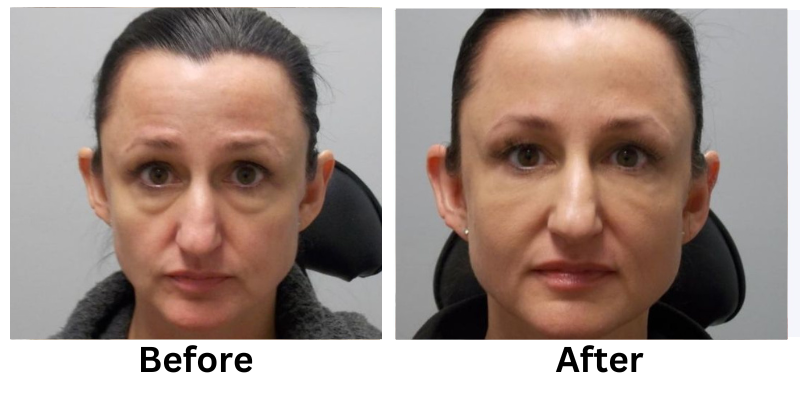
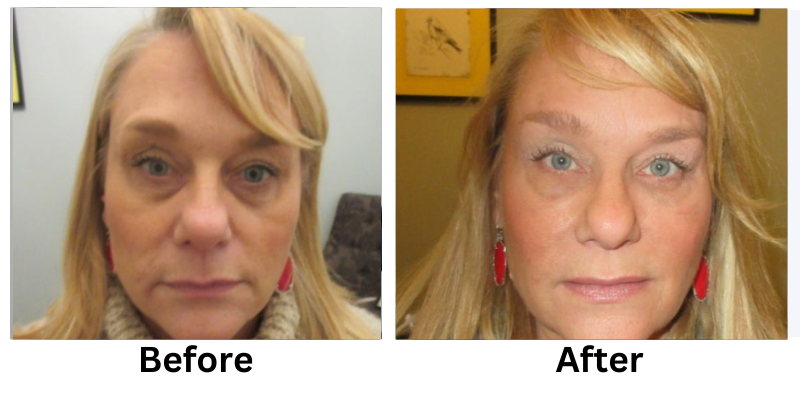


![[thumb]](https://slimmingsolutionsspa.com/wp-content/uploads/2023/12/revanesse-versa-1-150x150.png)
![[thumb]](https://slimmingsolutionsspa.com/wp-content/uploads/2023/12/revanesse-versa-2-150x150.png)
![[thumb]](https://slimmingsolutionsspa.com/wp-content/uploads/2023/12/revanesse-versa-3-150x150.png)
![[thumb]](https://slimmingsolutionsspa.com/wp-content/uploads/2023/12/revanesse-versa-4-150x150.png)
![[thumb]](https://slimmingsolutionsspa.com/wp-content/uploads/2023/12/revanesse-versa-5-150x150.png)
![[thumb]](https://slimmingsolutionsspa.com/wp-content/uploads/2024/01/Eyebrow-treatment-1-1-150x150.png)
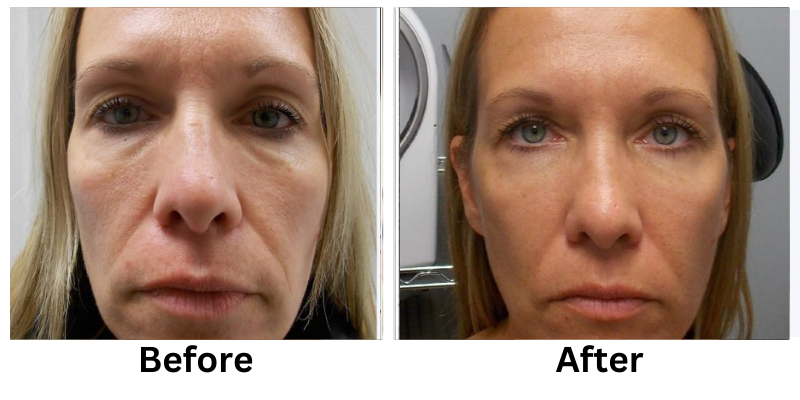
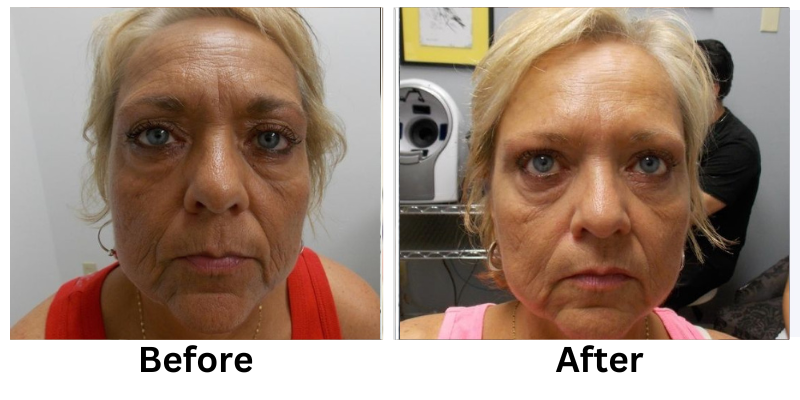
![[thumb]](https://slimmingsolutionsspa.com/wp-content/uploads/2023/12/Skin-Rejuvenation-1-150x150.png)
![[thumb]](https://slimmingsolutionsspa.com/wp-content/uploads/2023/12/Skin-Rejuvenation-2-150x150.png)


![[thumb]](https://slimmingsolutionsspa.com/wp-content/uploads/2024/01/Lip-Filler-1-150x150.png)
![[thumb]](https://slimmingsolutionsspa.com/wp-content/uploads/2024/01/Lip-Filler-2-150x150.png)
![[thumb]](https://slimmingsolutionsspa.com/wp-content/uploads/2025/02/Lip-Filler-1-150x150.png)
![[thumb]](https://slimmingsolutionsspa.com/wp-content/uploads/2024/01/Lip-Filler-150x150.jpg)
![[thumb]](https://slimmingsolutionsspa.com/wp-content/uploads/2024/01/Before-1-150x150.jpg)

![[thumb]](https://slimmingsolutionsspa.com/wp-content/uploads/2024/01/RHA-Treatmetn-3-150x150.png)
![[thumb]](https://slimmingsolutionsspa.com/wp-content/uploads/2024/01/RHA-Treatmetn-2-150x150.png)
![[thumb]](https://slimmingsolutionsspa.com/wp-content/uploads/2024/01/RHA-Treatmetn-1-150x150.png)
![[thumb]](https://slimmingsolutionsspa.com/wp-content/uploads/2024/01/Thread-Lifts-1-150x150.png)
![[thumb]](https://slimmingsolutionsspa.com/wp-content/uploads/2024/01/Thread-Lifts-2-150x150.png)
![[thumb]](https://slimmingsolutionsspa.com/wp-content/uploads/2025/02/Lip-Filler-2-150x150.png)

![[thumb]](https://slimmingsolutionsspa.com/wp-content/uploads/2023/12/skin-reuvulation1-150x150.png)
![[thumb]](https://slimmingsolutionsspa.com/wp-content/uploads/2023/12/skin-rejuvulation-2-150x150.png)
![[thumb]](https://slimmingsolutionsspa.com/wp-content/uploads/2023/12/Skin-Tighting-150x150.png)
![[thumb]](https://slimmingsolutionsspa.com/wp-content/uploads/2023/12/Before-150x150.jpg)
![[thumb]](https://slimmingsolutionsspa.com/wp-content/uploads/2023/12/weightloss-1-150x150.png)
![[thumb]](https://slimmingsolutionsspa.com/wp-content/uploads/2023/12/weightloss-2-150x150.png)
![[thumb]](https://slimmingsolutionsspa.com/wp-content/uploads/2023/12/2Weight-Loss-2-150x150.png)
![[thumb]](https://slimmingsolutionsspa.com/wp-content/uploads/2025/02/Weight-Loss-1-new-150x150.png)
![[thumb]](https://slimmingsolutionsspa.com/wp-content/uploads/2023/12/Weight-Loss-3-150x150.png)
![[thumb]](https://slimmingsolutionsspa.com/wp-content/uploads/2025/03/Slimming-Solutions-BA-Template-150x150.png)


![[thumb]](https://slimmingsolutionsspa.com/wp-content/uploads/2023/12/dat3-150x150.png)
![[thumb]](https://slimmingsolutionsspa.com/wp-content/uploads/2023/12/dat-0-150x150.png)
![[thumb]](https://slimmingsolutionsspa.com/wp-content/uploads/2023/12/dat-1-150x150.png)
![[thumb]](https://slimmingsolutionsspa.com/wp-content/uploads/2023/12/Before-1-150x150.png)

![[thumb]](https://slimmingsolutionsspa.com/wp-content/uploads/2024/01/EMS-Treatment-2-150x150.png)
![[thumb]](https://slimmingsolutionsspa.com/wp-content/uploads/2024/01/EMS-Treatment-1-150x150.png)
![[thumb]](https://slimmingsolutionsspa.com/wp-content/uploads/2025/02/ems-BNA-front-150x150.png)
![[thumb]](https://slimmingsolutionsspa.com/wp-content/uploads/2025/02/EMS-bna-SIDE-150x150.png)
![[thumb]](https://slimmingsolutionsspa.com/wp-content/uploads/2024/01/EMS-Treatment-6-150x150.png)