Long-term outcomes of aesthetic treatments extend well beyond the visible improvements patients notice in the first few weeks after a procedure. A meta-analysis of 27 studies published in ScienceDirect, covering 4,823 patients, found that satisfaction with aesthetic results rises steadily from 71.4% at one month to 93.8% at two years. These outcomes include physical changes like smoother skin and restored volume, psychological gains like increased self-confidence and reduced social anxiety, and structural benefits like rebuilt collagen that compounds over time. The rest of this article walks through the clinical evidence behind long-term aesthetic outcomes, breaks down how long specific injectable treatments last, explains why results often improve rather than fade, and covers the maintenance strategies that keep those results going for years.
What Are the Long-Term Outcomes of Aesthetic Treatments?
The long-term outcomes of aesthetic treatments fall into three measurable categories: sustained physical improvements, progressive psychological benefits, and cumulative structural gains in the skin. Physical outcomes include reduced wrinkle depth, restored facial volume, improved skin texture, and more even skin tone. Psychological outcomes include higher self-esteem, lower appearance-related anxiety, and greater comfort in social and professional settings. Structural outcomes include increased collagen density, improved skin elasticity, and thicker dermal tissue that develops over months and persists for years.
The defining characteristic of modern aesthetic outcomes is that they improve over time rather than simply fading. Older approaches to aesthetics relied on temporary correction, filling a line or freezing a muscle for a few months before the effect wore off. Today’s treatment strategies combine temporary correction with biological stimulation, triggering the body’s own collagen production and tissue remodeling. Biological stimulation produces results that build on each session. The American Society of Plastic Surgeons (ASPS) reported that minimally invasive aesthetic treatments grew 3% year over year in 2024, with over 28.5 million procedures performed by ASPS member surgeons alone. That sustained demand reflects patients returning not because their results disappeared, but because they saw enough benefit to continue investing in their skin over the long term.
Do Aesthetic Treatments Have Lasting Effects?
Yes, aesthetic treatments have lasting effects that are supported by large-scale clinical evidence. The meta-analysis published in ScienceDirect tracked satisfaction patterns across 27 studies and found a consistent upward trajectory:
- At one month post-treatment, patient satisfaction measured 71.4%
- At three months, satisfaction climbed to 82.6%
- At six months, satisfaction reached 87.2%
- At twelve months, satisfaction hit 91.5%
- At twenty-four months, satisfaction peaked at 93.8%
The steady increase confirms that aesthetic results do not simply hold steady after treatment; they actively improve as the body continues its healing and remodeling processes.
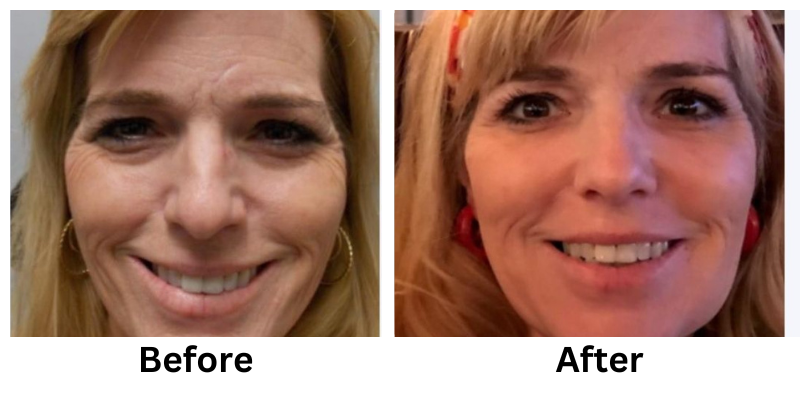
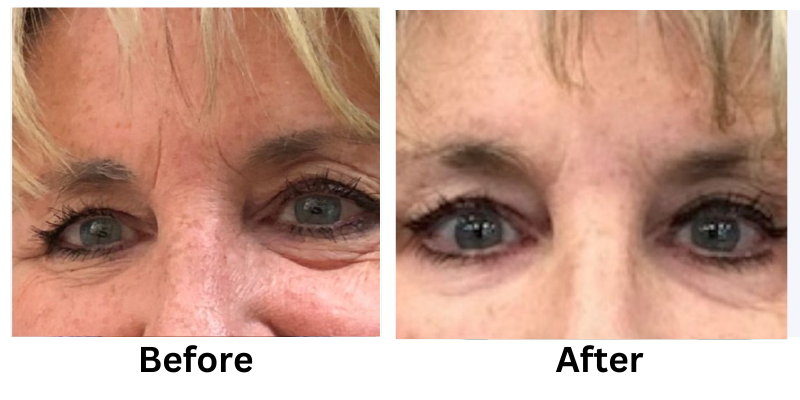
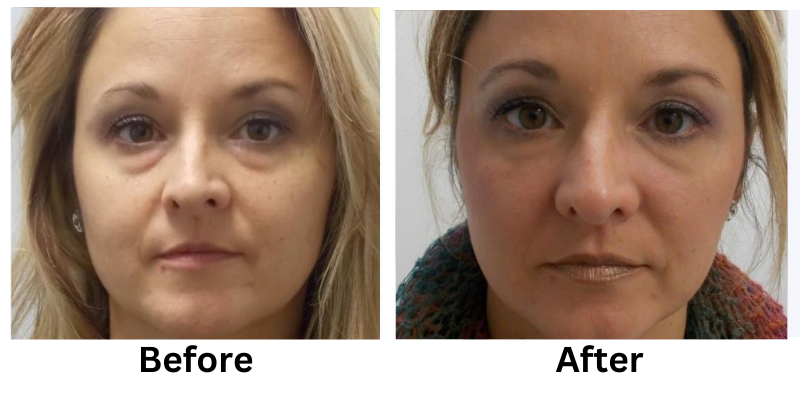
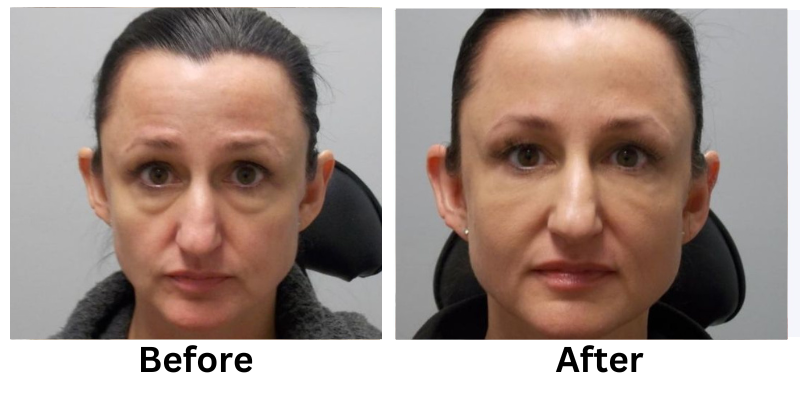
A landmark study published in Dermatologic Surgery followed 50 patients who received consecutive Botox treatments over a mean follow-up period of 15.04 years, with some patients tracked for up to 26 years. The study documented 1,098 total treatment cycles across the cohort. When patients were asked how old they perceived themselves compared to their actual age, 94% stated they appeared at least two years younger than their chronological age. Even more striking, 76% of those patients perceived themselves to be between five and twelve years younger. No patient in the study reported feeling older than their actual age. These findings demonstrate that consistent aesthetic treatment produces cumulative benefits that patients can see and feel years into the future.
How Long Do Botox Results Last?
Botox results last approximately three to six months per individual treatment session, with most patients noticing the smoothing effect begin to soften around the four-month mark. The active ingredient, onabotulinumtoxinA, temporarily relaxes targeted facial muscles by blocking nerve signals. As the nerve signals gradually recover, muscle movement returns and dynamic wrinkles reappear. This per-session timeline is well established across decades of clinical use.
The long-term picture is more compelling than the per-session timeline suggests. According to data published by Allergan in the Journal of Cosmetic Dermatology, approximately 90% of Botox patients reported satisfaction with natural-looking outcomes at day 30, and more than 80% maintained that satisfaction throughout a 12-month study period. Patients who maintain regular treatment schedules every three to four months often find that the targeted muscles gradually weaken over time, meaning they need fewer units per session and the intervals between treatments can sometimes stretch longer. The Dermatologic Surgery study’s 15-year cohort illustrates this cumulative effect clearly: patients who stayed consistent with treatment perceived themselves as significantly younger than their actual age, a benefit that compounded with each passing year of consistent care.
How Long Do Dermal Fillers Last?
Dermal filler results last anywhere from six months to over two years, depending on the type of filler, the treatment area, and the patient’s metabolism. Hyaluronic acid (HA) fillers like Juvederm and Restylane typically last 6 to 18 months. These fillers add volume immediately by attracting and binding water molecules beneath the skin surface. The body gradually metabolizes the hyaluronic acid over time, and the volume diminishes until the next treatment session. According to ASPS data, 5,331,426 patients received HA filler treatments in 2024, a 1% increase from the previous year.
Non-HA fillers and collagen biostimulators offer substantially longer-lasting outcomes. Radiesse, a calcium hydroxylapatite filler, provides immediate volume and stimulates collagen production that continues after the filler material itself is absorbed. Sculptra, made from poly-L-lactic acid (PLLA), works entirely through collagen stimulation rather than direct volume replacement. Results from a complete Sculptra treatment series typically last two to two and a half years, with some patients reporting satisfaction beyond that window. A clinical extension study cited by Galderma found that 95% of Sculptra patients had improved skin glow two years after treatment. Histological studies measuring tissue changes confirm that Sculptra increases collagen density by approximately 25 to 40% in treated areas, a structural improvement that persists because the body built the collagen itself.
What Is the Difference Between Temporary Fillers and Collagen Stimulators?
The difference between temporary fillers and collagen stimulators is that temporary fillers add volume directly by injecting a gel-like substance beneath the skin, while collagen stimulators trigger the body’s own biological processes to rebuild structural proteins from within. Temporary HA fillers work immediately; the volume you see on the day of treatment is the result. Collagen stimulators like Sculptra work gradually over weeks and months as the PLLA microparticles activate fibroblasts, the cells responsible for producing collagen and elastin.
This distinction matters for long-term outcomes because collagen stimulators produce results that are biologically integrated into the patient’s own tissue, not sitting on top of it as a foreign substance. When HA filler dissolves, the volume disappears. When the PLLA particles from Sculptra are fully metabolized, the collagen structure they helped create remains. The patient’s body maintains that collagen through normal physiological processes until natural aging gradually diminishes it. ASPS reported that non-HA fillers, including Sculptra and Radiesse, accounted for 932,861 procedures in 2024, reflecting growing patient interest in treatments that deliver structural biological improvement rather than temporary correction.
Why Do Aesthetic Treatment Results Improve Over Time?
Aesthetic treatment results improve over time because of three biological mechanisms that continue working long after the treatment session ends: collagen remodeling, tissue adaptation, and cumulative maintenance effects. Collagen remodeling is the process by which newly stimulated collagen fibers organize into stronger, more structured networks over weeks and months. Treatments like RF microneedling, chemical peels, and laser resurfacing all trigger this remodeling cascade, and the structural improvements peak at three to six months after the initial session.
Tissue adaptation occurs when the skin responds to repeated controlled stimulation by building a progressively stronger foundation. Patients who receive consistent neurotoxin treatments over several years often develop thinner, less reactive muscles in the treated areas. Thinner muscles create fewer dynamic wrinkles, which means the skin surface stays smoother for longer between sessions. Cumulative maintenance compounds these effects further. Each treatment session builds on the structural improvements from the last, creating a layered benefit that no single session could achieve alone. This is why the satisfaction trajectory in the ScienceDirect meta-analysis climbed steadily over 24 months; patients were not just maintaining results but experiencing genuine improvement as their tissue continued to remodel and adapt.
Can Aesthetic Treatments Slow Down Aging?
Yes, aesthetic treatments can slow down the visible progression of aging by preserving existing collagen, preventing the formation of deeper wrinkles, and stimulating new structural protein production before significant loss has occurred. The concept of prejuvenation, starting treatments proactively in the late twenties or early thirties rather than reactively in the forties or fifties, has reshaped how practitioners and patients approach long-term aesthetic outcomes.
Preventive neurotoxin treatment is the clearest example. When Botox relaxes a muscle before a wrinkle has fully etched into the skin, the wrinkle never develops to the depth it would have reached without treatment. The skin surface remains smoother because the repetitive folding motion that creates static lines is interrupted early. According to a report by the International Association for Physicians in Aesthetic Medicine (IAPAM), the non-surgical aesthetic segment rose 40% globally between 2021 and 2024, with younger demographics investing earlier in skin health and preventive treatments driving a significant share of that growth. The International Society of Aesthetic Plastic Surgery (ISAPS) recorded nearly 38 million aesthetic procedures worldwide in 2024, a 42.5% increase from 2020. Patients in the Kansas City area are part of this broader shift, seeking treatments earlier to preserve rather than correct.
Should You Start Aesthetic Treatments Early for Better Long-Term Results?
Yes, starting aesthetic treatments early produces better long-term results because it is easier to maintain healthy skin structure than to rebuild it after significant collagen loss and wrinkle formation. Patients who begin chemical peels or neurotoxin treatments in their late twenties or early thirties are working with a stronger collagen foundation. That stronger foundation responds more effectively to treatment and holds improvements longer.
The prejuvenation approach has gained particular traction among younger patients. ASPS data shows that patients aged 40 to 54 still account for the largest share of cosmetic procedures, but younger demographics are entering the market at increasing rates. The strategy is straightforward: maintain the collagen and skin elasticity you already have through regular, low-intensity treatments rather than waiting for deeper changes that require more aggressive intervention. A series of superficial chemical peels in your thirties, for instance, keeps cellular turnover active and collagen stimulation engaged. That ongoing maintenance produces a compounding benefit that patients in their fifties and sixties can see clearly in the mirror.
How Do Combination Aesthetic Treatments Improve Long-Term Results?
Combination aesthetic treatments improve long-term results by addressing multiple layers of the skin through different mechanisms simultaneously, producing synergistic benefits that no single treatment can match. The HARMONY study, published in the Aesthetic Surgery Journal and indexed in the National Center for Biotechnology Information (PMC), demonstrated that a multimodal facial rejuvenation approach using both neurotoxins and HA fillers across multiple facial areas produced significant improvements in psychological well-being, social confidence, and patient-rated aesthetic improvement. The combination addressed dynamic wrinkles, static volume loss, and skin surface quality in a single coordinated treatment plan.
The combination therapy market in aesthetics reached $3.69 billion in 2024 and is forecasted to grow to $8.03 billion by 2034, according to Hamilton Fraser. This growth reflects both practitioner recognition and patient experience: combining laser resurfacing for texture with Sculptra for volume and Botox for dynamic lines produces a comprehensive result that addresses aging from multiple angles. Each treatment reinforces the others. Laser resurfacing removes damaged surface cells and stimulates collagen in the upper dermis. Sculptra rebuilds deeper structural collagen. Botox prevents the muscle movements that break collagen down. When all three work together, the skin has a stronger foundation, a smoother surface, and less mechanical stress, all of which extend the duration and quality of the overall result.
| Treatment Category | Primary Mechanism | Typical Duration | Patient Satisfaction | Maintenance Frequency |
|---|---|---|---|---|
| Neurotoxins (Botox, Xeomin) | Muscle relaxation via nerve signal block | 3-6 months per session | 90% satisfied at day 30; 80%+ at 12 months | Every 3-4 months |
| HA Fillers (Juvederm, Restylane) | Immediate volume via water-binding gel | 6-18 months | 91.5% at 12 months (meta-analysis) | Every 6-12 months |
| Collagen Stimulators (Sculptra) | Fibroblast activation, collagen rebuilding | 2-2.5+ years | 95% improved glow at 2 years | Every 2-3 years (touch-up series) |
| RF Microneedling | Micro-puncture + thermal collagen remodeling | 12-18 months per series | High (GAIS-measured improvement) | 1-2 sessions per year |
| Laser Skin Resurfacing | Controlled ablation + dermal remodeling | 1-3+ years depending on depth | Skin resurfacing up 6% in 2024 (ASPS) | Annually or as needed |
| Chemical Peels | Keratolysis + neocollagenesis | Ongoing with series | High with consistent series | Every 4-6 weeks (superficial) |
Sources: ASPS 2024 Procedural Statistics Report, ScienceDirect meta-analysis (N=4,823), Allergan/Journal of Cosmetic Dermatology, Galderma clinical study, ISAPS 2024 Global Survey
How Do Aesthetic Treatments Affect Self-Confidence Long-Term?
Aesthetic treatments affect self-confidence long-term by creating measurable improvements in how patients perceive themselves, interact with others, and engage with their daily lives. A 2013 clinical study found that 87% of individuals reported increased self-confidence after aesthetic procedures. Longitudinal research tracking patients for three to five years post-treatment shows that these psychological benefits remain stable over time, with 85% of patients reporting significant improvements in quality of life within six months that persist at follow-up assessments years later.
The HARMONY study provided some of the most detailed psychosocial data available on this topic. Patients who received multimodal facial aesthetic treatment reported improvements in feeling positive, confident, and happy with their appearance. These psychological gains extended into social functioning, professional performance, and intimate relationships. The researchers noted that traditional clinical endpoints, like wrinkle severity scores, fail to capture the full impact of treatment. Patient-reported outcome measures (PROMs) that assess psychological well-being, social confidence, and self-appraisal reveal benefits that purely physical measurements miss. When patients feel that their external appearance aligns with how they feel internally, the emotional and social benefits can be as significant as the physical ones.
What Maintenance Schedule Keeps Aesthetic Results Lasting Longer?
The maintenance schedule that keeps aesthetic results lasting longer matches each treatment’s biological timeline to a consistent, proactive cadence. Neurotoxins like Botox and Xeomin perform best on a three-to-four-month cycle, which keeps muscle relaxation continuous and prevents wrinkles from reforming between sessions. HA fillers benefit from annual touch-ups that maintain volume before it fully dissipates, rather than waiting until the face has returned completely to its pre-treatment state.
Collagen stimulators like Sculptra require a different approach. The initial treatment series of two to three sessions spaced four to six weeks apart builds the collagen foundation. After that, a single maintenance session every one to two years sustains the structural improvement. A comprehensive long-term maintenance plan includes several components working together:
- Skin tightening treatments and RF microneedling sessions once or twice per year to support the collagen network from the energy-based side
- Daily skincare containing retinoids and antioxidants to stimulate cellular turnover and protect against free radical damage between professional treatments
- Broad-spectrum sunscreen with at least SPF 30 to prevent the UV exposure that breaks down collagen and accelerates visible aging
- Adequate hydration and nutrition to supply the raw materials skin cells need for repair and collagen synthesis
- Consistent sleep of seven to nine hours per night to support the growth hormone release that drives overnight skin repair
The global medical aesthetics market, valued at USD 38 billion in 2024 and projected to reach USD 109.86 billion by 2035 according to Precedence Research, reflects a patient population that understands maintenance as an ongoing investment rather than a one-time event.
What Happens to Your Skin When You Stop Aesthetic Treatments?
When you stop aesthetic treatments, your skin gradually returns to its natural aging trajectory. It does not age faster or deteriorate because of previous treatments. The muscles that Botox relaxed regain their full movement over three to six months. The volume that HA fillers provided slowly diminishes as the body metabolizes the hyaluronic acid. Dynamic wrinkles that were softened during treatment reappear at the depth they would have naturally reached at your current age.
The one significant exception involves collagen stimulators. Collagen that the body built in response to Sculptra, Radiesse, or energy-based treatments like RF microneedling remains in the tissue even after you stop scheduling new sessions. That collagen follows the normal biological timeline of gradual degradation, losing density at the same rate it would through natural aging. Patients who received multiple years of collagen-stimulating treatments often retain some structural benefit for years after their last session because the accumulated collagen volume was greater than what untreated skin would have had at the same age. Stopping treatment does not erase the progress; it simply stops adding to it.
What Is the Future of Aesthetics?
The future of aesthetics is moving toward longer-lasting biological treatments, AI-driven treatment personalization, regenerative medicine, and increasingly sophisticated combination protocols. Peptide therapy and exosome-based treatments are expanding the toolkit for stimulating the body’s own repair mechanisms. More than 15% of aesthetic clinics in the United States have already integrated AI-driven technologies for skin analysis and personalized treatment plans, according to data reported by the American Society for Aesthetic Plastic Surgery (ASAPS).
The trend toward prejuvenation will continue to grow as younger patients invest in skin health before visible aging begins. Biostimulatory injectables will continue gaining ground over traditional HA fillers as patients prioritize long-term structural improvement over temporary volume correction. Combination therapy protocols will become more refined, with practitioners designing multi-year treatment plans that layer neurotoxins, biostimulators, energy-based devices, and advanced skincare into coordinated strategies. The global market projection of USD 109.86 billion by 2035 reflects an industry that is building durable, evidence-based outcomes rather than chasing short-lived trends.
Frequently Asked Questions
What Procedure Takes 10 Years Off Your Face?
The procedure that takes 10 years off your face depends on where the aging shows most. A facelift addresses sagging and structural descent most dramatically. For non-surgical options, a combination of neurotoxin injections, volume-restoring fillers, and skin resurfacing treatments can produce results that patients perceive as five to twelve years younger, according to the 15-year Botox study published in Dermatologic Surgery. The most natural-looking rejuvenation typically comes from combining multiple treatments that address different layers of aging simultaneously.
What Aesthetics Will Be Popular in 2026?
Aesthetics that will be popular in 2026 include collagen biostimulators like Sculptra and Radiesse, RF microneedling for skin tightening, combination therapy protocols, peptide-based skin rejuvenation, and AI-guided treatment personalization. The IAPAM predicts that biostimulators and prejuvenation-focused treatments will lead the anti-aging movement, with patients favoring gradual biological improvement over immediate but temporary volume correction.
How Many Years Can Sculptra Results Last?
Sculptra results can last two to two and a half years after a full treatment series, with some patients reporting benefits for three years or longer in well-vascularized areas like the cheeks and temples. A Galderma clinical extension study confirmed that 95% of patients maintained improved skin glow at the two-year mark. Maintenance sessions every one to two years can extend the structural collagen benefits indefinitely.
How Often Should You Get Botox to Maintain Results?
You should get Botox every three to four months to maintain consistent results. This schedule keeps the targeted muscles relaxed continuously and prevents dynamic wrinkles from reforming between sessions. Over time, many patients find that regular treatment allows them to extend the interval between sessions slightly, as the muscles gradually become thinner and less prone to deep contraction.
Why Is Gen Z So Obsessed With Aesthetics?
Gen Z is focused on aesthetics because this generation approaches skincare and cosmetic treatments as preventive health investments rather than reactive corrections. Growing up with access to dermatological education through social media, Gen Z patients understand concepts like collagen loss, sun damage, and cellular turnover earlier than previous generations. The prejuvenation philosophy, starting low-intensity treatments before visible aging begins, aligns with Gen Z’s preference for proactive self-care and long-term planning over dramatic interventions.
The Takeaway
Long-term aesthetic outcomes are not a matter of hope or marketing claims. They are documented, measurable, and supported by clinical data spanning decades. Satisfaction climbs over time. Collagen rebuilds from the inside. Psychological benefits persist for years. The patients who see the strongest long-term outcomes are those who work with a knowledgeable provider to build a consistent, personalized treatment plan that matches their skin’s needs at every stage of life.
We help patients in Lee’s Summit and across the Kansas City metro area build exactly that kind of plan. At Slimming Solutions Med Spa, every treatment recommendation is grounded in clinical evidence and matched to long-term goals, not short-term trends. If you are ready to explore what consistent, evidence-based aesthetic care can do for your skin and your confidence, schedule a consultation and we will map out a plan together.
![[thumb]](https://slimmingsolutionsspa.com/wp-content/uploads/2023/12/botox1-150x150.png)
![[thumb]](https://slimmingsolutionsspa.com/wp-content/uploads/2023/12/Before2-150x150.png)
![[thumb]](https://slimmingsolutionsspa.com/wp-content/uploads/2023/12/Before3-150x150.png)


![[thumb]](https://slimmingsolutionsspa.com/wp-content/uploads/2023/12/revanesse-versa-1-150x150.png)
![[thumb]](https://slimmingsolutionsspa.com/wp-content/uploads/2023/12/revanesse-versa-2-150x150.png)
![[thumb]](https://slimmingsolutionsspa.com/wp-content/uploads/2023/12/revanesse-versa-3-150x150.png)
![[thumb]](https://slimmingsolutionsspa.com/wp-content/uploads/2023/12/revanesse-versa-4-150x150.png)
![[thumb]](https://slimmingsolutionsspa.com/wp-content/uploads/2023/12/revanesse-versa-5-150x150.png)
![[thumb]](https://slimmingsolutionsspa.com/wp-content/uploads/2024/01/Eyebrow-treatment-1-1-150x150.png)
![[thumb]](https://slimmingsolutionsspa.com/wp-content/uploads/2023/12/Skin-Rejuvenation-1-150x150.png)
![[thumb]](https://slimmingsolutionsspa.com/wp-content/uploads/2023/12/Skin-Rejuvenation-2-150x150.png)


![[thumb]](https://slimmingsolutionsspa.com/wp-content/uploads/2024/01/Lip-Filler-1-150x150.png)
![[thumb]](https://slimmingsolutionsspa.com/wp-content/uploads/2024/01/Lip-Filler-2-150x150.png)
![[thumb]](https://slimmingsolutionsspa.com/wp-content/uploads/2025/02/Lip-Filler-1-150x150.png)
![[thumb]](https://slimmingsolutionsspa.com/wp-content/uploads/2024/01/Lip-Filler-150x150.jpg)
![[thumb]](https://slimmingsolutionsspa.com/wp-content/uploads/2024/01/Before-1-150x150.jpg)

![[thumb]](https://slimmingsolutionsspa.com/wp-content/uploads/2024/01/RHA-Treatmetn-3-150x150.png)
![[thumb]](https://slimmingsolutionsspa.com/wp-content/uploads/2024/01/RHA-Treatmetn-2-150x150.png)
![[thumb]](https://slimmingsolutionsspa.com/wp-content/uploads/2024/01/RHA-Treatmetn-1-150x150.png)
![[thumb]](https://slimmingsolutionsspa.com/wp-content/uploads/2024/01/Thread-Lifts-1-150x150.png)
![[thumb]](https://slimmingsolutionsspa.com/wp-content/uploads/2024/01/Thread-Lifts-2-150x150.png)
![[thumb]](https://slimmingsolutionsspa.com/wp-content/uploads/2025/02/Lip-Filler-2-150x150.png)

![[thumb]](https://slimmingsolutionsspa.com/wp-content/uploads/2023/12/skin-reuvulation1-150x150.png)
![[thumb]](https://slimmingsolutionsspa.com/wp-content/uploads/2023/12/skin-rejuvulation-2-150x150.png)
![[thumb]](https://slimmingsolutionsspa.com/wp-content/uploads/2023/12/Skin-Tighting-150x150.png)
![[thumb]](https://slimmingsolutionsspa.com/wp-content/uploads/2023/12/Before-150x150.jpg)
![[thumb]](https://slimmingsolutionsspa.com/wp-content/uploads/2023/12/weightloss-1-150x150.png)
![[thumb]](https://slimmingsolutionsspa.com/wp-content/uploads/2023/12/weightloss-2-150x150.png)
![[thumb]](https://slimmingsolutionsspa.com/wp-content/uploads/2023/12/2Weight-Loss-2-150x150.png)
![[thumb]](https://slimmingsolutionsspa.com/wp-content/uploads/2025/02/Weight-Loss-1-new-150x150.png)
![[thumb]](https://slimmingsolutionsspa.com/wp-content/uploads/2023/12/Weight-Loss-3-150x150.png)
![[thumb]](https://slimmingsolutionsspa.com/wp-content/uploads/2025/03/Slimming-Solutions-BA-Template-150x150.png)


![[thumb]](https://slimmingsolutionsspa.com/wp-content/uploads/2023/12/dat3-150x150.png)
![[thumb]](https://slimmingsolutionsspa.com/wp-content/uploads/2023/12/dat-0-150x150.png)
![[thumb]](https://slimmingsolutionsspa.com/wp-content/uploads/2023/12/dat-1-150x150.png)
![[thumb]](https://slimmingsolutionsspa.com/wp-content/uploads/2023/12/Before-1-150x150.png)

![[thumb]](https://slimmingsolutionsspa.com/wp-content/uploads/2024/01/EMS-Treatment-2-150x150.png)
![[thumb]](https://slimmingsolutionsspa.com/wp-content/uploads/2024/01/EMS-Treatment-1-150x150.png)
![[thumb]](https://slimmingsolutionsspa.com/wp-content/uploads/2025/02/ems-BNA-front-150x150.png)
![[thumb]](https://slimmingsolutionsspa.com/wp-content/uploads/2025/02/EMS-bna-SIDE-150x150.png)
![[thumb]](https://slimmingsolutionsspa.com/wp-content/uploads/2024/01/EMS-Treatment-6-150x150.png)