Cellular turnover is the process by which your skin sheds dead cells from its surface and replaces them with fresh, healthy cells generated in the deepest layer of the epidermis. This renewal cycle takes approximately 28 to 40 days in a healthy adult, according to the Society of Cosmetic Chemists, but it slows significantly with age. Professional skin treatments like chemical peels, microneedling, and laser resurfacing work by accelerating this cycle to reduce dullness, smooth rough texture, and fade signs of aging. The rest of this article breaks down how cellular turnover functions at each layer of the skin, why it slows over time, what you can do at home to support it, and how professional facial treatments reset the process from the inside out.
What Is Cellular Turnover and Why Does It Matter for Your Skin?
Cellular turnover is the skin’s built-in renewal system that continuously replaces aging, damaged cells with newer ones. This process begins in the stratum basale, the deepest layer of the epidermis, where stem cells called keratinocytes divide to produce new skin cells. Each newly formed keratinocyte migrates upward through the epidermis over several weeks, changing shape and composition at every stage. Keratinocytes accumulate a tough structural protein called keratin as they rise through the stratum spinosum and stratum granulosum. Keratin strengthens the cell wall and prepares each cell for its final role as a protective barrier. By the time a keratinocyte reaches the stratum corneum, the outermost skin layer, it has flattened, lost its nucleus, and transformed into a corneocyte. Corneocytes form a tightly packed shield that protects the body from bacteria, water loss, and UV radiation.
This shield works only when it refreshes on schedule. Old corneocytes need to shed so that younger, more hydrated cells can take their place. The shedding process, called desquamation, relies on enzymes that break the bonds holding dead cells together. When desquamation happens at the right pace, skin looks smooth, even-toned, and radiant. When desquamation stalls, dead cells pile up and create a dull, rough surface that traps oil and hides the healthy cells underneath.
How Does Skin Cell Turnover Work?
Skin cell turnover works through a continuous cycle of cell birth, migration, maturation, and shedding. A new keratinocyte is born in the stratum basale when a stem cell divides into two daughter cells. One daughter cell stays in the basal layer to maintain the stem cell pool. The other daughter cell begins its upward journey through the epidermis. According to research published by the Society of Cosmetic Chemists, this entire journey takes approximately 28 to 40 days in an average healthy adult.
The journey follows a specific path through five epidermal layers. From the stratum basale, the cell enters the stratum spinosum, where it develops tiny spiny projections that lock neighboring cells together. Spiny projections give the cell structural support during its migration. The cell then enters the stratum granulosum, where it produces granules filled with lipids and proteins that will eventually waterproof the skin surface. Lipid-filled granules release their contents between cells to form the moisture barrier. After passing through the stratum lucidum, a thin transitional layer, the cell reaches the stratum corneum. By this point the cell has completely flattened, hardened with keratin, and lost all metabolic activity. Dead cells remain in the stratum corneum for roughly two weeks before enzyme activity breaks the bonds between them and they shed. According to data cited by ScienceInsights, humans shed approximately 30,000 to 40,000 dead skin cells every hour.
How Long Does Skin Cell Turnover Last?
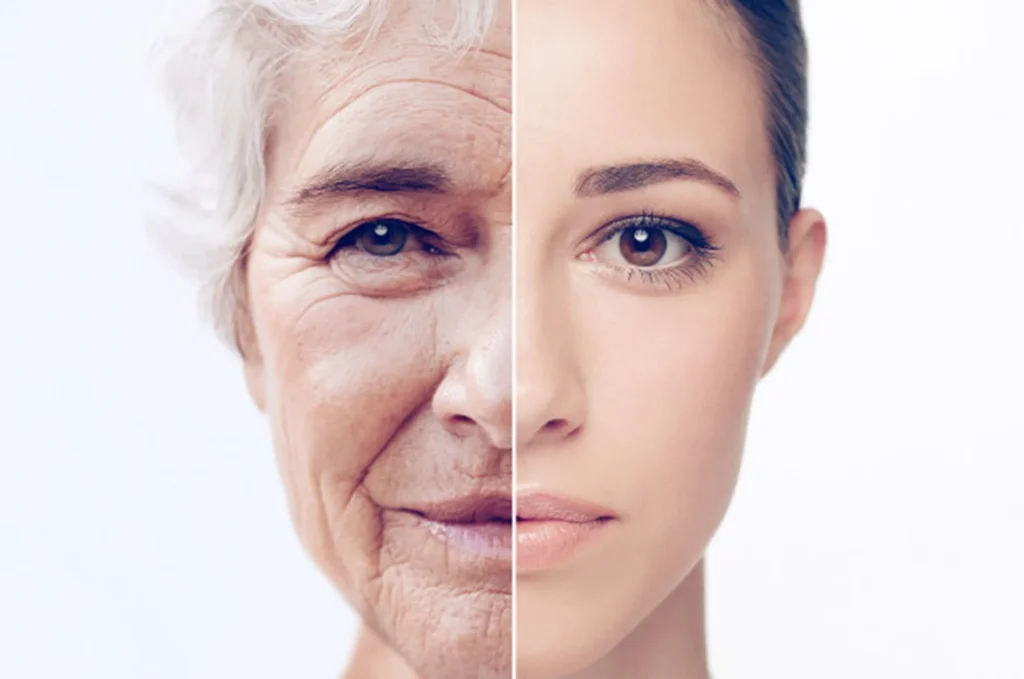
Skin cell turnover lasts approximately 28 days in a young, healthy adult, but this cycle lengthens dramatically with age. According to Dr. Alexander Zuriarrain, a double board-certified plastic surgeon in Miami, the cell turnover rate at age 18 ranges from 14 to 21 days. By age 50, the same process can take 60 to 90 days. Children experience the fastest turnover of all, with cycles as short as 14 days, which explains why young skin appears bright, dewy, and almost luminous.
Research reviewed by the dermatology publication Skinmiles.com confirms that by the fourth decade of life, cell turnover slows to 40 to 45 days. By the sixth decade, the cycle can stretch to 60 days or longer. This near-doubling of the renewal timeline means dead cells sit on the surface far longer than they should. A 60-year-old’s skin carries a layer of dead cells that is weeks older than a 25-year-old’s surface layer. That age difference in surface cells translates directly into visible differences in texture, tone, and radiance.
Why Does Skin Cell Turnover Slow Down With Age?
Skin cell turnover slows down with age because of reduced stem cell activity in the basal layer, declining collagen production, hormonal shifts, and cumulative environmental damage. Stem cells in the stratum basale divide less frequently as the body ages. According to Scientific American, after the age of 20, a person produces about 1% less collagen in the skin each year. Collagen, the most abundant protein in the human body, comprises approximately 30% of total body protein and accounts for roughly 80% of skin’s dry weight, according to dermatologist Dr. Whitney Bowe. The gradual loss of collagen weakens the structural scaffold that supports cell migration and renewal.
Hormonal changes accelerate the decline further. Dr. Bowe’s clinical research shows that women lose up to 30% of their collagen within the first five years after menopause. Estrogen plays a direct role in collagen synthesis, so the sharp estrogen decline during menopause triggers an equally sharp drop in skin’s structural integrity. Beyond age and hormones, several external factors compound the slowdown:
- Cumulative ultraviolet radiation generates reactive oxygen species (ROS) that damage cellular DNA and disrupt normal turnover patterns
- Chronic stress raises cortisol levels, and cortisol impairs collagen production while promoting inflammation
- Poor sleep reduces the skin’s repair window, since cell renewal activity peaks between approximately 10 PM and 4 AM when human growth hormone (HGH) levels rise naturally
- Smoking constricts blood vessels and reduces the delivery of oxygen and nutrients that skin cells need for regeneration
- Environmental pollution generates free radicals that damage collagen fibers and slow the production of new ones
Patients in the Kansas City area deal with seasonal humidity swings and temperature extremes that place additional stress on the skin barrier. These environmental shifts make consistent skincare and periodic professional treatments even more important for maintaining healthy turnover.
What Happens When Skin Cell Turnover Slows Down?
When skin cell turnover slows down, dead cells accumulate on the surface and create a cascade of visible and functional problems. The most immediate sign is a dull, flat complexion that lacks the luminosity of younger skin. Dead cells scatter light unevenly instead of reflecting it, which makes the skin appear tired and lifeless. Rough texture develops as irregularly shaped corneocytes pile up, creating a surface that feels coarse and uneven to the touch.
Accumulated dead cells also clog pores by trapping sebum and debris beneath the surface. Clogged pores create the environment where bacteria thrive, leading to breakouts that can persist well beyond the teenage years. Hyperpigmentation worsens because pigmented cells linger on the surface longer instead of shedding normally. Dark spots, sun spots, and post-inflammatory discoloration all become more visible and more persistent when turnover stalls. Fine lines and wrinkles appear deeper as dead cells fill the creases and exaggerate their depth. The skin barrier weakens because fresh cells carry moisture, lipids, and protective pigment to the surface. When fresh cells arrive less often, the surface layer becomes drier, thinner, and more vulnerable to environmental aging. Skincare products also absorb less effectively because they cannot penetrate through a thick layer of dead, compacted cells.
What Helps With Skin Cell Turnover?
Two categories of strategies help with skin cell turnover: at-home topical ingredients that support daily renewal and professional skin treatments that reset the cycle more aggressively. The most effective approach combines both categories, using daily topical actives to maintain a baseline turnover rate and scheduling periodic professional treatments to accelerate renewal beyond what topicals alone can achieve.
At-home strategies work at the surface level and in the upper layers of the epidermis. Professional treatments reach deeper into the epidermis and even into the dermis, triggering biological responses that topical products cannot replicate. Before exploring each category in detail, it is important to understand a distinction that most skincare conversations overlook.
What Is the Difference Between Exfoliation and Cell Turnover Stimulation?
The difference between exfoliation and cell turnover stimulation is that exfoliation removes dead cells that have already reached the surface, while cell turnover stimulation accelerates the birth rate of new cells in the basal layer. Exfoliation is a surface-level process. Physical exfoliants use abrasion to scrub away dead corneocytes. Chemical exfoliants dissolve the bonds holding dead cells together so they shed more easily. Both methods clear the surface, but neither one tells the basal layer to produce new cells faster.
Cell turnover stimulation operates at a deeper biological level. Ingredients like retinoids activate cellular DNA pathways that speed up keratinocyte production. Professional treatments like chemical peels and microneedling create controlled injuries that trigger the wound healing cascade, which forces the skin to generate new cells at an accelerated rate. Both exfoliation and turnover stimulation contribute to healthier skin, but they work through fundamentally different mechanisms. Exfoliation clears the path; turnover stimulation builds new cells to fill it.
How Do You Speed Up Skin Cell Turnover?
You speed up skin cell turnover by incorporating active ingredients that promote cell renewal and by supporting your skin’s natural repair processes through consistent lifestyle habits. The most effective topical ingredients for accelerating turnover include retinoids, alpha hydroxy acids (AHAs), beta hydroxy acids (BHAs), vitamin C, niacinamide, and peptides. Each ingredient works through a different mechanism, and combining them strategically produces compounded results.
Retinoids are widely considered the gold standard for cellular turnover stimulation. According to a clinical review published by Next Steps in Dermatology, retinol can reduce the keratinocyte turnover cycle from 28 days to approximately 14 days. Alpha hydroxy acids, including glycolic acid and lactic acid, work through keratolysis, breaking the intercellular bonds between dead corneocytes so they shed faster. Beta hydroxy acids like salicylic acid penetrate oil to clear pores from the inside. Vitamin C acts as a potent antioxidant that protects cells from oxidative damage while promoting collagen synthesis. Niacinamide strengthens the skin barrier and supports healthy cell communication. Peptide therapy signals fibroblasts to ramp up collagen and elastin production.
Lifestyle factors amplify the effects of topical actives. Adequate hydration keeps skin cells plump and supports efficient desquamation. A diet rich in vitamins A, C, and E provides the raw materials cells need for repair and regeneration. Quality sleep is essential because skin cell renewal peaks during deep sleep when growth hormone levels surge. Daily broad-spectrum sunscreen with at least SPF 30 prevents the UV damage that disrupts turnover patterns in the first place.
How Does Retinol Increase Skin Cell Turnover?
Retinol increases skin cell turnover by activating specific DNA pathways inside keratinocytes that accelerate their production rate. When applied topically, retinol converts to retinoic acid within the skin. Retinoic acid binds to nuclear receptors on keratinocytes and stimulates genes responsible for cell proliferation. This gene activation tells basal layer cells to divide more rapidly, pushing newer cells toward the surface at a faster pace. A 2015 clinical study found that 84% of women between ages 40 and 55 showed measurable improvement in the appearance of dark spots after one year of consistent retinol use.
Retinol also upregulates transforming growth factor beta (TGF-beta), a signaling protein that stimulates fibroblasts to produce more collagen and elastin. Fibroblast activation strengthens the dermal scaffold that supports the entire epidermal renewal process. A study published in the National Institutes of Health (NIH) database found that 0.3% retinol and 1% retinol were comparably effective at remodeling photodamaged skin in a trial of 218 participants, with both concentrations inducing keratinocyte proliferation and fibrillin-rich microfibril deposition.
Does Hyaluronic Acid Speed Up Cell Turnover?
Hyaluronic acid does not directly speed up cell turnover the way retinol or AHAs do. Instead, hyaluronic acid supports the cell renewal process indirectly by delivering deep hydration and strengthening the skin’s moisture barrier. Hyaluronic acid can hold up to 1,000 times its molecular weight in water, which plumps skin cells and creates an environment where renewal happens more efficiently. Well-hydrated cells shed more easily than dehydrated cells, and a strong moisture barrier allows active ingredients to penetrate better and do their work more effectively.
Research published in PubMed suggests that increased hyaluronic acid production in the epidermis plays a role in accelerating keratinocyte proliferation and differentiation. Low molecular weight hyaluronic acid in particular has been shown to activate fibroblasts responsible for collagen production and skin repair. Pairing hyaluronic acid with a turnover-stimulating ingredient like retinol or glycolic acid gives the skin both the hydration it needs and the active stimulation to renew faster.
Can Skin Treatments Speed Up Cellular Turnover?
Yes, professional skin treatments speed up cellular turnover by creating controlled damage that triggers the body’s wound healing cascade. This cascade operates in three distinct phases that each contribute to accelerated cell production.
- Inflammation phase: The treatment creates micro-injuries or chemical disruption in the skin. Platelets and neutrophils rush to the site and release growth factors including transforming growth factor (TGF), platelet-derived growth factor (PDGF), and connective tissue activating protein. Growth factor release signals the surrounding tissue to begin repair immediately.
- Proliferation phase: Fibroblasts migrate to the injury site and begin producing new collagen, elastin, and glycosaminoglycans at an accelerated rate. New blood vessels form (angiogenesis) to supply oxygen and nutrients to the repair zone. Keratinocyte production in the basal layer increases dramatically to replace the removed or damaged cells.
- Remodeling phase: The newly produced collagen organizes into a strong lattice pattern. The skin rebuilds with improved structure, firmer texture, and a renewed surface layer. Remodeling continues for months after the initial treatment, which is why results keep improving over time.
Different professional skin treatments trigger this cascade at different depths and intensities. Many patients combine multiple treatment types across a series of appointments to address cellular turnover at every skin layer simultaneously.
How Do Chemical Peels Promote Cell Turnover?
Chemical peels promote cell turnover by applying acid solutions that dissolve the bonds holding dead and damaged cells together, a process called keratolysis. As the peel solution breaks these intercellular bonds, layers of old cells separate from the skin and shed over the following days. The removal of surface layers sends a powerful signal to the basal layer to ramp up keratinocyte production. Chemical peels also trigger neocollagenesis, the formation of new collagen in the dermis, which strengthens the structural foundation that supports long-term renewal.
Superficial peels use lower concentrations of AHAs like glycolic acid or lactic acid to remove cells in the stratum corneum only. These peels require little downtime and work well for maintaining consistent turnover between deeper treatments. Medium-depth peels, including trichloroacetic acid (TCA) peels at 15-35% concentration, penetrate through the stratum corneum into the stratum granulosum. Medium-depth peels produce more significant peeling over 4 to 7 days and generate a stronger collagen-rebuilding response. A study published in the Journal of Clinical and Aesthetic Dermatology found that a series of glycolic acid peels significantly improved skin texture and tone in participants, with results lasting several months after treatment. The BioRePeel treatment offers a biorevitalization approach that combines exfoliating acids with amino acids, vitamins, and GABA to stimulate renewal while simultaneously nourishing the newly exposed skin layers.
How Does Microneedling Affect Skin Cell Turnover?
Microneedling affects skin cell turnover by creating thousands of controlled micro-punctures in the skin that trigger the full wound healing cascade at the dermal level. Each puncture stimulates fibroblast activation, growth factor release, and accelerated keratinocyte production. According to a review published by the National Center for Biotechnology Information (NCBI), histological examination of skin treated with four microneedling sessions spaced one month apart shows up to a 400% increase in collagen and elastin deposition at six months post-treatment. Collagen fiber bundles formed after microneedling arrange in a normal lattice pattern rather than the parallel bundles seen in scar tissue, meaning the new tissue is structurally healthy.
The micro-punctures also alter the electrical membrane potential of surrounding cells. Research cited in the NCBI review explains that when needles approach the cell membrane, the inner electrical potential shifts from approximately -70 millivolts to -100 millivolts. This voltage spike triggers increased cell activity and the release of proteins, potassium, and growth factors into the surrounding tissue. Fibroblasts migrate toward the micro-injury sites and begin producing collagen at a rate far above baseline. The microneedling process works especially well for patients whose turnover has slowed due to age or cumulative sun exposure, since the controlled injury essentially overrides the age-related slowdown and forces the skin into a rapid renewal state.
How Does RF Microneedling Compare to Standard Microneedling for Skin Renewal?
RF microneedling adds radiofrequency energy to the standard micro-puncture process, delivering thermal energy directly into the deeper layers of the dermis through insulated needle tips. Standard microneedling relies on mechanical puncture alone to trigger the wound healing cascade. RF microneedling combines that mechanical trigger with heat energy that denatures (breaks down) existing collagen fibers in the dermis, forcing the body to replace them with new, tightly organized collagen. The thermal component reaches tissue depths that needles alone cannot effectively stimulate.
The dual mechanism of RF microneedling produces a more intense remodeling response. Patients typically notice firmer skin, tighter pores, and improved elasticity beyond what standard microneedling delivers. RF microneedling is particularly effective for lax skin, deeper wrinkles, and acne scarring because the radiofrequency energy penetrates into the reticular dermis where the thickest collagen bundles reside.
What Role Does Collagen Play in Skin Renewal?
Collagen plays the central structural role in skin renewal by providing the scaffold that new cells migrate along during their journey from the basal layer to the surface. Without adequate collagen, the framework that guides cell movement weakens, and the entire turnover cycle loses efficiency. Research published by Sibilla et al. in the journal Plastic and Aesthetic Research documented an approximate 25% decrease in skin collagen content over four decades, with collagen levels peaking between ages 25 and 34 and declining steadily afterward.
Collagen also determines how firm and elastic the skin feels and looks. Type I collagen and Type III collagen are the primary structural proteins in human skin. Type I provides tensile strength; Type III provides flexibility. As both types decline with age, the skin loses its ability to bounce back from expressions, gravity, and external pressure. Professional treatments that stimulate collagen production, including microneedling, RF microneedling, chemical peels, and laser skin resurfacing, address both the collagen deficit and the turnover slowdown simultaneously. By rebuilding the collagen scaffold, these treatments restore the structural foundation that allows cellular turnover to function at a healthier pace.
| Treatment | Primary Mechanism | Skin Depth Reached | Collagen Impact | Typical Recovery |
|---|---|---|---|---|
| Superficial Chemical Peel | Keratolysis (acid dissolves cell bonds) | Stratum corneum | Mild stimulation | 1-3 days |
| Medium Chemical Peel | Keratolysis + neocollagenesis | Stratum granulosum | Moderate collagen remodeling | 5-7 days |
| Microneedling | Micro-puncture wound healing cascade | Upper to mid dermis | Up to 400% increase at 6 months | 2-3 days |
| RF Microneedling | Micro-puncture + thermal collagen denaturation | Mid to deep dermis | Significant remodeling | 3-5 days |
| Laser Skin Resurfacing | Controlled thermal ablation | Epidermis through upper dermis | Strong collagen remodeling | 5-10 days |
| Aqua Facial | Hydradermabrasion + suction exfoliation | Stratum corneum | Minimal direct stimulation | No downtime |
Sources: International Journal of Dermatology, NCBI/PMC clinical reviews, Journal of Clinical and Aesthetic Dermatology, Society of Cosmetic Chemists
How Long Does It Take to See Results From Skin Renewal Treatments?
It takes a minimum of 8 to 12 weeks to see full results from skin renewal treatments because the skin needs to complete two to three full turnover cycles before the improvements become fully visible. Initial changes like smoother texture and improved radiance often appear within 2 to 4 weeks as the first wave of new cells reaches the surface. Deeper improvements, including collagen remodeling, reduction in fine lines, and evening of skin tone, develop over 3 to 6 months as the remodeling phase of wound healing continues well beyond the treatment date.
Understanding this timeline prevents premature frustration. A 45-year-old patient whose natural turnover cycle takes 40 to 50 days will not see the full effect of a single microdermabrasion or chemical peel for at least two full cycles. That means 10 to 14 weeks before the cells generated by the treatment have fully replaced the old surface layer. For microneedling and RF microneedling, the collagen-building response peaks at approximately 6 months post-treatment, according to the histological data published in the International Journal of Dermatology. The microneedling study showed collagen continuing to organize into normal lattice patterns at one year post-treatment, meaning the skin was still actively improving 12 months later.
How Often Should You Get Facial Treatments for Skin Renewal?
How often you should get facial treatments for skin renewal depends on the treatment type, your skin’s condition, and your cellular turnover rate. Superficial chemical peels can be repeated every 4 to 6 weeks, which roughly aligns with one full turnover cycle. This frequency keeps the surface layer consistently refreshed without over-stressing the skin. Aqua facials can be performed more frequently, even monthly, since they work at the surface level with minimal disruption to deeper layers.
Microneedling sessions are typically spaced 4 to 6 weeks apart to allow the wound healing cascade to complete its proliferation phase before new micro-injuries are introduced. RF microneedling follows a similar schedule, with most protocols recommending sessions every 4 to 8 weeks across a series of three to four treatments. Laser skin resurfacing requires more recovery time, so sessions are generally spaced further apart depending on the intensity. We always recommend a personalized treatment plan because every patient’s skin renews at a different pace. A patient in their 30s with mild sun damage needs a different frequency than a patient in their 50s whose turnover has slowed significantly.
Frequently Asked Questions
What Is the Best Skin Treatment for Cellular Turnover?
The best skin treatment for cellular turnover depends on the depth of renewal your skin needs. Chemical peels work well for surface-level turnover acceleration and mild texture concerns. Microneedling delivers the strongest documented collagen response, with published research showing up to 400% collagen and elastin increases after a series of four treatments. RF microneedling provides the deepest dermal stimulation. We often recommend combining treatments in a customized plan because each modality activates different aspects of the renewal process.
Should You Exfoliate to Increase Cell Turnover?
Yes, you should exfoliate to increase cell turnover, but gentle and consistent exfoliation produces better long-term results than aggressive scrubbing. Chemical exfoliants like glycolic acid and lactic acid dissolve dead cell bonds without physically abrading the skin surface. Limiting exfoliation to two to three times per week prevents damage to the moisture barrier, which would slow turnover rather than accelerate it.
What Causes Skin Cell Turnover to Slow Down?
Skin cell turnover slows down primarily due to aging, which reduces stem cell division in the basal layer and decreases collagen production by approximately 1% per year after the mid-20s. Additional causes include cumulative UV exposure, chronic stress, poor sleep, hormonal changes like menopause, dehydration, smoking, and environmental pollution. Each factor either damages existing cells or impairs the production of new ones.
Can You Speed Up Skin Cell Turnover Naturally?
You can speed up skin cell turnover naturally through consistent sleep of 7 to 9 hours per night, a nutrient-rich diet high in vitamins A, C, and E, adequate daily water intake, regular exercise that improves vascular blood flow, and daily sunscreen use. According to Dr. Zuriarrain, adequate hydration and exercise improve blood flow to the skin, which helps decrease the signs of aging by supporting faster cellular renewal.
What Is the Difference Between Skin Cell Turnover and Skin Cell Renewal?
Skin cell turnover and skin cell renewal refer to the same biological process. Both terms describe the cycle in which the skin produces new keratinocytes in the basal layer, migrates them upward through the epidermis, and sheds the old cells from the surface. “Cell turnover” emphasizes the replacement aspect of the cycle. “Cell renewal” emphasizes the regeneration aspect. Dermatologists and aestheticians use the terms interchangeably.
How Does Laser Skin Resurfacing Affect Cellular Turnover?
Laser skin resurfacing affects cellular turnover by using concentrated light energy to remove damaged epidermal layers in a controlled manner while delivering thermal energy into the upper dermis. The controlled removal of surface cells forces the basal layer to produce replacement cells rapidly. The thermal energy stimulates fibroblasts to synthesize new collagen and elastin, producing deeper structural renewal. Ablative lasers remove tissue directly, while non-ablative lasers heat the dermis without removing surface tissue. Both types accelerate turnover, but ablative lasers produce more dramatic results with longer recovery time.
Putting It All Together
Cellular turnover is the foundation of healthy, youthful skin. Every treatment, every ingredient, and every lifestyle choice that improves skin appearance works at least partly by supporting this continuous renewal cycle. When turnover functions at its natural pace, skin stays smooth, clear, and resilient. When it slows, the visible consequences stack up quickly. The good news is that professional treatments offer proven, measurable ways to reset the cycle, from chemical peels that clear the surface to microneedling that rebuilds the collagen scaffold from the dermis up.
If you have noticed changes in your skin’s texture, tone, or radiance, a conversation about your cellular turnover rate is a practical starting point. We see these concerns every day at Slimming Solutions Med Spa, and we build personalized treatment plans that match each patient’s skin type, age, and goals. Our practice in Lee’s Summit serves patients throughout the Kansas City metro area. You can schedule a consultation to find out which combination of treatments will give your skin the renewal it needs.
![[thumb]](https://slimmingsolutionsspa.com/wp-content/uploads/2023/12/botox1-150x150.png)
![[thumb]](https://slimmingsolutionsspa.com/wp-content/uploads/2023/12/Before2-150x150.png)
![[thumb]](https://slimmingsolutionsspa.com/wp-content/uploads/2023/12/Before3-150x150.png)


![[thumb]](https://slimmingsolutionsspa.com/wp-content/uploads/2023/12/revanesse-versa-1-150x150.png)
![[thumb]](https://slimmingsolutionsspa.com/wp-content/uploads/2023/12/revanesse-versa-2-150x150.png)
![[thumb]](https://slimmingsolutionsspa.com/wp-content/uploads/2023/12/revanesse-versa-3-150x150.png)
![[thumb]](https://slimmingsolutionsspa.com/wp-content/uploads/2023/12/revanesse-versa-4-150x150.png)
![[thumb]](https://slimmingsolutionsspa.com/wp-content/uploads/2023/12/revanesse-versa-5-150x150.png)
![[thumb]](https://slimmingsolutionsspa.com/wp-content/uploads/2024/01/Eyebrow-treatment-1-1-150x150.png)
![[thumb]](https://slimmingsolutionsspa.com/wp-content/uploads/2023/12/Skin-Rejuvenation-1-150x150.png)
![[thumb]](https://slimmingsolutionsspa.com/wp-content/uploads/2023/12/Skin-Rejuvenation-2-150x150.png)


![[thumb]](https://slimmingsolutionsspa.com/wp-content/uploads/2024/01/Lip-Filler-1-150x150.png)
![[thumb]](https://slimmingsolutionsspa.com/wp-content/uploads/2024/01/Lip-Filler-2-150x150.png)
![[thumb]](https://slimmingsolutionsspa.com/wp-content/uploads/2025/02/Lip-Filler-1-150x150.png)
![[thumb]](https://slimmingsolutionsspa.com/wp-content/uploads/2024/01/Lip-Filler-150x150.jpg)
![[thumb]](https://slimmingsolutionsspa.com/wp-content/uploads/2024/01/Before-1-150x150.jpg)
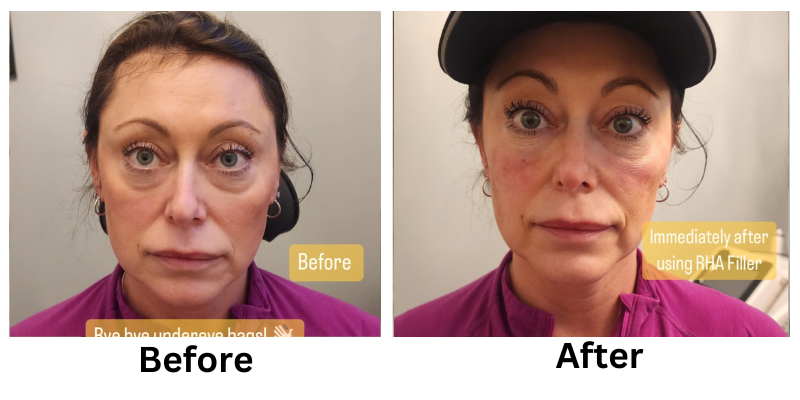
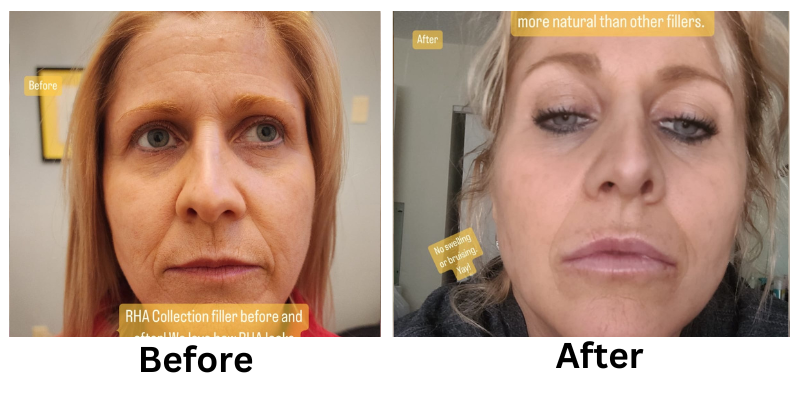

![[thumb]](https://slimmingsolutionsspa.com/wp-content/uploads/2024/01/RHA-Treatmetn-3-150x150.png)
![[thumb]](https://slimmingsolutionsspa.com/wp-content/uploads/2024/01/RHA-Treatmetn-2-150x150.png)
![[thumb]](https://slimmingsolutionsspa.com/wp-content/uploads/2024/01/RHA-Treatmetn-1-150x150.png)
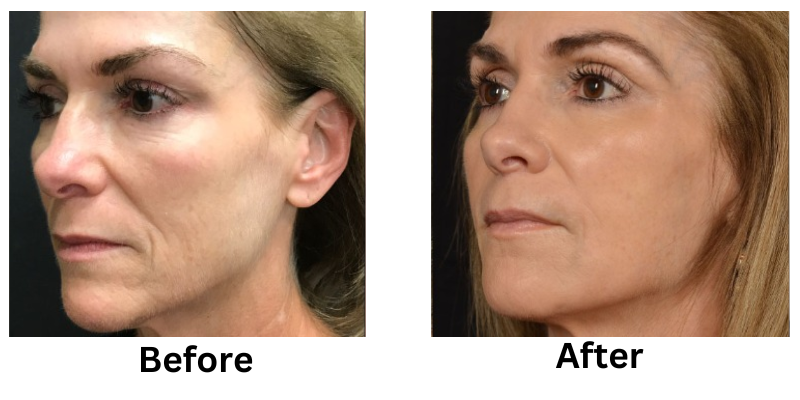
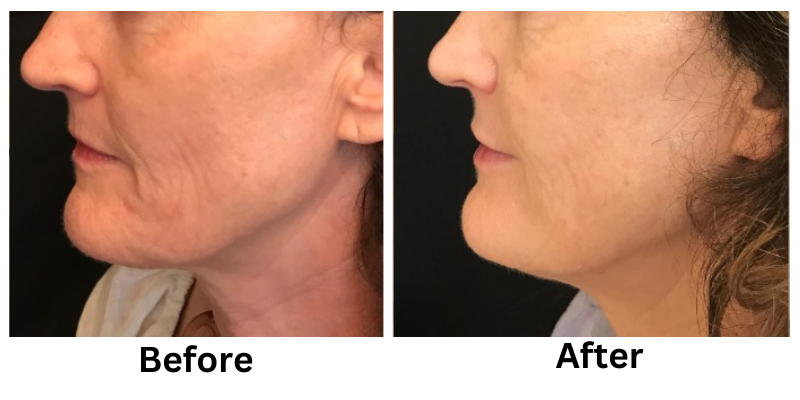
![[thumb]](https://slimmingsolutionsspa.com/wp-content/uploads/2024/01/Thread-Lifts-1-150x150.png)
![[thumb]](https://slimmingsolutionsspa.com/wp-content/uploads/2024/01/Thread-Lifts-2-150x150.png)
![[thumb]](https://slimmingsolutionsspa.com/wp-content/uploads/2025/02/Lip-Filler-2-150x150.png)

![[thumb]](https://slimmingsolutionsspa.com/wp-content/uploads/2023/12/skin-reuvulation1-150x150.png)
![[thumb]](https://slimmingsolutionsspa.com/wp-content/uploads/2023/12/skin-rejuvulation-2-150x150.png)
![[thumb]](https://slimmingsolutionsspa.com/wp-content/uploads/2023/12/Skin-Tighting-150x150.png)
![[thumb]](https://slimmingsolutionsspa.com/wp-content/uploads/2023/12/Before-150x150.jpg)
![[thumb]](https://slimmingsolutionsspa.com/wp-content/uploads/2023/12/weightloss-1-150x150.png)
![[thumb]](https://slimmingsolutionsspa.com/wp-content/uploads/2023/12/weightloss-2-150x150.png)
![[thumb]](https://slimmingsolutionsspa.com/wp-content/uploads/2023/12/2Weight-Loss-2-150x150.png)
![[thumb]](https://slimmingsolutionsspa.com/wp-content/uploads/2025/02/Weight-Loss-1-new-150x150.png)
![[thumb]](https://slimmingsolutionsspa.com/wp-content/uploads/2023/12/Weight-Loss-3-150x150.png)
![[thumb]](https://slimmingsolutionsspa.com/wp-content/uploads/2025/03/Slimming-Solutions-BA-Template-150x150.png)


![[thumb]](https://slimmingsolutionsspa.com/wp-content/uploads/2023/12/dat3-150x150.png)
![[thumb]](https://slimmingsolutionsspa.com/wp-content/uploads/2023/12/dat-0-150x150.png)
![[thumb]](https://slimmingsolutionsspa.com/wp-content/uploads/2023/12/dat-1-150x150.png)
![[thumb]](https://slimmingsolutionsspa.com/wp-content/uploads/2023/12/Before-1-150x150.png)

![[thumb]](https://slimmingsolutionsspa.com/wp-content/uploads/2024/01/EMS-Treatment-2-150x150.png)
![[thumb]](https://slimmingsolutionsspa.com/wp-content/uploads/2024/01/EMS-Treatment-1-150x150.png)
![[thumb]](https://slimmingsolutionsspa.com/wp-content/uploads/2025/02/ems-BNA-front-150x150.png)
![[thumb]](https://slimmingsolutionsspa.com/wp-content/uploads/2025/02/EMS-bna-SIDE-150x150.png)
![[thumb]](https://slimmingsolutionsspa.com/wp-content/uploads/2024/01/EMS-Treatment-6-150x150.png)