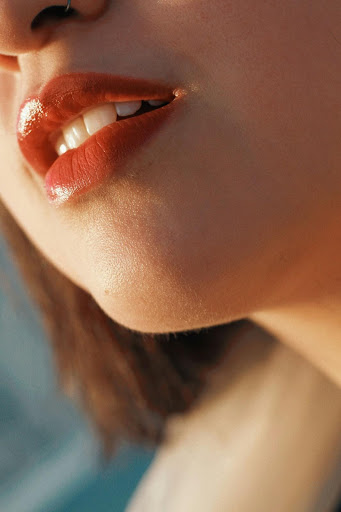
The best aftercare for lip fillers includes applying ice for the first 48 hours, avoiding touching or pressing your lips, staying hydrated, sleeping with your head elevated, skipping strenuous exercise for at least 24 to 48 hours, and wearing SPF lip balm to protect the treated area. According to the ASPS 2024 Procedural Statistics Report, over 5.3 million hyaluronic acid filler procedures were performed in 2024, including 1.58 million lip enhancement treatments. Research shows that patients who do not follow proper aftercare protocols experience complication rates up to 40% higher than those who do, including prolonged swelling, asymmetry, and the need for corrective treatments. This article covers everything you need to do (and avoid) in the first 24 hours, the first week, and beyond to protect your investment and enjoy beautiful, long-lasting lip filler results.
What Should You Not Do After Lip Fillers?
After lip fillers, you should not touch, press, or massage your lips for at least 24 to 48 hours. You should also not drink alcohol, use straws, smoke, exercise vigorously, apply makeup to the lips, expose your lips to extreme heat, or take blood-thinning medications like ibuprofen or aspirin. These activities can increase swelling, bruising, infection risk, and filler displacement.
Touching or pressing on the lips is one of the most important things to avoid because the filler is still malleable in the first 24 to 48 hours and can shift from the intended placement. According to the FDA, side effects from dermal fillers usually resolve within a short period, but occasionally may arise weeks, months, or years later if the filler migrates or if complications develop. Keeping your hands away from your lips and sleeping on your back with your head elevated are the two most effective ways to prevent filler displacement during the critical first few days.
Alcohol acts as a blood thinner and increases inflammation, bruising, and swelling. It is best to avoid alcohol for at least 24 to 48 hours after treatment, and ideally for a few days before your appointment as well. Smoking constricts blood vessels and impairs healing, which can slow recovery and affect the quality of your results. If you have questions about specific medications or activities, the trained providers at Slimming Solutions Med Spa provide detailed aftercare instructions tailored to your treatment plan.
How Painful Is Lip Filler on a Scale of 1 to 10?
Lip filler pain is typically rated 3 to 5 out of 10 by most patients, with the discomfort lasting only during the injection process, which takes about 15 to 30 minutes. Most providers apply a topical numbing cream to the lips before treatment, and many hyaluronic acid fillers like Juvederm and Restylane contain lidocaine (a built-in anesthetic) that reduces pain during injection.
The sensation is commonly described as a quick pinch or pressure at each injection point. The lips are one of the more sensitive areas of the face, so some discomfort is expected. However, modern filler formulations and numbing techniques have made the procedure significantly more comfortable than it was even a few years ago. After the injections are complete, the lips may feel tender, tight, and slightly sore for 24 to 48 hours.
Ice packs applied immediately after the procedure help numb the area and reduce both pain and swelling. Acetaminophen (Tylenol) is safe to take for post-procedure discomfort. According to Cleveland Clinic dermatologist Dr. Taryn Murray, you should avoid NSAIDs like ibuprofen and aspirin because they thin the blood and can increase bruising. Most patients find that any post-treatment soreness is manageable and resolves within 2 to 3 days. The team at Slimming Solutions Med Spa uses numbing techniques and premium filler products to maximize comfort during every lip enhancement procedure.
How Quickly Does Lip Filler Heal?
Lip filler heals quickly, with the majority of visible swelling and bruising resolving within 3 to 7 days. The initial swelling peaks at 24 to 48 hours after the injection and then gradually decreases over the following week. Most patients feel comfortable returning to social activities within 3 to 5 days, and the lips reach their final, settled appearance at about 2 to 4 weeks.
The healing timeline varies based on the type of filler used, the amount injected, your body’s natural healing response, and how well you follow aftercare instructions. Hyaluronic acid fillers like Juvederm and Restylane are biocompatible (naturally compatible with the body), which reduces the risk of adverse reactions and supports a smooth healing process. The global lip augmentation market was valued at $3.43 billion in 2024 and is growing at 9.3% per year, according to Straits Research, reflecting the safety and popularity of these treatments.
During the first week of healing, minor side effects including tenderness, slight firmness, mild redness, and small lumps or bumps are all normal. These typically resolve on their own as the filler integrates with the lip tissue. If you notice a hard lump that does not soften after two weeks, or if you experience unusual pain, discoloration, or signs of infection, contact your provider. For patients looking at the timeline for their lip filler recovery, setting realistic expectations about the healing process leads to much higher satisfaction with the final results.
Can I Wear Lipstick 3 Days After Lip Fillers?
Yes, you can wear lipstick 3 days after lip fillers in most cases. Most providers recommend avoiding all lip makeup for the first 24 to 48 hours to reduce the risk of infection at the injection sites. After 48 hours, once the tiny puncture wounds from the injections have sealed, you can gently apply lip products including lipstick, lip gloss, and lip liner.
When you start wearing lipstick again, choose products that are gentle and non-irritating. Avoid matte formulas that require heavy pressing or rubbing to apply, as this could put unnecessary pressure on the lips while the filler is still settling. Hydrating lipsticks and tinted lip balms are the best options during the first week because they add color without friction.
For long-term lip care, use a lip balm with SPF to protect the treated area from UV damage. Sun exposure can degrade hyaluronic acid filler over time and cause uneven pigmentation around the lips. Incorporating a hydrating lip balm with ingredients like hyaluronic acid and shea butter helps maintain moisture and supports the filler’s longevity.
What Helps Lip Fillers Heal Faster?
The things that help lip fillers heal faster are consistent icing for the first 48 hours, staying very well hydrated, eating nutrient-rich foods like fruits and vegetables, sleeping with your head elevated, and avoiding activities that increase blood flow to the face like exercise, hot showers, and alcohol consumption.
Hydration is especially important because hyaluronic acid fillers work by binding with water molecules in the skin to create volume and plumpness. Drinking plenty of water in the days following your treatment helps the filler integrate optimally into the lip tissue and supports the body’s natural healing processes. Eating a low-sodium diet during the first 48 hours also helps because excess salt causes water retention and can worsen swelling.
Applying arnica cream or taking arnica supplements before and after your appointment can help reduce bruising, according to a 2015 review cited by Healthline. Vitamin K cream may also help minimize bruising at the injection sites. Always check with your provider before using any topical products on the treated area. The injectable treatment team at Slimming Solutions Med Spa provides personalized aftercare recommendations for every patient based on their specific filler type and treatment plan.
What Is Forbidden After Fillers?
After fillers, it is forbidden to apply heavy pressure to the injection area, receive other facial treatments like lasers or chemical peels for at least two weeks, fly on an airplane for at least one week, consume alcohol for at least 24 to 48 hours, take blood-thinning medications unless prescribed, exercise vigorously for at least 24 to 48 hours, or expose the treated area to extreme heat from saunas, steam rooms, or hot baths.
Receiving other facial treatments too soon after fillers is one of the most commonly overlooked restrictions. Laser treatments, chemical peels, microdermabrasion, and even dental cleanings should be postponed for at least one to two weeks after lip fillers. These treatments can generate heat, pressure, or chemical irritation in the lip area that may affect filler placement or increase the risk of complications.
Flying is restricted because changes in cabin pressure can intensify swelling and bruising. The dry air inside an airplane can also dehydrate the skin, which is counterproductive to the healing process. If you are getting lip fillers before a vacation or special event, plan your appointment at least 2 to 4 weeks in advance to allow full healing and settling before travel.
Why Does Lip Filler Take 2 Weeks To Settle?
Lip filler takes 2 weeks to settle because the hyaluronic acid gel needs time to fully integrate with the surrounding lip tissue, absorb water, and find its final shape within the lips. Immediately after injection, the filler sits in the tissue as a discrete gel. Over the following 1 to 2 weeks, it gradually softens, hydrates, and blends with the natural lip structure.
During this settling period, the initial swelling from the injections also subsides, revealing the true shape and volume of the filler. Most patients notice that their lips look slightly larger than expected immediately after treatment due to swelling. By the 2-week mark, the swelling has resolved and the filler has settled into its permanent position, giving the lips their final appearance.
This is why providers recommend waiting at least 2 weeks before assessing whether additional filler is needed. Judging the results too early, while the lips are still swollen, can lead to the perception that more filler is needed when the actual result is exactly right once settling is complete. Patience during the settling period is one of the most important aspects of achieving natural-looking, beautiful lip results.
What Are the Worst Days After Lip Fillers?
The worst days after lip fillers are typically days 1 and 2, when swelling, tenderness, and bruising are at their peak. The lips may feel tight, puffy, and sensitive, and they may look significantly larger than the final result due to the inflammatory response from the injections. By day 3 to 4, the swelling begins to noticeably decrease, and most patients feel much more comfortable.
Bruising, if it occurs, is most visible on days 2 through 4. Not all patients experience bruising, but for those who do, it is typically mild and can be concealed with makeup after the first 48 hours. Applying cold compresses, sleeping elevated, and avoiding blood-thinning substances all help minimize the severity of both swelling and bruising during the worst days.
By the end of the first week, most patients report that their lips feel normal and look natural. Any residual firmness or minor lumps typically smooth out on their own within the first 2 weeks as the filler integrates with the tissue. If you are concerned about the timing for a special event, schedule your lip filler treatment at least 2 to 4 weeks before the event to allow for complete healing and settling.
What I Wish I Knew Before Getting Lip Fillers?
The things most patients wish they knew before getting lip fillers are that the immediate results look different from the final results due to swelling, that multiple sessions may be needed to achieve the ideal shape, that the filler is temporary and requires maintenance every 6 to 12 months, and that choosing the right provider matters more than choosing the cheapest option.
Many first-time patients are surprised by how swollen their lips look immediately after treatment. The swelling can make the lips appear overfilled or uneven for the first few days, which can cause anxiety. Knowing in advance that this is completely normal and temporary helps set realistic expectations. The lips will look their best at the 2- to 4-week mark once all swelling has resolved and the filler has settled.
Another common surprise is that lip filler is not permanent. Most hyaluronic acid fillers last 6 to 12 months, depending on the product used and your individual metabolism. According to the ASPS, 1.58 million lip augmentation treatments were performed in 2024, and the vast majority of these were repeat treatments from patients maintaining their results. Planning for regular touch-up appointments every 6 to 12 months helps you maintain consistently beautiful lips without ever looking “overdone.”
What Is the Downside of Lip Fillers?
The downsides of lip fillers include temporary swelling and bruising that lasts several days, the cost of ongoing maintenance treatments every 6 to 12 months, the risk of filler migration if aftercare instructions are not followed, and the possibility of uneven results if performed by an inexperienced injector.
The most significant risk is choosing an unqualified provider. Improper injection technique can lead to lumps, asymmetry, vascular occlusion (a rare but serious complication where filler blocks a blood vessel), and an unnatural “duck lip” appearance. The FDA warns that dermal fillers can cause serious complications including vascular compromise, and recommends that patients choose experienced, board-certified providers for all injectable treatments.
Another downside that patients sometimes overlook is that lip fillers require a consistent financial commitment to maintain. Since hyaluronic acid is naturally metabolized by the body over time, the results gradually fade and require regular appointments to maintain. However, many patients view this as an advantage rather than a downside, because it means the treatment is fully reversible. If you do not like your results, the filler will naturally dissolve, or it can be dissolved immediately with an enzyme called hyaluronidase. The experienced injectors at Slimming Solutions Med Spa prioritize natural-looking results and conservative enhancement to minimize the risk of overcorrection.
What Shape of Lips Is Prettiest?
The lip shape considered prettiest by most aesthetic standards is a full, well-defined lip with a natural upper-to-lower lip ratio of approximately 1:1.6, where the lower lip is slightly fuller than the upper lip. This ratio creates a balanced, harmonious appearance that looks naturally attractive on most face shapes.
However, the “prettiest” lip shape is subjective and varies based on individual facial proportions, cultural preferences, and personal taste. A skilled injector does not apply a one-size-fits-all approach. Instead, they evaluate your natural lip anatomy, facial structure, and aesthetic goals to create a customized result that enhances your unique features. The global lip augmentation market was valued at $3.43 billion in 2024, according to Straits Research, reflecting the wide range of patients seeking personalized lip enhancement.
Trends in lip aesthetics have shifted away from overly large, “Instagram” lips toward more natural, subtly enhanced results. Board-certified injectors now focus on improving lip symmetry, enhancing the cupid’s bow, adding subtle volume to the body of the lip, and defining the lip border for a polished but natural look. A consultation allows your provider to discuss your goals and show you what is achievable with your natural lip structure.
Lip Filler Aftercare Timeline
Following a clear aftercare schedule ensures the best possible healing and the most beautiful, long-lasting results from your lip filler treatment. Below is a detailed day-by-day guide for the first two weeks.
| Timeframe | What To Do | What To Avoid | What To Expect |
|---|---|---|---|
| First 6 Hours | Ice lips 10-15 min per hour; take acetaminophen if needed | Touching, eating hard foods, hot drinks | Swelling, numbness from anesthetic, tenderness |
| Hours 6 – 24 | Continue icing; drink room-temp water; sleep elevated | Alcohol, straws, kissing, smoking, exercise | Increasing swelling, mild bruising beginning |
| Days 1 – 2 (Peak) | Ice as needed; hydrate well; eat soft, low-sodium foods | Makeup on lips, NSAIDs, saunas, hot showers | Peak swelling, possible bruising, lips look larger than final result |
| Days 3 – 5 | Resume gentle lip balm; can apply lipstick after 48 hours | Massaging lips, dental work, other facial treatments | Swelling decreasing noticeably; bruising fading |
| Days 5 – 7 | Resume normal skincare; gentle exercise OK | Heavy exercise, flying, excessive sun exposure | Lips feeling more normal; minor firmness |
| Week 2 | Resume all normal activities; evaluate results | Judging final results too early if any residual swelling remains | Filler settling into final position; natural appearance |
| Week 4+ | Use SPF lip balm daily; hydrate; schedule follow-up | Skipping sunscreen on lips | Final results visible; lips look natural and plump |
Sources: FDA dermal filler aftercare guidelines, Healthline lip filler aftercare review (medically reviewed, updated July 2025), Cleveland Clinic dermatologist recommendations, Laser & Skin Surgery Center of New York expert dermatologist protocols
How To Keep Your Lip Fillers Plump?
You keep your lip fillers plump by staying well hydrated, using a moisturizing lip balm with hyaluronic acid daily, wearing SPF lip protection, avoiding excessive sun exposure, and scheduling maintenance appointments every 6 to 12 months. Since hyaluronic acid fillers work by binding with water, keeping your body and lips hydrated directly supports the filler’s volume and plumpness.
Sun exposure breaks down hyaluronic acid faster, so wearing an SPF lip balm every day is one of the simplest ways to extend the life of your filler. Avoiding smoking also helps, as smoking accelerates collagen breakdown and reduces blood flow to the lips, which can cause the filler to metabolize faster.
Some patients find that regular maintenance appointments with smaller amounts of filler produce more natural-looking, consistently plump results than waiting until the filler has completely dissolved and starting over. The lip enhancement specialists at Slimming Solutions Med Spa can create a maintenance schedule that keeps your lips looking their best year-round.
Frequently Asked Questions
What Hurts More, Botox or Lip Fillers?
Lip fillers hurt more than Botox for most patients because the lips are one of the most sensitive areas of the face with a high concentration of nerve endings. Botox is typically rated 1 to 2 out of 10 on a pain scale, while lip fillers are rated 3 to 5 out of 10. However, numbing cream and the lidocaine mixed into most modern filler formulations significantly reduce discomfort during the procedure. According to the ASPS, nearly 9.9 million Botox treatments were performed in 2024, while over 1.58 million lip augmentation procedures were completed, showing that patients tolerate both treatments well despite the differences in comfort level.
What Is the Hardest Lip Shape To Fill?
The hardest lip shape to fill is a very thin upper lip, particularly when the patient has minimal vermilion border (the defined edge of the lip). Thin upper lips have less tissue for the filler to integrate with, making it more challenging to add volume without creating an unnatural shelf or “sausage” appearance. Asymmetric lips are also difficult because the injector must carefully balance both sides to achieve even results. An experienced injector with a strong understanding of facial anatomy produces the best outcomes for challenging lip shapes.
Why Does My Lip Filler Only Last 2 Weeks?
If your lip filler only lasts 2 weeks, the most likely reason is that you experienced significant swelling after treatment, and what you saw as “full” lips during the first 2 weeks was actually a combination of filler and swelling. Once the swelling resolved, the lips appeared to lose volume. The actual filler is still present; it simply looks different without the added swelling. Other reasons for short filler longevity include a very fast metabolism, using too little product, or receiving a lower-quality filler. Hyaluronic acid fillers like Juvederm and Restylane typically last 6 to 12 months when administered properly.
What’s the Best Age for Lip Fillers?
The best age for lip fillers is anytime after age 21 when the face has reached full maturity. Most providers see the highest demand for lip fillers among patients aged 25 to 45, though patients of any adult age can benefit. Younger patients often seek subtle volume enhancement and lip definition, while patients over 40 may use fillers to restore volume that has been lost due to the natural aging process. According to the ASPS, adults aged 30 to 39 represent 23% of all cosmetic procedures, making this one of the most active age groups for lip enhancement.
What Is the Riskiest Place for Fillers?
The riskiest place for fillers is the nose (non-surgical rhinoplasty) and the area between the eyebrows (glabella), because these regions have a complex network of blood vessels that supply blood to the eyes and surrounding tissue. Accidental injection into or compression of these vessels can, in rare cases, lead to vascular occlusion, skin necrosis, or vision impairment. The lips carry a lower vascular risk but still require an experienced injector who understands the vascular anatomy of the face to minimize complications.
How Long Do Lip Fillers Last?
Lip fillers last 6 to 12 months on average, depending on the type of filler used, the amount injected, and your individual metabolism. Juvederm Ultra and Juvederm Volbella typically last 6 to 12 months, while Restylane Kysse may last up to 12 months. Patients with faster metabolisms may notice their filler breaking down sooner. Maintenance appointments every 6 to 12 months help maintain consistent volume and shape. For a full breakdown of how long different fillers last, the team at Slimming Solutions Med Spa provides personalized guidance based on the specific product used.
What Is the Best Aftercare for Lip Fillers?
The best aftercare for lip fillers is a combination of icing the lips for the first 48 hours, staying hydrated, sleeping elevated, avoiding alcohol and blood thinners, not touching or pressing the lips, and wearing SPF lip balm daily once healing is complete. Following these steps reduces swelling, minimizes bruising, prevents filler migration, and supports the best possible integration of the filler with your natural lip tissue. For long-term maintenance, use hyaluronic acid lip balm, protect lips from sun, and schedule regular touch-up appointments every 6 to 12 months.
Final Thoughts
Lip filler aftercare is simple but essential for achieving the beautiful, natural-looking results you want. The first 48 hours are the most critical, when icing, hydrating, sleeping elevated, and avoiding pressure on the lips make the biggest difference in your recovery. With over 1.58 million lip augmentation procedures performed in 2024, lip fillers are one of the most popular and well-studied cosmetic treatments available, and proper aftercare is the key to making the most of your investment.
If you are ready to enhance your lips with professional filler injections, Slimming Solutions Med Spa offers expert lip augmentation using premium hyaluronic acid fillers like Juvederm and Restylane. The team provides comprehensive aftercare guidance and personalized treatment plans to help you achieve lips that look naturally plump, symmetrical, and beautiful. Call today or request a consultation to start your lip enhancement journey.
![[thumb]](https://slimmingsolutionsspa.com/wp-content/uploads/2023/12/botox1-150x150.png)
![[thumb]](https://slimmingsolutionsspa.com/wp-content/uploads/2023/12/Before2-150x150.png)
![[thumb]](https://slimmingsolutionsspa.com/wp-content/uploads/2023/12/Before3-150x150.png)


![[thumb]](https://slimmingsolutionsspa.com/wp-content/uploads/2023/12/revanesse-versa-1-150x150.png)
![[thumb]](https://slimmingsolutionsspa.com/wp-content/uploads/2023/12/revanesse-versa-2-150x150.png)
![[thumb]](https://slimmingsolutionsspa.com/wp-content/uploads/2023/12/revanesse-versa-3-150x150.png)
![[thumb]](https://slimmingsolutionsspa.com/wp-content/uploads/2023/12/revanesse-versa-4-150x150.png)
![[thumb]](https://slimmingsolutionsspa.com/wp-content/uploads/2023/12/revanesse-versa-5-150x150.png)
![[thumb]](https://slimmingsolutionsspa.com/wp-content/uploads/2024/01/Eyebrow-treatment-1-1-150x150.png)
![[thumb]](https://slimmingsolutionsspa.com/wp-content/uploads/2023/12/Skin-Rejuvenation-1-150x150.png)
![[thumb]](https://slimmingsolutionsspa.com/wp-content/uploads/2023/12/Skin-Rejuvenation-2-150x150.png)


![[thumb]](https://slimmingsolutionsspa.com/wp-content/uploads/2024/01/Lip-Filler-1-150x150.png)
![[thumb]](https://slimmingsolutionsspa.com/wp-content/uploads/2024/01/Lip-Filler-2-150x150.png)
![[thumb]](https://slimmingsolutionsspa.com/wp-content/uploads/2025/02/Lip-Filler-1-150x150.png)
![[thumb]](https://slimmingsolutionsspa.com/wp-content/uploads/2024/01/Lip-Filler-150x150.jpg)
![[thumb]](https://slimmingsolutionsspa.com/wp-content/uploads/2024/01/Before-1-150x150.jpg)

![[thumb]](https://slimmingsolutionsspa.com/wp-content/uploads/2024/01/RHA-Treatmetn-3-150x150.png)
![[thumb]](https://slimmingsolutionsspa.com/wp-content/uploads/2024/01/RHA-Treatmetn-2-150x150.png)
![[thumb]](https://slimmingsolutionsspa.com/wp-content/uploads/2024/01/RHA-Treatmetn-1-150x150.png)
![[thumb]](https://slimmingsolutionsspa.com/wp-content/uploads/2024/01/Thread-Lifts-1-150x150.png)
![[thumb]](https://slimmingsolutionsspa.com/wp-content/uploads/2024/01/Thread-Lifts-2-150x150.png)
![[thumb]](https://slimmingsolutionsspa.com/wp-content/uploads/2025/02/Lip-Filler-2-150x150.png)

![[thumb]](https://slimmingsolutionsspa.com/wp-content/uploads/2023/12/skin-reuvulation1-150x150.png)
![[thumb]](https://slimmingsolutionsspa.com/wp-content/uploads/2023/12/skin-rejuvulation-2-150x150.png)
![[thumb]](https://slimmingsolutionsspa.com/wp-content/uploads/2023/12/Skin-Tighting-150x150.png)
![[thumb]](https://slimmingsolutionsspa.com/wp-content/uploads/2023/12/Before-150x150.jpg)
![[thumb]](https://slimmingsolutionsspa.com/wp-content/uploads/2023/12/weightloss-1-150x150.png)
![[thumb]](https://slimmingsolutionsspa.com/wp-content/uploads/2023/12/weightloss-2-150x150.png)
![[thumb]](https://slimmingsolutionsspa.com/wp-content/uploads/2023/12/2Weight-Loss-2-150x150.png)
![[thumb]](https://slimmingsolutionsspa.com/wp-content/uploads/2025/02/Weight-Loss-1-new-150x150.png)
![[thumb]](https://slimmingsolutionsspa.com/wp-content/uploads/2023/12/Weight-Loss-3-150x150.png)
![[thumb]](https://slimmingsolutionsspa.com/wp-content/uploads/2025/03/Slimming-Solutions-BA-Template-150x150.png)


![[thumb]](https://slimmingsolutionsspa.com/wp-content/uploads/2023/12/dat3-150x150.png)
![[thumb]](https://slimmingsolutionsspa.com/wp-content/uploads/2023/12/dat-0-150x150.png)
![[thumb]](https://slimmingsolutionsspa.com/wp-content/uploads/2023/12/dat-1-150x150.png)
![[thumb]](https://slimmingsolutionsspa.com/wp-content/uploads/2023/12/Before-1-150x150.png)

![[thumb]](https://slimmingsolutionsspa.com/wp-content/uploads/2024/01/EMS-Treatment-2-150x150.png)
![[thumb]](https://slimmingsolutionsspa.com/wp-content/uploads/2024/01/EMS-Treatment-1-150x150.png)
![[thumb]](https://slimmingsolutionsspa.com/wp-content/uploads/2025/02/ems-BNA-front-150x150.png)
![[thumb]](https://slimmingsolutionsspa.com/wp-content/uploads/2025/02/EMS-bna-SIDE-150x150.png)
![[thumb]](https://slimmingsolutionsspa.com/wp-content/uploads/2024/01/EMS-Treatment-6-150x150.png)