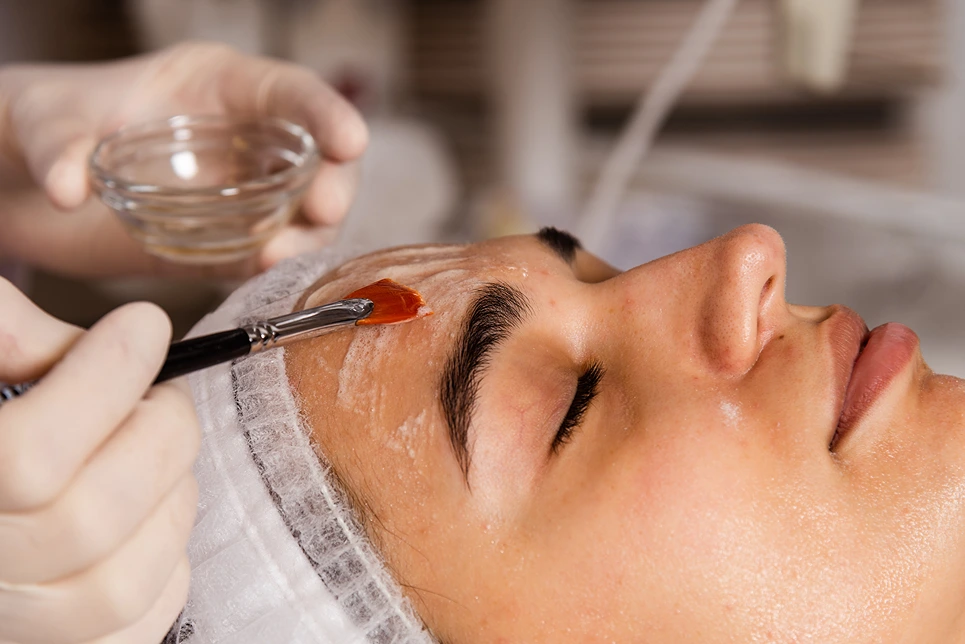
Chemical peels for pigmentation use acid-based solutions to remove the damaged, discolored outer layers of skin and stimulate the growth of new, evenly toned skin underneath. Glycolic acid, salicylic acid, lactic acid, and trichloroacetic acid (TCA) are the most commonly used peel types for treating hyperpigmentation, melasma, sun spots, and post-acne marks. According to a clinical review published in the journal Clinical, Cosmetic and Investigational Dermatology (PMC), a series of glycolic acid peels combined with topical treatment achieved 90% or more improvement in hyperpigmentation by week 12. Most patients need 3 to 6 professional sessions to see significant results, and chemical peels remain one of the most effective, research-backed non-surgical treatments for pigmentation concerns. This guide covers the types of peels, what results to expect, how many sessions you need, and how to protect your skin during and after treatment.
What Type of Chemical Peel Is Best for Hyperpigmentation?
The best type of chemical peel for hyperpigmentation is a glycolic acid peel at concentrations of 20% to 70% for mild to moderate pigmentation, a salicylic acid peel at 20% to 30% for post-acne marks and oily skin, or a TCA peel at 15% to 35% for stubborn or deeper discoloration. According to the Expert Consensus on Clinical Application of Chemical Peels published in the International Journal of Dermatology and Venereology (2024), glycolic acid is the most commonly used peeling agent for pigmentation, typically applied at 20% to 35% concentration at two-week intervals for 4 to 6 treatments.
The right peel depends on the type of pigmentation, your skin tone, and how deep the discoloration sits. Surface-level dark spots from sun damage respond well to light glycolic or lactic acid peels. Deeper pigmentation from melasma or severe post-inflammatory hyperpigmentation (PIH) often requires medium-depth TCA peels or combination peels. According to a study published in the Journal of Clinical and Aesthetic Dermatology (JCAD), serial glycolic acid peels can reduce pigmentation by 35% to 60% over six sessions.
Clients who also struggle with skin texture and pore concerns often find that chemical peels address multiple issues at once, since the exfoliation process also smooths rough skin and refines enlarged pores.
How Many Chemical Peels Does It Take to Get Rid of Hyperpigmentation?
It takes 3 to 6 chemical peels to get rid of hyperpigmentation for most patients. Light peels are typically done every 2 to 4 weeks, while medium peels are spaced 4 to 6 weeks apart. Mild dark spots may begin to improve after 1 to 2 sessions, while stubborn melasma or deep post-inflammatory hyperpigmentation may require 6 to 8 sessions for significant improvement.
According to a clinical review published in the journal Clinical, Cosmetic and Investigational Dermatology (PMC), complete resolution of post-inflammatory hyperpigmentation is commonly seen after six to eight glycolic acid peel treatments in patients with Fitzpatrick skin types III and IV. A comparative study published in the Journal of Dental Specialities found that salicylic acid peels achieved an 86.58% reduction in hyperpigmentation after three sessions, while glycolic acid peels achieved a 73.50% reduction.
The number of sessions depends on the depth of pigmentation, your skin type, and the acid being used. Deeper or more resistant pigmentation requires more treatments. A consultation with a trained provider helps determine the right treatment plan based on your specific skin needs.
How Many Sessions to Get Rid of Pigmentation?
You need 3 to 6 sessions to get rid of pigmentation with professional chemical peels. Each session removes a controlled layer of pigmented skin and triggers new cell growth. According to the Indian Pigmentary Expert Group consensus guidelines published in PMC, serial glycolic acid peels for melasma are performed at intervals of 2 to 3 weeks, while TCA peels are spaced at monthly intervals for about four sessions.
A study comparing 35% glycolic acid, 20% salicylic-mandelic acid, and phytic acid peels found that all three achieved significant declines in post-acne hyperpigmentation after six biweekly sessions, according to research published in PMC. The glycolic acid group showed a 70.55% reduction in overall acne scoring, and all three groups demonstrated statistically significant improvement in pigmentation at the end of 12 weeks.
Patients who want the best results should combine their peel series with a daily skincare routine that includes SPF 30 or higher sunscreen, a vitamin C serum, and a gentle retinoid. This combination speeds up results and helps prevent new pigmentation from forming between sessions.
Does Pigmentation Get Darker After a Chemical Peel?
Yes, pigmentation can temporarily get darker after a chemical peel because the treatment brings excess melanin up to the surface of the skin before it sheds. This darkening is a normal part of the healing process and typically resolves within 3 to 7 days as the old skin peels away. However, in some cases, the darkening can indicate post-inflammatory hyperpigmentation (PIH), which occurs when the skin produces extra melanin in response to the controlled injury.
According to the Indian Pigmentary Expert Group (PMC), darker skin types (Fitzpatrick IV to VI) are especially prone to PIH after chemical peels. This is because melanin-rich skin has more active melanocytes that respond aggressively to inflammation. The risk of PIH can be significantly reduced by priming the skin with topical agents like hydroquinone (2-4%), tretinoin, or azelaic acid for 2 to 4 weeks before the peel, and by using strict sun protection after the treatment.
If your pigmentation remains darker more than 2 to 3 weeks after a peel, or if the darkening is spreading, contact your provider immediately. Proper pre-treatment preparation and post-care are the most important factors in preventing this complication. Clients concerned about hyperpigmentation should discuss all pre-treatment options during their consultation.
Can Skin Pigmentation Be Removed Permanently?
No, skin pigmentation cannot be removed permanently because the underlying triggers, such as sun exposure, hormonal changes, and inflammation, can always produce new melanin. However, chemical peels can dramatically reduce existing pigmentation, and a consistent maintenance routine can prevent it from returning for months or even years.
According to the American Academy of Dermatology, UV exposure accounts for up to 80% of visible facial pigmentation in adults. This means that even after a successful peel series, unprotected sun exposure can trigger new dark spots. Hormonal pigmentation like melasma is especially prone to recurrence because it is driven by internal factors like estrogen and progesterone levels. Regular maintenance peels every 4 to 8 weeks, combined with daily SPF 30+ sunscreen, vitamin C, and melanin-suppressing ingredients like niacinamide or tranexamic acid, are the best strategies for long-term pigmentation control.
What Is the Strongest Chemical Peel for Pigmentation?
The strongest chemical peel for pigmentation is a deep phenol peel, which penetrates through the epidermis and into the reticular dermis to remove severely damaged, pigmented tissue. However, phenol peels are rarely used for pigmentation alone due to their significant risks, long recovery time (2 months or more), and potential for permanent pigment changes. For most patients, the strongest practical option is a medium-depth TCA peel at 25% to 35% concentration.
According to a clinical review published in the Journal of Clinical and Aesthetic Dermatology, medium-depth TCA peels are effective for treating stubborn pigmentation disorders like solar lentigines, melasma, and deep post-inflammatory hyperpigmentation. TCA works through protein coagulation, creating a controlled wound that removes pigmented cells from both the epidermis and upper dermis. The Expert Consensus on Chemical Peels (International Journal of Dermatology and Venereology, 2024) identifies TCA as effective for pigmentation disorders when properly applied, with sessions conducted at monthly intervals for about four treatments.
Deep peels carry higher risks and are not recommended for darker skin types (Fitzpatrick IV to VI) due to the chance of prolonged or permanent pigmentary changes. Clients exploring aggressive pigmentation treatment may also want to consider laser skin resurfacing, which uses focused light energy to target melanin deposits with precision.
Which Is Better, Laser or Peel?
Lasers are better for deep, resistant pigmentation that has not responded to topical treatments or peels, while chemical peels are better for surface-level to moderate hyperpigmentation, melasma maintenance, and overall skin tone improvement. Both treatments are effective, but they work through different mechanisms. Chemical peels use acids to exfoliate pigmented skin layers. Lasers use targeted light energy to fragment melanin clusters beneath the surface.
According to the Journal of Clinical and Aesthetic Dermatology, chemical peels can be combined with other resurfacing techniques to optimize outcomes, and the choice between laser and peel should be based on the pigmentation type, skin tone, and individual patient goals. Lasers can target deeper pigmentation more precisely but carry a higher risk of post-inflammatory hyperpigmentation in darker skin types. Chemical peels are more versatile, less expensive, and can safely treat a wider range of skin tones when the right acid and concentration are selected.
Many providers recommend starting with a chemical peel series and adding laser treatment only if the pigmentation is resistant. Clients interested in light-based pigmentation treatment can explore the FotoFacial RF option, which uses intense pulsed light to target discoloration and redness.
Is a Chemical Peel Better Than a Laser for Pigmentation?
A chemical peel is better than a laser for pigmentation when the discoloration is primarily in the upper skin layers (epidermal pigmentation), when the patient has a darker skin tone, or when the treatment budget is limited. Chemical peels are safer for a wider range of skin types and carry a lower risk of complications when performed by a trained provider.
Lasers are better for pigmentation that sits deep in the dermis or that has not responded to multiple peel sessions. According to research published in PMC, deep phenol peels are not recommended for dark-skinned patients due to the risk of permanent pigment changes, while light and medium chemical peels can safely treat pigmentation in all skin types. For many patients, the best approach is a combination of both modalities, carefully sequenced by an experienced provider.
Which Is Better for Hyperpigmentation, Chemical Peel or Microneedling?
Chemical peels are generally better for hyperpigmentation than microneedling when the goal is to directly remove pigmented skin cells and accelerate cell turnover. Chemical peels dissolve the bonds between melanin-loaded cells and physically exfoliate them away. Microneedling, on the other hand, creates micro-injuries that trigger the body’s healing response and collagen production, which improves texture and gradually fades pigmentation over time.
According to the American Society of Plastic Surgeons, both chemical peels and microneedling rank among the most popular non-surgical treatments. For best results with hyperpigmentation, many providers recommend alternating between the two: chemical peels to actively remove pigmented cells and microneedling to remodel the skin and boost collagen. Clients interested in microneedling can explore radio frequency microneedling for enhanced collagen stimulation, or exosome microneedling for targeted skin repair.
What Do Dermatologists Recommend for Hyperpigmentation?
Dermatologists recommend a multi-step approach for hyperpigmentation that includes daily broad-spectrum sunscreen (SPF 30+), topical brightening agents like hydroquinone, vitamin C, niacinamide, azelaic acid, or tranexamic acid, and professional treatments like chemical peels, laser therapy, or microneedling. According to the Expert Consensus on Chemical Peels (2024), glycolic acid peels combined with topical agents such as 2% hydroquinone or 20% azelaic acid increase the efficacy of the peel and reduce the risk of post-inflammatory hyperpigmentation.
The consensus guidelines also note that combining glycolic acid with 5% tranexamic acid has been shown to accelerate the treatment of melasma. For patients with darker skin tones, dermatologists often recommend starting with gentler acids like lactic acid or mandelic acid and gradually increasing the strength to minimize the risk of PIH. The key message from dermatologists is that no single treatment works for everyone, and the best outcomes come from a customized plan that combines professional treatments with consistent at-home skincare.
What Worsens Hyperpigmentation?
What worsens hyperpigmentation includes unprotected sun exposure, hormonal fluctuations (from pregnancy, birth control, or hormone therapy), skin inflammation from acne or injury, harsh skincare products that irritate the skin, and picking or scratching at dark spots. According to the American Academy of Dermatology, UV exposure accounts for up to 80% of visible facial pigmentation in adults, making sunscreen the single most important factor in preventing and managing hyperpigmentation.
Heat is another factor that worsens pigmentation. Saunas, steam rooms, hot yoga, and even cooking over a hot stove can trigger melanin production in melasma-prone skin. Certain medications, including some antibiotics, anti-seizure drugs, and non-steroidal anti-inflammatory drugs, can also increase skin sensitivity to UV and worsen pigmentation. Clients who are actively treating hyperpigmentation should discuss all medications and lifestyle factors with their provider during the consultation.
What Fades Hyperpigmentation the Fastest?
What fades hyperpigmentation the fastest is a combination of professional chemical peels and prescription-strength topical treatments used together. According to research published in PMC, chemical peels combined with a topical regimen of hydroquinone and tretinoin achieved significantly faster and greater improvement in pigmentation compared to topical treatment alone. A study found that the combination achieved an 80% improvement in pigmentation scoring at week 21, compared to 63% for topical treatment alone.
For the fastest at-home fading, dermatologists recommend a daily routine that includes a prescription-strength retinoid (like tretinoin 0.05%), a vitamin C serum in the morning, and a broad-spectrum SPF 30+ mineral sunscreen. At the professional level, a series of glycolic acid or TCA peels spaced every 2 to 4 weeks delivers the most rapid visible improvement. Clients looking for professional-grade brightening treatments can explore the full menu of facial treatments to find the right combination for their skin.
What Do Koreans Use for Hyperpigmentation?
Koreans use a layered skincare approach for hyperpigmentation that includes daily SPF 50+ sunscreen, brightening serums with niacinamide, arbutin, tranexamic acid, and vitamin C, gentle chemical exfoliants, and professional treatments like low-fluence laser toning and mild chemical peels. The Korean skincare philosophy emphasizes prevention and gradual correction through consistent daily care rather than relying on a single aggressive treatment.
According to global beauty industry research, South Korean skincare innovation drives a significant portion of worldwide demand for pigmentation-correcting products. Korean dermatology clinics commonly use tranexamic acid both topically and orally for melasma, a practice that has gained significant research support. The Expert Consensus on Chemical Peels (2024) notes that combining glycolic acid with 5% tranexamic acid has been shown to produce more rapid treatment of melasma than glycolic acid alone.
What Do Koreans Do for Melasma?
Koreans treat melasma with a combination of strict daily sun protection, oral and topical tranexamic acid, gentle chemical peels, low-fluence Q-switched laser sessions, and brightening serums containing niacinamide and arbutin. The Korean approach favors repeated gentle treatments over time rather than single aggressive sessions, which minimizes the risk of rebound hyperpigmentation.
Tranexamic acid has become a cornerstone of Korean melasma management. Unlike hydroquinone, which works by inhibiting tyrosinase (the enzyme that produces melanin), tranexamic acid works by blocking the interaction between keratinocytes and melanocytes, reducing melanin transfer at a cellular level. This multi-target approach is why Korean dermatologists often combine tranexamic acid with chemical peels for melasma patients.
Is There a Downside to Chemical Peels?
Yes, there is a downside to chemical peels. The most common side effects include redness, peeling, dryness, and temporary skin sensitivity. The most significant risk is post-inflammatory hyperpigmentation, where the skin produces extra melanin in response to the peel and the dark spots actually get worse. According to the Indian Pigmentary Expert Group (PMC), this risk is highest in darker skin types and in patients who skip pre-treatment skin priming or post-peel sun protection.
Other potential downsides include infection (rare), scarring (very rare with proper technique), and temporary changes in skin texture. Deep phenol peels carry the additional risk of cardiac arrhythmias because phenol is absorbed into the bloodstream, which is why they require cardiopulmonary monitoring. According to the Journal of Clinical and Aesthetic Dermatology, complications are primarily operator- and technique-dependent, meaning that choosing a qualified, experienced provider is the best way to minimize risks.
Clients who want effective pigmentation correction with lower risk may prefer gentler options like dermaplaning or an aqua facial for maintenance between peel sessions.
How Many Years Does a Chemical Peel Last?
A chemical peel does not last for years as a one-time treatment. The results of a light peel last about 1 to 2 months. Medium peels provide results that last 2 to 6 months. Deep peels can deliver results that last several years, though the skin continues to age and produce new pigmentation naturally. Maintenance peels every 4 to 8 weeks (for light peels) or every 3 to 6 months (for medium peels) are recommended to sustain the improvement.
According to Knowledge Sourcing Intelligence, the chemical peel market was valued at $821 million in 2024 and is expected to reach $1.1 billion by 2029, driven in part by the recurring nature of maintenance treatments. The pigmentation correction from a completed peel series lasts longer when patients maintain a consistent skincare routine with daily sunscreen, vitamin C, and a melanin-suppressing ingredient like niacinamide or tranexamic acid.
Chemical Peels for Pigmentation: Type Comparison
| Peel Type / Acid | Concentration | Best For | Sessions Needed | Pigmentation Reduction |
|---|---|---|---|---|
| Glycolic Acid (AHA) | 20% to 70% | Melasma, sun spots, general hyperpigmentation | 4 to 6 every 2-3 weeks | Up to 90%+ improvement by week 12 (with topical therapy) |
| Salicylic Acid (BHA) | 20% to 30% | Post-acne marks, oily skin, PIH | 3 to 5 every 2-4 weeks | Up to 86% reduction after 3 sessions |
| Lactic Acid (AHA) | 30% to 80% | Sensitive skin, mild pigmentation, first-time patients | 4 to 6 every 2-4 weeks | Comparable to glycolic acid with better tolerance |
| Mandelic Acid (AHA) | 20% to 40% | Darker skin tones, sensitive skin, PIH | 4 to 6 every 2-4 weeks | Gradual brightening with low PIH risk |
| TCA (Medium-Depth) | 15% to 35% | Stubborn melasma, deep sun damage, resistant PIH | 3 to 4 every 4-6 weeks | Significant MASI score reduction; stronger than light peels |
| VI Peel (Combination) | Blend of TCA, salicylic, kojic acid | All skin types, melasma, acne + pigmentation | 3 to 4 every 4-6 weeks | Multi-layer pigment correction |
Sources: Clinical, Cosmetic and Investigational Dermatology (PMC), Indian Pigmentary Expert Group (PMC), Journal of Clinical and Aesthetic Dermatology, Expert Consensus on Chemical Peels (IJDV 2024), Journal of Dental Specialities
How Much Do Chemical Peels for Hyperpigmentation Cost?
The cost of chemical peels for hyperpigmentation varies depending on the type of peel, the depth, and the provider. Contact your med spa or dermatologist directly for current pricing. Many providers offer package deals for a series of 3 to 6 treatments, which can reduce the per-session cost. According to Technavio, the global chemical peel market is estimated to grow by $814.4 million from 2024 to 2028, and growing competition among providers has made professional peels more accessible. Ask about package pricing when you request a consultation.
How Much Does It Cost to Remove Hyperpigmentation?
The total cost to remove hyperpigmentation depends on the treatment type, the number of sessions, and the severity of the pigmentation. Chemical peels are one of the most cost-effective options compared to laser treatments, which are typically more expensive per session. Most patients need a series of 3 to 6 peels plus ongoing maintenance treatments and daily topical products like sunscreen and brightening serums. According to Grand View Research, the U.S. chemical peel market held the largest global share in 2024, reflecting strong consumer demand for accessible, effective pigmentation treatments.
Who Cannot Have a Chemical Peel?
People who cannot have a chemical peel include those who are pregnant or breastfeeding, those currently taking or who have recently taken isotretinoin (Accutane) within the past 6 to 12 months, patients with active skin infections or open wounds, those with a history of keloid scarring, and people with active eczema, psoriasis, or rosacea in the treatment area. According to Cleveland Clinic, patients with a family history of brownish facial discoloration, those taking birth control pills, and those who are pregnant may have an increased risk of developing abnormal pigmentation after a chemical peel.
A thorough consultation with a qualified provider is essential before any peel. Full disclosure of your medical history, current medications, and skincare products helps your provider determine the safest and most effective treatment plan.
Will I See Results After One Chemical Peel?
Yes, you will see results after one chemical peel, but the improvement will be subtle for most pigmentation concerns. After a single light peel, the skin looks brighter and smoother once the mild flaking subsides. After a single medium peel, dark spots visibly fade within 2 to 4 weeks. According to research published in the Indian Journal of Dermatology (PMC), significant and measurable improvement in melasma severity scores can be observed even after four peel sessions at two-week intervals.
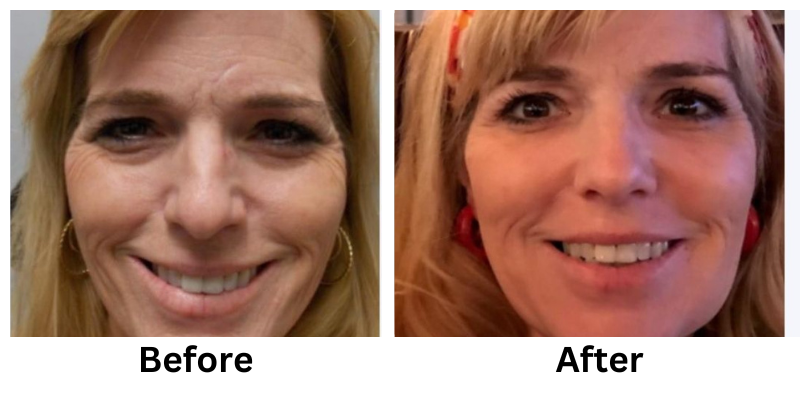
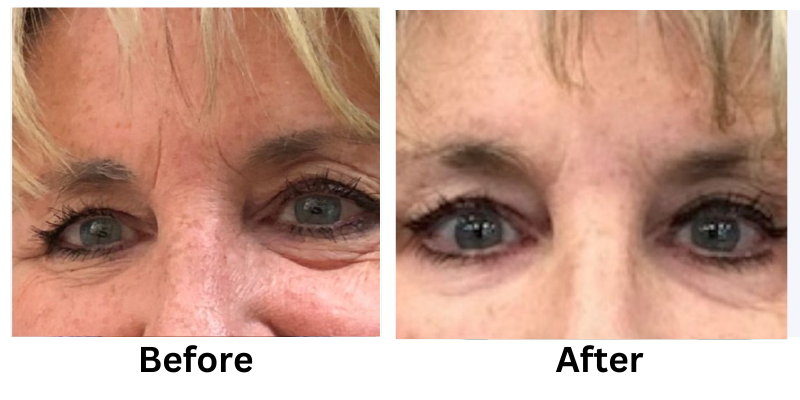
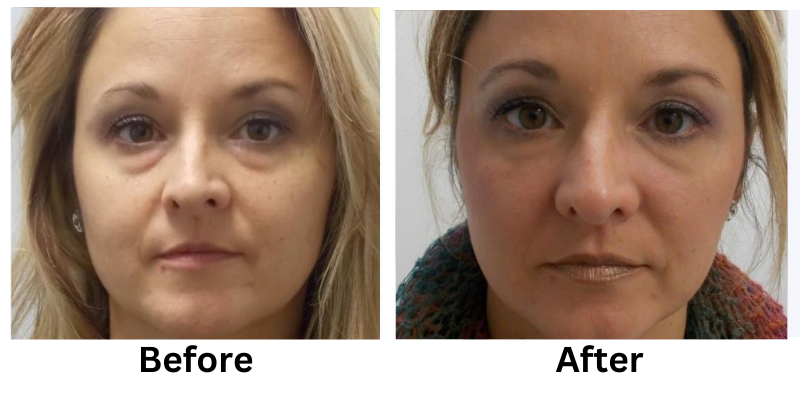
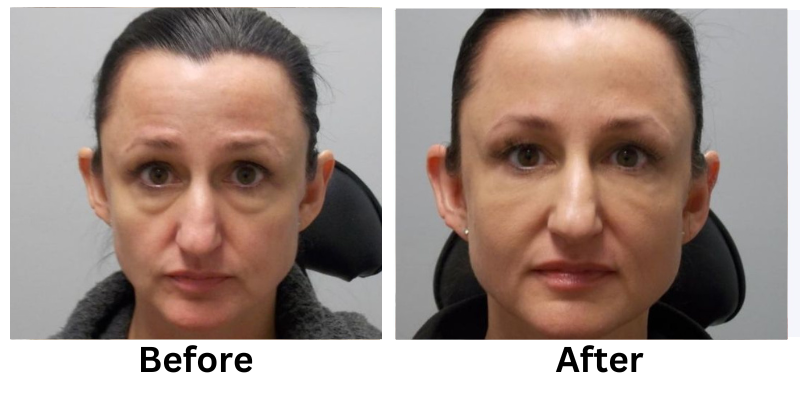
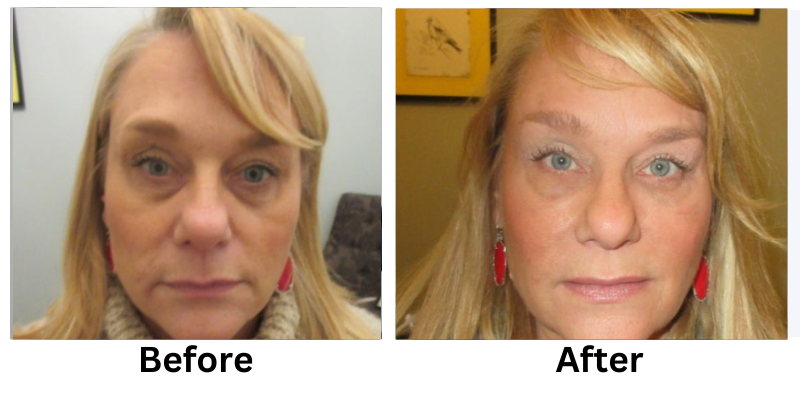
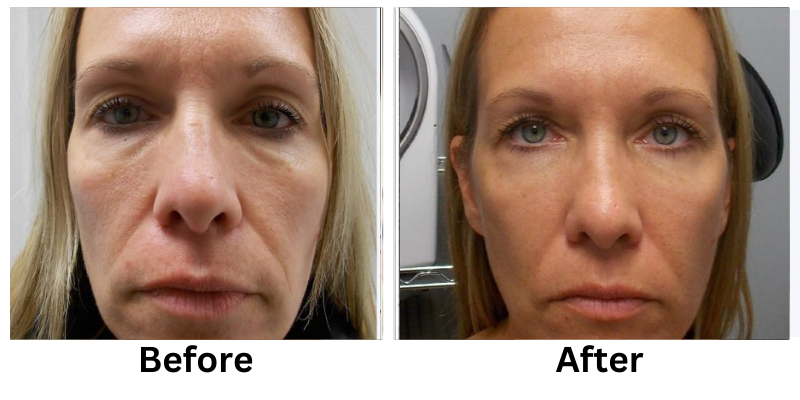
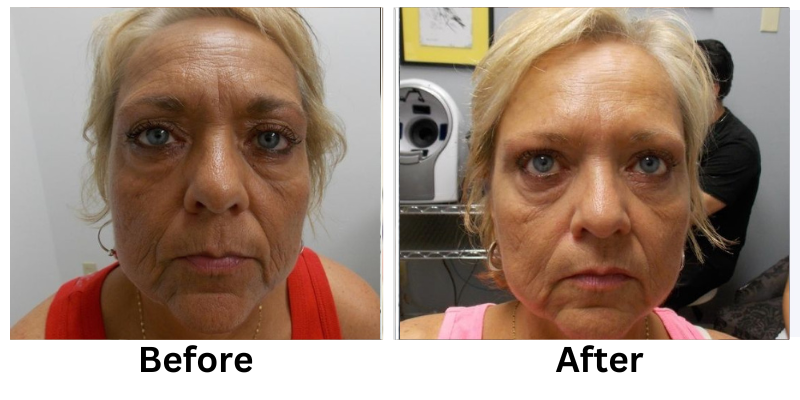
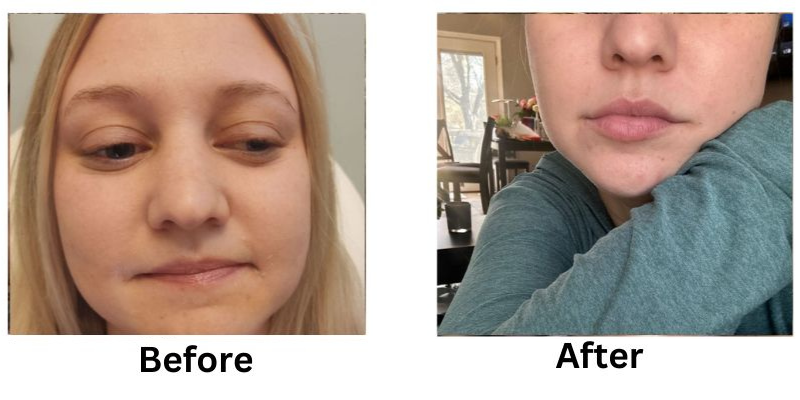
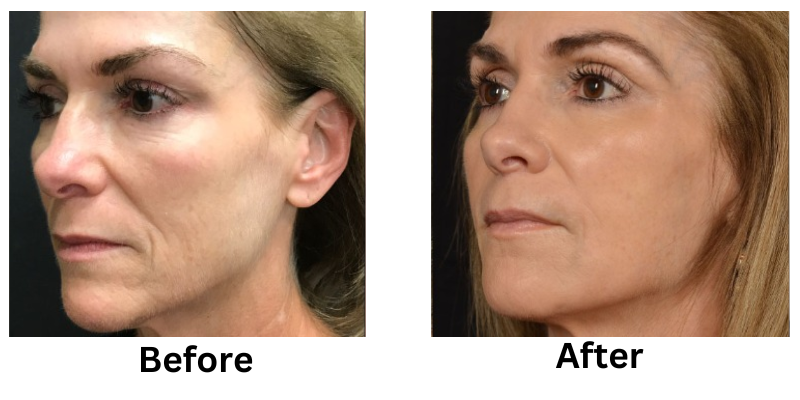
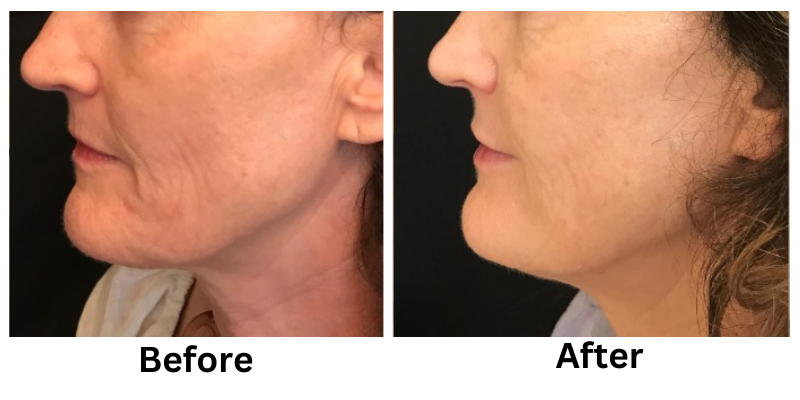
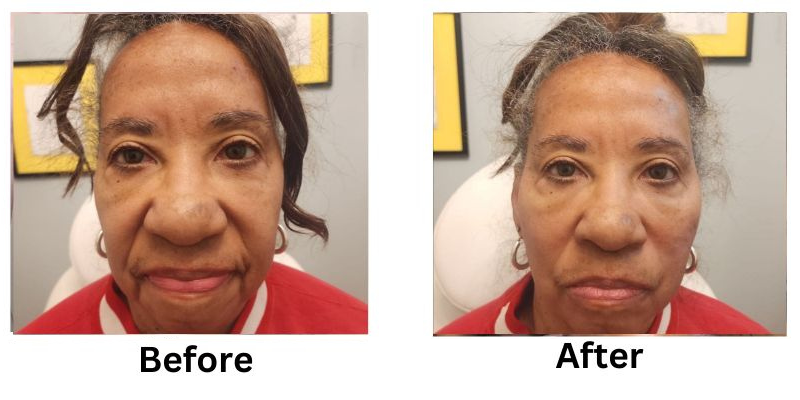
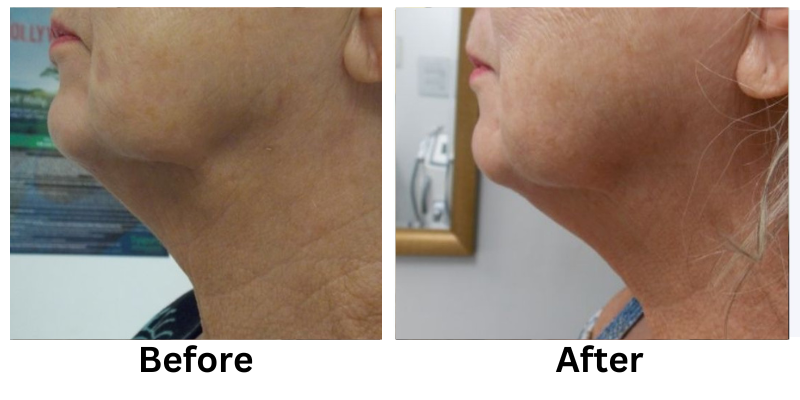
One treatment is a great starting point because it shows how your skin responds. The most dramatic results come from a completed series with consistent sun protection and at-home brightening products between sessions. Clients who want to see real results from professional treatments can browse the before and after gallery for examples of skin transformations.
Frequently Asked Questions
What Fades Hyperpigmentation Fast?
What fades hyperpigmentation fast is a combination of professional chemical peels and prescription-strength topical treatments. According to PMC research, a series of glycolic acid peels combined with a triple combination cream (hydroquinone 4%, tretinoin 0.05%, and fluocinolone acetonide 0.01%) achieved over 90% improvement in hyperpigmentation by week 12. For the fastest results, pair professional peels with daily vitamin C serum, a retinoid, and SPF 30+ sunscreen. Chemical peels deliver faster results than topical creams alone because they physically remove the pigmented skin cells rather than just suppressing melanin production.
Is One Session of Chemical Peel Enough for Pigmentation?
One session of a chemical peel is usually not enough for pigmentation. Most patients need 3 to 6 sessions for significant and lasting improvement. According to the Expert Consensus on Chemical Peels (2024), glycolic acid peels for melasma are typically applied every 2 weeks for 4 to 6 treatments. Mild surface-level pigmentation may show improvement after a single session, but moderate to severe discoloration requires repeated treatments to progressively lift melanin from deeper skin layers.
Can Chemical Peels Make Pigmentation Worse?
Yes, chemical peels can make pigmentation worse if the peel is too strong for your skin type, if pre-treatment priming is skipped, or if you expose your skin to the sun without adequate protection during recovery. This worsening is called post-inflammatory hyperpigmentation (PIH). According to the Indian Pigmentary Expert Group (PMC), proper priming with hydroquinone or tretinoin for 2 to 4 weeks before the peel, combined with strict sun avoidance after, significantly reduces this risk. Darker skin types are at higher risk for PIH and should work with a provider experienced in treating skin of color.
What Do Dermatologists Recommend for Hyperpigmentation?
Dermatologists recommend a combination of daily SPF 30+ sunscreen, topical brightening agents (hydroquinone, vitamin C, niacinamide, azelaic acid, or tranexamic acid), and professional treatments like chemical peels, laser therapy, or microneedling. According to the Expert Consensus (2024), combining glycolic acid peels with 2% hydroquinone or 20% azelaic acid increases peel efficacy and reduces PIH risk. Combining peels with 5% tranexamic acid has been shown to accelerate melasma improvement.
Are Chemical Peels Safe for Dark Skin?
Chemical peels are safe for dark skin when performed by an experienced provider who selects the appropriate acid and concentration. Light peels using glycolic acid (20-35%), lactic acid, salicylic acid, or mandelic acid are generally safe for Fitzpatrick skin types IV to VI. According to research by Dr. Pearl Grimes published in Dermatologic Surgery, salicylic acid peels at 20-30% achieved moderate to significant improvement in 66% of darker-skinned melasma patients with no residual hypo- or hyperpigmentation. Deep peels are not recommended for dark skin types. The Expert Consensus (2024) notes that salicylic-mandelic acid combination peels are better tolerated than glycolic acid peels in sensitive and dark skin.
What Is the Best Time of Year to Get a Chemical Peel for Pigmentation?
The best time of year to get a chemical peel for pigmentation is fall and winter, from October through February. During these months, UV exposure is lower and you spend less time in direct sunlight, which reduces the risk of post-inflammatory hyperpigmentation and gives your skin the best conditions for healing. Starting a peel series in the fall allows you to complete 4 to 6 treatments before spring, when UV levels increase again.
How Long Does It Take for Pigmentation to Fade After a Chemical Peel?
Pigmentation takes 1 to 4 weeks to fade after a chemical peel, depending on the peel depth. Light peels show subtle fading within 7 to 14 days. Medium peels deliver more noticeable results within 2 to 4 weeks. According to research published in PMC using confocal optical coherence tomography, treated hyperpigmented spots appeared lighter, fragmented, and less prominent after peel sessions, with imaging confirming an upward shift of melanin to the surface followed by marked reduction in deeper layers. Full results continue to improve for up to 3 months as the skin remodels and produces new collagen.
Final Thoughts
Chemical peels are one of the most effective, research-proven treatments for reducing hyperpigmentation, melasma, sun spots, and post-acne marks. Glycolic acid, salicylic acid, lactic acid, and TCA peels each offer distinct advantages depending on your pigmentation type, skin tone, and treatment goals. Clinical studies consistently show significant improvement after a series of 3 to 6 sessions, with results reaching 90% or more when peels are combined with the right topical treatments and strict sun protection.
The key to successful pigmentation treatment is choosing a qualified provider who can assess your skin, select the right peel, and create a customized plan that includes pre-treatment, in-office sessions, and at-home maintenance. Slimming Solutions Med Spa offers medical and physician-grade chemical peels customized to your skin type and pigmentation concerns. The experienced team will guide you through every step, from the initial consultation to post-peel care, so you get the safest, most effective results possible. Call today or request a consultation to start your journey toward clearer, more even-toned skin.
![[thumb]](https://slimmingsolutionsspa.com/wp-content/uploads/2023/12/botox1-150x150.png)
![[thumb]](https://slimmingsolutionsspa.com/wp-content/uploads/2023/12/Before2-150x150.png)
![[thumb]](https://slimmingsolutionsspa.com/wp-content/uploads/2023/12/Before3-150x150.png)


![[thumb]](https://slimmingsolutionsspa.com/wp-content/uploads/2023/12/revanesse-versa-1-150x150.png)
![[thumb]](https://slimmingsolutionsspa.com/wp-content/uploads/2023/12/revanesse-versa-2-150x150.png)
![[thumb]](https://slimmingsolutionsspa.com/wp-content/uploads/2023/12/revanesse-versa-3-150x150.png)
![[thumb]](https://slimmingsolutionsspa.com/wp-content/uploads/2023/12/revanesse-versa-4-150x150.png)
![[thumb]](https://slimmingsolutionsspa.com/wp-content/uploads/2023/12/revanesse-versa-5-150x150.png)
![[thumb]](https://slimmingsolutionsspa.com/wp-content/uploads/2024/01/Eyebrow-treatment-1-1-150x150.png)
![[thumb]](https://slimmingsolutionsspa.com/wp-content/uploads/2023/12/Skin-Rejuvenation-1-150x150.png)
![[thumb]](https://slimmingsolutionsspa.com/wp-content/uploads/2023/12/Skin-Rejuvenation-2-150x150.png)


![[thumb]](https://slimmingsolutionsspa.com/wp-content/uploads/2024/01/Lip-Filler-1-150x150.png)
![[thumb]](https://slimmingsolutionsspa.com/wp-content/uploads/2024/01/Lip-Filler-2-150x150.png)
![[thumb]](https://slimmingsolutionsspa.com/wp-content/uploads/2025/02/Lip-Filler-1-150x150.png)
![[thumb]](https://slimmingsolutionsspa.com/wp-content/uploads/2024/01/Lip-Filler-150x150.jpg)
![[thumb]](https://slimmingsolutionsspa.com/wp-content/uploads/2024/01/Before-1-150x150.jpg)

![[thumb]](https://slimmingsolutionsspa.com/wp-content/uploads/2024/01/RHA-Treatmetn-3-150x150.png)
![[thumb]](https://slimmingsolutionsspa.com/wp-content/uploads/2024/01/RHA-Treatmetn-2-150x150.png)
![[thumb]](https://slimmingsolutionsspa.com/wp-content/uploads/2024/01/RHA-Treatmetn-1-150x150.png)
![[thumb]](https://slimmingsolutionsspa.com/wp-content/uploads/2024/01/Thread-Lifts-1-150x150.png)
![[thumb]](https://slimmingsolutionsspa.com/wp-content/uploads/2024/01/Thread-Lifts-2-150x150.png)
![[thumb]](https://slimmingsolutionsspa.com/wp-content/uploads/2025/02/Lip-Filler-2-150x150.png)

![[thumb]](https://slimmingsolutionsspa.com/wp-content/uploads/2023/12/skin-reuvulation1-150x150.png)
![[thumb]](https://slimmingsolutionsspa.com/wp-content/uploads/2023/12/skin-rejuvulation-2-150x150.png)
![[thumb]](https://slimmingsolutionsspa.com/wp-content/uploads/2023/12/Skin-Tighting-150x150.png)
![[thumb]](https://slimmingsolutionsspa.com/wp-content/uploads/2023/12/Before-150x150.jpg)
![[thumb]](https://slimmingsolutionsspa.com/wp-content/uploads/2023/12/weightloss-1-150x150.png)
![[thumb]](https://slimmingsolutionsspa.com/wp-content/uploads/2023/12/weightloss-2-150x150.png)
![[thumb]](https://slimmingsolutionsspa.com/wp-content/uploads/2023/12/2Weight-Loss-2-150x150.png)
![[thumb]](https://slimmingsolutionsspa.com/wp-content/uploads/2025/02/Weight-Loss-1-new-150x150.png)
![[thumb]](https://slimmingsolutionsspa.com/wp-content/uploads/2023/12/Weight-Loss-3-150x150.png)
![[thumb]](https://slimmingsolutionsspa.com/wp-content/uploads/2025/03/Slimming-Solutions-BA-Template-150x150.png)


![[thumb]](https://slimmingsolutionsspa.com/wp-content/uploads/2023/12/dat3-150x150.png)
![[thumb]](https://slimmingsolutionsspa.com/wp-content/uploads/2023/12/dat-0-150x150.png)
![[thumb]](https://slimmingsolutionsspa.com/wp-content/uploads/2023/12/dat-1-150x150.png)
![[thumb]](https://slimmingsolutionsspa.com/wp-content/uploads/2023/12/Before-1-150x150.png)

![[thumb]](https://slimmingsolutionsspa.com/wp-content/uploads/2024/01/EMS-Treatment-2-150x150.png)
![[thumb]](https://slimmingsolutionsspa.com/wp-content/uploads/2024/01/EMS-Treatment-1-150x150.png)
![[thumb]](https://slimmingsolutionsspa.com/wp-content/uploads/2025/02/ems-BNA-front-150x150.png)
![[thumb]](https://slimmingsolutionsspa.com/wp-content/uploads/2025/02/EMS-bna-SIDE-150x150.png)
![[thumb]](https://slimmingsolutionsspa.com/wp-content/uploads/2024/01/EMS-Treatment-6-150x150.png)