Collagen Decline and Visible Skin Aging Effects

Share This Post
Collagen Decline and Visible Skin Aging Effects

Table of Contents

Collagen decline is one of the biggest reasons skin starts to look older. Starting in your mid-20s, your body loses about 1% to 1.5% of its collagen every year, according to research published in the journal npj Aging (2025). This steady drop leads to fine lines, wrinkles, sagging, and thinner skin over time. Type I collagen makes up 80% to 85% of the skin’s structure, according to a systematic review in the journal Cosmetics (2025), so when production slows down, the effects are hard to miss. For residents in Lee’s Summit, MO and the greater Kansas City area, the good news is that modern treatments at medical spas can help slow this process and even rebuild lost collagen. This guide breaks down why collagen matters, what causes it to decline, what the visible effects look like, and what you can do about it.

What Is Collagen and Why Does It Matter for Your Skin?

Collagen is the most important structural protein in your skin. It acts like a scaffold that holds everything together and gives your face its firmness, smoothness, and bounce. According to a review published in ScienceDirect (2025), collagen makes up over 90% of the skin’s dry mass and provides its mechanical strength and shape.

Your skin has two main layers: the outer epidermis and the deeper dermis. Collagen lives mostly in the dermis, where it forms a dense network of fibers that support the entire structure above it. When that network is strong and well-organized, skin looks plump and youthful. When it starts to break down, the surface shows it.

For people in Lee’s Summit who want to keep their skin looking its best, learning how collagen works is the first step. From there, treatments like skin tightening and professional facials can help maintain and restore what time takes away.

Can You Rebuild Collagen in Your Skin?

Yes, you can rebuild collagen in your skin through professional treatments and targeted skincare. Research published in the NCBI StatPearls database confirms that microneedling, also called collagen induction therapy, triggers a wound healing response that leads to new collagen formation. Histological studies show that four microneedling sessions performed one month apart resulted in a 400% increase in collagen and elastin deposition at six months after treatment. That new collagen can last five to seven years in the form of type III collagen.

Other professional treatments that stimulate collagen include laser skin resurfacing, radiofrequency microneedling, and professional chemical peels. Each of these works by creating a controlled injury or delivering energy into the deeper layers of the skin, which triggers your body to produce fresh collagen as part of the healing process.

At-home strategies can also help support collagen. Vitamin C is essential for collagen production, and a 2025 trial by the University of Otago found that eating foods rich in vitamin C daily led to increased skin thickness, which correlates with higher collagen levels. Retinoids (vitamin A) are another proven ingredient. Research shows that vitamin A influences 400 to 1,000 genes that control cell growth in the epidermis and dermis.

Lee’s Summit residents looking for collagen-rebuilding treatments can explore exosome microneedling at Slimming Solutions Med Spa for an advanced option that combines microneedling with growth factor delivery.

What Depletes Collagen in Skin?

The things that deplete collagen in skin fall into two categories: internal factors and external factors. Internal (intrinsic) aging happens naturally. Your fibroblasts, the cells that make collagen, slow down as you age. A study published in the American Journal of Pathology found that fibroblasts from people aged 80 and older produced about 32% less type I procollagen than fibroblasts from people aged 18 to 29.

External (extrinsic) factors speed up collagen loss even faster. UV radiation from the sun is the single biggest external threat. Ultraviolet rays penetrate the skin and increase the production of matrix metalloproteinases (MMPs), enzymes that actively break down collagen fibers. This process is called photoaging, and it causes wrinkles, sunspots, and a rough, leathery texture.

Other collagen destroyers include smoking, which exposes the face to toxins and restricts blood flow to the skin. High-sugar diets promote the formation of advanced glycation end products (AGEs), which cross-link collagen and elastin fibers and make them stiff and brittle. Environmental pollution generates free radicals that damage collagen from the outside. Even chronic stress and poor sleep can speed up the process.

For Kansas City area residents who spend time outdoors, daily broad-spectrum sunscreen is the single most effective way to protect existing collagen. Pairing that with professional treatments at a trusted medical spa in Lee’s Summit creates a strong defense against premature aging.

What Are the 5 Signs That Collagen Is Working?

The five signs that collagen is working are firmer skin, fewer fine lines, better hydration, improved skin texture, and a more even skin tone. When your body starts producing new collagen, whether from treatments or supplements, these changes happen gradually over weeks to months.

Firmer skin is usually the first thing people notice. As new collagen fibers form in the dermis, the skin gains structural support and feels tighter to the touch. Research published in the journal Dermatologic Surgery found that 95% of subjects showed full-face improvement at 18 months following hyaluronic acid filler treatment that stimulated collagen remodeling.

Fewer fine lines follow as the collagen network fills in the gaps beneath the skin’s surface. Better hydration occurs because collagen works alongside hyaluronic acid to hold moisture in the dermis. Improved texture means the skin feels smoother, with smaller pores and a more refined surface. A more even tone results from healthier cell turnover and reduced damage.

If you are receiving treatments like dermaplaning or hydrating facials in Lee’s Summit, these signs tell you that your skin is responding well and that collagen production is being supported.

What Is the Number One Thing That Ages You?

The number one thing that ages you is sun exposure. UV radiation from the sun is responsible for up to 80% of visible facial aging, according to research published in dermatology journals. It breaks down collagen and elastin fibers, triggers excess pigment production, and thins the skin over time.

A study published in PMC found that the enzymes responsible for collagen degradation (MMPs) increase gradually with sun exposure and age. When collagen synthesis drops by about 75% in older adults compared to young adults, as documented in research by the University of Michigan, the damage from years of UV exposure becomes impossible to hide.

The distinction between “intrinsic” aging (genetics and time) and “extrinsic” aging (sun, pollution, lifestyle) matters. You cannot stop intrinsic aging, but you can slow extrinsic aging dramatically. Wearing SPF 30 or higher every day, even on cloudy days in Lee’s Summit, MO, is the most impactful thing you can do for your skin.

People who also invest in collagen-stimulating treatments like radio frequency microneedling see the best long-term results because they are both protecting existing collagen and building new supply.

What Vitamin Tightens Saggy Skin?

The vitamin that tightens saggy skin most effectively is vitamin C. Vitamin C is essential for collagen synthesis. Without it, your body cannot form the stable triple-helix structure of collagen fibers. A study referenced in the journal PMC found that vitamin C triggers thickening of the epidermis and increases the production of both collagen and elastic microfibrils.

Vitamin A (retinol) is another powerhouse. It stimulates fibroblast activity and promotes cell turnover, which helps rebuild the collagen matrix from the inside out. Together, vitamins A and C form the foundation of most anti-aging skincare routines.

A 2025 clinical trial from the University of Otago showed that participants who consumed approximately 250 mg of vitamin C daily saw a measurable increase in skin thickness and collagen production within eight weeks. This shows that both topical and dietary approaches make a real difference.

Kansas City area residents looking for professional nutrient delivery can explore options like vitamin shots at Slimming Solutions Med Spa, which deliver nutrients directly into the bloodstream for faster absorption.

What Habits Accelerate Collagen Loss?

The habits that accelerate collagen loss are unprotected sun exposure, smoking, eating too much sugar, not getting enough sleep, and chronic stress. Each of these habits attacks the collagen network through a different pathway, but the result is the same: faster aging.

Unprotected sun exposure increases MMP activity, which breaks down collagen faster than your body can replace it. Smoking restricts blood flow to the skin, starving fibroblasts of the oxygen and nutrients they need to make collagen. According to published research, smokers show significantly more wrinkling and skin damage than non-smokers of the same age.

High-sugar diets promote glycation, a process where sugar molecules attach to collagen fibers and form advanced glycation end products (AGEs). These AGEs make collagen stiff and fragile. Studies show that glycated collagen loses its elasticity and becomes harder to repair.

Poor sleep is another major factor. During deep sleep, your body releases growth hormone, which supports collagen synthesis and tissue repair. Chronic sleep deprivation disrupts this cycle and accelerates aging. Chronic stress elevates cortisol, which breaks down collagen and thins the skin over time.

For residents in Lee’s Summit, MO who want to slow collagen loss, pairing healthier daily habits with regular facial treatments creates a compounding benefit over time.

How to Take 20 Years off Your Face

Taking 20 years off your face requires a combination of collagen-rebuilding treatments, consistent skin protection, and a smart skincare routine. No single product or procedure does it alone. The most effective approach uses multiple strategies that work together.

Start with collagen stimulation. Treatments like RF microneedling combine the collagen-building power of microneedling with radiofrequency energy that heats the deeper dermis. This dual approach triggers new collagen production at multiple skin depths. According to NCBI StatPearls, microneedling alone can produce a 400% increase in collagen and elastin at six months.

Add volume restoration where needed. As collagen declines, the face loses volume in the cheeks, temples, and under-eyes. Dermal fillers replace that lost volume instantly while some, like Sculptra, also stimulate your body to produce its own collagen over time.

Resurface the skin. Chemical peels and laser treatments remove damaged surface layers and trigger collagen remodeling in the deeper skin. This reduces fine lines, sun spots, and uneven texture.

Protect every day. Sunscreen, antioxidants, and retinoids form the daily maintenance plan that locks in your treatment results. Kansas City area residents who follow this combined approach at Slimming Solutions Med Spa consistently see dramatic, natural-looking improvements.

What Cancels Collagen?

The things that cancel collagen are UV radiation, sugar, smoking, alcohol, pollution, and chronic inflammation. Each of these triggers or accelerates the breakdown of collagen fibers that have already been built.

UV radiation is the most damaging. It directly increases MMP production, which chews through collagen fibers. A single significant sunburn can cause measurable collagen damage that takes months to repair.

Sugar triggers glycation, where glucose bonds to collagen fibers and creates stiff, cross-linked structures that cannot function properly. Once collagen is glycated, it cannot be reversed. The only option is to build new collagen to replace it.

Smoking delivers thousands of chemicals into the bloodstream, many of which directly damage collagen and elastin. Research published in medical journals consistently shows that smokers age faster than non-smokers, with deeper wrinkles and thinner skin appearing a full decade earlier.

Alcohol dehydrates the skin and depletes nutrients like vitamin C that are critical for collagen synthesis. Pollution generates free radicals that attack collagen from the outside. Chronic inflammation, whether from stress, illness, or an inflammatory diet, keeps MMP levels elevated and collagen under constant attack.

The takeaway is simple: protecting existing collagen is just as important as building new collagen. That is why the team at Slimming Solutions Med Spa in Lee’s Summit always pairs treatment plans with guidance on daily skin protection.

Why Does My Body Not Produce Enough Collagen?

Your body does not produce enough collagen because of natural aging, hormonal changes, nutritional gaps, and lifestyle factors. Collagen production naturally slows with age. According to a study published in the journal Skin Pharmacology and Physiology, fibroblast activity declines steadily from early adulthood, reducing new collagen output by about 1% to 1.5% every year.

Hormonal changes play a huge role, especially for women. Research has shown that women can lose up to 30% of their skin collagen in the first five years after menopause due to the drop in estrogen. After that initial drop, collagen continues to decrease by about 2% per year. This is one of the reasons women often notice a sudden change in skin firmness and elasticity during their late 40s and 50s.

Nutritional gaps also limit collagen production. Your body needs vitamin C, proline, glycine, and copper to build collagen. If your diet is low in these nutrients, your fibroblasts cannot keep up even if they are still active.

For women in the Lee’s Summit, MO area experiencing hormonal changes, hormone replacement therapy may help address some of the underlying causes of accelerated collagen loss.

What Is the Enemy of Collagen?

The enemy of collagen is a group of enzymes called matrix metalloproteinases, or MMPs. These enzymes are produced naturally by the body, but their levels increase dramatically with sun exposure, inflammation, smoking, and aging. When MMP levels stay elevated, they break down collagen faster than your body can replace it.

According to a systematic review published in the journal Cosmetics (2025), in young, healthy skin, MMP activity is low and tightly controlled by tissue inhibitors of metalloproteinases (TIMPs). This balance keeps collagen turnover slow and steady, with collagen being replaced approximately every 30 years. But as aging, UV exposure, and other stressors increase MMP activity, that balance tips, and collagen destruction outpaces production.

Advanced glycation end products (AGEs) are another major enemy. These form when sugar molecules bond to collagen proteins, creating stiff, cross-linked fibers that lose their flexibility. A study published in PMC showed that AGEs make collagen fiber bundles stiffer and harder in aged skin compared to young skin.

Residents of Lee’s Summit who want to fight back against MMP activity can benefit from antioxidant-rich skincare combined with in-office treatments like BioRePeel that help calm inflammation and support healthy collagen balance.

Which Supplement Makes You Look Younger Than Your Age?

The supplement that makes you look younger than your age is hydrolyzed collagen peptides, according to multiple clinical studies. A 2025 study published in the journal npj Aging found that oral supplementation with a specific collagen amino acid formula improved skin texture and hydration within three months and reduced biological age by 1.4 years after six months of use.

A separate meta-analysis published in PMC reviewed 19 randomized controlled trials and found that oral collagen supplementation significantly improved skin hydration and elasticity. One included study reported a 38% improvement in skin elasticity after just 12 weeks of daily collagen use.

However, it is important to note that not all collagen supplements are equal. A 2025 meta-analysis published in The American Journal of Medicine found that when only high-quality, independently funded studies were analyzed, the effects of collagen supplements on hydration, elasticity, and wrinkles were not statistically significant. This suggests that while collagen supplements may help, they work best as a complement to professional treatments, not a replacement.

For residents in the Kansas City metro area, combining oral collagen support with in-office treatments like peptide therapy gives you the best chance of visible, lasting results.

What Fruit Produces Collagen?

The fruit that produces the most collagen-supporting benefit is citrus fruit, especially oranges, lemons, grapefruits, and kiwifruit. These fruits are packed with vitamin C, which is absolutely essential for your body to produce collagen. Without enough vitamin C, your body cannot form the stable triple-helix structure that gives collagen its strength.

A 2025 clinical trial from the University of Otago showed that eating two kiwifruit per day (providing about 250 mg of vitamin C) for eight weeks significantly increased skin vitamin C levels and skin thickness. Thicker skin directly correlates with more collagen in the dermis.

Berries like strawberries, blueberries, and blackberries also support collagen health. They contain both vitamin C and antioxidants called anthocyanins that help protect existing collagen from free radical damage. Red and orange fruits like tomatoes, papaya, and mango provide beta-carotene, which the body converts to vitamin A, another key nutrient for collagen production.

Eating a diet rich in these fruits is a smart daily strategy for Lee’s Summit, MO residents who are also investing in professional collagen-building treatments at their local med spa.

Collagen Decline and Skin Aging: A Decade-by-Decade Comparison

Age Range Estimated Collagen Loss Key Visible Changes What Helps Most
20s Collagen peaks, early decline begins (~1% per year) Skin is firm and hydrated; minor dullness may appear Sunscreen, antioxidants, gentle facials
30s Approximately 10–15% total loss Fine lines appear around eyes and mouth; slight elasticity loss Retinoids, vitamin C, microneedling
40s Approximately 20–25% total loss; hormonal shifts begin Deeper wrinkles, volume loss in cheeks and temples, skin thinning RF microneedling, dermal fillers, chemical peels
50s Up to 30% loss in first 5 years post-menopause (women) Noticeable sagging, jowling, thinner and drier skin Sculptra, skin tightening, hormone therapy
60s–70s+ Up to 75% reduction in collagen production vs. young adults Significant thinning, fragility, deep folds, loss of facial contour Full-face rejuvenation, laser resurfacing, fillers

Sources: npj Aging (2025); American Journal of Pathology (PMC); OA Publish Skin Collagen Lifestages Review; University of Michigan Dermatology Research.

Can Microneedling Really Rebuild Collagen?

Yes, microneedling can really rebuild collagen. Microneedling, also called percutaneous collagen induction therapy, works by creating tiny controlled injuries in the skin with fine needles. These micro-injuries trigger your body’s natural wound healing response, which sends new collagen and elastin to the treatment area.

According to NCBI StatPearls, histological examination of skin treated with four microneedling sessions showed a 400% increase in collagen and elastin deposition at six months. The new collagen forms as type III collagen, which provides skin tightening that can persist for five to seven years.

A comprehensive review published in PMC (2024) confirmed that microneedling increases collagen types I, III, and VII, along with tropoelastin. The review also found that microneedling is often more effective than chemical peels and certain laser treatments for some skin concerns, with lower risk of side effects like hyperpigmentation, especially in darker skin tones.

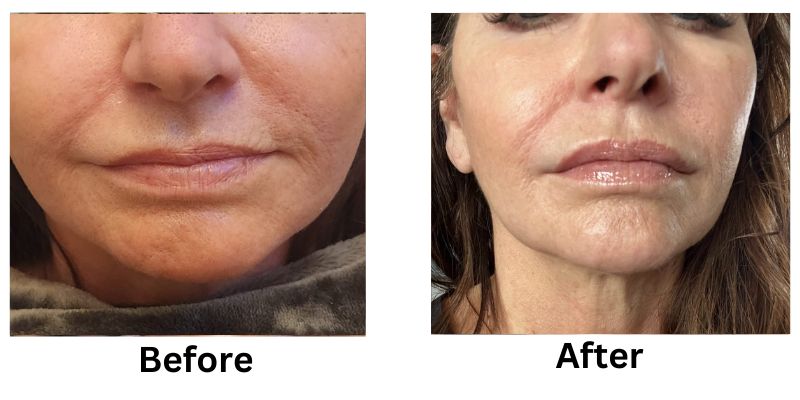
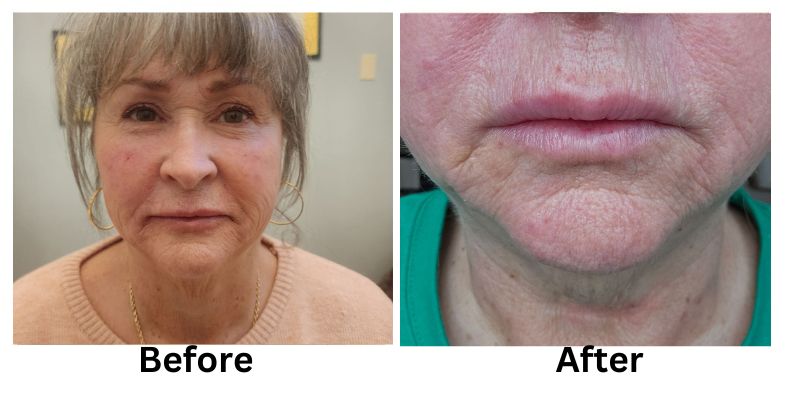
At Slimming Solutions Med Spa in Lee’s Summit, clients in the Kansas City area who choose advanced microneedling treatments often see faster and more dramatic improvements in skin firmness and texture. You can see real patient results in the before and after gallery.

Does Hormone Replacement Therapy Help with Collagen Loss?

Yes, hormone replacement therapy helps with collagen loss, especially for women going through menopause. Research has consistently shown that women can lose up to 30% of their skin collagen in the first five years after menopause due to declining estrogen levels. After that steep initial drop, collagen continues to decline at about 2% per year. Estrogen plays a direct role in stimulating fibroblast activity and collagen synthesis.

According to a review published in OA Publish (2021), the association between decreased skin thickness, reduced collagen content, and lower estrogen levels has been studied extensively since the pioneering work of Albright and colleagues in 1941. Skin thinning and collagen loss accelerate in direct proportion to declining estrogen.

Men experience a more gradual decline in testosterone, which has less dramatic effects on collagen. However, dermal thickness in men decreases at approximately 7.2% per decade according to published dermatology statistics, compared to about 5.7% per decade in women (though women experience sharper drops around menopause).

For women in Lee’s Summit, MO who are noticing rapid skin changes during perimenopause or menopause, BHRT (bioidentical hormone replacement therapy) may help address the root hormonal cause of accelerated collagen loss alongside a professional skincare plan.

Frequently Asked Questions

How Fast Does Collagen Decline After Age 30 in Lee’s Summit Residents?

Collagen declines at a rate of about 1% to 1.5% per year after your mid-20s, according to research published in npj Aging and multiple dermatology reviews. By age 35, a person living in Lee’s Summit, MO may have already lost roughly 10% of their total skin collagen. By 50, that number can climb to 25% or more. Women experience an even steeper drop during menopause, losing up to 30% in just five years.

What Professional Treatments Boost Collagen in Kansas City?

Professional treatments that boost collagen in Kansas City include microneedling, RF microneedling, laser skin resurfacing, chemical peels, and biostimulatory fillers like Sculptra. According to NCBI StatPearls, microneedling alone can increase collagen and elastin by up to 400% at six months. Slimming Solutions Med Spa in Lee’s Summit offers several of these collagen-stimulating services tailored to each client’s skin type and goals.

Does Collagen Supplementation Actually Work for Skin?

Collagen supplementation does show benefits for skin in some clinical studies. A meta-analysis published in PMC found that oral collagen improved skin hydration and elasticity across 19 trials. A 2025 study in npj Aging reported that collagen amino acid supplementation reduced biological age by 1.4 years after six months. However, a separate 2025 meta-analysis in The American Journal of Medicine found weaker results in high-quality, independently funded studies. Supplements work best when paired with professional treatments and a solid skincare routine.

Can Men Experience Collagen Loss Too?

Yes, men can experience collagen loss too. Collagen declines in both men and women with age. According to published dermatology research, skin collagen loss occurs at about 1% per year in both sexes. Men tend to have thicker skin with more collagen to start with, but their epidermal thickness decreases at approximately 7.2% per decade. Men in the Lee’s Summit area can benefit from collagen-stimulating treatments just as much as women.

Is Sunscreen Really the Best Anti-Aging Product?

Yes, sunscreen is really the best anti-aging product you can use every day. UV radiation is the leading external cause of collagen breakdown. It increases the production of MMPs, which are the enzymes that destroy collagen fibers. Research from the University of Michigan shows that collagen production in sun-damaged skin drops by up to 75% compared to young, protected skin. Wearing SPF 30 or higher daily, rain or shine in Kansas City, is the single most impactful step you can take.

What Age Should I Start Collagen Treatments in Lee’s Summit?

The best age to start collagen treatments in Lee’s Summit depends on your individual skin and goals. Most dermatology experts recommend starting preventive treatments like gentle facials, microneedling, and antioxidant skincare in your late 20s to early 30s. By your 40s and beyond, more intensive options like RF microneedling, Sculptra, and laser resurfacing become especially beneficial. The team at Slimming Solutions Med Spa can help you build a plan based on where your skin is today.

Final Thoughts

Collagen decline is a natural part of aging, but it does not have to define how your skin looks and feels. From your 20s through your 60s and beyond, there are proven, effective ways to protect existing collagen, slow the rate of loss, and actively rebuild what has been lost. The research is clear: treatments like microneedling can boost collagen by up to 400%, daily sunscreen prevents the biggest source of collagen destruction, and the right combination of professional care and at-home habits makes a real difference.

If you live in Lee’s Summit, MO or anywhere in the greater Kansas City area and are ready to take control of how your skin ages, the team at Slimming Solutions Med Spa is here to help. With a full range of collagen-stimulating facial treatments, injectables, and wellness services, every treatment plan is built around your unique skin and goals. Call today or request a consultation to start building a stronger, more youthful foundation for your skin.

SEE OUR RESULTS

*Individual Results May Vary

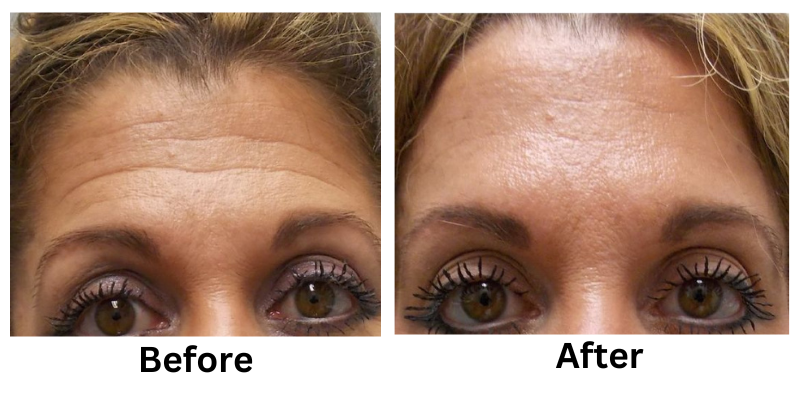
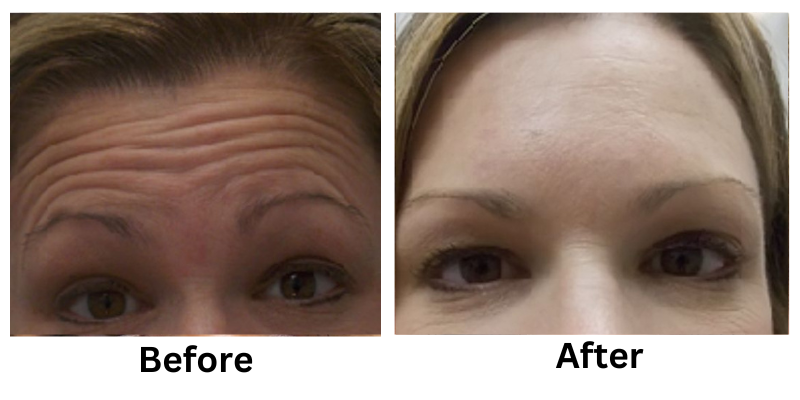
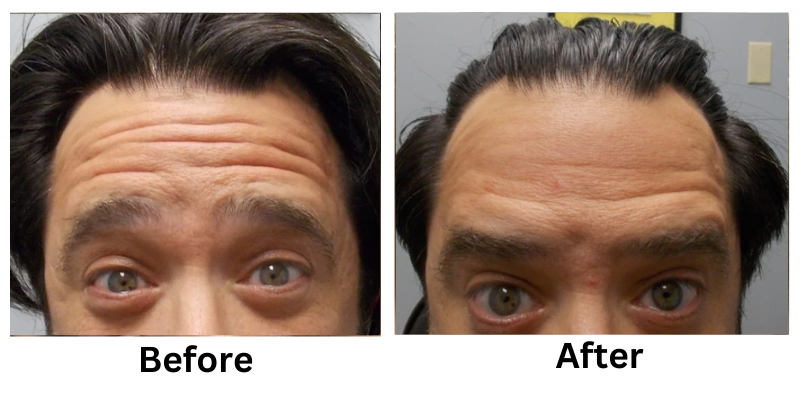
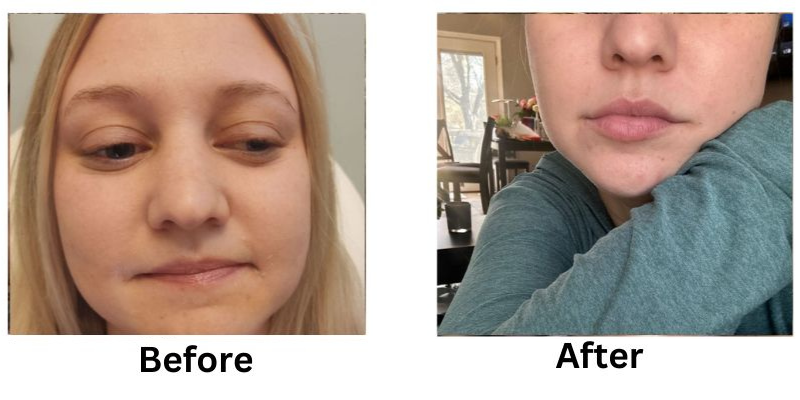
Our staff is made up of a team of motivated, well-trained individuals who are only happy with our work when you are 100% happy with your results… and we love our work! See some amazing results from our patients in our before & after gallery.

Botox Before and After
[thumb][thumb][thumb]
consultations available now
The first step is to schedule an in-person consultation with one of our highly trained providers at Slimming Solutions Spa located in Lee Summit, MO, serving the surrounding Kansas City areas. Simply fill out the form on this page and we will reach out to you promptly to schedule your appointment. Your journey to a healthier, happier you can start today.
Our Reviews

[trustindex no-registration=google]

More To Explore