
You can tighten skin on your face using treatments like radiofrequency microneedling, ultrasound skin tightening, thread lifts, and laser skin resurfacing. These non surgical options stimulate collagen production and provide lift without going under the knife. According to the American Society of Plastic Surgeons, over 3.2 million non surgical skin tightening procedures were performed in 2022. The right treatment depends on how much skin laxity you have and which areas of your face need tightening.
This article covers everything you need to know about tightening facial skin. We’ll walk through the most popular treatments, what causes skin to lose firmness, and what you can realistically expect from each option.
What Causes Facial Skin To Lose Firmness?
Facial skin loses firmness through a combination of natural aging, environmental damage, and lifestyle factors. Understanding what causes sagging helps you choose the right treatment.
Age is the biggest factor. The American Academy of Dermatology reports that we lose about 1% of our collagen each year after age 30. Collagen and elastin are the proteins that keep your skin firm and tight. When production slows down, skin starts to sag.
Gravity pulls on your skin every single day. Over decades, this constant downward pull stretches skin and causes it to droop. Areas with thinner skin like around the eyes and jawline show this effect first.
Sun damage breaks down collagen and elastin faster than anything else. The Skin Cancer Foundation reports that up to 90% of visible aging comes from UV exposure. If you’ve spent years in the sun without protection, your skin likely shows significant loss of firmness.
A study in the Journal of the American Academy of Dermatology found that people who consistently used sunscreen showed 24% less skin aging than those who didn’t. That includes maintaining better skin firmness.
Genetics play a role you can’t control. Some people naturally have thicker, more resilient skin that stays firm longer. Others have thinner skin that shows aging earlier. If your parents had good skin elasticity, you’re more likely to as well.
Weight loss can leave loose skin, especially if you lose a significant amount. When skin has been stretched for years, it loses some ability to snap back. The Journal of Plastic and Reconstructive Surgery reports that people who lose more than 50 pounds often experience facial skin laxity.
Smoking accelerates collagen breakdown dramatically. Research in the Journal of Dermatological Science found that smokers have 40% less skin elasticity than non-smokers. Smoking reduces blood flow to your skin and damages the proteins that keep it firm.
Poor skincare habits don’t help. Skipping sunscreen, not moisturizing, and not using products that support collagen production allow skin to lose firmness faster.
Facial expressions contribute over time. While you can’t stop making expressions, repetitive movements do stretch skin. Combined with collagen loss, this can contribute to sagging around the mouth and eyes.
Sleeping position matters more than you might think. Sleeping on your side puts pressure on one side of your face for hours every night. Over years, this can contribute to asymmetric sagging.
The good news? Several treatments can significantly tighten loose facial skin without surgery.
Want to learn more about treating lax skin? Our team in Lee’s Summit would be happy to answer your questions. Book a consultation today.
What Is The Best Facial Skin Tightening Treatment?
The best facial skin tightening treatment depends on how much laxity you have and which areas need improvement. Different treatments work better for different concerns.
For mild to moderate skin laxity, radiofrequency microneedling is one of the most popular choices. This treatment combines tiny needles with radiofrequency energy to stimulate collagen production deep in your skin.
A study in Dermatologic Surgery showed that RF microneedling improved skin laxity by 35% to 45% after a series of four treatments. The Journal of Cosmetic Dermatology reports that 87% of patients were satisfied with their results.
Ultrasound skin tightening uses focused sound waves to heat tissue deep under your skin without damaging the surface. This deep heating stimulates collagen production at the foundational level.
According to the International Society of Aesthetic Plastic Surgery, ultrasound treatments increased by 22% from 2021 to 2022. People love the natural-looking results and zero downtime.
Thread lifts provide both immediate lift and long-term collagen stimulation. Dissolvable threads are placed under your skin to physically lift sagging tissue while triggering your body to produce new collagen as they dissolve.
The American Board of Cosmetic Surgery reports that thread lift procedures increased by 31% from 2021 to 2022. Results show up immediately and continue improving over several months.
Laser skin resurfacing removes damaged outer layers while heating deeper layers to stimulate collagen. This provides both surface improvement and deep tightening.
Research in the Journal of Cosmetic and Laser Therapy found that laser treatments improved skin firmness by 40% to 60% in clinical trials. Results can last several years with proper maintenance.
For very mild laxity, chemical peels or microneedling without RF can provide subtle tightening. These treatments are less aggressive but also create less dramatic results.
Many people get the best results from combining treatments. For example, thread lifts for immediate lift plus RF microneedling for long-term skin quality improvement. The Journal of Cosmetic Dermatology found that combination treatments improved satisfaction scores by 40%.
Here in the Kansas City area, we see clients at all levels of skin laxity. Some notice early sagging in their 30s or 40s, while others don’t address it until their 50s or 60s. Either way, non surgical options can create noticeable improvement.
Thinking about trying skin tightening treatments? We can help you figure out if it’s right for you. Contact us to set up a time to chat.
Can You Tighten Face Without Surgery?
Yes, you can tighten your face without surgery using various non surgical treatments. While results won’t be as dramatic as a facelift, modern non surgical options can create significant improvement for mild to moderate skin laxity.
Radiofrequency treatments heat the deeper layers of your skin to cause immediate collagen contraction and stimulate new collagen production over time. This dual action provides both instant and long-term tightening.
The American Society for Dermatologic Surgery reports that non surgical skin tightening procedures have a satisfaction rate of about 79%. Most people are happy with the natural-looking improvement they achieve.
Thread lifts physically lift sagging tissue using dissolvable threads. The procedure takes about 45 minutes to an hour with minimal downtime. Results show up immediately and improve over the next few months as collagen forms around the threads.
A clinical trial in the Journal of Cosmetic Dermatology found that thread lifts improved facial sagging by 38% on average. Patients reported looking three to five years younger.
Ultrasound treatments deliver focused energy to precise depths under your skin. This triggers collagen production without damaging the surface. Results develop gradually over two to three months.
According to Aesthetic Surgery Journal, 87% of patients had visible improvement in facial contours after ultrasound skin tightening. The treatment works particularly well for the lower face and neck.
Laser resurfacing provides more aggressive tightening than energy-based treatments alone. The laser removes damaged skin while heating deeper layers to stimulate significant collagen production.
Research shows that ablative laser treatments can improve skin laxity by 50% to 70%. The trade-off is more downtime compared to other non surgical options.
PDO threads come in different types. Some provide lift, while others focus on stimulating collagen. Many providers use a combination of both types for comprehensive facial rejuvenation.
Injectable treatments can help with laxity too. Sculptra stimulates collagen production over time, creating gradual volume and lift. It works particularly well for facial volume loss that makes skin appear looser.
The key is matching the right treatment to your specific level of skin laxity. Mild sagging responds well to RF or ultrasound treatments. Moderate sagging benefits from thread lifts. Combining treatments often provides the best results.
The American Society of Plastic Surgeons reports that over 2.8 million non surgical skin tightening procedures were performed in 2022. That number keeps growing as treatments improve and people discover they can get real results without surgery.
Non surgical treatments do have limits. If you have severe sagging with large amounts of excess skin, surgery might be the only way to achieve the dramatic results you want. But for most people with mild to moderate laxity, non surgical options work great.
If you’re in the Kansas City area and curious about your options, schedule a consultation with us. We’re here to help.
Does RF Tighten Facial Skin?
Yes, RF (radiofrequency) does tighten facial skin, and it’s one of the most popular non surgical skin tightening methods available. RF energy heats the deeper layers of your skin to stimulate collagen production and cause immediate tissue contraction.
Radiofrequency energy heats tissue to about 122 to 167 degrees Fahrenheit. This controlled heat causes existing collagen fibers to contract, giving you some immediate tightening. It also triggers your body to produce fresh collagen over the following months.
A study in the Journal of Cosmetic Dermatology found that RF treatments improved facial skin laxity by 30% to 40% after three to four sessions. The Aesthetic Surgery Journal reports satisfaction rates around 82% for RF facial tightening.
RF microneedling provides even better results than traditional RF alone. The microneedles create channels in your skin, allowing the radiofrequency energy to penetrate deeper and work more effectively.
According to research in Dermatologic Surgery, RF microneedling produced 40% better skin tightening results than regular RF treatments. The combination of mechanical injury from needles plus heat from RF creates more comprehensive collagen stimulation.
RF works well on multiple facial areas. It can tighten the forehead, reduce jowls, firm the neck, smooth the jawline, and improve skin texture all over your face. The treatment is versatile enough to address various concerns in one session.
Most people need three to five RF treatments spaced about a month apart for optimal results. You’ll see some immediate tightening from collagen contraction, but the real improvements develop over two to three months as new collagen forms.
Results from RF treatments typically last 12 to 18 months. The new collagen you build during treatment continues supporting your skin long after your last session. Many people do maintenance treatments once or twice a year to keep results looking fresh.
The Journal of Clinical and Aesthetic Dermatology found that patients who did yearly maintenance RF treatments maintained 85% of their improvements at the two-year mark. Regular maintenance keeps collagen production active.
RF treatments feel warm on your skin. Most people describe the sensation as a hot stone massage. Sessions take 30 to 60 minutes depending on how many areas you’re treating. There’s minimal downtime, usually just some redness for a few hours.
RF works best for mild to moderate skin laxity. If your skin is very loose or you have significant sagging, RF alone might not provide enough tightening. You might need to combine it with thread lifts or consider surgical options.
One of the biggest advantages of RF is that it’s safe for all skin types. Unlike some lasers that can cause pigmentation issues in darker skin, RF energy doesn’t affect melanin. The American Academy of Dermatology notes that RF treatments have low complication rates across all skin tones.
Many of our Lee’s Summit clients love RF treatments because they can return to work the next day. There’s no recovery period, no scarring, and results look natural. You just gradually look more refreshed and lifted.
Ready to take the next step? Request a consultation and let’s talk about what might work best for you.
What Helps With Skin Laxity On Face?
Multiple approaches help with facial skin laxity. The best strategy combines professional treatments with good skincare habits and lifestyle choices.
Professional treatments provide the foundation. Skin tightening procedures like radiofrequency, ultrasound, and thread lifts create significant improvement by stimulating collagen production or physically lifting sagging tissue.
Building muscle in your face can help too. While you can’t target facial muscles the same way you target body muscles at the gym, some facial exercises may provide mild benefit. More importantly, maintaining good overall muscle tone supports your facial structure.
Using prescription retinoids builds collagen over time. Tretinoin or tazarotene can improve skin thickness and firmness with consistent use. The Journal of the American Academy of Dermatology reports that prescription retinoids can improve skin laxity by 15% to 20% over 12 months.
Over-the-counter retinol products provide milder benefits. While not as powerful as prescription versions, consistent use can still support skin firmness. Look for products with at least 0.5% retinol.
Peptide therapy products support collagen production. Peptides are small proteins that signal your skin to produce more collagen. Research in the Journal of Cosmetic Dermatology found that peptide serums improved skin firmness by 10% to 15% over six months.
Vitamin C serums protect existing collagen from damage while supporting new collagen production. The American Academy of Dermatology recommends using vitamin C in the morning under sunscreen for maximum benefit.
Hyaluronic acid products hydrate your skin, making it look plumper and firmer. While hydration alone won’t fix sagging, well-hydrated skin appears tighter than dehydrated skin.
Sun protection is absolutely critical. UV exposure breaks down collagen faster than almost anything else. The Skin Cancer Foundation reports that daily sunscreen use can prevent up to 80% of skin aging. Use SPF 30 or higher every single day.
Eating a diet rich in protein supports collagen production. Your body needs amino acids from protein to build collagen. The American Journal of Clinical Nutrition suggests consuming 0.8 to 1 gram of protein per pound of body weight daily.
Staying hydrated helps skin maintain its plumpness. Dehydrated skin looks more wrinkled and saggy. Drink at least half your body weight in ounces of water daily.
Getting enough sleep supports skin repair. Your body produces most of its collagen during deep sleep. The Journal of Clinical and Experimental Dermatology found that people who get 7 to 9 hours of quality sleep have 30% better skin repair than those who sleep less.
Quit smoking if you haven’t already. Smoking breaks down collagen and reduces blood flow to your skin. Research shows that quitting smoking can improve skin quality within just a few months.
Manage stress levels. Chronic stress increases cortisol, which breaks down collagen. According to the American Academy of Dermatology, high stress levels can accelerate skin aging by up to 30%.
Consider supplements that support skin health. Collagen peptides, vitamin C, and omega-3 fatty acids may help. A study in the Journal of Medicinal Food found that people who took collagen supplements for 12 weeks had improved skin elasticity.
Regular facial treatments keep your skin healthy. Professional facials improve circulation and can support the effectiveness of your at-home skincare routine.
Here’s a comparison of approaches for skin laxity:
| Approach | Effectiveness | Timeline for Results |
|---|---|---|
| RF treatments | High | 2-3 months |
| Thread lifts | High | Immediate + ongoing |
| Prescription retinoids | Moderate | 6-12 months |
| Peptide serums | Mild to moderate | 3-6 months |
| Sun protection | Preventive | Ongoing |
| Lifestyle changes | Mild | 3-6 months |
Have questions? Our team loves talking about this stuff. Reach out anytime.
How Do You Firm Sagging Face?
Firming a sagging face requires addressing both the loose skin and the underlying structural support. A multi-treatment approach usually works best.
Thread lifts provide immediate physical lift. The dissolvable threads grab onto tissue and pull it upward, creating an instant improvement. As they dissolve over months, they continue stimulating collagen production.
According to the American Board of Cosmetic Surgery, thread lifts have an 82% satisfaction rate for treating facial sagging. Most people love the combination of immediate results plus continued improvement.
Radiofrequency microneedling firms skin by building collagen from within. The treatment heats deep layers of your skin while creating controlled micro-injuries. This powerful combination triggers significant collagen production.
A clinical trial published in the Journal of Cosmetic Dermatology showed that RF microneedling improved facial sagging by 35% to 45% after four treatments. Results continue improving for months after your last session.
Dermal fillers can restore volume to areas that have deflated with age. When placed strategically in the mid-face and cheeks, fillers create structural support that makes lower face sagging less noticeable.
Sculptra works particularly well for facial sagging because it stimulates collagen production over time. Rather than just filling space, it helps your skin produce its own volume and support. Results can last up to two years.
Botox can create a subtle lift when injected along the jawline. This technique, sometimes called a Nefertiti lift, relaxes muscles that pull down on your lower face. The result is a mild lifting effect.
Laser treatments resurface skin while stimulating deep collagen production. For moderate to significant sagging, laser resurfacing can create dramatic improvement. The trade-off is more downtime than other options.
Combining treatments often provides the best results. Many people use thread lifts for immediate improvement, then add RF microneedling to enhance skin quality. Or they might combine fillers for volume restoration with skin tightening treatments.
A study in Aesthetic Plastic Surgery found that patients who received combination treatments reported 45% higher satisfaction than those who had single treatments. The comprehensive approach addressed multiple aspects of facial aging.
Building facial muscle tone may provide mild benefit. While facial exercises are controversial, some research suggests they might help. A small study in JAMA Dermatology found that people who did facial exercises for 20 weeks had fuller-looking cheeks.
Maintaining stable weight prevents further sagging. Weight fluctuations stretch skin and can make sagging worse. If you’re working on weight loss, do it gradually to give your skin time to adapt.
Good posture helps too. Keeping your head up rather than constantly looking down at your phone reduces the pull of gravity on your face and neck.
Sleep position matters. Sleeping on your back prevents your face from being compressed against a pillow for hours. Side sleeping can contribute to asymmetric sagging over time.
At Slimming Solutions Med Spa, we create customized treatment plans based on where your sagging is located and how severe it is. What works for jowls might be different from what works for sagging cheeks.
What Is The Best Non Invasive Face Lift?
The best non invasive face lift depends on your specific concerns and how much lifting you need. Several options provide lift without surgery.
Thread lifts are often considered the closest thing to a non surgical facelift. They provide immediate physical lift plus long-term collagen stimulation. The procedure takes about 45 minutes to an hour with minimal downtime.
The American Board of Cosmetic Surgery reports that thread lifts can create 3 to 5 years of apparent age reduction. Results last 12 to 24 months before you need another treatment.
Thread lifts work by inserting dissolvable threads under your skin using thin needles. The threads have tiny barbs or cones that grab tissue and pull it upward. As the threads dissolve over months, they trigger collagen production that continues supporting the lift.
Common treatment areas include the mid-face, jowls, jawline, and neck. The procedure can address multiple areas of sagging in one session. Most people need 4 to 8 threads per side depending on how much lift they need.
Ultrasound skin tightening provides more subtle lifting. The focused ultrasound energy heats tissue at precise depths, stimulating collagen production that gradually tightens and lifts skin.
Results from ultrasound treatments develop over two to three months. The lifting is more gradual than thread lifts but can last 12 to 18 months. According to the International Society of Aesthetic Plastic Surgery, satisfaction rates for ultrasound face lifts hover around 75%.
Radiofrequency treatments create lift through collagen contraction and new collagen production. While the lifting effect is more subtle than thread lifts, RF treatments excel at improving overall skin quality and texture.
Many people combine RF with other treatments for better results. The Journal of Cosmetic Dermatology found that combining thread lifts with RF microneedling provided 35% better outcomes than either treatment alone.
Some people use a combination of dermal fillers and Botox to create a liquid facelift. Fillers restore volume and provide structural support, while Botox relaxes muscles that pull features downward. This approach works well for mild to moderate aging.
The liquid facelift concept has grown popular because it requires no downtime and results show up immediately. According to the American Society of Plastic Surgeons, liquid facelifts increased by 18% from 2021 to 2022.
For people seeking more dramatic results than energy-based treatments can provide, thread lifts combined with skin tightening procedures offer the most comprehensive non surgical face lift option.
The key is realistic expectations. Non invasive face lifts create noticeable improvement, but they won’t give you the same dramatic results as surgical facelifts. For mild to moderate sagging, non invasive options work great. For severe sagging, surgery might be necessary.
Many of our clients start with non invasive treatments and only consider surgery if they’re not satisfied with results. This approach makes sense because non invasive options keep improving and can achieve really nice results for most people.
Check out our article about treating sagging jowls without surgery for more information on non invasive lifting options.
Combining Treatments For Facial Tightening
Combining treatments often gives you the best results when tightening facial skin. Different treatments address different aspects of aging, so a multi-treatment approach makes sense.
A popular combination here in Lee’s Summit is thread lifts plus radiofrequency microneedling. Thread lifts provide immediate physical lift, while RF microneedling improves skin quality and firmness over time. You get both instant gratification and long-term improvement.
Another common pairing is ultrasound skin tightening with dermal fillers. Ultrasound stimulates collagen production for gradual tightening, while fillers restore volume and provide structural support. This combination addresses both skin laxity and volume loss.
The Journal of Cosmetic Dermatology published research showing that combination treatments improved patient satisfaction scores by 40% compared to single treatments. People loved the comprehensive results.
Some people add Botox to their treatment plan. Botox relaxes muscles that pull down on your face, creating a subtle lift. Combined with skin tightening treatments, this addresses both muscle and skin issues.
Laser resurfacing can complement other treatments nicely. Laser improves surface texture and stimulates deep collagen production, while thread lifts or RF treatments handle the lifting component.
Many people use chemical peels between major treatments for maintenance. Peels keep skin texture smooth and support ongoing skin renewal.
Timing matters when combining treatments. Thread lifts can be done first, then RF microneedling added four to six weeks later. Fillers should be placed at least two weeks before or after thread lifts. Botox can be done anytime but works best two weeks before thread lifts.
Not everyone needs multiple treatments right away. Many people start with one option and add others based on results. You might begin with RF microneedling, then add thread lifts six months later if you want more lift.
Budget plays a role in treatment planning. Combining treatments costs more upfront but often provides better value by creating more dramatic and longer-lasting results. You might need fewer total sessions over time.
Our team customizes treatment plans based on your specific concerns, your budget, and your goals. We focus on giving you the best results possible with the treatments that make sense for your situation.
What To Expect During Treatment
Most facial skin tightening treatments are comfortable and require minimal downtime. Here’s what typically happens for each option.
Thread lift procedures start with a consultation and facial examination. On treatment day, the area gets cleaned and numbed. Once comfortable, thin needles insert threads under your skin.
You might feel tugging or pressure during thread placement. The procedure takes 45 minutes to an hour. You’ll see immediate lift when you look in the mirror. Some swelling and bruising are normal for a few days.
Most people return to work within three to five days. You’ll need to sleep with your head elevated for the first week and avoid strenuous activity for about two weeks.
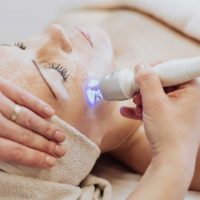
RF microneedling sessions take 30 to 45 minutes. Numbing cream gets applied for 30 minutes first. Once numb, the device moves over your skin creating tiny needles that deliver radiofrequency energy.
You’ll feel warmth and prickling during treatment. Your skin will be red afterward, like a sunburn. That usually fades within 24 to 48 hours. You can return to work the next day with some residual redness.
You’ll need three to five sessions spaced about a month apart. Results develop gradually over two to three months as new collagen forms.
Ultrasound treatments feel like a warm massage. The treatment head delivers focused energy while moving across your skin. You might feel tingling or deep warmth during the procedure.
Sessions last 30 to 60 minutes. There’s no downtime. Results develop over two to three months as collagen production increases.
Laser resurfacing requires more recovery. After numbing, the laser removes outer skin layers while heating deeper layers. You’ll have redness, swelling, and peeling for 7 to 14 days.
Results are dramatic but require recovery time. Your skin needs to heal and regenerate before you see final results.
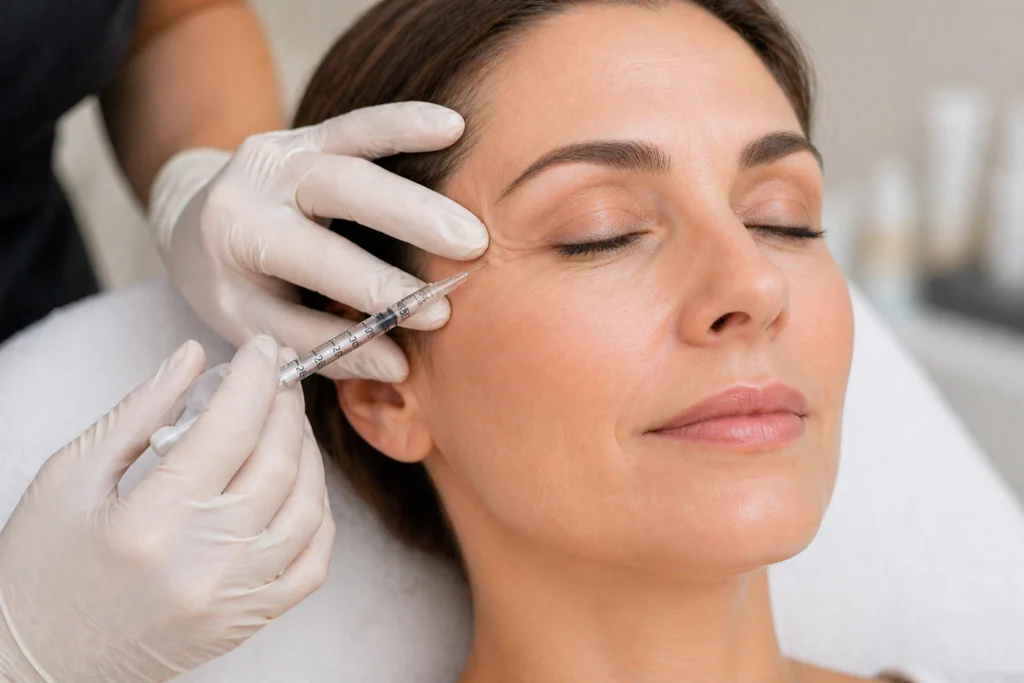
Filler treatments take 15 to 30 minutes. After cleaning the area, your provider injects filler into specific points. You’ll feel pressure and maybe some pinching.
Results show up immediately. You might have mild swelling for a day or two. You can return to normal activities right away.
The American Society of Plastic Surgeons reports that 89% of people who get non surgical facial treatments return to normal activities within one to three days. That’s one of the biggest benefits compared to surgical facelifts.
If you’re curious about what to expect, schedule a consultation. We can walk you through the entire process and answer all your questions.
Maintaining Your Results
Getting tighter facial skin is just the beginning. Maintaining results requires ongoing care and regular touch-up treatments.
Thread lift results last 12 to 24 months before you need another treatment. The threads dissolve within six to eight months, but the collagen they stimulated continues supporting your skin.
RF microneedling maintenance involves one to two sessions per year after your initial series. This keeps collagen production active and maintains the skin tightening you achieved.
Ultrasound treatments typically need maintenance once a year. Some people can stretch it to 18 months between sessions.
Regular skincare is critical. Use sunscreen every single day. The American Academy of Dermatology recommends SPF 30 or higher applied every morning. UV exposure breaks down collagen and reverses your treatment results.
Use a prescription retinoid at night. Tretinoin boosts collagen production between professional treatments. Research shows that consistent retinoid use can improve skin firmness by 15% to 20% over time.
Apply a quality moisturizer morning and night. Well-hydrated skin looks plumper and firmer. Look for products with hyaluronic acid, ceramides, or peptides.
Consider adding vitamin C serum in the morning. Vitamin C protects against environmental damage and supports collagen production.
Don’t forget the basics. Get enough sleep. Your body produces most of its collagen during deep sleep. Aim for 7 to 9 hours nightly.
Manage stress levels. Chronic stress increases cortisol, which breaks down collagen. Find stress management techniques that work for you.
Eat a diet rich in protein, antioxidants, and healthy fats. Your body needs these nutrients to maintain collagen production and skin health.
Stay hydrated by drinking plenty of water throughout the day. Dehydrated skin looks more saggy and wrinkled.
Quit smoking if you haven’t already. Smoking breaks down collagen faster than almost anything else. Quitting can improve your skin quality within months.
Maintain stable weight. Weight fluctuations stretch skin and can reverse your tightening results. If you’re working on weight loss, do it gradually.
Consider regular facials or chemical peels to keep skin healthy between major treatments.
The Skin Cancer Foundation reports that people who follow comprehensive skincare routines maintain their treatment results 40% longer than those who only rely on professional treatments.
Cost Of Facial Skin Tightening Treatments
Treatment costs for facial skin tightening vary based on which options you choose and how many treatments you need.
Thread lifts typically cost $1,500 to $4,500 depending on how many threads you need. Most people need 6 to 12 threads total for comprehensive facial lifting.
RF microneedling costs $500 to $1,000 per session for the face. You’ll need three to five sessions initially, then maintenance treatments once or twice a year. Initial series costs $1,500 to $5,000.
Ultrasound skin tightening ranges from $1,500 to $3,500 for full face treatment. Most people need one to two sessions, with maintenance every 12 to 18 months.
Laser resurfacing costs $2,000 to $4,500 for the full face. Results can last several years, so you won’t need frequent treatments.
Dermal fillers for facial lifting cost $800 to $1,500 per syringe. Most people need 2 to 4 syringes for noticeable improvement. Fillers last 9 to 18 months depending on the product.
While these numbers might seem high, compare them to surgical facelifts. The American Society of Plastic Surgeons reports that the average facelift costs $8,500, not including anesthesia, facility fees, or other expenses. Plus surgery requires weeks of recovery.
Many people find that spreading treatments over time makes them more affordable. You might start with one option, see how it works, then add others later based on your budget and results.
Some practices offer package deals or membership programs that reduce per-treatment costs. At Slimming Solutions Med Spa, we work with clients to create treatment plans that fit their budget and goals.
Remember that non surgical treatments need maintenance. Factor those ongoing costs into your planning. The good news is that as your skin improves, you might need treatments less frequently over time.
Insurance never covers treatments for facial skin tightening since they’re considered cosmetic. All costs are out-of-pocket. Some practices offer financing options that let you pay over time.
When considering cost, think about the per-month investment. If a treatment series costs $3,000 and results last 18 months, that’s about $167 per month. Many people find that more manageable than thinking about the lump sum.
If you’re curious about pricing for your specific situation, schedule a consultation. We can give you accurate pricing based on your individual needs and goals.
Final Thoughts
Tightening skin on your face is absolutely possible without surgery. Modern treatments like radiofrequency microneedling, ultrasound, thread lifts, and laser resurfacing can create noticeable improvement for mild to moderate skin laxity.
The best approach usually combines treatments that address different aspects of facial aging. Thread lifts for immediate lift, RF microneedling for long-term skin quality, and good skincare for maintenance create the most comprehensive results.
Starting treatment earlier gives you better results than waiting until sagging is severe. But even moderate to significant laxity can be dramatically improved with the right combination of treatments.
Results require maintenance, but many people find that regular touch-ups fit easily into their routine. The investment in time and money is worth it for most people who want to look and feel their best.
Here in Lee’s Summit, we help people tackle facial skin laxity every day. We’ve seen what works and what doesn’t. The right treatment plan makes all the difference.
If loose facial skin is bothering you, don’t wait for it to get worse. The sooner you address it, the easier it is to treat and the better your results will be.
Contact us to discuss your options. We’ll examine your face, discuss your concerns and goals, and create a customized treatment plan that makes sense for you. You deserve to feel confident when you look in the mirror.
![[thumb]](https://slimmingsolutionsspa.com/wp-content/uploads/2023/12/botox1-150x150.png)
![[thumb]](https://slimmingsolutionsspa.com/wp-content/uploads/2023/12/Before2-150x150.png)
![[thumb]](https://slimmingsolutionsspa.com/wp-content/uploads/2023/12/Before3-150x150.png)
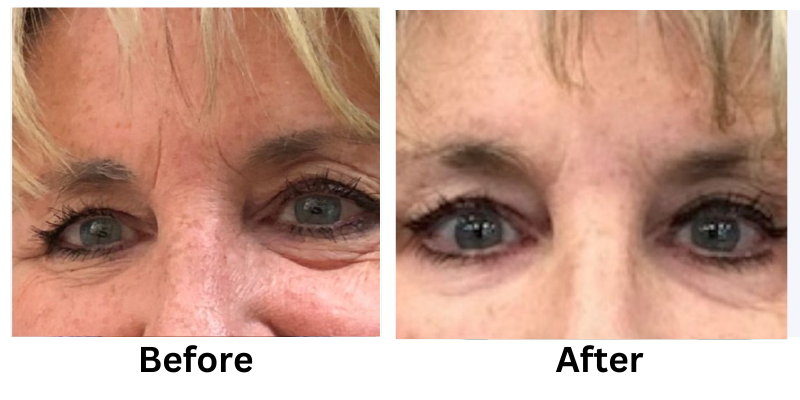
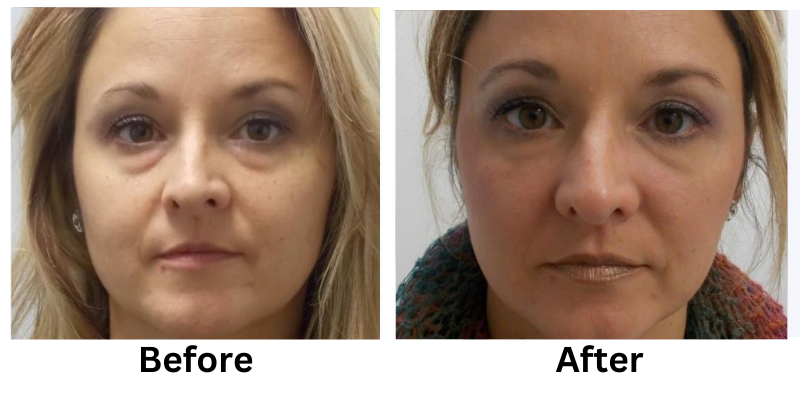
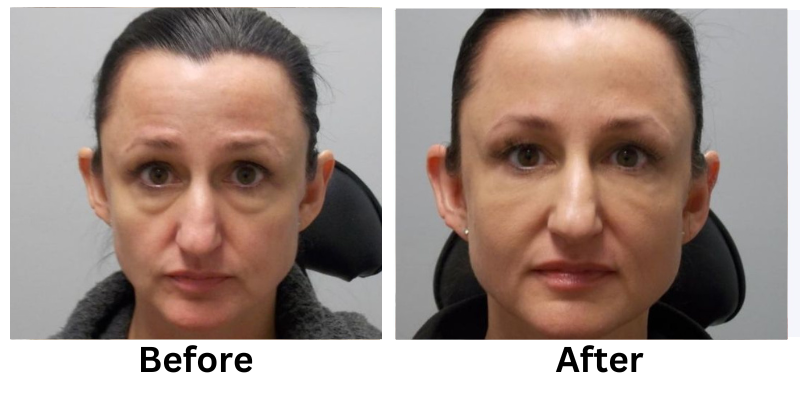
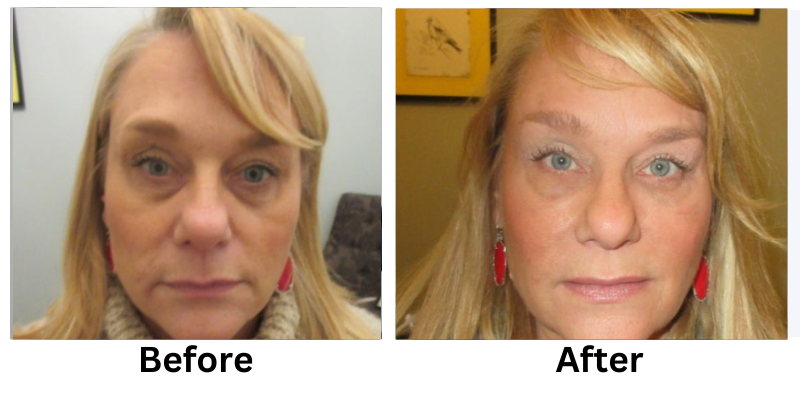


![[thumb]](https://slimmingsolutionsspa.com/wp-content/uploads/2023/12/revanesse-versa-1-150x150.png)
![[thumb]](https://slimmingsolutionsspa.com/wp-content/uploads/2023/12/revanesse-versa-2-150x150.png)
![[thumb]](https://slimmingsolutionsspa.com/wp-content/uploads/2023/12/revanesse-versa-3-150x150.png)
![[thumb]](https://slimmingsolutionsspa.com/wp-content/uploads/2023/12/revanesse-versa-4-150x150.png)
![[thumb]](https://slimmingsolutionsspa.com/wp-content/uploads/2023/12/revanesse-versa-5-150x150.png)
![[thumb]](https://slimmingsolutionsspa.com/wp-content/uploads/2024/01/Eyebrow-treatment-1-1-150x150.png)
![[thumb]](https://slimmingsolutionsspa.com/wp-content/uploads/2023/12/Skin-Rejuvenation-1-150x150.png)
![[thumb]](https://slimmingsolutionsspa.com/wp-content/uploads/2023/12/Skin-Rejuvenation-2-150x150.png)


![[thumb]](https://slimmingsolutionsspa.com/wp-content/uploads/2024/01/Lip-Filler-1-150x150.png)
![[thumb]](https://slimmingsolutionsspa.com/wp-content/uploads/2024/01/Lip-Filler-2-150x150.png)
![[thumb]](https://slimmingsolutionsspa.com/wp-content/uploads/2025/02/Lip-Filler-1-150x150.png)
![[thumb]](https://slimmingsolutionsspa.com/wp-content/uploads/2024/01/Lip-Filler-150x150.jpg)
![[thumb]](https://slimmingsolutionsspa.com/wp-content/uploads/2024/01/Before-1-150x150.jpg)

![[thumb]](https://slimmingsolutionsspa.com/wp-content/uploads/2024/01/RHA-Treatmetn-3-150x150.png)
![[thumb]](https://slimmingsolutionsspa.com/wp-content/uploads/2024/01/RHA-Treatmetn-2-150x150.png)
![[thumb]](https://slimmingsolutionsspa.com/wp-content/uploads/2024/01/RHA-Treatmetn-1-150x150.png)
![[thumb]](https://slimmingsolutionsspa.com/wp-content/uploads/2024/01/Thread-Lifts-1-150x150.png)
![[thumb]](https://slimmingsolutionsspa.com/wp-content/uploads/2024/01/Thread-Lifts-2-150x150.png)
![[thumb]](https://slimmingsolutionsspa.com/wp-content/uploads/2025/02/Lip-Filler-2-150x150.png)

![[thumb]](https://slimmingsolutionsspa.com/wp-content/uploads/2023/12/skin-reuvulation1-150x150.png)
![[thumb]](https://slimmingsolutionsspa.com/wp-content/uploads/2023/12/skin-rejuvulation-2-150x150.png)
![[thumb]](https://slimmingsolutionsspa.com/wp-content/uploads/2023/12/Skin-Tighting-150x150.png)
![[thumb]](https://slimmingsolutionsspa.com/wp-content/uploads/2023/12/Before-150x150.jpg)
![[thumb]](https://slimmingsolutionsspa.com/wp-content/uploads/2023/12/weightloss-1-150x150.png)
![[thumb]](https://slimmingsolutionsspa.com/wp-content/uploads/2023/12/weightloss-2-150x150.png)
![[thumb]](https://slimmingsolutionsspa.com/wp-content/uploads/2023/12/2Weight-Loss-2-150x150.png)
![[thumb]](https://slimmingsolutionsspa.com/wp-content/uploads/2025/02/Weight-Loss-1-new-150x150.png)
![[thumb]](https://slimmingsolutionsspa.com/wp-content/uploads/2023/12/Weight-Loss-3-150x150.png)
![[thumb]](https://slimmingsolutionsspa.com/wp-content/uploads/2025/03/Slimming-Solutions-BA-Template-150x150.png)


![[thumb]](https://slimmingsolutionsspa.com/wp-content/uploads/2023/12/dat3-150x150.png)
![[thumb]](https://slimmingsolutionsspa.com/wp-content/uploads/2023/12/dat-0-150x150.png)
![[thumb]](https://slimmingsolutionsspa.com/wp-content/uploads/2023/12/dat-1-150x150.png)
![[thumb]](https://slimmingsolutionsspa.com/wp-content/uploads/2023/12/Before-1-150x150.png)

![[thumb]](https://slimmingsolutionsspa.com/wp-content/uploads/2024/01/EMS-Treatment-2-150x150.png)
![[thumb]](https://slimmingsolutionsspa.com/wp-content/uploads/2024/01/EMS-Treatment-1-150x150.png)
![[thumb]](https://slimmingsolutionsspa.com/wp-content/uploads/2025/02/ems-BNA-front-150x150.png)
![[thumb]](https://slimmingsolutionsspa.com/wp-content/uploads/2025/02/EMS-bna-SIDE-150x150.png)
![[thumb]](https://slimmingsolutionsspa.com/wp-content/uploads/2024/01/EMS-Treatment-6-150x150.png)