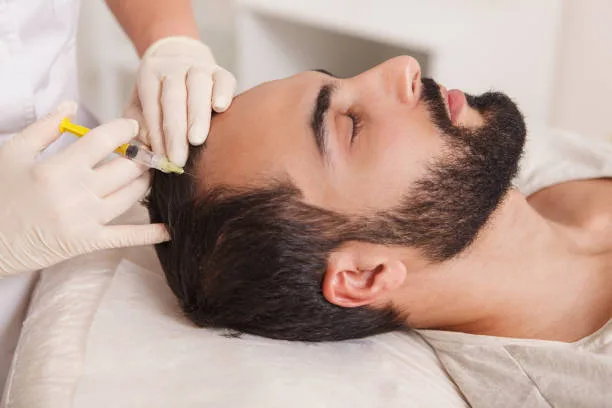
No, Botox does not cause cancer. There is no scientific evidence linking Botox injections to tumor growth, genetic mutations, or any increased cancer risk. Botox targets the neuromuscular junction, the point where a nerve meets a muscle, and temporarily blocks a chemical signal called acetylcholine. That action stays localized at the injection site. Botox does not enter cell nuclei, does not alter DNA, and does not cause the type of cellular damage that leads to cancer.
This concern comes up often because Botox is derived from a bacterial toxin, and the word “toxin” naturally sounds alarming. But a toxin and a carcinogen are two completely different things. A carcinogen damages DNA and triggers uncontrolled cell growth. Botox does neither. In fact, emerging research suggests Botox may actually help slow the growth of certain cancer cells. This article breaks down where the cancer myth comes from, what the research actually says, what the real side effects of Botox are, and why decades of clinical data confirm its safety.
Why Do People Think Botox Causes Cancer?
People think Botox causes cancer because the word “toxin” in botulinum toxin triggers an automatic association with danger, poison, and disease. That association is understandable but incorrect when applied to cancer specifically. Botox is a purified protein derived from the bacterium Clostridium botulinum, the same organism that causes botulism in contaminated food. The connection to botulism, a serious and sometimes fatal illness, amplifies the fear that Botox must be harmful at a fundamental biological level.
The critical distinction is between a neurotoxin and a carcinogen. A neurotoxin disrupts nerve signaling. A carcinogen damages the genetic code inside cells, causing mutations that lead to uncontrolled cell division. These are entirely different biological mechanisms. Botox is a neurotoxin that temporarily blocks nerve signals to a targeted muscle. It does not interact with the genetic material inside any cell. The confusion between “toxic substance” and “cancer-causing substance” is the root of this myth, and it persists because social media and online forums rarely make the distinction clear.
Another factor is the sheer popularity of how Botox works as a topic online. According to the American Society of Plastic Surgeons (ASPS), over 9.48 million Botox procedures were performed in the most recent reporting year. When tens of millions of people use a product, questions about long-term safety naturally multiply. Those questions are valid, and they deserve real answers grounded in science rather than speculation.
Is There a Link Between Botox Injections and Cancer?
No, there is no link between Botox injections and cancer. Multiple clinical trials, decades of post-market surveillance by the U.S. Food and Drug Administration (FDA), and a comprehensive 2020 review published in the journal Toxins have all reached the same conclusion: Botox is not a carcinogen and does not increase cancer risk at standard clinical doses.
The 2020 Toxins review (published by the National Institutes of Health, PMC7020400) examined dozens of studies investigating the relationship between botulinum neurotoxin (BoNT) and cancer. The review found no evidence that Botox promotes tumor formation or accelerates cancer cell growth. In fact, the opposite pattern appeared: in six separate in-vitro studies, adding BoNT-A to cancer cell cultures actually reduced cell growth, induced apoptosis (programmed cell death), and inhibited mitosis (cell division) in prostate, breast, colon, and pancreatic cancer cell lines.
Clinical trial data reinforces this conclusion. In a large-scale trial (NCT01189760) comparing onabotulinumtoxinA at 44 units against a placebo, the incidence of cancer in the Botox group was statistically identical to the placebo group. Basal cell carcinoma occurred in 0.33% of the Botox group and 0% of placebo. Breast cancer occurred in 0% of the Botox group and 0.33% of placebo. These rates reflect normal background cancer incidence in the general population, not a treatment effect. The FDA has monitored Botox continuously since its initial medical approval on December 9, 1991, and its cosmetic approval on April 12, 2002, and has never issued a warning linking Botox to cancer.
How Does Botox Work in the Body?
Botox works in the body by binding to presynaptic cholinergic nerve terminals and blocking the release of acetylcholine, which temporarily prevents the targeted muscle from contracting. The entire process is localized, meaning the Botox protein stays at the injection site and acts only on the nerve endings in the immediate area. It does not circulate through the bloodstream in a meaningful way at clinical doses, and it does not reach internal organs.
The reason Botox cannot cause cancer becomes clear when you compare its mechanism to how actual carcinogens work. Carcinogens like ultraviolet radiation, tobacco smoke, and certain industrial chemicals cause cancer by entering cells, reaching the nucleus, and damaging DNA. That DNA damage creates mutations that can trigger uncontrolled cell growth over time. Botox does none of this. The onabotulinumtoxinA protein is far too large to pass through a cell membrane and enter the nucleus. It acts exclusively on the exterior surface of the nerve terminal, blocking a chemical messenger. The muscle relaxes, the skin above the muscle smooths, and the effect wears off in 3 to 4 months as the nerve regenerates its connection.
| Factor | How Botox Works | How Carcinogens Work |
|---|---|---|
| Target | Presynaptic nerve terminal (neuromuscular junction) | DNA inside the cell nucleus |
| Mechanism | Blocks acetylcholine release to relax muscle | Damages genetic code, causes mutations |
| Location of action | Localized at injection site | Can affect cells throughout the body |
| Enters cell nucleus? | No, protein is too large | Yes, reaches and alters DNA |
| Duration | Temporary (3-4 months) | Permanent DNA damage (cumulative) |
| Effect on cell growth | No effect on cell division | Triggers uncontrolled cell division |
The temporary nature of Botox is itself a safety feature. Clinical doses contain approximately one-thousandth of the amount needed to produce systemic toxicity. The body metabolizes the protein naturally, and the nerve-to-muscle connection rebuilds over 3 to 4 months. This cycle of temporary blockade and natural regeneration has been repeated safely in millions of patients for over three decades. According to Allergan (now AbbVie), the manufacturer of Botox Cosmetic, 574 peer-reviewed articles have been published on the product’s safety and efficacy, making it one of the most studied medications in the world.
Can Botox Actually Help Fight Cancer?
Yes, emerging research suggests Botox may actually help fight certain types of cancer by disrupting nerve signals that tumors rely on for growth. This is perhaps the most striking finding in the Botox-cancer research: far from causing cancer, botulinum toxin has shown anti-cancer properties in multiple preclinical studies.
A landmark 2014 study published in Science Translational Medicine by researchers at Columbia University and the Norwegian University of Science and Technology demonstrated that cutting the vagus nerve to the stomach, or blocking its signal with botulinum toxin injections, prevented the development and progression of gastric cancer in mouse models. The vagus nerve supplies chemical signals that cancer stem cells use to grow and divide. Blocking those signals with Botox starved the tumors of a key growth stimulus. Subsequent experiments in the same mouse models showed that Botox injections combined with traditional chemotherapy enhanced survival even in mice with advanced tumors. A phase 2 clinical trial is underway in Norway to test this approach in human patients with inoperable stomach cancer.
In laboratory settings, the 2020 Toxins review documented that BoNT-A induced apoptosis (cell death) and reduced tumor size when injected directly into malignant tumors in three separate animal studies. A 2019 study published in the Iranian Journal of Pharmaceutical Research found that botulinum toxin type-A stimulated p53 gene activity in colon and prostate cancer cell lines. The p53 gene is a tumor suppressor, and activating it causes cancer cells to self-destruct. Beyond direct anti-tumor effects, Botox has also been used to manage cancer-related pain. A 2024 systematic review of randomized controlled trials found that Botox injections reduced pain and improved quality of life in patients with breast, head and neck, and esophageal cancers.
This research is still early-stage, and Xeomin and other neurotoxins are being studied alongside onabotulinumtoxinA for similar potential. But the direction of the evidence is clear: Botox does not promote cancer, and it may eventually become part of cancer treatment protocols.
What Are the Long-Term Side Effects of Botox?
The long-term side effects of Botox are limited primarily to localized muscle weakness in the treated area after repeated injections over many years. Cancer is not among them. The most common side effects of Botox are short-term and minor: bruising at the injection site, temporary swelling, mild headache, and occasional flu-like symptoms in the first 24 to 48 hours. These effects resolve on their own within days.
The most notable longer-term effect of repeated Botox use is gradual weakening and atrophy of the targeted muscles. When a muscle is consistently prevented from contracting over months and years of treatment, it naturally loses some of its bulk and strength. For many patients, this is actually a welcome effect. Muscle atrophy in the forehead, for example, means the muscle generates less force even when Botox wears off, so fine lines and wrinkles form more slowly and treatments can be spaced further apart.
Eyelid ptosis (drooping) is the most discussed complication of cosmetic Botox, though it is uncommon. According to a 2025 study by Rengifo-Palacios, ptosis occurs in 2.5% to 5.4% of treatments by less experienced injectors, but drops to 0.51% to 1% with experienced injectors. Ptosis is temporary and resolves as the Botox wears off, typically within weeks. The FDA prescribing information for Botox includes a boxed warning about the potential spread of toxin effects away from the injection site, which in extremely rare cases can cause muscle weakness, difficulty swallowing, or breathing problems. These serious effects are far more common at the high doses used for medical conditions like cervical dystonia (200+ units) than at the small doses used for cosmetic wrinkle treatment (20 to 60 units).
Is Botox 100% Safe?
Botox is not 100% safe in the sense that no medical treatment carries zero risk, but it has one of the strongest safety records of any injectable medication in clinical use today. The product has been FDA-approved for over 30 years, studied in 574+ peer-reviewed publications, and administered in tens of millions of procedures worldwide. The vast majority of patients experience no side effects beyond minor, temporary bruising or swelling.
The real safety concern with Botox is not the product itself. It is who administers it and whether the product is authentic. A March 2024 CDC report documented seven women in Tennessee and New York City who became seriously ill after receiving botulinum toxin injections in nonmedical settings. Four of them required hospitalization. At least four of the patients had received counterfeit product from unlicensed providers. Authentic Botox manufactured by AbbVie undergoes rigorous purification, potency testing, and quality control. Counterfeit products do not.
Patients in Lee’s Summit and the Kansas City area who want safe Botox results should follow these precautions:
- Choose a licensed medical provider with specific training and experience in neurotoxin injections. A Master Injector or board-certified provider reduces complication risk significantly.
- Verify that the product is FDA-approved onabotulinumtoxinA (Botox Cosmetic) or another approved neurotoxin (Dysport, Xeomin, Jeuveau). Ask to see the vial.
- Receive treatment in a licensed medical facility, not a home setting, hotel room, or pop-up clinic.
- Disclose your complete medical history, including any neuromuscular conditions, allergies, or current medications, before treatment.
- Follow all post-treatment aftercare instructions provided by your injector to minimize side effects.
When these precautions are followed, Botox is one of the safest cosmetic procedures available. The overall complication rate for cosmetic neurotoxin injections is approximately 16%, and the vast majority of those complications are minor and temporary, like headache, bruising, or mild swelling that resolves within days.
Can Botox Cause Other Serious Health Problems?
Botox does not cause ALS, dementia, stroke, multiple sclerosis, or other serious systemic diseases. These concerns appear frequently in online searches, and they deserve direct answers. The secondary keyword data for this topic reveals that people search for “can Botox cause ALS,” “can Botox cause dementia,” “can Botox cause stroke,” and dozens of similar queries. In every case, the clinical evidence provides the same answer: no.
Here is why Botox cannot cause these conditions:
- ALS (amyotrophic lateral sclerosis): ALS is a progressive neurodegenerative disease caused by the death of motor neurons in the brain and spinal cord. Botox acts only on the peripheral nerve terminal at the injection site. It does not cross the blood-brain barrier and does not reach the central nervous system at clinical doses. Botox cannot cause motor neuron death because it never contacts motor neurons in the brain or spinal cord.
- Dementia: Dementia involves the progressive loss of cognitive function due to brain cell death, most commonly from Alzheimer’s disease. Botox does not enter the brain, does not damage brain cells, and does not affect cognitive function. No clinical study has found any association between Botox use and dementia.
- Stroke: Stroke occurs when blood flow to the brain is interrupted by a clot or a ruptured blood vessel. Botox does not affect blood vessels, blood clotting, or cardiovascular function. There is no physiological mechanism by which Botox could cause a stroke.
- Multiple sclerosis (MS): MS is an autoimmune disease in which the immune system attacks the myelin sheath around nerve fibers. Botox does not trigger autoimmune responses and does not affect the immune system. In fact, Botox is sometimes used to treat MS-related spasticity.
- Depression: Some patients search for “can Botox cause depression.” Research actually suggests the opposite. A 2020 study in the Journal of Psychiatric Research found that Botox injections were associated with a significant reduction in depression symptoms across multiple treatment sites, possibly because reduced frowning interrupts the facial feedback loop that reinforces negative mood.
The conditions Botox can cause are limited, temporary, and localized: bruising, swelling, headache, ptosis, mild muscle weakness at the injection site, and very rarely, spread of toxin effects beyond the intended area. None of these are systemic diseases. All resolve as the Botox wears off.
Who Is Not a Good Candidate for Botox?
A person who is not a good candidate for Botox includes anyone with a known neuromuscular disorder, an allergy to botulinum toxin or any ingredient in the formulation, an active skin infection at the proposed injection site, or who is pregnant or breastfeeding. These are the established medical contraindications, and your injector should screen for all of them during your consultation.
Neuromuscular conditions like myasthenia gravis, Lambert-Eaton syndrome, and amyotrophic lateral sclerosis (ALS) make patients more sensitive to the effects of botulinum toxin. In these patients, even small doses can cause exaggerated muscle weakness that extends beyond the injection site. The FDA boxed warning on Botox specifically addresses this population. Patients taking aminoglycoside antibiotics or other drugs that affect neuromuscular transmission should also discuss the interaction with their provider before receiving neurotoxin injections.
Pregnant and breastfeeding patients should avoid Botox because there is not enough clinical data to confirm its safety during pregnancy. Animal studies have not shown reproductive harm at clinical doses, but human data is insufficient, so the standard recommendation is to wait. Patients with an active infection, rash, or open wound at the injection site should postpone treatment until the area has healed, because injecting through compromised skin increases the risk of infection and poor results.
What Happens After 20 Years of Botox?
After 20 years of Botox, the treated muscles are typically weaker and smaller from long-term repeated relaxation, and many patients need fewer units per session or can extend the time between appointments. Cancer does not develop. No long-term safety concerns have been identified with consistent Botox use over decades when administered by a qualified provider at standard doses.
The muscle weakening that occurs after years of repeated Botox is the only documented long-term structural change. The frontalis muscle (forehead), corrugator supercilii (between the eyebrows), and orbicularis oculi (around the eyes) all gradually lose bulk when they are prevented from contracting regularly. For cosmetic patients, this muscle atrophy is beneficial. Weaker muscles generate less force, which means fewer and shallower wrinkles form even between treatments. Some long-term patients report that their skin looks smoother and more youthful than peers who never received Botox, precisely because years of reduced muscle activity prevented deep wrinkles from forming in the first place.
The neurotoxin itself does not accumulate in the body. Each dose of Botox is metabolized and cleared naturally within weeks. The 3-to-4-month duration of visible results reflects the time it takes for the nerve to regenerate its connection to the muscle, not the presence of residual product. After 20 years, a patient has received and fully cleared 60 to 80 separate doses, each one independent of the last. How long Botox lasts depends on the individual, but the clearance mechanism remains the same whether it is your first treatment or your hundredth.
Frequently Asked Questions
Does Botox Eventually Age You?
No, Botox does not eventually age you. Long-term Botox use actually helps slow the visible aging process by preventing the repeated muscle contractions that create deep wrinkles over time. Some patients worry that stopping Botox after years of use will cause a sudden “aging” effect, but this is a misconception. When you stop Botox, your muscles gradually regain their normal movement, and wrinkles return to where they would have been naturally. You do not look worse than if you had never used Botox. You simply resume the normal aging process from a better starting point.
Can Botox in the Armpits Cause Cancer?
No, Botox in the armpits cannot cause cancer. Botox injections for hyperhidrosis (excessive sweating) work by blocking the nerve signals to sweat glands, not by interacting with lymph nodes, breast tissue, or any cellular structure involved in cancer development. The proximity of underarm injection sites to lymph nodes has fueled this concern, but Botox does not affect lymphatic tissue. The FDA approved Botox for axillary hyperhidrosis in 2004, and no increased cancer risk has been identified in the two decades since.
Is It Better to Start Botox Younger or Older?
Starting Botox younger, typically in the mid-to-late 20s or early 30s, is called preventative Botox. Preventative Botox works by relaxing the muscles before deep wrinkles have a chance to form, so the skin stays smooth rather than creasing repeatedly over years. Starting older addresses wrinkles that have already formed, which is still effective but may require higher doses or combination treatments with dermal fillers to restore lost volume. Neither timing carries a cancer risk or a significant safety difference.
Can Cancer Patients Get Botox?
Cancer patients may be able to receive Botox depending on their specific condition, treatment status, and their oncologist’s guidance. Botox does not promote cancer growth, and it has been used to manage cancer-related pain in clinical trials. Patients undergoing active chemotherapy or immunotherapy should discuss any elective procedures with their care team because their immune response may be compromised. Cancer survivors in remission generally face no additional Botox-specific risks beyond those of any other patient.
Does Botox Spread Through the Body?
At standard cosmetic doses of 20 to 60 units, Botox does not spread through the body in a clinically significant way. The neurotoxin stays localized at the injection site, where it binds to the nerve terminal within minutes. The FDA boxed warning addresses the theoretical possibility of toxin spread at higher therapeutic doses (100 to 400 units) used for conditions like cervical dystonia or bladder dysfunction. At those higher doses, spread of toxin effects has been reported in rare cases. Cosmetic doses are far below this threshold.
Do People Look Better With or Without Botox?
Most patients who receive properly administered Botox look naturally refreshed rather than dramatically different. The goal of cosmetic Botox is not to freeze the face or eliminate all expression. It is to soften the dynamic wrinkles that make a person look tired, stressed, or older than they feel. When administered by an experienced injector who understands facial anatomy and proportion, Botox produces results that other people notice as “you look great” without being able to pinpoint why. The pros and cons of Botox are well-documented, and for most patients, the aesthetic benefits significantly outweigh the minimal risks.
The Takeaway
Botox does not cause cancer. No scientific study, clinical trial, or regulatory review has ever found a link between Botox injections and cancer development. The neurotoxin works locally on nerve endings, does not interact with DNA, does not enter cell nuclei, and does not trigger the kind of cellular mutations that cause cancer. In fact, preliminary research suggests Botox may eventually play a role in fighting certain cancers by disrupting the nerve signals tumors depend on for growth. The real side effects of Botox are limited, temporary, and well-understood after more than 30 years of clinical use and 574+ peer-reviewed publications.
If you have been considering Botox but holding back because of cancer concerns, the evidence should put your mind at ease. At Slimming Solutions Med Spa in Lee’s Summit, Nurse Joi has been a Master Injector since 2014 and brings a pain-free, bruise-free technique to every treatment. Call us at (816) 524-3438 to schedule your consultation.
![[thumb]](https://slimmingsolutionsspa.com/wp-content/uploads/2023/12/botox1-150x150.png)
![[thumb]](https://slimmingsolutionsspa.com/wp-content/uploads/2023/12/Before2-150x150.png)
![[thumb]](https://slimmingsolutionsspa.com/wp-content/uploads/2023/12/Before3-150x150.png)
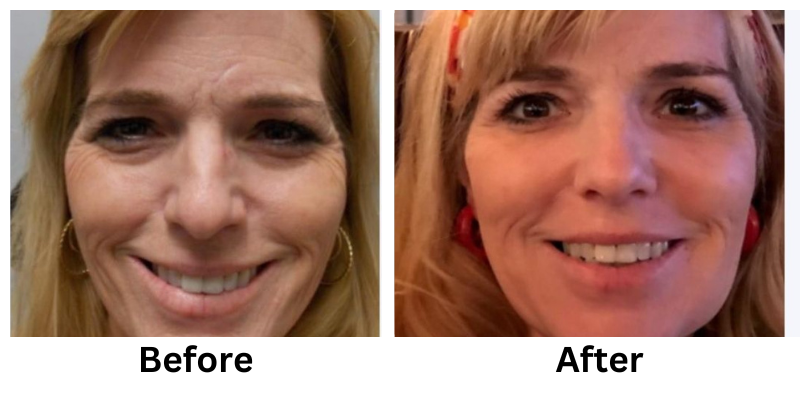
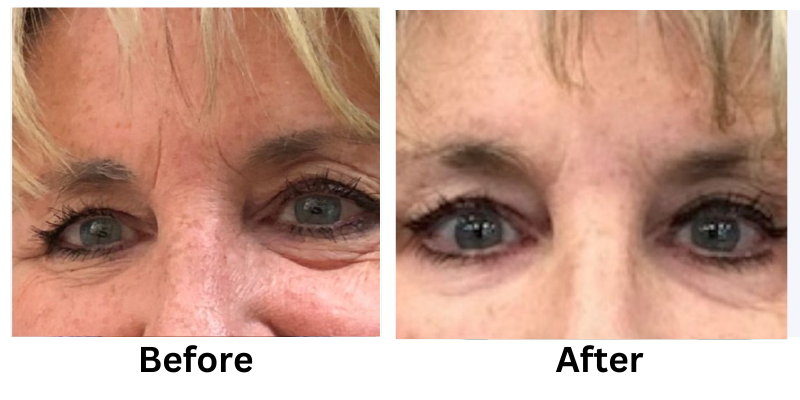
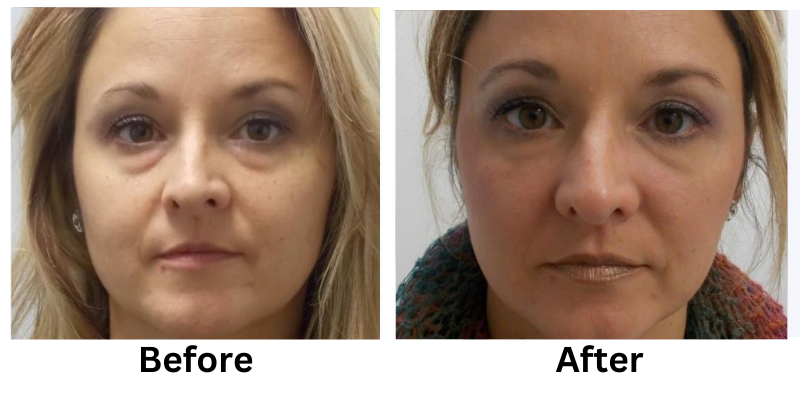
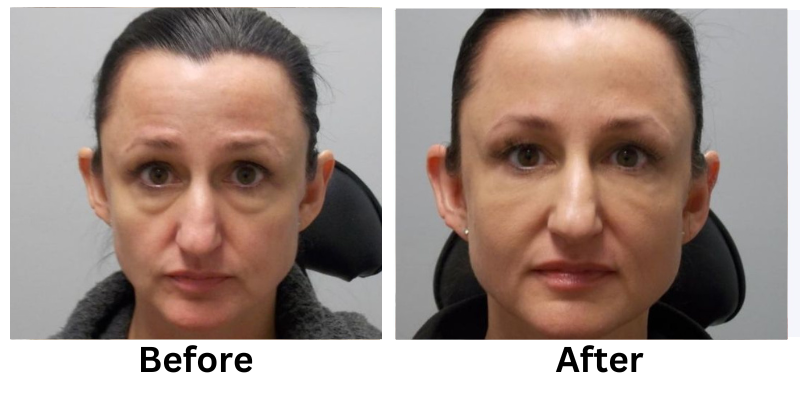


![[thumb]](https://slimmingsolutionsspa.com/wp-content/uploads/2023/12/revanesse-versa-1-150x150.png)
![[thumb]](https://slimmingsolutionsspa.com/wp-content/uploads/2023/12/revanesse-versa-2-150x150.png)
![[thumb]](https://slimmingsolutionsspa.com/wp-content/uploads/2023/12/revanesse-versa-3-150x150.png)
![[thumb]](https://slimmingsolutionsspa.com/wp-content/uploads/2023/12/revanesse-versa-4-150x150.png)
![[thumb]](https://slimmingsolutionsspa.com/wp-content/uploads/2023/12/revanesse-versa-5-150x150.png)
![[thumb]](https://slimmingsolutionsspa.com/wp-content/uploads/2024/01/Eyebrow-treatment-1-1-150x150.png)
![[thumb]](https://slimmingsolutionsspa.com/wp-content/uploads/2023/12/Skin-Rejuvenation-1-150x150.png)
![[thumb]](https://slimmingsolutionsspa.com/wp-content/uploads/2023/12/Skin-Rejuvenation-2-150x150.png)


![[thumb]](https://slimmingsolutionsspa.com/wp-content/uploads/2024/01/Lip-Filler-1-150x150.png)
![[thumb]](https://slimmingsolutionsspa.com/wp-content/uploads/2024/01/Lip-Filler-2-150x150.png)
![[thumb]](https://slimmingsolutionsspa.com/wp-content/uploads/2025/02/Lip-Filler-1-150x150.png)
![[thumb]](https://slimmingsolutionsspa.com/wp-content/uploads/2024/01/Lip-Filler-150x150.jpg)
![[thumb]](https://slimmingsolutionsspa.com/wp-content/uploads/2024/01/Before-1-150x150.jpg)

![[thumb]](https://slimmingsolutionsspa.com/wp-content/uploads/2024/01/RHA-Treatmetn-3-150x150.png)
![[thumb]](https://slimmingsolutionsspa.com/wp-content/uploads/2024/01/RHA-Treatmetn-2-150x150.png)
![[thumb]](https://slimmingsolutionsspa.com/wp-content/uploads/2024/01/RHA-Treatmetn-1-150x150.png)
![[thumb]](https://slimmingsolutionsspa.com/wp-content/uploads/2024/01/Thread-Lifts-1-150x150.png)
![[thumb]](https://slimmingsolutionsspa.com/wp-content/uploads/2024/01/Thread-Lifts-2-150x150.png)
![[thumb]](https://slimmingsolutionsspa.com/wp-content/uploads/2025/02/Lip-Filler-2-150x150.png)

![[thumb]](https://slimmingsolutionsspa.com/wp-content/uploads/2023/12/skin-reuvulation1-150x150.png)
![[thumb]](https://slimmingsolutionsspa.com/wp-content/uploads/2023/12/skin-rejuvulation-2-150x150.png)
![[thumb]](https://slimmingsolutionsspa.com/wp-content/uploads/2023/12/Skin-Tighting-150x150.png)
![[thumb]](https://slimmingsolutionsspa.com/wp-content/uploads/2023/12/Before-150x150.jpg)
![[thumb]](https://slimmingsolutionsspa.com/wp-content/uploads/2023/12/weightloss-1-150x150.png)
![[thumb]](https://slimmingsolutionsspa.com/wp-content/uploads/2023/12/weightloss-2-150x150.png)
![[thumb]](https://slimmingsolutionsspa.com/wp-content/uploads/2023/12/2Weight-Loss-2-150x150.png)
![[thumb]](https://slimmingsolutionsspa.com/wp-content/uploads/2025/02/Weight-Loss-1-new-150x150.png)
![[thumb]](https://slimmingsolutionsspa.com/wp-content/uploads/2023/12/Weight-Loss-3-150x150.png)
![[thumb]](https://slimmingsolutionsspa.com/wp-content/uploads/2025/03/Slimming-Solutions-BA-Template-150x150.png)


![[thumb]](https://slimmingsolutionsspa.com/wp-content/uploads/2023/12/dat3-150x150.png)
![[thumb]](https://slimmingsolutionsspa.com/wp-content/uploads/2023/12/dat-0-150x150.png)
![[thumb]](https://slimmingsolutionsspa.com/wp-content/uploads/2023/12/dat-1-150x150.png)
![[thumb]](https://slimmingsolutionsspa.com/wp-content/uploads/2023/12/Before-1-150x150.png)

![[thumb]](https://slimmingsolutionsspa.com/wp-content/uploads/2024/01/EMS-Treatment-2-150x150.png)
![[thumb]](https://slimmingsolutionsspa.com/wp-content/uploads/2024/01/EMS-Treatment-1-150x150.png)
![[thumb]](https://slimmingsolutionsspa.com/wp-content/uploads/2025/02/ems-BNA-front-150x150.png)
![[thumb]](https://slimmingsolutionsspa.com/wp-content/uploads/2025/02/EMS-bna-SIDE-150x150.png)
![[thumb]](https://slimmingsolutionsspa.com/wp-content/uploads/2024/01/EMS-Treatment-6-150x150.png)