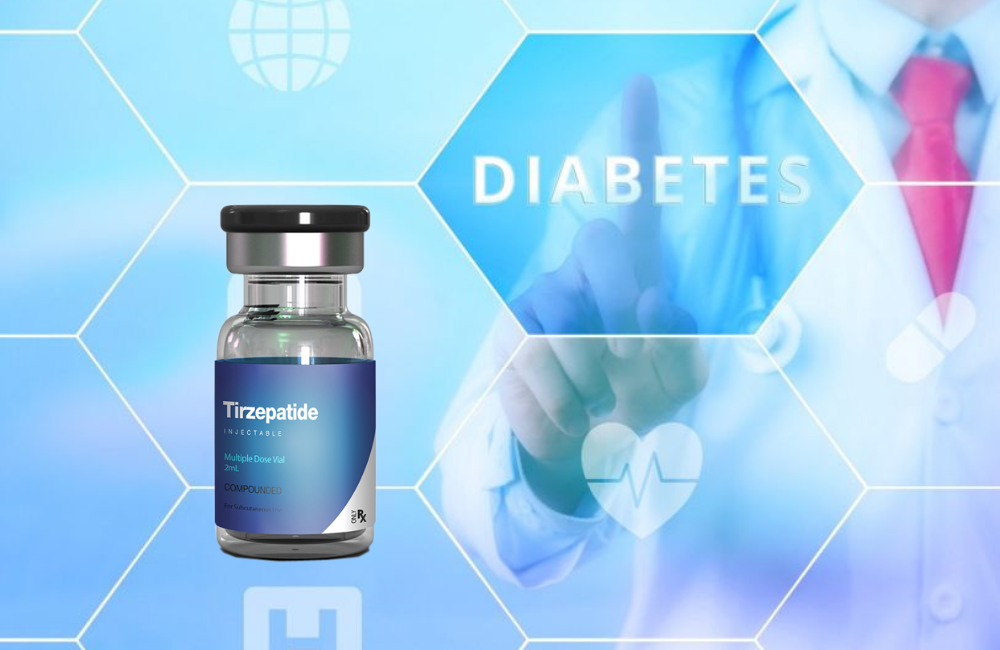
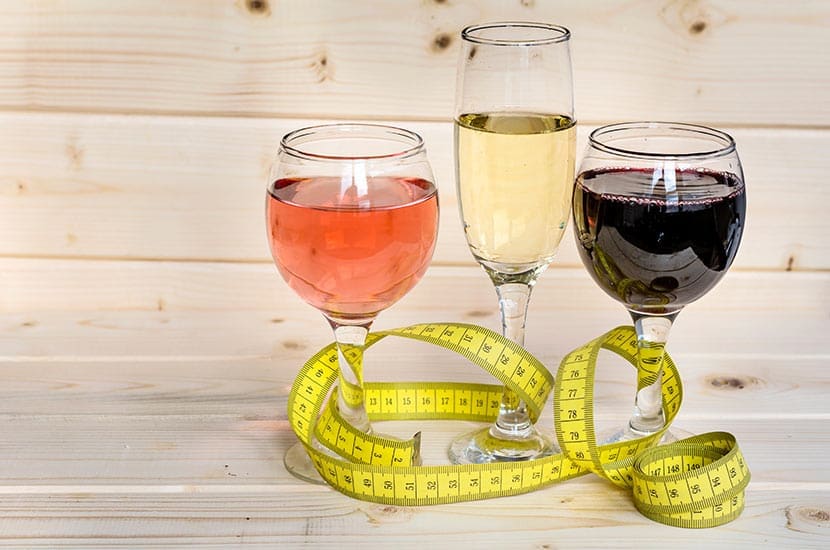
Yes, you can technically drink alcohol while taking tirzepatide (Mounjaro, Zepbound), but most doctors recommend limiting or avoiding it entirely. The FDA prescribing information does not list alcohol as a formal contraindication, meaning there is no official rule that says you absolutely cannot drink. However, alcohol and tirzepatide affect the body in overlapping ways that create real risks when combined. Alcohol worsens the gastrointestinal side effects that tirzepatide already causes, adds empty calories that slow your weight loss progress, raises the risk of dangerously low blood sugar, and increases the chance of pancreatitis in patients who are already at elevated risk from the medication.
This article explains what happens when you mix alcohol and tirzepatide, how drinking affects your results, whether tirzepatide actually helps you drink less, which beverages are better and worse choices, and how to drink as safely as possible if you choose not to quit entirely while on the medication.
What Happens If You Drink Alcohol While Taking Tirzepatide?
If you drink alcohol while taking tirzepatide, the most common outcome is amplified gastrointestinal side effects, including worse nausea, vomiting, and stomach upset, because both substances irritate the digestive system through overlapping mechanisms. Tirzepatide is a dual GIP/GLP-1 receptor agonist that slows gastric emptying as part of how weight loss injections work. Slower gastric emptying means food and liquids sit in the stomach longer than normal. Alcohol is a gastric irritant that increases stomach acid production and inflames the stomach lining. When you combine a stomach that is already emptying slowly with a substance that irritates the stomach lining, the result is frequently stronger nausea, more intense acid reflux, and a higher chance of vomiting.
According to the FDA prescribing information for Mounjaro and Zepbound, gastrointestinal side effects occur in up to 30% to 40% of patients taking tirzepatide, with nausea being the most common. Alcohol amplifies those effects because it triggers its own set of GI symptoms independently. The overlap looks like this:
| Side Effect | Tirzepatide Alone | Alcohol Alone | Combined Risk |
|---|---|---|---|
| Nausea | Yes (common) | Yes | Significantly increased |
| Vomiting | Yes (common) | Yes | Significantly increased |
| Diarrhea | Yes (common) | Yes | Increased, plus dehydration risk |
| Acid reflux | Yes | Yes | Increased |
| Stomach pain | Yes | Yes | Increased |
| Dehydration | Yes (from GI losses) | Yes (diuretic effect) | Compounded risk |
Dehydration is an underappreciated risk of combining tirzepatide and alcohol. Tirzepatide patients who experience vomiting or diarrhea are already losing fluids. Alcohol is a diuretic that causes additional fluid loss through increased urination. The combination can lead to dehydration faster than either substance would on its own. Dehydration worsens headaches, fatigue, dizziness, and can impair kidney function in severe cases. Patients who drink while on tirzepatide should make a deliberate effort to consume extra water before, during, and after any alcohol consumption.
Does Alcohol Affect How Well Tirzepatide Works?
Yes, alcohol affects how well tirzepatide works by adding empty calories that directly undermine the caloric deficit the medication creates, disrupting sleep in ways that increase appetite, and potentially slowing the metabolic improvements tirzepatide produces. Alcohol contains approximately 7 calories per gram, nearly as calorie-dense as fat (9 calories per gram) and significantly more than protein or carbohydrates (4 calories per gram each). Those calories provide zero nutritional value. A single glass of wine adds 120 to 150 calories. A craft beer adds 200 to 300 calories. A margarita can add 300 to 500 calories. Over the course of a week, even moderate drinking can erase a significant portion of the caloric deficit tirzepatide creates through appetite suppression.
A 2018 study published in the journal Obesity followed participants in an intensive lifestyle intervention and found that people who did not drink alcohol lost more weight over four years than those who did, regardless of other dietary factors. The researchers concluded that alcohol consumption independently slowed weight loss progress. For patients investing in a medical weight loss program, drinking regularly while on tirzepatide reduces the return on that investment by working against the medication’s core mechanism.
Sleep disruption compounds the problem. A 2019 study in Current Drug Abuse Reviews confirmed that alcohol fragments sleep architecture, reducing deep sleep and REM sleep even at moderate doses. A 2011 study in Current Opinion in Clinical Nutrition and Metabolic Care found that poor sleep increases appetite and food cravings, particularly for high-calorie, high-carbohydrate foods. Tirzepatide suppresses appetite through GLP-1 and GIP receptor activation. Alcohol-disrupted sleep partially counteracts that suppression by driving up the hormonal hunger signals (ghrelin) that tirzepatide works to dampen. The net effect is a patient who is taking a powerful appetite suppressant but still craving late-night snacks after a few drinks.
Can Alcohol Cause Low Blood Sugar on Tirzepatide?
Yes, alcohol can cause low blood sugar (hypoglycemia) on tirzepatide, and the risk is highest for patients who also take insulin or sulfonylureas alongside their GLP-1 medication. Alcohol suppresses hepatic gluconeogenesis, the liver’s process of producing glucose from non-carbohydrate sources. This suppression can persist for hours after drinking, which means blood sugar can drop dangerously low even after you have stopped drinking. The liver is essentially too busy processing alcohol to maintain normal glucose output.
Tirzepatide enhances insulin secretion in a glucose-dependent manner, which gives it a lower intrinsic hypoglycemia risk compared to insulin or sulfonylureas on their own. But when alcohol’s liver suppression is layered on top of tirzepatide’s insulin enhancement, the combined glucose-lowering effect can exceed what the body can safely manage. The American Diabetes Association (ADA) recommends that patients taking diabetes medications monitor their blood sugar before drinking, during extended drinking occasions, at bedtime, and the following morning, because delayed hypoglycemia can occur up to 24 hours after alcohol intake.
The most dangerous aspect of alcohol-related hypoglycemia is that its symptoms, including confusion, dizziness, slurred speech, and impaired coordination, closely mimic the effects of intoxication. A patient experiencing low blood sugar at a social event may appear drunk to the people around them, and neither the patient nor their companions may recognize that a medical emergency is developing. Patients on tirzepatide who choose to drink should carry fast-acting glucose (glucose tablets or juice), wear medical identification, and inform at least one person they are with that they take blood sugar-lowering medication.
Does Tirzepatide Help You Not Drink Alcohol?
Yes, emerging research suggests that tirzepatide and other GLP-1 medications may reduce alcohol cravings and lower overall alcohol consumption, though they are not FDA-approved for this purpose. This is one of the most surprising findings in GLP-1 research, and it has generated significant interest in the addiction medicine community.
A 2023 study by Virginia Tech researchers, published in Scientific Reports, analyzed approximately 68,250 Reddit posts about GLP-1 medications and conducted a remote study of 153 participants with obesity who were taking semaglutide or tirzepatide. The study found that both medications decreased alcohol cravings, reduced the desire to drink, lowered overall alcohol intake, decreased the number of drinks per session, and reduced the odds of binge drinking. Many patients in the study reported a changed relationship with alcohol that they had not anticipated or sought.
A 2026 study published in eBioMedicine (a Lancet journal) took the research further by testing tirzepatide specifically in rodent models of alcohol use disorder. Tirzepatide consistently reduced alcohol drinking and relapse-like behaviors. Critically, the researchers found that tirzepatide blocked dopamine release in the brain’s reward center in response to alcohol, meaning the drug dampened the pleasurable effect that alcohol normally produces. A 2025 preliminary study in Nature Scientific Reports also found that patients on GLP-1 medications may feel the effects of alcohol more slowly, which is an important safety consideration because it means you might drink more than intended before feeling intoxicated.
Patients in our GLP-1 weight loss program here in Lee’s Summit sometimes tell us they simply lost interest in drinking after starting tirzepatide. That reduced desire is consistent with the research. However, tirzepatide is not an approved treatment for alcohol use disorder, and patients who struggle with alcohol dependence should discuss their situation with their provider rather than relying on the medication as a substitute for dedicated treatment.
What Is the Best Alcohol to Drink While on GLP-1?
The best alcohol to drink while on a GLP-1 medication like tirzepatide is a low-calorie, low-sugar option that minimizes both caloric intake and blood sugar fluctuation. Not all alcoholic beverages carry the same weight loss penalty. Spirits mixed with zero-calorie mixers are the lowest-calorie option. Dry wines are moderate. Sweet cocktails and regular beer are the highest in calories and carbohydrates.
| Beverage | Serving Size | Approximate Calories | Carbohydrates | Notes |
|---|---|---|---|---|
| Vodka or gin with soda water | 1.5 oz spirit + soda | 95-100 | 0g | Lowest calorie option |
| Dry red or white wine | 5 oz | 120-130 | 3-4g | Moderate option; avoid sweet wines |
| Light beer | 12 oz | 95-110 | 3-6g | Lower calorie than regular beer |
| Regular beer | 12 oz | 150-200 | 10-15g | Higher calorie and carb content |
| Craft/IPA beer | 12 oz | 200-350 | 15-25g | Highest calorie beer category |
| Margarita | 8 oz | 300-500 | 30-60g | Sugar-heavy; worst option for weight loss |
| Piña colada | 8 oz | 400-650 | 50-70g | Extremely high in sugar and calories |
The pattern is clear: the simpler the drink, the fewer calories it contains. Adding sugar-based mixers, cream liqueurs, or fruit juice transforms a 100-calorie spirit into a 400-calorie cocktail. For patients on tirzepatide who are working toward a specific weight loss goal, choosing a spirit with soda water and a squeeze of lime over a sugary cocktail can save 200 to 400 calories per drink. Over the course of a social evening, that difference adds up significantly.
How to Drink Safely on Tirzepatide
To drink safely on tirzepatide, you should follow a set of practical guidelines that minimize the risk of worsened side effects, low blood sugar, dehydration, and stalled weight loss. These guidelines come from the ADA’s diabetes management standards, the Dietary Guidelines for Americans, and the clinical recommendations embedded in the FDA prescribing information for tirzepatide.
- Limit yourself to one drink per day for women and two for men, as defined by the Dietary Guidelines for Americans. One standard drink equals 12 ounces of beer (5% alcohol), 5 ounces of wine (12% alcohol), or 1.5 ounces of distilled spirits (40% alcohol).
- Never drink on an empty stomach. Eat a meal containing protein, fiber, and healthy fat before or alongside any alcohol. Food slows alcohol absorption and helps stabilize blood sugar.
- Alternate every alcoholic drink with a full glass of water. Both tirzepatide and alcohol dehydrate the body through different mechanisms, and staying ahead of fluid loss prevents headaches, dizziness, and fatigue.
- Choose low-calorie, low-sugar beverages. Spirits with zero-calorie mixers, dry wine, and light beer are far better choices than sweet cocktails, regular beer, or cream-based drinks.
- Monitor your blood sugar before drinking, during the event, at bedtime, and the following morning, if you take tirzepatide for diabetes or use insulin or sulfonylureas alongside it. Delayed hypoglycemia can occur up to 24 hours after drinking.
- Avoid alcohol during the dose escalation phase of tirzepatide. The first few weeks on a new dose are when GI side effects are most intense. Adding alcohol during this period compounds the nausea, vomiting, and stomach discomfort that are already at their peak.
- Avoid alcohol entirely on injection day and the day after. Some patients report stronger GI effects and worse hangovers close to their injection. Spacing your drinking away from injection day gives your body more time to process the medication before adding alcohol to the mix.
- Carry fast-acting glucose (glucose tablets or juice) and tell at least one person you are with that you take blood sugar medication. Hypoglycemia symptoms can mimic intoxication and delay treatment.
Following these steps does not eliminate risk, but it reduces it substantially. The safest choice is always to avoid alcohol entirely while on tirzepatide, especially during the active weight loss phase when you want the medication working at full effectiveness.
What Not to Do While on Tirzepatide
What you should not do while on tirzepatide includes drinking excessively, skipping meals, ignoring GI side effects, and making dietary choices that work against the medication’s purpose. The food and beverage choices you make while on tirzepatide directly affect how much benefit you get from the medication. Here are the key things to avoid:
- Do not binge drink. Binge drinking (four or more drinks for women, five or more for men, within about two hours) dramatically increases every risk: severe GI upset, dehydration, hypoglycemia, pancreatitis, and caloric excess. The CDC defines binge drinking as the most dangerous pattern of alcohol consumption.
- Do not skip meals to “save calories” for drinking. Skipping meals while on tirzepatide increases your risk of low blood sugar and nutrient deficiency. Eating regular, balanced meals is essential for safe medication use and effective weight loss.
- Do not ignore persistent nausea, vomiting, or stomach pain. If your GI symptoms are severe or worsening, contact your provider. Severe abdominal pain that radiates to the back could signal pancreatitis, which requires urgent medical attention.
- Do not drink heavily if you have a history of pancreatitis. Both tirzepatide and heavy alcohol consumption independently raise the risk of pancreatitis. Combining them in a patient with a prior history of the condition is strongly discouraged by the FDA labeling.
- Do not consume high-sugar beverages, alcoholic or otherwise, in large quantities. Sugary drinks spike blood sugar quickly, which then crashes as insulin and tirzepatide drive it back down. That spike-and-crash cycle worsens appetite, energy, and mood.
- Do not assume you can drink the same amount you did before starting tirzepatide. The 2025 preliminary study in Nature Scientific Reports found that GLP-1 patients may process alcohol differently, potentially feeling intoxication more slowly and accidentally drinking more than intended.
These guidelines protect both your health and your investment in treatment. Patients who follow them consistently tend to see better results and fewer side effects throughout their GLP-1 program.
Can You Drink Coffee While on Tirzepatide?
Yes, you can drink coffee while on tirzepatide, but you should be mindful of how caffeine interacts with the medication’s GI effects and avoid high-calorie coffee drinks that add unnecessary sugar and calories. Plain black coffee contains essentially zero calories and is safe for most tirzepatide patients. However, caffeine stimulates stomach acid production and can accelerate gut motility, which may worsen the nausea, acid reflux, or diarrhea that some patients already experience from tirzepatide.
If coffee upsets your stomach while on tirzepatide, try switching to a lower-acid option like cold brew, reducing the amount you drink, or adding a small amount of food alongside your morning coffee rather than drinking it on an empty stomach. Avoid sugary coffee drinks like frappuccinos, caramel lattes, and flavored creamers that can add 200 to 500 calories per serving. Those calories work directly against the appetite suppression and caloric deficit tirzepatide creates. Black coffee, coffee with a splash of unsweetened almond milk, or coffee with a small amount of plain cream are all reasonable choices that keep your calorie intake in check while you enjoy your caffeine.
Vitamin supplements and adequate hydration are also important while on tirzepatide, since the medication’s appetite-suppressing effects can reduce overall food and fluid intake. Drinking water throughout the day, alongside your coffee, helps prevent the dehydration that both caffeine and tirzepatide contribute to.
Frequently Asked Questions
Should You Avoid Alcohol on Injection Day?
Yes, it is a good idea to avoid alcohol on injection day and the day following your injection. Many patients report that GI side effects are strongest in the 24 to 48 hours after their weekly tirzepatide injection. Drinking alcohol during this window adds gastric irritation on top of the medication’s peak effect, making nausea, vomiting, and stomach discomfort more likely. Spacing your drinking at least two to three days away from your injection day gives your body time to process the dose before adding alcohol.
Can You Drink Wine or Beer on Tirzepatide?
Yes, you can drink wine or beer on tirzepatide. Dry wine (red or white) contains approximately 120 to 130 calories per 5-ounce glass and 3 to 4 grams of carbohydrates, making it a moderate choice. Light beer contains 95 to 110 calories per 12-ounce serving. Regular beer runs 150 to 200 calories, and craft IPAs can exceed 300 calories per serving. If you choose to drink, dry wine and light beer are better options than sweet wines, regular beer, or cocktails.
Does Alcohol Make Tirzepatide Side Effects Worse?
Yes, alcohol makes tirzepatide side effects worse, particularly nausea, vomiting, diarrhea, and acid reflux. Both tirzepatide and alcohol irritate the stomach and slow digestion through different mechanisms. The combination amplifies the GI distress that either substance produces on its own. Patients who experience significant GI side effects from tirzepatide should avoid alcohol until those symptoms stabilize, especially during dose escalation when side effects are most intense.
How Much Weight Will I Lose If I Quit Drinking?
The amount of weight you lose by quitting drinking depends on how much you currently drink, but eliminating alcohol removes a significant source of empty calories and improves sleep quality, both of which accelerate weight loss. A patient who drinks three glasses of wine per week eliminates approximately 400 to 450 calories weekly, which translates to roughly 6 to 7 pounds per year from that single change alone. Combined with the appetite suppression and metabolic improvements from weight loss medication, quitting alcohol can meaningfully boost your overall results.
What Do 7 Days of No Alcohol Do?
Seven days of no alcohol can produce noticeable improvements in sleep quality, hydration, energy levels, mental clarity, and digestive comfort. For tirzepatide patients specifically, a week without alcohol allows the GI system to recover from any irritation, lets the medication work without interference from empty calories, and gives blood sugar levels time to stabilize. Many patients report that a week without alcohol while on tirzepatide is the point where they first notice how much better they feel on the medication alone.
What It All Comes Down To
You can drink on tirzepatide, but every drink works against the medication’s purpose. Alcohol adds empty calories, worsens GI side effects, raises the risk of low blood sugar, disrupts sleep, and can slow your weight loss progress. The safest approach is to limit alcohol to rare occasions, choose low-calorie options, never drink on an empty stomach, stay hydrated, and avoid drinking close to injection day. The emerging research on GLP-1 medications and reduced alcohol cravings is encouraging, and many patients find that tirzepatide naturally lowers their desire to drink, making the choice to cut back easier than expected.
If you are on a weight loss program and have questions about how alcohol fits into your plan, we are here to help. At Slimming Solutions Med Spa in Lee’s Summit, we guide our patients through every aspect of their GLP-1 treatment, including the lifestyle adjustments that make the medication work best. Call us at (816) 524-3438 to schedule a consultation.
![[thumb]](https://slimmingsolutionsspa.com/wp-content/uploads/2023/12/botox1-150x150.png)
![[thumb]](https://slimmingsolutionsspa.com/wp-content/uploads/2023/12/Before2-150x150.png)
![[thumb]](https://slimmingsolutionsspa.com/wp-content/uploads/2023/12/Before3-150x150.png)


![[thumb]](https://slimmingsolutionsspa.com/wp-content/uploads/2023/12/revanesse-versa-1-150x150.png)
![[thumb]](https://slimmingsolutionsspa.com/wp-content/uploads/2023/12/revanesse-versa-2-150x150.png)
![[thumb]](https://slimmingsolutionsspa.com/wp-content/uploads/2023/12/revanesse-versa-3-150x150.png)
![[thumb]](https://slimmingsolutionsspa.com/wp-content/uploads/2023/12/revanesse-versa-4-150x150.png)
![[thumb]](https://slimmingsolutionsspa.com/wp-content/uploads/2023/12/revanesse-versa-5-150x150.png)
![[thumb]](https://slimmingsolutionsspa.com/wp-content/uploads/2024/01/Eyebrow-treatment-1-1-150x150.png)
![[thumb]](https://slimmingsolutionsspa.com/wp-content/uploads/2023/12/Skin-Rejuvenation-1-150x150.png)
![[thumb]](https://slimmingsolutionsspa.com/wp-content/uploads/2023/12/Skin-Rejuvenation-2-150x150.png)


![[thumb]](https://slimmingsolutionsspa.com/wp-content/uploads/2024/01/Lip-Filler-1-150x150.png)
![[thumb]](https://slimmingsolutionsspa.com/wp-content/uploads/2024/01/Lip-Filler-2-150x150.png)
![[thumb]](https://slimmingsolutionsspa.com/wp-content/uploads/2025/02/Lip-Filler-1-150x150.png)
![[thumb]](https://slimmingsolutionsspa.com/wp-content/uploads/2024/01/Lip-Filler-150x150.jpg)
![[thumb]](https://slimmingsolutionsspa.com/wp-content/uploads/2024/01/Before-1-150x150.jpg)

![[thumb]](https://slimmingsolutionsspa.com/wp-content/uploads/2024/01/RHA-Treatmetn-3-150x150.png)
![[thumb]](https://slimmingsolutionsspa.com/wp-content/uploads/2024/01/RHA-Treatmetn-2-150x150.png)
![[thumb]](https://slimmingsolutionsspa.com/wp-content/uploads/2024/01/RHA-Treatmetn-1-150x150.png)
![[thumb]](https://slimmingsolutionsspa.com/wp-content/uploads/2024/01/Thread-Lifts-1-150x150.png)
![[thumb]](https://slimmingsolutionsspa.com/wp-content/uploads/2024/01/Thread-Lifts-2-150x150.png)
![[thumb]](https://slimmingsolutionsspa.com/wp-content/uploads/2025/02/Lip-Filler-2-150x150.png)

![[thumb]](https://slimmingsolutionsspa.com/wp-content/uploads/2023/12/skin-reuvulation1-150x150.png)
![[thumb]](https://slimmingsolutionsspa.com/wp-content/uploads/2023/12/skin-rejuvulation-2-150x150.png)
![[thumb]](https://slimmingsolutionsspa.com/wp-content/uploads/2023/12/Skin-Tighting-150x150.png)
![[thumb]](https://slimmingsolutionsspa.com/wp-content/uploads/2023/12/Before-150x150.jpg)
![[thumb]](https://slimmingsolutionsspa.com/wp-content/uploads/2023/12/weightloss-1-150x150.png)
![[thumb]](https://slimmingsolutionsspa.com/wp-content/uploads/2023/12/weightloss-2-150x150.png)
![[thumb]](https://slimmingsolutionsspa.com/wp-content/uploads/2023/12/2Weight-Loss-2-150x150.png)
![[thumb]](https://slimmingsolutionsspa.com/wp-content/uploads/2025/02/Weight-Loss-1-new-150x150.png)
![[thumb]](https://slimmingsolutionsspa.com/wp-content/uploads/2023/12/Weight-Loss-3-150x150.png)
![[thumb]](https://slimmingsolutionsspa.com/wp-content/uploads/2025/03/Slimming-Solutions-BA-Template-150x150.png)


![[thumb]](https://slimmingsolutionsspa.com/wp-content/uploads/2023/12/dat3-150x150.png)
![[thumb]](https://slimmingsolutionsspa.com/wp-content/uploads/2023/12/dat-0-150x150.png)
![[thumb]](https://slimmingsolutionsspa.com/wp-content/uploads/2023/12/dat-1-150x150.png)
![[thumb]](https://slimmingsolutionsspa.com/wp-content/uploads/2023/12/Before-1-150x150.png)

![[thumb]](https://slimmingsolutionsspa.com/wp-content/uploads/2024/01/EMS-Treatment-2-150x150.png)
![[thumb]](https://slimmingsolutionsspa.com/wp-content/uploads/2024/01/EMS-Treatment-1-150x150.png)
![[thumb]](https://slimmingsolutionsspa.com/wp-content/uploads/2025/02/ems-BNA-front-150x150.png)
![[thumb]](https://slimmingsolutionsspa.com/wp-content/uploads/2025/02/EMS-bna-SIDE-150x150.png)
![[thumb]](https://slimmingsolutionsspa.com/wp-content/uploads/2024/01/EMS-Treatment-6-150x150.png)