
Yes, you can do Botox and a chemical peel at the same time, but the order and timing matter. A 2024 study published in the Journal of Drugs in Dermatology confirmed the safety and effectiveness of receiving both treatments on the same day, with participants showing a 60% improvement in wrinkle severity and a 70% improvement in skin tone after just one combined session. The chemical peel should always come first, followed by Botox injections. This guide covers everything you need to know about combining these two powerful treatments, including the proper sequence, wait times, safety considerations, and the results you can expect.
Should You Do a Chemical Peel or Botox First?
You should do a chemical peel first, followed by Botox. This sequence is critical for both safety and results. The chemical peel works on the surface of the skin, removing dead cells and stimulating collagen production. Once that step is complete, Botox injections can be placed precisely into the targeted muscles without any interference from the peel solution.
If you reverse the order and apply a chemical peel over fresh Botox injection sites, the peel acids can spread the neurotoxin to unintended areas. This can lead to uneven results or unwanted muscle relaxation in nearby areas. According to Dr. Michele Green, a board-certified dermatologist, lighter chemical peels are generally safe to do with Botox on the same day, while heavier peels should be spaced a few days apart to avoid irritation.
According to the American Society of Plastic Surgeons, 4.7 million botulinum toxin type A procedures were performed in the United States in 2023, a 6% increase over the prior year. Many of those patients also received complementary treatments like chemical peels to address multiple skin concerns at once.
Will a Chemical Peel Mess Up Botox?
No, a chemical peel will not mess up Botox when the treatments are done in the correct order. The chemical peel should be applied first, and the Botox should follow. A 2024 clinical study published in the Journal of Drugs in Dermatology enrolled 30 patients aged 30 to 70 with a range of skin types (Fitzpatrick I through VI). Patients received a VI Peel followed immediately by Botox injections. The study reported zero adverse events from combining the two treatments on the same day.
A chemical peel targets the outer and middle layers of skin, while Botox works on the muscles beneath the skin. Because they operate on completely different structures, there is no direct interference between the two when sequenced properly. The peel actually creates a cleaner skin surface for the Botox injections. According to the study’s authors, Dr. Wendy E. Roberts and Nancy Miller of Generational & Cosmetic Dermatology, the peel solution even acts as an antibacterial cleanser before the injections are placed.
How Soon After a Chemical Peel Can You Have Botox?
You can have Botox immediately after a light chemical peel, on the same day. For medium-depth peels, most providers recommend waiting 2 to 4 weeks before getting Botox injections. For deep peels, you should wait 4 to 6 weeks to allow complete healing before any additional facial procedures.
The 2024 Journal of Drugs in Dermatology study demonstrated that same-day treatment with a VI Peel (a medium-depth peel) followed immediately by Botox was safe and effective. However, this was done under controlled clinical conditions with experienced practitioners. First-time patients or those with sensitive skin should space treatments apart to observe individual reactions. A consultation with a trained provider at a medical spa can help determine the right timing based on your skin type and goals.
Clients who are exploring multiple treatment options for fine lines and wrinkles often find that combining these two procedures delivers more comprehensive results than either treatment alone.
Can I Get a Facial 3 Days After Botox?
You can get a facial 3 days after Botox, but it depends on the type of facial. Gentle, non-invasive facials that do not involve deep massage, heat, or pressure on the injection sites are generally safe after 3 days. Facials that involve aggressive exfoliation, microdermabrasion, or chemical solutions should wait at least 1 to 2 weeks after Botox.
The reason for caution is that Botox needs time to bind to the targeted muscles. In the first 24 to 48 hours, vigorous rubbing, pressure, or heat near the injection sites can cause the neurotoxin to migrate to unintended muscles. After 3 days, the Botox has typically settled into place. According to the global Botox market analysis by Coherent Market Insights, the market is valued at $6.21 billion in 2025 and is growing at 10.6% annually, driven by the increasing number of patients combining Botox with other facial rejuvenation treatments.
Clients who want a gentle resurfacing treatment alongside their Botox may want to consider an aqua facial, which uses hydration-based technology rather than harsh chemicals or abrasion.
Can I Get Botox a Week Before a Chemical Peel?
Yes, you can get Botox a week before a chemical peel. Waiting at least 7 days allows the Botox to fully settle into the muscles and take effect. By that point, the injection sites have healed, and the skin is ready for a chemical peel without any risk of interfering with the neurotoxin placement.
Many providers prefer this sequence for patients who want both treatments but are not comfortable doing them on the same day. The Botox relaxes the facial muscles first, and the chemical peel then addresses the surface-level concerns like sun damage, uneven texture, and pigmentation. According to Bel Viso Medical Spa, waiting at least 2 weeks after Botox before scheduling a chemical peel is the standard recommendation, though 1 week is acceptable in many cases with lighter peels.
Patients who have already received Botox treatments in the past and know how their skin responds can often combine procedures more closely. Those who also receive Xeomin or other neurotoxins should follow the same spacing guidelines.
Do Chemical Peels Really Make You Look Younger?
Yes, chemical peels really make you look younger by removing the damaged outer layers of skin and stimulating the production of new collagen and skin cells. According to the American Society of Plastic Surgeons, over 2.1 million skin resurfacing procedures including chemical peels were performed in 2023 on patients in the 55 to 69 age group alone, accounting for 61% of all such procedures.
Chemical peels work by applying a solution of alpha-hydroxy acids (AHAs), beta-hydroxy acids (BHAs), or trichloroacetic acid (TCA) to the skin. This controlled exfoliation removes dead cells, fades age spots, reduces fine lines, and evens out skin tone. The new skin that grows back is smoother, brighter, and firmer. According to Grand View Research, nearly 50% of all chemical peel applications are targeted toward anti-aging and wrinkle reduction, making it one of the most popular non-surgical treatments for a more youthful appearance.
When combined with Botox, which relaxes the muscles that cause dynamic wrinkles, the results are even more dramatic. The peel fixes what is already on the surface, and the Botox prevents new expression lines from forming. Patients dealing with hyperpigmentation often see significant improvement from chemical peels as well.
Do Chemical Peels Tighten Your Face?
Yes, chemical peels tighten your face by stimulating collagen and elastin production in the deeper layers of the skin. When the outer layer of damaged skin is removed, the body responds by generating new, firmer tissue. Medium and deep peels produce the most noticeable tightening effects because they penetrate further into the dermis.
According to Technavio, the global chemical peel market is estimated to grow by $814.4 million from 2024 to 2028, driven largely by increasing demand for anti-aging treatments that improve skin firmness without surgery. Light peels provide a subtle refreshing effect, while medium and deep peels can visibly tighten loose skin around the jawline, cheeks, and forehead.
For patients who want more significant tightening beyond what a chemical peel can deliver, treatments like skin tightening use radiofrequency or other energy-based technology to contract collagen fibers and lift sagging tissue.
What Is Better for Fine Lines, Microneedling or Chemical Peel?
For fine lines, both microneedling and chemical peels are effective, but they work in different ways. Chemical peels are better for surface-level fine lines, uneven skin tone, and sun damage because they exfoliate the outer skin layers and boost cell turnover. Microneedling is better for deeper fine lines and textural concerns because it creates controlled micro-injuries that trigger collagen production from within.
According to the American Society of Plastic Surgeons, both procedures ranked among the most popular non-surgical treatments in 2023. Chemical peels are the third most commonly performed non-invasive restorative procedure in the United States. Microneedling, especially when combined with radiofrequency, has gained a strong following for treating acne scars and deeper wrinkles.
Many patients get the best results by combining both treatments at different intervals. Clients considering microneedling can explore radio frequency microneedling for enhanced collagen stimulation, or standard exosome microneedling for targeted skin repair.
What Are the Worst Days of a Chemical Peel?
The worst days of a chemical peel are typically days 2 through 4 after the treatment. During this window, the skin begins to peel, flake, and feel tight. Redness and sensitivity peak during these days, especially with medium and deep peels. Light peels cause minimal peeling, often just mild flaking that lasts 1 to 3 days.
Medium-depth peels produce more noticeable peeling that can last 5 to 7 days. Deep peels can involve significant peeling and redness for up to 2 weeks. According to Future Market Insights, the global chemical peel market is projected to grow from $2.26 billion in 2024 to $3.35 billion by 2034, and a major growth factor is the availability of lighter peels with shorter recovery times that appeal to busy consumers.
During the peeling phase, it is critical to avoid picking at the skin, stay out of direct sunlight, and use a gentle moisturizer and SPF 30 or higher. These aftercare steps protect the new skin underneath and help you heal faster.
What Is the Best Age for a Chemical Peel?
The best age for a chemical peel depends on the skin concern being treated, not a specific number. Light chemical peels can benefit clients in their 20s who want to address acne, mild sun damage, or dull skin. Medium and deep peels are more commonly recommended for clients in their 30s, 40s, and beyond who want to reduce wrinkles, age spots, and uneven pigmentation.
According to the American Society of Plastic Surgeons 2023 report, the largest group receiving skin resurfacing procedures (including chemical peels) was the 55 to 69 age bracket. However, younger patients are increasingly using light peels as preventive maintenance to keep skin healthy and delay the signs of aging. There is no minimum or maximum age for a chemical peel, as long as the patient is in good skin health and has a consultation with a qualified provider.
Should a 60 Year Old Get a Chemical Peel?
Yes, a 60 year old should get a chemical peel if they want to improve skin texture, reduce age spots, and boost collagen production. Chemical peels are one of the most effective non-surgical treatments for mature skin. According to the American Society of Plastic Surgeons, patients aged 55 to 69 received over 2.1 million skin resurfacing procedures in 2023, confirming that this age group is the most active demographic for chemical peel treatments.
Mature skin often has accumulated sun damage, deeper wrinkles, and uneven pigmentation. A medium-depth peel with trichloroacetic acid (TCA) or a VI Peel can address all of these concerns in a single session. When paired with Botox for dynamic wrinkles, the combination delivers comprehensive facial rejuvenation without surgery. Clients who want to explore all available options for aging skin can review the full menu of facial treatments to find the right combination.
How Many Years Does a Chemical Peel Last?
A single chemical peel does not last for years. The results of a light peel last about 1 to 2 months. Medium peels provide results that last 2 to 6 months. Deep peels can deliver results that last several years, though the skin continues to age naturally. Maintenance peels every 4 to 6 weeks (for light peels) or every 3 to 6 months (for medium peels) are recommended to sustain the improvements.
According to Knowledge Sourcing Intelligence, the chemical peel market was valued at $821 million in 2024 and is expected to reach $1.1 billion by 2029. A major factor driving this growth is the recurring nature of the treatments. Clients return regularly for maintenance sessions, which creates a consistent demand for both at-home and professional-grade peels.
Combining regular chemical peels with Botox every 3 to 4 months creates a powerful anti-aging routine that addresses both surface damage and muscle-driven wrinkles simultaneously.
Does Skin Look More Wrinkled After a Chemical Peel?
Yes, skin can temporarily look more wrinkled after a chemical peel during the healing phase. As the outer layer peels away, the skin underneath may appear dry, tight, and slightly creased. This is normal and temporary. Once the peeling is complete and the new skin fully emerges, the treated area will look smoother, firmer, and less wrinkled than before.
This temporary appearance concerns some patients, but it is simply part of the healing process. Keeping the skin moisturized and protected from the sun speeds up recovery. Within 7 to 14 days of a medium peel, most patients see a significant improvement in their skin’s overall appearance.
What Is the Strongest Skin Tightening Procedure?
The strongest skin tightening procedure without surgery is radiofrequency-based treatment, which uses energy to heat the deeper layers of skin and contract collagen fibers. Treatments like professional skin tightening deliver targeted heat that stimulates the body to produce new collagen over time, resulting in firmer, lifted skin.
Chemical peels provide mild to moderate tightening by stimulating collagen at the surface level. For patients who want maximum tightening without going under the knife, combining a chemical peel and Botox with a radiofrequency treatment addresses wrinkles, texture, and laxity all at once. According to Grand View Research, the global facial injectable market was valued at $12.53 billion in 2024, with med spas accounting for 47% of all end-user revenue, reflecting how popular combination treatments have become.
What Chemical Peel Is Best for Deep Wrinkles?
The best chemical peel for deep wrinkles is a medium-depth or deep peel using trichloroacetic acid (TCA) or phenol. These solutions penetrate past the outer skin layer and reach the dermis, where they trigger significant collagen remodeling. According to Business Research Insights, the global chemical peel market was estimated at $0.25 billion in 2023 and is projected to grow at 6.1% annually, driven by rising demand for wrinkle-reduction treatments.
A medium TCA peel is effective for moderate wrinkles and requires about 1 to 2 weeks of recovery. Deep phenol peels are reserved for severe wrinkles and deep scars, with a longer recovery period but more dramatic results. For patients who also have dynamic wrinkles caused by facial expressions, adding Botox to the treatment plan prevents those lines from returning while the peel addresses the surface damage.
Clients who want to target deep wrinkles with multiple approaches can also explore laser skin resurfacing, which uses focused light energy to remove damaged skin layer by layer.
Do Chemical Peels Help Aging?
Yes, chemical peels help aging by removing damaged skin cells, stimulating collagen production, reducing age spots, and improving overall skin texture and tone. According to Reanin Market Research, nearly 50% of all chemical peel applications are targeted toward anti-aging concerns, making it one of the most common non-surgical approaches to facial rejuvenation.
As the body ages, collagen production naturally declines, leading to wrinkles, sagging, and dull skin. Chemical peels counteract this by forcing the skin to regenerate and produce fresh collagen. Regular treatments can slow visible aging and maintain a youthful appearance over time. When paired with Botox, which stops new wrinkles from forming, the combination creates a two-pronged defense against the signs of aging.
Will Botox Smooth My Forehead?
Yes, Botox will smooth your forehead by relaxing the frontalis muscle, which is the muscle responsible for raising your eyebrows and creating horizontal forehead lines. According to the 2023 Plastic Surgery Statistics Report by the American Society of Plastic Surgeons, forehead lines are one of the top three treatment areas for Botox, alongside frown lines and crow’s feet.
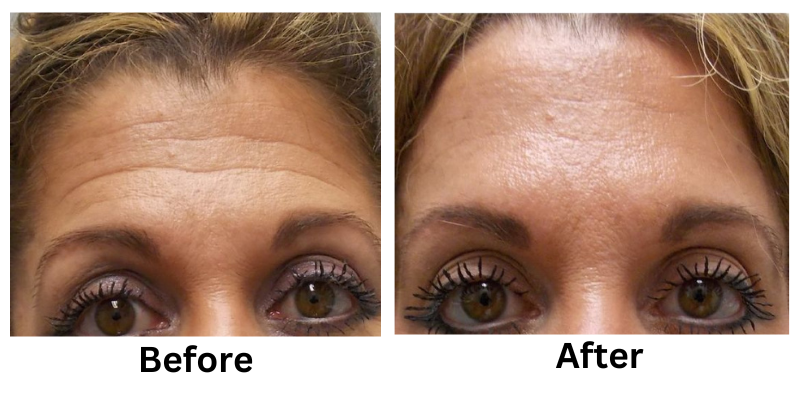
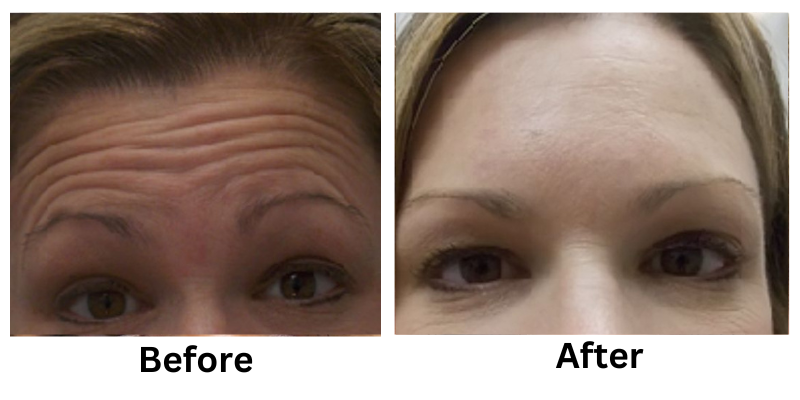
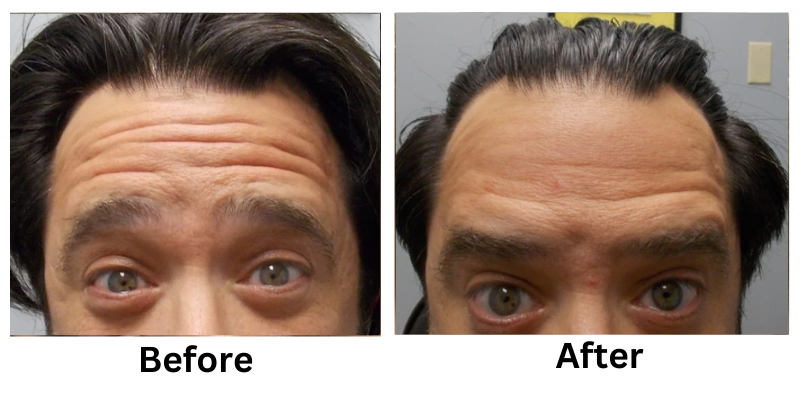
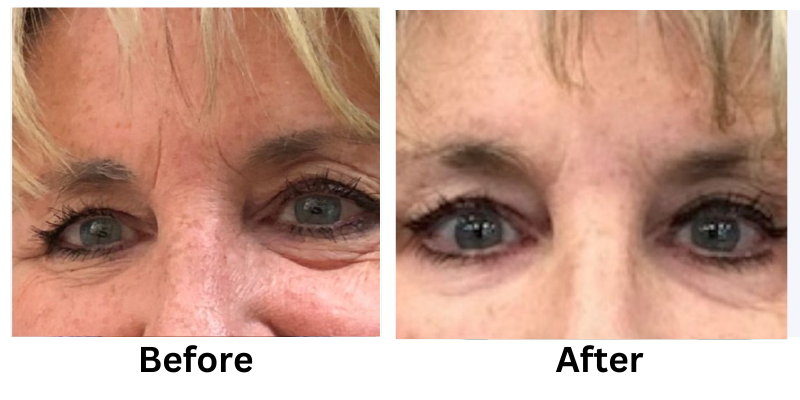
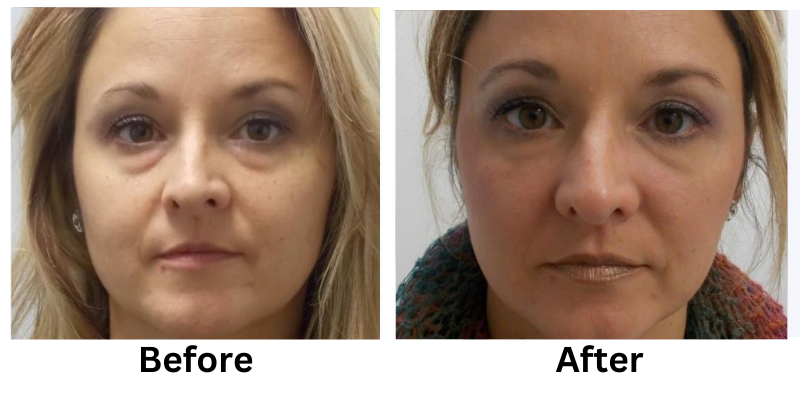
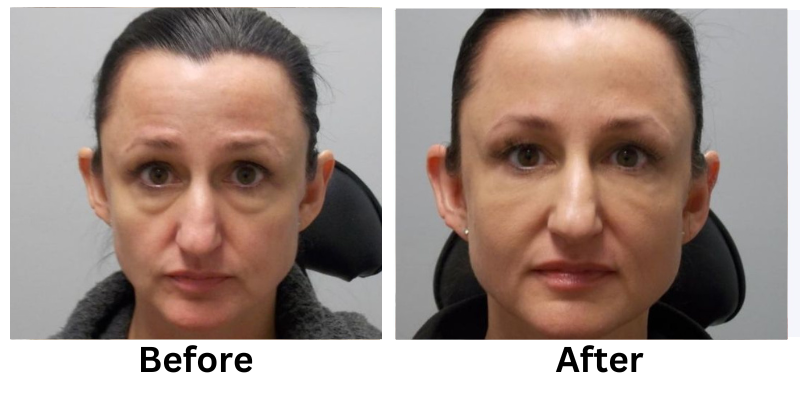
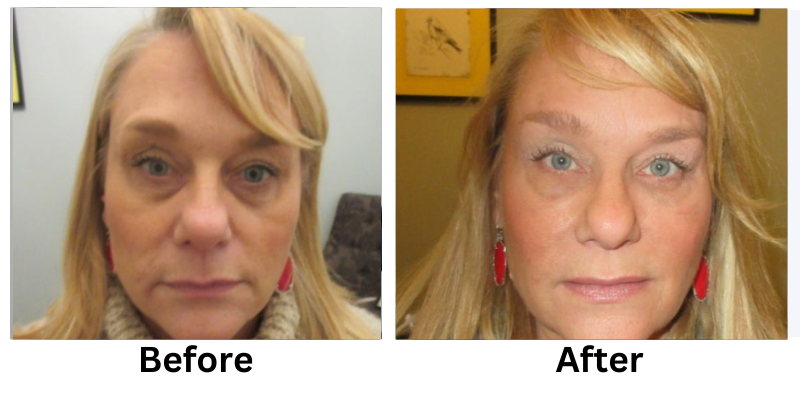
Botox typically takes 3 to 7 days to show results on the forehead, with full effects visible at about 2 weeks. The results last 3 to 4 months on average. Adding a chemical peel to the treatment addresses any surface-level texture issues, sun damage, or discoloration on the forehead that Botox alone cannot fix. Together, the two treatments create a smooth, even, and refreshed forehead appearance. Patients can see real results from Botox treatments in the before and after gallery.
What Can I Do Instead of a Chemical Peel?
Instead of a chemical peel, you can consider microdermabrasion, dermaplaning, microneedling, laser skin resurfacing, or an aqua facial. Each of these treatments addresses similar skin concerns like dullness, fine lines, uneven texture, and pigmentation, but they use different methods to achieve results.
Microdermabrasion uses fine crystals or a diamond tip to physically exfoliate the skin. Dermaplaning uses a surgical blade to remove dead skin cells and peach fuzz. Microneedling creates tiny punctures that trigger the body’s healing response. Laser skin resurfacing uses focused light to vaporize damaged skin layers. Each option has different recovery times and intensity levels, so the best choice depends on your skin type, goals, and tolerance for downtime.
Botox vs. Chemical Peel: How They Compare
| Factor | Botox | Chemical Peel |
|---|---|---|
| How It Works | Relaxes muscles that cause wrinkles | Exfoliates skin and stimulates collagen |
| Best For | Dynamic wrinkles (forehead, crow’s feet, frown lines) | Sun damage, pigmentation, texture, fine lines |
| Treatment Time | 10 to 15 minutes | 30 to 60 minutes |
| Results Appear | 3 to 7 days | 7 to 14 days (after peeling completes) |
| Results Last | 3 to 4 months | 1 to 6 months (varies by peel depth) |
| Downtime | None | 1 to 14 days (varies by peel depth) |
| FDA Approved | Yes, since 2002 for cosmetic use | Varies by product and acid type |
| Combined Improvement (2024 Study) | 60% wrinkle reduction, 59% pigmentation improvement, 70% skin tone improvement when combined | |
Sources: Journal of Drugs in Dermatology (2024), American Society of Plastic Surgeons (2023), Grand View Research, Coherent Market Insights
How Do I Make My Old Face Look Younger?
You make your old face look younger by combining treatments that address different layers of aging. Botox smooths dynamic wrinkles caused by muscle movement. Chemical peels remove surface damage and stimulate new skin growth. Dermal fillers restore lost volume in the cheeks, lips, and under-eye areas. Together, these three treatments create a comprehensive non-surgical facelift.
According to Global Growth Insights, the global Botox market reached $7.56 billion in 2024, reflecting the massive demand for non-surgical anti-aging solutions. Pairing Botox with a chemical peel is one of the most popular and cost-effective combinations for patients who want visible results without surgery or extended downtime.
Patients interested in adding volume restoration to their treatment plan can explore options like Juvederm fillers or Sculptra for long-term collagen stimulation.
Frequently Asked Questions
Is It Safe to Combine Botox and a Chemical Peel?
Yes, it is safe to combine Botox and a chemical peel when done by a trained professional. A 2024 study published in the Journal of Drugs in Dermatology tested same-day combination treatment on 30 patients and reported zero adverse events. The study confirmed that same-day treatment with a chemical peel followed by Botox created no additional side effects compared to either treatment alone. Patients with severe skin conditions like active eczema, psoriasis, or rosacea should consult their provider before combining treatments.
How Long Should I Wait Between Botox and a Chemical Peel?
How long you should wait between Botox and a chemical peel depends on which treatment comes first. If you get the chemical peel first, Botox can follow immediately (for light peels) or within 2 to 4 weeks (for medium peels). If you get Botox first, wait at least 1 to 2 weeks before receiving a chemical peel. This gives the neurotoxin time to fully settle into the targeted muscles.
What Happens If I Get a Chemical Peel Right After Botox?
If you get a chemical peel right after Botox, the acids in the peel solution can potentially cause the Botox to migrate from the injection sites to unintended muscles. This is why the recommended order is always peel first, then Botox. If you have already received Botox, wait at least 24 to 48 hours before getting a light peel, and 2 weeks or more for medium to deep peels.
Can Botox and Chemical Peels Be Used Together for Acne Scars?
Yes, Botox and chemical peels can be used together for acne scars, though each treats a different aspect of the concern. Chemical peels exfoliate the scarred skin and promote new cell growth, which reduces the appearance of shallow acne scars. Botox does not directly treat scars, but it prevents the facial expressions that can create tension around scarred areas. For deeper acne scars, treatments like microneedling or laser resurfacing are more effective. Clients dealing with acne and scarring concerns may benefit from a BioRePeel, which combines exfoliation with bio-stimulation.
How Many Botox Units Do I Need if I Also Get a Chemical Peel?
The number of Botox units you need does not change based on whether you also get a chemical peel. Most patients need 20 to 60 units per session depending on the treatment areas. Forehead lines typically require 10 to 30 units, frown lines need about 20 units, and crow’s feet use 12 to 24 units per side. Your provider will assess your facial muscles during a consultation and recommend the right dosage for your specific needs.
What Results Can I Expect From Combining Botox and a Chemical Peel?
The results you can expect from combining Botox and a chemical peel include smoother wrinkles, more even skin tone, reduced pigmentation, and improved skin texture. The 2024 Journal of Drugs in Dermatology study measured a 60% improvement in wrinkle severity, a 59% improvement in pigmentation uniformity, and a 70% improvement in skin tone. In that same study, 96% of participants said they would undergo the combined treatment again, and 100% reported visible improvement in their skin’s appearance.
Who Should Not Combine Botox and Chemical Peels?
People who should not combine Botox and chemical peels include those with active skin conditions such as eczema, psoriasis, rosacea, or active acne breakouts. Patients who have recently had microneedling, laser treatments, or other invasive skin procedures should also wait until fully healed before combining Botox and peels. Pregnant or breastfeeding individuals should avoid both treatments. Always disclose your full medical history and current medications during your consultation.
Final Thoughts
Combining Botox and a chemical peel is one of the most effective non-surgical strategies for comprehensive facial rejuvenation. The chemical peel targets surface-level damage like sun spots, uneven texture, and dullness, while Botox addresses the muscle movements that create expression lines and wrinkles. The 2024 clinical study published in the Journal of Drugs in Dermatology proved that same-day treatment is safe and delivers superior results compared to either treatment alone, with 60% better wrinkle reduction and 70% improved skin tone.
The key to success is choosing the right provider who understands proper sequencing, peel depth, and Botox dosing for your individual needs. Slimming Solutions Med Spa offers both Botox treatments and professional chemical peels performed by experienced, certified professionals who customize every treatment plan. Call today or request a consultation to find out which combination of treatments is right for your skin and your goals.
![[thumb]](https://slimmingsolutionsspa.com/wp-content/uploads/2023/12/botox1-150x150.png)
![[thumb]](https://slimmingsolutionsspa.com/wp-content/uploads/2023/12/Before2-150x150.png)
![[thumb]](https://slimmingsolutionsspa.com/wp-content/uploads/2023/12/Before3-150x150.png)


![[thumb]](https://slimmingsolutionsspa.com/wp-content/uploads/2023/12/revanesse-versa-1-150x150.png)
![[thumb]](https://slimmingsolutionsspa.com/wp-content/uploads/2023/12/revanesse-versa-2-150x150.png)
![[thumb]](https://slimmingsolutionsspa.com/wp-content/uploads/2023/12/revanesse-versa-3-150x150.png)
![[thumb]](https://slimmingsolutionsspa.com/wp-content/uploads/2023/12/revanesse-versa-4-150x150.png)
![[thumb]](https://slimmingsolutionsspa.com/wp-content/uploads/2023/12/revanesse-versa-5-150x150.png)
![[thumb]](https://slimmingsolutionsspa.com/wp-content/uploads/2024/01/Eyebrow-treatment-1-1-150x150.png)
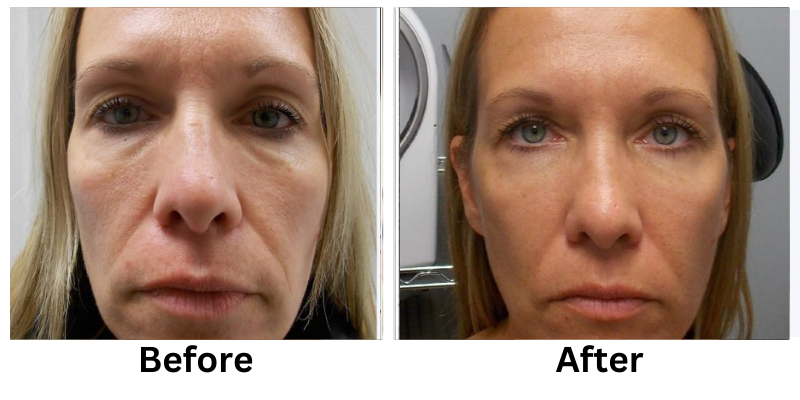
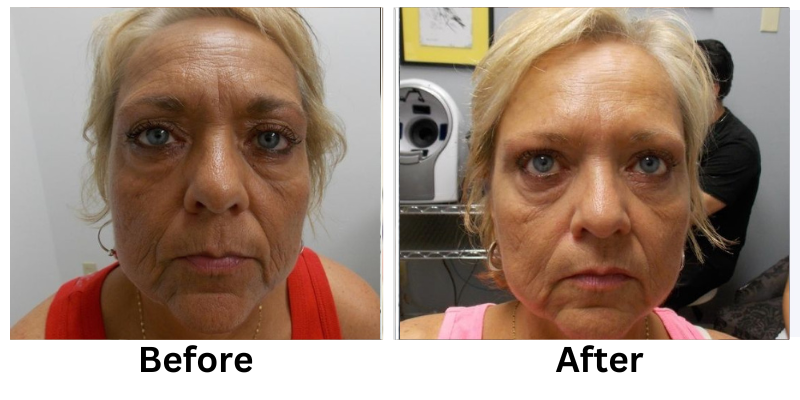
![[thumb]](https://slimmingsolutionsspa.com/wp-content/uploads/2023/12/Skin-Rejuvenation-1-150x150.png)
![[thumb]](https://slimmingsolutionsspa.com/wp-content/uploads/2023/12/Skin-Rejuvenation-2-150x150.png)


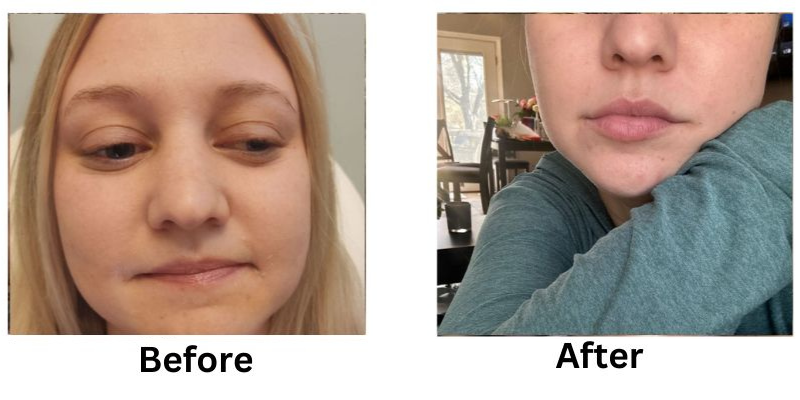
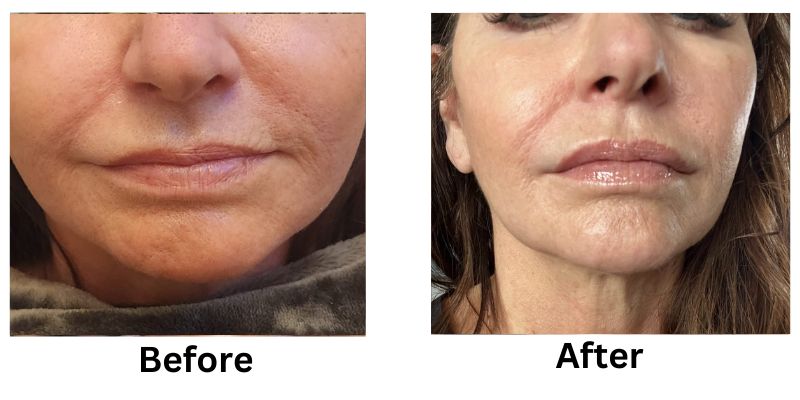
![[thumb]](https://slimmingsolutionsspa.com/wp-content/uploads/2024/01/Lip-Filler-1-150x150.png)
![[thumb]](https://slimmingsolutionsspa.com/wp-content/uploads/2024/01/Lip-Filler-2-150x150.png)
![[thumb]](https://slimmingsolutionsspa.com/wp-content/uploads/2025/02/Lip-Filler-1-150x150.png)
![[thumb]](https://slimmingsolutionsspa.com/wp-content/uploads/2024/01/Lip-Filler-150x150.jpg)
![[thumb]](https://slimmingsolutionsspa.com/wp-content/uploads/2024/01/Before-1-150x150.jpg)

![[thumb]](https://slimmingsolutionsspa.com/wp-content/uploads/2024/01/RHA-Treatmetn-3-150x150.png)
![[thumb]](https://slimmingsolutionsspa.com/wp-content/uploads/2024/01/RHA-Treatmetn-2-150x150.png)
![[thumb]](https://slimmingsolutionsspa.com/wp-content/uploads/2024/01/RHA-Treatmetn-1-150x150.png)
![[thumb]](https://slimmingsolutionsspa.com/wp-content/uploads/2024/01/Thread-Lifts-1-150x150.png)
![[thumb]](https://slimmingsolutionsspa.com/wp-content/uploads/2024/01/Thread-Lifts-2-150x150.png)
![[thumb]](https://slimmingsolutionsspa.com/wp-content/uploads/2025/02/Lip-Filler-2-150x150.png)

![[thumb]](https://slimmingsolutionsspa.com/wp-content/uploads/2023/12/skin-reuvulation1-150x150.png)
![[thumb]](https://slimmingsolutionsspa.com/wp-content/uploads/2023/12/skin-rejuvulation-2-150x150.png)
![[thumb]](https://slimmingsolutionsspa.com/wp-content/uploads/2023/12/Skin-Tighting-150x150.png)
![[thumb]](https://slimmingsolutionsspa.com/wp-content/uploads/2023/12/Before-150x150.jpg)
![[thumb]](https://slimmingsolutionsspa.com/wp-content/uploads/2023/12/weightloss-1-150x150.png)
![[thumb]](https://slimmingsolutionsspa.com/wp-content/uploads/2023/12/weightloss-2-150x150.png)
![[thumb]](https://slimmingsolutionsspa.com/wp-content/uploads/2023/12/2Weight-Loss-2-150x150.png)
![[thumb]](https://slimmingsolutionsspa.com/wp-content/uploads/2025/02/Weight-Loss-1-new-150x150.png)
![[thumb]](https://slimmingsolutionsspa.com/wp-content/uploads/2023/12/Weight-Loss-3-150x150.png)
![[thumb]](https://slimmingsolutionsspa.com/wp-content/uploads/2025/03/Slimming-Solutions-BA-Template-150x150.png)


![[thumb]](https://slimmingsolutionsspa.com/wp-content/uploads/2023/12/dat3-150x150.png)
![[thumb]](https://slimmingsolutionsspa.com/wp-content/uploads/2023/12/dat-0-150x150.png)
![[thumb]](https://slimmingsolutionsspa.com/wp-content/uploads/2023/12/dat-1-150x150.png)
![[thumb]](https://slimmingsolutionsspa.com/wp-content/uploads/2023/12/Before-1-150x150.png)

![[thumb]](https://slimmingsolutionsspa.com/wp-content/uploads/2024/01/EMS-Treatment-2-150x150.png)
![[thumb]](https://slimmingsolutionsspa.com/wp-content/uploads/2024/01/EMS-Treatment-1-150x150.png)
![[thumb]](https://slimmingsolutionsspa.com/wp-content/uploads/2025/02/ems-BNA-front-150x150.png)
![[thumb]](https://slimmingsolutionsspa.com/wp-content/uploads/2025/02/EMS-bna-SIDE-150x150.png)
![[thumb]](https://slimmingsolutionsspa.com/wp-content/uploads/2024/01/EMS-Treatment-6-150x150.png)