Difference Between Microneedling and Dermaplaning

Share This Post
Difference Between Microneedling and Dermaplaning

Table of Contents

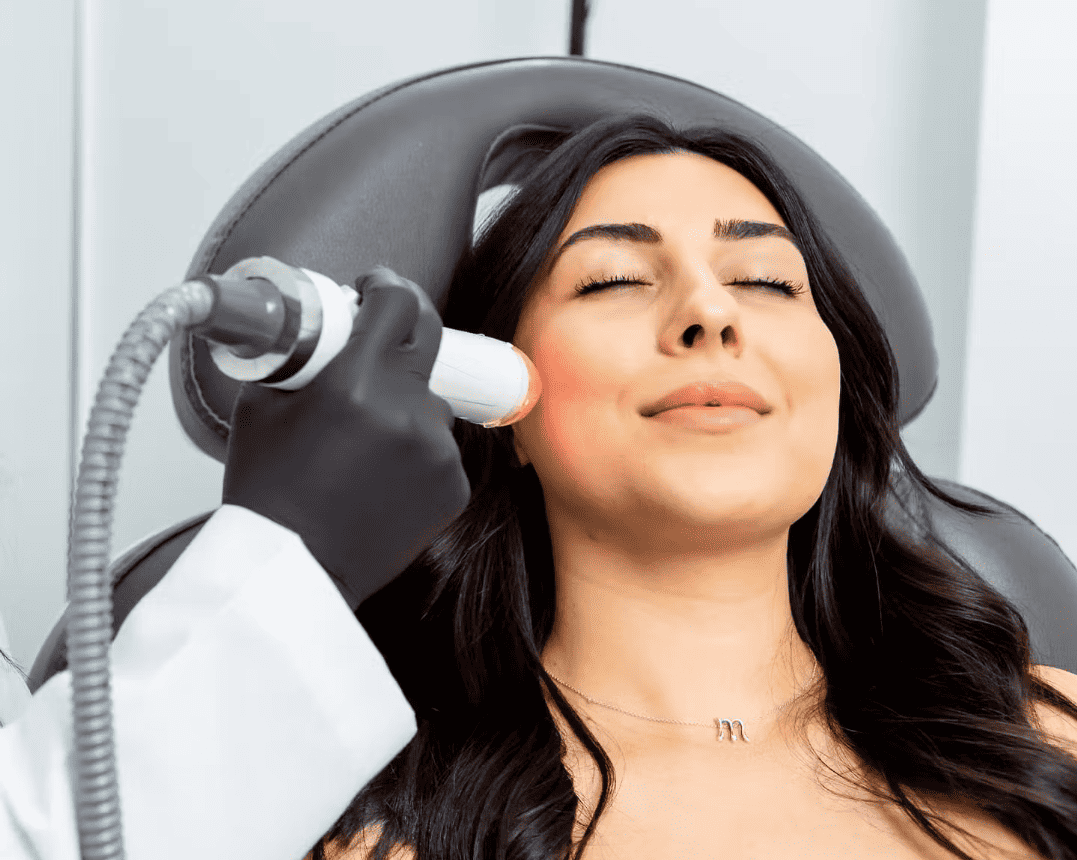
The difference between microneedling and dermaplaning is that microneedling uses tiny needles to create controlled micro-injuries beneath the skin surface to stimulate collagen production, while dermaplaning uses a sterile surgical blade to exfoliate the outer layer of dead skin cells and remove fine peach fuzz. Microneedling treats deeper concerns like acne scars, wrinkles, and skin laxity with results that improve over weeks and months. Dermaplaning delivers instant smoothness and radiance with zero downtime. According to the American Society of Plastic Surgeons, minimally invasive cosmetic procedures have surged in popularity, with over 25 million performed in 2023 alone. Both microneedling and dermaplaning are among the most requested facial treatments at med spas, and many clients get the best results by combining both into a single treatment plan.

Should I Get Microneedling or Dermaplaning?

You should get microneedling if your main concerns are acne scars, fine lines, wrinkles, enlarged pores, or skin laxity. You should get dermaplaning if you want instant smoothness, brighter skin, peach fuzz removal, and better skincare product absorption. The right choice depends entirely on what you are trying to fix.

Microneedling works beneath the skin surface by triggering the body’s natural wound-healing response. The controlled micro-injuries stimulate collagen and elastin production, which are the proteins responsible for firm, smooth, youthful skin. According to published research in PMC, microneedling produces 30% to 50% improvement in acne scar depth and texture after 3 to 6 sessions spaced 4 to 6 weeks apart. The results continue to improve for weeks after each session as the new collagen forms.

Dermaplaning works only on the outer surface of the skin. It physically scrapes away dead cells and vellus hair, revealing the fresh layer underneath. The results are immediate but temporary, lasting about 3 to 4 weeks. According to Grand View Research, the global dermaplaning tools market was valued at $612.2 million in 2023 and is growing at 7.4% annually, reflecting its massive popularity as a quick, zero-downtime skin refresher.

Many clients choose both treatments at different intervals. Dermaplaning can actually be done before microneedling in the same session to enhance the results, because removing the dead skin layer first allows the microneedling to penetrate more effectively. Clients exploring their options can discuss a customized plan during a consultation at a facial treatment appointment.

Does Microneedling Remove Peach Fuzz?

No, microneedling does not remove peach fuzz. Microneedling uses fine needles to create micro-injuries in the skin, but it does not cut or remove hair. The needles penetrate the skin to stimulate collagen production, not to target the hair follicle or the hair shaft. If removing peach fuzz is one of your goals, dermaplaning is the treatment that does this.

Dermaplaning is specifically designed to remove both dead skin cells and fine vellus hair (peach fuzz) in one step. The sterile surgical blade glides across the skin surface at a 45-degree angle, shaving off the hair and exfoliating the top layer of skin simultaneously. According to WebMD, dermaplaning is a cosmetic treatment that removes dead skin cells and peach fuzz with a scalpel, and it differs from shaving because it also exfoliates the skin.

What Is Dermaplaning Regret?

Dermaplaning regret is the feeling of dissatisfaction some people experience after dermaplaning, usually caused by unrealistic expectations about hair regrowth, breakouts from improper technique, or irritation from at-home attempts with non-professional tools. According to a 2007 analysis published in the British Medical Journal, shaving does not affect hair thickness or rate of regrowth. The most common source of regret is the myth that hair grows back thicker after dermaplaning, which dermatologists have thoroughly debunked.

Dermaplaning regret is almost entirely preventable by choosing a licensed professional, making sure your skin is a good candidate, and following proper aftercare. According to Cleveland Clinic, people with active acne, cold sores, eczema, rosacea, or those taking isotretinoin should avoid dermaplaning. Clients who want to learn more about avoiding common mistakes can read the full breakdown on the pros and cons of popular treatments to set realistic expectations.

What Does Your Face Look Like 2 Days After Microneedling?

Your face looks like a mild sunburn 2 days after microneedling. The skin is typically red, slightly swollen, and may feel warm and tight. Some patients describe it as looking flushed or windburned. According to SINY Dermatology, you can expect 1 to 3 days of redness and sensitivity after microneedling, and most people return to normal activities within 24 to 48 hours.

By day 2, the initial swelling begins to subside, and the redness starts to fade. Some patients notice mild peeling or flaking starting around day 2 to 3 as the skin begins its healing process. This is normal and shows that the collagen-building process has started. Gentle, hydrating skincare and SPF 30+ sunscreen are essential during this recovery period. Avoid makeup, retinoids, and active acids for at least 48 to 72 hours.

What Are the Downsides of Dermaplaning Your Face?

The downsides of dermaplaning your face include temporary redness and sensitivity, the risk of breakouts if tools are not sterile, the potential for cuts and nicks from an untrained provider, and the need for monthly maintenance to keep the smooth results. According to Healthline, an inexperienced practitioner or at-home attempt can lead to cuts, infection, and uneven skin texture.

Another downside is that dermaplaning does not treat deeper skin concerns like acne scars, wrinkles, or skin laxity. It is a surface-level treatment that provides cosmetic improvement without structural changes to the skin. According to evidence-based research published in PMC, dermaplaning cannot address dermal tissue loss or collagen disruption because it does not penetrate deeply enough to trigger repair mechanisms. For those concerns, microneedling or radio frequency microneedling is the better choice.

Does Peach Fuzz Grow Back Thicker After Dermaplaning?

No, peach fuzz does not grow back thicker after dermaplaning. This is one of the most common myths in skincare, and it has been debunked by dermatologists, the Mayo Clinic, and a 2007 clinical analysis in the British Medical Journal. The procedure only removes vellus hair (fine, light peach fuzz), and it does not affect the hair follicle. The hair grows back at the same thickness, color, and texture as before.

The temporary sensation of slightly blunter regrowth happens because the hair is cut at the surface with a flat edge rather than its natural tapered tip. Within a week or two, the hair softens and becomes barely noticeable again. According to board-certified dermatologists cited on RealSelf, it is 100% physiologically impossible for dermaplaning to turn vellus hair into thick, dark terminal hair. Only hormonal changes can cause that kind of transformation.

What Is the Downside of Microneedling?

The downside of microneedling is that it requires 1 to 3 days of downtime with redness and swelling, it takes multiple sessions (typically 3 to 6) to see significant results, and it is not suitable for people with active acne, blood-clotting disorders, or certain skin conditions. According to Cleveland Clinic, microneedling is a minimally invasive procedure, but it does involve controlled injury to the skin, which requires a proper healing period.

Other potential downsides include temporary sensitivity, dryness, and mild peeling during the healing phase. In rare cases, improper technique can lead to infection or scarring. The treatment is more expensive per session than dermaplaning and requires a longer commitment to see results. According to published clinical evidence, microneedling improves acne scars but rarely eliminates them completely, so patients should set realistic expectations.

For clients with darker skin tones, the good news is that microneedling is safe for all skin types and colors with no risk of post-inflammatory hyperpigmentation when done correctly. This is a significant advantage over some laser treatments. Clients dealing with hyperpigmentation should discuss whether microneedling or a chemical peel is the better option for their specific pigmentation type.

Does Dermaplaning Age Your Face?

No, dermaplaning does not age your face. Dermaplaning removes dead skin cells and peach fuzz from the surface, which actually makes the skin look brighter and more youthful immediately after treatment. According to Cleveland Clinic, dermaplaning can make the skin look younger and can help reduce the appearance of acne scars and fine lines.

The concern about aging comes from the myth that removing the skin’s protective outer layer weakens it. In reality, the dead cells that dermaplaning removes are already at the end of their lifecycle. Removing them allows the fresh, healthy skin underneath to be visible and helps skincare products penetrate more effectively. As long as you use SPF 30+ sunscreen after the treatment to protect the new skin from UV damage, dermaplaning does not accelerate aging in any way.

Does Dermaplaning Make Your Face Look Younger?

Yes, dermaplaning makes your face look younger by removing the dull, dead skin cell buildup that makes skin look tired and aged. The treatment reveals smoother, brighter skin and creates a more even complexion. Fine lines appear softer because the surface layer of dead cells that accentuates them is removed. According to Cleveland Clinic, dermaplaning can make your skin look younger, though it does not stop the aging process.

For a more significant anti-aging effect that goes beyond surface-level improvement, microneedling is the better option because it stimulates new collagen production deep within the skin. Combining dermaplaning with microneedling creates a powerful one-two approach: the dermaplaning provides instant glow while the microneedling builds long-term firmness and elasticity. Clients looking for comprehensive anti-aging treatment can also explore options like Botox for dynamic wrinkles and Sculptra for volume restoration.

What Procedure Takes 10 Years Off Your Face?

The procedure that takes 10 years off your face depends on the specific signs of aging you want to address. A combination of microneedling for collagen stimulation, Botox for wrinkle relaxation, dermal fillers for volume restoration, and chemical peels or laser resurfacing for skin texture creates the most comprehensive non-surgical facial rejuvenation. According to the American Society of Plastic Surgeons, over 4.7 million Botox procedures and millions of filler treatments were performed in 2023, reflecting the massive demand for non-surgical anti-aging solutions.

No single treatment takes 10 years off on its own. The key is addressing multiple layers of aging: muscle-driven wrinkles (Botox), lost volume (fillers like Juvederm), collagen decline (microneedling), and surface damage (dermaplaning or chemical peels). A trained provider can create a customized plan that targets all of these concerns in a strategic sequence.

Why Do I Look Older After Microneedling?

You look older after microneedling because of the temporary redness, swelling, and dryness that occur during the 1 to 3 day healing period. The skin may appear slightly deflated or textured as it recovers from the controlled micro-injuries. This is completely normal and temporary. Once the healing process completes and new collagen forms, the skin looks firmer, smoother, and more youthful than before the treatment.

Some patients also look temporarily worse because the microneedling brings underlying inflammation or congestion to the surface. Existing sun damage or pigmentation can appear more visible for a few days before the fresh skin emerges. According to published clinical evidence in PMC, the full benefits of microneedling continue to develop for weeks after each session as the new collagen matures. Patients should judge results at 4 to 6 weeks after treatment, not during the initial healing phase.

Is 62 Too Old for Microneedling?

No, 62 is not too old for microneedling. Microneedling is safe and effective for patients of all ages, including those in their 60s and beyond. In fact, mature skin often benefits the most from collagen induction therapy because natural collagen production declines significantly with age. According to the American Society of Plastic Surgeons, patients aged 55 and older are one of the fastest-growing demographics for non-surgical facial rejuvenation treatments.

Microneedling can improve skin firmness, reduce fine lines and wrinkles, smooth rough texture, and fade age spots in older patients. A series of 3 to 6 treatments with maintenance sessions every 6 to 12 months is the typical protocol. Clients over 60 who are also concerned about lax skin may benefit from combining microneedling with skin tightening treatments for maximum lifting and firming.

How Long Do 3 Sessions of Microneedling Last?

Three sessions of microneedling last approximately 3 to 6 months, depending on the patient’s age, skin condition, and aftercare. The collagen produced during treatment continues to mature for several months after the final session, so improvements often peak around 3 to 4 months after completing the series and then gradually diminish over the following months.

According to published clinical evidence in PMC, a series of 3 to 6 microneedling treatments provides the best results, with improvements lasting several months to a year. Maintenance sessions every 6 to 12 months can sustain the improvements long-term. Clients who complete 3 sessions and want to extend their results can ask about adding chemical peels between microneedling sessions for ongoing exfoliation and skin renewal.

What Happens the 2nd Week After Microneedling?

During the 2nd week after microneedling, the redness and swelling have fully resolved, and the skin begins to look noticeably smoother and more radiant. The peeling and flaking from the healing phase are finished. The skin feels softer and more hydrated as the new cells replace the damaged ones. Some patients notice their pores look smaller and their complexion appears more even.

The collagen-building process is still in its early stages at this point. The most significant improvements in firmness, scar depth, and wrinkle reduction develop over the following 4 to 8 weeks as the new collagen fibers mature and strengthen. By week 2, patients can safely return to their normal skincare routine, including retinoids and active serums, unless their provider advises otherwise.

How Many Years Does Microneedling Take Off Your Face?

Microneedling does not take a specific number of years off your face, but a completed series of 3 to 6 sessions can produce visible improvement in skin firmness, texture, fine lines, and overall radiance that makes the skin look noticeably younger. According to the global facial treatment market analysis by Market Data Forecast, the facial treatment industry was valued at $1.23 billion in 2024, with microneedling being one of the top-requested treatments for non-surgical facial rejuvenation.

The degree of improvement depends on the patient’s age, skin condition, number of sessions, and aftercare. Patients with mild to moderate aging signs (fine lines, dull skin, mild laxity) often see the most dramatic difference. For patients with deeper wrinkles or significant volume loss, combining microneedling with injectables like fillers and Botox creates a more comprehensive transformation.

What Do Dermatologists Say About Microneedling?

Dermatologists say that microneedling is a safe, effective, and well-researched treatment for improving acne scars, fine lines, skin texture, enlarged pores, and overall skin quality. According to the Journal of Clinical and Aesthetic Dermatology, microneedling is one of the most extensively studied non-surgical skin rejuvenation procedures. Dermatologists consider it a first-line treatment for atrophic acne scars because it stimulates collagen production without the hyperpigmentation risks associated with some laser treatments.

Dermatologists recommend that microneedling should be performed by a trained professional using sterile, medical-grade devices. At-home derma rollers with shorter needles can provide mild exfoliation, but they do not penetrate deeply enough to stimulate significant collagen production. According to Cleveland Clinic, microneedling is a safe procedure when performed by a licensed professional, but it carries risks of infection and scarring when done improperly.

Microneedling vs. Dermaplaning: Full Comparison

Factor Microneedling Dermaplaning
How It Works Tiny needles create micro-injuries to stimulate collagen and elastin production Sterile surgical blade scrapes away dead skin cells and peach fuzz
Depth Penetrates beneath the skin surface into the dermis Works only on the outermost skin layer (epidermis)
Best For Acne scars, fine lines, wrinkles, enlarged pores, skin laxity, stretch marks Dull skin, peach fuzz removal, uneven texture, makeup prep, product absorption
Results Timeline Gradual improvement over 4 to 8 weeks; best results after 3 to 6 sessions Instant smoothness and brightness; lasts 3 to 4 weeks
Downtime 1 to 3 days of redness and swelling None; resume normal activities immediately
Removes Peach Fuzz No Yes
Stimulates Collagen Yes, significantly No
Sessions Recommended 3 to 6 sessions, every 4 to 6 weeks Monthly maintenance
Safe for All Skin Types Yes, including darker skin tones Yes, except active acne, eczema, rosacea
Can Be Combined Yes, dermaplaning before microneedling enhances results Yes, works well as a prep step before microneedling or chemical peels

Sources: Cleveland Clinic, WebMD, Journal of Clinical and Aesthetic Dermatology, PMC published clinical evidence, American Society of Plastic Surgeons, Grand View Research

Frequently Asked Questions

Can You Do Microneedling and Dermaplaning Together?

Yes, you can do microneedling and dermaplaning together in the same session. Dermaplaning is performed first to remove the dead skin layer and peach fuzz, which allows the microneedling to penetrate more effectively and improves the absorption of any topical serums applied during or after the procedure. According to Wells Plastic Surgery, combining these two treatments produces optimal results for treating uneven skin tone, texture, large pores, fine lines, and acne scars. This combination should always be done under the care of a licensed professional.

Is Microneedling or Dermaplaning Better for Acne Scars?

Microneedling is better for acne scars than dermaplaning. Microneedling creates controlled micro-injuries that stimulate collagen production in the deeper layers of the skin where scar tissue exists. According to published research in PMC, microneedling produces 30% to 50% improvement in acne scar depth and texture after 3 to 6 sessions. Dermaplaning cannot treat acne scars because it only works on the skin’s surface and does not penetrate deeply enough to trigger the collagen remodeling needed for scar improvement.

How Often Should I Get Microneedling?

You should get microneedling every 4 to 6 weeks for an initial series of 3 to 6 sessions. After completing the series, maintenance sessions every 6 to 12 months help sustain the results. According to published evidence in PMC, needling too frequently interrupts the healing process and can cause cumulative inflammation without additional benefit. More frequent does not mean better results. Respecting the biological recovery period between sessions optimizes outcomes.

How Often Should I Get Dermaplaning?

You should get dermaplaning every 3 to 4 weeks, which aligns with the natural skin cell turnover cycle and the regrowth cycle of vellus hair. According to WebMD, most people can safely repeat the treatment monthly. More frequent dermaplaning risks disrupting the skin barrier, which can cause persistent redness, sensitivity, and increased moisture loss. Some clients choose dermaplaning only before special events rather than as a regular monthly treatment.

Is Dermaplaning Safe for Sensitive Skin?

Dermaplaning is generally safe for sensitive skin when performed by an experienced provider who adjusts technique and pressure to your skin’s needs. The treatment does not use chemicals, heat, or suction, making it one of the gentlest professional exfoliation methods available. However, clients with active rosacea, eczema, or extremely reactive skin should consult a dermatologist before trying dermaplaning. An aqua facial is a good alternative for clients who need an even gentler approach.

Does Microneedling Hurt?

Microneedling produces a prickling or scratching sensation during the procedure, but it is not typically described as painful. Most providers apply a topical numbing cream 20 to 30 minutes before the treatment to minimize discomfort. According to Cleveland Clinic, patients may feel a scratching or stinging sensation, but the needles do not make cuts in the skin. After the treatment, the skin may feel warm and tight, similar to a mild sunburn, for 24 to 48 hours.

What Is the Best Way to Remove Facial Hair on an Older Woman?

The best way to remove facial hair on an older woman is professional dermaplaning because it removes unwanted peach fuzz and dead skin cells at the same time, leaving the skin smoother, brighter, and better able to absorb anti-aging skincare products. According to Cleveland Clinic, dermaplaning can make skin look younger and helps reduce the appearance of fine lines. For long-term hair reduction, laser hair removal targets the follicle to reduce growth over time, though it does not provide the exfoliation benefit that dermaplaning offers.

Final Thoughts

Microneedling and dermaplaning are both excellent treatments, but they serve very different purposes. Microneedling is the better choice for long-term skin improvement, including acne scars, wrinkles, firmness, and collagen production. Dermaplaning is the better choice for instant radiance, peach fuzz removal, and creating a smooth canvas for skincare and makeup. The best results often come from combining both treatments in a strategic plan.

Slimming Solutions Med Spa offers both professional microneedling and dermaplaning performed by experienced, trained staff who customize every session to your skin type and goals. Whether you want the collagen-boosting power of microneedling, the instant glow of dermaplaning, or the enhanced results of both treatments combined, the team will build a plan that works for you. Call today or request a consultation to find out which treatment is right for your skin.

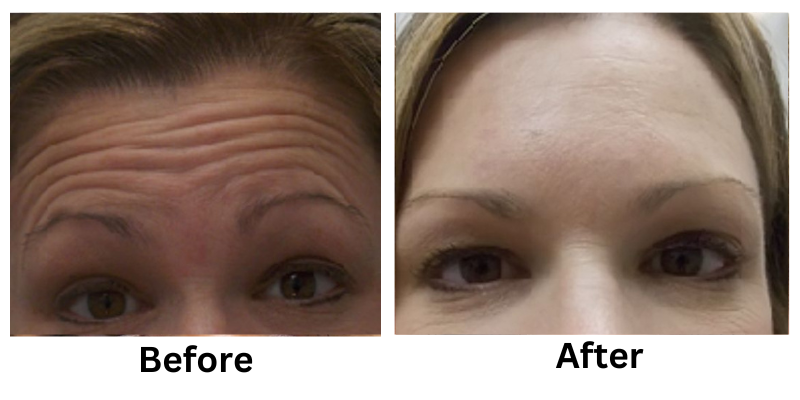
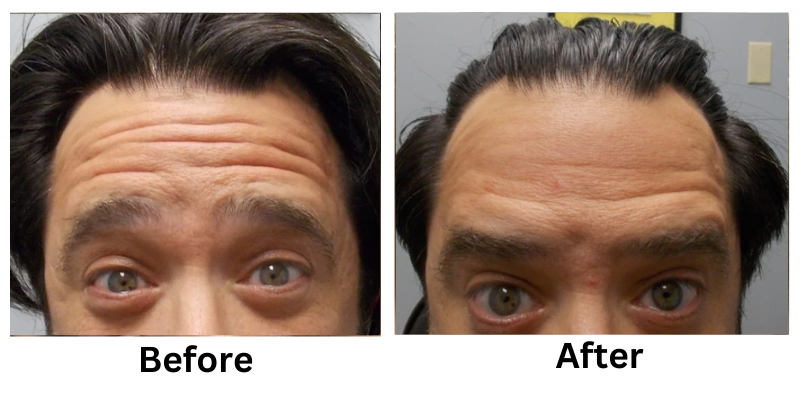
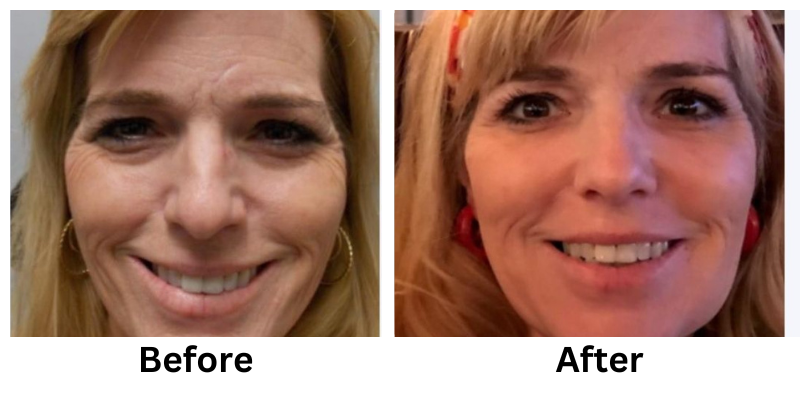
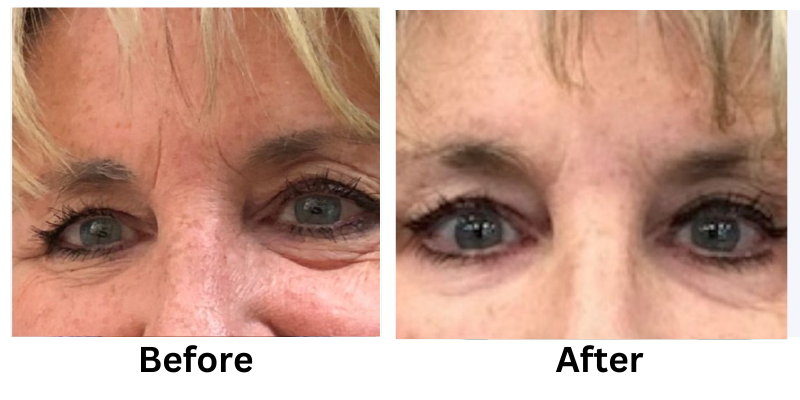
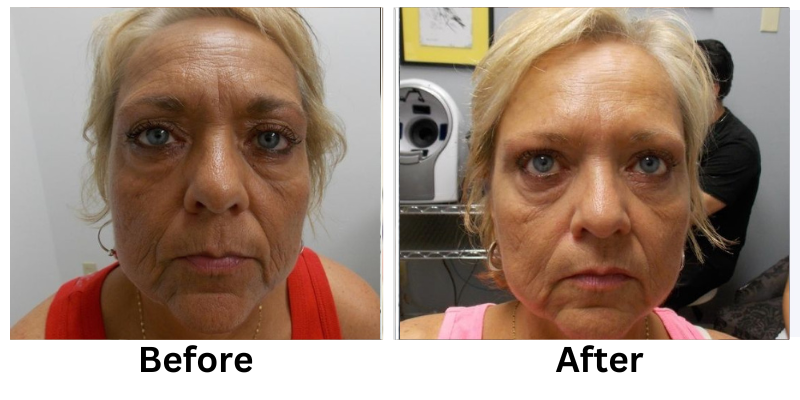
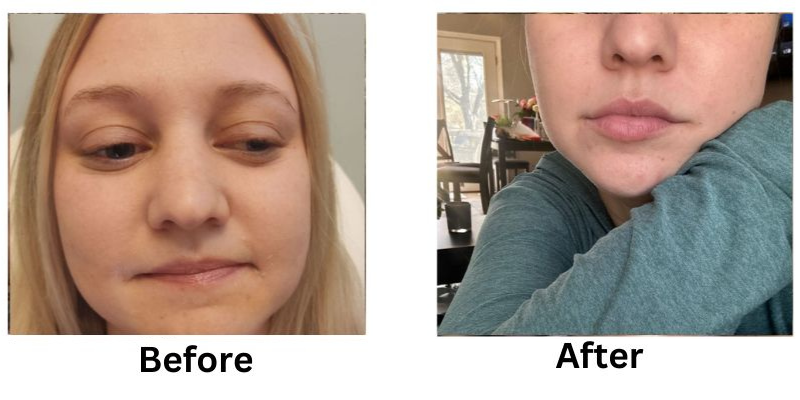
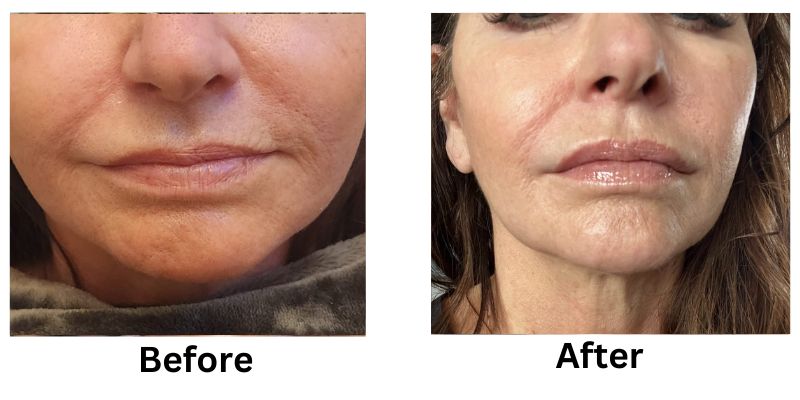
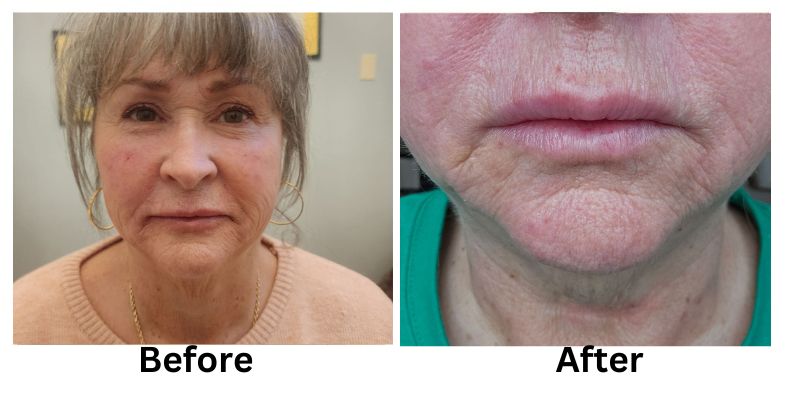
SEE OUR RESULTS

*Individual Results May Vary

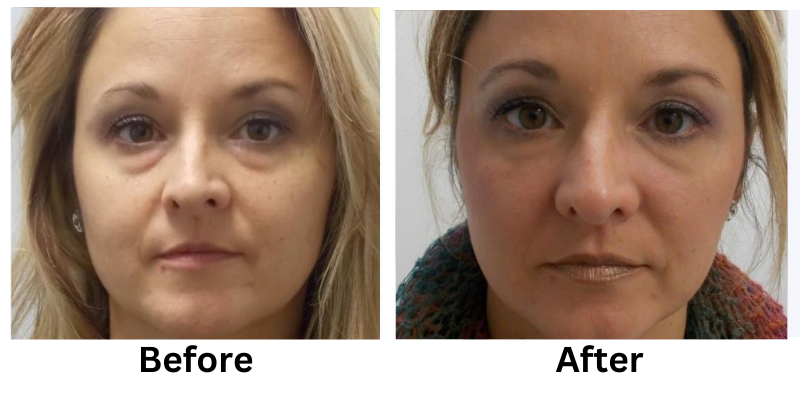
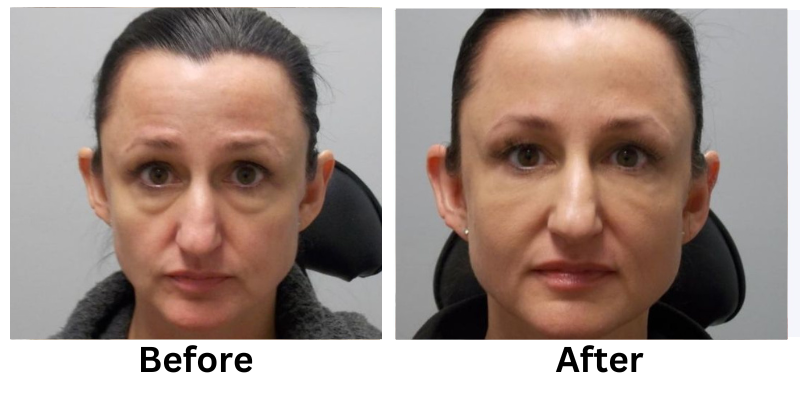
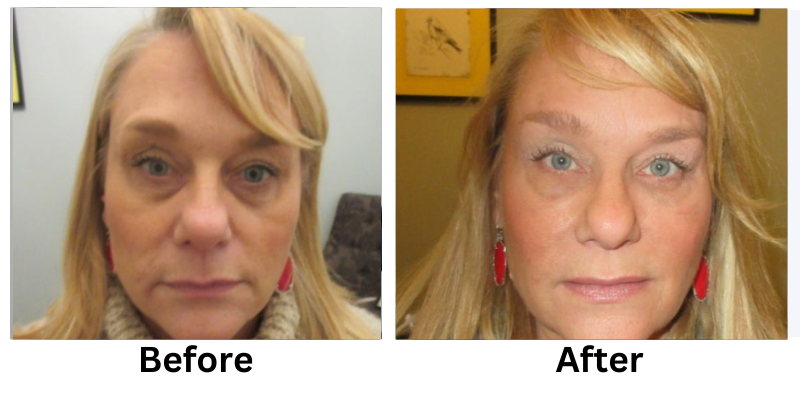
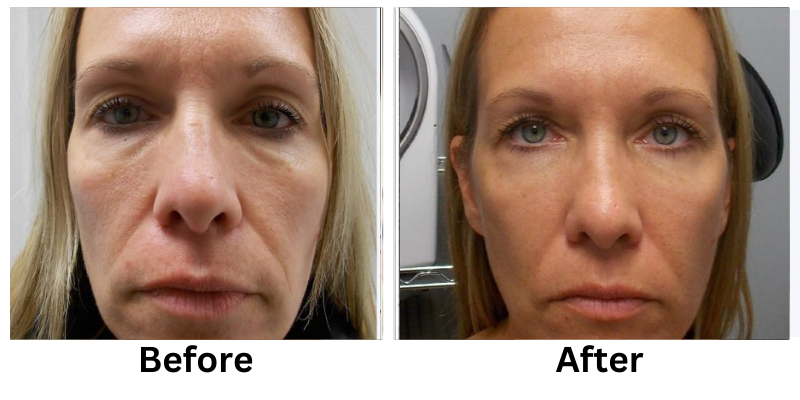
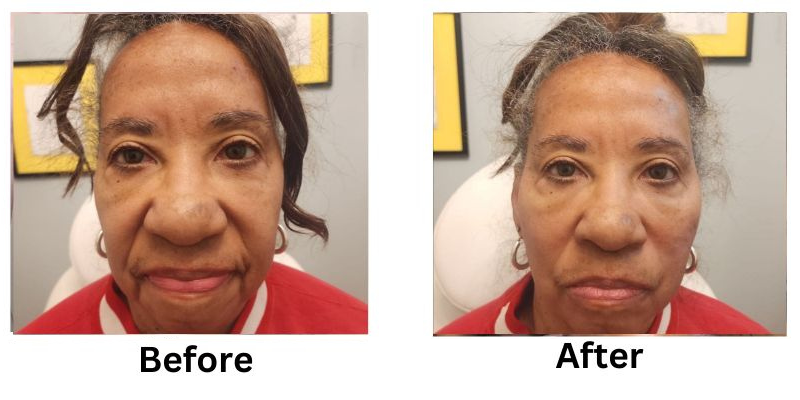
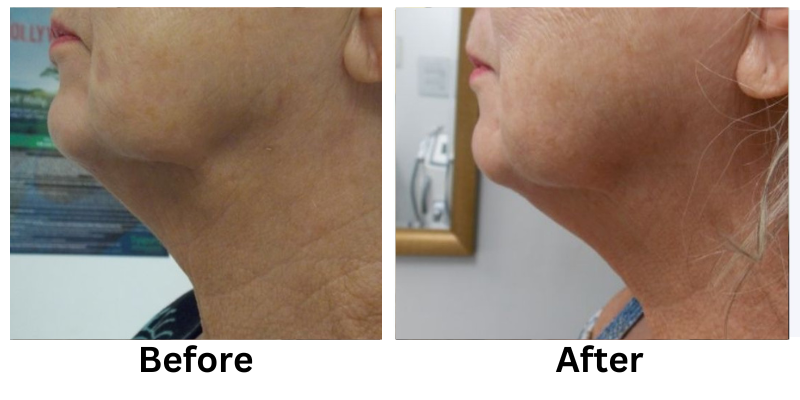
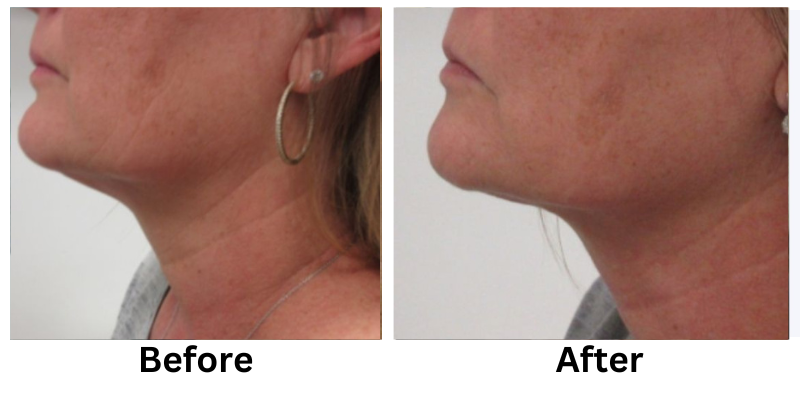
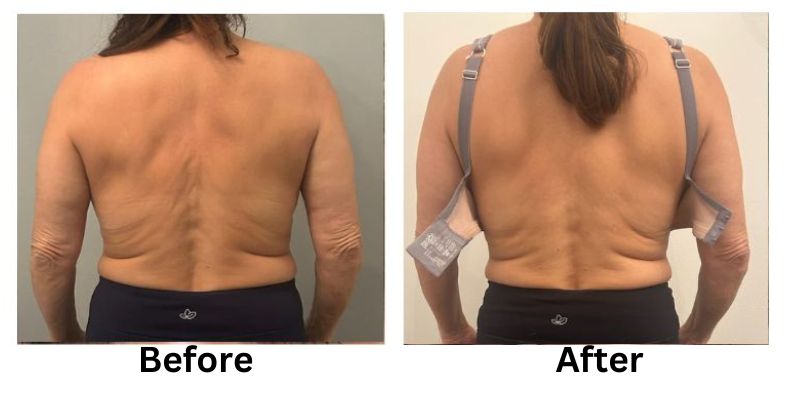
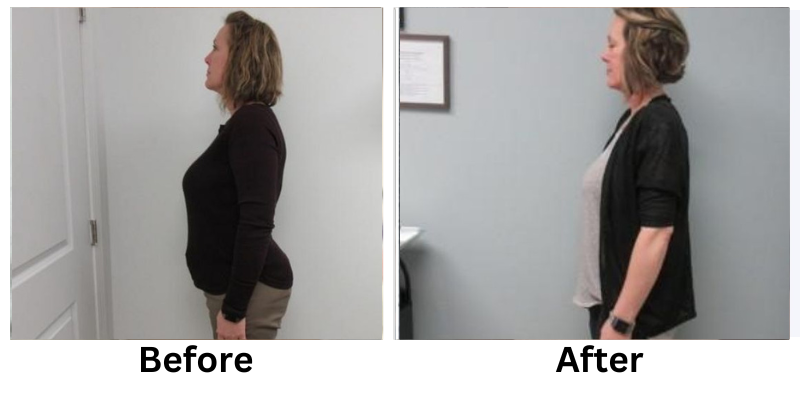
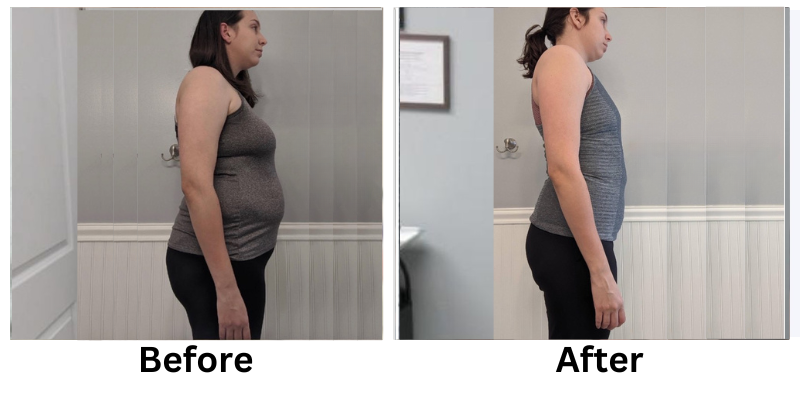
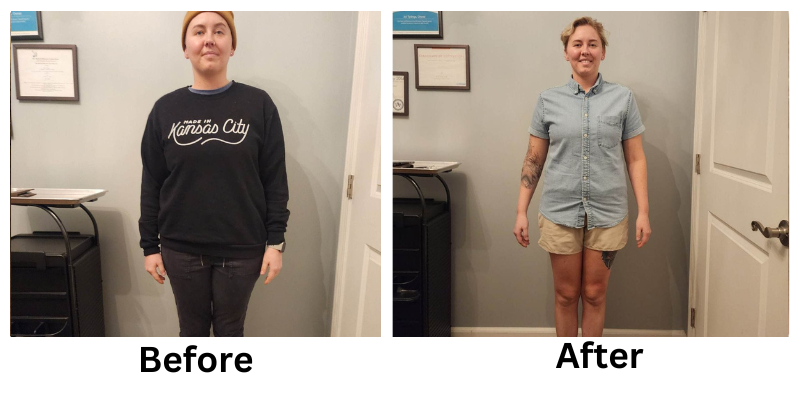
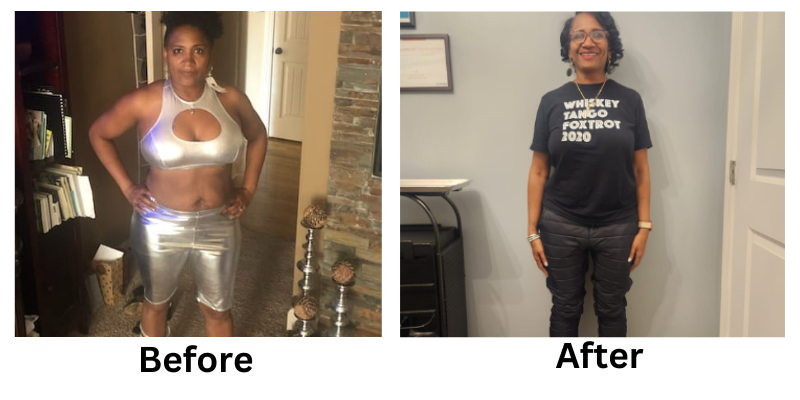
Our staff is made up of a team of motivated, well-trained individuals who are only happy with our work when you are 100% happy with your results… and we love our work! See some amazing results from our patients in our before & after gallery.
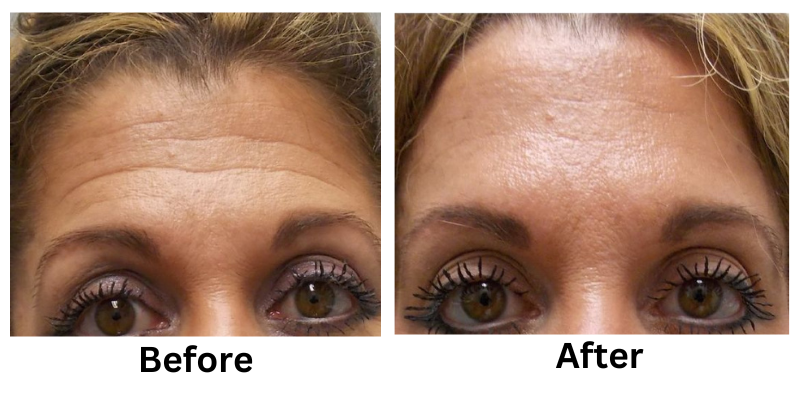
Botox Before and After
[thumb][thumb][thumb]
consultations available now
The first step is to schedule an in-person consultation with one of our highly trained providers at Slimming Solutions Spa located in Lee Summit, MO, serving the surrounding Kansas City areas. Simply fill out the form on this page and we will reach out to you promptly to schedule your appointment. Your journey to a healthier, happier you can start today.
Our Reviews

[trustindex no-registration=google]

More To Explore