
You can get semaglutide with a prescription from a licensed healthcare provider. Semaglutide is available through primary care doctors, medical weight loss clinics, med spas, telehealth platforms, and retail pharmacies across the United States. Because semaglutide is a prescription medication classified as a GLP-1 receptor agonist, you cannot purchase it over the counter or without a medical evaluation. According to the CDC, 42.4% of American adults have obesity, and demand for semaglutide has grown sharply as a result. A June 2026 Gallup survey found that approximately 12.4% of U.S. adults, roughly 32 million people, are currently taking a GLP-1 medication.
This guide covers everything you need to know about getting semaglutide: what it is, who qualifies, where to find a provider, how to inject it yourself, what to expect during the first weeks of treatment, and how to get the most out of your results.
What Is Semaglutide and How Does It Work for Weight Loss?
Semaglutide is a glucagon-like peptide-1 (GLP-1) receptor agonist, a class of medications that mimics the GLP-1 hormone your body naturally produces after eating. The GLP-1 hormone plays a central role in appetite regulation, blood sugar control, and digestion speed. Semaglutide activates GLP-1 receptors in the brain and gut to reduce hunger, slow gastric emptying, and improve insulin secretion, which together lead to sustained weight loss.
The way semaglutide suppresses appetite differs from older weight loss medications. Older drugs often relied on stimulant mechanisms that raised heart rate and caused jitters. Semaglutide works through the same hormonal pathway your body already uses to signal fullness after a meal. This hormonal approach produces more consistent appetite control without the crash-and-rebound cycles that stimulant-based medications often cause. A GLP-1 weight loss treatment targets the root hormonal drivers of overeating rather than simply forcing calorie restriction through willpower alone.
Clinical evidence supports semaglutide’s effectiveness at a level few weight loss medications have achieved. In the landmark STEP 1 trial published in the New England Journal of Medicine, participants taking semaglutide 2.4 mg lost an average of 14.9% of their body weight over 68 weeks. A 2025 study published in Frontiers in Endocrinology found that 89% to 91% of real-world patients on semaglutide achieved clinically significant weight loss of at least 5%. The SELECT trial, published in Nature Medicine in 2024, demonstrated that semaglutide reduced major adverse cardiovascular events by 20% in 17,604 adults with preexisting heart disease and overweight or obesity.
Do You Need a Prescription for Semaglutide?
Yes, you need a prescription for semaglutide. Semaglutide is classified by the U.S. Food and Drug Administration (FDA) as a prescription-only medication. No version of semaglutide, whether injectable or oral, is available over the counter. The FDA requires a licensed healthcare provider to evaluate your medical history, current health conditions, and body mass index (BMI) before prescribing semaglutide.
The prescription requirement exists because semaglutide carries specific contraindications and potential side effects that require medical oversight. Patients with a personal or family history of medullary thyroid carcinoma (MTC) or Multiple Endocrine Neoplasia syndrome type 2 (MEN 2) cannot take semaglutide. Patients with a history of pancreatitis or severe kidney disease require careful evaluation before starting treatment. A licensed provider reviews these risk factors during the initial evaluation to determine if semaglutide is safe and appropriate for you.
Who Qualifies for Semaglutide?
You qualify for semaglutide for weight loss if you have a BMI of 30 or higher, or a BMI of 27 or higher with at least one weight-related health condition. The FDA established these eligibility criteria when it approved Wegovy (semaglutide 2.4 mg) for chronic weight management in June 2021. A weight loss candidate is evaluated based on these specific clinical benchmarks, not on a desire to lose a few vanity pounds.
Weight-related conditions that qualify you at a BMI of 27 or higher include:
- Type 2 diabetes or prediabetes
- High blood pressure (hypertension)
- High cholesterol (dyslipidemia)
- Obstructive sleep apnea
- Cardiovascular disease
- Polycystic ovary syndrome (PCOS)
- Non-alcoholic fatty liver disease (NAFLD)
To put BMI numbers in perspective, a person who stands 5 feet 6 inches tall reaches a BMI of 30 at approximately 186 pounds. That same person reaches a BMI of 27 at approximately 167 pounds. According to the CDC, 72.4% of American adults are overweight or obese, which means a large portion of the adult population meets the BMI threshold. Missouri is among the 23 states where more than 35% of adults have obesity, according to 2023 CDC data from the Behavioral Risk Factor Surveillance System.
Can You Still Get Semaglutide?
Yes, you can still get semaglutide. The FDA removed injectable semaglutide from its drug shortage list on February 21, 2025, after determining that the manufacturer’s supply could meet national demand. Semaglutide had been on the shortage list since March 2022 due to a surge in demand that outpaced production capacity. The shortage resolution means that brand-name semaglutide products, both Wegovy and Ozempic, are now available at retail pharmacies, specialty pharmacies, and through medical providers nationwide.
The end of the shortage also changed the landscape for compounded semaglutide. During the shortage, compounding pharmacies were allowed to produce semaglutide under FDA enforcement discretion. After the shortage was resolved, the FDA set deadlines for compounding pharmacies to stop producing semaglutide copies: April 22, 2025, for 503A pharmacies and May 22, 2025, for 503B outsourcing facilities. The availability of compounded semaglutide has decreased significantly as a result. The FDA reported more than 455 adverse event reports linked to compounded semaglutide as of early 2025, many involving dosing errors from multi-dose vials.
Is Semaglutide the Same as Wegovy and Ozempic?
Yes, semaglutide is the active ingredient in both Wegovy and Ozempic. These are brand names manufactured by Novo Nordisk, but they carry different FDA approvals and dosing schedules. Wegovy is FDA-approved specifically for chronic weight management and cardiovascular risk reduction. Ozempic is FDA-approved for type 2 diabetes management, though healthcare providers sometimes prescribe it off-label for weight loss. In December 2025, the FDA approved an oral Wegovy tablet (semaglutide 25 mg daily), giving patients a needle-free option for the first time. Weight loss injections remain the most common form, but the oral tablet has expanded access for people who prefer to avoid needles.
| Feature | Wegovy (Injectable) | Ozempic | Wegovy (Oral Pill) |
|---|---|---|---|
| Active Ingredient | Semaglutide | Semaglutide | Semaglutide |
| FDA-Approved For | Weight loss, CV risk reduction, MASH | Type 2 diabetes, CV/kidney risk | Weight loss, CV risk reduction |
| Administration | Once-weekly injection | Once-weekly injection | Once-daily oral tablet |
| Maintenance Dose | 2.4 mg per week | 0.5 mg, 1 mg, or 2 mg per week | 25 mg per day |
| Age Eligibility | Adults and adolescents 12+ | Adults 18+ | Adults 18+ |
| Dose Escalation Period | 16-20 weeks | 8-16 weeks | 12-16 weeks |
The key distinction that matters for weight loss is dosing. Wegovy’s injectable maintenance dose of 2.4 mg per week is higher than Ozempic’s maximum dose of 2 mg per week, which is why Wegovy produces greater weight loss in clinical trials. Ozempic’s approval is for blood sugar management, and its dosing reflects that primary purpose. Patients who want semaglutide specifically for weight loss should discuss Wegovy with their provider, as it is the formulation designed and dosed for that indication.
Where Can You Get a Semaglutide Prescription?
You can get a semaglutide prescription from four main types of providers: primary care doctors, medical weight loss clinics, med spas with licensed medical staff, and telehealth platforms. Each pathway has different advantages depending on your insurance coverage, location, and how much ongoing support you need.
Primary Care Doctor
Your regular doctor can prescribe semaglutide during an office visit. The advantage is that your primary care provider already knows your medical history, current medications, and health conditions. The process typically involves a physical exam, lab work (blood panel, metabolic markers, thyroid function), and a BMI assessment. If you qualify, your doctor writes the prescription and you fill it at a retail pharmacy. The limitation is that most primary care offices do not offer the ongoing nutritional counseling, behavioral support, or body composition monitoring that dedicated medical weight loss programs include.
Medical Weight Loss Clinic or Med Spa
A medical weight loss clinic or med spa that employs licensed medical providers offers a more comprehensive approach. These clinics specialize in weight management and typically combine semaglutide with nutritional guidance, behavioral modification, regular check-ins, and complementary treatments. In Lee’s Summit and the greater Kansas City area, patients can access medically supervised GLP-1 programs that include lab work, health screening, and ongoing support throughout the treatment timeline. The advantage of a clinic-based program is the continuity of care: you see the same team throughout your journey, and they adjust your treatment as your body responds.
Telehealth Platforms
Telehealth platforms allow you to consult with a licensed provider through a video or chat visit, receive a prescription, and have the medication shipped to your home or filled at a local pharmacy. These platforms offer convenience for patients who cannot easily visit a clinic in person. However, telehealth visits typically do not include physical exams or in-person lab work, which means some providers may require you to complete lab work at a separate facility before prescribing.
Retail Pharmacies
Retail pharmacies like Walgreens, CVS, and independent pharmacies fill semaglutide prescriptions but do not prescribe the medication themselves. You need a prescription from one of the provider types above before a pharmacy can dispense semaglutide to you. Some retail pharmacies now partner with telehealth services to offer weight management consultations directly through their platforms.
Can You Buy Semaglutide Online?
You can get a semaglutide prescription online through a licensed telehealth provider, but you cannot buy semaglutide without a prescription from any legitimate source. Telehealth platforms connect you with a licensed medical provider who evaluates your eligibility through a virtual consultation. If the provider determines semaglutide is appropriate for you, they write the prescription electronically. The prescription is then filled either at a retail pharmacy or shipped directly from a licensed pharmacy to your home.
Any website that offers to sell semaglutide without requiring a medical evaluation or prescription is operating outside of FDA regulations. The FDA has issued multiple warnings about counterfeit and unregulated semaglutide products sold through unlicensed online sellers. These products may contain incorrect doses, contaminated ingredients, or no active semaglutide at all. Purchasing from unregulated sources carries serious health risks, including dosing errors that have been linked to hospitalizations.
Can You Get Semaglutide Without a Doctor?
No, you cannot get semaglutide without a doctor or licensed prescribing provider. Semaglutide is not available over the counter, and no legitimate pathway exists to obtain it without a medical evaluation and prescription. Nurse practitioners (NPs), physician assistants (PAs), and physicians can all prescribe semaglutide, depending on state prescribing authority laws. Some states allow advanced practice registered nurses (APRNs) independent prescribing authority, while others require a collaborative agreement with a physician.
The medical evaluation is not a formality. Semaglutide interacts with specific health conditions and medications. Patients taking insulin or sulfonylureas face an increased risk of hypoglycemia when combined with semaglutide. Patients with a history of gallbladder disease, pancreatitis, or kidney problems require careful monitoring. A qualified provider evaluates these factors, adjusts the dose escalation schedule based on your tolerance, and monitors your progress to catch complications early. Skipping this evaluation puts your health at risk.
What Is the Difference Between Brand-Name and Compounded Semaglutide?
Brand-name semaglutide (Wegovy, Ozempic) is manufactured by Novo Nordisk under FDA oversight with standardized dosing, purity, and potency controls. Compounded semaglutide is prepared by compounding pharmacies and is not FDA-approved. During the semaglutide shortage from March 2022 through February 2025, compounding pharmacies were permitted to produce semaglutide under a shortage exemption. That exemption ended when the FDA declared the shortage resolved.
The practical difference for patients is consistency and safety. Brand-name semaglutide comes in pre-filled pens (Wegovy FlexTouch) with fixed doses that eliminate the risk of measurement errors. Compounded semaglutide typically came in multi-dose vials that required patients to draw their own doses with a syringe, which introduced the possibility of dosing mistakes. The FDA reported more than 455 adverse events linked to compounded semaglutide, with many involving patients who self-administered incorrect doses from vials. Patients currently on a semaglutide treatment program should discuss with their provider whether brand-name formulations are the most appropriate option given the current regulatory landscape.
What Happens During a Semaglutide Consultation?
A semaglutide consultation involves a comprehensive medical evaluation that includes a review of your health history, current medications, lab work, BMI assessment, and a discussion of your weight loss goals. The consultation determines whether semaglutide is safe and appropriate for you based on clinical criteria.
Lab work typically includes a complete blood panel, metabolic markers, thyroid function tests, and kidney function markers. These baseline labs establish your starting health status and identify any conditions that may affect treatment. Thyroid function testing is particularly important because semaglutide carries a boxed warning about thyroid C-cell tumors observed in animal studies. Kidney function is assessed because dehydration from GI side effects (nausea, vomiting, diarrhea) can affect kidney health during the early weeks of treatment.
At a medical weight loss clinic in the Kansas City area, the consultation also includes a discussion about nutrition, behavioral patterns, and lifestyle factors that contribute to weight gain. We believe that semaglutide works best when combined with behavior modification, not used as a standalone solution. The medication controls hunger signals, but lasting weight loss requires building new habits around food, movement, and stress management. Your provider creates a personalized treatment plan that includes a dose escalation schedule, follow-up appointments, and ongoing support throughout your program.
Where Do You Inject Semaglutide?
You inject semaglutide subcutaneously (under the skin) in three FDA-approved sites: the abdomen, the front of the thigh, or the back of the upper arm. All three sites deliver semaglutide into the subcutaneous fat layer between the skin and muscle, where the medication absorbs into the bloodstream at a consistent rate. According to clinical injection site research cited by the Mayo Clinic, drug absorption is similar across all three sites, so no single injection site produces better weight loss results than another.
The abdomen is the most commonly recommended injection site because it offers a large surface area, consistent subcutaneous fat depth, and easy self-access. When injecting in the abdomen, position the injection at least two inches away from the belly button in any direction. The front of the thigh works well as a rotation option, particularly for patients who prefer sitting during injection. The back of the upper arm is effective but more difficult to self-administer because it requires pinching the skin and injecting simultaneously in a hard-to-reach area. Most patients use the abdomen and thigh for self-injection and reserve the upper arm for when a caregiver or provider can assist.
Rotating injection sites each week prevents lipohypertrophy, a condition where repeated injections in the same spot cause thickened fatty tissue that reduces medication absorption. A simple rotation pattern alternates between the left and right sides of the abdomen one week, then the left and right thigh the next week, cycling through all available sites over a month.
How Do You Give Yourself a Semaglutide Shot?
You give yourself a semaglutide shot by cleaning the injection site, pinching the skin, inserting the needle at a 90-degree angle, injecting the medication, and holding for several seconds before removing the needle. The entire process takes less than 30 seconds once you learn the technique.
- Wash your hands thoroughly with soap and water before handling the pen or syringe.
- Select your injection site on the abdomen, thigh, or upper arm, making sure it is at least one inch away from your previous injection spot.
- Clean the injection site with an alcohol swab and allow the skin to dry completely before proceeding.
- Pinch a fold of skin at the injection site using your thumb and forefinger to create a raised area of subcutaneous tissue.
- Hold the pen or syringe at a 90-degree angle to the skin and insert the needle in a smooth, steady motion.
- Press the injection button (for pre-filled pens like Wegovy FlexTouch, hold until the dose counter reaches zero and keep the needle in place for at least 6 seconds).
- Release the skin fold and remove the needle in a straight, steady motion.
- Dispose of the used needle in a sharps container immediately. Never reuse needles.
Your first injection is typically administered by your provider during the initial appointment so you can learn the technique with hands-on guidance. Subsequent injections are self-administered at home on the same day each week. Many patients prefer to inject before bedtime so they can sleep through any mild nausea that sometimes occurs within the first few hours after injection. If you miss a dose, take it as soon as you remember, as long as it is within five days. After five days, skip the missed dose and resume your regular weekly schedule.
What Are the First Signs That Semaglutide Is Working?
The first signs that semaglutide is working are a noticeable decrease in appetite, reduced food cravings, and feeling full faster during meals. Most patients begin experiencing these appetite changes within the first one to two weeks of treatment, even at the lowest starting dose. The reduced appetite is the GLP-1 mechanism at work: semaglutide slows gastric emptying, which means food stays in the stomach longer, and it activates satiety centers in the brain that signal fullness earlier in a meal.
Visible weight loss typically becomes apparent by weeks three through six, though the rate varies based on starting weight, adherence to nutritional guidance, and physical activity level. Clinical data from the STEP trials show that patients lost approximately 6% of their body weight by month four, 9% by month six, and 13% by month twelve. The most significant rate of weight loss occurs within the first six months of treatment, after which weight loss stabilizes. Patients who combine semaglutide with structured behavioral support tend to see results that sustain beyond the medication period, because the habits they build during treatment carry forward. Our approach at weight loss on semaglutide programs emphasizes building those habits from day one.
What Happens the First Week on Semaglutide?
The first week on semaglutide involves a low starting dose designed to let your body adjust to the medication gradually. The standard starting dose for Wegovy is 0.25 mg per week, which is well below the maintenance dose of 2.4 mg. This low dose minimizes side effects during the adjustment period while your GLP-1 receptors begin responding to the medication.
During the first week, some patients experience mild gastrointestinal side effects, including nausea, slight stomach discomfort, or decreased appetite. These effects are the most common side effects reported in clinical trials and typically resolve within two to four weeks as your body adjusts. Eating smaller meals, avoiding high-fat or greasy foods, and staying well hydrated help reduce nausea during the early weeks. Severe nausea, persistent vomiting, or inability to keep fluids down should be reported to your provider immediately, as dehydration from GI symptoms can affect kidney function.
The dose escalation schedule increases your dose gradually every four weeks until you reach the maintenance dose. This gradual approach is deliberate: it allows your digestive system to adapt and reduces the likelihood of severe side effects that can occur when patients start at higher doses too quickly.
How to Speed Up Weight Loss on Semaglutide
You speed up weight loss on semaglutide by combining the medication with proper nutrition, adequate protein intake, regular physical activity, behavioral support, and consistent hydration. Semaglutide controls hunger signals, but the rate and sustainability of weight loss depends on the lifestyle framework you build around the medication.
Protein intake is the single most important nutritional factor during GLP-1 treatment. Semaglutide reduces appetite significantly, which means you eat less overall. If your reduced food intake is not structured around adequate protein (0.7 to 1.0 grams per pound of lean body mass per day), your body will break down muscle tissue for energy alongside fat. Muscle loss slows metabolism and makes long-term weight maintenance harder. Eating on weight loss injections requires intentional meal planning that prioritizes protein, fiber, and nutrient density within a smaller caloric window.
Physical activity, particularly resistance training, preserves lean muscle mass during rapid weight loss and improves metabolic health markers independently of the scale. Even 150 minutes of moderate activity per week, the standard CDC recommendation, enhances semaglutide’s effects on blood pressure, cholesterol, and blood sugar regulation. Behavioral support, including regular check-ins with a counselor or medical team, addresses the psychological patterns behind overeating that medication alone cannot fix. IQVIA persistence data from 2025 shows that approximately 28% of patients on GLP-1 medications for obesity discontinue within one year, which underscores why ongoing support is critical to staying on track.
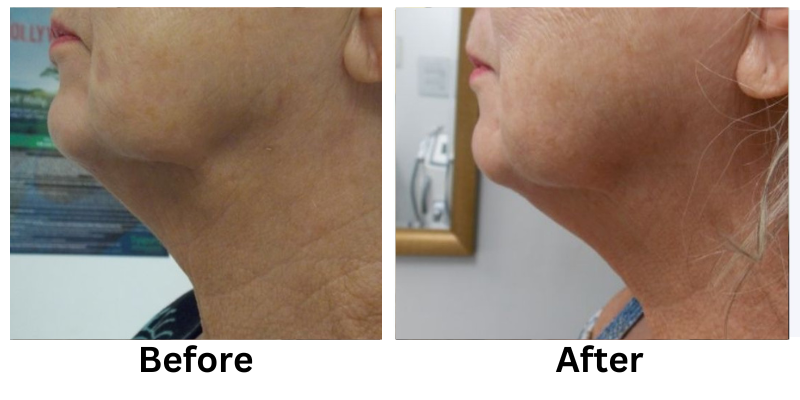
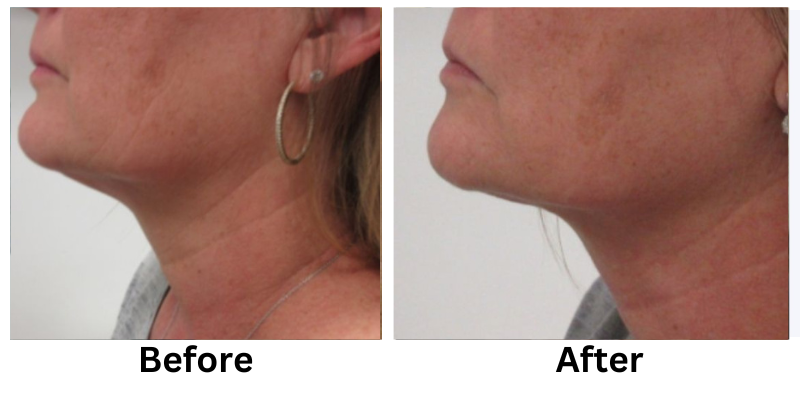
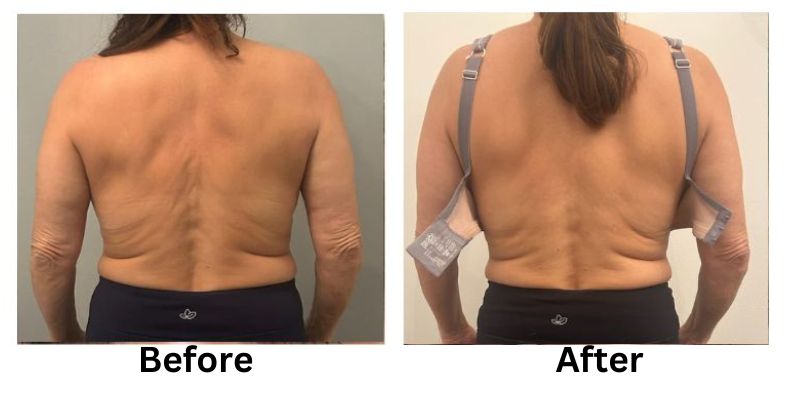
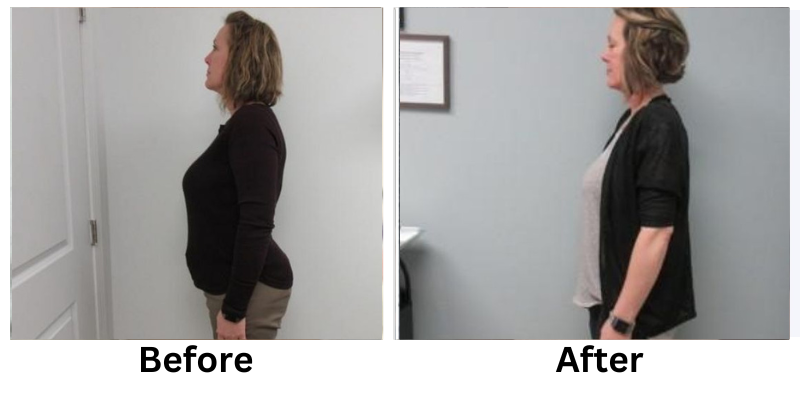
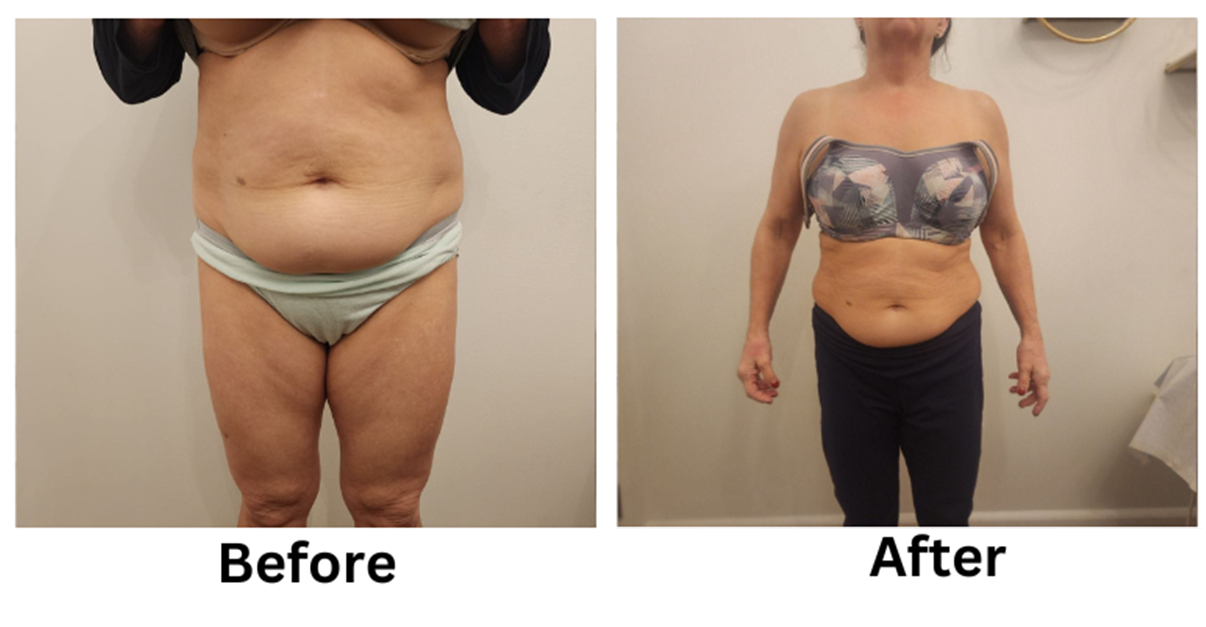
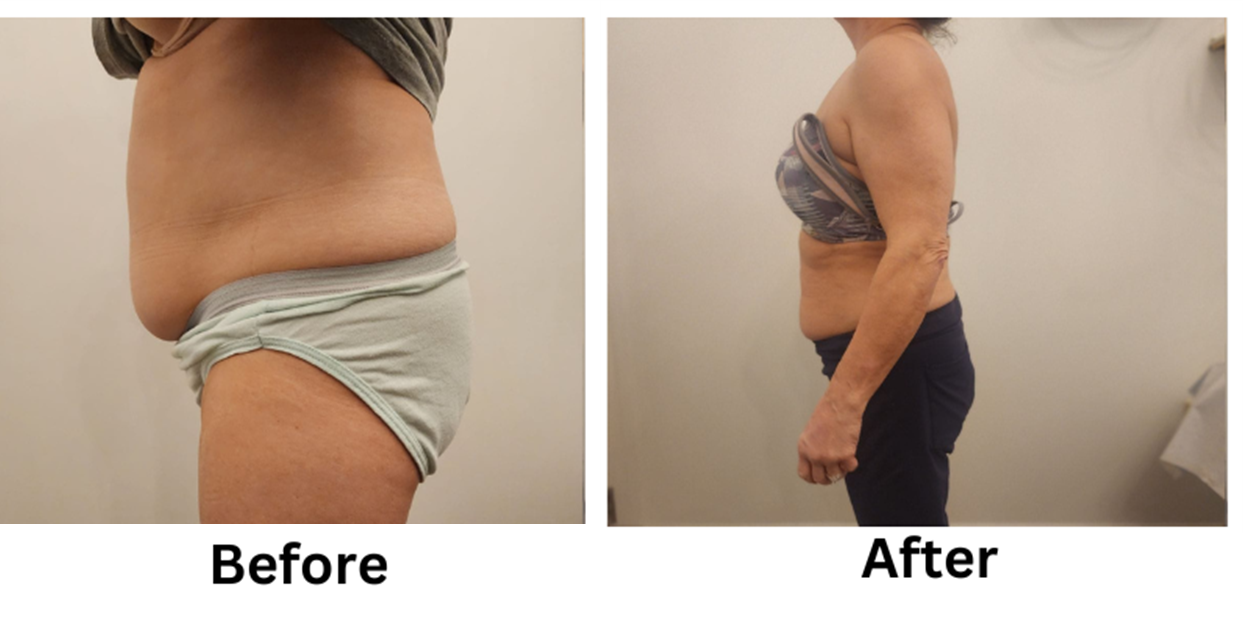
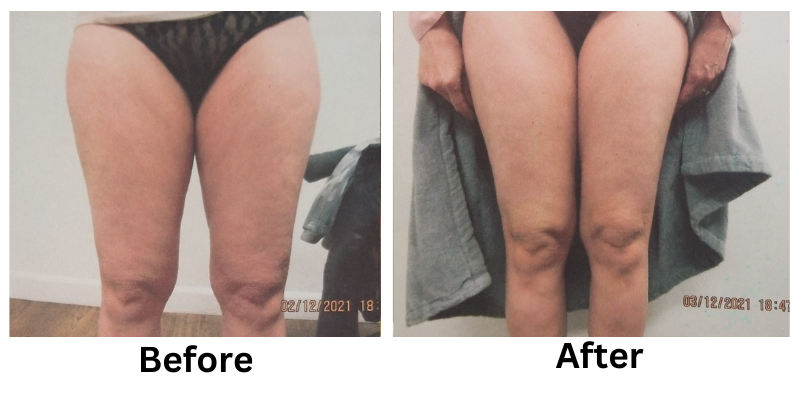
Patients who have lost significant weight often benefit from complementary treatments that address the physical changes that follow weight loss. Skin tightening procedures help firm skin that has stretched during years of carrying excess weight. Body sculpting treatments target stubborn fat deposits that remain after overall weight reduction. These treatments complement semaglutide’s systemic weight loss with targeted body contouring for a more complete transformation.
Hormonal factors can also affect how quickly semaglutide produces results. Women in perimenopause and menopause often experience weight gain driven by declining estrogen and progesterone levels, which shifts fat storage toward the abdomen. Hormone therapy may address these underlying hormonal imbalances and support more consistent weight loss when combined with GLP-1 treatment. Vitamin shots and slimming shots can also support energy levels and metabolic function during active weight loss phases.
How to Get Insurance to Pay for Semaglutide for Weight Loss
Getting insurance to pay for semaglutide for weight loss requires verifying your plan’s formulary, obtaining prior authorization from your provider, and potentially filing an appeal if the initial claim is denied. Insurance coverage for GLP-1 weight loss medications has expanded rapidly. According to a 2025 employer benefits survey, 43% of firms with over 5,000 workers now cover GLP-1 medications for obesity, up from 28% the prior year.
The first step is calling the member services number on your insurance card and asking whether Wegovy (semaglutide) for weight management is on your plan’s formulary. If it is covered, ask what prior authorization requirements exist. Most insurers require documentation of BMI, at least one weight-related comorbidity, and evidence that the patient has attempted diet and exercise without achieving adequate results. Your provider submits this documentation along with the prior authorization request.
If your insurance does not cover semaglutide, manufacturer savings programs can reduce out-of-pocket costs. Novo Nordisk offers a savings card that reduces the cost of Wegovy for eligible self-pay patients. The oral Wegovy pill starts at lower monthly price points than the injectable through manufacturer offers. For patients without insurance coverage, a medical weight loss program can help you understand all available options, including payment plans, manufacturer programs, and alternative GLP-1 formulations that may fit your budget.
Frequently Asked Questions
Can You Quit Semaglutide Cold Turkey?
You can stop semaglutide without a medical taper, as the medication does not cause physical dependence or withdrawal symptoms. However, stopping semaglutide abruptly often leads to a return of baseline appetite levels and potential weight regain. Clinical studies suggest that patients who discontinue GLP-1 medications without maintaining behavioral changes regain a significant portion of their lost weight within 12 months. Consulting your provider before stopping allows you to develop a transition plan that preserves your progress.
How Much Weight Will You Lose in 2 Months on Semaglutide?
Most patients lose 3% to 5% of their body weight within the first two months on semaglutide. The first two months coincide with the dose escalation period, so you are not yet at the full maintenance dose. For a person weighing 220 pounds, a 3% to 5% loss translates to approximately 6.6 to 11 pounds. Weight loss accelerates after reaching the maintenance dose, with the most significant results occurring between months three and six.
How Long Does It Take for Semaglutide to Start Working?
Semaglutide starts working within the first week of treatment by activating GLP-1 receptors that reduce appetite and slow gastric emptying. Most patients notice decreased hunger and smaller portion sizes within one to two weeks. Measurable weight loss on the scale typically appears by weeks two through four, though the rate depends on starting weight, caloric intake, and activity level.
Is Semaglutide Stronger Than Ozempic?
Semaglutide is the active ingredient in both Wegovy and Ozempic, so the molecule itself is identical. Wegovy is dosed higher (2.4 mg weekly maintenance) than Ozempic (maximum 2 mg weekly), which produces greater weight loss. Wegovy is FDA-approved for weight management, while Ozempic is FDA-approved for type 2 diabetes. Saying semaglutide is “stronger” than Ozempic is inaccurate because Ozempic contains semaglutide. The difference is the approved dose and indication.
How Do You Give Yourself a Semaglutide Injection?
You give yourself a semaglutide injection by selecting a clean site on your abdomen, thigh, or upper arm, pinching the skin, inserting the pen needle at a 90-degree angle, pressing the dose button, holding for at least 6 seconds, and then removing the needle. The injection is once weekly, on the same day each week, and takes less than 30 seconds once you are comfortable with the technique.
What Is the Difference Between Brand-Name and Compounded Semaglutide?
Brand-name semaglutide (Wegovy, Ozempic) is manufactured by Novo Nordisk under strict FDA quality controls and delivered in pre-filled pens with standardized doses. Compounded semaglutide was prepared by compounding pharmacies, typically in multi-dose vials, and was not FDA-approved. The FDA ended the semaglutide shortage in February 2025, which significantly reduced the availability of compounded versions. Brand-name semaglutide offers consistent dosing and a verified safety profile that compounded products did not guarantee.
Putting It All Together
Semaglutide has changed what is possible for people struggling with weight loss. The medication works through your body’s own hormonal system to reduce hunger, control cravings, and produce sustained weight loss that clinical trials and real-world data consistently support. Getting semaglutide starts with a prescription from a licensed provider, and the pathway you choose, whether that is a primary care doctor, a telehealth visit, or a medical weight loss clinic, depends on the level of support you need and how hands-on you want your care team to be.
We see the best long-term results when semaglutide is combined with behavioral support, nutritional planning, and a care team that stays with you throughout the process. At Slimming Solutions Med Spa, our program includes medical evaluation, personalized treatment planning, ongoing support, and complementary treatments that help you look and feel your best at every stage of your weight loss journey. If you are ready to find out whether semaglutide is right for you, call us at (816) 524-3438 to schedule a free consultation.
![[thumb]](https://slimmingsolutionsspa.com/wp-content/uploads/2023/12/botox1-150x150.png)
![[thumb]](https://slimmingsolutionsspa.com/wp-content/uploads/2023/12/Before2-150x150.png)
![[thumb]](https://slimmingsolutionsspa.com/wp-content/uploads/2023/12/Before3-150x150.png)


![[thumb]](https://slimmingsolutionsspa.com/wp-content/uploads/2023/12/revanesse-versa-1-150x150.png)
![[thumb]](https://slimmingsolutionsspa.com/wp-content/uploads/2023/12/revanesse-versa-2-150x150.png)
![[thumb]](https://slimmingsolutionsspa.com/wp-content/uploads/2023/12/revanesse-versa-3-150x150.png)
![[thumb]](https://slimmingsolutionsspa.com/wp-content/uploads/2023/12/revanesse-versa-4-150x150.png)
![[thumb]](https://slimmingsolutionsspa.com/wp-content/uploads/2023/12/revanesse-versa-5-150x150.png)
![[thumb]](https://slimmingsolutionsspa.com/wp-content/uploads/2024/01/Eyebrow-treatment-1-1-150x150.png)
![[thumb]](https://slimmingsolutionsspa.com/wp-content/uploads/2023/12/Skin-Rejuvenation-1-150x150.png)
![[thumb]](https://slimmingsolutionsspa.com/wp-content/uploads/2023/12/Skin-Rejuvenation-2-150x150.png)


![[thumb]](https://slimmingsolutionsspa.com/wp-content/uploads/2024/01/Lip-Filler-1-150x150.png)
![[thumb]](https://slimmingsolutionsspa.com/wp-content/uploads/2024/01/Lip-Filler-2-150x150.png)
![[thumb]](https://slimmingsolutionsspa.com/wp-content/uploads/2025/02/Lip-Filler-1-150x150.png)
![[thumb]](https://slimmingsolutionsspa.com/wp-content/uploads/2024/01/Lip-Filler-150x150.jpg)
![[thumb]](https://slimmingsolutionsspa.com/wp-content/uploads/2024/01/Before-1-150x150.jpg)

![[thumb]](https://slimmingsolutionsspa.com/wp-content/uploads/2024/01/RHA-Treatmetn-3-150x150.png)
![[thumb]](https://slimmingsolutionsspa.com/wp-content/uploads/2024/01/RHA-Treatmetn-2-150x150.png)
![[thumb]](https://slimmingsolutionsspa.com/wp-content/uploads/2024/01/RHA-Treatmetn-1-150x150.png)
![[thumb]](https://slimmingsolutionsspa.com/wp-content/uploads/2024/01/Thread-Lifts-1-150x150.png)
![[thumb]](https://slimmingsolutionsspa.com/wp-content/uploads/2024/01/Thread-Lifts-2-150x150.png)
![[thumb]](https://slimmingsolutionsspa.com/wp-content/uploads/2025/02/Lip-Filler-2-150x150.png)

![[thumb]](https://slimmingsolutionsspa.com/wp-content/uploads/2023/12/skin-reuvulation1-150x150.png)
![[thumb]](https://slimmingsolutionsspa.com/wp-content/uploads/2023/12/skin-rejuvulation-2-150x150.png)
![[thumb]](https://slimmingsolutionsspa.com/wp-content/uploads/2023/12/Skin-Tighting-150x150.png)
![[thumb]](https://slimmingsolutionsspa.com/wp-content/uploads/2023/12/Before-150x150.jpg)
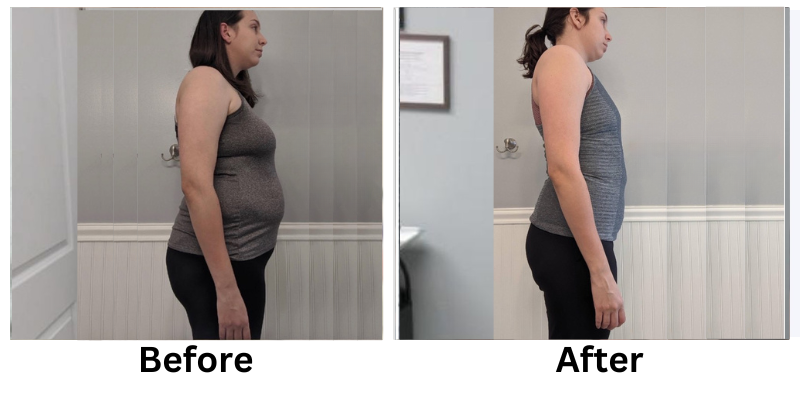
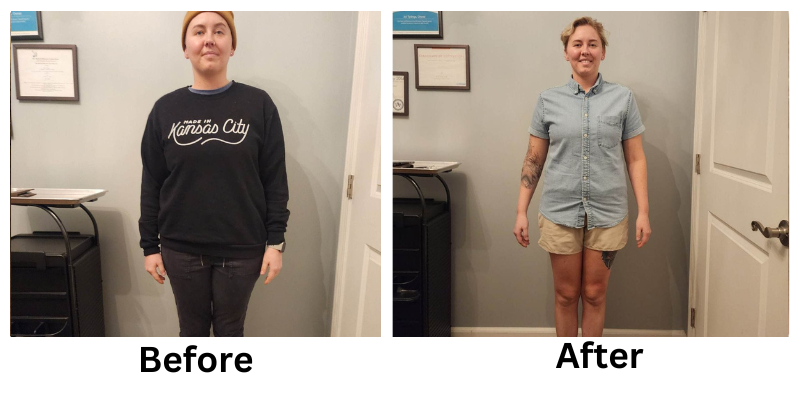
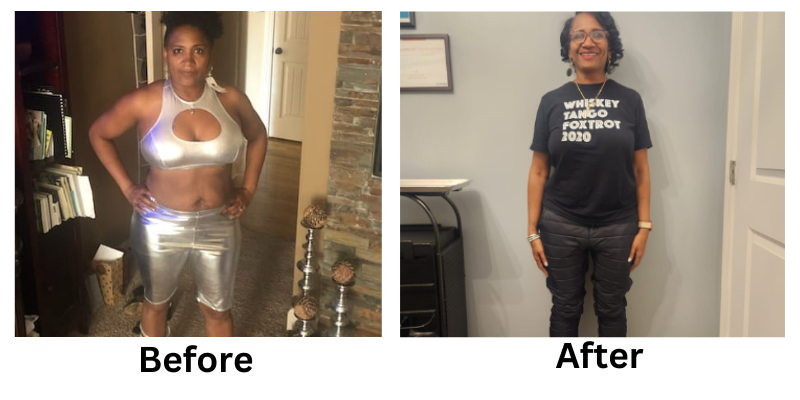
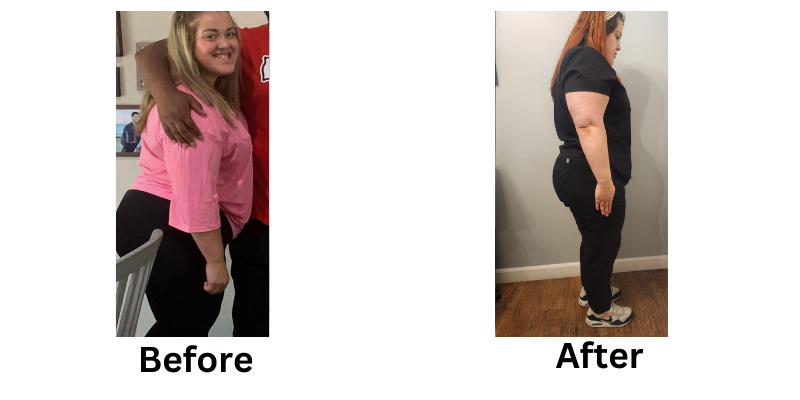
![[thumb]](https://slimmingsolutionsspa.com/wp-content/uploads/2023/12/weightloss-1-150x150.png)
![[thumb]](https://slimmingsolutionsspa.com/wp-content/uploads/2023/12/weightloss-2-150x150.png)
![[thumb]](https://slimmingsolutionsspa.com/wp-content/uploads/2023/12/2Weight-Loss-2-150x150.png)
![[thumb]](https://slimmingsolutionsspa.com/wp-content/uploads/2025/02/Weight-Loss-1-new-150x150.png)
![[thumb]](https://slimmingsolutionsspa.com/wp-content/uploads/2023/12/Weight-Loss-3-150x150.png)
![[thumb]](https://slimmingsolutionsspa.com/wp-content/uploads/2025/03/Slimming-Solutions-BA-Template-150x150.png)


![[thumb]](https://slimmingsolutionsspa.com/wp-content/uploads/2023/12/dat3-150x150.png)
![[thumb]](https://slimmingsolutionsspa.com/wp-content/uploads/2023/12/dat-0-150x150.png)
![[thumb]](https://slimmingsolutionsspa.com/wp-content/uploads/2023/12/dat-1-150x150.png)
![[thumb]](https://slimmingsolutionsspa.com/wp-content/uploads/2023/12/Before-1-150x150.png)

![[thumb]](https://slimmingsolutionsspa.com/wp-content/uploads/2024/01/EMS-Treatment-2-150x150.png)
![[thumb]](https://slimmingsolutionsspa.com/wp-content/uploads/2024/01/EMS-Treatment-1-150x150.png)
![[thumb]](https://slimmingsolutionsspa.com/wp-content/uploads/2025/02/ems-BNA-front-150x150.png)
![[thumb]](https://slimmingsolutionsspa.com/wp-content/uploads/2025/02/EMS-bna-SIDE-150x150.png)
![[thumb]](https://slimmingsolutionsspa.com/wp-content/uploads/2024/01/EMS-Treatment-6-150x150.png)