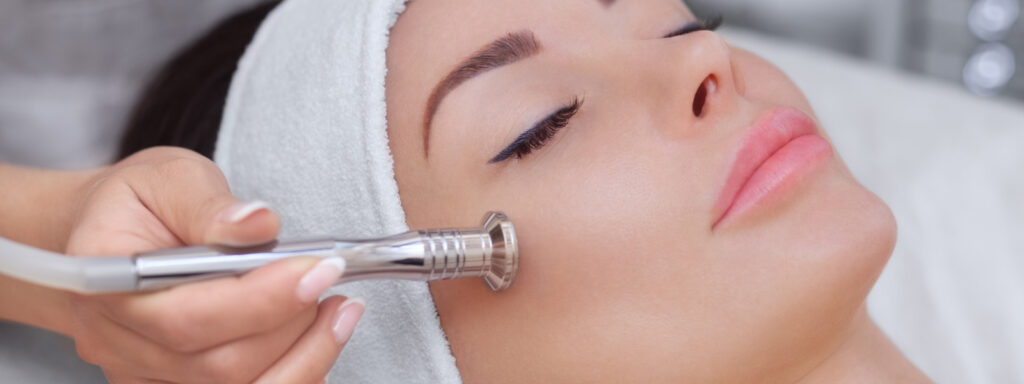
To prepare for a microdermabrasion, you should stop using retinoids, glycolic acid, and exfoliating products at least 5 to 7 days before your appointment, avoid sun exposure and tanning for at least one week, skip waxing or threading for 3 to 4 weeks, switch to a gentle cleanser, and arrive with a clean face free of makeup. The global microdermabrasion devices market was valued at $573.4 million in 2024 and is projected to reach $1.05 billion by 2033, according to IMARC Group, reflecting the growing demand for non-invasive skin rejuvenation treatments. According to the ASPS, over 3.7 million skin resurfacing procedures including microdermabrasion were performed in 2024, a 6% increase from the previous year. This article covers everything you need to do before, during, and after your microdermabrasion treatment to get the best results, along with answers to the most common questions about the procedure.
What Not To Do Before a Microdermabrasion Facial?
Before a microdermabrasion facial, you should not use retinoids (Retin-A, tretinoin, Differin), glycolic acid, salicylic acid, or any exfoliating products for at least 5 to 7 days before your appointment. These active ingredients thin the skin’s outer layer and increase sensitivity, which raises the risk of irritation, redness, and discomfort during the treatment.
You should also not wax, thread, or use depilatory creams on the treatment area for at least 3 to 4 weeks before your session. These hair removal methods create micro-inflammation in the skin that can be aggravated by the mechanical exfoliation of microdermabrasion. According to Henry Ford Health, stopping aspirin-based medications and stopping smoking for at least a week before treatment is also recommended to improve blood flow and reduce the risk of bruising.
Avoid prolonged sun exposure and tanning beds for at least one week before treatment. Sunburned or freshly tanned skin is more fragile and sensitive, increasing the risk of adverse reactions during exfoliation. Do not apply heavy makeup, self-tanner, or oil-based products on the day of your appointment. Arriving with a clean, bare face allows the esthetician to work on a clear surface and ensures the treatment is as effective as possible. The trained providers at Slimming Solutions Med Spa will review any specific pre-treatment instructions based on your skin type during your consultation.
How Do I Prep My Skin for Microdermabrasion?
You prep your skin for microdermabrasion by switching to a gentle, fragrance-free cleanser several days before your appointment, staying well hydrated, wearing SPF 30+ sunscreen daily, and keeping your skin moisturized. This preparation creates the best possible condition for the treatment and helps minimize any post-procedure sensitivity.
Hydration is one of the most important prep steps. Drinking plenty of water in the days before your treatment keeps skin cells plump and healthy, which helps them respond better to the exfoliation process. Apply a gentle, non-active moisturizer twice daily to maintain the skin’s moisture barrier. Avoid introducing any new skincare products in the week before your appointment, as your skin may react unpredictably to unfamiliar ingredients.
If you have any existing skin conditions like active acne, eczema, rosacea, or cold sores, let your provider know before the treatment. These conditions may need to be addressed first, or the treatment may need to be modified. A consultation before your first microdermabrasion session ensures your provider understands your skin’s history and can customize the treatment accordingly. At Slimming Solutions Med Spa, every microdermabrasion treatment begins with a thorough skin evaluation to determine the right approach for your needs.
How Do I Get the Best Results From Microdermabrasion?
You get the best results from microdermabrasion by committing to a series of treatments spaced 2 to 4 weeks apart, following your provider’s aftercare instructions carefully, wearing sunscreen daily, and pairing the treatment with complementary skincare products. A single session produces visible improvement, but multiple treatments build on each other for dramatically smoother, brighter, and more even-toned skin.
According to Persistence Market Research, studies show that 85% of users report noticeable improvements in skin texture and tone after consistent microdermabrasion treatments. The anti-aging application segment alone accounts for 36.5% of the microdermabrasion devices market, reflecting how widely this treatment is used for improving fine lines, wrinkles, and overall skin quality.
After your treatment, use a rich, nourishing moisturizer for 4 to 6 days to prevent excessive peeling. Avoid retinoids, glycolic acid, and other active exfoliants for 7 to 10 days post-treatment. Apply SPF 30 or higher every day, as your freshly exfoliated skin is more sensitive to UV damage. For enhanced results, many patients combine microdermabrasion with follow-up treatments like chemical peels or hydrating serums that penetrate deeper into the freshly exfoliated skin. Scheduling a professional facial between microdermabrasion sessions can also help maintain the glow and keep the skin nourished.
How Long Is Recovery From Microdermabrasion?
Recovery from microdermabrasion is minimal, with most patients experiencing only slight pinkness and tightness for 24 hours after the treatment. There is no true downtime, and most people return to their normal daily activities immediately after the session. This is one of the biggest advantages of microdermabrasion compared to more aggressive resurfacing treatments.
The skin may feel dry and tight for about 24 hours, similar to a mild windburn. Some patients experience slight peeling or flakiness for 3 to 5 days as the new skin cells come to the surface. Applying a moisturizer regularly during this period helps minimize peeling. Mild redness typically fades within a few hours, though it can last up to 48 hours in patients with more sensitive skin.
According to the International Society of Aesthetic Plastic Surgery (ISAPS), about 30.8% of total non-surgical cosmetic procedures including microdermabrasion were conducted in the United States, showing strong demand for treatments with fast recovery times. Most patients can apply makeup within 24 hours of their session. The full benefits of the treatment continue to develop over the following 1 to 2 weeks as collagen production increases and new skin cells replace the exfoliated layer.
What Are 5 Disadvantages of Microdermabrasion?
Five disadvantages of microdermabrasion are temporary skin sensitivity after treatment, the need for multiple sessions to achieve full results, limited effectiveness on deep scars and wrinkles, the risk of over-exfoliation if done too frequently, and the requirement for consistent sun protection after each session.
While microdermabrasion is excellent for surface-level skin concerns like dull skin, mild acne scars, uneven texture, and fine lines, it cannot treat deeper issues like severe acne scarring, deep wrinkles, or significant skin laxity. For those concerns, treatments like laser skin resurfacing, exosome microneedling, or radiofrequency microneedling provide deeper penetration and more dramatic results.
Another disadvantage is that results are temporary. Human skin regenerates approximately every 28 to 40 days, so the smooth, glowing results from a single microdermabrasion session typically last 2 to 4 weeks before dead cells begin accumulating again. To maintain results, treatments should be repeated at regular intervals. However, many patients view this as part of a routine maintenance plan rather than a true disadvantage, especially since each session takes only about 30 minutes with no downtime.
Do You See Results After One Microdermabrasion Session?
Yes, you see results after one microdermabrasion session. Immediately after the treatment, the skin looks noticeably smoother, brighter, and more radiant because the outer layer of dead skin cells and debris has been removed. Makeup applies more evenly, and the skin has a fresh, healthy glow that is visible right away.
However, one session provides only surface-level improvement. The full benefits of microdermabrasion, including reduction of fine lines, improvement in hyperpigmentation, and smoother overall skin texture, develop over a series of 4 to 6 treatments spaced 2 to 4 weeks apart. Each session builds on the previous one by stimulating collagen production and encouraging the skin’s natural renewal cycle to produce healthier, fresher cells.
For patients who want to see if microdermabrasion is right for them before committing to a full series, a single introductory session is a great way to experience the immediate benefits. Many first-time patients are surprised by how much brighter and smoother their skin looks after just one treatment. At Slimming Solutions Med Spa, a consultation before your first session helps set realistic expectations and develop a treatment plan tailored to your specific skin goals.
How Often Should You Do Microdermabrasion?
You should do microdermabrasion every 2 to 4 weeks for the best results. This frequency aligns with the skin’s natural cell turnover cycle, which takes approximately 28 to 40 days for adults. Treatments spaced too closely together can over-exfoliate the skin and damage the protective barrier, while treatments spaced too far apart may not build on the improvements from the previous session.
Most providers recommend an initial series of 4 to 6 treatments every 2 to 4 weeks, followed by monthly maintenance sessions to sustain results. Patients with more sensitive skin may need to wait 4 to 6 weeks between treatments. Those with oilier, thicker skin may tolerate treatments every 2 to 3 weeks. Your provider will adjust the frequency based on how your skin responds after each session.
According to the American Academy of Dermatology, skin conditions like acne affect approximately 50 million Americans. For patients who use microdermabrasion to manage acne-prone skin, consistent treatments help prevent clogged pores and reduce the severity of breakouts over time. Combining regular microdermabrasion sessions with a tailored skincare routine that includes gentle cleansers, non-comedogenic moisturizers, and SPF produces the most consistent long-term improvement in skin health and appearance.
What Not To Do After Microdermabrasion?
After microdermabrasion, you should not expose your skin to direct sunlight without SPF protection, use retinoids or glycolic acid for at least 7 to 10 days, apply heavy makeup for at least 24 hours, exercise or go to a sauna for 24 hours, wax or tweeze the treated area for at least one week, or use abrasive scrubs or exfoliating sponges for 7 to 10 days.
Sun protection is the most critical aftercare step. Your freshly exfoliated skin is more vulnerable to UV damage, and sun exposure can cause hyperpigmentation, undo the benefits of the treatment, and increase the risk of sunburn. Wear a broad-spectrum sunscreen with SPF 30 or higher every day after your treatment, even on overcast days, and reapply every 2 hours if you are outdoors.
Avoid touching, picking, or scratching the treated area. Some mild peeling is normal in the 3 to 5 days following treatment, but pulling at flaking skin can cause irritation, scarring, or uneven texture. Let the skin shed naturally. Apply a hydrating moisturizer at least twice daily to keep the skin comfortable and speed up the healing process. Vitamin C serums can typically be resumed after 48 hours, helping to brighten the newly revealed skin and provide antioxidant protection.
Is a Microdermabrasion Facial Worth It?
Yes, a microdermabrasion facial is worth it for people who want smoother, brighter skin with minimal downtime, no pain, and no harsh chemicals. It is one of the most accessible and affordable professional facial treatments available, and it delivers immediate visible results after every session.
The global demand for non-surgical facial rejuvenation solutions increased to 75% to 80% in 2023, according to IMARC Group market data. Microdermabrasion is a cornerstone treatment in this category because it is safe for virtually all skin types and tones, requires no recovery time, and can be easily paired with other treatments for enhanced results. The microdermabrasion devices market alone is growing at nearly 7% per year, reflecting consistent patient demand.
The treatment is especially worth it when done as part of a consistent skincare plan. Regular microdermabrasion sessions improve skin texture, reduce the appearance of fine lines, fade mild hyperpigmentation, minimize pore size, and allow other skincare products to absorb more effectively. For patients who want to combine microdermabrasion with deeper treatments, pairing it with chemical peels or aqua facials produces even more dramatic results.
Is Microdermabrasion Good for Older Skin?
Yes, microdermabrasion is good for older skin because it stimulates collagen production, removes built-up dead cells, and improves skin texture and tone without the risks or recovery time associated with more aggressive treatments. As the skin ages, the natural cell turnover cycle slows significantly, from every 14 to 21 days at age 18 to every 60 to 90 days by age 50, according to board-certified plastic surgeon Dr. Alexander Zuriarrain. Microdermabrasion helps compensate for this slowdown by manually removing dead cells and prompting the skin to renew itself.
The anti-aging segment accounts for approximately 36.5% of the global microdermabrasion devices market, according to Persistence Market Research. This reflects strong demand from mature patients seeking safe, effective treatments for fine lines, wrinkles, age spots, and dull skin. Microdermabrasion is gentle enough for thinner, more delicate mature skin while still providing meaningful improvement in texture and radiance.
For older patients who want more significant anti-aging results, microdermabrasion works well as a preparatory treatment before deeper procedures like skin tightening, radiofrequency microneedling, or Botox. By clearing the dead skin layer first, subsequent treatments can penetrate more effectively and produce better outcomes. Many patients over 50 use monthly microdermabrasion as the foundation of their anti-aging routine, supplemented by injectables and collagen-stimulating treatments for comprehensive facial rejuvenation.
Does Microdermabrasion Get Rid of Blackheads?
Yes, microdermabrasion helps get rid of blackheads by removing the layer of dead skin cells that traps oil and debris inside pores. The suction mechanism built into the microdermabrasion device also helps dislodge clogged material from the pores, making blackhead extraction easier and more effective during the treatment.
Blackheads form when sebum (oil) and dead skin cells accumulate inside a pore and oxidize, turning dark when exposed to air. Regular microdermabrasion treatments keep the surface of the skin clear of dead cell buildup, which reduces the conditions that allow blackheads to form in the first place. Over a series of treatments, patients with blackhead-prone skin typically see a noticeable reduction in both the number and severity of blackheads.
For patients with persistent blackheads, combining microdermabrasion with a professional facial that includes manual extractions provides the most thorough results. The microdermabrasion clears the surface layer, and the extraction process removes the remaining embedded blackheads. Following up with a non-comedogenic skincare routine helps keep pores clear between treatments.
Microdermabrasion Preparation and Aftercare Timeline
Following a clear preparation and aftercare schedule ensures you get the most out of every microdermabrasion session. Below is a step-by-step timeline for before, during, and after your treatment.
| Timeframe | What To Do | What To Avoid |
|---|---|---|
| 3 – 4 Weeks Before | Schedule consultation; begin daily SPF 30+ | Waxing, threading, or depilatory creams on face |
| 7 – 10 Days Before | Switch to gentle cleanser; hydrate well | Retinoids, glycolic acid, AHA/BHA products, scrubs |
| 1 Week Before | Moisturize twice daily; drink plenty of water | Prolonged sun exposure, tanning beds |
| Day of Treatment | Arrive with clean, bare face; allow 30 – 45 minutes | Makeup, oil-based products, self-tanner |
| First 24 Hours After | Apply moisturizer; gentle cleanser only | Makeup, exercise, sauna, hot showers, sun exposure |
| 48 Hours After | Resume vitamin C serum; continue SPF daily | Retinoids, glycolic acid, harsh exfoliants |
| 3 – 10 Days After | Moisturize frequently; let peeling occur naturally | Scrubs, exfoliating sponges, waxing, picking at skin |
| 10+ Days After | Gradually resume normal skincare routine | Skipping sunscreen (ever) |
Sources: Henry Ford Health pre-treatment guidelines, Pacific Derm pre/post care protocols, The Aesthetic Society preparation recommendations, U.S. Dermatology Partners dermatologist guidelines, Ascent Laser Aesthetics aftercare instructions
Frequently Asked Questions
What Is the Success Rate of Microdermabrasion?
The success rate of microdermabrasion is high for its intended purposes, with studies showing that 85% of users report noticeable improvements in skin texture and tone after consistent treatments, according to data cited by Persistence Market Research. Success rates are highest for treating dull skin, mild acne scarring, uneven texture, enlarged pores, and fine lines. Success rates are lower for deeper wrinkles, severe scarring, and significant pigmentation, which require more intensive treatments like laser resurfacing or microneedling.
Does Skin Grow Back After Microdermabrasion?
Yes, skin grows back after microdermabrasion. The treatment only removes the outermost layer of dead skin cells (the stratum corneum), and the body immediately begins regenerating new cells to replace them. This is the entire point of the treatment. The new skin that grows back is smoother, fresher, and healthier because it has not been exposed to weeks of environmental damage, oil buildup, and dead cell accumulation. Full skin renewal takes approximately 28 to 40 days in adults.
How Soon Can I Shower After Microdermabrasion?
You can shower after microdermabrasion the same day, but avoid using hot water on your face for at least 24 hours. Hot water can increase redness and irritation on the freshly exfoliated skin. Use lukewarm water and a gentle, fragrance-free cleanser when washing your face after treatment. Avoid steam rooms, saunas, and hot baths for at least 24 hours, as the heat and moisture can aggravate the skin and increase the risk of irritation.
Is Microdermabrasion Good for a 50-Year-Old Woman?
Yes, microdermabrasion is good for a 50-year-old woman because it addresses many of the skin concerns that become more prominent with age, including dull skin, uneven texture, age spots, and fine lines. The treatment stimulates collagen production and accelerates cell turnover, both of which naturally slow down after age 50. According to the ASPS 2024 report, adults aged 40 to 54 accounted for 38% of all cosmetic procedures, making this the most active age group for aesthetic treatments. Combining microdermabrasion with skin tightening or injectable fillers produces the most comprehensive anti-aging results for mature patients.
What’s the Best Facial Treatment for Older Skin?
The best facial treatment for older skin is a combination approach that includes microdermabrasion for surface exfoliation, radiofrequency or ultrasound for skin tightening, and collagen-stimulating treatments like microneedling or fractional laser resurfacing. No single treatment addresses all signs of aging. Microdermabrasion keeps the skin surface smooth and bright, while deeper treatments like radiofrequency microneedling build collagen and firm loose skin from within. Adding Botox and Sculptra to the plan addresses dynamic wrinkles and volume loss for a comprehensive anti-aging strategy.
Why Is Dermabrasion No Longer Performed?
Traditional dermabrasion (not microdermabrasion) is no longer commonly performed because it was an aggressive procedure that used a motorized rotating instrument to sand down the entire surface of the skin, requiring significant downtime and carrying a high risk of scarring, infection, and pigmentation changes. It has been largely replaced by safer, more controlled alternatives like fractional laser resurfacing, microneedling, and microdermabrasion, which achieve comparable or better results with far less risk and recovery time. Microdermabrasion is the modern, gentler evolution of the original dermabrasion concept.
What to Expect After the First Microdermabrasion?
After your first microdermabrasion, expect your skin to look immediately brighter and feel smoother. You may also notice slight pinkness that fades within a few hours, mild tightness or dryness for about 24 hours, and possibly some light peeling over the following 3 to 5 days. These are all normal signs that the treatment worked and new skin cells are coming to the surface. Apply moisturizer frequently, wear sunscreen, and avoid active skincare ingredients for the first week. By day 7 to 10, your skin should look noticeably healthier, smoother, and more even-toned than before the treatment.
Final Thoughts
Microdermabrasion is one of the safest, most accessible, and most effective ways to improve your skin’s texture, tone, and overall radiance. Proper preparation before your treatment and careful aftercare afterward are the keys to getting the best possible results. By following the simple steps outlined in this guide, including stopping active skincare products, staying hydrated, protecting your skin from the sun, and following post-treatment instructions, you can maximize the benefits of every session.
If you are ready to experience the skin-smoothing, pore-clearing, and glow-enhancing benefits of professional microdermabrasion, Slimming Solutions Med Spa offers expert microdermabrasion treatments performed by licensed estheticians using professional-grade equipment. The team can also recommend complementary treatments like chemical peels, aqua facials, and microneedling to help you achieve your skin goals faster. Call today or request a consultation to schedule your first session.
![[thumb]](https://slimmingsolutionsspa.com/wp-content/uploads/2023/12/botox1-150x150.png)
![[thumb]](https://slimmingsolutionsspa.com/wp-content/uploads/2023/12/Before2-150x150.png)
![[thumb]](https://slimmingsolutionsspa.com/wp-content/uploads/2023/12/Before3-150x150.png)


![[thumb]](https://slimmingsolutionsspa.com/wp-content/uploads/2023/12/revanesse-versa-1-150x150.png)
![[thumb]](https://slimmingsolutionsspa.com/wp-content/uploads/2023/12/revanesse-versa-2-150x150.png)
![[thumb]](https://slimmingsolutionsspa.com/wp-content/uploads/2023/12/revanesse-versa-3-150x150.png)
![[thumb]](https://slimmingsolutionsspa.com/wp-content/uploads/2023/12/revanesse-versa-4-150x150.png)
![[thumb]](https://slimmingsolutionsspa.com/wp-content/uploads/2023/12/revanesse-versa-5-150x150.png)
![[thumb]](https://slimmingsolutionsspa.com/wp-content/uploads/2024/01/Eyebrow-treatment-1-1-150x150.png)
![[thumb]](https://slimmingsolutionsspa.com/wp-content/uploads/2023/12/Skin-Rejuvenation-1-150x150.png)
![[thumb]](https://slimmingsolutionsspa.com/wp-content/uploads/2023/12/Skin-Rejuvenation-2-150x150.png)


![[thumb]](https://slimmingsolutionsspa.com/wp-content/uploads/2024/01/Lip-Filler-1-150x150.png)
![[thumb]](https://slimmingsolutionsspa.com/wp-content/uploads/2024/01/Lip-Filler-2-150x150.png)
![[thumb]](https://slimmingsolutionsspa.com/wp-content/uploads/2025/02/Lip-Filler-1-150x150.png)
![[thumb]](https://slimmingsolutionsspa.com/wp-content/uploads/2024/01/Lip-Filler-150x150.jpg)
![[thumb]](https://slimmingsolutionsspa.com/wp-content/uploads/2024/01/Before-1-150x150.jpg)

![[thumb]](https://slimmingsolutionsspa.com/wp-content/uploads/2024/01/RHA-Treatmetn-3-150x150.png)
![[thumb]](https://slimmingsolutionsspa.com/wp-content/uploads/2024/01/RHA-Treatmetn-2-150x150.png)
![[thumb]](https://slimmingsolutionsspa.com/wp-content/uploads/2024/01/RHA-Treatmetn-1-150x150.png)
![[thumb]](https://slimmingsolutionsspa.com/wp-content/uploads/2024/01/Thread-Lifts-1-150x150.png)
![[thumb]](https://slimmingsolutionsspa.com/wp-content/uploads/2024/01/Thread-Lifts-2-150x150.png)
![[thumb]](https://slimmingsolutionsspa.com/wp-content/uploads/2025/02/Lip-Filler-2-150x150.png)

![[thumb]](https://slimmingsolutionsspa.com/wp-content/uploads/2023/12/skin-reuvulation1-150x150.png)
![[thumb]](https://slimmingsolutionsspa.com/wp-content/uploads/2023/12/skin-rejuvulation-2-150x150.png)
![[thumb]](https://slimmingsolutionsspa.com/wp-content/uploads/2023/12/Skin-Tighting-150x150.png)
![[thumb]](https://slimmingsolutionsspa.com/wp-content/uploads/2023/12/Before-150x150.jpg)
![[thumb]](https://slimmingsolutionsspa.com/wp-content/uploads/2023/12/weightloss-1-150x150.png)
![[thumb]](https://slimmingsolutionsspa.com/wp-content/uploads/2023/12/weightloss-2-150x150.png)
![[thumb]](https://slimmingsolutionsspa.com/wp-content/uploads/2023/12/2Weight-Loss-2-150x150.png)
![[thumb]](https://slimmingsolutionsspa.com/wp-content/uploads/2025/02/Weight-Loss-1-new-150x150.png)
![[thumb]](https://slimmingsolutionsspa.com/wp-content/uploads/2023/12/Weight-Loss-3-150x150.png)
![[thumb]](https://slimmingsolutionsspa.com/wp-content/uploads/2025/03/Slimming-Solutions-BA-Template-150x150.png)


![[thumb]](https://slimmingsolutionsspa.com/wp-content/uploads/2023/12/dat3-150x150.png)
![[thumb]](https://slimmingsolutionsspa.com/wp-content/uploads/2023/12/dat-0-150x150.png)
![[thumb]](https://slimmingsolutionsspa.com/wp-content/uploads/2023/12/dat-1-150x150.png)
![[thumb]](https://slimmingsolutionsspa.com/wp-content/uploads/2023/12/Before-1-150x150.png)

![[thumb]](https://slimmingsolutionsspa.com/wp-content/uploads/2024/01/EMS-Treatment-2-150x150.png)
![[thumb]](https://slimmingsolutionsspa.com/wp-content/uploads/2024/01/EMS-Treatment-1-150x150.png)
![[thumb]](https://slimmingsolutionsspa.com/wp-content/uploads/2025/02/ems-BNA-front-150x150.png)
![[thumb]](https://slimmingsolutionsspa.com/wp-content/uploads/2025/02/EMS-bna-SIDE-150x150.png)
![[thumb]](https://slimmingsolutionsspa.com/wp-content/uploads/2024/01/EMS-Treatment-6-150x150.png)