You will feel the benefits of HRT (hormone replacement therapy) within a few weeks for some symptoms, with more significant and sustained improvements developing over 3 to 6 months. Most patients notice early changes in sleep and mood within the first 2 to 4 weeks, while benefits like improved energy, better body composition, and increased libido typically take 2 to 3 months to become fully noticeable. According to The Menopause Society, 70% to 80% of women experience menopause symptoms that negatively affect their quality of life and productivity, and hormone therapy remains the most proven-effective treatment for managing those symptoms. This guide walks you through the full HRT timeline week by week, explains what to expect at each stage, and covers the most commonly asked questions about how HRT works, what it helps with, and how to get the best results.
How Soon After Starting HRT Do You Feel Better?
Most people feel better after starting HRT within 2 to 6 weeks for early symptoms like sleep disruption, hot flashes, and mood swings. More substantial and lasting benefits, including improved energy, mental clarity, and sexual function, typically develop over 2 to 3 months. According to recent meta-analyses from 2024, most women achieve peak benefits from hormone replacement therapy within 3 to 6 months of starting treatment.
The timeline varies from person to person. Factors like your age, baseline hormone levels, the type of HRT used, the delivery method (injections, creams, pellets, or patches), and your overall health all play a role in how quickly you respond. Younger patients and those with more severe hormone deficiencies often notice changes faster.
A study published in JAMA Health Forum in 2024 analyzed data from over 13,000 postmenopausal women and confirmed that HRT remains significantly underused despite its proven effectiveness. The study found that HRT usage had declined from 26.9% to just 4.7% over two decades, largely due to misconceptions stemming from a single 2002 study that has since been widely reassessed and corrected by follow-up research.
What Are the First Signs of HRT Working?
The first signs of HRT working are improved sleep quality, fewer night sweats, reduced hot flash frequency, and a noticeable lift in mood. Many patients report these early changes within the first 1 to 3 weeks of starting treatment.
Sleep improvements are often the very first benefit people notice. When hot flashes and night sweats decrease, you sleep more deeply and wake up feeling more rested. According to clinical data, initial sleep improvements often appear within 4 to 6 weeks, with progressive enhancement over the following months.
Mood changes tend to follow closely behind sleep improvements. When your hormones begin to stabilize and you are sleeping better, irritability, anxiety, and emotional swings start to ease. By the 8-week mark, many patients report feeling like themselves again. Research shows that 41.7% of HRT users report satisfaction with treatment outcomes, with mood stabilization being one of the most frequently cited benefits.
Do You Lose Weight When Starting HRT?
You may lose weight when starting HRT, but weight loss is not an immediate or guaranteed result. HRT helps by restoring hormonal balance, which can improve metabolism, reduce belly fat accumulation, and make it easier to build and maintain lean muscle. These changes typically take 3 to 6 months to become noticeable.
Hormonal imbalances, especially low estrogen in women and low testosterone in men, are directly linked to increased abdominal fat storage, slower metabolism, and difficulty losing weight despite diet and exercise. When hormone levels are restored to an optimal range, the body’s ability to process fat and build muscle improves significantly.
HRT is not a weight loss drug on its own. It works best when combined with regular exercise and a balanced diet. However, many patients find that once their energy and sleep improve on HRT, they are much more motivated and able to maintain healthy habits. Clients who are also exploring medical weight loss programs often see the best results when weight loss support and hormone optimization work together.
What Should You Avoid While on HRT?
What you should avoid while on HRT includes smoking, excessive alcohol consumption, a sedentary lifestyle, chronic stress, and skipping follow-up appointments with your provider. These habits can interfere with how your body absorbs and uses the supplemented hormones.
Smoking is especially harmful because it increases the risk of blood clots and cardiovascular issues, which are already a concern that providers monitor during HRT. Excessive alcohol consumption disrupts hormone metabolism and can worsen sleep quality, mood, and liver function.
Chronic stress raises cortisol levels, which directly counteracts the benefits of HRT. High cortisol can blunt the effects of estrogen and testosterone, making it harder for HRT to do its job. Practices like regular exercise, adequate sleep, and stress management techniques such as meditation or yoga support HRT effectiveness and overall well-being.
Skipping follow-up lab work and provider check-ins is one of the most common mistakes patients make. Regular monitoring ensures your hormone levels stay in the therapeutic range and allows your provider to adjust your dosage as needed. According to clinical guidelines, baseline labs should be obtained before treatment begins, followed by repeat testing within the first 3 months.
Will HRT Help With Belly Fat?
Yes, HRT can help with belly fat because declining hormone levels are one of the primary drivers of increased abdominal fat storage during and after menopause. Estrogen plays a key role in regulating where the body stores fat. When estrogen drops, fat tends to shift from the hips and thighs to the midsection.
Restoring estrogen levels through HRT can slow or reverse this fat redistribution over time. For men, testosterone replacement therapy helps reduce visceral belly fat and increase lean muscle mass, which raises the metabolic rate and makes it easier to maintain a healthy weight.
These body composition changes take time. Most patients start noticing improvements in how their clothes fit and how their body responds to exercise within 3 to 6 months of starting HRT. For people who are actively working to reduce body fat, combining HRT with fat reduction and body sculpting treatments can help accelerate visible results.
What Are the First Signs of Low Estrogen?
The first signs of low estrogen are irregular periods, hot flashes, night sweats, difficulty sleeping, vaginal dryness, mood swings, fatigue, and brain fog. These symptoms often begin during perimenopause, which can start as early as the mid-30s to early 40s for some women.
According to The Menopause Society, the average duration of hot flashes is 7 to 11 years. Up to 40% of women in their 60s and 10% to 15% of women in their 70s still experience hot flashes. These numbers show just how long-lasting and disruptive low estrogen symptoms can be without treatment.
Other signs of low estrogen include thinning hair, dry skin, joint pain, decreased libido, and increased urinary frequency. Many women do not realize these symptoms are connected to hormonal changes and spend years trying to treat them individually rather than addressing the root cause. A blood test to check hormone levels is the first step toward determining if HRT could help.
What Are the 5 Signs of Hormonal Imbalance?
The 5 signs of hormonal imbalance are persistent fatigue that rest does not fix, unexplained weight gain (especially around the midsection), mood swings or anxiety, sleep disruptions, and low sex drive. These five symptoms are the most commonly reported triggers that lead people to explore hormone testing and HRT.
Hormonal imbalance affects both men and women. In women, declining estrogen and progesterone are the primary drivers. In men, declining testosterone, which typically begins in the early 30s and continues at a rate of about 1% per year, causes similar symptoms. According to research from Yale School of Medicine, nearly 15 million women in the U.S. were taking estrogen-based menopausal treatment in the 1990s before a flawed 2002 study caused usage to plummet.
If you are experiencing two or more of these signs consistently, it is worth having a conversation with a provider who specializes in hormone health. A simple blood panel can reveal whether your hormone levels are where they should be. Bioidentical hormone replacement therapy (BHRT) is one option that uses hormones chemically identical to those your body produces naturally, which many patients find easier to tolerate than synthetic alternatives.
What Are the 11 Signs Your Hormones Are Out of Whack?
The 11 signs your hormones are out of whack are persistent fatigue, unexplained weight gain, insomnia or poor sleep quality, brain fog or difficulty concentrating, low sex drive, mood swings or irritability, anxiety or depression, hot flashes or night sweats, thinning hair or hair loss, dry skin, and joint or muscle pain.
These symptoms often develop gradually, which makes them easy to dismiss as normal aging or stress. But when multiple symptoms appear together and persist for weeks or months, they are strong indicators that your hormone levels have shifted out of their optimal range.
According to a 2024 study published in the journal Menopause, estrogen monotherapy beyond age 65 was associated with a 19% reduction in all-cause mortality, a 16% reduction in breast cancer risk, and an 11% reduction in heart attack risk among 10 million senior Medicare women studied. This data highlights the broad health benefits that properly managed HRT can provide beyond just symptom relief. If you notice these signs, a consultation with a hormone specialist is the best next step.
Does HRT Give You More Energy?
Yes, HRT gives you more energy because it restores the hormone levels that regulate your metabolism, sleep quality, and cellular energy production. Fatigue is one of the most common complaints among people with hormonal imbalances, and it is one of the symptoms that responds well to treatment.
Energy improvements typically begin within 4 to 8 weeks of starting HRT. As sleep quality improves and hot flashes decrease, your body can rest and recover properly, which naturally boosts daytime energy. Over the following months, improved hormone levels also support better muscle function, clearer thinking, and more effective exercise, all of which contribute to feeling more energized.
For patients who want an additional energy boost alongside their HRT, vitamin shots that deliver key nutrients like B12 directly into the bloodstream can complement hormone therapy and support overall vitality.
Does HRT Keep You Younger Looking?
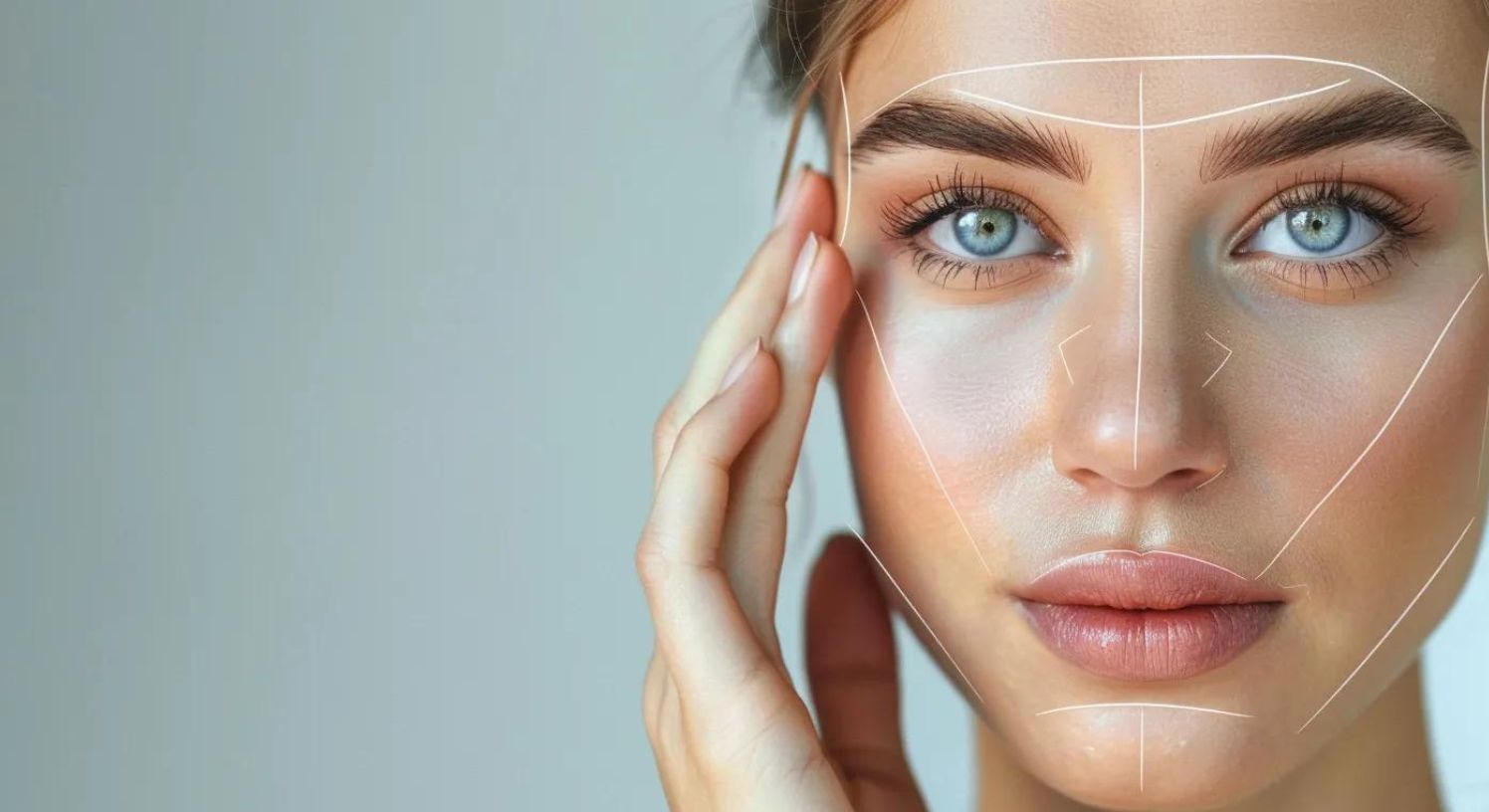
Yes, HRT can keep you younger looking because hormones like estrogen play a direct role in skin thickness, collagen production, moisture retention, and elasticity. When estrogen declines during menopause, the skin becomes thinner, drier, and more prone to wrinkles. Restoring estrogen levels through HRT can slow these changes.
According to dermatological research, women can lose up to 30% of their skin collagen within the first 5 years of menopause. Estrogen replacement has been shown to increase skin collagen content, improve skin thickness, and enhance hydration, all of which contribute to a more youthful appearance.
HRT also supports healthier hair and nails by improving the nutrient delivery and hormonal signals that regulate growth. Many patients on HRT report that their skin looks more radiant, their hair feels thicker, and the overall signs of aging slow down noticeably. Pairing HRT with professional skin tightening treatments can further enhance the anti-aging benefits for the face and body.
What Diet Is Best While Taking HRT?
The best diet while taking HRT is one rich in lean proteins, healthy fats, vegetables, fruits, and whole grains, with limited processed foods, sugar, and alcohol. A balanced, nutrient-dense diet supports your body’s ability to absorb and use the supplemented hormones effectively.
Calcium and vitamin D are especially important for women on HRT because estrogen plays a role in bone density. Foods like leafy greens, dairy products, fatty fish, and fortified foods help maintain strong bones during and after menopause.
Omega-3 fatty acids from fish, walnuts, and flaxseed support cardiovascular health and reduce inflammation, both of which are important during HRT. Cruciferous vegetables like broccoli, cauliflower, and Brussels sprouts support healthy estrogen metabolism. Limiting alcohol is also recommended, as it can interfere with hormone balance and increase the risk of certain health issues during treatment.
What Vitamins Not to Take on HRT?
The vitamins you should be cautious about while on HRT include high-dose vitamin E, high-dose vitamin A, and certain herbal supplements like black cohosh, dong quai, and red clover that have estrogenic effects. These can interfere with your prescribed hormone therapy or increase the risk of side effects.
High-dose vitamin E can thin the blood and increase the risk of bleeding, which is a concern for some HRT patients. Herbal supplements with estrogenic properties can create an unpredictable hormonal environment when taken alongside prescribed estrogen, potentially leading to side effects like bloating, breast tenderness, or headaches.
Always tell your HRT provider about every supplement, vitamin, and over-the-counter product you are taking. Your provider can help you determine which supplements are safe and beneficial alongside your treatment and which ones should be paused or avoided. Patients interested in nutritional support alongside their HRT often benefit from peptide therapy as a complementary wellness option.
Which HRT Is Best for Fatigue?
The HRT that is best for fatigue depends on whether your fatigue is driven by low estrogen, low testosterone, low thyroid function, or a combination. For women experiencing menopause-related fatigue, estrogen combined with progesterone often provides the most relief. For men and some women, testosterone therapy is the most effective option for restoring energy.
Bioidentical hormones, which are chemically identical to the hormones your body makes naturally, are widely preferred by both patients and providers for their effectiveness and tolerability. Delivery methods like pellets, injections, and transdermal creams each have advantages depending on your lifestyle, symptoms, and preferences.
According to clinical data, most patients experience meaningful energy improvements within 4 to 8 weeks of starting HRT, with continued gains over the first 3 to 6 months. Working with a provider who specializes in hormone optimization ensures that your specific type of fatigue is accurately diagnosed and treated with the right hormone at the right dose.
Which Hormone Is Called the Beauty Hormone?
The hormone that is called the beauty hormone is estrogen. Estrogen is responsible for maintaining skin thickness, hydration, elasticity, and collagen production. It also supports hair growth, nail strength, and the overall youthful appearance of the skin.
When estrogen levels decline during perimenopause and menopause, many women notice their skin becomes drier, thinner, and more wrinkled. Hair may thin, nails may become brittle, and the overall texture and glow of the skin diminishes. Restoring estrogen through HRT addresses these changes at the hormonal level rather than just treating the surface symptoms.
Other hormones also contribute to appearance. Testosterone supports muscle tone and fat distribution, progesterone supports sleep and skin repair, and growth hormone supports cell regeneration. A balanced hormonal profile keeps the entire body functioning optimally, which shows on the outside. Clients who are focused on both health and aesthetics often combine HRT with treatments for fine lines and wrinkles to address aging from multiple angles.
HRT Benefits Timeline: What to Expect and When
| Timeframe | What You May Notice |
|---|---|
| Week 1 to 2 | Subtle improvements in mood, energy, and sleep quality. Some patients feel “different” within the first few days. |
| Week 3 to 4 | Hot flashes and night sweats begin to lessen in frequency and severity. Sleep quality continues to improve. |
| Month 2 to 3 | Mood stabilization, clearer thinking, increased energy, improved libido, and reduced vaginal dryness become more noticeable. |
| Month 3 to 6 | Body composition changes (less belly fat, more muscle tone), improved skin hydration and thickness, and sustained emotional balance. |
| Month 6 to 12 | Bone density improvements, cardiovascular biomarker improvements, and long-term symptom relief. Most patients report significant quality of life gains. |
| Ongoing | Annual reviews with your provider to adjust dosage and monitor health markers. Continued benefits as long as treatment is maintained. |
Sources: The Menopause Society, JAMA Health Forum (2024), Journal of Menopause (2024), clinical trial data, meta-analyses from 2024
Can Too Much Estrogen Cause Anxiety?
Yes, too much estrogen can cause anxiety because excess estrogen relative to progesterone, a condition sometimes called estrogen dominance, can overstimulate the nervous system and lead to feelings of restlessness, irritability, and heightened anxiety.
This is one of the reasons why regular hormone level monitoring is so important during HRT. Your provider will check your estrogen, progesterone, and testosterone levels at regular intervals to make sure they are balanced and within the optimal range. If estrogen is too high, your provider can adjust your dose or add progesterone to bring things back into balance.
Symptoms of too much estrogen include anxiety, breast tenderness, bloating, headaches, and mood swings. If you notice any of these after starting or adjusting your HRT, contact your provider. The goal of HRT is hormonal balance, not simply raising one hormone as high as possible.
Frequently Asked Questions
Why Do I Feel So Much Better on HRT?
You feel so much better on HRT because your body is receiving the hormones it needs to function properly. Hormones regulate sleep, mood, energy, metabolism, sexual function, cognitive clarity, and hundreds of other processes. When those hormones decline with age, every system is affected. HRT restores them to an optimal level, which is why many patients describe feeling like themselves again for the first time in years.
How Do You Feel if Estrogen Is High?
If your estrogen is high, you may feel anxious, bloated, moody, and experience breast tenderness, headaches, or heavy periods. High estrogen relative to progesterone can cause water retention and emotional instability. This is why balanced hormone levels, not just high levels, are the goal of any well-managed HRT program. Regular blood work helps your provider keep everything in the right range.
What Does a Low Estrogen Face Look Like?
A low estrogen face looks thinner, drier, and more wrinkled than it did before menopause. Low estrogen reduces collagen production and skin hydration, which leads to sagging, fine lines, and a loss of facial fullness. According to dermatological research, women can lose up to 30% of their skin collagen in the first 5 years after menopause. Restoring estrogen through HRT helps reverse these changes by boosting collagen and improving skin moisture.
How Long Does HRT Take to Work for Hot Flashes?
HRT takes about 2 to 4 weeks to start reducing hot flashes, with most women experiencing a 50% reduction in frequency by week 4. Full relief typically develops over 2 to 3 months. According to clinical trial data, hot flashes and night sweats are among the first symptoms to respond to HRT, which is why they are often the earliest sign that the treatment is working.
Does HRT Help With Brain Fog?
Yes, HRT helps with brain fog because estrogen and testosterone both play important roles in cognitive function, memory, and mental clarity. Many patients report improved focus and clearer thinking within 4 to 8 weeks of starting HRT. A 2024 study from the National Institutes of Health found that estrogen monotherapy was associated with a reduction in dementia risk among postmenopausal women, highlighting the long-term cognitive benefits of hormone therapy.
Is It Too Late to Start HRT at 60?
It is not necessarily too late to start HRT at 60, but the decision should be made carefully with your provider based on your individual health profile. The Menopause Society’s 2022 position statement advises that HRT is safest when started within 10 years of menopause onset or before age 60. However, research presented in 2024 showed that women as old as 80 can still benefit from properly managed HRT. Each case is different, and a thorough evaluation of your risks and benefits is essential.
What Is the Difference Between HRT and BHRT?
The difference between HRT and BHRT is that BHRT (bioidentical hormone replacement therapy) uses hormones that are chemically identical to those your body produces naturally, while traditional HRT may use synthetic or animal-derived hormones. Many patients and providers prefer BHRT because the body may recognize and process bioidentical hormones more efficiently. BHRT is available in several forms including pellets, creams, injections, and patches, and is customized to each patient’s needs.
Final Thoughts
Hormone replacement therapy is one of the most effective tools available for restoring energy, improving mood, relieving menopause symptoms, and supporting long-term health. Most people begin feeling early benefits within the first 2 to 4 weeks, with more meaningful improvements developing over 3 to 6 months. The key to getting the best results is working with an experienced provider, staying consistent with your treatment, maintaining healthy lifestyle habits, and attending regular follow-up appointments for monitoring and dosage adjustments.
If you have been struggling with fatigue, mood changes, weight gain, sleep problems, or any of the other signs of hormonal imbalance, you do not have to keep pushing through it on your own. At Slimming Solutions Med Spa, the team has been providing hormone replacement therapy since 2013. Their goal is to restore your hormone levels to where they were when you felt your best. Request a consultation today and take the first step toward feeling like yourself again.
![[thumb]](https://slimmingsolutionsspa.com/wp-content/uploads/2023/12/botox1-150x150.png)
![[thumb]](https://slimmingsolutionsspa.com/wp-content/uploads/2023/12/Before2-150x150.png)
![[thumb]](https://slimmingsolutionsspa.com/wp-content/uploads/2023/12/Before3-150x150.png)


![[thumb]](https://slimmingsolutionsspa.com/wp-content/uploads/2023/12/revanesse-versa-1-150x150.png)
![[thumb]](https://slimmingsolutionsspa.com/wp-content/uploads/2023/12/revanesse-versa-2-150x150.png)
![[thumb]](https://slimmingsolutionsspa.com/wp-content/uploads/2023/12/revanesse-versa-3-150x150.png)
![[thumb]](https://slimmingsolutionsspa.com/wp-content/uploads/2023/12/revanesse-versa-4-150x150.png)
![[thumb]](https://slimmingsolutionsspa.com/wp-content/uploads/2023/12/revanesse-versa-5-150x150.png)
![[thumb]](https://slimmingsolutionsspa.com/wp-content/uploads/2024/01/Eyebrow-treatment-1-1-150x150.png)
![[thumb]](https://slimmingsolutionsspa.com/wp-content/uploads/2023/12/Skin-Rejuvenation-1-150x150.png)
![[thumb]](https://slimmingsolutionsspa.com/wp-content/uploads/2023/12/Skin-Rejuvenation-2-150x150.png)


![[thumb]](https://slimmingsolutionsspa.com/wp-content/uploads/2024/01/Lip-Filler-1-150x150.png)
![[thumb]](https://slimmingsolutionsspa.com/wp-content/uploads/2024/01/Lip-Filler-2-150x150.png)
![[thumb]](https://slimmingsolutionsspa.com/wp-content/uploads/2025/02/Lip-Filler-1-150x150.png)
![[thumb]](https://slimmingsolutionsspa.com/wp-content/uploads/2024/01/Lip-Filler-150x150.jpg)
![[thumb]](https://slimmingsolutionsspa.com/wp-content/uploads/2024/01/Before-1-150x150.jpg)
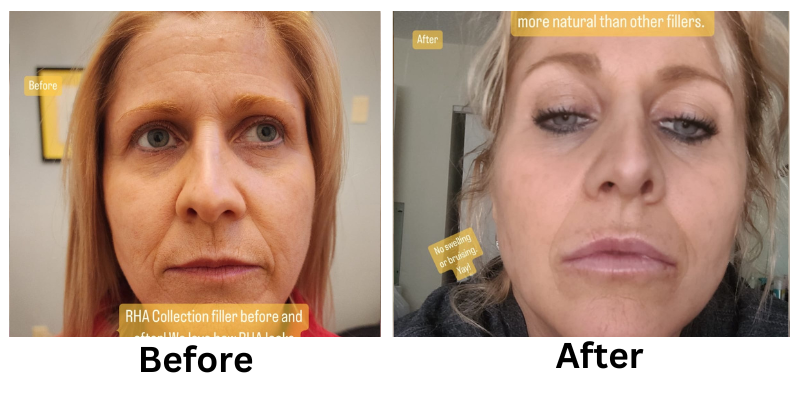

![[thumb]](https://slimmingsolutionsspa.com/wp-content/uploads/2024/01/RHA-Treatmetn-3-150x150.png)
![[thumb]](https://slimmingsolutionsspa.com/wp-content/uploads/2024/01/RHA-Treatmetn-2-150x150.png)
![[thumb]](https://slimmingsolutionsspa.com/wp-content/uploads/2024/01/RHA-Treatmetn-1-150x150.png)
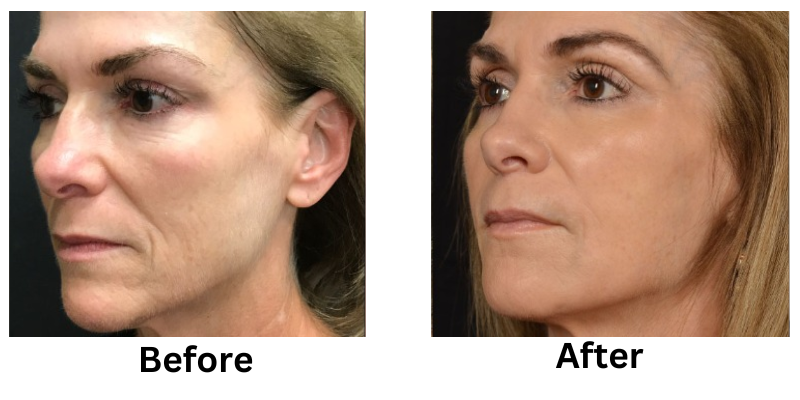
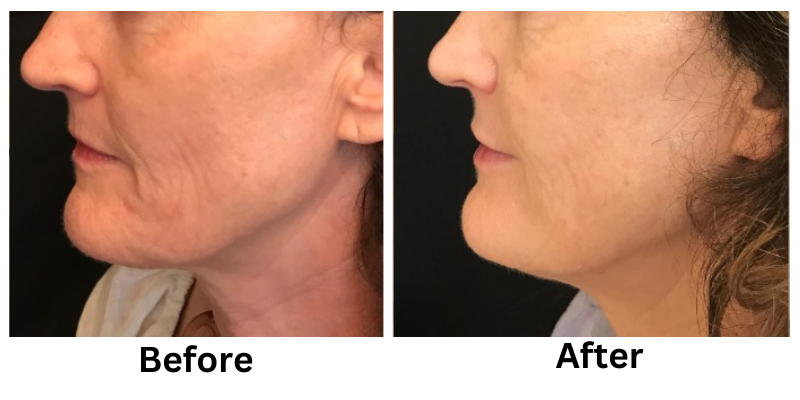
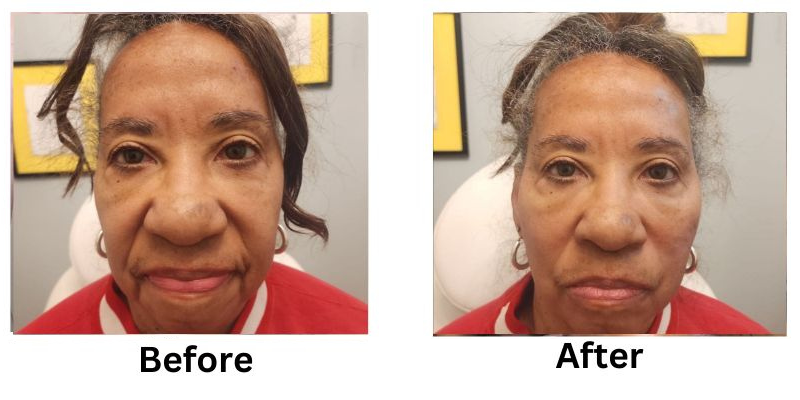
![[thumb]](https://slimmingsolutionsspa.com/wp-content/uploads/2024/01/Thread-Lifts-1-150x150.png)
![[thumb]](https://slimmingsolutionsspa.com/wp-content/uploads/2024/01/Thread-Lifts-2-150x150.png)
![[thumb]](https://slimmingsolutionsspa.com/wp-content/uploads/2025/02/Lip-Filler-2-150x150.png)

![[thumb]](https://slimmingsolutionsspa.com/wp-content/uploads/2023/12/skin-reuvulation1-150x150.png)
![[thumb]](https://slimmingsolutionsspa.com/wp-content/uploads/2023/12/skin-rejuvulation-2-150x150.png)
![[thumb]](https://slimmingsolutionsspa.com/wp-content/uploads/2023/12/Skin-Tighting-150x150.png)
![[thumb]](https://slimmingsolutionsspa.com/wp-content/uploads/2023/12/Before-150x150.jpg)
![[thumb]](https://slimmingsolutionsspa.com/wp-content/uploads/2023/12/weightloss-1-150x150.png)
![[thumb]](https://slimmingsolutionsspa.com/wp-content/uploads/2023/12/weightloss-2-150x150.png)
![[thumb]](https://slimmingsolutionsspa.com/wp-content/uploads/2023/12/2Weight-Loss-2-150x150.png)
![[thumb]](https://slimmingsolutionsspa.com/wp-content/uploads/2025/02/Weight-Loss-1-new-150x150.png)
![[thumb]](https://slimmingsolutionsspa.com/wp-content/uploads/2023/12/Weight-Loss-3-150x150.png)
![[thumb]](https://slimmingsolutionsspa.com/wp-content/uploads/2025/03/Slimming-Solutions-BA-Template-150x150.png)


![[thumb]](https://slimmingsolutionsspa.com/wp-content/uploads/2023/12/dat3-150x150.png)
![[thumb]](https://slimmingsolutionsspa.com/wp-content/uploads/2023/12/dat-0-150x150.png)
![[thumb]](https://slimmingsolutionsspa.com/wp-content/uploads/2023/12/dat-1-150x150.png)
![[thumb]](https://slimmingsolutionsspa.com/wp-content/uploads/2023/12/Before-1-150x150.png)

![[thumb]](https://slimmingsolutionsspa.com/wp-content/uploads/2024/01/EMS-Treatment-2-150x150.png)
![[thumb]](https://slimmingsolutionsspa.com/wp-content/uploads/2024/01/EMS-Treatment-1-150x150.png)
![[thumb]](https://slimmingsolutionsspa.com/wp-content/uploads/2025/02/ems-BNA-front-150x150.png)
![[thumb]](https://slimmingsolutionsspa.com/wp-content/uploads/2025/02/EMS-bna-SIDE-150x150.png)
![[thumb]](https://slimmingsolutionsspa.com/wp-content/uploads/2024/01/EMS-Treatment-6-150x150.png)