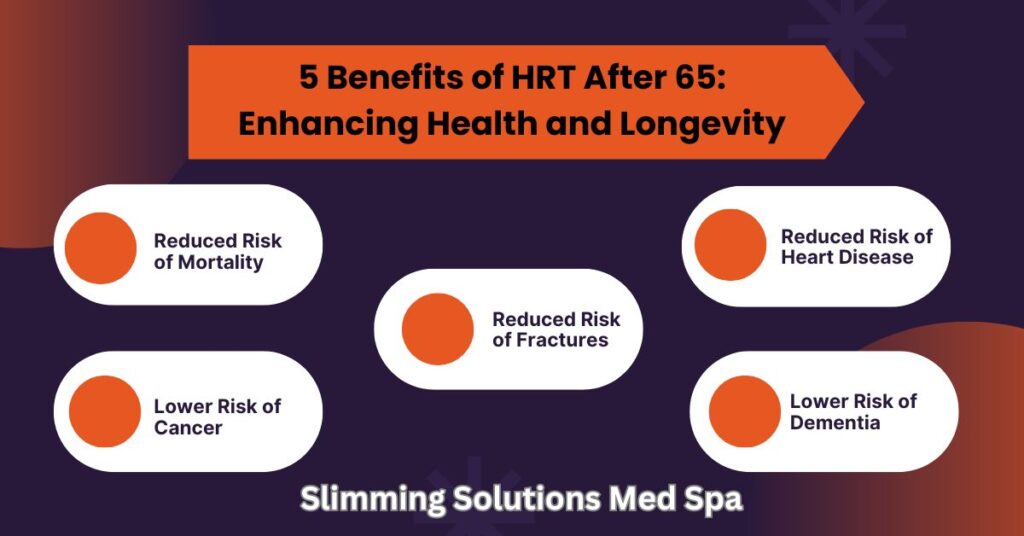
The benefits of HRT after 65 include reduced risk of mortality, improved bone density, relief from persistent hot flashes, lower risk of certain cancers, better heart health, and protection against dementia, according to a landmark 2024 study of 10 million Medicare women published in the journal Menopause. For decades, women were told to stop hormone replacement therapy at 65, but that outdated rule has changed. The Menopause Society’s 2022 Position Statement confirms there is no general rule for stopping HRT based on age alone. This article explains the proven benefits of continuing or starting HRT after 65, who it is right for, the risks to be aware of, and what the latest research says about hormone therapy for older women.
What Is the Cut-Off Age for HRT?
There is no official cut-off age for HRT. The Menopause Society’s 2022 Position Statement states that hormone therapy “does not need to be routinely discontinued in women aged older than 60 or 65 years.” The decision to continue or start HRT should be based on each woman’s individual symptoms, health history, and risk factors, not on a specific birthday.
The idea that HRT must stop at 65 comes from the 2002 Women’s Health Initiative (WHI) study, which raised concerns about increased risks of breast cancer, blood clots, and stroke. However, dozens of studies since then have painted a more complete picture. A 2024 study published in Menopause by researchers at the National Library of Medicine analyzed records from 10 million senior Medicare women over 14 years (2007 to 2020) and found that the benefits and risks of HRT after 65 vary significantly by the type, dose, and route of administration.
According to a retrospective analysis presented at the 2024 Annual Meeting of The Menopause Society, the mean age of women still using HRT was 71 years, with nearly 8% aged 80 or older. On average, these women had been on HRT for 18 years, and 42% had been regular users for more than 20 years. The most common reason to continue was persistent hot flashes (55%), followed by better quality of life (29%). These findings confirm that hormone replacement therapy remains a viable and valuable option well beyond age 65.
Should a 70-Year-Old Woman Take Estrogen?
Whether a 70-year-old woman should take estrogen depends on her individual symptoms, overall health, and risk factors. Many 70-year-old women benefit significantly from estrogen therapy, especially those who still experience hot flashes, night sweats, vaginal dryness, sleep problems, or are at risk for osteoporosis.
Research shows that up to 40% of women in their 60s and 10% to 15% of women in their 70s continue to experience hot flashes, according to The Menopause Society. These are not minor inconveniences; persistent vasomotor symptoms can severely affect sleep quality, mood, energy, and overall quality of life. For these women, estrogen therapy provides relief that no other treatment can match as effectively.
The 2024 Medicare study found that estrogen monotherapy (estrogen without progestogen) used beyond age 65 was associated with significant risk reductions in mortality, breast cancer, lung cancer, colorectal cancer, congestive heart failure, venous thromboembolism, atrial fibrillation, heart attack, and dementia. These benefits were strongest with low-dose, transdermal (patch), or vaginal estrogen rather than oral pills. A qualified provider can help determine the safest type and dose of estrogen for a woman at 70 based on her personal health profile and symptoms that indicate she may benefit from HRT.
Does HRT Improve Bone Density After 65?
Yes, HRT does improve bone density after 65. Estrogen is one of the most effective treatments for preventing and reversing bone loss in postmenopausal women, and this benefit continues into older age. Research published in the Women & Health journal reports that the prevalence of osteoporosis increases from 6.8% in women aged 50 to 59, to 25.7% in women aged 70 to 79, and to 34.9% in women aged 80 and older, making bone protection increasingly critical as women age.
A meta-analysis of 57 studies found that HRT can increase bone density by an average of 7% over two years and reduce the risk of fractures by up to 50%, according to Dr. Louise Newson, a leading menopause specialist. The Women’s Health Initiative confirmed that HRT reduces the risk of both spine and hip fractures even in women at low fracture risk. Studies indicate that women can lose up to 20% of their bone density within the first decade after menopause, and estrogen therapy slows this loss significantly while promoting new bone growth.
The Framingham Study, published in the New England Journal of Medicine, found that women who took estrogen for 7 or more years had bone density that was 11.2% higher than women who never received estrogen. For women concerned about bone health, combining HRT with weight-bearing exercise provides the strongest protection. A study published in Frontiers in Reproductive Health found that combining HRT with structured exercise enhances bone mineral density more than either approach alone. Keeping bones strong is a key part of any comprehensive health and wellness plan.
Is 67 Too Old to Start HRT?
No, 67 is not too old to start HRT. While starting HRT closer to menopause (within 10 years) is often considered ideal, The Menopause Society states that starting or continuing HRT beyond age 65 is a reasonable option for women with persistent symptoms, especially when using low-dose or transdermal formulations that carry lower risks.
The key consideration for starting HRT at 67 is not age itself but cardiovascular health. Women who are many years past menopause and have existing cardiovascular risk factors may face slightly higher risks from oral systemic estrogen. However, transdermal estrogen (delivered through a patch, gel, or spray) does not carry the same clotting risks as oral estrogen, according to research published in Menopause. Vaginal estrogen, used for urogenital symptoms like dryness and urinary issues, is considered safe for nearly all women regardless of age.
Dr. Stephanie Faubion, medical director of The Menopause Society, confirms that the 2024 Medicare study “provides reassurance regarding the safety of longer-term hormone therapy use and even potential benefits, particularly in women using estrogen alone.” For a woman at 67 experiencing persistent symptoms or concerned about bone health, a consultation with a provider experienced in bioidentical hormone replacement therapy is the best first step.
What Are the Signs That You Need Hormone Replacement Therapy After 60?
The signs that you need hormone replacement therapy after 60 include persistent hot flashes and night sweats, chronic sleep disruption, vaginal dryness and painful intercourse, recurring urinary tract infections, mood changes including anxiety and depression, joint pain and stiffness, brain fog and memory problems, and declining bone density on a DEXA scan.
Many women assume these symptoms are just “normal aging” and do not realize they are caused by hormone deficiency that can be treated. According to The Menopause Society, 70% to 80% of women experience menopause symptoms that adversely affect their quality of life and productivity. The average duration of hot flashes is 7 to 11 years, but some women experience them for decades.
The 2024 retrospective analysis found that 26.4% of women over 65 on HRT had tried stopping at least once, but 87% restarted because hot flashes returned. This shows that for many women, the symptoms do not simply go away with age. Vaginal and urogenital symptoms in particular tend to worsen over time without treatment. If you are experiencing any of these signs, a hormone evaluation can determine whether HRT is right for you. A simple blood test and consultation can identify specific hormonal imbalances and guide the right treatment approach.
Should I Come Off HRT at 65?
No, you should not automatically come off HRT at 65. The decision to continue or stop HRT should be made individually with your healthcare provider based on your ongoing symptoms, health status, and personal risk factors. The Menopause Society explicitly states that “there is no general rule for stopping HT in a woman aged 65 years.”
The 2024 Medicare study of 10 million women provides strong evidence that continuing estrogen therapy beyond 65 offers meaningful health benefits, including reduced risks of mortality, breast cancer (with estrogen-only therapy), heart failure, dementia, and blood clots. Lisa Larkin, MD, president of The Menopause Society, stated that “for the majority of women with symptoms transitioning through menopause, hormone therapy is the most effective treatment and has benefits that outweigh risks.”
If you and your provider decide to discontinue HRT, tapering the dose gradually rather than stopping abruptly can help avoid a sudden return of symptoms. A study from the National Osteoporosis Risk Assessment program found that within 5 years of stopping HRT, women experienced a 55% increase in hip fracture risk compared to current users, according to research published in The Lancet Healthy Longevity. This underscores the importance of having a plan for bone protection if you decide to stop. Regular check-ins with a provider who specializes in hormone therapy management help you make the safest, most informed decision.
Do You Age Faster Without Estrogen?
Yes, you do age faster without estrogen in several measurable ways. Estrogen plays a critical role in maintaining bone density, skin elasticity, cardiovascular health, brain function, and muscle mass. When estrogen levels drop during and after menopause, these systems begin to decline at an accelerated rate compared to when estrogen was present.
Studies indicate that women can lose up to 20% of their bone density within the first decade after menopause due to estrogen deficiency, according to research cited by the National Osteoporosis Risk Assessment study. Estrogen also supports collagen production in the skin, and its decline contributes to thinner skin, more wrinkles, and slower wound healing. The cardiovascular system is especially affected; before menopause, women have lower rates of heart disease than men, but after menopause, the risk rises significantly as estrogen’s protective effects diminish.
Brain health is another area where estrogen deficiency accelerates aging. The 2024 Medicare study found that estrogen therapy after 65 was associated with a significant reduction in dementia risk. Women with premature ovarian insufficiency (early menopause before age 40) who do not receive estrogen replacement face an even higher risk of accelerated aging across all these systems. Maintaining optimal hormone levels through treatments like HRT can help slow these age-related declines and support healthier aging.
What Does a Low Estrogen Face Look Like?
A low estrogen face looks like skin that has lost its firmness and elasticity, with more visible fine lines, deeper wrinkles, sagging along the jawline and cheeks, thinner and drier skin, and a dull or sallow complexion. These changes happen because estrogen directly supports collagen production, skin hydration, and blood flow to the skin.
When estrogen levels decline after menopause, collagen production drops by approximately 30% in the first five years, according to dermatological research. This rapid collagen loss leads to thinner skin that is more prone to wrinkling and sagging. The skin also loses its ability to retain moisture as effectively, resulting in dryness, roughness, and a loss of the “glow” that well-hydrated skin has.
HRT can help reverse some of these changes by restoring estrogen levels and supporting collagen production. Many women on HRT report that their skin looks plumper, more hydrated, and healthier. These benefits are an added bonus on top of the primary reasons most women seek HRT, such as relief from hot flashes and bone protection. For women looking to address visible signs of aging alongside hormonal changes, combining HRT with treatments like radio frequency microneedling or skin tightening can deliver comprehensive anti-aging results.
What Are the 11 Signs Your Hormones Are Out of Whack?
The 11 signs your hormones are out of whack are persistent hot flashes and night sweats, chronic fatigue and low energy, unexplained weight gain (especially around the midsection), mood swings or increased anxiety and depression, difficulty sleeping or insomnia, brain fog and memory lapses, vaginal dryness and decreased libido, joint pain and muscle aches, thinning hair or hair loss, dry and aging skin, and frequent urinary tract infections or urinary urgency.
These symptoms are directly linked to declining levels of estrogen, progesterone, and testosterone during and after menopause. According to The Menopause Society, 70% to 80% of women experience symptoms that significantly impact their daily lives. The symptoms can begin during perimenopause (typically in the mid-40s) and persist well into the 60s, 70s, and beyond for many women.
If you are experiencing several of these signs, it is worth getting your hormone levels tested. A blood panel measuring estradiol, progesterone, testosterone, thyroid hormones, and other key markers can reveal whether hormonal imbalances are driving your symptoms. A provider experienced in bioidentical hormone therapy can create a personalized treatment plan that addresses your specific imbalances and restores your quality of life.
What Vitamins Should You Not Take With HRT?
The vitamins you should generally be cautious about taking with HRT include high-dose vitamin A (which can increase the risk of liver toxicity when combined with oral estrogen), St. John’s Wort (which can reduce the effectiveness of estrogen), and very high doses of vitamin C (which may increase estrogen absorption and elevate estrogen levels beyond the intended dose).
St. John’s Wort is one of the most important supplements to avoid because it activates liver enzymes that break down estrogen faster, potentially making your HRT less effective. Grapefruit juice has a similar interaction, as it can alter how the body metabolizes estrogen. Always tell your healthcare provider about every supplement, vitamin, and herbal product you take so they can check for interactions.
Supplements that are generally safe and often recommended alongside HRT include vitamin D (critical for bone health), calcium, magnesium, omega-3 fatty acids, and B vitamins. These support the same systems that HRT benefits, including bones, heart, brain, and mood. A provider can help you build a supplement plan that works safely alongside your hormone therapy. For additional nutritional support, treatments like vitamin injections can deliver key nutrients directly to the bloodstream for faster absorption.
| Benefit of HRT After 65 | Supporting Evidence | Source |
|---|---|---|
| Reduced mortality risk | Estrogen monotherapy beyond 65 associated with significant reduction in all-cause mortality | 2024 Medicare Study (Menopause journal) |
| Lower breast cancer risk (estrogen only) | Estrogen-only therapy beyond 65 associated with reduced breast cancer incidence | 2024 Medicare Study (Menopause journal) |
| Improved bone density | HRT increases bone density by 7% over 2 years; reduces fractures by up to 50% | Meta-analysis of 57 studies (Dr. Louise Newson) |
| Reduced dementia risk | Estrogen monotherapy beyond 65 associated with significant dementia risk reduction | 2024 Medicare Study (Menopause journal) |
| Heart health protection | Reduced risk of congestive heart failure, atrial fibrillation, and acute myocardial infarction | 2024 Medicare Study (Menopause journal) |
| Hot flash relief | 55% of women over 65 on HRT continued specifically for hot flash control | 2024 Menopause Society Retrospective Analysis |
| Better quality of life | Women who started HRT in their 50s and continued for 5-30 years gained 1.5 quality-adjusted life-years | 2014 University of Southern California Study |
Sources: The Menopause Society 2022 Position Statement; 2024 Medicare Study published in Menopause; The Menopause Society 2024 Retrospective Analysis; Women’s Health Initiative; Framingham Osteoporosis Study (New England Journal of Medicine); Frontiers in Reproductive Health; The Lancet Healthy Longevity; University of Southern California; National Osteoporosis Risk Assessment
Frequently Asked Questions
Why Shouldn’t You Start HRT After 60?
The idea that you shouldn’t start HRT after 60 is outdated. While starting systemic oral estrogen more than 10 years after menopause may carry slightly higher cardiovascular risks for some women, low-dose transdermal estrogen (patches, gels) and vaginal estrogen are considered safe options for most women at any age. The Menopause Society confirms that age alone should not prevent a woman from starting or continuing HRT, and the 2024 Medicare study of 10 million women found significant health benefits with continued estrogen use beyond 65.
Can a 75-Year-Old Woman Produce Estrogen?
A 75-year-old woman does still produce small amounts of estrogen, but at much lower levels than during her reproductive years. After menopause, the ovaries stop being the primary source of estrogen, and the body relies on smaller amounts produced by fat tissue, the adrenal glands, and other tissues. These low levels are typically not enough to prevent symptoms like bone loss, vaginal dryness, or cognitive changes, which is why supplemental estrogen through HRT can provide meaningful benefits even at this age.
What Are the Symptoms of Low Estrogen in Your 60s?
The symptoms of low estrogen in your 60s include persistent hot flashes and night sweats, vaginal dryness and discomfort during intercourse, recurrent urinary tract infections, urinary urgency and incontinence, insomnia and disrupted sleep, joint pain and stiffness, thinning hair and dry skin, mood changes including irritability and anxiety, brain fog and difficulty concentrating, and accelerating bone loss. According to The Menopause Society, up to 40% of women in their 60s still experience hot flashes, and urogenital symptoms tend to worsen without treatment.
How to Keep Estrogen in a 65-Year-Old Woman?
To keep estrogen levels supported in a 65-year-old woman, the most effective approach is hormone replacement therapy prescribed by a qualified provider. Lifestyle factors that support healthy hormone levels include regular weight-bearing exercise, maintaining a healthy body weight, eating a diet rich in phytoestrogens (soy, flaxseed, legumes), managing stress, getting adequate sleep, and limiting alcohol. However, dietary and lifestyle changes alone cannot replace the estrogen levels needed to prevent bone loss and relieve persistent menopause symptoms in most women.
Does a 70-Year-Old Woman Have Hormonal Changes?
Yes, a 70-year-old woman does have hormonal changes that are still actively affecting her body. While the most dramatic hormonal shift occurs during perimenopause and menopause (typically between ages 45 and 55), hormone levels continue to decline gradually throughout a woman’s 60s, 70s, and beyond. Estrogen, progesterone, testosterone, and DHEA all continue to decrease with age. These ongoing hormonal changes contribute to continued bone loss, increased cardiovascular risk, skin aging, cognitive changes, and urogenital symptoms that can worsen over time without intervention.
What Happens When an Older Woman Takes Estrogen?
When an older woman takes estrogen, she typically experiences relief from hot flashes and night sweats, improved sleep quality, reduced vaginal dryness, better urinary health, improved mood and cognitive function, and protection against further bone loss. The 2024 Medicare study found that older women on estrogen monotherapy had significantly lower risks of mortality, heart failure, dementia, and several types of cancer compared to women who never used or discontinued HRT before 65. The benefits are strongest with low-dose transdermal or vaginal estrogen, which minimizes the risks associated with oral formulations.
Can a 77-Year-Old Woman Take Estrogen?
Yes, a 77-year-old woman can take estrogen if her healthcare provider determines that the benefits outweigh the risks for her specific situation. The 2024 retrospective analysis presented at The Menopause Society’s annual meeting found that women as old as 80 and beyond were still benefiting from HRT. The mean duration of use among these older patients was 18 years, with 42% having used HRT for more than 20 years. Low-dose vaginal estrogen is widely considered safe for long-term use in older women, even those with conditions that would rule out systemic HRT. A thorough health evaluation and ongoing monitoring by a qualified provider is essential for safe, effective treatment at any age.
Final Thoughts
The benefits of HRT after 65 are backed by large-scale research involving millions of women and supported by the world’s leading menopause medical organizations. From reduced mortality and cancer risk to stronger bones, better heart health, sharper cognitive function, and relief from persistent menopause symptoms, hormone therapy continues to be a powerful tool for women well beyond the age of 65. The outdated rule of stopping HRT at a specific age has been replaced by an individualized approach that considers each woman’s unique health profile, symptoms, and goals.
If you are over 65 and experiencing hormone-related symptoms, or if you want to explore whether HRT is right for you, schedule a consultation with the experienced team at Slimming Solutions Med Spa. Their knowledgeable providers offer personalized hormone replacement therapy programs designed to help you feel your best at every stage of life. Call today or request a consultation to take the first step toward better health, more energy, and a higher quality of life.
![[thumb]](https://slimmingsolutionsspa.com/wp-content/uploads/2023/12/botox1-150x150.png)
![[thumb]](https://slimmingsolutionsspa.com/wp-content/uploads/2023/12/Before2-150x150.png)
![[thumb]](https://slimmingsolutionsspa.com/wp-content/uploads/2023/12/Before3-150x150.png)


![[thumb]](https://slimmingsolutionsspa.com/wp-content/uploads/2023/12/revanesse-versa-1-150x150.png)
![[thumb]](https://slimmingsolutionsspa.com/wp-content/uploads/2023/12/revanesse-versa-2-150x150.png)
![[thumb]](https://slimmingsolutionsspa.com/wp-content/uploads/2023/12/revanesse-versa-3-150x150.png)
![[thumb]](https://slimmingsolutionsspa.com/wp-content/uploads/2023/12/revanesse-versa-4-150x150.png)
![[thumb]](https://slimmingsolutionsspa.com/wp-content/uploads/2023/12/revanesse-versa-5-150x150.png)
![[thumb]](https://slimmingsolutionsspa.com/wp-content/uploads/2024/01/Eyebrow-treatment-1-1-150x150.png)
![[thumb]](https://slimmingsolutionsspa.com/wp-content/uploads/2023/12/Skin-Rejuvenation-1-150x150.png)
![[thumb]](https://slimmingsolutionsspa.com/wp-content/uploads/2023/12/Skin-Rejuvenation-2-150x150.png)


![[thumb]](https://slimmingsolutionsspa.com/wp-content/uploads/2024/01/Lip-Filler-1-150x150.png)
![[thumb]](https://slimmingsolutionsspa.com/wp-content/uploads/2024/01/Lip-Filler-2-150x150.png)
![[thumb]](https://slimmingsolutionsspa.com/wp-content/uploads/2025/02/Lip-Filler-1-150x150.png)
![[thumb]](https://slimmingsolutionsspa.com/wp-content/uploads/2024/01/Lip-Filler-150x150.jpg)
![[thumb]](https://slimmingsolutionsspa.com/wp-content/uploads/2024/01/Before-1-150x150.jpg)

![[thumb]](https://slimmingsolutionsspa.com/wp-content/uploads/2024/01/RHA-Treatmetn-3-150x150.png)
![[thumb]](https://slimmingsolutionsspa.com/wp-content/uploads/2024/01/RHA-Treatmetn-2-150x150.png)
![[thumb]](https://slimmingsolutionsspa.com/wp-content/uploads/2024/01/RHA-Treatmetn-1-150x150.png)
![[thumb]](https://slimmingsolutionsspa.com/wp-content/uploads/2024/01/Thread-Lifts-1-150x150.png)
![[thumb]](https://slimmingsolutionsspa.com/wp-content/uploads/2024/01/Thread-Lifts-2-150x150.png)
![[thumb]](https://slimmingsolutionsspa.com/wp-content/uploads/2025/02/Lip-Filler-2-150x150.png)

![[thumb]](https://slimmingsolutionsspa.com/wp-content/uploads/2023/12/skin-reuvulation1-150x150.png)
![[thumb]](https://slimmingsolutionsspa.com/wp-content/uploads/2023/12/skin-rejuvulation-2-150x150.png)
![[thumb]](https://slimmingsolutionsspa.com/wp-content/uploads/2023/12/Skin-Tighting-150x150.png)
![[thumb]](https://slimmingsolutionsspa.com/wp-content/uploads/2023/12/Before-150x150.jpg)
![[thumb]](https://slimmingsolutionsspa.com/wp-content/uploads/2023/12/weightloss-1-150x150.png)
![[thumb]](https://slimmingsolutionsspa.com/wp-content/uploads/2023/12/weightloss-2-150x150.png)
![[thumb]](https://slimmingsolutionsspa.com/wp-content/uploads/2023/12/2Weight-Loss-2-150x150.png)
![[thumb]](https://slimmingsolutionsspa.com/wp-content/uploads/2025/02/Weight-Loss-1-new-150x150.png)
![[thumb]](https://slimmingsolutionsspa.com/wp-content/uploads/2023/12/Weight-Loss-3-150x150.png)
![[thumb]](https://slimmingsolutionsspa.com/wp-content/uploads/2025/03/Slimming-Solutions-BA-Template-150x150.png)


![[thumb]](https://slimmingsolutionsspa.com/wp-content/uploads/2023/12/dat3-150x150.png)
![[thumb]](https://slimmingsolutionsspa.com/wp-content/uploads/2023/12/dat-0-150x150.png)
![[thumb]](https://slimmingsolutionsspa.com/wp-content/uploads/2023/12/dat-1-150x150.png)
![[thumb]](https://slimmingsolutionsspa.com/wp-content/uploads/2023/12/Before-1-150x150.png)

![[thumb]](https://slimmingsolutionsspa.com/wp-content/uploads/2024/01/EMS-Treatment-2-150x150.png)
![[thumb]](https://slimmingsolutionsspa.com/wp-content/uploads/2024/01/EMS-Treatment-1-150x150.png)
![[thumb]](https://slimmingsolutionsspa.com/wp-content/uploads/2025/02/ems-BNA-front-150x150.png)
![[thumb]](https://slimmingsolutionsspa.com/wp-content/uploads/2025/02/EMS-bna-SIDE-150x150.png)
![[thumb]](https://slimmingsolutionsspa.com/wp-content/uploads/2024/01/EMS-Treatment-6-150x150.png)