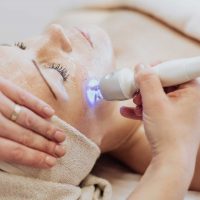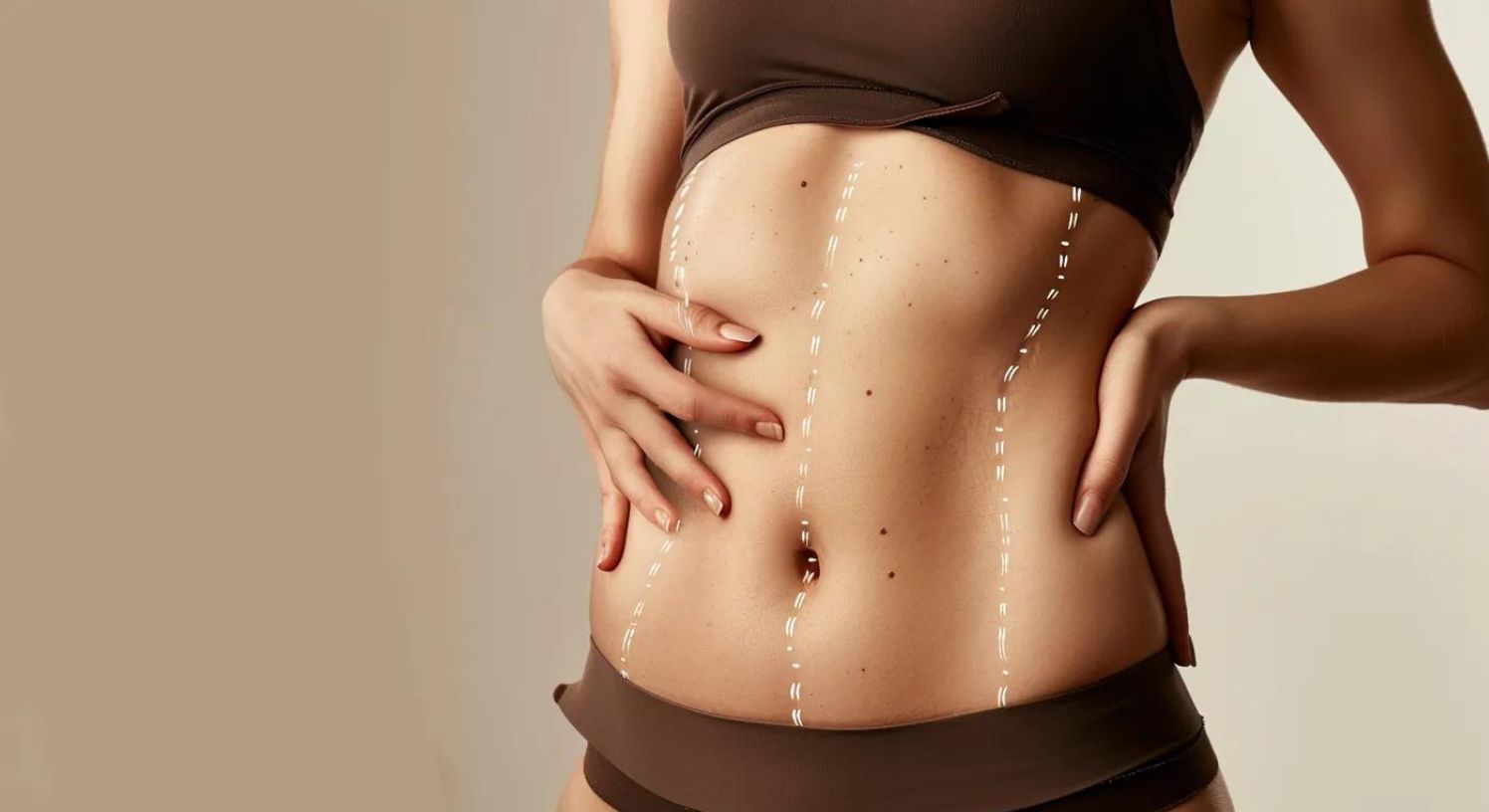

Fat reduction treatment is any procedure designed to reduce localized fat deposits in specific areas of the body. These treatments range from non-invasive technologies like cryolipolysis (fat freezing), ultrasound cavitation, radiofrequency, and laser-based systems to minimally invasive options like injectable fat dissolvers to surgical procedures like liposuction. According to the FDA, non-invasive body contouring refers to non-surgical procedures that do not remove any tissue from the body, and instead use external energy sources to destroy fat cells that the body then naturally eliminates over time. A systematic review published in PubMed analyzed 31 studies with 2,937 patients and found that a majority experienced significant and satisfying results without any serious adverse effects from non-invasive fat reduction treatments. The global body contouring market was valued at approximately $8.9 billion in 2024, according to IMARC Group, and non-invasive methods hold the largest share. This article explains every type of fat reduction treatment, how each one works, what results to expect, and how to choose the right option.
Do Fat Reduction Treatments Work?
Yes, fat reduction treatments work by destroying or disrupting fat cells in targeted areas, which the body then processes and eliminates naturally. Unlike weight loss through diet and exercise, which shrinks fat cells, fat reduction treatments actually destroy fat cells permanently. Once those cells are eliminated, they do not regenerate under normal circumstances. According to research published in the Journal of Cosmetic Dermatology, clinical studies tracking patients for up to five years after cryolipolysis showed that fat reduction remained stable over time with no evidence of fat redistribution to untreated areas.
The effectiveness varies by technology. Cryolipolysis (CoolSculpting) typically reduces treated fat by 20% to 25% per session, according to clinical data cited in multiple peer-reviewed studies. Ultrasound cavitation can reduce fat cells by 14.7% to 28.5% in a single session. HIFU treatments have shown an average reduction in waist circumference of more than 2 cm after a single treatment, according to published research. After multiple sessions, patients often see circumference reductions of 2 to 4 centimeters, which creates noticeable body contouring improvements.
It is important to set realistic expectations. Non-invasive fat reduction treatments are not weight loss solutions. They are designed for patients who are at or near a healthy weight but have stubborn pockets of fat that do not respond to diet and exercise. Liposuction can remove up to 80% of fat in targeted areas, while non-invasive methods produce more modest results. For people dealing with excess fat in specific areas, non-invasive treatments offer a safe, effective alternative to surgery.
What Are the Different Types of Fat Reduction Treatments?
The different types of fat reduction treatments include cryolipolysis (fat freezing), ultrasound cavitation, radiofrequency, high-intensity focused ultrasound (HIFU), low-level laser therapy (LLLT), high-intensity focused electromagnetic (HIFEM) therapy, injectable fat dissolvers, and surgical liposuction. According to the FDA, there are five FDA-approved non-invasive body contouring technologies: cryolipolysis, laser, radiofrequency, focused ultrasound, and high-intensity focused electromagnetic field treatments. Each uses a different mechanism to target and destroy fat cells.
Non-invasive treatments use external devices placed on or near the skin. They require no incisions, no anesthesia, and no recovery time. Minimally invasive options like Kybella injections use deoxycholic acid to dissolve fat cells beneath the chin. Kybella has been studied in over 20 clinical trials involving more than 2,600 patients. Surgical liposuction is the most aggressive option, physically removing fat through small incisions with a vacuum-like device.
The choice between these options depends on the amount of fat, the treatment area, your tolerance for downtime, and your budget. Non-invasive options are best for small to moderate fat deposits, while liposuction is better suited for larger volumes. A comprehensive fat reduction and body sculpting program may combine multiple technologies to address different areas and concerns in a single treatment plan.
What Kills Fat Cells Permanently?
What kills fat cells permanently includes cryolipolysis (which freezes them), ultrasound cavitation (which disrupts them with sound waves), HIFU (which destroys them with focused heat), deoxycholic acid injections like Kybella (which dissolve their membranes), and surgical liposuction (which physically removes them). Once fat cells are destroyed by any of these methods, they do not grow back. The adult body does not create new fat cells under normal conditions.
The permanence of fat cell destruction has been confirmed in long-term studies. Research cited in the Journal of Cosmetic Dermatology tracked patients for up to five years after cryolipolysis and found that fat reduction remained consistent with no evidence of fat returning to the treated areas. However, remaining fat cells in the body can still expand if you gain weight. This is why maintaining a healthy lifestyle after treatment is critical for keeping your results.
For ultrasound fat loss treatments, the fat cells are disrupted by low-frequency sound waves that cause them to break apart and release their stored triglycerides. The released fat is then processed through the lymphatic system and eliminated by the liver. A histological study published in Plastic and Reconstructive Surgery confirmed that ultrasound cavitation induced a statistically significant reduction in adipocyte size (P < 0.001) without damaging surrounding tissue.
How Long Does Fat Reduction Last?
Fat reduction lasts permanently in terms of the fat cells that are destroyed. Those specific cells are gone forever. However, the visual results last only as long as you maintain your weight through healthy eating and regular exercise. If you gain weight after treatment, the remaining fat cells in your body (including in the treated area) can expand, which can diminish or reverse the contouring effect.
According to the FDA, non-invasive body contouring procedures may not always result in your desired effect, or your result may only be temporary. This underscores the importance of realistic expectations and lifestyle maintenance. A study referenced in PMC found that cryolipolysis showed a mean fat loss of 56.2 cc on the treated side compared to only 16.6 cc on the control side (P < 0.0001), demonstrating both the effectiveness and the need for proper patient selection.
Most non-invasive fat reduction treatments show full results within 8 to 12 weeks as the body gradually processes and eliminates the destroyed fat cells. Cryolipolysis results are typically visible at 2 to 3 months. Ultrasound cavitation results develop over 6 to 12 weeks. Maintaining results long-term requires ongoing commitment to a healthy lifestyle. For some patients, combining fat reduction with a medical weight loss program provides the dietary and metabolic support needed to preserve their results.
What Is the Safest Procedure to Remove Belly Fat?
The safest procedure to remove belly fat is a non-invasive treatment like cryolipolysis, ultrasound cavitation, or radiofrequency-based body contouring. These treatments carry the lowest risk because they require no surgery, no anesthesia, and no recovery time. According to a comprehensive review published in the International Journal of Endocrinology and Metabolism, non-invasive body contouring modalities including cryolipolysis, radiofrequency, low-level laser therapy, and HIFU are available for reducing subcutaneous adipose tissue with minimal side effects.
Cryolipolysis has one of the strongest safety profiles. A study published in PMC reviewed clinical and commercial experience with the technology and found that only 6 out of 528 patients were dissatisfied with results, and 4 of those 6 were satisfied after a second treatment. The most common side effects were temporary erythema, bruising, and transient numbness that resolved within 14 days. The most frequent complaint was late-onset pain occurring 2 weeks post-procedure, with a prevalence of only 0.1%.
For patients specifically targeting belly fat, the choice of treatment depends on how much fat needs to be addressed. Small, pinchable fat deposits respond well to non-invasive options. Larger volumes may benefit from body sculpting treatments that combine multiple technologies, or in some cases, surgical liposuction. A consultation helps determine the safest and most effective approach for your specific body and goals.
Is CoolSculpting Worth It for Belly Fat?
Yes, CoolSculpting is worth it for belly fat if you have small to moderate pinchable fat deposits and are within 10 to 15 pounds of your ideal weight. CoolSculpting reduces fat cells in the treated area by 20% to 25% per session, and repeat treatments of the same area have shown up to a 40% decrease in fat cells, according to Dr. Michele Green of New York. Patient satisfaction rates reach up to 73% after a single treatment, according to a review published in PMC.
However, CoolSculpting is not the right choice for everyone. It works best on distinct, pinchable bulges of subcutaneous fat. It is not effective for visceral fat (the deep fat around the organs) or for patients who are significantly overweight. The FDA has not approved any non-invasive body contouring device for treating the breasts in males or females, and results can vary based on individual factors.
One important consideration is that CoolSculpting has experienced a decline in popularity in recent years. According to the 2024 ASPS Procedural Statistics Report, non-invasive fat reduction procedures saw a 40% decline in 2024 compared to 2023. This shift is partly due to the rise of alternative technologies like HIFEM (electromagnetic muscle stimulation) and the growing popularity of GLP-1 weight loss medications. Patients now have more options than ever for addressing excess fat. Treatments like ultrasound fat loss and slimming shots offer alternative approaches that can be combined for comprehensive results.
How Many Inches Does CoolSculpting Take Off?
CoolSculpting typically takes off 1 to 2 inches (2 to 5 centimeters) from the treated area over a full treatment course of 1 to 3 sessions. Individual results vary based on the amount of fat, the number of sessions, and the specific treatment area. A study published in PMC reported reductions of up to 6.7 cm in circumference and up to 4.5 cm in fat layer thickness when cryolipolysis was combined with acoustic waves over 3 to 4 treatments.
It is important to measure results by circumference change and visible contouring rather than by the scale. Non-invasive fat reduction does not cause significant weight loss. According to the FDA, body contouring describes effects like changing the circumference of an area, reducing your body’s silhouette by reducing small areas of fat, and improving tone and firmness. The total weight of fat destroyed in a single session is typically small, but the visual impact on body shape can be significant.
Does Belly Fat Come Back After CoolSculpting?
No, the specific fat cells destroyed by CoolSculpting do not come back. Once those cells are eliminated through apoptosis (natural cell death), they are gone permanently. However, if you gain weight after treatment, the remaining fat cells in your body, including any remaining cells in the treated area, can expand. This means the belly fat can appear to return if you do not maintain a stable weight.
Long-term studies tracking patients for up to five years after cryolipolysis have confirmed that the fat reduction remains stable over time in patients who maintain their weight. There is no evidence of fat redistribution to untreated areas. The body does not compensate for the lost cells by creating new ones or shifting fat elsewhere. The results are as permanent as your commitment to a healthy lifestyle.
For patients who want to protect their investment, combining fat reduction treatments with ongoing support from a medical weight loss program or hormone replacement therapy (for those with hormonal barriers to weight maintenance) provides a comprehensive strategy for lasting results.
Will My Skin Sag After Fat Reduction?
Your skin may or may not sag after fat reduction, depending on the amount of fat removed, the elasticity of your skin, and the treatment method used. For small to moderate fat reduction through non-invasive treatments, skin sagging is uncommon because the amount of fat eliminated is gradual and modest, giving the skin time to contract. Some technologies, like radiofrequency-based treatments, actually tighten the skin simultaneously through collagen stimulation.
According to a review published in Australasian Journal of Dermatology, radiofrequency devices can also tighten the overlying skin in addition to reducing fat. This dual benefit makes RF-based treatments particularly attractive for patients concerned about skin laxity after fat loss. For patients who are specifically worried about loose skin, combining fat reduction with dedicated skin tightening treatments addresses both concerns.
Skin sagging is more of a concern with surgical liposuction, which removes larger volumes of fat more quickly. Patients with poor skin elasticity, older patients, and those who have experienced significant weight loss are at higher risk. A consultation before any fat reduction treatment should include an assessment of skin quality to determine whether additional skin tightening may be needed.
Who Should Not Do Fat Reduction Treatments?
People who should not do fat reduction treatments include those who are pregnant or breastfeeding, individuals with cold sensitivity disorders like cryoglobulinemia or paroxysmal cold hemoglobinuria (for cryolipolysis specifically), people with active skin infections in the treatment area, patients with implanted electronic devices (for some technologies), and individuals who expect fat reduction to replace significant weight loss. According to the FDA, non-invasive body contouring procedures may not always result in your desired effect, and the results are designed for spot reduction, not overall weight loss.
Patients who are significantly overweight or obese are generally better served by first achieving a healthier baseline weight through diet, exercise, and potentially medically supervised weight loss programs before pursuing fat reduction treatments. Non-invasive options are designed for patients who are at or near their goal weight but have localized fat deposits that resist lifestyle changes.
Anyone with unrealistic expectations should also reconsider. Non-invasive fat reduction produces subtle, gradual improvements. It will not replicate the dramatic results of liposuction or produce the same effect as losing 20 or more pounds. A thorough consultation helps set appropriate expectations and ensures the chosen treatment matches the patient’s goals and anatomy.
| Fat Reduction Method | How It Works | Fat Reduction Per Session | Sessions Needed | Downtime |
|---|---|---|---|---|
| Cryolipolysis (CoolSculpting) | Freezes fat cells, triggering apoptosis | 20% to 25% | 1 to 3 per area | None |
| Ultrasound Cavitation | Sound waves break apart fat cells | 14.7% to 28.5% | 6 to 12 | None |
| HIFU (High-Intensity Focused Ultrasound) | Focused heat destroys deep fat cells | 2+ cm circumference reduction | 1 to 3 | None to minimal |
| Radiofrequency | Heat energy reduces fat and tightens skin | 2 to 3.5 cm circumference reduction | 6 to 10 | None |
| HIFEM (e.g., Emsculpt) | Electromagnetic pulses build muscle and reduce fat | 4.37 cm avg circumference reduction | 4 to 6 | None |
| Kybella (Deoxycholic Acid) | Dissolves fat cell membranes via injection | Varies (chin area only) | 2 to 6 | Swelling for 1 to 2 weeks |
| Liposuction (Surgical) | Physically removes fat through suction | Up to 80% | 1 | 1 to 4 weeks recovery |
Sources: FDA; PMC (Alizadeh et al.); PubMed (Mazzoni et al.); Journal of Clinical and Aesthetic Dermatology; Plastic and Reconstructive Surgery (Bani et al.); Dr. Michele Green clinical data.
What Are Signs Your Body Is Burning Fat?
Signs your body is burning fat include a gradual reduction in body measurements (especially waist and hip circumference), clothes fitting more loosely, increased energy levels, improved sleep quality, less bloating, and visible changes in body shape. After non-invasive fat reduction treatments, you may notice these changes developing over 6 to 12 weeks as your body processes and eliminates the destroyed fat cells through the lymphatic system and liver.
It is important to track progress through measurements and photos rather than the scale. Fat reduction treatments destroy fat cells, but the amount of weight lost is often small because fat is not very heavy by volume. You can lose inches from your waist without seeing a significant change on the scale. Many patients find this frustrating until they see the visual difference in their body shape.
For patients who want to accelerate both fat loss and overall weight management, combining non-invasive fat reduction with metabolic support through vitamin shots or slimming shots can help the body process the released fat more efficiently while supporting energy and metabolism.
What Kills Belly Fat Naturally?
What kills belly fat naturally is a calorie deficit achieved through a balanced, nutrient-dense diet combined with regular cardiovascular and resistance exercise. According to the World Health Organization, in 2022, 1 in 8 people worldwide were living with obesity, making belly fat reduction a global health priority. The most effective natural approaches include reducing processed food intake, increasing protein consumption, getting 7 to 9 hours of sleep per night, managing stress levels (which affect cortisol, a hormone linked to belly fat storage), and engaging in both aerobic exercise and strength training.
Natural belly fat reduction primarily targets visceral fat (the deep fat around internal organs), which is the most metabolically active and dangerous type of fat. Non-invasive fat reduction treatments, on the other hand, target subcutaneous fat (the pinchable fat beneath the skin). Both types of belly fat respond differently to different interventions, which is why the most comprehensive approach combines natural lifestyle changes for visceral fat with targeted treatments for stubborn subcutaneous deposits.
For patients who need structured support, medical weight loss programs provide the dietary guidance, accountability, and sometimes prescription support needed to create a sustainable calorie deficit while preserving muscle mass and energy levels.
Frequently Asked Questions
How Many Sessions of Fat Reduction Do You Need?
How many sessions of fat reduction you need depends on the technology used and the amount of fat being treated. Cryolipolysis typically requires 1 to 3 sessions per area. Ultrasound cavitation usually requires 6 to 12 sessions. Radiofrequency treatments often require 6 to 10 sessions. Each technology works at a different speed and intensity, so the total number of visits varies. Your provider will recommend a plan based on your specific goals and anatomy during your consultation.
Is 3 CoolSculpting Sessions Enough?
Yes, 3 CoolSculpting sessions is typically enough for most treatment areas to achieve noticeable results. CoolSculpting reduces fat cells by 20% to 25% per session, so 2 to 3 sessions of the same area can produce a cumulative reduction of up to 40% or more. Some patients are satisfied after just one session, while others benefit from additional treatments for more dramatic contouring. The ideal number depends on the thickness of the fat layer and your desired outcome.
Can I Drive Myself Home After CoolSculpting?
Yes, you can drive yourself home after CoolSculpting because there is no anesthesia, no sedation, and no recovery period. The treatment is performed while you sit or recline comfortably, and most patients return to their normal activities immediately afterward. Temporary numbness, redness, and mild discomfort in the treated area are common but do not affect your ability to drive or function normally.
What Is a Cheaper Alternative to CoolSculpting?
A cheaper alternative to CoolSculpting is ultrasound fat loss (cavitation), which uses sound waves to break down fat cells at a lower per-session cost. While ultrasound cavitation requires more sessions (6 to 12 compared to 1 to 3 for CoolSculpting), the total cost over a full treatment course can be comparable or lower. Other alternatives include radiofrequency-based treatments and laser-based body contouring, each with different pricing structures.
What Is the Downside of CoolSculpting?
The downside of CoolSculpting includes the need for multiple sessions for optimal results, temporary side effects like numbness, bruising, and discomfort, a rare risk of paradoxical adipose hyperplasia (where fat increases instead of decreasing), and the fact that it only works on pinchable subcutaneous fat in patients near their ideal weight. According to the 2024 ASPS report, non-invasive fat reduction procedures declined 40% in 2024, partly due to new alternatives and changing consumer preferences.
Which Is Better: Tummy Tuck or CoolSculpting?
A tummy tuck is better for patients who need both fat removal and excess skin removal, especially after significant weight loss or pregnancy. CoolSculpting is better for patients who have good skin elasticity but want to reduce small to moderate fat deposits without surgery or downtime. A tummy tuck provides more dramatic results but involves surgery, anesthesia, and weeks of recovery. CoolSculpting is non-invasive but produces more subtle contouring. The right choice depends entirely on your starting point and goals.
What Is the Strongest Weight Loss Prescription Pill?
The strongest weight loss prescription medications currently available are GLP-1 receptor agonists like semaglutide (Wegovy) and tirzepatide (Zepbound), which have demonstrated the highest weight loss percentages in clinical trials among FDA-approved medications. These are not the same as fat reduction treatments, which target localized fat deposits. Weight loss medications address overall body weight through appetite suppression and metabolic effects. For patients interested in medication-based approaches, GLP-1 weight loss treatments offer a medically supervised option that can be combined with non-invasive fat reduction for comprehensive results.
Final Thoughts
Fat reduction treatments offer a proven, effective way to target stubborn fat deposits that resist diet and exercise. From non-invasive options like cryolipolysis, ultrasound cavitation, and radiofrequency to injectable solutions and surgical liposuction, there is a treatment for nearly every body type and goal. The global body contouring market has grown to $8.9 billion because millions of people have discovered that these treatments deliver real, measurable results when combined with a healthy lifestyle. Non-invasive methods carry minimal risk and require no downtime, while surgical options provide more dramatic changes for those who need them. The destroyed fat cells do not return, making the results as permanent as your commitment to maintaining your weight.
If you are ready to explore your fat reduction options, the team at Slimming Solutions Med Spa offers a full range of fat reduction and body sculpting treatments designed to help you reach your goals safely and effectively. Every treatment plan starts with a personalized consultation to determine which approach is the best fit for your body, your budget, and your desired results. Call today or request a consultation to take the first step toward a more sculpted, confident you.
![[thumb]](https://slimmingsolutionsspa.com/wp-content/uploads/2023/12/botox1-150x150.png)
![[thumb]](https://slimmingsolutionsspa.com/wp-content/uploads/2023/12/Before2-150x150.png)
![[thumb]](https://slimmingsolutionsspa.com/wp-content/uploads/2023/12/Before3-150x150.png)


![[thumb]](https://slimmingsolutionsspa.com/wp-content/uploads/2023/12/revanesse-versa-1-150x150.png)
![[thumb]](https://slimmingsolutionsspa.com/wp-content/uploads/2023/12/revanesse-versa-2-150x150.png)
![[thumb]](https://slimmingsolutionsspa.com/wp-content/uploads/2023/12/revanesse-versa-3-150x150.png)
![[thumb]](https://slimmingsolutionsspa.com/wp-content/uploads/2023/12/revanesse-versa-4-150x150.png)
![[thumb]](https://slimmingsolutionsspa.com/wp-content/uploads/2023/12/revanesse-versa-5-150x150.png)
![[thumb]](https://slimmingsolutionsspa.com/wp-content/uploads/2024/01/Eyebrow-treatment-1-1-150x150.png)
![[thumb]](https://slimmingsolutionsspa.com/wp-content/uploads/2023/12/Skin-Rejuvenation-1-150x150.png)
![[thumb]](https://slimmingsolutionsspa.com/wp-content/uploads/2023/12/Skin-Rejuvenation-2-150x150.png)


![[thumb]](https://slimmingsolutionsspa.com/wp-content/uploads/2024/01/Lip-Filler-1-150x150.png)
![[thumb]](https://slimmingsolutionsspa.com/wp-content/uploads/2024/01/Lip-Filler-2-150x150.png)
![[thumb]](https://slimmingsolutionsspa.com/wp-content/uploads/2025/02/Lip-Filler-1-150x150.png)
![[thumb]](https://slimmingsolutionsspa.com/wp-content/uploads/2024/01/Lip-Filler-150x150.jpg)
![[thumb]](https://slimmingsolutionsspa.com/wp-content/uploads/2024/01/Before-1-150x150.jpg)

![[thumb]](https://slimmingsolutionsspa.com/wp-content/uploads/2024/01/RHA-Treatmetn-3-150x150.png)
![[thumb]](https://slimmingsolutionsspa.com/wp-content/uploads/2024/01/RHA-Treatmetn-2-150x150.png)
![[thumb]](https://slimmingsolutionsspa.com/wp-content/uploads/2024/01/RHA-Treatmetn-1-150x150.png)
![[thumb]](https://slimmingsolutionsspa.com/wp-content/uploads/2024/01/Thread-Lifts-1-150x150.png)
![[thumb]](https://slimmingsolutionsspa.com/wp-content/uploads/2024/01/Thread-Lifts-2-150x150.png)
![[thumb]](https://slimmingsolutionsspa.com/wp-content/uploads/2025/02/Lip-Filler-2-150x150.png)

![[thumb]](https://slimmingsolutionsspa.com/wp-content/uploads/2023/12/skin-reuvulation1-150x150.png)
![[thumb]](https://slimmingsolutionsspa.com/wp-content/uploads/2023/12/skin-rejuvulation-2-150x150.png)
![[thumb]](https://slimmingsolutionsspa.com/wp-content/uploads/2023/12/Skin-Tighting-150x150.png)
![[thumb]](https://slimmingsolutionsspa.com/wp-content/uploads/2023/12/Before-150x150.jpg)
![[thumb]](https://slimmingsolutionsspa.com/wp-content/uploads/2023/12/weightloss-1-150x150.png)
![[thumb]](https://slimmingsolutionsspa.com/wp-content/uploads/2023/12/weightloss-2-150x150.png)
![[thumb]](https://slimmingsolutionsspa.com/wp-content/uploads/2023/12/2Weight-Loss-2-150x150.png)
![[thumb]](https://slimmingsolutionsspa.com/wp-content/uploads/2025/02/Weight-Loss-1-new-150x150.png)
![[thumb]](https://slimmingsolutionsspa.com/wp-content/uploads/2023/12/Weight-Loss-3-150x150.png)
![[thumb]](https://slimmingsolutionsspa.com/wp-content/uploads/2025/03/Slimming-Solutions-BA-Template-150x150.png)


![[thumb]](https://slimmingsolutionsspa.com/wp-content/uploads/2023/12/dat3-150x150.png)
![[thumb]](https://slimmingsolutionsspa.com/wp-content/uploads/2023/12/dat-0-150x150.png)
![[thumb]](https://slimmingsolutionsspa.com/wp-content/uploads/2023/12/dat-1-150x150.png)
![[thumb]](https://slimmingsolutionsspa.com/wp-content/uploads/2023/12/Before-1-150x150.png)

![[thumb]](https://slimmingsolutionsspa.com/wp-content/uploads/2024/01/EMS-Treatment-2-150x150.png)
![[thumb]](https://slimmingsolutionsspa.com/wp-content/uploads/2024/01/EMS-Treatment-1-150x150.png)
![[thumb]](https://slimmingsolutionsspa.com/wp-content/uploads/2025/02/ems-BNA-front-150x150.png)
![[thumb]](https://slimmingsolutionsspa.com/wp-content/uploads/2025/02/EMS-bna-SIDE-150x150.png)
![[thumb]](https://slimmingsolutionsspa.com/wp-content/uploads/2024/01/EMS-Treatment-6-150x150.png)