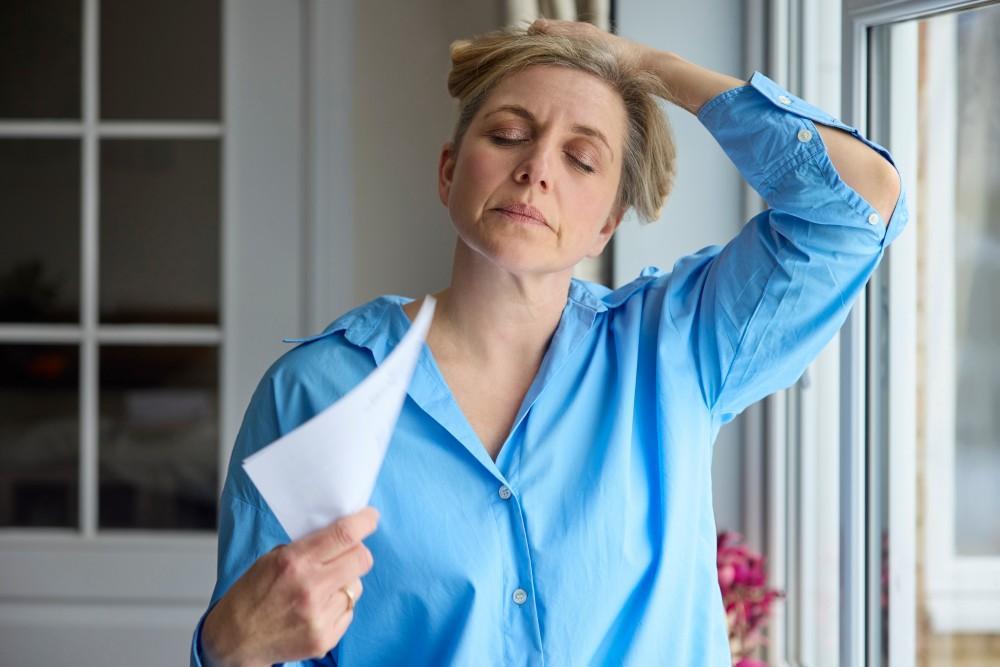
Signs you need hormone therapy include persistent fatigue, unexplained weight gain, mood swings, low libido, hot flashes, night sweats, brain fog, difficulty sleeping, and loss of muscle mass. According to the North American Menopause Society, these symptoms significantly impact quality of life when they persist for weeks or months and don’t improve with lifestyle changes alone. Women experiencing menopause symptoms and men with low testosterone are the most common candidates for hormone therapy. Blood tests can confirm hormone levels, but your symptoms matter more than numbers—if you feel terrible despite normal-looking lab results, hormone therapy might still help when other treatments have failed.
This article explains common signs of hormone imbalance, when to consider therapy, what hormone imbalance feels like day-to-day, and how to know if treatment is right for you. We’ll also cover testing, treatment options, and what results you can expect.
How Do You Know If Hormones Are Imbalanced?
Hormone imbalances show up in multiple ways across different body systems. Recognizing the patterns helps you identify when hormones might be the problem.
Energy And Fatigue Issues
Constant fatigue that doesn’t improve with sleep is a major sign. You wake up tired. You feel exhausted by mid-afternoon. You lack energy for activities you used to enjoy. According to the National Institute of Health, persistent fatigue affects over 60% of women going through perimenopause and menopause.
Energy crashes throughout the day signal blood sugar regulation problems, which hormones control. You might feel energetic one moment and completely drained the next without explanation.
Needing excessive sleep but still feeling tired indicates hormone disruption. If you’re sleeping nine or ten hours nightly and still exhausted, hormones might be the culprit.
Weight Changes
Unexplained weight gain, especially around your midsection, often reflects hormone imbalance. You’re eating the same diet and exercising regularly, but the scale keeps climbing. Belly fat accumulates despite your efforts.
According to research published in the Journal of Clinical Endocrinology and Metabolism, declining estrogen and progesterone in women and testosterone in men shifts fat storage to the abdomen. This visceral fat is harder to lose than subcutaneous fat.
Inability to lose weight despite diet and exercise suggests hormonal issues. Your metabolism has slowed dramatically. What used to work for weight management doesn’t work anymore.
Rapid weight changes without lifestyle changes signal hormone problems. Losing or gaining 10 or more pounds quickly without trying indicates something is off internally.
Mood And Mental Health
Mood swings, irritability, anxiety, or depression that seem to come from nowhere often trace back to hormones. You might feel fine one moment and angry or tearful the next. Small things trigger disproportionate emotional responses.
Brain fog and cognitive issues are common. You forget words mid-sentence. You walk into rooms and forget why. You struggle to concentrate on tasks that used to be easy. Clinical studies show that declining hormones affect neurotransmitter function, impacting memory and focus.
Feeling overwhelmed by normal tasks suggests hormone imbalance. Everyday responsibilities feel impossible. You can’t cope with stress like you used to.
Loss of interest in activities you normally enjoy might indicate hormonal depression. This differs from sadness—it’s a flatness where nothing brings pleasure.
Sleep Disruptions
Insomnia, especially waking between 2 and 4 a.m., is a classic hormone imbalance sign. You fall asleep fine but wake up in the middle of the night unable to return to sleep. According to the American Academy of Sleep Medicine, hormone fluctuations are among the top causes of middle-of-the-night insomnia in adults over 40.
Night sweats that drench your sheets disrupt sleep and indicate hormonal changes. You wake up soaked despite a cool bedroom.
Restless sleep where you toss and turn all night suggests hormone disruption affecting sleep cycles.
Sexual Health Changes
Low libido or complete loss of interest in sex is a major hormone indicator. What used to interest you sexually no longer does. You avoid intimacy. You never think about sex.
Vaginal dryness, painful intercourse, or physical discomfort during sex in women reflects declining estrogen. These issues make intimacy uncomfortable or impossible.
Erectile dysfunction or difficulty achieving or maintaining erections in men often signals low testosterone. According to the American Urological Association, testosterone levels affect sexual function significantly.
Physical Changes
Hot flashes that come on suddenly make you feel intensely hot, flushed, and sweaty. These classic menopause symptoms can occur dozens of times daily, severely impacting quality of life.
Loss of muscle mass despite exercise suggests declining growth hormone or testosterone. Your muscles look smaller and feel weaker. Strength training doesn’t build muscle like it used to.
Skin changes including thinness, dryness, or increased wrinkling happen as hormones decline. Collagen production depends on estrogen and other hormones. Skin loses elasticity and moisture.
Hair changes affect many people with hormone imbalance. Hair thins on your scalp but might increase on your face (women) or decrease on your body (men). Hair texture changes and becomes more brittle.
Joint pain and stiffness without injury often relate to declining estrogen, which has anti-inflammatory properties. Your joints ache. You feel stiff, especially in the morning.
Here in Lee’s Summit, we help clients recognize these patterns and understand when hormone testing and therapy might help address their symptoms.
Want to learn more about hormone replacement therapy? Our team in Lee’s Summit would be happy to answer your questions. Book a consultation today.
What Are Symptoms Of Low Hormones?
Low hormone symptoms vary depending on which hormones are deficient and whether you’re male or female. Understanding the specifics helps identify what might be happening.
Low Estrogen (Women)
Hot flashes and night sweats are the hallmark symptoms. These sudden waves of heat affect 75 to 80% of menopausal women according to the North American Menopause Society.
Vaginal dryness and atrophy make intercourse painful. The vaginal tissue thins and loses lubrication. Many women avoid intimacy because of discomfort.
Mood swings, irritability, and depression increase. Estrogen affects serotonin and other mood-regulating neurotransmitters. When estrogen drops, mood destabilizes.
Bone density decreases, raising osteoporosis risk. Estrogen protects bones. Without it, bones become brittle and fracture-prone. The International Osteoporosis Foundation reports that women lose up to 20% of bone density in the five to seven years after menopause.
Cognitive issues including memory problems and concentration difficulty develop. Many women describe this as “menopause brain fog.”
Skin becomes thinner and drier. Wrinkles appear more rapidly. Collagen production depends heavily on estrogen.
Weight gain, especially around the middle, becomes stubborn. Metabolism slows and fat distribution shifts to the abdomen.
Low Progesterone (Women)
Sleep problems, particularly insomnia, worsen. Progesterone has calming effects. Without it, sleep quality suffers.
Anxiety increases. Progesterone has natural anti-anxiety properties. Low levels make you feel on edge.
Irregular or heavy periods occur. Progesterone balances estrogen’s effects on the uterine lining. Imbalance causes menstrual issues.
Breast tenderness intensifies. Estrogen dominance (too much estrogen relative to progesterone) causes painful, swollen breasts.
Headaches and migraines become more frequent or severe. Hormone fluctuations trigger headaches in susceptible women.
Low Testosterone (Men)
Fatigue and low energy plague men with low testosterone. You feel tired all the time despite adequate sleep. According to the American Association of Clinical Endocrinologists, fatigue affects over 70% of men with clinically low testosterone.
Loss of muscle mass and strength occurs even with regular exercise. Your body composition shifts toward more fat and less muscle.
Increased body fat, especially around the midsection, develops. Testosterone helps regulate fat distribution. Without it, belly fat accumulates.
Low libido and sexual dysfunction are common. Interest in sex decreases. Erectile dysfunction becomes more frequent. Morning erections disappear.
Mood changes including depression, irritability, and lack of motivation affect daily life. Testosterone influences mood and drive. Low levels create apathy and depression.
Cognitive decline with memory issues and poor concentration mirrors what women experience with low estrogen.
Sleep disturbances and poor sleep quality develop. You don’t feel rested even after a full night’s sleep.
Bone density decreases. Men with low testosterone face osteoporosis risk similar to postmenopausal women.
Hair loss accelerates, particularly male pattern baldness.
Low Thyroid Hormones
Fatigue and weakness make even simple tasks exhausting. Thyroid hormone controls metabolism. Low levels slow everything down.
Weight gain occurs despite eating normally. Your metabolism has crashed. You gain weight easily and can’t lose it.
Cold intolerance makes you feel cold when others are comfortable. Your body isn’t producing enough heat.
Dry skin and hair become brittle. Hair falls out more than normal. Skin feels rough and scaly.
Constipation develops as digestion slows. Everything in your body moves more slowly with low thyroid.
Depression and cognitive impairment affect mood and mental function. Brain fog is severe.
Muscle aches and joint pain without clear cause develop.
Irregular or heavy menstrual periods occur in women.
Low Growth Hormone
Decreased muscle mass and increased body fat change body composition. You look softer and less defined.
Reduced bone density increases fracture risk.
Fatigue and decreased exercise capacity limit physical activity. You can’t perform like you used to.
Poor skin quality with increased wrinkling ages your appearance.
Elevated cholesterol levels increase cardiovascular risk.
Decreased quality of life and sense of wellbeing affect everything. You just don’t feel good.
Our Kansas City clients often describe feeling like a shadow of their former selves before hormone therapy. The multiple symptoms compound, affecting every aspect of life.
Thinking about whether your symptoms indicate hormone problems? We can help you figure it out. Contact us to set up a time to chat.
When Should You Consider HRT?
Hormone replacement therapy (HRT) becomes worth considering when symptoms significantly impact your quality of life and other interventions haven’t helped.
Clear Indications For HRT
Severe menopausal symptoms: If hot flashes, night sweats, and vaginal dryness disrupt your daily life, HRT is a proven solution. According to the North American Menopause Society, HRT is the most effective treatment for vasomotor symptoms (hot flashes and night sweats).
Early menopause: Women who experience menopause before age 45 should strongly consider HRT. Early menopause increases long-term health risks including osteoporosis and cardiovascular disease. HRT helps mitigate these risks.
Surgical menopause: Hysterectomy with ovary removal creates immediate, severe hormone deficiency. HRT helps manage the abrupt transition and prevents negative health consequences.
Confirmed low testosterone in men: If blood tests confirm testosterone below 300 ng/dL and you have symptoms, testosterone replacement therapy is appropriate. The American Urological Association supports treatment in symptomatic men with confirmed low levels.
Premature ovarian insufficiency: Women whose ovaries stop functioning before age 40 need hormone replacement to prevent bone loss, cardiovascular problems, and other health issues.
Severe quality of life impact: When hormone symptoms prevent you from working, maintaining relationships, or enjoying life, treatment becomes necessary. If you’re suffering significantly, HRT is worth considering.
When To Wait Or Try Other Approaches First
Mild symptoms: If symptoms are annoying but manageable, try lifestyle changes first. Improve sleep hygiene, exercise regularly, manage stress, and optimize nutrition. These interventions help many people without medication.
Recent onset: If symptoms just started, wait a few months. Some fluctuations are temporary. Track symptoms to see if they persist or worsen.
Young age without confirmed deficiency: If you’re in your twenties or thirties with vague symptoms, investigate other causes first. Thyroid problems, vitamin deficiencies, sleep disorders, and stress can mimic hormone issues.
Contraindications: Some conditions make HRT unsafe. History of breast cancer, endometrial cancer, blood clots, liver disease, or unexplained vaginal bleeding typically prevent HRT use. Always discuss your full medical history with a provider.
Pregnancy plans: If you’re trying to conceive, HRT isn’t appropriate. Address fertility concerns specifically rather than using hormone replacement.
Timing Considerations For Women
The “window of opportunity” matters for women considering HRT. Starting within 10 years of menopause onset or before age 60 provides maximum benefits with lowest risks.
According to large-scale studies including the Women’s Health Initiative, starting HRT early in menopause improves cardiovascular outcomes. Starting later (more than 10 years after menopause) changes the risk-benefit profile.
Women in their 40s and 50s experiencing perimenopause or menopause are ideal HRT candidates. The therapy prevents bone loss, improves quality of life, and might offer cardiovascular protection.
Women in their 60s or older need individualized assessment. HRT can still help symptoms but requires careful consideration of risks and benefits.
Timing For Men
Men can start testosterone therapy at any age once deficiency is confirmed. Unlike women, there’s no critical window. However, earlier treatment might prevent some long-term consequences of deficiency.
Men in their 40s through 70s commonly develop testosterone deficiency. If symptoms and lab work confirm deficiency, age isn’t a barrier to treatment.
Questions To Ask Yourself
- Do symptoms interfere with work, relationships, or daily activities?
- Have lifestyle changes (sleep, exercise, diet, stress management) failed to help?
- Have you ruled out other medical conditions?
- Are you willing to commit to regular monitoring and follow-up?
- Do you understand the risks and benefits of HRT?
- Have you tried other treatments without success?
If you answer yes to most of these questions, consulting about HRT makes sense.
What About Bioidentical Hormones?
Bioidentical hormone replacement therapy (BHRT) uses hormones chemically identical to those your body produces. Many people prefer this approach.
BHRT includes FDA-approved medications and compounded formulations. FDA-approved bioidentical hormones are well-studied and reliable. Compounded hormones allow customization but lack the same research backing.
The decision between conventional HRT and BHRT depends on your preferences, symptoms, and what your provider recommends based on your situation.
Ready to take the next step? Request a consultation and let’s discuss whether HRT is right for you.
What Does Hormone Imbalance Feel Like?
Hormone imbalance affects you physically, mentally, and emotionally. Understanding the day-to-day experience helps you recognize if this is what you’re dealing with.
Physical Sensations
You wake up feeling unrested even after eight hours of sleep. Your body feels heavy and sluggish. Getting out of bed requires significant effort.
Throughout the day, waves of fatigue hit without warning. You might feel fine, then suddenly need to sit down. Energy levels fluctuate unpredictably.
Your body temperature feels off. You’re either too hot or too cold. Hot flashes come on suddenly—you’re fine one moment, then intensely hot and sweaty the next. Night sweats wake you up drenched.
Your joints ache without explanation. Knees, hips, shoulders, and hands feel stiff and sore, especially in the morning. Movement helps but doesn’t eliminate the discomfort.
Your body feels inflamed and puffy. You retain water. Rings feel tight. Your face looks swollen. According to research on hormone function, hormones regulate fluid balance and inflammation.
Muscles feel weak and look smaller despite exercise. You’ve lost strength. Tasks that used to be easy now require effort.
Your skin feels different—drier, thinner, more sensitive. Lotions don’t seem to help the dryness. You notice new wrinkles appearing rapidly.
Mental And Cognitive Effects
Brain fog clouds your thinking. You struggle to find words. Conversations require more effort. You read the same paragraph three times without comprehension.
Memory problems frustrate you daily. You forget appointments. You can’t remember names of people you’ve known for years. You walk into rooms and forget why.
Concentration is nearly impossible. You start tasks and can’t finish them. Your mind wanders constantly. Work that used to take an hour takes three.
Decision-making becomes overwhelming. Simple choices feel monumental. You’re paralyzed by indecision over trivial matters.
Mental processing slows down. Everything takes longer. You feel like your brain is operating in slow motion.
Emotional Experience
Mood swings come without warning. You’re fine, then suddenly irritable or tearful. Small things trigger disproportionate reactions. You snap at loved ones over nothing.
Anxiety sits in your chest constantly. You feel on edge, waiting for something bad to happen. Racing thoughts keep you awake at night.
Depression or flatness makes everything feel gray. Activities you used to enjoy don’t interest you. Nothing brings pleasure. You go through the motions of life without feeling engaged.
Emotional regulation becomes impossible. You cry easily. You’re angry frequently. You feel out of control of your emotional responses.
Loss of confidence affects everything. You doubt yourself constantly. You avoid situations where you used to feel competent. Imposter syndrome intensifies.
Irritability makes you unpleasant to be around. You know you’re being difficult but can’t seem to control it. This creates relationship stress that compounds your distress.
Social And Relationship Impact
You avoid social situations because you don’t have energy or don’t feel like yourself. Making plans feels exhausting. Following through feels impossible.
Relationships strain under the weight of symptoms. Your partner doesn’t understand why you’re different. You don’t have words to explain what’s wrong because you don’t fully understand it yourself.
Intimacy suffers. Low libido eliminates interest in sex. Physical symptoms make intimacy uncomfortable or impossible. Your partner feels rejected. You feel inadequate.
Work performance declines. You can’t focus. Productivity drops. You call in sick more often. Colleagues notice changes. You worry about job security.
The Cumulative Effect
The worst part is how all these symptoms compound. Any single symptom might be manageable. But experiencing multiple symptoms simultaneously becomes overwhelming.
You start to question if this is just normal aging or if something is truly wrong. You wonder if you’re imagining things or being dramatic.
Doctor visits might yield “normal” test results despite feeling terrible. This creates frustration and self-doubt. If tests are normal, why do you feel so bad?
According to clinical experience, hormone imbalance is often dismissed or misdiagnosed. Many people see multiple providers before someone recognizes the hormone connection.
Life feels like you’re operating at 50% capacity. You’re going through the motions but not really living. Quality of life suffers dramatically.
Here in Lee’s Summit, clients often describe feeling like they’ve lost themselves. They don’t recognize the person they’ve become. Getting back to feeling like themselves is the primary goal of hormone therapy.
Have questions about what you’re experiencing? Our team loves talking about this stuff. Reach out anytime.
Can Hormone Therapy Help Fatigue?
Yes, hormone therapy can dramatically improve fatigue when hormone deficiency is the underlying cause. Understanding how hormones affect energy helps explain why therapy works.
How Hormones Affect Energy
Thyroid hormones directly control metabolism. They determine how efficiently your cells produce energy. Low thyroid hormones slow everything down, causing profound fatigue. According to the American Thyroid Association, fatigue is the most common symptom of hypothyroidism.
Testosterone affects energy levels in both men and women. It influences mitochondrial function—the powerhouses of cells that produce energy. Low testosterone reduces cellular energy production.
Estrogen and progesterone influence energy through multiple pathways. They affect neurotransmitters, sleep quality, and metabolism. When these hormones decline, energy plummets.
Growth hormone affects metabolism and body composition. It helps maintain muscle mass, which requires energy at rest. Loss of growth hormone contributes to fatigue and decreased vitality.
Cortisol, the stress hormone, follows a daily rhythm. It should be high in morning and low at night. Disrupted cortisol rhythms cause fatigue and energy crashes. Chronic stress depletes cortisol, leading to adrenal fatigue.
What Studies Show
Research on hormone therapy and fatigue is clear. A study published in Menopause: The Journal of the North American Menopause Society found that women using HRT reported significant improvements in energy levels compared to placebo.
Studies on testosterone replacement in men show substantial improvements in fatigue. According to research in the Journal of Clinical Endocrinology and Metabolism, men with confirmed low testosterone who received replacement therapy reported 60% improvement in energy levels within three months.
Thyroid hormone replacement effectively resolves fatigue in hypothyroid patients. Most people notice improvement within two to four weeks of starting treatment.
Timeline For Improvement
Energy improvements from hormone therapy don’t happen overnight. Your body needs time to adjust to new hormone levels.
Thyroid hormone replacement might show improvement in two to four weeks. Some people feel better within days, but full effects take one to three months.
Testosterone therapy in men typically improves energy within four to six weeks. According to clinical guidelines, full benefits take three to six months.
Estrogen therapy for women often improves energy within a few weeks as sleep quality and mood improve. Full effects develop over two to three months.
Different delivery methods affect timing. Injections might work faster than creams or patches. Dosing adjustments take time to optimize.
Factors That Affect Results
Correct diagnosis is crucial. If your fatigue isn’t hormone-related, hormone therapy won’t help much. Other causes include vitamin deficiencies, sleep disorders, anemia, autoimmune conditions, and depression.
Proper dosing matters. Too little hormone won’t resolve symptoms. Too much can cause side effects including, ironically, fatigue. Finding the right dose takes monitoring and adjustment.
Lifestyle factors influence results. Hormone therapy works best when combined with adequate sleep, regular exercise, good nutrition, and stress management. The hormones provide the foundation, but lifestyle determines how well you build on it.
Other health conditions affect response. If you have sleep apnea, chronic pain, or active infections, these issues will continue causing fatigue even with optimized hormones.
Realistic Expectations
Hormone therapy typically improves fatigue by 50 to 80% in people with confirmed deficiency. You’ll feel significantly better but might not have the energy of a 20-year-old if you’re 50.
Some days will be better than others. Energy improvement isn’t constant. Stress, poor sleep, or illness can still cause fatigue episodes.
Hormone therapy addresses the hormonal component of fatigue. If multiple factors contribute to your exhaustion, you’ll need to address all of them for full improvement.
Most people report that hormone therapy makes fatigue manageable rather than debilitating. They can work, exercise, and enjoy life again. That’s a significant improvement even if it’s not perfection.
Combination Approaches
Sometimes addressing multiple hormones simultaneously gives better results. Optimizing thyroid, sex hormones, and adrenal function together might work better than treating one in isolation.
Adding supportive supplements can help. Vitamin D, B vitamins, magnesium, and iron (if deficient) support energy production alongside hormone therapy.
Addressing medical weight loss might improve energy. Excess weight strains your body and worsens fatigue. Combining hormone therapy with weight management creates better outcomes.
If you’re in the Kansas City area and struggling with fatigue, we can help determine if hormones are contributing and what treatment options make sense. Contact us anytime.
Do I Need To Test Hormones?
Hormone testing helps confirm deficiencies and guide treatment, but it’s not always necessary before starting therapy in certain situations. Understanding when testing matters helps you make informed decisions.
Arguments For Testing
Blood tests provide objective data. You can confirm whether hormone levels are truly low or if symptoms have other causes. According to the Endocrine Society, testing should guide treatment decisions in most cases.
Baseline measurements allow tracking over time. You’ll know how your levels change with treatment and can adjust dosing accordingly.
Testing can identify which specific hormones are problematic. You might have low estrogen but normal progesterone, or vice versa. This guides targeted treatment.
Insurance coverage often requires documented deficiency before approving hormone therapy. Testing provides the medical justification needed for coverage.
Legal and safety considerations support testing. Providers need documented deficiency to prescribe certain hormones legally and ethically.
Some conditions cause symptoms that mimic hormone deficiency. Testing helps rule out thyroid disease, vitamin deficiencies, or other issues that need different treatment.
Arguments Against Testing In Some Cases
Symptoms matter more than numbers. Some people have “normal” lab results but feel terrible. If you’re 45 and symptomatic, you might be low relative to your previous levels even if labs show you’re within “normal range.”
Reference ranges are broad and don’t account for individual variation. “Normal” includes a wide spectrum. You might be at the low end of normal and symptomatic.
Hormone levels fluctuate significantly day-to-day and hour-to-hour. A single test captures one moment in time. It might not reflect your true status.
According to some hormone therapy advocates, clinical symptoms in the right context (menopausal-aged women with hot flashes) make testing somewhat redundant. The diagnosis is obvious from symptoms alone.
Cost is a factor. Comprehensive hormone panels can cost hundreds of dollars if insurance doesn’t cover them. Some people can’t afford extensive testing.
What Should Be Tested
If you do test, comprehensive panels provide the most information:
For women:
- Estradiol (E2)
- Progesterone
- Testosterone (total and free)
- DHEA-S
- FSH (follicle-stimulating hormone)
- LH (luteinizing hormone)
- Thyroid panel (TSH, Free T3, Free T4)
- Vitamin D
- Complete blood count
- Metabolic panel
For men:
- Total testosterone
- Free testosterone
- SHBG (sex hormone-binding globulin)
- Estradiol
- LH
- Prolactin
- Thyroid panel (TSH, Free T3, Free T4)
- PSA (prostate-specific antigen)
- Complete blood count
- Metabolic panel
Timing matters for women. Test on days 19-21 of your cycle if you’re still menstruating. If you’re postmenopausal, any time works.
Morning testing is best for most hormones, especially testosterone and cortisol. These follow daily rhythms and are highest in morning.
Types Of Testing
Blood tests are standard and most reliable for most hormones. They’re well-studied with established reference ranges.
Saliva testing measures free (active) hormones. Some practitioners prefer this, especially for cortisol testing throughout the day.
Urine testing can measure hormone metabolites. This provides information about how your body processes hormones.
Blood spot testing allows at-home collection. You prick your finger and mail samples to a lab. It’s convenient but less comprehensive than venous blood draws.
When Testing Isn’t Necessary
Obvious menopausal symptoms in a 50-year-old woman don’t require confirmation testing. Hot flashes, night sweats, and irregular periods make the diagnosis clear.
Men over 40 with classic low testosterone symptoms (fatigue, low libido, erectile dysfunction, muscle loss) combined with clinical exam findings might not need pre-treatment testing in some clinical settings, though most providers prefer documentation.
If you’ve already started hormone therapy and feel better, baseline testing missed the window. Focus on optimizing your current regimen through response and follow-up testing.
Follow-Up Testing
Once you start hormone therapy, regular monitoring is important. Follow-up tests ensure your levels are in the therapeutic range and you’re not developing side effects.
Test three to six weeks after starting or changing doses. This allows time for levels to stabilize.
Test every three to six months initially. Once stable, annual monitoring might suffice.
Monitor other health markers too. Check cholesterol, blood sugar, liver function, and blood counts. Hormone therapy can affect these parameters.
If you’re in the Lee’s Summit area and want to understand whether testing is right for you, we’d love to help. Book a consultation today.
Treatment Options And What To Expect
Understanding hormone therapy options helps you make informed decisions about treatment.
Types Of Hormone Therapy
Estrogen therapy comes in pills, patches, creams, gels, and vaginal preparations. Systemic estrogen (pills, patches) treats whole-body symptoms. Vaginal estrogen treats local symptoms like dryness.
Progesterone is often combined with estrogen in women who still have a uterus. It protects the uterine lining from estrogen’s growth-promoting effects.
Testosterone therapy for men includes injections, gels, patches, and pellets. Injections are most common. Gels require daily application. Pellets last three to four months.
Testosterone for women treats low libido and energy issues. Doses are much lower than for men. Creams or pellets are typical delivery methods.
Thyroid hormone treats hypothyroidism. Levothyroxine is standard. Some people prefer natural desiccated thyroid or combinations of T4 and T3.
DHEA supplements support hormone production. It’s a precursor to testosterone and estrogen.
What Bioidentical Means
Bioidentical hormones have the same molecular structure as hormones your body produces naturally. Your body processes them identically to its own hormones.
FDA-approved bioidentical hormones include estradiol patches, progesterone capsules, and testosterone gels. These are well-studied and regulated.
Compounded bioidentical hormones are custom-made by pharmacies. They allow personalized dosing and combinations but lack FDA oversight and standardized research.
Starting Treatment
Your provider will discuss options based on your symptoms, test results, medical history, and preferences. They’ll recommend specific hormones, doses, and delivery methods.
Start with low doses and increase gradually. This minimizes side effects and helps your body adjust.
Schedule follow-up in four to six weeks. Your provider will assess how you’re feeling and whether dosing needs adjustment.
Expect an adjustment period. You might not feel perfect immediately. Finding optimal doses takes time and monitoring.
Monitoring And Adjustments
Regular blood tests track hormone levels and ensure you’re in the therapeutic range. Your provider will test periodically and adjust doses based on results and symptoms.
Report any new symptoms or side effects. These guide dosing adjustments and help catch potential problems early.
Annual comprehensive health screening ensures hormone therapy isn’t causing adverse effects on cardiovascular health, bone density, or other systems.
Timeline For Results
Most people notice some improvement within two to four weeks. Energy, mood, and sleep often improve first.
Full benefits develop over three to six months. Your body needs time to adjust to new hormone levels and respond fully.
Optimal results require finding the right dose. This might take several adjustments over six to twelve months.
Long-term benefits include maintained bone density, better body composition, improved cognitive function, and enhanced quality of life.
Combining With Other Treatments
Hormone therapy works best with healthy lifestyle habits. Prioritize sleep, exercise, nutrition, and stress management.
Consider complementary treatments like vitamin shots, weight loss programs, or other wellness services that support overall health.
Want to explore hormone therapy options? Contact us to set up a time to chat.
Final Thoughts
Signs you need hormone therapy include persistent fatigue, unexplained weight gain, mood changes, sleep problems, low libido, hot flashes, brain fog, and muscle loss that don’t improve with lifestyle changes alone. These symptoms significantly impact quality of life and deserve medical attention.
Hormone testing can confirm deficiencies and guide treatment, but your symptoms matter most. If you feel terrible despite “normal” lab results, treatment might still help—numbers don’t tell the whole story.
Hormone replacement therapy offers significant relief for people with confirmed deficiencies. Most notice improvement within weeks, with full benefits developing over three to six months. The therapy addresses the root cause of symptoms rather than just masking them.
Not everyone needs hormone therapy. Mild symptoms might improve with lifestyle modifications. But when symptoms severely impact your life and other treatments have failed, hormone therapy provides an effective solution.
If you’re experiencing multiple hormone-related symptoms that disrupt your daily life, work, relationships, or wellbeing, consulting about hormone therapy makes sense. You don’t have to suffer through symptoms that have effective treatment options.
Our team is here to help you understand whether your symptoms indicate hormone imbalance, whether testing is appropriate, and what treatment options might work for your situation. We’ll create a personalized plan that addresses your specific needs and helps you feel like yourself again.
Contact us to schedule your consultation and take the first step toward feeling better.
![[thumb]](https://slimmingsolutionsspa.com/wp-content/uploads/2023/12/botox1-150x150.png)
![[thumb]](https://slimmingsolutionsspa.com/wp-content/uploads/2023/12/Before2-150x150.png)
![[thumb]](https://slimmingsolutionsspa.com/wp-content/uploads/2023/12/Before3-150x150.png)
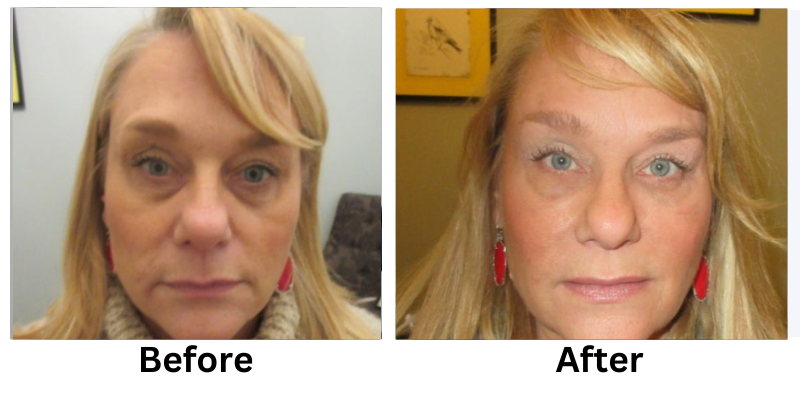


![[thumb]](https://slimmingsolutionsspa.com/wp-content/uploads/2023/12/revanesse-versa-1-150x150.png)
![[thumb]](https://slimmingsolutionsspa.com/wp-content/uploads/2023/12/revanesse-versa-2-150x150.png)
![[thumb]](https://slimmingsolutionsspa.com/wp-content/uploads/2023/12/revanesse-versa-3-150x150.png)
![[thumb]](https://slimmingsolutionsspa.com/wp-content/uploads/2023/12/revanesse-versa-4-150x150.png)
![[thumb]](https://slimmingsolutionsspa.com/wp-content/uploads/2023/12/revanesse-versa-5-150x150.png)
![[thumb]](https://slimmingsolutionsspa.com/wp-content/uploads/2024/01/Eyebrow-treatment-1-1-150x150.png)
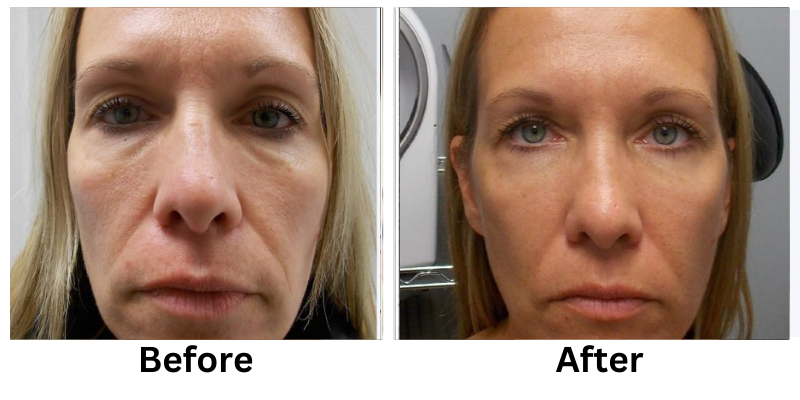
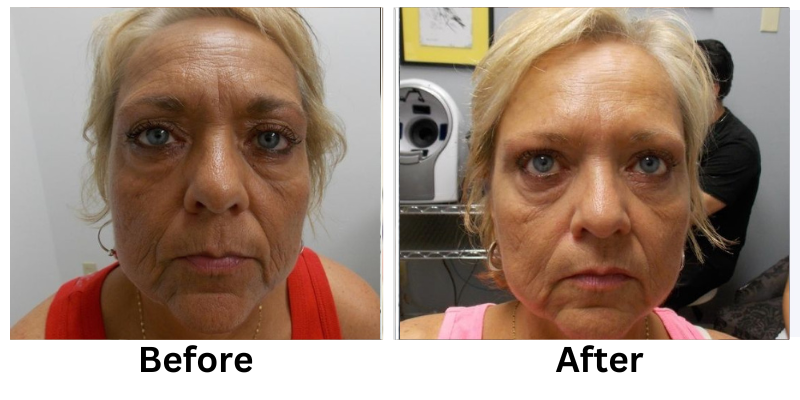
![[thumb]](https://slimmingsolutionsspa.com/wp-content/uploads/2023/12/Skin-Rejuvenation-1-150x150.png)
![[thumb]](https://slimmingsolutionsspa.com/wp-content/uploads/2023/12/Skin-Rejuvenation-2-150x150.png)


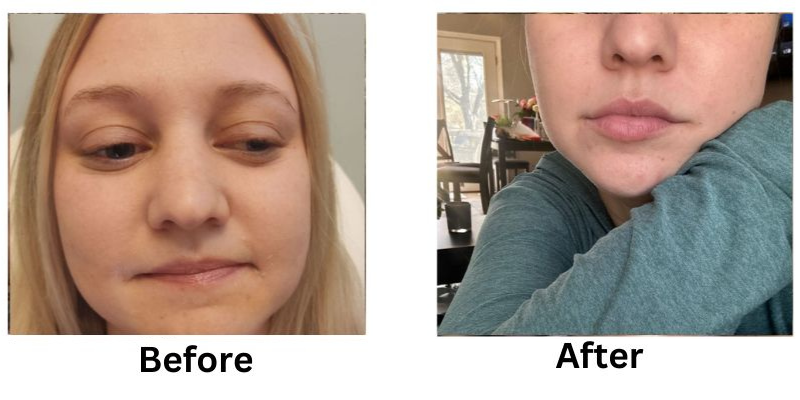
![[thumb]](https://slimmingsolutionsspa.com/wp-content/uploads/2024/01/Lip-Filler-1-150x150.png)
![[thumb]](https://slimmingsolutionsspa.com/wp-content/uploads/2024/01/Lip-Filler-2-150x150.png)
![[thumb]](https://slimmingsolutionsspa.com/wp-content/uploads/2025/02/Lip-Filler-1-150x150.png)
![[thumb]](https://slimmingsolutionsspa.com/wp-content/uploads/2024/01/Lip-Filler-150x150.jpg)
![[thumb]](https://slimmingsolutionsspa.com/wp-content/uploads/2024/01/Before-1-150x150.jpg)

![[thumb]](https://slimmingsolutionsspa.com/wp-content/uploads/2024/01/RHA-Treatmetn-3-150x150.png)
![[thumb]](https://slimmingsolutionsspa.com/wp-content/uploads/2024/01/RHA-Treatmetn-2-150x150.png)
![[thumb]](https://slimmingsolutionsspa.com/wp-content/uploads/2024/01/RHA-Treatmetn-1-150x150.png)
![[thumb]](https://slimmingsolutionsspa.com/wp-content/uploads/2024/01/Thread-Lifts-1-150x150.png)
![[thumb]](https://slimmingsolutionsspa.com/wp-content/uploads/2024/01/Thread-Lifts-2-150x150.png)
![[thumb]](https://slimmingsolutionsspa.com/wp-content/uploads/2025/02/Lip-Filler-2-150x150.png)

![[thumb]](https://slimmingsolutionsspa.com/wp-content/uploads/2023/12/skin-reuvulation1-150x150.png)
![[thumb]](https://slimmingsolutionsspa.com/wp-content/uploads/2023/12/skin-rejuvulation-2-150x150.png)
![[thumb]](https://slimmingsolutionsspa.com/wp-content/uploads/2023/12/Skin-Tighting-150x150.png)
![[thumb]](https://slimmingsolutionsspa.com/wp-content/uploads/2023/12/Before-150x150.jpg)
![[thumb]](https://slimmingsolutionsspa.com/wp-content/uploads/2023/12/weightloss-1-150x150.png)
![[thumb]](https://slimmingsolutionsspa.com/wp-content/uploads/2023/12/weightloss-2-150x150.png)
![[thumb]](https://slimmingsolutionsspa.com/wp-content/uploads/2023/12/2Weight-Loss-2-150x150.png)
![[thumb]](https://slimmingsolutionsspa.com/wp-content/uploads/2025/02/Weight-Loss-1-new-150x150.png)
![[thumb]](https://slimmingsolutionsspa.com/wp-content/uploads/2023/12/Weight-Loss-3-150x150.png)
![[thumb]](https://slimmingsolutionsspa.com/wp-content/uploads/2025/03/Slimming-Solutions-BA-Template-150x150.png)


![[thumb]](https://slimmingsolutionsspa.com/wp-content/uploads/2023/12/dat3-150x150.png)
![[thumb]](https://slimmingsolutionsspa.com/wp-content/uploads/2023/12/dat-0-150x150.png)
![[thumb]](https://slimmingsolutionsspa.com/wp-content/uploads/2023/12/dat-1-150x150.png)
![[thumb]](https://slimmingsolutionsspa.com/wp-content/uploads/2023/12/Before-1-150x150.png)

![[thumb]](https://slimmingsolutionsspa.com/wp-content/uploads/2024/01/EMS-Treatment-2-150x150.png)
![[thumb]](https://slimmingsolutionsspa.com/wp-content/uploads/2024/01/EMS-Treatment-1-150x150.png)
![[thumb]](https://slimmingsolutionsspa.com/wp-content/uploads/2025/02/ems-BNA-front-150x150.png)
![[thumb]](https://slimmingsolutionsspa.com/wp-content/uploads/2025/02/EMS-bna-SIDE-150x150.png)
![[thumb]](https://slimmingsolutionsspa.com/wp-content/uploads/2024/01/EMS-Treatment-6-150x150.png)