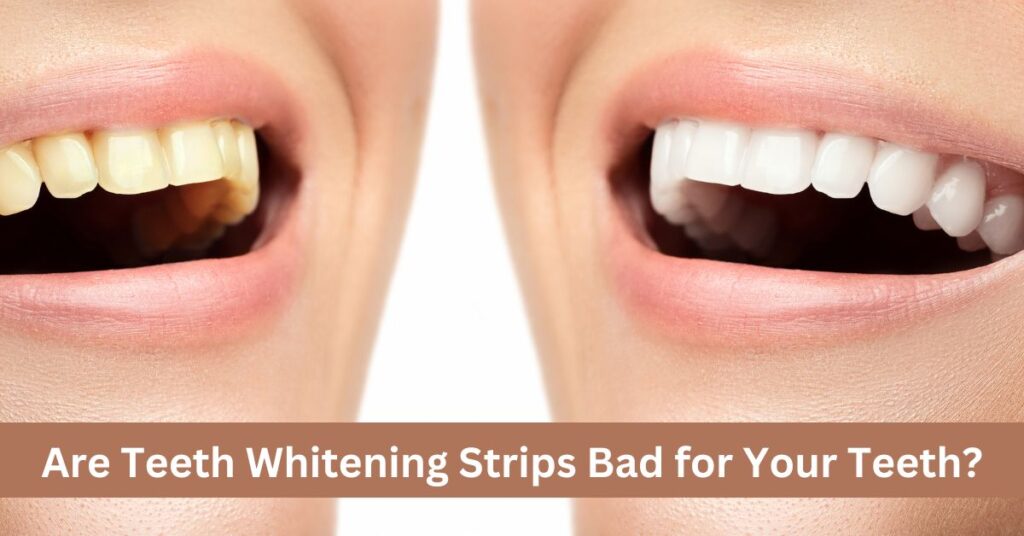
No, teeth whitening strips are not bad for your teeth when used as directed. The American Dental Association (ADA) confirms that whitening strips with hydrogen peroxide concentrations under 14% are safe for most people when used according to the product instructions. However, overuse, leaving strips on too long, or using products with unverified ingredients can cause tooth sensitivity, gum irritation, and enamel damage. According to Fortune Business Insights, the global teeth whitening market was valued at $8.52 billion in 2024, showing just how many people are using these products. This article answers the most common questions about whitening strip safety, side effects, proper use, and better alternatives for a brighter smile.
Do Dentists Recommend Teeth Whitening Strips?
Yes, many dentists recommend teeth whitening strips as a safe and affordable at-home option for mild to moderate surface stains. The ADA has granted its Seal of Acceptance to several whitening strip products that have been independently tested for both safety and effectiveness. These ADA-approved strips are the safest choice for at-home whitening.
However, dentists also stress that whitening strips are not the best choice for everyone. People with sensitive teeth, gum disease, worn enamel, dental crowns, or veneers should consult a dental professional before using strips. Whitening agents do not change the color of dental restorations, which can result in uneven whitening. According to a 2017 survey by the American Academy of Cosmetic Dentistry, 93% of patients who sought cosmetic dental treatments did so because of referrals from friends and family with good results.
For deeper stains or faster results, most dental professionals recommend professional teeth whitening treatments over store-bought strips. Professional treatments use higher-concentration whitening agents under controlled conditions, which reduces the risk of side effects and delivers more even, longer-lasting results.
Can You Damage Your Teeth With Whitening Strips?
Yes, you can damage your teeth with whitening strips if you misuse them, overuse them, or choose products with harmful ingredients. The most common forms of damage include enamel erosion, increased tooth sensitivity, and gum irritation. These problems are almost always caused by leaving strips on longer than directed, using strips more often than recommended, or selecting products that contain chlorine dioxide.
Research presented at the annual American Society for Biochemistry and Molecular Biology meeting found that hydrogen peroxide, the active ingredient in most whitening strips, can damage the protein-rich dentin layer beneath the enamel. Lead researcher Kelly Keenan, PhD, at Stockton University, reported a significant loss of collagen protein in teeth exposed to hydrogen peroxide. John Grbic, DMD, a professor of dental medicine at Columbia University, explained that damage or sensitivity increases when hydrogen peroxide levels are too high.
The good news is that these risks are very low when you follow the product instructions carefully. Clinical studies published in the Journal of Clinical Dentistry confirm that whitening strips are safe when used as directed. The key is to never exceed the recommended usage time or frequency, and to always choose products with verified ingredients.
Are Crest 3D White Strips Safe?
Yes, Crest 3D White Strips are safe when used as directed. Crest states that its Whitestrips contain hydrogen peroxide, the same enamel-safe whitening ingredient that dentists use for professional tooth whitening. Extensive testing by the manufacturer has shown the product to be safe for enamel when used according to the package instructions.
Crest also confirms that Whitestrips will not cause teeth to stain faster after use, and that there is no evidence linking hydrogen peroxide to cancer in humans. Both the FDA and the World Health Organization have reviewed data on hydrogen peroxide and have not concluded that it is carcinogenic. With the ADA Seal of Acceptance on many of their products, Crest 3D White Strips remain one of the most trusted at-home whitening options on the market.
That said, even safe products can cause problems if used incorrectly. According to a report by Mordor Intelligence, whitening strips and films are projected to expand at a 4.12% compound annual growth rate through 2030, meaning more and more people are using them. Following the directions on the package and not exceeding the recommended treatment duration is the best way to keep your teeth and gums healthy while whitening.
Is It Bad to Do Whitening Strips Every Day?
It is only safe to do whitening strips every day if the product’s instructions specifically say to use them daily, and even then, only for the recommended treatment period (usually 10 to 14 days). Using whitening strips daily for weeks or months beyond the recommended cycle is bad for your teeth and significantly increases the risk of enamel erosion, sensitivity, and gum damage.
The ADA advises against using whitening products with more than 14% hydrogen peroxide without professional supervision. Most over-the-counter strips contain between 6% and 14% hydrogen peroxide. Even at these levels, daily use beyond the recommended timeframe can weaken enamel over time. Research from Stockton University showed that hydrogen peroxide breaks down collagen in the dentin layer, and this effect worsens with repeated exposure.
A smarter approach is to follow the product’s recommended cycle, take a break, and then repeat if needed. For ongoing maintenance between whitening cycles, switching to a whitening toothpaste with mild abrasives can help keep surface stains at bay without the risks of daily strip use.
Does Leaving Whitening Strips on Longer Make Teeth Whiter?
No, leaving whitening strips on longer does not make teeth whiter. Keeping strips on beyond the recommended time increases your risk of enamel erosion, chemical burns on the gums, and heightened tooth sensitivity without providing additional whitening benefit.
According to Colgate, overuse of whitening strips has led to chemical burns on the gums in some cases. The bleaching gel is formulated to work within a specific time window, and the whitening reaction is largely complete within that period. Extending the time simply exposes your teeth and gums to unnecessary chemical irritation.
Most whitening strips are designed to be worn for 30 minutes to one hour per application. Sticking to that timeframe gives the hydrogen peroxide enough contact time to break down surface stains without penetrating deep enough to cause harm. If you want better results, it is far safer to complete the full recommended treatment cycle rather than extending individual sessions.
What Should You Not Drink After Teeth Whitening?
After teeth whitening, you should not drink coffee, red wine, tea, dark sodas, or any deeply colored beverages for at least 24 to 48 hours. During this window, your tooth enamel is temporarily more porous from the whitening process, making it more susceptible to absorbing new stains.
This advice applies to both whitening strips and professional treatments. The pores in the enamel open up during the bleaching process and take time to close back down. Consuming dark-colored drinks during this period can undo the whitening effects and create uneven discoloration. Acidic drinks like citrus juice and sports drinks should also be avoided because they can further soften the already-sensitized enamel.
Stick to water, milk, and other clear or light-colored beverages during the first 48 hours after whitening. This simple step helps lock in your results and extends the life of your brighter smile. For patients looking for longer-lasting, more dramatic results, professional teeth whitening provides a controlled treatment that minimizes post-whitening sensitivity and staining risk.
What Foods Should You Not Eat When Whitening Teeth?
The foods you should not eat when whitening teeth include berries (blueberries, blackberries, raspberries), tomato-based sauces, soy sauce, balsamic vinegar, curry, beets, and dark chocolate. These foods contain intense pigments called chromogens that can stain enamel, especially when it is more porous right after a whitening treatment.
Acidic foods like lemons, oranges, and pickles should also be limited during whitening treatment cycles. Acid weakens the enamel surface temporarily, and combining acid exposure with peroxide-based whitening can increase the risk of sensitivity and enamel thinning. According to data from Grand View Research, the at-home segment accounted for 68.67% of the teeth whitening market in 2024, meaning millions of people need to be aware of these dietary precautions during treatment.
Focus on foods that are light in color and gentle on teeth during your whitening period: chicken, rice, white fish, bananas, plain pasta, and scrambled eggs are all safe choices. Following this simple “white diet” for 48 hours after each whitening session helps protect your results.
What Is the Best and Safest Way to Whiten Teeth?
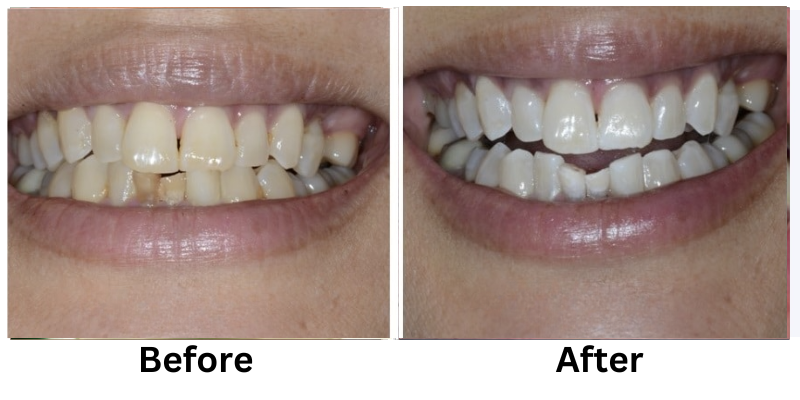
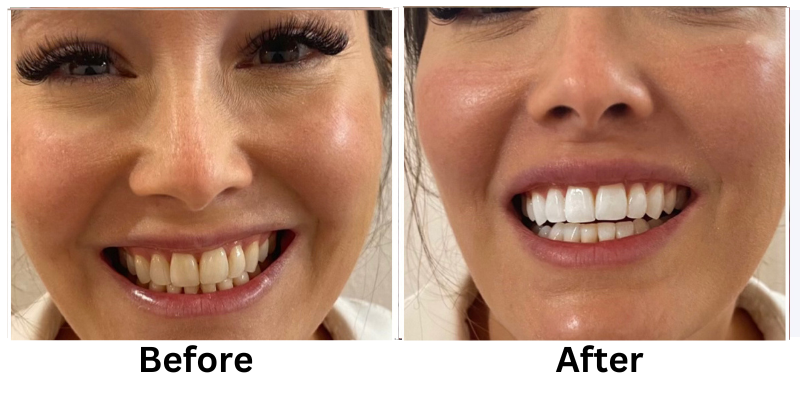
The best and safest way to whiten teeth is through a professional whitening treatment supervised by a dental or medical professional. Professional treatments use stronger, controlled concentrations of whitening agents and include protective measures for the gums and enamel that over-the-counter products cannot provide.
In-office whitening treatments typically deliver results in a single session, brightening teeth by several shades in about an hour. Custom take-home trays provided by a dental professional are another safe option; the trays are molded to fit your teeth precisely, which keeps the whitening gel on the enamel and away from the gum tissue. According to a Delta Dental 2024 survey, 52% of adults rate tooth brightness as a top oral priority, making professional whitening one of the most requested cosmetic treatments available.
At a med spa, professional-grade teeth whitening services combine advanced whitening technology with expert oversight to deliver safe, even, and long-lasting results. This approach eliminates the guesswork and risk that come with store-bought strips and gives you a dramatically brighter smile in less time.
Can Yellow Teeth Turn White Again?
Yes, yellow teeth can turn white again in many cases, depending on what is causing the yellowing. Surface stains from coffee, tea, wine, tobacco, and certain foods respond well to both whitening strips and professional treatments. Deeper discoloration caused by aging, genetics, or certain medications may require professional-grade whitening or dental veneers for the best results.
According to Racounter, 67% of American adults have tried to whiten their teeth in some form, whether through dentist visits, professional services, or at-home products. Teeth whitening is the most popular dental procedure in the United States, accounting for 32% of in-office cosmetic dental practice. This popularity exists because whitening genuinely works for most types of yellow discoloration.
The key factor is whether the staining is extrinsic (on the surface) or intrinsic (within the tooth structure). Extrinsic stains are easier to remove with peroxide-based treatments. Intrinsic stains may need stronger professional intervention. If your teeth are yellow and you are unsure which type of staining you have, a consultation with a professional can determine the best treatment approach for your situation.
What Color Cancels Yellow Teeth?
The color that cancels yellow teeth is purple or violet. This is based on basic color theory: purple sits directly opposite yellow on the color wheel, which means it neutralizes yellow tones when applied. This is why some whitening toothpastes and color-correcting dental products contain purple or violet pigments.
These purple-tinted products do not actually whiten the teeth or remove stains. They create an optical illusion that makes teeth appear less yellow by counteracting warm yellow tones with cool purple tones. The effect is temporary and washes away after brushing or eating. For actual stain removal and lasting whitening, a peroxide-based treatment is still needed.
Think of it like using a purple shampoo on blonde hair to cancel out brassiness. The same concept applies to teeth. While color-correcting products can be a helpful quick fix before a photo or event, they do not replace real whitening treatments for long-term results.
Will My Teeth Go Back to Yellow After Whitening Strips?
Yes, your teeth will eventually go back to a more yellow shade after whitening strips because the effects of whitening are not permanent. How quickly this happens depends on your diet, oral hygiene habits, and whether you continue exposing your teeth to staining substances like coffee, tea, wine, and tobacco.
Most at-home whitening strip results last between 3 to 6 months. Regular use of whitening toothpaste, avoiding heavily pigmented foods and drinks, and following a consistent oral care routine can help extend the results. Many people do a touch-up whitening cycle every few months to maintain their brightness.
Professional whitening treatments tend to last longer, often 6 to 12 months or more, because they use stronger whitening agents and more precise application methods. For the longest-lasting results, combining professional whitening with good daily oral hygiene habits is the most effective strategy.
Does Brushing Teeth Twice a Day Make Them Whiter?
Brushing teeth twice a day does help keep them whiter by removing surface plaque and food debris that cause staining, but brushing alone will not dramatically whiten teeth that are already discolored. Toothpaste, even whitening toothpaste, contains mild abrasives that can remove some surface stains, but it cannot change the actual color of the tooth enamel.
The American Dental Association recommends brushing twice a day with a fluoride toothpaste as the foundation of good oral health. This daily habit prevents new stains from building up and keeps teeth looking their best between whitening treatments. When combined with flossing at least once a day and rinsing with water after consuming staining foods or drinks, regular brushing is a powerful tool for maintaining a brighter smile.
For teeth that need more than surface-level cleaning, a whitening treatment is the next step. Whether you choose at-home strips or a professional session depends on how deep the staining is and what results you are looking for. A consultation can help determine the right approach for your discoloration concerns.
How to Get Whiter Teeth Without Whitening Strips?
To get whiter teeth without whitening strips, you can use professional in-office whitening, custom take-home trays from a dental professional, whitening toothpaste, oil pulling, or dietary changes. Each method varies in effectiveness and speed, but all offer alternatives for people who want to avoid over-the-counter strips.
Professional whitening remains the gold standard for safe, dramatic results. Custom trays from a dental provider fit your teeth precisely, keeping the whitening gel on the enamel and off the gums for a safer at-home experience than strips provide. Whitening toothpaste can gradually remove mild surface stains with daily use, though results are slower and more subtle.
Natural approaches like reducing coffee and wine intake, rinsing with water after eating, and eating crunchy fruits and vegetables (apples, celery, carrots) can help prevent new stains from forming. These habits work best as a complement to professional whitening rather than a replacement. For a complete smile makeover, some patients combine whitening with other cosmetic treatments like dermal fillers or Botox for a full facial refresh.
Why Do Dentists Not Recommend Teeth Whitening?
Dentists do not recommend teeth whitening in specific situations where the treatment could cause more harm than good. These situations include patients with severe tooth decay, active gum disease, worn or cracked enamel, exposed tooth roots, and hypersensitivity to peroxide-based products. In these cases, whitening agents can penetrate damaged areas and cause significant pain or further damage.
Dentists also caution against whitening for patients with extensive dental restorations. Crowns, veneers, fillers, and bonding materials do not respond to whitening agents, which means whitening could create a mismatched appearance between natural teeth and restorations. Pregnant and breastfeeding women are also advised to avoid whitening treatments due to limited research on the effects of peroxide exposure during pregnancy.
Additionally, the U.S. Food and Drug Administration issued a consumer advisory in 2024 warning against unsupervised use of high-strength whitening kits, highlighting risks of chemical burns and increased tooth sensitivity, according to a report by DataBridge Market Research. Dentists want to make sure whitening is safe for your specific oral health situation before you begin any treatment.
How Many Times a Year Is It Safe to Use Whitening Strips?
It is safe to use whitening strips 2 to 3 times a year for most people, following the product’s recommended treatment cycle each time. Most over-the-counter whitening strip kits are designed as 10- to 14-day treatment courses. Completing one course every 4 to 6 months gives your enamel time to recover between treatments.
Using whitening strips more frequently than this can lead to cumulative enamel thinning, chronic sensitivity, and translucent-looking teeth. The ADA advises moderation and recommends consulting a dental professional before starting any whitening routine, especially if you plan to whiten regularly throughout the year.
Between whitening cycles, maintaining results with a whitening toothpaste, avoiding staining foods and drinks, and practicing good oral hygiene will extend the brightness of your smile without additional strip use. For patients who want to maintain year-round brightness without the risks of frequent strip use, professional whitening treatments offer stronger, longer-lasting results with fewer sessions needed. The team at a trusted med spa can create a customized whitening schedule that keeps your smile bright and your enamel protected.
| Whitening Method | Active Ingredient | Typical Strength | Treatment Time | Results Duration |
|---|---|---|---|---|
| OTC Whitening Strips | Hydrogen peroxide | 6% to 14% | 30 min/day for 10-14 days | 3 to 6 months |
| Whitening Toothpaste | Mild abrasives, low-dose peroxide | Less than 3% | Daily, ongoing | Surface stains only |
| Custom Take-Home Trays | Carbamide peroxide | 10% to 22% | 1-2 hrs/day for 2-4 weeks | 6 to 12 months |
| Professional In-Office | Hydrogen peroxide + light activation | 25% to 40% | 1 session (60-90 min) | 6 to 12+ months |
Sources: American Dental Association; Journal of Clinical Dentistry; Crest (Procter & Gamble); Colgate; Columbia University Medical Center; Mordor Intelligence
Frequently Asked Questions
Can You Use Whitening Strips Once a Week?
Yes, you can use whitening strips once a week as a maintenance routine after completing a full whitening treatment cycle. Using strips once a week is gentler on your enamel than daily use and can help maintain your results over time. However, check your specific product’s instructions, as some strips are designed for daily use during the treatment period and not for weekly maintenance. If you are unsure, a dental professional can advise you on the safest frequency for your teeth.
What Are the Downsides of Whitening Strips?
The downsides of whitening strips include temporary tooth sensitivity, gum irritation from the bleaching gel, uneven whitening (especially between teeth or near the gumline), and the risk of enamel erosion with overuse. Strips also do not whiten dental restorations like crowns, veneers, or fillings, which can create a mismatched appearance. According to the Journal of Clinical Dentistry, over-the-counter products vary widely in peroxide concentration and safety, so choosing an ADA-approved brand is important.
Should I Not Drink Water After Whitening Strips?
You can drink water after whitening strips without any problems. Water is one of the safest things to consume after whitening because it is clear, non-acidic, and actually helps rinse away residual whitening gel from your teeth and gums. What you should avoid after whitening strips is dark-colored or acidic beverages like coffee, wine, tea, and citrus juice for at least 24 to 48 hours.
What Is the Healthiest Way to Whiten Your Teeth?
The healthiest way to whiten your teeth is through professional whitening supervised by a qualified provider. Professional treatments offer controlled peroxide concentrations, gum protection, and customized application that minimize the risk of sensitivity and enamel damage. For at-home care, using ADA-approved whitening toothpaste and maintaining good oral hygiene with twice-daily brushing and flossing is the healthiest everyday approach to keeping teeth bright.
Do Dentists Recommend Crest Whitening?
Yes, many dentists recommend Crest whitening products, particularly those that carry the ADA Seal of Acceptance. Crest 3D White Whitestrips have been extensively tested and contain hydrogen peroxide, the same enamel-safe ingredient used in professional whitening. However, dentists always emphasize that following the product instructions exactly is critical for safety. Overusing any whitening product, even a trusted brand, can still lead to sensitivity and enamel damage.
Is It Okay to Swallow Saliva With Whitening Strips On?
Yes, it is okay to swallow saliva with whitening strips on. The small amount of hydrogen peroxide that may mix with saliva during treatment is not harmful when swallowed in these trace quantities. The concentration of peroxide in over-the-counter whitening strips is low enough that accidental ingestion of small amounts is not a health concern. However, do not intentionally swallow the whitening gel, and rinse your mouth after removing the strips to clear any remaining residue.
What Is the Longest You Can Leave Whitening Strips On?
The longest you can leave whitening strips on is the maximum time stated on the product’s packaging, which is usually 30 to 60 minutes depending on the brand and formula. Never exceed this time. Leaving strips on longer does not produce better whitening results, and it increases your risk of chemical burns on the gums, enamel erosion, and severe tooth sensitivity. According to Colgate, overuse of whitening strips has led to tissue irritation in some cases, making it critical to follow directions exactly.
Final Thoughts
Teeth whitening strips are a convenient, affordable option for brightening your smile at home, and they are safe for most people when used as directed. The risks of sensitivity, gum irritation, and enamel damage are real but almost entirely preventable by following product instructions, choosing ADA-approved brands, and not exceeding the recommended treatment frequency. For deeper stains, longer-lasting results, and the safest possible whitening experience, professional treatments remain the gold standard.
If you are ready to achieve a brighter, more confident smile safely, schedule a consultation with the team at Slimming Solutions Med Spa. Their experienced professionals offer professional-grade teeth whitening in a comfortable, clinical setting with results you can see after just one visit. Call today or request a consultation to take the first step toward a whiter, healthier smile.
![[thumb]](https://slimmingsolutionsspa.com/wp-content/uploads/2023/12/botox1-150x150.png)
![[thumb]](https://slimmingsolutionsspa.com/wp-content/uploads/2023/12/Before2-150x150.png)
![[thumb]](https://slimmingsolutionsspa.com/wp-content/uploads/2023/12/Before3-150x150.png)


![[thumb]](https://slimmingsolutionsspa.com/wp-content/uploads/2023/12/revanesse-versa-1-150x150.png)
![[thumb]](https://slimmingsolutionsspa.com/wp-content/uploads/2023/12/revanesse-versa-2-150x150.png)
![[thumb]](https://slimmingsolutionsspa.com/wp-content/uploads/2023/12/revanesse-versa-3-150x150.png)
![[thumb]](https://slimmingsolutionsspa.com/wp-content/uploads/2023/12/revanesse-versa-4-150x150.png)
![[thumb]](https://slimmingsolutionsspa.com/wp-content/uploads/2023/12/revanesse-versa-5-150x150.png)
![[thumb]](https://slimmingsolutionsspa.com/wp-content/uploads/2024/01/Eyebrow-treatment-1-1-150x150.png)
![[thumb]](https://slimmingsolutionsspa.com/wp-content/uploads/2023/12/Skin-Rejuvenation-1-150x150.png)
![[thumb]](https://slimmingsolutionsspa.com/wp-content/uploads/2023/12/Skin-Rejuvenation-2-150x150.png)


![[thumb]](https://slimmingsolutionsspa.com/wp-content/uploads/2024/01/Lip-Filler-1-150x150.png)
![[thumb]](https://slimmingsolutionsspa.com/wp-content/uploads/2024/01/Lip-Filler-2-150x150.png)
![[thumb]](https://slimmingsolutionsspa.com/wp-content/uploads/2025/02/Lip-Filler-1-150x150.png)
![[thumb]](https://slimmingsolutionsspa.com/wp-content/uploads/2024/01/Lip-Filler-150x150.jpg)
![[thumb]](https://slimmingsolutionsspa.com/wp-content/uploads/2024/01/Before-1-150x150.jpg)

![[thumb]](https://slimmingsolutionsspa.com/wp-content/uploads/2024/01/RHA-Treatmetn-3-150x150.png)
![[thumb]](https://slimmingsolutionsspa.com/wp-content/uploads/2024/01/RHA-Treatmetn-2-150x150.png)
![[thumb]](https://slimmingsolutionsspa.com/wp-content/uploads/2024/01/RHA-Treatmetn-1-150x150.png)
![[thumb]](https://slimmingsolutionsspa.com/wp-content/uploads/2024/01/Thread-Lifts-1-150x150.png)
![[thumb]](https://slimmingsolutionsspa.com/wp-content/uploads/2024/01/Thread-Lifts-2-150x150.png)
![[thumb]](https://slimmingsolutionsspa.com/wp-content/uploads/2025/02/Lip-Filler-2-150x150.png)

![[thumb]](https://slimmingsolutionsspa.com/wp-content/uploads/2023/12/skin-reuvulation1-150x150.png)
![[thumb]](https://slimmingsolutionsspa.com/wp-content/uploads/2023/12/skin-rejuvulation-2-150x150.png)
![[thumb]](https://slimmingsolutionsspa.com/wp-content/uploads/2023/12/Skin-Tighting-150x150.png)
![[thumb]](https://slimmingsolutionsspa.com/wp-content/uploads/2023/12/Before-150x150.jpg)
![[thumb]](https://slimmingsolutionsspa.com/wp-content/uploads/2023/12/weightloss-1-150x150.png)
![[thumb]](https://slimmingsolutionsspa.com/wp-content/uploads/2023/12/weightloss-2-150x150.png)
![[thumb]](https://slimmingsolutionsspa.com/wp-content/uploads/2023/12/2Weight-Loss-2-150x150.png)
![[thumb]](https://slimmingsolutionsspa.com/wp-content/uploads/2025/02/Weight-Loss-1-new-150x150.png)
![[thumb]](https://slimmingsolutionsspa.com/wp-content/uploads/2023/12/Weight-Loss-3-150x150.png)
![[thumb]](https://slimmingsolutionsspa.com/wp-content/uploads/2025/03/Slimming-Solutions-BA-Template-150x150.png)


![[thumb]](https://slimmingsolutionsspa.com/wp-content/uploads/2023/12/dat3-150x150.png)
![[thumb]](https://slimmingsolutionsspa.com/wp-content/uploads/2023/12/dat-0-150x150.png)
![[thumb]](https://slimmingsolutionsspa.com/wp-content/uploads/2023/12/dat-1-150x150.png)
![[thumb]](https://slimmingsolutionsspa.com/wp-content/uploads/2023/12/Before-1-150x150.png)

![[thumb]](https://slimmingsolutionsspa.com/wp-content/uploads/2024/01/EMS-Treatment-2-150x150.png)
![[thumb]](https://slimmingsolutionsspa.com/wp-content/uploads/2024/01/EMS-Treatment-1-150x150.png)
![[thumb]](https://slimmingsolutionsspa.com/wp-content/uploads/2025/02/ems-BNA-front-150x150.png)
![[thumb]](https://slimmingsolutionsspa.com/wp-content/uploads/2025/02/EMS-bna-SIDE-150x150.png)
![[thumb]](https://slimmingsolutionsspa.com/wp-content/uploads/2024/01/EMS-Treatment-6-150x150.png)