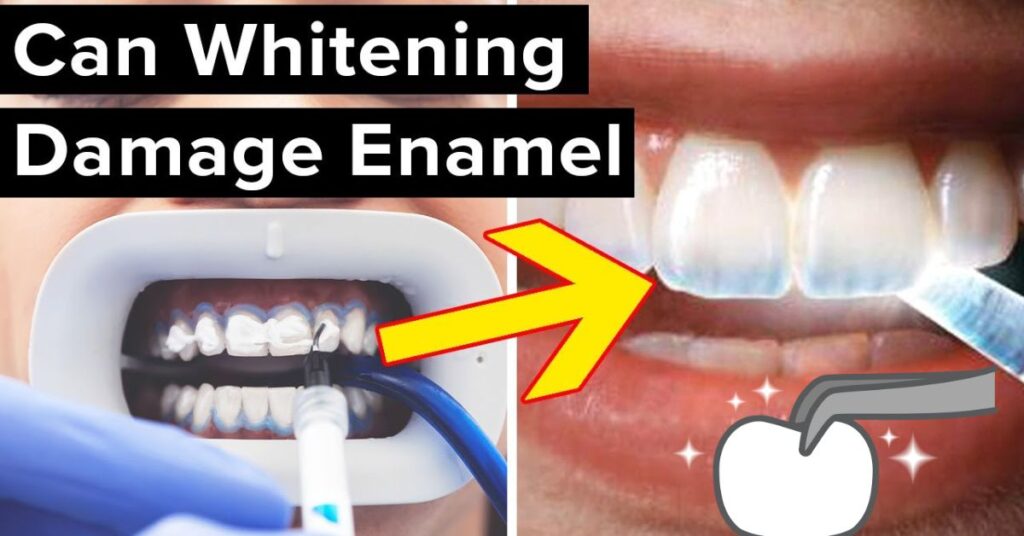
No, teeth whitening does not damage enamel when it is done correctly and under professional supervision. The American Dental Association confirms that peroxide-based whitening treatments are safe and effective when used as directed. However, overuse of whitening products or using unregulated formulas can lead to temporary sensitivity and, in rare cases, enamel weakening. This article covers everything you need to know about how whitening affects your enamel, what the research says, which methods are safest, and how to protect your teeth before and after treatment.
Does Teeth Whitening Damage Enamel?
Teeth whitening does not damage enamel when performed by a trained professional or when ADA-approved products are used according to their instructions. According to a review published in the Journal of Evidence-Based Dental Practice, hydrogen peroxide and carbamide peroxide-based whitening is safe and effective when manufacturer protocols are followed. The bleaching agents work by passing through the enamel to break apart stain molecules in the dentin layer underneath, not by stripping or eroding the enamel itself.
Tooth enamel is the hardest substance in the human body. It is even harder than bone. It acts as a shield that protects the softer dentin and nerve tissue inside each tooth. Many people worry that whitening chemicals eat away at this protective layer, but clinical studies have not found significant enamel erosion from properly administered treatments.
According to Statista, about 37 million Americans used tooth whitening products in 2020 alone. Data from Mordor Intelligence shows the global teeth whitening market was valued at roughly $7.72 billion in 2025. With that many people whitening their teeth, it is important to separate fact from fear. The concern about enamel damage is real, but the science shows that professional teeth whitening does not cause permanent harm to healthy enamel.
Is Whitening Your Teeth Bad for the Enamel?
Whitening your teeth is not bad for the enamel when the treatment is done within safe guidelines. The bleaching agents used in professional whitening, typically hydrogen peroxide at concentrations between 15% and 38%, penetrate the enamel to reach the stained dentin layer. They break down discolored molecules through an oxidation reaction without dissolving or removing the enamel structure itself.
A study published in the European Journal of Dentistry in 2015 found that whitening can temporarily make enamel more porous. But this change is short-lived. Saliva naturally contains calcium, phosphate, and other minerals that help remineralize the tooth surface within hours to days after treatment. Research from the National Institutes of Health confirms that the remineralization process effectively reverses these minor surface changes.
The real risk comes from misuse. Over-the-counter products used too often, left on too long, or purchased from unregulated sources can cause problems. According to a report in Scientific American, people who consistently overuse whitening products can develop long-term tooth sensitivity or even visible enamel erosion. That is why professional supervision matters so much.
How Can I Whiten Teeth Without Damaging Enamel?
You can whiten teeth without damaging enamel by choosing professional treatments supervised by a licensed provider, using ADA-approved products, and following all recommended guidelines for frequency and duration.
The safest approach is in-office whitening performed by a trained professional. During these treatments, the provider applies a protective barrier to your gums and uses carefully measured concentrations of bleaching gel. The American Dental Association’s Council on Scientific Affairs recommends dentist-supervised whitening treatments as the safest option.
If you prefer at-home whitening, custom-fitted trays provided by a dental professional are the next best choice. These trays are molded to your teeth, so the bleaching gel stays where it belongs and does not leak onto your gums. According to the American Academy of Cosmetic Dentistry, 93% of patients who sought cosmetic dental treatments did so after referrals from friends and family who had positive results, which shows how popular and trusted professional whitening has become.
Providers at Slimming Solutions Med Spa offer professional whitening services that prioritize both results and enamel safety. A quick consultation can help determine the best whitening approach for your teeth.
Does Enamel Grow Back After Whitening?
Enamel does not grow back after whitening because enamel cannot regenerate once it is lost. Unlike bone or skin, tooth enamel contains no living cells, so the body cannot produce new enamel tissue. However, weakened enamel can be strengthened through a process called remineralization.
During whitening, enamel may temporarily lose a small amount of mineral content. Saliva plays a key role in restoring these minerals. According to Crest and dental researchers, the remineralization process typically takes about three to four months to show full effect when supported by fluoride toothpaste and good oral hygiene habits.
Fluoride toothpaste, hydroxyapatite products, and remineralizing gels all help deposit calcium and phosphate back into the enamel surface. This does not rebuild lost enamel, but it does strengthen what remains. The American Dental Association recognizes fluoride as the most effective agent for supporting enamel remineralization.
Can Yellow Teeth Actually Be Whitened?
Yes, yellow teeth can actually be whitened, and they often respond very well to bleaching treatments. Yellow discoloration is usually caused by external stains from coffee, tea, red wine, and tobacco, or by the natural yellowing of dentin that shows through as enamel thins with age.
According to data from the MouthHealthy website run by the American Dental Association, foods and drinks with intense color pigments called chromogens attach to the enamel surface and cause staining over time. Peroxide-based whitening breaks these pigment molecules apart, making teeth appear brighter.
Professional in-office whitening can lighten teeth by 5 to 8 shades in a single 60-minute session, according to industry data. At-home treatments with custom trays can also produce noticeable results over 2 to 4 weeks. However, grey or blue-toned discoloration caused by medications or developmental issues does not respond as well to whitening. A consultation with a professional can help determine if your type of staining will respond to treatment.
Is There a Downside to Whitening Your Teeth?
Yes, there is a downside to whitening your teeth, and the most common one is temporary tooth sensitivity. A study published in the Journal of the American Dental Association found that about 54% of patients reported mild sensitivity during home whitening, while roughly 10% experienced moderate sensitivity and 4% experienced severe sensitivity. These effects were temporary and resolved within days.
Gum irritation is another possible side effect. When whitening gel comes into contact with the gum tissue, it can cause redness and tenderness. This is more common with over-the-counter strips and trays that are not custom-fitted. Professional treatments minimize this risk by using protective barriers.
Overuse is the most serious concern. According to researchers at Tufts University School of Dental Medicine, overwhitening can dehydrate teeth, cause them to look translucent at the edges, and expose the yellowish dentin underneath. This defeats the purpose of whitening entirely. The key takeaway is that moderation and professional guidance keep whitening safe.
What Is the Healthiest Way to Whiten Your Teeth?
The healthiest way to whiten your teeth is through a professional in-office treatment performed by a licensed provider. In-office whitening uses controlled concentrations of bleaching agents, custom gum protection, and precise timing to deliver safe, effective results.
The American Dental Association recommends that anyone considering whitening should first consult with a dental professional. This step helps identify any existing issues like cavities, gum disease, or thin enamel that should be treated before whitening begins.
Using fluoride toothpaste before and after whitening helps strengthen enamel and reduce sensitivity. Research published by Colgate Professional shows that whitening treatments containing 5% potassium nitrate as a desensitizing agent can reduce sensitivity without affecting the whitening results. Choosing products with the ADA Seal of Acceptance is another way to make sure you are using safe, tested formulas.
Many people who care about fine lines and wrinkles and overall appearance also invest in professional whitening as part of a broader self-care routine. Combining whitening with good oral hygiene creates lasting results.
Can I Whiten My Teeth if I Have Thin Enamel?
You can whiten your teeth if you have thin enamel, but only under the close supervision of a dental professional. Thin enamel means less protective barrier between the bleaching agents and the sensitive dentin layer, which increases the risk of sensitivity and discomfort.
A dentist can evaluate the thickness and health of your enamel before recommending a whitening method. Lower-concentration gels, shorter application times, and the use of desensitizing products can make whitening safer for people with thin enamel. According to the Journal of Evidence-Based Dental Practice, the degree of side effects is directly related to the concentration of the bleaching agent and the duration of the treatment.
People with thin enamel should avoid harsh over-the-counter products and DIY whitening methods. Abrasive whitening toothpastes, baking soda, and activated charcoal can all scratch and wear down enamel further. The American Dental Association has not granted its Seal of Acceptance to any charcoal toothpaste due to insufficient evidence of safety and effectiveness.
Is Crest 3D White Bad for Enamel?
Crest 3D White is not bad for enamel when used as directed. Several Crest whitening products carry the ADA Seal of Acceptance, which means they have been independently tested and confirmed as safe and effective for teeth whitening. The hydrogen peroxide concentrations in Crest strips are lower than those used in professional treatments, typically around 10%.
However, problems can arise when people use these strips more often than recommended or leave them on longer than the instructions say. A 2019 study presented at the Experimental Biology conference found that hydrogen peroxide in whitening strips can affect collagen proteins in the dentin layer when used in excess. The researchers noted that they did not test whether this damage could be reversed naturally.
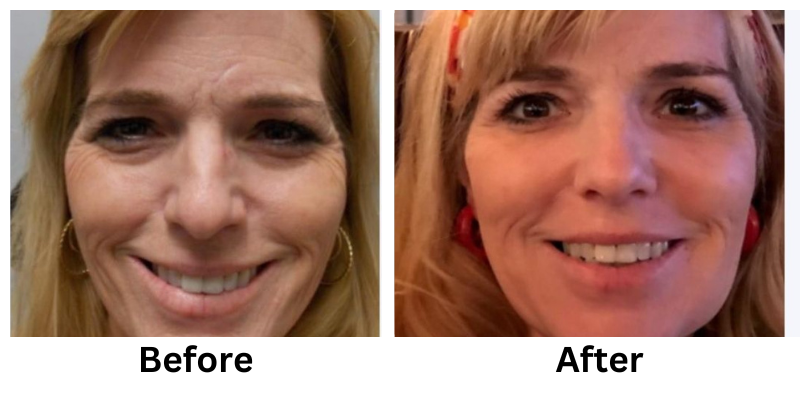
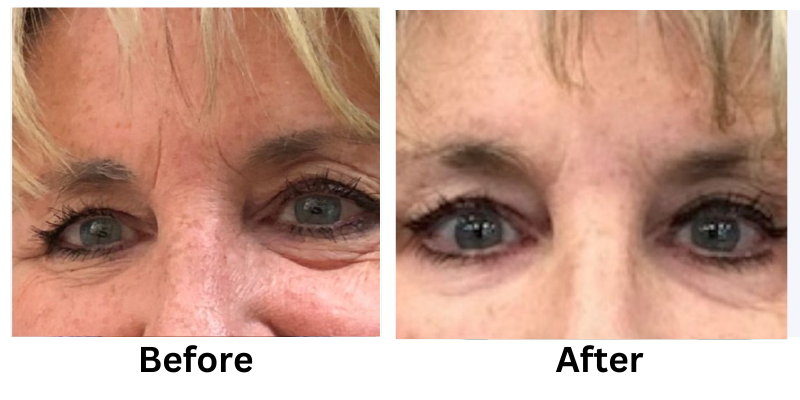
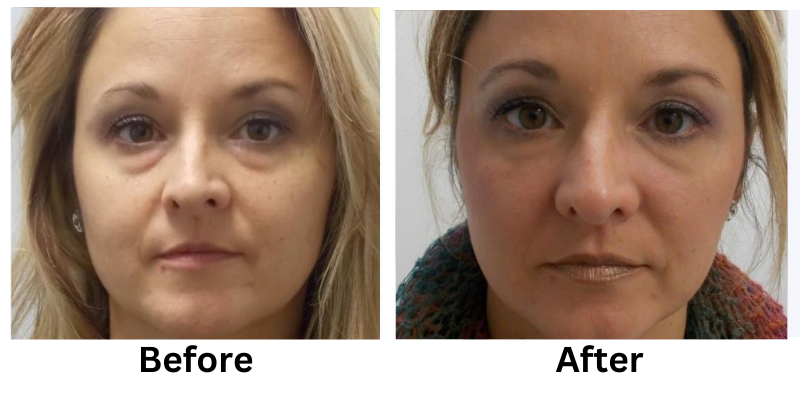
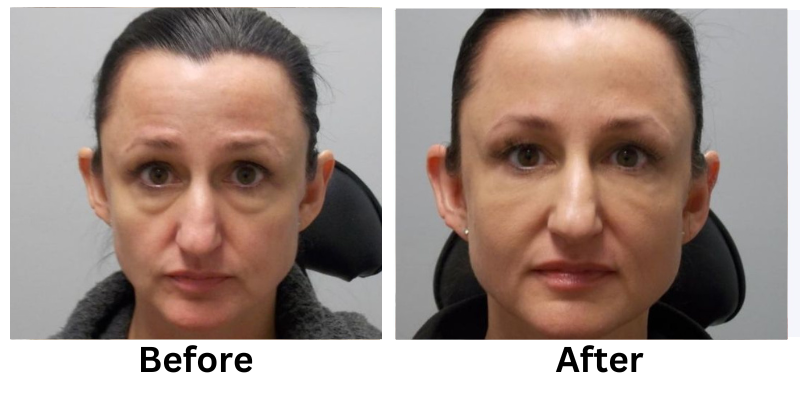
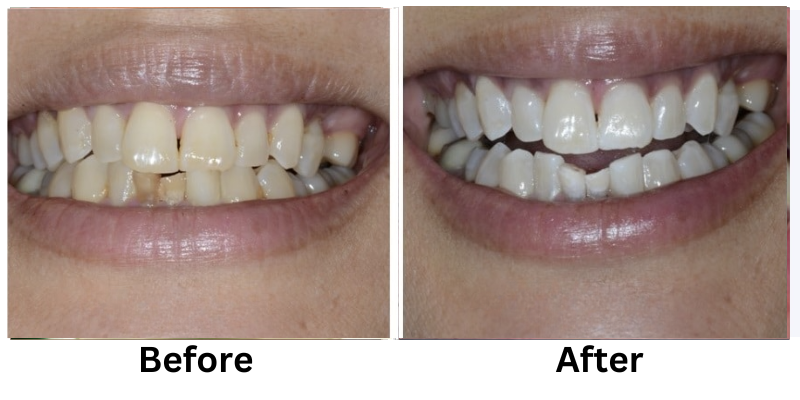
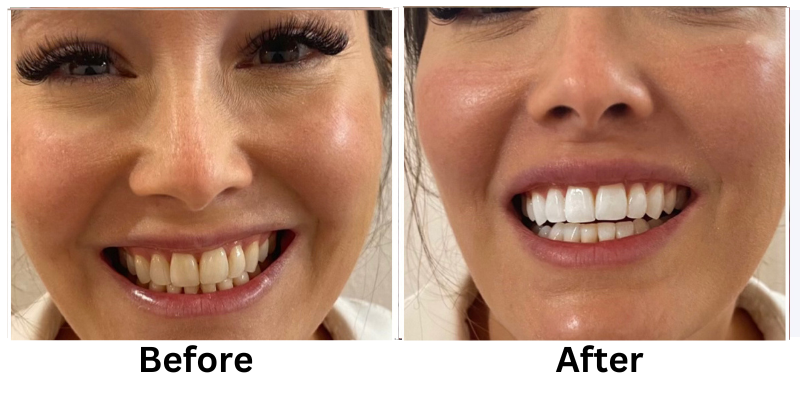
The bottom line is that following the instructions on the package is critical. Using Crest 3D White within the recommended frequency and duration should not harm your enamel. If you have concerns, a professional whitening option may give you faster, more controlled results. Before and after teeth whitening photos can show the kind of results professional treatments deliver.
Which Teeth Cannot Be Whitened?
Teeth that cannot be whitened include those with dental restorations like crowns, veneers, bonding, and fillings. These materials do not respond to peroxide-based bleaching agents. The American Dental Association notes that whitening treatments only affect natural tooth structure, so any existing dental work will stay its original shade.
Teeth with grey or blue-toned intrinsic stains, often caused by medications like tetracycline or by trauma, are also very difficult to whiten. According to the ADA’s oral health resources, the removal of intrinsic stains within the dentin is considered nearly impossible with external whitening treatments alone.
Teeth affected by fluorosis, a condition caused by excessive fluoride exposure during childhood, may show uneven whitening results. People with active decay or gum disease should treat those conditions first before attempting any whitening. A professional evaluation ensures you know what to expect and avoids wasting time and money on treatments that will not work for your specific situation.
How to Rehydrate Enamel After Whitening?
To rehydrate enamel after whitening, you should let your saliva do its natural work, use a fluoride toothpaste, avoid acidic foods and drinks for 24 to 48 hours, and consider using a remineralizing gel. Teeth lose some moisture during the whitening process, and rehydration helps reduce sensitivity and lock in results.
Saliva is your mouth’s built-in repair system. It contains calcium, phosphate, and other minerals that naturally restore moisture and mineral content to the enamel surface. Chewing sugar-free gum can boost saliva production and speed up this process.
Remineralizing gels and toothpastes that contain hydroxyapatite or fluoride can give your teeth an extra boost. According to dental researchers, hydroxyapatite is a biomimetic mineral that closely matches the natural composition of enamel, making it highly effective for restoring mineral density in weakened areas. Avoiding coffee, wine, citrus, and carbonated drinks for the first 48 hours after whitening also protects the enamel while it is still porous.
Will My Teeth Turn Yellow Again After Whitening?
Yes, your teeth will turn yellow again after whitening if you continue habits that cause staining. Whitening is not a permanent solution. Coffee, tea, red wine, tobacco, and certain foods will gradually restain your teeth over time.
Most dental professionals recommend touch-up treatments every 6 to 12 months, depending on your diet and habits. According to a YouGov survey, 19% of Americans have undergone professional whitening, and many of them return for maintenance treatments to keep their results.
Good oral hygiene extends the life of your whitening results. Brushing twice a day with a whitening toothpaste, flossing daily, and rinsing with a fluoride mouthwash all help keep stains from building up. Drinking staining beverages through a straw and rinsing your mouth with water after meals also makes a noticeable difference.
For those who also invest in facial treatments and skin care, maintaining a bright smile rounds out a complete approach to looking and feeling your best.
What Is the Lifespan of Teeth Whitening?
The lifespan of teeth whitening is typically 6 months to 3 years, depending on the method used, your diet, and your oral hygiene habits. Professional in-office whitening generally lasts longer than at-home treatments because it uses stronger, more precisely applied bleaching agents.
According to dental professionals, factors that shorten whitening results include regular consumption of coffee, tea, red wine, and dark-colored foods, as well as tobacco use. People who avoid these staining substances and maintain good brushing habits tend to enjoy results on the longer end of that range.
Custom take-home trays provided by a professional make it easy to do periodic touch-ups without starting from scratch. These trays hold a lower-concentration gel that gently refreshes your shade between professional visits.
How Many Times a Year Is It Safe to Whiten Teeth?
It is safe to whiten teeth one to two times per year for most people, according to dental professionals. Most dentists recommend waiting at least 6 months between full whitening courses to give your enamel time to fully recover and remineralize.
Touch-up treatments with lower-concentration gels can be done more frequently, especially when using custom trays provided by a professional. The key is not to overdo it. According to research published in the Journal of Evidence-Based Dental Practice, the risk of side effects increases with higher concentrations and longer exposure times.
If you whiten your teeth too often, you risk dehydrating the enamel, increasing sensitivity, and eventually making your teeth look grey or translucent. A professional provider can create a whitening schedule that fits your goals while protecting your enamel long-term.
Is It Harder to Whiten Your Teeth as You Age?
Yes, it is harder to whiten your teeth as you age because enamel naturally thins over time, allowing the yellowish dentin layer to show through more. This type of yellowing is internal and harder to address than surface stains caused by food and drink.
According to dental professionals, younger people tend to have thicker enamel and see more dramatic whitening results. Older adults often have years of staining, gum recession, and dental restorations that complicate the whitening process.
That said, professional whitening can still make a significant difference for older adults. The treatment may not produce the same ultra-bright results as it would for a younger person, but it can still lighten teeth by several shades. Using fluoride products and vitamin supplements that support bone and tooth health can also help maintain enamel strength as you age.
What Do Dentists Do if Enamel Has Worn Off?
Dentists treat worn enamel with options that include fluoride treatments, dental bonding, veneers, and crowns, depending on how severe the erosion is. Since enamel cannot grow back once it is lost, these treatments protect the exposed dentin and restore the tooth’s function and appearance.
For mild erosion, a dentist may recommend prescription-strength fluoride treatments or remineralizing products to strengthen the remaining enamel. For moderate to severe cases, dental bonding applies a tooth-colored resin to the damaged area to rebuild the surface.
Veneers and crowns are used for more advanced enamel loss. These restorations cover the entire visible surface of the tooth and provide a durable, natural-looking result. People dealing with lax skin and other signs of aging often explore cosmetic dental options alongside their skin care treatments for a more complete rejuvenation.
Can 75-Year-Old Teeth Be Whitened?
Yes, 75-year-old teeth can be whitened, but the results may be more modest compared to younger patients. Aging teeth have thinner enamel, more accumulated staining, and often include dental restorations that will not change color with bleaching.
A dental professional should evaluate the health of the teeth and gums before recommending whitening for an older adult. Gum recession, which is common in older patients, can increase the risk of sensitivity during whitening. A study published in the Journal of the American Dental Association found that patients with gum recession are more likely to experience tooth sensitivity during home whitening treatments.
Even with these limitations, professional whitening can still brighten an older person’s smile by several shades. Lower-concentration gels and desensitizing products make the process more comfortable. Older adults considering whitening as part of a broader wellness routine may also benefit from hormone replacement therapy and other health services that support overall vitality.
Do Teeth Go Back to Normal After Whitening?
Teeth do go back to normal after whitening in the sense that any temporary sensitivity and dehydration resolve on their own within a few days. The whitening effect itself will gradually fade over time as new stains accumulate, but your teeth are not permanently changed or damaged by the process.
According to dental researchers, the temporary porosity that occurs during whitening is reversed through natural remineralization by saliva. Within 24 to 48 hours, the enamel rehydrates and returns to its normal mineral density. This is why dentists advise avoiding staining foods and drinks during this recovery window.
The color change from whitening is what people typically want to keep. Regular brushing, flossing, and occasional touch-up treatments help maintain the brighter shade. Professional chemical peels and other aesthetic treatments pair well with whitening for people focused on a total refresh.
Professional vs. Over-the-Counter Whitening: A Comparison
| Feature | Professional In-Office Whitening | Over-the-Counter Products |
|---|---|---|
| Hydrogen Peroxide Concentration | 15% to 38% | 3% to 10% |
| Results Timeline | 1 session (about 60 minutes) | 2 to 4 weeks |
| Shade Improvement | 5 to 8 shades lighter | 1 to 3 shades lighter |
| Custom Fit | Yes (gum protection included) | No (one-size strips/trays) |
| Sensitivity Risk | Managed with desensitizing agents | Higher risk from improper use |
| Duration of Results | 1 to 3 years with touch-ups | 3 to 6 months |
| Enamel Safety | Supervised and controlled | Depends on user compliance |
| ADA Oversight | Yes | Only if ADA Seal present |
Sources: American Dental Association, Journal of Evidence-Based Dental Practice, Journal of the American Dental Association, Mordor Intelligence Market Report 2025
Are Teeth Stained Yellow Forever?
No, teeth stained yellow are not stained yellow forever. Most yellow staining comes from external causes like coffee, tea, wine, and tobacco, and these stains respond very well to professional whitening treatments. Even yellowing caused by age-related enamel thinning can be improved with bleaching.
According to the ADA’s MouthHealthy resource, chromogens from food and drink attach to the tooth surface and can be broken down by peroxide-based whitening agents. Professional treatments are the most effective at removing deep stains that toothpaste alone cannot reach.
The one exception is intrinsic staining caused by medications, trauma, or developmental conditions. These stains originate inside the tooth and are much harder to treat with whitening alone. In these cases, veneers or dental bonding may be better options. A professional assessment helps determine the cause of your staining and the best path forward.
Why Do Dentists Not Recommend Teeth Whitening?
Dentists do not recommend teeth whitening in specific situations where the patient has untreated cavities, active gum disease, extremely thin enamel, or dental restorations on the front teeth that would create a color mismatch. It is not that dentists are against whitening in general. They simply want to make sure it is done safely.
The American Academy of Pediatric Dentistry discourages full-arch cosmetic bleaching for children and adolescents who still have a mix of baby and adult teeth. Pregnant and breastfeeding women are also generally advised to wait, since there is limited safety data for this group.
When a dentist does caution against whitening, it is because the patient’s oral health needs to be addressed first. Whitening a tooth with a cavity, for example, could allow the bleaching agent to reach the nerve and cause severe pain. Treating the underlying issue first leads to better whitening results and a healthier mouth overall. Exploring other services at a trusted med spa can be a great complement to your dental care.
Frequently Asked Questions
How Long Does Teeth Whitening Last?
Teeth whitening lasts between 6 months and 3 years, depending on the treatment method, your diet, and your oral care habits. Professional in-office whitening tends to produce the longest-lasting results. Touch-up treatments with custom trays can extend the bright shade even further. According to industry data, people who avoid heavy staining foods and use whitening toothpaste maintain results longer than those who do not.
Can I Scrape Yellow Off My Teeth?
No, you cannot scrape yellow off your teeth safely. Scraping or using abrasive tools at home can scratch and permanently damage your enamel. Yellow staining is usually embedded within the enamel or caused by dentin showing through, so surface scraping will not remove it. A study from the ADA’s oral health resources warns that abrasive DIY methods like charcoal toothpaste can remove enamel and actually make teeth appear more yellow by exposing the dentin underneath.
What Color Cancels Yellow Teeth?
The color that cancels yellow teeth is purple, based on color theory. Purple sits opposite yellow on the color wheel, so purple-tinted toothpastes and mouth rinses can temporarily neutralize yellow tones and make teeth appear whiter. However, this effect is purely cosmetic and washes away after brushing. For actual whitening that changes the shade of your teeth, a peroxide-based treatment is needed.
How Often Should You Get Teeth Whitening?
You should get teeth whitening once or twice per year for professional in-office treatments, with touch-ups in between using custom trays if needed. Most dental professionals recommend waiting at least 6 months between full sessions. Over-whitening can lead to sensitivity and enamel weakening. According to the Journal of the American Dental Association, sensitivity from whitening decreases as treatment progresses and resolves after the course is completed.
Can Botox and Teeth Whitening Be Done Together?
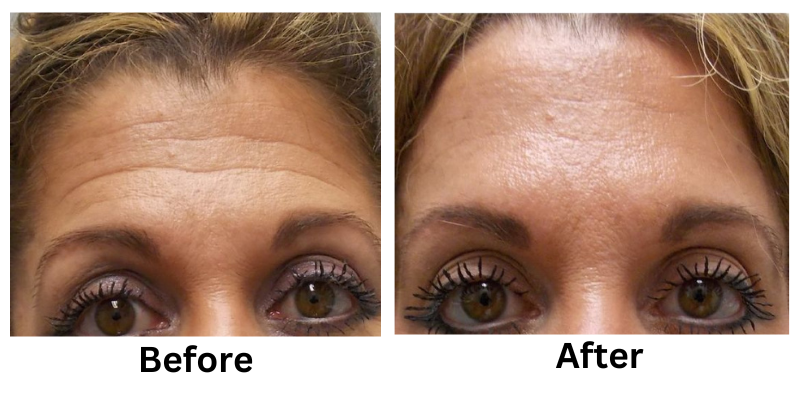
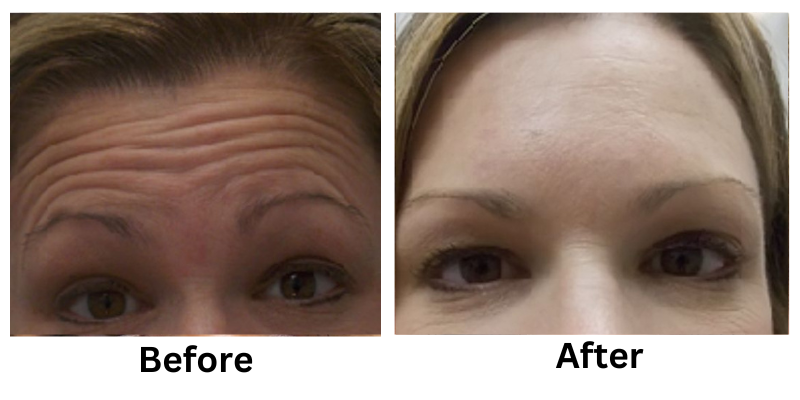
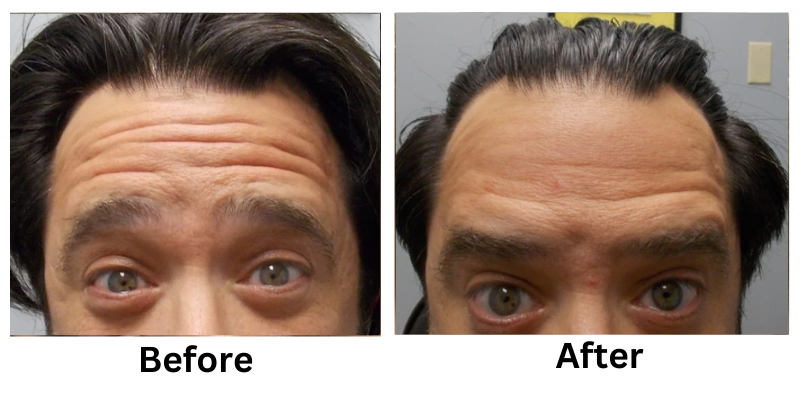
Yes, Botox and teeth whitening can be done together, and many people schedule both treatments in the same visit for convenience. There is no medical conflict between the two procedures. Botox targets facial muscles to smooth wrinkles, while whitening targets tooth stains. Combining these treatments is a popular way to refresh your overall appearance in one appointment.
Does Professional Whitening Cause Permanent Sensitivity?
No, professional whitening does not cause permanent sensitivity. Sensitivity from whitening is temporary and typically resolves within a few days after treatment. A study in the Journal of the American Dental Association found that sensitivity decreased with each passing week and was gone by the fourth week of treatment. Desensitizing toothpaste used before and during whitening can reduce discomfort even further.
Is Teeth Whitening Safe During Pregnancy?
Teeth whitening is generally not recommended during pregnancy because there is limited safety data for this group. Most dental professionals advise waiting until after pregnancy and breastfeeding to whiten teeth. Hormonal changes during pregnancy can make gums more sensitive, which increases the chance of irritation from bleaching agents. It is best to consult with your provider before scheduling any cosmetic treatment during pregnancy.
Final Thoughts
Teeth whitening is one of the most popular cosmetic treatments for a reason. It works, it is safe when done correctly, and it can make a real difference in how you look and feel. The research is clear: professional whitening does not damage healthy enamel. Temporary sensitivity is common but manageable, and your teeth recover quickly through natural remineralization.
The key is working with a trusted professional who can evaluate your teeth, choose the right method, and guide you through proper aftercare. Avoid overusing at-home products, skip the DIY trends, and always look for the ADA Seal of Acceptance on any product you buy. If you are ready to brighten your smile safely, Slimming Solutions Med Spa offers professional teeth whitening that prioritizes both stunning results and long-term enamel health. Request a consultation today to find out which whitening option is right for you.
![[thumb]](https://slimmingsolutionsspa.com/wp-content/uploads/2023/12/botox1-150x150.png)
![[thumb]](https://slimmingsolutionsspa.com/wp-content/uploads/2023/12/Before2-150x150.png)
![[thumb]](https://slimmingsolutionsspa.com/wp-content/uploads/2023/12/Before3-150x150.png)


![[thumb]](https://slimmingsolutionsspa.com/wp-content/uploads/2023/12/revanesse-versa-1-150x150.png)
![[thumb]](https://slimmingsolutionsspa.com/wp-content/uploads/2023/12/revanesse-versa-2-150x150.png)
![[thumb]](https://slimmingsolutionsspa.com/wp-content/uploads/2023/12/revanesse-versa-3-150x150.png)
![[thumb]](https://slimmingsolutionsspa.com/wp-content/uploads/2023/12/revanesse-versa-4-150x150.png)
![[thumb]](https://slimmingsolutionsspa.com/wp-content/uploads/2023/12/revanesse-versa-5-150x150.png)
![[thumb]](https://slimmingsolutionsspa.com/wp-content/uploads/2024/01/Eyebrow-treatment-1-1-150x150.png)
![[thumb]](https://slimmingsolutionsspa.com/wp-content/uploads/2023/12/Skin-Rejuvenation-1-150x150.png)
![[thumb]](https://slimmingsolutionsspa.com/wp-content/uploads/2023/12/Skin-Rejuvenation-2-150x150.png)


![[thumb]](https://slimmingsolutionsspa.com/wp-content/uploads/2024/01/Lip-Filler-1-150x150.png)
![[thumb]](https://slimmingsolutionsspa.com/wp-content/uploads/2024/01/Lip-Filler-2-150x150.png)
![[thumb]](https://slimmingsolutionsspa.com/wp-content/uploads/2025/02/Lip-Filler-1-150x150.png)
![[thumb]](https://slimmingsolutionsspa.com/wp-content/uploads/2024/01/Lip-Filler-150x150.jpg)
![[thumb]](https://slimmingsolutionsspa.com/wp-content/uploads/2024/01/Before-1-150x150.jpg)

![[thumb]](https://slimmingsolutionsspa.com/wp-content/uploads/2024/01/RHA-Treatmetn-3-150x150.png)
![[thumb]](https://slimmingsolutionsspa.com/wp-content/uploads/2024/01/RHA-Treatmetn-2-150x150.png)
![[thumb]](https://slimmingsolutionsspa.com/wp-content/uploads/2024/01/RHA-Treatmetn-1-150x150.png)
![[thumb]](https://slimmingsolutionsspa.com/wp-content/uploads/2024/01/Thread-Lifts-1-150x150.png)
![[thumb]](https://slimmingsolutionsspa.com/wp-content/uploads/2024/01/Thread-Lifts-2-150x150.png)
![[thumb]](https://slimmingsolutionsspa.com/wp-content/uploads/2025/02/Lip-Filler-2-150x150.png)

![[thumb]](https://slimmingsolutionsspa.com/wp-content/uploads/2023/12/skin-reuvulation1-150x150.png)
![[thumb]](https://slimmingsolutionsspa.com/wp-content/uploads/2023/12/skin-rejuvulation-2-150x150.png)
![[thumb]](https://slimmingsolutionsspa.com/wp-content/uploads/2023/12/Skin-Tighting-150x150.png)
![[thumb]](https://slimmingsolutionsspa.com/wp-content/uploads/2023/12/Before-150x150.jpg)
![[thumb]](https://slimmingsolutionsspa.com/wp-content/uploads/2023/12/weightloss-1-150x150.png)
![[thumb]](https://slimmingsolutionsspa.com/wp-content/uploads/2023/12/weightloss-2-150x150.png)
![[thumb]](https://slimmingsolutionsspa.com/wp-content/uploads/2023/12/2Weight-Loss-2-150x150.png)
![[thumb]](https://slimmingsolutionsspa.com/wp-content/uploads/2025/02/Weight-Loss-1-new-150x150.png)
![[thumb]](https://slimmingsolutionsspa.com/wp-content/uploads/2023/12/Weight-Loss-3-150x150.png)
![[thumb]](https://slimmingsolutionsspa.com/wp-content/uploads/2025/03/Slimming-Solutions-BA-Template-150x150.png)


![[thumb]](https://slimmingsolutionsspa.com/wp-content/uploads/2023/12/dat3-150x150.png)
![[thumb]](https://slimmingsolutionsspa.com/wp-content/uploads/2023/12/dat-0-150x150.png)
![[thumb]](https://slimmingsolutionsspa.com/wp-content/uploads/2023/12/dat-1-150x150.png)
![[thumb]](https://slimmingsolutionsspa.com/wp-content/uploads/2023/12/Before-1-150x150.png)

![[thumb]](https://slimmingsolutionsspa.com/wp-content/uploads/2024/01/EMS-Treatment-2-150x150.png)
![[thumb]](https://slimmingsolutionsspa.com/wp-content/uploads/2024/01/EMS-Treatment-1-150x150.png)
![[thumb]](https://slimmingsolutionsspa.com/wp-content/uploads/2025/02/ems-BNA-front-150x150.png)
![[thumb]](https://slimmingsolutionsspa.com/wp-content/uploads/2025/02/EMS-bna-SIDE-150x150.png)
![[thumb]](https://slimmingsolutionsspa.com/wp-content/uploads/2024/01/EMS-Treatment-6-150x150.png)