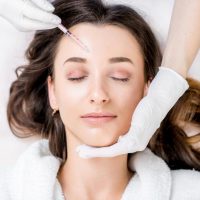
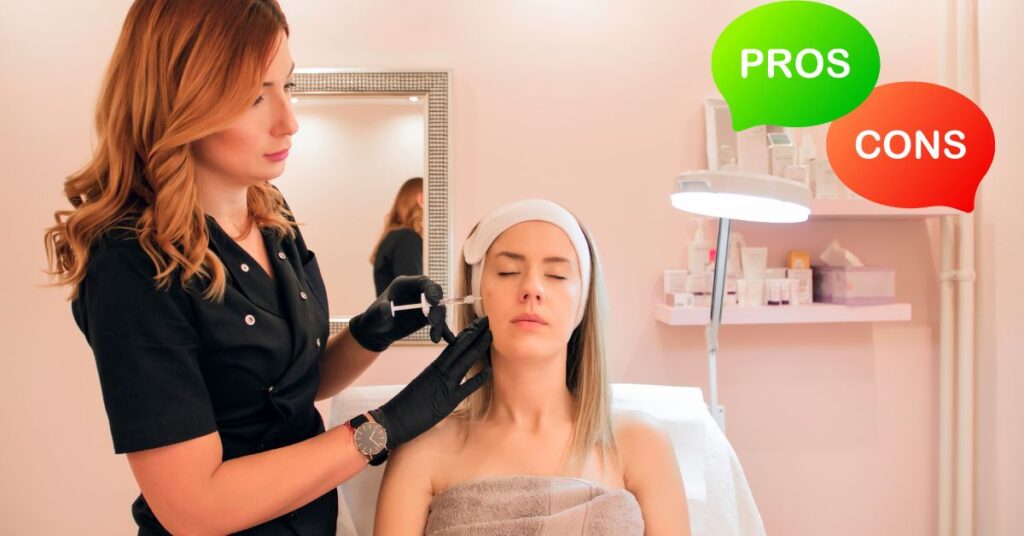
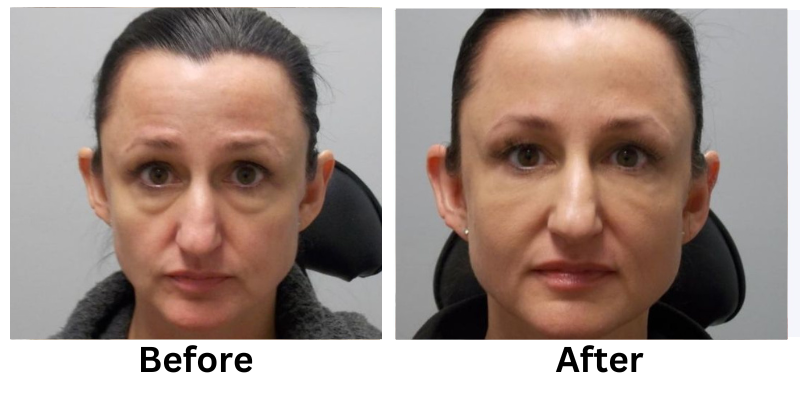
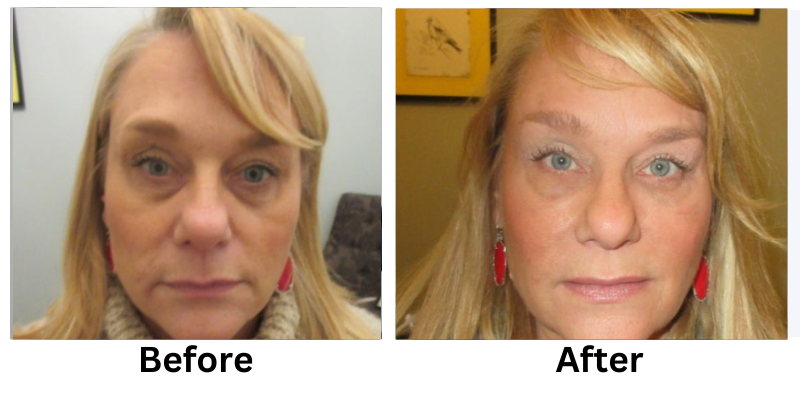
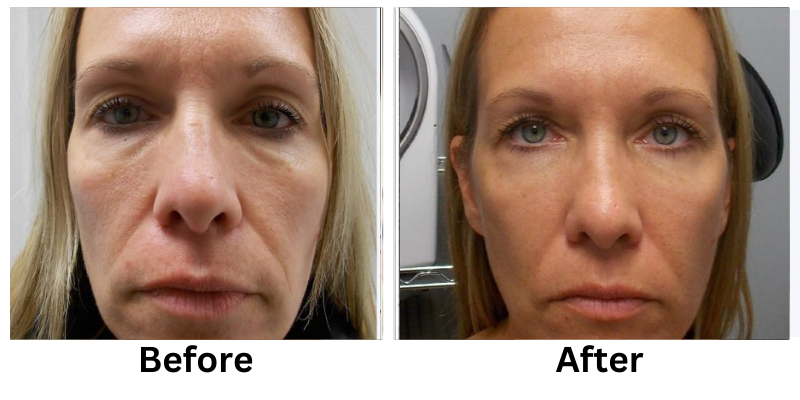
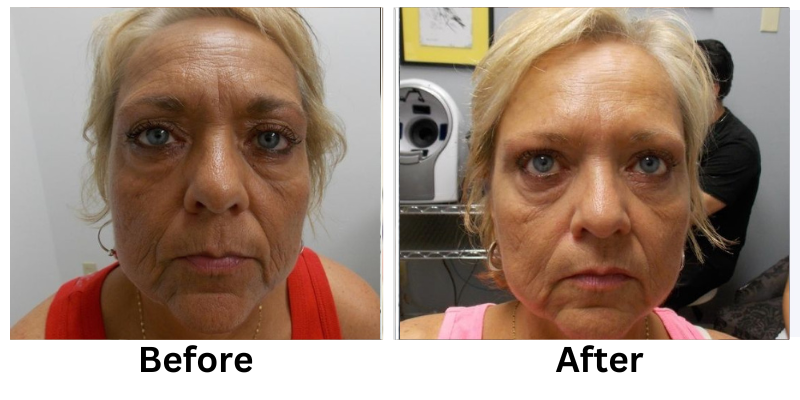
The pros of Botox are that it is FDA-approved, clinically proven to reduce wrinkles, requires no surgery or downtime, produces visible results within days, and can also prevent new wrinkles from forming when started early. The cons of Botox are that results are temporary (lasting 3 to 4 months), it requires ongoing treatments to maintain, it only treats dynamic wrinkles caused by muscle movement, and it carries a small risk of side effects like bruising, headaches, or temporary eyelid drooping. According to the ASPS 2024 Procedural Statistics Report, nearly 9.9 million neuromodulator treatments including Botox were performed in 2024, a 4% increase from the previous year, making it the most popular minimally invasive cosmetic procedure in the world. This article covers all the major benefits and drawbacks of Botox, answers the most common questions people have before their first treatment, and helps you decide whether Botox is the right choice for your goals.
What Are the Downsides to Botox?
The downsides to Botox are that results are temporary and require repeat treatments every 3 to 4 months, the cost adds up over time, it only works on dynamic wrinkles (not wrinkles caused by sun damage or sagging skin), and there is a small risk of side effects including bruising, swelling, headaches, and in rare cases, temporary eyelid or eyebrow drooping.
A comprehensive review published in PMC (PubMed Central) confirmed that the cosmetic use of Botox is safe even with repeated injections, but noted that long-term use can trigger permanent changes in facial expression, resulting in an expressionless or mask-like appearance if the treatment is not administered conservatively. The review classified Botox side effects into two categories: transient, benign events that resolve on their own, and potentially serious events related to systemic spread of the toxin, which are extremely rare with cosmetic doses.
The most common side effects reported by Cleveland Clinic include pain at the injection site, headache, flu-like symptoms, and temporary bruising. These typically resolve within 1 to 2 days. More significant but rare side effects include drooping eyelids (ptosis), which occurs when Botox migrates beyond the intended muscle, and temporary difficulty swallowing if treated near the neck. Choosing an experienced, qualified injector who understands facial anatomy is the single most important step you can take to minimize these risks. The trained providers at Slimming Solutions Med Spa use precise injection techniques and conservative dosing to maintain natural facial movement while effectively reducing wrinkles.
What Happens After 10 Years of Botox?
After 10 years of Botox, most patients notice that their treated muscles have become significantly weaker, which means wrinkles in the treated areas are less deep and less pronounced even between treatments. A landmark study cited by Cleveland Clinic examined twins over a 12-year period and found that the twin who received regular Botox injections had noticeably less visible crow’s feet than the twin who only received injections twice, even seven months after their last treatment.
Long-term Botox use essentially trains the muscles that cause wrinkles to contract less forcefully over time. This is one of the most significant benefits of consistent treatment. Patients who have been using Botox for a decade often find that they need less product per session and can space their appointments further apart because the underlying muscles have weakened and the skin has been protected from repeated creasing.
However, the natural aging process continues regardless of Botox use. Volume loss in the cheeks, temples, and under-eyes, skin laxity, and sun damage all progress independently of muscle-driven wrinkles. This is why many long-term Botox users eventually add complementary treatments like dermal fillers for volume restoration and skin tightening for firmness. The combination of Botox for dynamic wrinkles plus fillers for volume loss produces the most comprehensive anti-aging result.
Can You Stop Botox Once You Start?
Yes, you can stop Botox at any time without any negative consequences. When you stop getting Botox, the muscles that were temporarily relaxed gradually regain their full movement over the course of 3 to 6 months. Your wrinkles will return to their pre-treatment state, but they will not become worse than they would have been if you had never used Botox at all.
According to Cleveland Clinic cosmetic surgeon Dr. James Zins, “Botox is temporary, so if there’s any adverse effect, that’s temporary as well.” This reversibility is actually one of the biggest advantages of Botox. Unlike permanent surgical procedures, Botox gives you full control over your treatment. If you decide the results are not for you, or if your priorities change, you can simply stop and your face will return to its natural state.
Some patients worry that stopping Botox will cause their skin to look suddenly “older” or that wrinkles will deepen rapidly. This is a common myth. What actually happens is that you become accustomed to seeing yourself with smoother skin, so when the wrinkles return, they seem more noticeable by comparison. In reality, your face simply returns to where it would have been naturally. If you have been using Botox for many years, the muscles may have weakened enough that your wrinkles return more slowly than expected.
What Is the Best Age To Start Botox?
The best age to start Botox depends on your skin, genetics, and goals rather than a specific number. Most dermatologists recommend considering Botox when you start to notice dynamic wrinkles that remain visible even when your face is at rest, which typically happens in the late 20s to early 30s for most people. According to the ASPS, adults aged 40 to 54 accounted for the largest percentage of cosmetic procedures in 2024 at 38%, followed by adults aged 30 to 39 at 23%.
“Baby Botox” or preventive Botox has become increasingly popular among younger patients, particularly Gen Z and Millennials. The ASPS 2024 report noted that Gen Z embraced preventive skincare and subtle aesthetic tweaks in 2024, with neuromodulator injections being the most popular minimally invasive treatment for this age group. The concept is that by starting Botox before deep wrinkles have formed, you can prevent them from developing in the first place.
There is no single “right” age to start. The best approach is to schedule a consultation with a qualified provider who can evaluate your skin, discuss your concerns, and recommend whether Botox is appropriate now or whether other treatments might be a better fit. At Slimming Solutions Med Spa, the team evaluates each patient individually and recommends a plan based on their unique facial anatomy, skin condition, and aesthetic goals.
Does Botox Age Your Face?
No, Botox does not age your face. This is one of the most persistent myths about the treatment. Botox prevents aging by stopping the repeated muscle movements that cause dynamic wrinkles to deepen over time. When you stop Botox, your face simply returns to its natural aging trajectory; it does not look worse than it would have without treatment.
The PMC review confirmed that the cosmetic use of Botox is safe even with repeated injections. The twin study referenced by Cleveland Clinic demonstrated that the twin who received regular Botox for 12 years had fewer visible wrinkles than the untreated twin, even months after stopping treatment. This provides direct evidence that Botox slows the visible progression of facial aging rather than accelerating it.
The perception that Botox “ages” the face may come from patients who have been overtreated with excessive amounts, resulting in a frozen or expressionless appearance that looks unnatural. This is a result of poor injection technique or excessive dosing, not the product itself. When administered correctly by an experienced provider, Botox maintains natural facial expressions while softening the wrinkles that make you look older. The key is conservative dosing and precise placement, which is why choosing a skilled injector is so important.
What Is the 4-Hour Rule for Botox?
The 4-hour rule for Botox means you should remain upright and avoid lying down or bending over for at least 4 hours after your injection. This prevents the Botox from migrating away from the targeted muscle and into surrounding areas where it could cause unintended effects like eyelid drooping or asymmetry.
During the first 4 hours, you should also avoid rubbing, massaging, or applying pressure to the treated areas. The Botox is still settling into the targeted muscle fibers during this window, and physical manipulation can push it into adjacent muscles. Some providers recommend gently exercising the treated muscles (like frowning or raising your eyebrows) during the first hour to help the Botox bind to the nerve receptors more effectively, but you should only do this if your provider specifically instructs you to.
Other aftercare guidelines for the first 24 hours include avoiding strenuous exercise, alcohol, hot baths or saunas, and blood-thinning medications like aspirin and ibuprofen. These can increase blood flow to the face and raise the risk of bruising at the injection sites. Following these simple rules helps ensure the Botox stays exactly where it was placed for the best possible results.
Why No Botox After 65 in the Forehead?
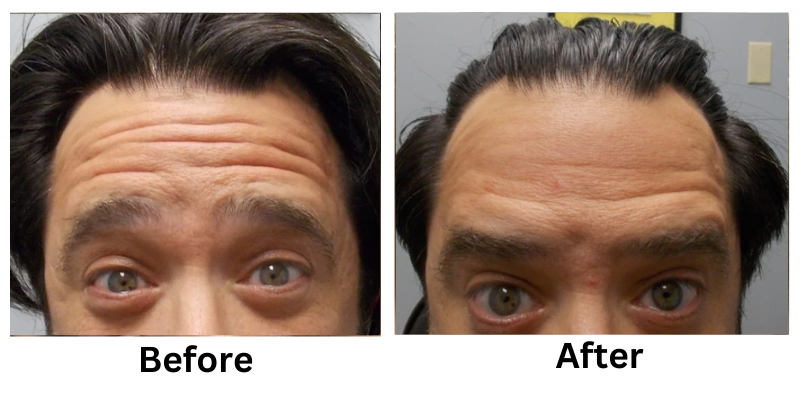
The recommendation against heavy Botox use in the forehead after age 65 exists because the frontalis muscle (the forehead muscle) is often the only muscle actively lifting the eyebrows in older patients. If this muscle is heavily relaxed with Botox, the eyebrows can drop, creating a heavy, hooded appearance over the eyes that looks worse than the original wrinkles.
This does not mean that people over 65 cannot get forehead Botox at all. It means that the dosing must be very conservative and carefully placed. An experienced injector understands how to balance wrinkle reduction with maintaining adequate brow lift. Lower doses, strategic placement, and sometimes combining Botox with treatments that provide a lifting effect, like thread lifts or skin tightening, can achieve a refreshed look without the heavy brow effect.
According to the ASPS 2024 report, patients over 70 increasingly pursued cosmetic procedures in 2024, with neuromodulator injections remaining the favorite minimally invasive treatment in this age group. This confirms that Botox is still widely used by older patients, but the approach must be adjusted to account for age-related changes in facial anatomy and muscle function.
What Does Botox Look Like 20 Years After?
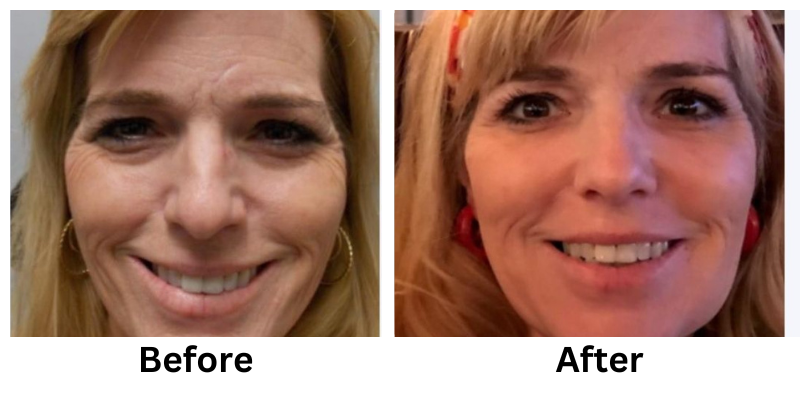
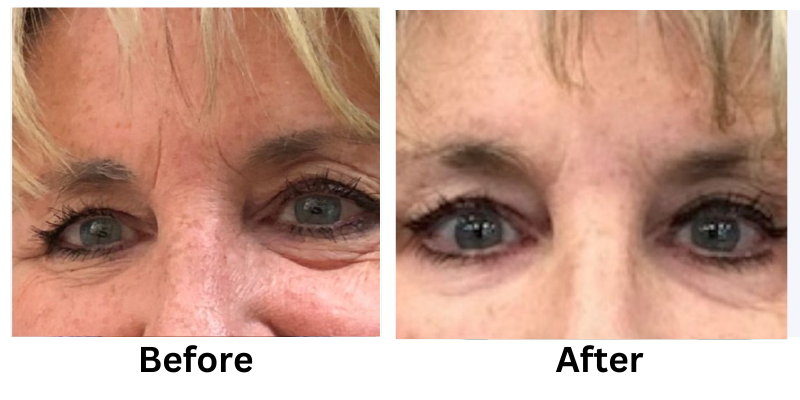
After 20 years of consistent Botox use, patients typically look significantly younger than their untreated peers because the muscles that cause forehead lines, frown lines, and crow’s feet have been kept in a weakened, relaxed state for two decades. The wrinkles that would have deepened over those 20 years remain much shallower or may not have formed at all in the areas that have been consistently treated.
The twin study referenced by Cleveland Clinic is the closest clinical evidence we have to this scenario. The twin who received regular Botox for 12 years had visibly fewer wrinkles than the untreated twin, even months after stopping. Extrapolating to 20 years, the difference would be even more pronounced.
However, Botox does not stop all aspects of aging. Volume loss, skin thinning, changes in bone structure, and gravity-related sagging all continue regardless of Botox use. Long-term Botox patients who look the most youthful after 20 years are typically those who combined Botox with a comprehensive anti-aging plan including sunscreen, good skincare, collagen-stimulating fillers like Sculptra, and periodic skin tightening treatments. A single treatment cannot address every component of aging, but a layered approach produces the most natural, long-lasting results.
Botox Pros and Cons at a Glance
Below is a clear comparison of the major benefits and drawbacks of Botox to help you make an informed decision about whether this treatment is right for your goals.
| Pros of Botox | Cons of Botox |
|---|---|
| FDA-approved and backed by decades of clinical research | Results are temporary, lasting only 3 to 4 months |
| Nearly 9.9 million treatments performed in 2024 (ASPS), proving widespread safety | Requires ongoing treatments 3 to 4 times per year to maintain results |
| Quick procedure (10 to 15 minutes) with no downtime | Cost adds up over time ($200 to $600+ per treatment area per session) |
| Visible results within 3 to 5 days, full effect at 10 to 14 days | Only treats dynamic wrinkles from muscle movement, not sun damage or volume loss |
| Can prevent new wrinkles from forming when started early | Risk of minor side effects: bruising, headache, temporary swelling |
| Fully reversible; effects wear off naturally if you stop | Rare risk of eyelid drooping, asymmetry, or frozen appearance if overdone |
| Also treats medical conditions: migraines, excessive sweating, jaw clenching | Not recommended during pregnancy or breastfeeding |
| Long-term use weakens muscles, reducing wrinkles even between treatments | Requires an experienced injector; poor technique increases risks significantly |
Sources: ASPS 2024 Procedural Statistics Report (9.9M neuromodulator treatments, 4% growth), PMC comprehensive review on botulinum toxin safety, Cleveland Clinic long-term Botox effects analysis and twin study, FDA Botox prescribing information
Is It Worth Getting Botox at 60?
Yes, it is worth getting Botox at 60 for patients who want to soften forehead lines, frown lines, and crow’s feet. Botox continues to be effective at all adult ages, and the ASPS 2024 report showed that adults aged 55 to 69 were the second-largest age group seeking cosmetic procedures. The key at 60 is working with an experienced provider who adjusts the dosing and placement to account for the natural changes in facial anatomy that occur with age.
At 60, the skin is thinner, facial fat pads have shifted, and the muscles may behave differently than they did at 40. A skilled injector uses lower doses and more strategic placement to achieve a refreshed, natural look without the risk of a heavy brow or frozen appearance. Many patients at this age benefit from combining Botox with dermal fillers to address both wrinkles and volume loss simultaneously.
The non-surgical cosmetic industry has grown by 174% since 2000, according to data compiled by Cape Cod Plastic Surgery, and a significant portion of that growth comes from patients in their 50s, 60s, and beyond who want to maintain a youthful, energetic appearance without surgery. Botox at 60 is a safe, effective, and popular choice when administered by qualified professionals.
Can Botox Worsen Forehead Wrinkles Over Time?
No, Botox cannot worsen forehead wrinkles over time. There is no clinical evidence that Botox causes wrinkles to deepen or get worse. When Botox wears off, the wrinkles return to their previous state, not a worse state. If anything, consistent Botox use weakens the frontalis muscle over time, which means wrinkles may actually be less deep between treatments compared to when you first started.
The perception that Botox worsens wrinkles comes from the contrast effect. After months of smooth skin, seeing your natural wrinkles return can feel like they are “worse,” but objectively, they are simply where they would have been if you had never treated them. This psychological adjustment is normal and does not reflect an actual worsening of the wrinkles.
If your forehead wrinkles appear to be worsening despite regular Botox, the more likely explanation is that the wrinkles have transitioned from dynamic wrinkles (caused by muscle movement) to static wrinkles (caused by collagen loss, sun damage, and skin aging). Botox treats dynamic wrinkles but does not address static wrinkles. For static forehead lines, treatments like laser skin resurfacing or chemical peels can help smooth the skin’s surface and stimulate collagen production.
Why Are Gen Z Saying No to Botox?
Some members of Gen Z are saying no to Botox because of a growing emphasis on natural beauty, concerns about long-term effects of starting neurotoxin injections at a young age, and the influence of social media movements that promote “aging gracefully” and “skin acceptance.” A backlash against the overly filtered, frozen aesthetic that dominated social media in the 2010s has led some younger consumers to reject injectable treatments in favor of skincare-first approaches.
However, the ASPS 2024 data tells a more nuanced story. The report noted that Gen Z explored aesthetics in 2024 with a focus on confidence and individuality, and that neuromodulator injections were still the most popular minimally invasive treatment for this age group. So while some Gen Z consumers are pushing back against Botox culture, many others are embracing it, just with a preference for subtler, more conservative results.
For patients of any age who want to improve their skin without Botox, there are plenty of effective alternatives. Treatments like exosome microneedling, radiofrequency microneedling, and medical-grade skincare routines can improve skin texture, stimulate collagen, and reduce fine lines without any neurotoxin. A consultation at Slimming Solutions Med Spa helps you explore all available options and choose the approach that fits your values and goals.
Frequently Asked Questions
What Is the Rule of 3 in Botox?
The rule of 3 in Botox refers to the principle that the three most commonly treated areas of the face, the forehead, the frown lines (glabella), and the crow’s feet, work together as a unit. Treating all three areas in the same session produces the most balanced, natural-looking result. Treating just one area while ignoring the others can create an uneven appearance because the untreated muscles compensate for the relaxed ones. This is why experienced injectors often recommend addressing all three zones together for the most harmonious outcome.
How Much Do You Tip for $500 Botox?
Tipping for Botox is not generally expected in most medical settings. Unlike services at a hair salon or day spa, Botox is a medical procedure typically performed by a nurse injector, physician assistant, or doctor. Tipping policies vary by practice, so it is best to ask the front desk. Some patients choose to leave a gratuity of 10% to 20% if the injector is not the practice owner, similar to how they would tip at a spa. Others show appreciation through referrals, positive reviews, or returning for future treatments.
Can I Get Botox Just Twice a Year?
Yes, you can get Botox just twice a year, though the standard recommendation is every 3 to 4 months (3 to 4 times per year) for optimal wrinkle reduction. Getting Botox twice a year means your results will partially wear off between sessions, and you will see some wrinkle return in the months before your next appointment. However, twice-a-year treatments can still provide meaningful improvement. According to Cleveland Clinic, over time with repeated use, muscles may weaken enough that treatments can be spaced out further.
Is $10 a Unit Good for Botox?
A rate of $10 per unit for Botox is within the average range in the United States, where prices typically range from $10 to $20 per unit depending on the provider, geographic location, and the specific neurotoxin brand used (Botox, Dysport, Xeomin, Jeuveau, or Daxxify). Lower prices may indicate a less experienced injector or a diluted product, while higher prices typically reflect provider expertise and premium product quality. The total cost per treatment depends on how many units are needed, which varies by treatment area and muscle strength.
Can a 70-Year-Old Get Botox?
Yes, a 70-year-old can get Botox safely and effectively. The ASPS 2024 report confirmed that patients over 70 increasingly pursued cosmetic procedures in 2024, with neuromodulator injections remaining their favorite minimally invasive treatment. At this age, the approach requires conservative dosing, especially in the forehead, to avoid a heavy brow. Combining Botox with fillers and skin tightening produces the most comprehensive anti-aging results for patients in their 70s.
What Procedure Takes 10 Years Off Your Face?
The procedure that takes 10 years off your face is a combination of Botox for dynamic wrinkles, dermal fillers for volume restoration, and laser skin resurfacing or microneedling for skin texture and tone. No single treatment can achieve a full decade of reversal on its own. Botox handles the muscle-driven lines, fillers restore lost volume in the cheeks and jawline, and laser treatments improve overall skin quality. Together, this combination addresses all three components of facial aging for the most natural, dramatic result.
Is It Too Late To Start Botox at 50?
No, it is not too late to start Botox at 50. In fact, the ASPS reports that adults aged 40 to 54 represent the largest demographic for cosmetic procedures at 38% of all treatments in 2024. Starting Botox at 50 can soften existing dynamic wrinkles, prevent them from deepening further, and create a refreshed, more youthful appearance. While you will not see the same preventive benefit as someone who started in their 30s, you will still experience significant wrinkle reduction and improved facial aesthetics with consistent treatment.
Final Thoughts
Botox is the most popular minimally invasive cosmetic treatment in the world for good reason. It is safe, effective, fast, requires no downtime, and produces visible results within days. With nearly 9.9 million treatments performed in 2024 alone, it has the longest track record and the deepest body of clinical research of any cosmetic injectable. Like any treatment, it has its cons, including temporary results, ongoing costs, and the need for a skilled injector. But for the vast majority of patients, the benefits far outweigh the drawbacks.
If you are considering Botox for the first time or looking for a more experienced provider, Slimming Solutions Med Spa offers expert Botox and neurotoxin treatments performed by trained aesthetic professionals. The team also offers complementary treatments including dermal fillers, skin tightening, and laser resurfacing for a comprehensive anti-aging approach. Call today or request a consultation to discuss your goals and find out if Botox is right for you.
![[thumb]](https://slimmingsolutionsspa.com/wp-content/uploads/2023/12/botox1-150x150.png)
![[thumb]](https://slimmingsolutionsspa.com/wp-content/uploads/2023/12/Before2-150x150.png)
![[thumb]](https://slimmingsolutionsspa.com/wp-content/uploads/2023/12/Before3-150x150.png)


![[thumb]](https://slimmingsolutionsspa.com/wp-content/uploads/2023/12/revanesse-versa-1-150x150.png)
![[thumb]](https://slimmingsolutionsspa.com/wp-content/uploads/2023/12/revanesse-versa-2-150x150.png)
![[thumb]](https://slimmingsolutionsspa.com/wp-content/uploads/2023/12/revanesse-versa-3-150x150.png)
![[thumb]](https://slimmingsolutionsspa.com/wp-content/uploads/2023/12/revanesse-versa-4-150x150.png)
![[thumb]](https://slimmingsolutionsspa.com/wp-content/uploads/2023/12/revanesse-versa-5-150x150.png)
![[thumb]](https://slimmingsolutionsspa.com/wp-content/uploads/2024/01/Eyebrow-treatment-1-1-150x150.png)
![[thumb]](https://slimmingsolutionsspa.com/wp-content/uploads/2023/12/Skin-Rejuvenation-1-150x150.png)
![[thumb]](https://slimmingsolutionsspa.com/wp-content/uploads/2023/12/Skin-Rejuvenation-2-150x150.png)


![[thumb]](https://slimmingsolutionsspa.com/wp-content/uploads/2024/01/Lip-Filler-1-150x150.png)
![[thumb]](https://slimmingsolutionsspa.com/wp-content/uploads/2024/01/Lip-Filler-2-150x150.png)
![[thumb]](https://slimmingsolutionsspa.com/wp-content/uploads/2025/02/Lip-Filler-1-150x150.png)
![[thumb]](https://slimmingsolutionsspa.com/wp-content/uploads/2024/01/Lip-Filler-150x150.jpg)
![[thumb]](https://slimmingsolutionsspa.com/wp-content/uploads/2024/01/Before-1-150x150.jpg)

![[thumb]](https://slimmingsolutionsspa.com/wp-content/uploads/2024/01/RHA-Treatmetn-3-150x150.png)
![[thumb]](https://slimmingsolutionsspa.com/wp-content/uploads/2024/01/RHA-Treatmetn-2-150x150.png)
![[thumb]](https://slimmingsolutionsspa.com/wp-content/uploads/2024/01/RHA-Treatmetn-1-150x150.png)
![[thumb]](https://slimmingsolutionsspa.com/wp-content/uploads/2024/01/Thread-Lifts-1-150x150.png)
![[thumb]](https://slimmingsolutionsspa.com/wp-content/uploads/2024/01/Thread-Lifts-2-150x150.png)
![[thumb]](https://slimmingsolutionsspa.com/wp-content/uploads/2025/02/Lip-Filler-2-150x150.png)

![[thumb]](https://slimmingsolutionsspa.com/wp-content/uploads/2023/12/skin-reuvulation1-150x150.png)
![[thumb]](https://slimmingsolutionsspa.com/wp-content/uploads/2023/12/skin-rejuvulation-2-150x150.png)
![[thumb]](https://slimmingsolutionsspa.com/wp-content/uploads/2023/12/Skin-Tighting-150x150.png)
![[thumb]](https://slimmingsolutionsspa.com/wp-content/uploads/2023/12/Before-150x150.jpg)
![[thumb]](https://slimmingsolutionsspa.com/wp-content/uploads/2023/12/weightloss-1-150x150.png)
![[thumb]](https://slimmingsolutionsspa.com/wp-content/uploads/2023/12/weightloss-2-150x150.png)
![[thumb]](https://slimmingsolutionsspa.com/wp-content/uploads/2023/12/2Weight-Loss-2-150x150.png)
![[thumb]](https://slimmingsolutionsspa.com/wp-content/uploads/2025/02/Weight-Loss-1-new-150x150.png)
![[thumb]](https://slimmingsolutionsspa.com/wp-content/uploads/2023/12/Weight-Loss-3-150x150.png)
![[thumb]](https://slimmingsolutionsspa.com/wp-content/uploads/2025/03/Slimming-Solutions-BA-Template-150x150.png)


![[thumb]](https://slimmingsolutionsspa.com/wp-content/uploads/2023/12/dat3-150x150.png)
![[thumb]](https://slimmingsolutionsspa.com/wp-content/uploads/2023/12/dat-0-150x150.png)
![[thumb]](https://slimmingsolutionsspa.com/wp-content/uploads/2023/12/dat-1-150x150.png)
![[thumb]](https://slimmingsolutionsspa.com/wp-content/uploads/2023/12/Before-1-150x150.png)

![[thumb]](https://slimmingsolutionsspa.com/wp-content/uploads/2024/01/EMS-Treatment-2-150x150.png)
![[thumb]](https://slimmingsolutionsspa.com/wp-content/uploads/2024/01/EMS-Treatment-1-150x150.png)
![[thumb]](https://slimmingsolutionsspa.com/wp-content/uploads/2025/02/ems-BNA-front-150x150.png)
![[thumb]](https://slimmingsolutionsspa.com/wp-content/uploads/2025/02/EMS-bna-SIDE-150x150.png)
![[thumb]](https://slimmingsolutionsspa.com/wp-content/uploads/2024/01/EMS-Treatment-6-150x150.png)