Laser skin resurfacing costs between $500 and $5,000 or more per session, depending on the laser type, the treatment area, and the provider’s experience. According to the American Society of Plastic Surgeons (ASPS), the average cost of skin resurfacing procedures is $1,829. Non-ablative treatments like fractional lasers and IPL tend to fall on the lower end of this range, while ablative CO2 laser resurfacing sits at the top. In 2024, over 3.7 million skin resurfacing procedures were performed in the United States, a 6% increase from the previous year according to the ASPS 2024 Procedural Statistics Report. This article covers how much laser skin resurfacing costs by treatment type, what factors affect the price, how long results last, and whether the investment is worth it for your skin concerns.
How Much Is Laser Therapy for Dark Spots?
Laser therapy for dark spots costs between $250 and $1,500 per session, depending on the type of laser used and the severity of the pigmentation. Non-ablative treatments like IPL (intense pulsed light) and fractional lasers are the most common options for treating dark spots, and they typically fall in the $250 to $750 range per session. More aggressive treatments using ablative lasers cost $1,000 to $2,500 per session.
Dark spots, also called hyperpigmentation, form when the skin produces excess melanin in response to sun damage, hormonal changes, or inflammation. Dermatologists estimate that around 80% of visible skin aging, including dark spots, is caused by unprotected sun exposure. Laser treatments work by targeting the melanin in dark spots with concentrated light energy, breaking up the pigment so the body can naturally clear it away.
Most people need one to three sessions for significant improvement in dark spots, with sessions spaced four to six weeks apart. At Slimming Solutions Med Spa, laser skin resurfacing treatments are designed to address pigmentation concerns, sun damage, and uneven skin tone. The treatment stimulates new cell growth, which replaces the damaged cells with fresh, evenly pigmented skin. Patients dealing with hyperpigmentation often see the most noticeable improvements about 30 days after treatment as the new skin cells fully develop.
How Long Does Laser Face Resurfacing Last?
Laser face resurfacing lasts anywhere from one to several years depending on the type of laser used, your skin type, and how well you protect your skin after treatment. Ablative laser treatments like CO2 resurfacing produce the most dramatic and long-lasting results, often maintaining visible improvements for three to five years or more. Non-ablative treatments provide more subtle results that may last six months to two years before a maintenance session is needed.
The reason laser resurfacing results last so long is that the treatment stimulates new collagen production deep within the skin. A study published in PMC (PubMed Central) found that the dermal remodeling process triggered by laser resurfacing can continue for up to 12 months after treatment. Collagen Types I and III, which make up 80% to 95% of total skin collagen, are both stimulated during this healing phase, resulting in firmer, smoother, and more elastic skin over time.
To maintain results as long as possible, daily sunscreen with SPF 30 or higher is essential. UV exposure is the number one factor that reverses the benefits of laser resurfacing. A consistent skincare routine that includes hydrating serums, antioxidants, and retinoids can also extend the life of your results. Some patients choose to do annual or bi-annual maintenance treatments to keep their skin looking its best. Combining laser resurfacing with treatments like chemical peels or microdermabrasion can help maintain a fresh, youthful complexion between major laser sessions.
Is Laser Resurfacing Worth It?
Yes, laser resurfacing is worth it for people who want to significantly improve wrinkles, acne scars, sun damage, uneven skin tone, or overall skin texture. The treatment addresses multiple skin concerns in a single procedure and produces results that last for years, making it one of the highest-value investments in aesthetic skincare.
The numbers support its popularity. According to the ASPS 2024 report, skin resurfacing procedures grew by 6% in 2024, reaching 3,703,305 procedures. This was the most notable growth category among all minimally invasive treatments that year. The global aesthetic lasers market was valued at $1.58 billion in 2024 and is projected to reach $4 billion by 2030, growing at a compound annual growth rate of 16.9%, according to Grand View Research. Laser skin resurfacing is the fastest-growing segment within that market, with a projected growth rate of 17.8%.
What makes laser resurfacing worth the cost is that it triggers your body’s own healing and collagen production process. The results are not just surface-level. The new collagen that forms over three to six months after treatment creates lasting structural improvements in the skin’s firmness, elasticity, and texture. For patients looking to address fine lines and wrinkles or improve overall skin quality, laser resurfacing delivers results that topical products simply cannot match.
What Is the Best Age for Laser Resurfacing?
The best age for laser resurfacing depends on your skin concerns rather than a specific number. Most patients who benefit from laser resurfacing are between 30 and 65 years old. However, younger patients with acne scarring and older patients with significant sun damage can also see excellent results.
According to the ASPS 2024 report, adults aged 40 to 54 accounted for 38% of all cosmetic procedures, making this the largest age group seeking aesthetic treatments. Adults aged 30 to 39 made up 23% of procedures, reflecting a growing trend of people seeking preventive skin treatments earlier. Starting laser resurfacing in your 30s or early 40s, before deep wrinkles and significant collagen loss set in, can produce especially strong results because younger skin has better natural healing capacity and collagen response.
For patients over 55, laser resurfacing still works very well, but the results may take longer to fully develop because the body’s collagen production slows with age. A study published in PMC found that factors like age, overall health, nutritional status, and skincare habits all influence how quickly and effectively the skin produces new collagen after laser treatment. A consultation with a trained provider is the best way to determine if laser resurfacing is right for your age and skin type.
Is 70 Too Old for Laser Resurfacing?
No, 70 is not too old for laser resurfacing, as long as you are in good overall health and have realistic expectations about the results. Laser resurfacing can still produce meaningful improvements in skin texture, sun damage, and wrinkles for patients in their 70s. The skin’s healing response is slower at this age, so recovery may take longer and results may develop more gradually.
Providers typically recommend less aggressive treatments for older patients, such as fractional lasers rather than full ablative CO2 resurfacing. Fractional treatments only target a portion of the skin at a time, which reduces downtime and risk while still stimulating collagen production. The ASPS notes that patient safety should always be the top priority, and choosing a qualified provider who can tailor the treatment settings to your age and skin condition is critical.
Older patients should also be aware that thinner skin, certain medications (like blood thinners), and pre-existing health conditions can affect both the treatment approach and the healing process. A thorough consultation before treatment ensures that the provider can assess your skin, review your medical history, and recommend the safest and most effective plan for your goals.
Which Is Better, Botox or Laser for Wrinkles?
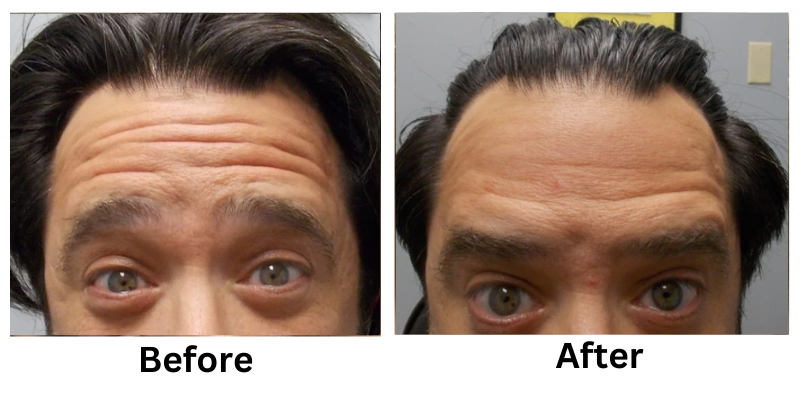
Botox and laser resurfacing treat wrinkles in completely different ways, so which is better depends on the type of wrinkles you have. Botox is better for dynamic wrinkles, which are lines caused by repeated muscle movements like frowning, squinting, or raising your eyebrows. Laser resurfacing is better for static wrinkles, sun damage, textural issues, and overall skin quality.
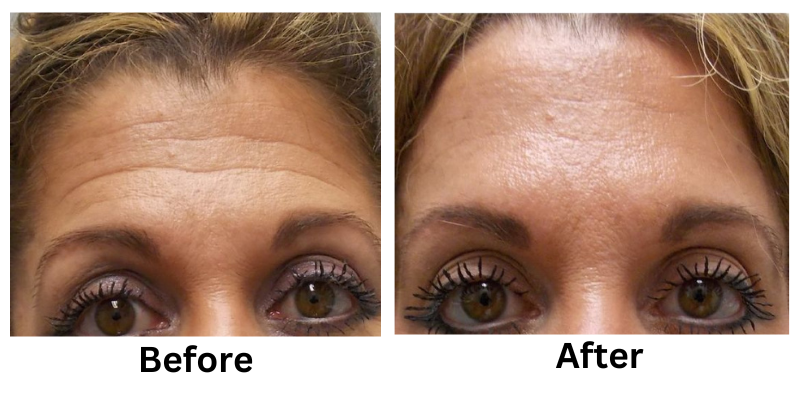
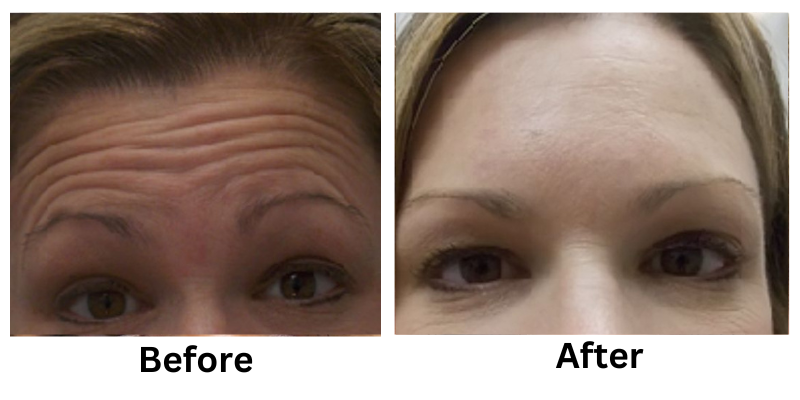
Botox works by temporarily relaxing the muscles that create expression lines. The results last three to four months before another treatment is needed. According to the ASPS, nearly 9.9 million neuromodulator treatments (including Botox) were performed in 2024, making it the most popular minimally invasive procedure. Botox is fast, requires no downtime, and is ideal for forehead lines, crow’s feet, and frown lines.
Laser resurfacing, on the other hand, physically removes damaged skin and stimulates new collagen production, addressing wrinkles, scars, dark spots, and skin laxity at a deeper structural level. Results last one to five years depending on the laser type. Many patients get the best outcome by combining both treatments. Botox handles the muscle-driven lines, while laser skin resurfacing improves overall skin texture, tone, and firmness.
Can Laser Remove Dark Spots Permanently?
Laser can remove dark spots permanently in many cases, but new spots can form if the skin is exposed to UV radiation without proper sun protection. The laser destroys the excess melanin that causes the dark spot, and the body’s natural healing process replaces the treated skin with fresh, evenly pigmented cells. Once those specific spots are treated, they do not come back on their own.
However, the factors that caused the dark spots in the first place, like sun exposure, hormonal changes, or post-inflammatory hyperpigmentation, can trigger new dark spots in the future. That is why consistent sun protection after laser treatment is the most important step for maintaining results. Wearing SPF 30 or higher every day, even on overcast days, helps prevent new pigmentation from forming.
For patients with stubborn or recurring hyperpigmentation, combining laser treatments with other approaches like chemical peels or medical-grade skincare products can provide a more comprehensive solution. The team at Slimming Solutions Med Spa works with each patient to develop a plan that addresses existing dark spots and prevents new ones from appearing.
What Are Two Drawbacks of Laser Resurfacing?
Two drawbacks of laser resurfacing are the recovery time required after treatment and the risk of temporary side effects like redness, swelling, and pigmentation changes. Ablative laser treatments like CO2 resurfacing typically require 7 to 21 days of downtime, during which the skin looks and feels like a sunburn and must be carefully protected. Non-ablative treatments have much shorter recovery periods of 3 to 7 days.
The second major drawback is that laser resurfacing carries a small risk of side effects, especially when performed by an inexperienced provider or on the wrong skin type. Possible side effects include temporary redness that can last weeks to months, changes in skin pigmentation (either lightening or darkening), and in rare cases, scarring or infection. According to the ASPS, choosing a qualified, experienced provider is the most important step patients can take to minimize these risks.
Despite these drawbacks, the vast majority of patients tolerate laser resurfacing well and are happy with their results. A study published in PMC involving 60 patients treated with a rotational laser regimen reported that all side effects (redness and mild swelling) were transient and resolved within days, with no permanent adverse effects observed. Proper aftercare, including keeping the skin clean, moisturized, and protected from sunlight, significantly reduces the likelihood of complications.
Is One Session of Laser Resurfacing Enough?
One session of laser resurfacing can be enough if you choose an ablative treatment like CO2 resurfacing, which delivers dramatic results in a single session. For non-ablative or fractional laser treatments, one session will produce visible improvement, but most patients need three to six sessions to achieve their full desired results.
CO2 laser resurfacing is often called a “one and done” treatment because a single session can significantly reduce wrinkles, scars, and sun damage in one go. However, the tradeoff is a longer recovery period of two to three weeks. Fractional and non-ablative lasers are gentler, have less downtime, and are better suited for patients who prefer a series of lighter treatments spaced several weeks apart.
The number of sessions you need depends on the severity of your skin concerns and the type of laser your provider recommends. Mild sun damage or early fine lines may respond well to a single session, while deeper acne scars or significant sun damage may need multiple treatments. The trained providers at Slimming Solutions Med Spa will evaluate your skin during a consultation and recommend the right treatment plan for your specific goals.
What Is the Best Laser for Aging Skin?
The best laser for aging skin depends on the specific signs of aging you want to address. For deep wrinkles, significant sun damage, and dramatic skin rejuvenation, ablative CO2 laser resurfacing is considered the gold standard. For mild to moderate aging concerns with less downtime, fractional lasers and non-ablative options like IPL or Erbium lasers are excellent choices.
Ablative CO2 lasers produce the most dramatic anti-aging results by removing the outer layer of damaged skin and heating the deeper layers to trigger significant collagen production. Research published in PMC confirmed that both ablative and non-ablative Erbium fractional lasers stimulate collagen reorganization and fibroblast activation in photoaged skin. Improvements in skin firmness and texture continue to develop for three to six months after treatment as collagen production ramps up.
For patients who want to address aging without significant downtime, FotoFacial RF treatments combine intense pulsed light with radiofrequency to stimulate collagen and improve skin tone and texture. This type of treatment is ideal for patients with early signs of aging who want gradual improvement with no recovery time. A combination approach, using both laser resurfacing for periodic intensive treatments and lighter maintenance procedures in between, often delivers the best long-term anti-aging results.
Who Is a Good Candidate for Laser Resurfacing?
A good candidate for laser resurfacing is someone with sun damage, wrinkles, acne scars, uneven skin tone, or rough skin texture who is in good overall health and has realistic expectations about the results. Ideal candidates have fair to medium skin tones because the laser targets melanin, and there is a lower risk of pigmentation changes with lighter skin.
Patients with darker skin tones can still be treated safely, but they need providers who are experienced with Nd:YAG or Erbium lasers that are specifically designed for diverse skin types. The ASPS recommends consulting with a board-certified provider who can evaluate your skin tone, type, and concerns before recommending a specific laser.
People who are not good candidates for laser resurfacing include those with active acne, open wounds, or active infections in the treatment area. Patients taking isotretinoin (Accutane) within the past six to twelve months should wait before undergoing laser treatment. People with a history of keloid scarring should discuss risks carefully with their provider. A thorough consultation is the best way to determine if laser resurfacing is right for you.
How Much Does Laser Skin Resurfacing Cost by Treatment Type?
The cost of laser skin resurfacing varies significantly based on the type of laser and the depth of treatment. Below is a detailed comparison of the most common laser resurfacing treatments, their average costs, and typical recovery times.
| Treatment Type | Cost Per Session | Sessions Needed | Recovery Time | Best For |
|---|---|---|---|---|
| Full Ablative CO2 | $2,500 – $5,000+ | 1 | 7 – 21 days | Deep wrinkles, severe sun damage, scars |
| Fractional CO2 | $1,000 – $3,000 | 1 – 3 | 5 – 10 days | Moderate wrinkles, acne scars, texture |
| Erbium Laser | $1,000 – $3,000 | 1 – 3 | 7 – 14 days | Fine lines, sun damage, darker skin tones |
| Fractional Non-Ablative (Fraxel) | $750 – $2,500 | 3 – 6 | 3 – 7 days | Mild wrinkles, early aging, skin tone |
| IPL / FotoFacial | $250 – $750 | 3 – 6 | None to 1 day | Dark spots, redness, mild sun damage |
| Clear + Brilliant | $300 – $600 | 3 – 6 | 1 – 3 days | Prevention, mild texture, pore size |
Sources: American Society of Plastic Surgeons (ASPS) 2024 data, RealSelf patient-reported averages, Celibre Medical pricing data, Spa26 fractional laser cost analysis
The total investment depends on whether you need a single aggressive treatment or a series of lighter sessions. A single CO2 treatment may cost more upfront but delivers dramatic, long-lasting results in one visit. A series of fractional or IPL treatments has a lower per-session cost but requires three to six visits for optimal results, which can bring the total cost closer to that of a single CO2 session.
What’s the Worst Day After a CO2 Laser?
The worst day after a CO2 laser is typically day two or day three, when swelling, redness, and oozing are at their peak. During this time, the skin has a burn-like appearance and feels tight and uncomfortable. This is a normal part of the healing process and indicates that the body’s collagen repair response has been activated.
By days four to five, the surface of the skin begins to seal over, and most patients can apply camouflage makeup or tinted sunscreen. Full healing of the outer skin layer usually takes 7 to 14 days for fractional CO2 and up to 21 days for full ablative CO2. During recovery, patients must keep the skin clean, moisturized with the provider’s recommended ointment, and completely protected from sun exposure.
The discomfort of the first few days is a tradeoff for the powerful results that CO2 resurfacing delivers. Many patients find that taking 10 to 14 days off from work or social activities gives them enough time to heal. After the initial recovery phase, the skin continues to improve for three to six months as new collagen forms beneath the surface. The investment of a few weeks of downtime pays off with years of smoother, firmer, more youthful-looking skin.
How Many Times Can I Do Laser Resurfacing?
You can do laser resurfacing multiple times, but the number depends on the type of laser and your skin’s condition. Non-ablative and fractional treatments can be repeated every few months as part of a regular skincare maintenance plan. Ablative CO2 treatments are more aggressive and should be spaced at least 6 to 12 months apart to allow for full collagen remodeling before considering another session.
A study published in PMC confirmed that the dermal remodeling process after laser resurfacing can last up to 12 months. Repeating an aggressive treatment before the skin has fully healed and rebuilt collagen could lead to over-treatment and increase the risk of complications. Providers typically recommend waiting at least three to six months between fractional treatments and at least 12 months between full ablative sessions.
For most patients, one to two ablative CO2 treatments in a lifetime, supplemented by periodic non-ablative maintenance treatments, provides excellent long-term results. Combining laser resurfacing with other treatments like exosome microneedling or skin tightening can extend results and reduce the need for repeated aggressive laser sessions.
What Procedure Takes 10 Years Off Your Face?
The procedure that takes 10 years off your face is ablative CO2 laser resurfacing, often combined with injectable treatments like Botox and dermal fillers. CO2 laser resurfacing addresses skin texture, tone, wrinkles, scars, and sun damage at a structural level by removing damaged skin and stimulating deep collagen production. This produces a visible “turning back the clock” effect that topical products and lighter treatments cannot achieve.
Adding Botox to relax dynamic wrinkles and dermal fillers to restore lost facial volume creates a comprehensive rejuvenation that can genuinely make someone look a decade younger. The combination addresses all three major components of facial aging: skin quality (laser), muscle-driven wrinkles (Botox), and volume loss (fillers).
For patients who are not ready for an aggressive CO2 treatment, a series of fractional laser sessions combined with injectables can also produce significant age-reversing results with less downtime. The key is working with a provider who can evaluate your face as a whole and recommend the right combination of treatments for the most natural, balanced result.
Frequently Asked Questions
Does Laser Get Rid of Rosacea Permanently?
Laser does not get rid of rosacea permanently, but it can significantly reduce the visible symptoms like redness, broken blood vessels, and flushing. IPL and pulsed dye lasers are the most commonly used treatments for rosacea. Most patients need two to four sessions to see meaningful improvement, and maintenance treatments every six to twelve months help keep symptoms under control. Rosacea is a chronic skin condition, so while laser can manage the appearance, the underlying condition may still cause flare-ups over time.
Is Laser Better Than Botox for Wrinkles?
Laser is better than Botox for wrinkles that are caused by sun damage, collagen loss, or scarring (called static wrinkles). Botox is better for wrinkles caused by repeated muscle movements (called dynamic wrinkles), like forehead lines and crow’s feet. Many providers recommend using both treatments together for the most complete wrinkle reduction. According to the ASPS, laser skin resurfacing grew 6% in 2024, while Botox treatments grew 4%, indicating that patients increasingly value both approaches.
What Is the Best Laser Treatment for a 55-Year-Old Woman?
The best laser treatment for a 55-year-old woman depends on her primary skin concerns. For moderate to deep wrinkles and significant sun damage, fractional CO2 laser resurfacing produces the most impactful results with manageable recovery. For overall skin rejuvenation with less downtime, a series of non-ablative fractional treatments or FotoFacial RF sessions can brighten skin, reduce dark spots, and stimulate collagen. According to the ASPS, adults aged 40 to 54 account for 38% of all cosmetic procedures, making this one of the most active age groups seeking facial rejuvenation.
Can Laser Help With Sagging Jowls?
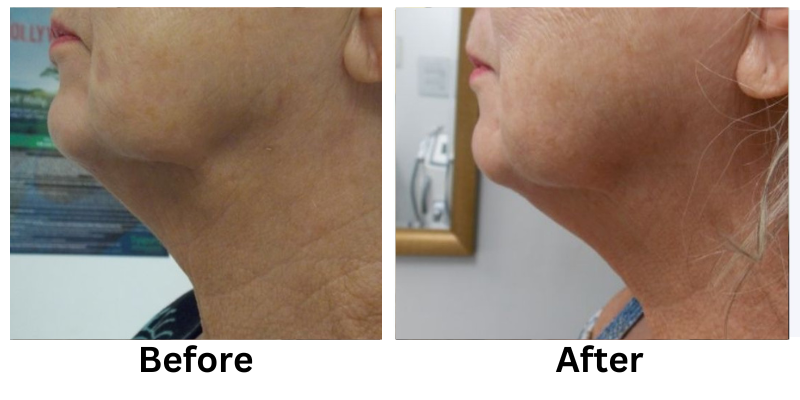
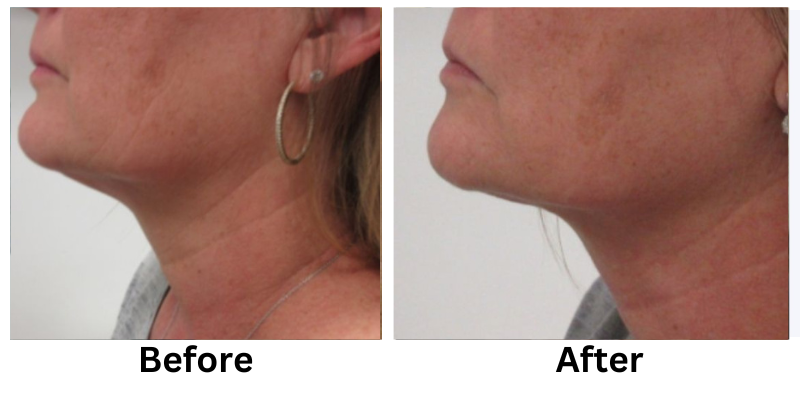
Laser can help with sagging jowls by stimulating collagen production that gradually tightens and firms the skin in the lower face and jawline area. However, laser resurfacing alone may not provide enough lift for significant jowl sagging. For more noticeable lifting, combining laser with skin tightening treatments that use radiofrequency or ultrasound energy produces stronger results. For severe sagging, a thread lift or PDO thread procedure can provide additional mechanical lift.
What Is the Best Skin Tightening Procedure for Over 60?
The best skin tightening procedure for over 60 is a combination of radiofrequency skin tightening and fractional laser resurfacing. Radiofrequency treatments heat the deeper layers of skin to contract existing collagen and stimulate new collagen production, which firms and tightens loose skin. Adding fractional laser resurfacing addresses surface texture, dark spots, and fine lines at the same time. According to the ASPS 2023 report, non-invasive skin tightening procedures increased 7% from 2022 to 2023, reaching 438,211 procedures, showing growing demand among older patients.
How Much Does Full Face Laser Resurfacing Cost?
Full face laser resurfacing costs between $1,500 and $5,000 or more depending on whether the treatment uses ablative CO2, fractional CO2, or Erbium laser technology. According to the ASPS, the average cost of skin resurfacing procedures is $1,829, though full-face CO2 treatments often exceed that average. The total cost may also include pre-treatment skincare products ($100 to $300) and post-care supplies ($100 to $500) that are not always included in the quoted procedure price. Always ask about the full cost during your consultation.
What Do Celebrities Use Instead of Botox?
Celebrities often use a combination of laser skin resurfacing, dermal fillers like Sculptra (which stimulates long-term collagen production), microneedling, radiofrequency treatments, and medical-grade skincare instead of relying solely on Botox. Laser resurfacing is especially popular among celebrities because it improves overall skin quality, texture, and tone, creating a youthful appearance that looks natural on camera. Many aesthetic experts recommend combining multiple treatments for the most natural anti-aging results rather than depending on a single procedure.
Final Thoughts
Laser skin resurfacing is one of the most effective treatments available for reversing sun damage, reducing wrinkles, fading scars, and restoring youthful skin quality. With over 3.7 million skin resurfacing procedures performed in 2024 alone, it is clear that patients trust this treatment to deliver real, lasting results. The key to a successful outcome is choosing the right laser type for your skin concerns and working with an experienced provider who can tailor the treatment to your unique needs.
If you are ready to improve your skin’s texture, tone, and overall appearance, Slimming Solutions Med Spa offers free consultations to help you explore the best laser skin resurfacing options for your goals and budget. The team uses advanced laser technology to deliver safe, effective treatments tailored to each patient’s skin type and concerns. Call today or request a consultation to take the first step toward smoother, more radiant skin.
![[thumb]](https://slimmingsolutionsspa.com/wp-content/uploads/2023/12/botox1-150x150.png)
![[thumb]](https://slimmingsolutionsspa.com/wp-content/uploads/2023/12/Before2-150x150.png)
![[thumb]](https://slimmingsolutionsspa.com/wp-content/uploads/2023/12/Before3-150x150.png)


![[thumb]](https://slimmingsolutionsspa.com/wp-content/uploads/2023/12/revanesse-versa-1-150x150.png)
![[thumb]](https://slimmingsolutionsspa.com/wp-content/uploads/2023/12/revanesse-versa-2-150x150.png)
![[thumb]](https://slimmingsolutionsspa.com/wp-content/uploads/2023/12/revanesse-versa-3-150x150.png)
![[thumb]](https://slimmingsolutionsspa.com/wp-content/uploads/2023/12/revanesse-versa-4-150x150.png)
![[thumb]](https://slimmingsolutionsspa.com/wp-content/uploads/2023/12/revanesse-versa-5-150x150.png)
![[thumb]](https://slimmingsolutionsspa.com/wp-content/uploads/2024/01/Eyebrow-treatment-1-1-150x150.png)
![[thumb]](https://slimmingsolutionsspa.com/wp-content/uploads/2023/12/Skin-Rejuvenation-1-150x150.png)
![[thumb]](https://slimmingsolutionsspa.com/wp-content/uploads/2023/12/Skin-Rejuvenation-2-150x150.png)


![[thumb]](https://slimmingsolutionsspa.com/wp-content/uploads/2024/01/Lip-Filler-1-150x150.png)
![[thumb]](https://slimmingsolutionsspa.com/wp-content/uploads/2024/01/Lip-Filler-2-150x150.png)
![[thumb]](https://slimmingsolutionsspa.com/wp-content/uploads/2025/02/Lip-Filler-1-150x150.png)
![[thumb]](https://slimmingsolutionsspa.com/wp-content/uploads/2024/01/Lip-Filler-150x150.jpg)
![[thumb]](https://slimmingsolutionsspa.com/wp-content/uploads/2024/01/Before-1-150x150.jpg)

![[thumb]](https://slimmingsolutionsspa.com/wp-content/uploads/2024/01/RHA-Treatmetn-3-150x150.png)
![[thumb]](https://slimmingsolutionsspa.com/wp-content/uploads/2024/01/RHA-Treatmetn-2-150x150.png)
![[thumb]](https://slimmingsolutionsspa.com/wp-content/uploads/2024/01/RHA-Treatmetn-1-150x150.png)
![[thumb]](https://slimmingsolutionsspa.com/wp-content/uploads/2024/01/Thread-Lifts-1-150x150.png)
![[thumb]](https://slimmingsolutionsspa.com/wp-content/uploads/2024/01/Thread-Lifts-2-150x150.png)
![[thumb]](https://slimmingsolutionsspa.com/wp-content/uploads/2025/02/Lip-Filler-2-150x150.png)

![[thumb]](https://slimmingsolutionsspa.com/wp-content/uploads/2023/12/skin-reuvulation1-150x150.png)
![[thumb]](https://slimmingsolutionsspa.com/wp-content/uploads/2023/12/skin-rejuvulation-2-150x150.png)
![[thumb]](https://slimmingsolutionsspa.com/wp-content/uploads/2023/12/Skin-Tighting-150x150.png)
![[thumb]](https://slimmingsolutionsspa.com/wp-content/uploads/2023/12/Before-150x150.jpg)
![[thumb]](https://slimmingsolutionsspa.com/wp-content/uploads/2023/12/weightloss-1-150x150.png)
![[thumb]](https://slimmingsolutionsspa.com/wp-content/uploads/2023/12/weightloss-2-150x150.png)
![[thumb]](https://slimmingsolutionsspa.com/wp-content/uploads/2023/12/2Weight-Loss-2-150x150.png)
![[thumb]](https://slimmingsolutionsspa.com/wp-content/uploads/2025/02/Weight-Loss-1-new-150x150.png)
![[thumb]](https://slimmingsolutionsspa.com/wp-content/uploads/2023/12/Weight-Loss-3-150x150.png)
![[thumb]](https://slimmingsolutionsspa.com/wp-content/uploads/2025/03/Slimming-Solutions-BA-Template-150x150.png)


![[thumb]](https://slimmingsolutionsspa.com/wp-content/uploads/2023/12/dat3-150x150.png)
![[thumb]](https://slimmingsolutionsspa.com/wp-content/uploads/2023/12/dat-0-150x150.png)
![[thumb]](https://slimmingsolutionsspa.com/wp-content/uploads/2023/12/dat-1-150x150.png)
![[thumb]](https://slimmingsolutionsspa.com/wp-content/uploads/2023/12/Before-1-150x150.png)

![[thumb]](https://slimmingsolutionsspa.com/wp-content/uploads/2024/01/EMS-Treatment-2-150x150.png)
![[thumb]](https://slimmingsolutionsspa.com/wp-content/uploads/2024/01/EMS-Treatment-1-150x150.png)
![[thumb]](https://slimmingsolutionsspa.com/wp-content/uploads/2025/02/ems-BNA-front-150x150.png)
![[thumb]](https://slimmingsolutionsspa.com/wp-content/uploads/2025/02/EMS-bna-SIDE-150x150.png)
![[thumb]](https://slimmingsolutionsspa.com/wp-content/uploads/2024/01/EMS-Treatment-6-150x150.png)