
The reasons Dysport is chosen over Botox, the main advantage is its ability to spread more smoothly across larger areas, which creates a softer, natural-looking result. Dysport also tends to kick in faster, with many people seeing improvement within 24 to 48 hours. Some patients feel it lasts as long or slightly longer, and the cost per unit can be more budget-friendly depending on the treatment plan.
Over 100 million people worldwide have received Dysport treatments since its FDA approval in 2009. The treatment addresses moderate to severe glabellar lines between eyebrows. Clinical studies show 97% of users report natural-looking results after Dysport injections.
Why Does Dysport Work Faster Than Botox?
Dysport contains smaller molecular particles that diffuse through facial tissue more rapidly than Botox particles. The abobotulinumtoxinA molecules in Dysport measure approximately 500-900 kilodaltons. Botox’s onabotulinumtoxinA molecules contain additional protein complexes that slow tissue penetration.
Clinical trial data from the GL-1 and GL-3 studies shows 33% of Dysport patients see improvement within 24 hours. The median onset time reaches 2-3 days for most users. Botox typically shows initial effects at 3-5 days, with full results appearing at 7-10 days.
How Fast Do Results Appear?
Most patients notice smoother skin within 48-72 hours after Dysport injection. The treatment blocks acetylcholine release at neuromuscular junctions. This prevents muscle contractions that form dynamic wrinkles during facial expressions.
Dysport’s rapid onset benefits patients preparing for events like weddings, reunions, or professional presentations. Results continue improving through day 14 as the neurotoxin fully binds to nerve endings.
What Causes the Speed Difference?
Dysport’s lower protein load and smaller molecular size allow faster muscle penetration. Botox contains accessory proteins that create a larger molecular structure. These proteins slow the neurotoxin’s movement through facial tissue layers.
The diffusion coefficient of Dysport exceeds Botox by approximately 2.5 times. This wider spread reaches target muscles faster while covering broader treatment zones.
How Does Dysport Spread Differently in Facial Tissue?
Dysport diffuses across a 2-3 times wider area than Botox after injection. This broader spread creates even muscle relaxation across large facial zones like foreheads. Botox maintains more localized effects within specific muscle groups.
The diffusion pattern affects both treatment technique and final appearance. Providers inject Dysport into fewer points to cover the same area that requires more Botox injection sites.
Which Areas Benefit From Wider Spread?
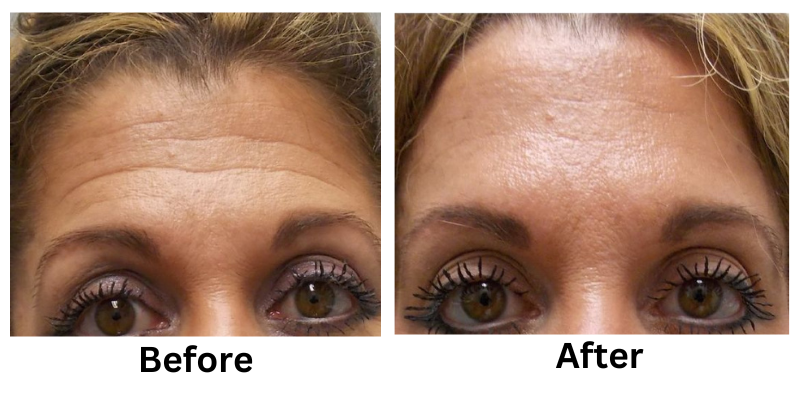
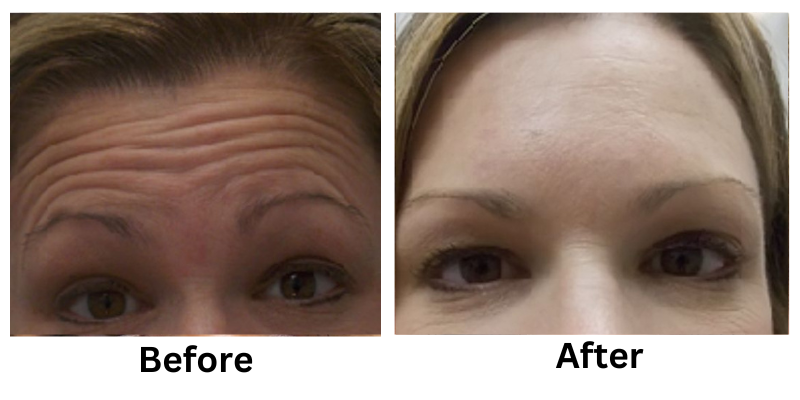
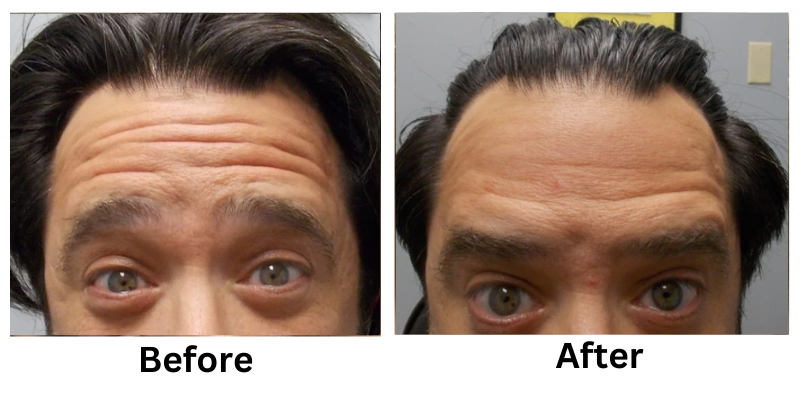
Forehead lines respond better to Dysport’s broad diffusion pattern. The frontalis muscle spans the entire forehead from hairline to eyebrows. Dysport’s spread creates uniform smoothing across horizontal forehead wrinkles without creating uneven patches.
Treatment zones that benefit from Dysport include:
- Full forehead (frontalis muscle)
- Glabellar complex (corrugator and procerus muscles)
Smaller areas like crow’s feet work well with both products. Precision zones near eyes or lips may require Botox’s focused action.
Does Wider Spread Affect Natural Appearance?
Even diffusion prevents the “frozen” look patients want to avoid. Dysport relaxes adjacent muscle fibers gradually rather than completely paralyzing isolated sections. This creates subtle movement reduction instead of total immobilization.
Studies show 90% of patients report maintaining natural facial expressions after Dysport treatment. The gradual muscle relaxation preserves emotional expression while smoothing wrinkle-causing contractions.
What Are the Cost Differences Between Dysport and Botox?
Dysport costs $4-8 per unit while Botox costs $10-20 per unit, but Dysport requires 2.5-3 times more units. A typical forehead treatment needs 20-30 Botox units or 50-75 Dysport units. Total treatment costs range $400-500 for either product.
According to 2024 facial injectable market data, botulinum toxin type A treatments dominate 55% of the aesthetic injectable market. Average treatment costs remain comparable between major neurotoxin brands.
How Do Unit Measurements Compare?
Dysport units measure biological activity on a different scale than Botox units. One Botox unit does not equal one Dysport unit. The conversion ratio averages 2.5:1 for most treatment areas.
Glabellar line treatment typically requires:
- Botox: 20 units across 5 injection points
- Dysport: 50 units across 5 injection points
Providers calculate dosing based on muscle mass, treatment area size, and desired effect strength.
Are There Hidden Cost Benefits?
Dysport’s wider spread may reduce total injection sessions needed annually. Clinical data shows effects lasting up to 5 months per treatment. Patients averaging 2-3 treatments yearly maintain consistent wrinkle reduction.
The Aspire Galderma Rewards program offers points worth $10 per 100 points earned. New members receive a $20 welcome reward applied to first treatments.
Which Facial Areas Does Dysport Treat?
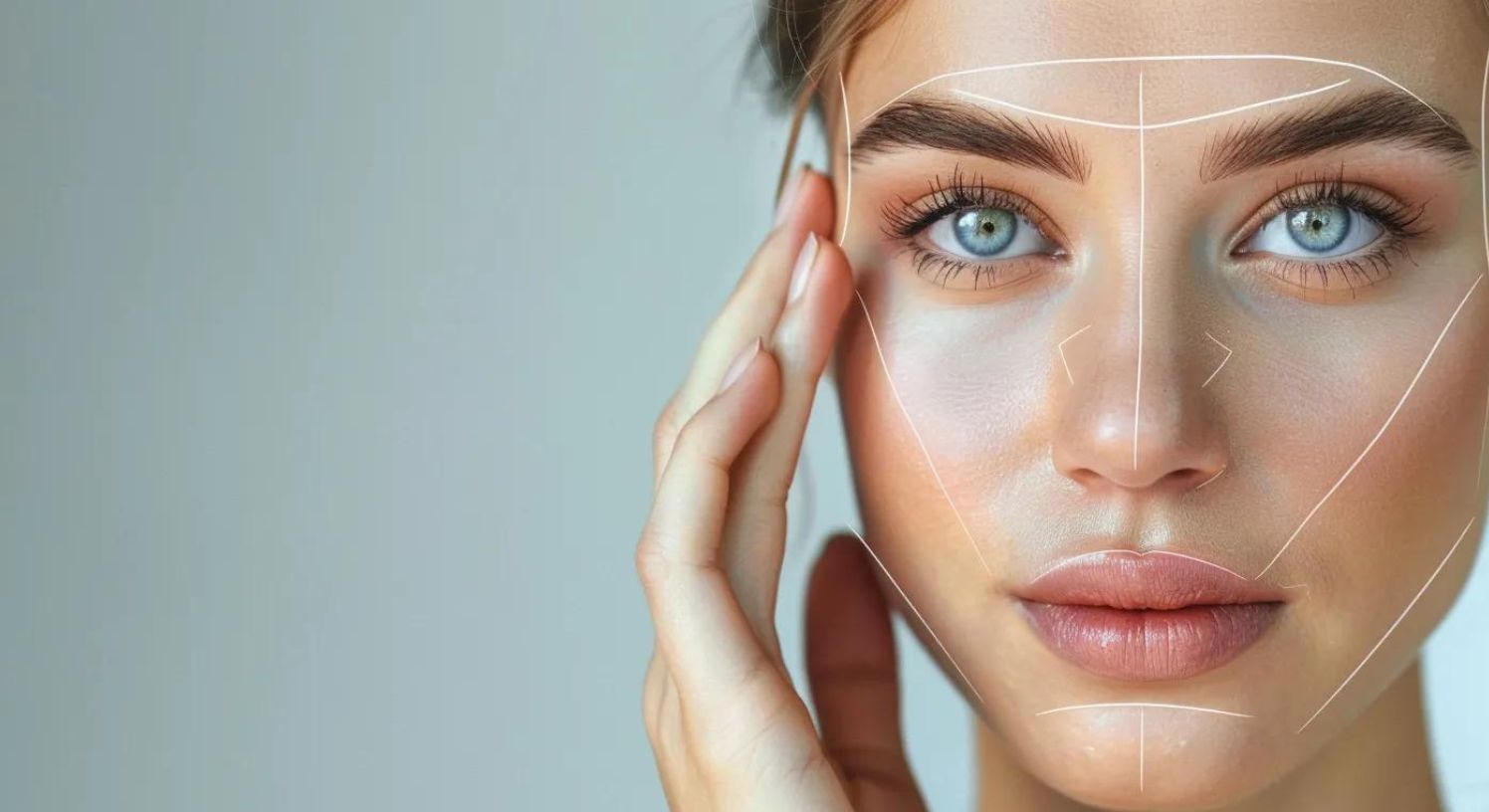
Dysport received FDA approval specifically for moderate to severe glabellar lines between eyebrows. These vertical frown lines result from repeated corrugator and procerus muscle contractions. The standard dose injects 50 units across 5 specific facial points.
Providers also use Dysport off-label for forehead lines, crow’s feet, bunny lines, and neck bands. These applications lack official FDA approval but show clinical effectiveness in practice.
What Makes Glabellar Lines Respond to Dysport?
The “11 lines” between eyebrows form from chronic muscle tension in the glabellar complex. Repeated frowning, squinting, and concentration create deep vertical furrows. Dysport blocks nerve signals to corrugator supercilii and procerus muscles.
Treatment results appear within 2-3 days as muscle activity decreases. The overlying skin smooths as repetitive folding stops. Effects last 3-5 months before muscle activity gradually returns.
Can Dysport Treat Crow’s Feet and Forehead Lines?
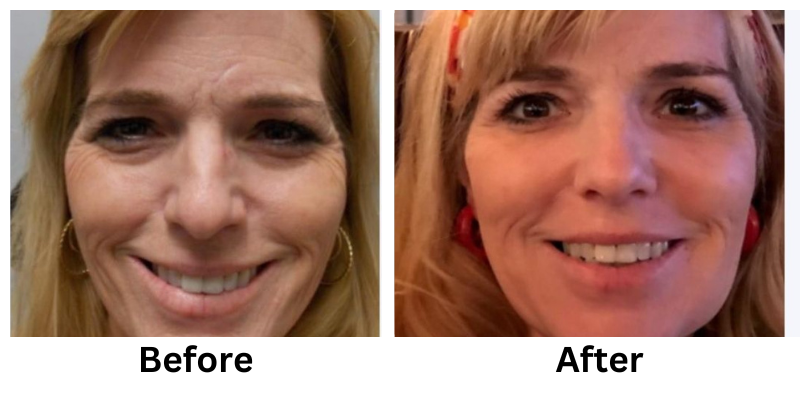
Dysport effectively reduces lateral canthal lines (crow’s feet) around eyes and horizontal forehead wrinkles. The treatment relaxes orbicularis oculi muscles that create crow’s feet during smiling. Frontalis muscle relaxation smooths forehead creases.
Many providers combine Dysport for large areas with Botox for precise zones. This approach uses each product’s strengths across different facial regions.
What Happens During Dysport Treatment?
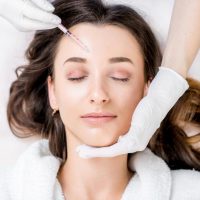
A typical Dysport session takes 10-20 minutes from preparation to completion. Providers cleanse treatment areas and may apply topical anesthetic. The injection process uses ultra-fine 30-gauge needles inserted into predetermined muscle points.
Patients describe injection sensation as brief pinching or pressure. Most people tolerate the procedure without numbing agents. The entire face treatment requires 5-15 individual injections depending on treatment zones.
What Preparation Does Treatment Require?
Patients should avoid blood-thinning medications 5-7 days before Dysport injections. Aspirin, ibuprofen, vitamin E, and fish oil increase bruising risk. Alcohol consumption should stop 24 hours before treatment.
Medical history review checks for contraindications like:
- Cow’s milk protein allergy
- Neuromuscular disorders (myasthenia gravis, Lambert-Eaton syndrome)
- Active skin infections at injection sites
- Pregnancy or breastfeeding status
What Aftercare Do Injections Need?
Patients must avoid rubbing treated areas for 24 hours after Dysport injections. Pressure or massage may spread the neurotoxin to unintended muscles. Staying upright for 4 hours prevents product migration downward.
Additional restrictions include:
- No strenuous exercise for 24 hours
- No lying flat for 4 hours post-treatment
Minor redness and swelling at injection sites resolve within 1-2 hours. Patients return to normal activities immediately after treatment.
How Long Do Dysport Results Last?
Dysport effects typically last 3-5 months after a single treatment session. Clinical studies show median duration of 4 months for glabellar line improvement. Some patients experience results extending to 5-6 months depending on individual metabolism.
The GL-1 and GL-3 FDA trials evaluated subjects for 150+ days following treatment. Results showed sustained wrinkle reduction throughout the study period. Repeat treatments produce comparable effects to initial sessions.
What Factors Affect Duration?
Individual metabolism speed, muscle strength, and treatment area influence how long Dysport works. Patients with faster metabolic rates process the neurotoxin more quickly. Larger, stronger muscles may require higher doses for equivalent duration.
Factors affecting longevity include:
- Facial muscle activity level
- Age and skin elasticity
- Previous neurotoxin exposure
- Dosage amount and placement accuracy
How Often Do Patients Need Retreatment?
Most patients schedule Dysport injections 2-3 times per year. The Aspire Rewards program data shows 95% of users maintain satisfaction with twice-yearly treatments. Muscle activity gradually returns as the neurotoxin effect wears off.
Consistent treatment may extend duration over time. Some long-term users report results lasting longer with repeated sessions as muscles adapt to reduced contraction patterns.
What Side Effects Does Dysport Cause?
Common Dysport side effects include headache (6% of patients), injection site pain, and temporary bruising. These reactions typically resolve within 24-48 hours without medical intervention. Serious adverse events occur in less than 1% of treatments.
FDA safety data from millions of treatments confirms botulinum toxin type A has an established safety profile. The treatment received approval for both aesthetic and therapeutic applications including cervical dystonia and limb spasticity.
Who Should Avoid Dysport Treatment?
Patients with cow’s milk protein allergies cannot receive Dysport due to formulation components. The product contains lactose-derived proteins that may trigger allergic reactions. People with known hypersensitivity to botulinum toxin should also avoid treatment.
Medical contraindications include:
- Active infection at injection sites
- Neuromuscular junction disorders
- Pregnancy or breastfeeding
Medications like aminoglycoside antibiotics may increase neurotoxin effects. Patients taking these drugs should inform providers before treatment.
What Serious Reactions Can Occur?
Toxin spread beyond injection sites causes rare but serious complications. Symptoms include difficulty swallowing, breathing problems, muscle weakness, and vision changes. These effects require immediate medical attention.
The FDA requires a boxed warning on all botulinum toxin products about potential spread. Risk increases in patients with pre-existing swallowing or breathing difficulties. Licensed medical professionals minimize risk through proper dosing and injection technique.
How Do Patient Satisfaction Rates Compare?
Dysport achieves a 94% “Worth It” rating from patients on review platforms. Clinical trial participants report 92% confidence and 92% feeling attractive 30 days post-treatment. Long-term studies show 90% of users maintain natural appearance throughout treatment duration.
The DREAM study demonstrated 97% of patients would receive Dysport treatment again. These satisfaction metrics exceed many cosmetic procedures and indicate high patient acceptance.
What Do Clinical Studies Show?
FDA trials found 80-90% of Dysport patients showed minimal or no visible frown lines after 30 days. The GL-1, GL-2, and GL-3 studies enrolled over 300 participants. Investigators rated wrinkle severity using the Glabellar Line Severity Scale (GLSS).
Results showed ≥1-grade improvement in 90% of treated patients. Effects maintained through day 120 in most subjects. Repeat treatments produced consistent outcomes across multiple sessions.
How Many People Choose Dysport?
Over 100 million Dysport treatments have been administered globally since approval. The product gained registration in 72 countries worldwide. Galderma reports 400,000+ new patients join the Aspire Rewards program annually.
Market data shows botulinum toxin procedures increased 70-74% from 2019 to 2022 among adults aged 30-54. The U.S. facial injectable market reached $12.53 billion in 2024 with projected growth to $24.9 billion by 2030.
How Does Dysport Compare to Other Neurotoxins?
Dysport, Botox, Xeomin, and Daxxify all contain botulinum toxin type A but differ in formulation and duration. Each product uses different protein complexes and stabilizers that affect diffusion, onset, and longevity.
Treatment selection depends on patient goals, treatment area size, desired onset speed, and budget considerations. Many providers offer multiple neurotoxin options to match individual needs.
What Makes Xeomin Different?
Xeomin contains no accessory proteins, earning the description “naked neurotoxin.” This formulation may reduce antibody formation risk in patients receiving repeated treatments. Xeomin costs $9-18 per unit and shows effects within 3-5 days.
The absence of complexing proteins gives Xeomin room-temperature stability before reconstitution. Duration matches Botox at 3-4 months for most patients.
How Does Daxxify Extend Results?
Daxxify uses peptide-based stabilizers instead of animal-derived proteins, extending effects to 6-9 months. This newer neurotoxin received FDA approval in 2022 for glabellar lines. Clinical trials show median duration of 6 months, with some patients reaching 9 months.
Higher per-unit costs offset by fewer annual treatments. Daxxify requires 40 units for standard glabellar treatment compared to 20 Botox units or 50 Dysport units.
Can Treatments Be Combined?
Many patients combine Dysport with dermal fillers for comprehensive facial rejuvenation. Neurotoxins address dynamic wrinkles from muscle movement. Fillers like Juvederm or Restylane restore lost volume in cheeks, lips, and nasolabial folds.
Additional complementary treatments include:
- Chemical peels for skin texture
- Laser resurfacing for pigmentation
What Questions Should Patients Ask Providers?
Patients should verify provider credentials, experience level, and specific treatment recommendations during consultations. Board certification in dermatology, plastic surgery, or related specialties indicates appropriate training. State licensing requirements vary for injectable administration.
Consultation discussions should cover treatment goals, expected outcomes, potential risks, and cost estimates. Providers should explain why they recommend specific products based on facial anatomy and wrinkle patterns.
How Do You Choose a Qualified Injector?
Licensed medical professionals with extensive facial anatomy training provide the safest Dysport treatments. Board-certified dermatologists, plastic surgeons, and trained nurse practitioners specialize in injectable procedures. Experience level directly correlates with natural-looking results and complication prevention.
Red flags include significantly discounted pricing, non-medical settings, or providers unwilling to discuss credentials. Counterfeit products pose serious health risks when purchased from unlicensed sources.
What Should Consultation Include?
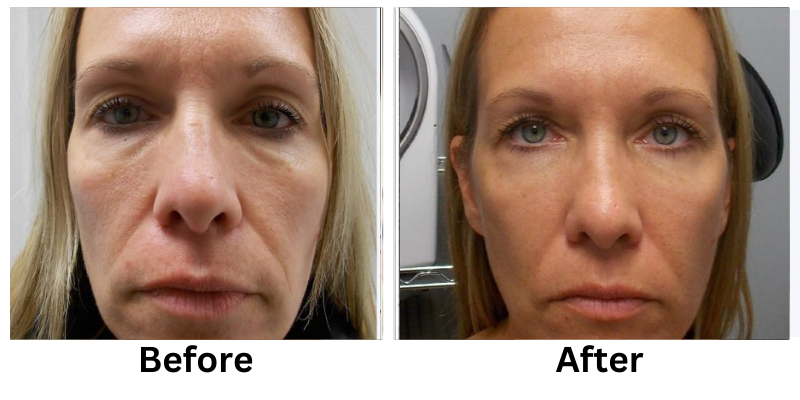
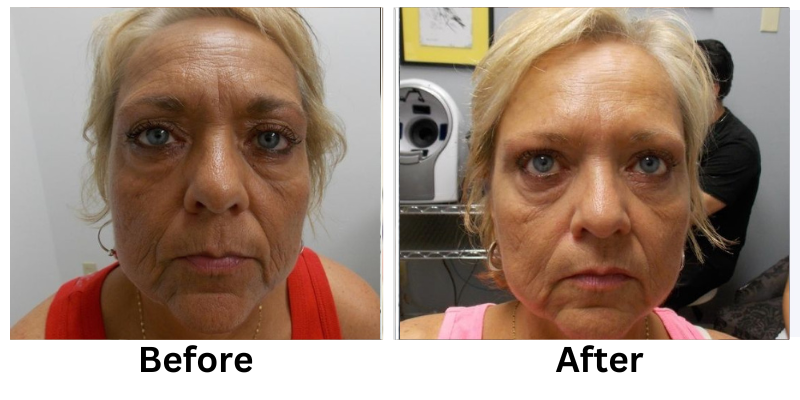
Comprehensive consultations examine facial structure, wrinkle severity, muscle activity patterns, and medical history. Providers assess skin quality, existing asymmetries, and realistic outcome expectations. Before photos document baseline appearance for progress tracking.
Slimming Solutions Med Spa in Lee’s Summit, MO provides personalized treatment plans based on individual goals. The consultation process explains each step and answers all patient questions before proceeding.
Frequently Asked Questions About Dysport
How Much Does Dysport Cost Per Treatment?
Dysport costs $400-500 per treatment session on average. Individual costs vary based on treatment area size, units needed, and geographic location. Providers charge $4-8 per unit, with typical treatments requiring 50-75 units. The Aspire Galderma Rewards program offers points and discounts for repeat treatments.
Can Dysport and Botox Be Used Together?
Yes, many providers combine Dysport and Botox in different facial areas during the same session. Dysport works well for large zones like foreheads while Botox provides precision for smaller areas like crow’s feet. This approach uses each product’s specific strengths for optimal facial rejuvenation.
Does Dysport Hurt During Injection?
Dysport injections cause minimal discomfort described as brief pinching or pressure. Providers use ultra-fine 30-gauge needles that most patients tolerate without numbing agents. Topical anesthetic cream remains available for patients who prefer additional comfort during the 10-20 minute procedure.
How Long Should You Wait Between Dysport Treatments?
Patients should wait 3-4 months between Dysport treatments to allow previous effects to wear off completely. Most people schedule injections 2-3 times per year to maintain continuous wrinkle reduction. Treating too frequently provides no additional benefits and wastes money since the neurotoxin remains active.
Can You Exercise After Getting Dysport?
Avoid strenuous exercise for 24 hours after Dysport injections. Physical activity increases blood flow, which may spread the neurotoxin to unintended muscles. Light walking and normal daily activities remain safe immediately after treatment. Patients can resume full workout routines the following day without restrictions.
Final Thoughts
Dysport offers faster onset, broader diffusion, and natural-looking wrinkle reduction for patients seeking non-surgical facial rejuvenation. The treatment works within 2-3 days and lasts 3-5 months per session. Clinical data supports high patient satisfaction and safety across millions of treatments worldwide.
The choice between Dysport and Botox depends on treatment area size, desired onset speed, and individual response patterns. Both products deliver effective wrinkle reduction when administered by qualified medical professionals.
Patients interested in Dysport should schedule a consultation with licensed providers to discuss goals and create customized treatment plans. Professional evaluation determines appropriate dosing, injection sites, and expected outcomes based on facial anatomy.
![[thumb]](https://slimmingsolutionsspa.com/wp-content/uploads/2023/12/botox1-150x150.png)
![[thumb]](https://slimmingsolutionsspa.com/wp-content/uploads/2023/12/Before2-150x150.png)
![[thumb]](https://slimmingsolutionsspa.com/wp-content/uploads/2023/12/Before3-150x150.png)


![[thumb]](https://slimmingsolutionsspa.com/wp-content/uploads/2023/12/revanesse-versa-1-150x150.png)
![[thumb]](https://slimmingsolutionsspa.com/wp-content/uploads/2023/12/revanesse-versa-2-150x150.png)
![[thumb]](https://slimmingsolutionsspa.com/wp-content/uploads/2023/12/revanesse-versa-3-150x150.png)
![[thumb]](https://slimmingsolutionsspa.com/wp-content/uploads/2023/12/revanesse-versa-4-150x150.png)
![[thumb]](https://slimmingsolutionsspa.com/wp-content/uploads/2023/12/revanesse-versa-5-150x150.png)
![[thumb]](https://slimmingsolutionsspa.com/wp-content/uploads/2024/01/Eyebrow-treatment-1-1-150x150.png)
![[thumb]](https://slimmingsolutionsspa.com/wp-content/uploads/2023/12/Skin-Rejuvenation-1-150x150.png)
![[thumb]](https://slimmingsolutionsspa.com/wp-content/uploads/2023/12/Skin-Rejuvenation-2-150x150.png)


![[thumb]](https://slimmingsolutionsspa.com/wp-content/uploads/2024/01/Lip-Filler-1-150x150.png)
![[thumb]](https://slimmingsolutionsspa.com/wp-content/uploads/2024/01/Lip-Filler-2-150x150.png)
![[thumb]](https://slimmingsolutionsspa.com/wp-content/uploads/2025/02/Lip-Filler-1-150x150.png)
![[thumb]](https://slimmingsolutionsspa.com/wp-content/uploads/2024/01/Lip-Filler-150x150.jpg)
![[thumb]](https://slimmingsolutionsspa.com/wp-content/uploads/2024/01/Before-1-150x150.jpg)

![[thumb]](https://slimmingsolutionsspa.com/wp-content/uploads/2024/01/RHA-Treatmetn-3-150x150.png)
![[thumb]](https://slimmingsolutionsspa.com/wp-content/uploads/2024/01/RHA-Treatmetn-2-150x150.png)
![[thumb]](https://slimmingsolutionsspa.com/wp-content/uploads/2024/01/RHA-Treatmetn-1-150x150.png)
![[thumb]](https://slimmingsolutionsspa.com/wp-content/uploads/2024/01/Thread-Lifts-1-150x150.png)
![[thumb]](https://slimmingsolutionsspa.com/wp-content/uploads/2024/01/Thread-Lifts-2-150x150.png)
![[thumb]](https://slimmingsolutionsspa.com/wp-content/uploads/2025/02/Lip-Filler-2-150x150.png)

![[thumb]](https://slimmingsolutionsspa.com/wp-content/uploads/2023/12/skin-reuvulation1-150x150.png)
![[thumb]](https://slimmingsolutionsspa.com/wp-content/uploads/2023/12/skin-rejuvulation-2-150x150.png)
![[thumb]](https://slimmingsolutionsspa.com/wp-content/uploads/2023/12/Skin-Tighting-150x150.png)
![[thumb]](https://slimmingsolutionsspa.com/wp-content/uploads/2023/12/Before-150x150.jpg)
![[thumb]](https://slimmingsolutionsspa.com/wp-content/uploads/2023/12/weightloss-1-150x150.png)
![[thumb]](https://slimmingsolutionsspa.com/wp-content/uploads/2023/12/weightloss-2-150x150.png)
![[thumb]](https://slimmingsolutionsspa.com/wp-content/uploads/2023/12/2Weight-Loss-2-150x150.png)
![[thumb]](https://slimmingsolutionsspa.com/wp-content/uploads/2025/02/Weight-Loss-1-new-150x150.png)
![[thumb]](https://slimmingsolutionsspa.com/wp-content/uploads/2023/12/Weight-Loss-3-150x150.png)
![[thumb]](https://slimmingsolutionsspa.com/wp-content/uploads/2025/03/Slimming-Solutions-BA-Template-150x150.png)


![[thumb]](https://slimmingsolutionsspa.com/wp-content/uploads/2023/12/dat3-150x150.png)
![[thumb]](https://slimmingsolutionsspa.com/wp-content/uploads/2023/12/dat-0-150x150.png)
![[thumb]](https://slimmingsolutionsspa.com/wp-content/uploads/2023/12/dat-1-150x150.png)
![[thumb]](https://slimmingsolutionsspa.com/wp-content/uploads/2023/12/Before-1-150x150.png)

![[thumb]](https://slimmingsolutionsspa.com/wp-content/uploads/2024/01/EMS-Treatment-2-150x150.png)
![[thumb]](https://slimmingsolutionsspa.com/wp-content/uploads/2024/01/EMS-Treatment-1-150x150.png)
![[thumb]](https://slimmingsolutionsspa.com/wp-content/uploads/2025/02/ems-BNA-front-150x150.png)
![[thumb]](https://slimmingsolutionsspa.com/wp-content/uploads/2025/02/EMS-bna-SIDE-150x150.png)
![[thumb]](https://slimmingsolutionsspa.com/wp-content/uploads/2024/01/EMS-Treatment-6-150x150.png)