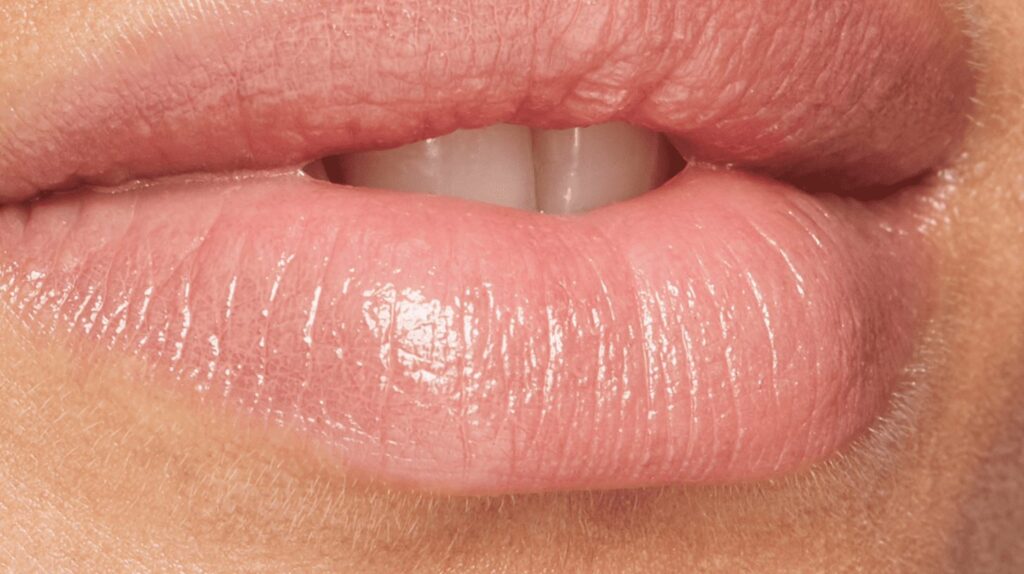
Lip filler swelling reduces faster with ice application, head elevation, hydration, and activity restriction. Most swelling disappears within 2 to 3 days, with complete resolution occurring by 14 days post-treatment.
Lip augmentation creates temporary swelling as a normal healing response. Understanding the timeline and reduction methods helps patients manage expectations and optimize recovery. This guide covers evidence-based strategies to minimize post-injection swelling and achieve optimal results.
What Causes Lip Filler Swelling?
Lip filler swelling occurs from injection trauma and hyaluronic acid’s water-attracting properties. The needle punctures create micro-injuries that trigger inflammatory responses. Blood vessels in lip tissue release fluid to the treatment area as part of the body’s natural healing process.
Why Lips Swell More Than Other Areas
Lips contain dense vascular networks and minor salivary glands. These anatomical features make lip tissue more prone to swelling than other facial areas. The upper lip often swells more than the lower lip due to higher blood vessel concentration and increased tissue sensitivity.
Hyaluronic acid fillers bind with water molecules. This hydrophilic nature increases tissue volume temporarily. Research published in Frontiers in Surgery shows 92% of patients experience at least one grade of lip fullness improvement, with swelling as a common side effect.
Perioral tissue contains dense capillary networks and lacks substantial subcutaneous fat. Lip muscles contract during speaking, eating, and facial expressions, affecting filler distribution during healing. This constant movement contributes to prolonged swelling compared to static facial areas.
How Long Does Lip Filler Swelling Last?
Lip filler swelling peaks at 24 to 48 hours and resolves completely within 14 days. The timeline varies based on individual healing responses, filler volume, and injection technique.
Day-by-Day Swelling Timeline
Day 1: Immediate swelling appears after injection. Lips feel tight and tender. Morning swelling appears worse due to overnight fluid accumulation. Redness and minor bruising may appear at injection sites.
Days 2-3: Peak swelling occurs. Lips appear largest during this period. Minor bruising and lumps may develop. Some patients experience firmness and uneven texture. This phase causes the most concern but remains completely normal.
Days 4-7: Swelling decreases significantly. Lips begin showing final shape. Tenderness reduces substantially. Bruising fades to yellow or green discoloration. Most patients feel comfortable resuming normal activities.
Days 8-14: Minimal residual swelling remains. Final results become visible. Filler settles into permanent position. Lips achieve natural appearance and soft texture.
Studies from the National Center for Biotechnology Information confirm most adverse effects, including swelling, resolve within the first week post-treatment. The research analyzed over 1,400 patients across multiple clinical trials.
How Does Ice Reduce Lip Filler Swelling?
Ice application constricts blood vessels and decreases fluid accumulation in treated tissue. Cold temperature reduces metabolic activity and inflammatory mediator release. Vasoconstriction limits blood flow to the area, preventing excess fluid buildup.
Proper Ice Application Technique
Apply ice for 10 to 15 minutes every 2 hours during the first 48 hours. Wrap ice in clean cloth to prevent direct skin contact and potential frostbite. Avoid pressing firmly against lips, as pressure can displace filler material. Repeat application 4 to 5 times daily for optimal results.
Use frozen vegetables as an alternative ice pack. The bag conforms to lip shape better than rigid ice packs. Replace cloth wrapping frequently to maintain cleanliness. Continue ice therapy through day 2 for maximum benefit.
Does Head Elevation Help Reduce Swelling?
Elevated head position during sleep reduces blood flow to facial tissue and promotes fluid drainage. Gravity assists lymphatic system function, preventing fluid accumulation overnight.
Sleep Position Strategies
Sleep with 2 to 3 pillows supporting the head at a 30 to 45-degree angle. Maintain back sleeping position to avoid pressure on lips. Avoid stomach or side sleeping for 3 to 5 days post-treatment. Use a travel pillow or rolled towel to prevent rolling during sleep.
Remain upright as much as possible during the first 24 hours. Recline in a chair instead of lying flat. This simple adjustment significantly reduces morning swelling.
Why Does Hydration Affect Lip Swelling?
Adequate water intake supports lymphatic drainage and reduces fluid retention. Dehydration triggers the body to store water, worsening swelling. Proper hydration helps flush inflammatory byproducts from tissues.
Hydration Guidelines
Drink 8 to 10 glasses of water daily during recovery. Avoid alcohol for 7 days, as alcohol dilates blood vessels and causes dehydration. Limit caffeine intake, which has diuretic effects that can disrupt fluid balance. Herbal tea and coconut water provide additional hydration without adverse effects.
Monitor urine color to assess hydration status. Pale yellow indicates proper hydration. Dark yellow suggests inadequate water intake.
What Foods Should You Avoid After Lip Fillers?
High-sodium foods increase fluid retention and worsen swelling. Salt causes water accumulation in tissue through osmotic pressure changes.
Foods That Worsen Swelling
Processed snacks like chips and pretzels contain excessive sodium. Canned soups and broths have high salt content. Restaurant meals often exceed recommended sodium levels. Soy sauce and condiments add hidden sodium. Frozen dinners contain preservatives that promote fluid retention.
Anti-Inflammatory Food Choices
Fresh berries contain anthocyanins that reduce inflammation. Leafy greens like spinach and kale provide vitamin K for healing. Pineapple contains bromelain, a natural anti-inflammatory enzyme. Omega-3 rich foods like salmon support tissue repair. Green tea offers antioxidants that combat swelling.
Which Pain Medications Are Safe After Lip Fillers?
Acetaminophen (Tylenol) provides pain relief without increasing bleeding risk. Nonsteroidal anti-inflammatory drugs (NSAIDs) thin blood and worsen bruising through platelet inhibition.
Medications to Avoid
Avoid ibuprofen, aspirin, naproxen, and Advil for 7 days post-treatment. These medications inhibit platelet function and prolong bleeding. Fish oil supplements have blood-thinning properties. Vitamin E increases bleeding risk. Ginkgo biloba affects coagulation. Garlic supplements can worsen bruising.
Consult your provider before taking any medication. Some prescription medications interact with healing processes. Anticoagulants require special consideration and provider approval.
What Activities Increase Lip Filler Swelling?
Strenuous exercise, heat exposure, and facial pressure worsen lip filler swelling. These activities increase blood flow and fluid accumulation in treated areas.
Exercise Restrictions
Avoid high-intensity cardio and weightlifting for 48 hours. Blood pressure elevation from exercise directs more blood to facial tissue. Running, cycling, and aerobics classes should wait. Light walking remains safe during recovery. Yoga poses that invert the head increase facial blood flow.
Resume normal exercise gradually after 48 hours. Start with moderate intensity and monitor swelling response. Stop immediately if swelling worsens.
Heat Sources to Avoid
Skip hot showers, baths, saunas, and steam rooms for 2 to 3 days. Heat dilates blood vessels, increasing inflammation and fluid leakage. Use lukewarm water for facial cleansing. Avoid hair dryers near the face. Skip cooking over hot stoves when possible.
Pressure Activities
Avoid kissing and intimate contact for 48 hours. Pressure on lips can displace filler and worsen swelling. Skip drinking through straws, which creates suction pressure. Postpone dental work for 14 days to prevent bacterial introduction. Avoid playing wind instruments during initial healing.
Does Arnica Reduce Lip Filler Swelling?
Arnica montana shows mixed evidence for reducing post-procedure swelling and bruising. Some studies demonstrate modest benefits, while others show no significant difference versus placebo.
Memorial Sloan Kettering Cancer Center research indicates arnica reduced swelling in knee surgery patients and may reduce bruising from rhinoplasty. Sesquiterpene lactones in arnica have anti-inflammatory properties that inhibit transcription factors involved in inflammation.
How to Use Arnica Safely
Apply topical arnica gel 3 to 4 times daily starting immediately after treatment. Take homeopathic arnica tablets according to package directions. Typical dosing ranges from 30C to 200C potency. Ask your provider about appropriate products and dosing.
Avoid arnica if allergic to plants in the Asteraceae family. This includes sunflowers, marigolds, ragweed, and daisies. Do not apply arnica to broken skin or open wounds. Discontinue use if irritation develops.
When Should You Contact Your Provider About Swelling?
Contact your provider if swelling persists beyond 14 days, worsens after day 3, or accompanies severe symptoms. These signs may indicate complications requiring immediate intervention.
Warning Signs Requiring Immediate Attention
Severe pain that increases instead of decreases signals potential vascular complications. Skin discoloration or blanching indicates compromised blood flow requiring urgent treatment. White or blue skin coloration suggests vascular occlusion. Fever above 101°F indicates possible infection. Excessive redness spreading beyond injection sites warrants evaluation. Pus or unusual discharge requires immediate medical attention.
Signs Needing Provider Consultation
Swelling lasting over 14 days requires assessment for nodule formation or delayed reaction. Persistent asymmetry after 10 days may need correction or filler adjustment. Unusual firmness or palpable nodules warrant evaluation for product migration. Tingling or numbness lasting beyond 48 hours needs investigation. Vision changes or severe headaches require emergency assessment.
How Do You Care for Lips After Filler Injection?
Proper aftercare reduces infection risk and optimizes healing. Clean hands and sterile products prevent bacterial contamination that can cause serious complications.
Hygiene Practices
Wash hands thoroughly before touching face. Use antibacterial soap and warm water for 20 seconds. Change pillowcase nightly for the first 3 days to prevent bacterial exposure. Avoid lip products for 24 hours post-treatment to allow injection sites to close.
After 24 hours, use new, unopened lip products only. Old products harbor bacteria that increase infection risk. Apply products gently without rubbing or massaging. Remove all lip products before bedtime. Clean lips with gentle, fragrance-free cleanser.
Activity Modifications
Avoid facials, chemical peels, and laser treatments for 2 weeks. These procedures can irritate treated tissue. Skip waxing near the lip area for 1 week. Avoid swimming in pools or natural bodies of water for 48 hours. Chlorine and bacteria increase infection risk.
What Causes Uneven Swelling After Lip Fillers?
Asymmetric swelling occurs because inflammation distributes unevenly across tissue. Blood vessel density varies between left and right sides, creating different swelling patterns.
Understanding Asymmetry
Individual anatomy affects swelling distribution. Some patients naturally have more vessels on one side. Sleeping position can cause one-sided swelling. Injection technique variations between sides may differ slightly. Previous trauma or scar tissue affects fluid accumulation patterns.
Wait 10 to 14 days before assessing symmetry. Most unevenness resolves as swelling subsides completely. Contact your provider if significant asymmetry persists beyond 14 days. Small adjustments can correct minor differences.
Do Bumps in Lips After Fillers Go Away?
Small bumps and lumps are common during the first 7 days as filler settles. Hyaluronic acid integrates with surrounding tissue gradually through natural tissue remodeling processes.
Managing Post-Injection Nodules
Most bumps resolve without intervention within 14 days. Gentle massage after 48 hours may help distribute product evenly. Your provider can massage persistent nodules at follow-up appointments. Hyaluronidase enzyme dissolves excess filler if needed for correction.
Avoid picking or squeezing bumps. This increases infection risk and can worsen appearance. Apply cold compresses if bumps cause discomfort. Schedule evaluation if lumps persist beyond 2 weeks.
How Long Until Final Lip Filler Results Appear?
Final lip filler results become visible 14 to 28 days post-treatment. Swelling must completely resolve and filler must settle into tissue for accurate assessment.
Result Assessment Timeline
Take comparison photos at 14 days under consistent lighting. Schedule follow-up appointments at 2 to 4 weeks for professional assessment. Lip fillers last 6 to 12 months, depending on product type and individual metabolism. Plan touch-up appointments as filler naturally degrades.
Results improve as swelling decreases. Initial over-correction appearance resolves to desired fullness. Lip texture softens significantly after 2 weeks. Final shape and contour stabilize by week 3.
What Factors Affect Swelling Duration?
Individual healing capacity, filler volume, injection technique, and anatomical factors influence swelling duration. Understanding these variables helps set realistic expectations.
Patient-Related Factors
First-time filler recipients typically experience more swelling than repeat patients. Previous treatments stretch tissue, reducing subsequent swelling. Thin lip anatomy shows more visible swelling than naturally fuller lips. Age affects healing speed, with younger patients recovering faster. Overall health status impacts inflammatory response. Autoimmune conditions may prolong swelling.
Treatment-Related Factors
Large filler volumes (over 1 mL) cause more swelling due to greater tissue displacement. Multiple injection points create more tissue trauma and inflammation. Experienced injectors cause less tissue trauma, reducing swelling severity. Needle technique versus cannula affects bruising and swelling patterns. Filler placement depth influences visible swelling duration.
Can You Prevent Lip Filler Swelling Completely?
Complete swelling prevention is not possible, but pre-treatment preparation minimizes severity. Strategic planning reduces visible swelling and optimizes recovery experience.
Pre-Treatment Preparation
Stop taking vitamin E, fish oil, and anti-inflammatory medications 7 days before treatment. These supplements increase bleeding and bruising risk. Avoid alcohol for 48 hours pre-treatment to prevent blood vessel dilation. Schedule appointments at least 7 days before important events to allow healing time.
Consider starting arnica supplements 3 days before treatment. Some providers recommend bromelain supplementation pre-procedure. Stay well-hydrated in the days leading up to treatment. Get adequate sleep the night before to support healing capacity.
How Does Filler Type Affect Swelling?
Different hyaluronic acid formulations have varying cross-linking densities and water-binding capacities. Products with higher molecular weight may cause more initial swelling due to greater water attraction.
Popular Filler Products
Juvederm products use Vycross technology with high and low molecular weight HA. This creates smooth, cohesive gel with moderate swelling. Restylane products use NASHA technology for natural-looking results. Each formulation has different particle sizes affecting swelling patterns.
Newer products contain lidocaine for comfort but may increase initial swelling. Cross-linking degree affects longevity and swelling response. Your provider selects appropriate products based on treatment goals and lip anatomy.
Should You Massage Lips After Filler Injection?
Do not massage lips during the first 48 hours unless instructed by your provider. Unnecessary manipulation can displace filler and worsen swelling or create asymmetry.
When Massage Is Appropriate
After 14 days, gentle massage may help resolve persistent nodules. Use clean hands and light pressure in circular motions. Apply massage only to firm areas, not entire lips. Always follow provider-specific instructions, as massage timing varies by technique and product used.
Some providers recommend specific massage protocols immediately after treatment. Never deviate from your provider’s instructions. Improper massage causes complications requiring correction.
Frequently Asked Questions
Can You Wear Makeup After Lip Fillers?
Avoid makeup for 24 hours post-treatment to prevent infection at injection sites. After 24 hours, use new, unopened products only to avoid bacterial contamination. Apply gently without rubbing or pressing lips. Remove makeup thoroughly before bed.
Can You Reverse Lip Fillers If You Don’t Like Them?
Hyaluronic acid fillers can be reversed using hyaluronidase enzyme injection. This treatment dissolves filler within 24 to 48 hours, allowing immediate correction. Reversal addresses unwanted results, complications, or patient preference changes.
How Much Does Lip Filler Cost?
Lip filler costs vary by geographic location, provider experience, and product type. Prices range from $500 to $2,000 per syringe nationally. Hyaluronic acid fillers require maintenance every 6 to 12 months for sustained results.
Does Lip Filler Hurt?
Most providers apply topical numbing cream before injection to minimize discomfort. Modern lip fillers contain lidocaine, which reduces pain during treatment. Patients report mild pressure and pinching sensations rather than severe pain. Discomfort level varies by individual pain tolerance.
How Long Do Lip Fillers Last?
Lip filler duration depends on product type and individual metabolism. Results typically last 6 to 12 months before requiring maintenance. Factors affecting longevity include filler brand, injection technique, patient lifestyle habits, and metabolic rate.
What Is the Best Way to Sleep After Lip Fillers?
Sleep on your back with head elevated on 2 to 3 pillows for optimal drainage. Avoid side or stomach sleeping for 3 to 5 days to prevent pressure on treated area. Use travel pillow or positioning aids to maintain back sleeping position throughout night.
Final Thoughts
Lip filler swelling is a temporary, expected response to treatment that resolves predictably. Ice application, head elevation, proper hydration, and activity restriction reduce swelling duration significantly. Most patients see substantial improvement by day 4, with complete resolution within 14 days.
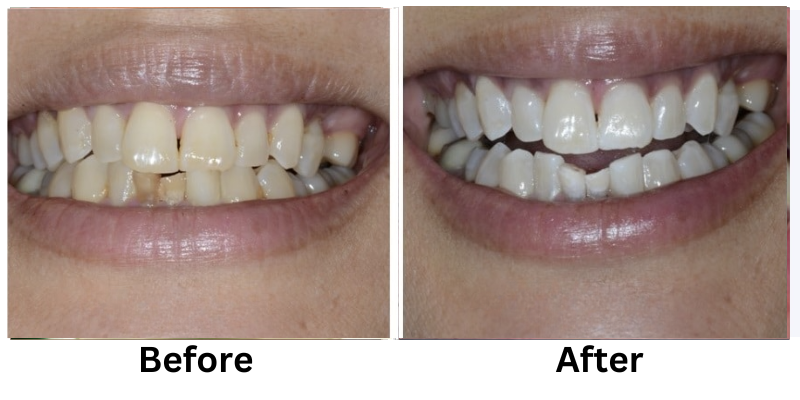
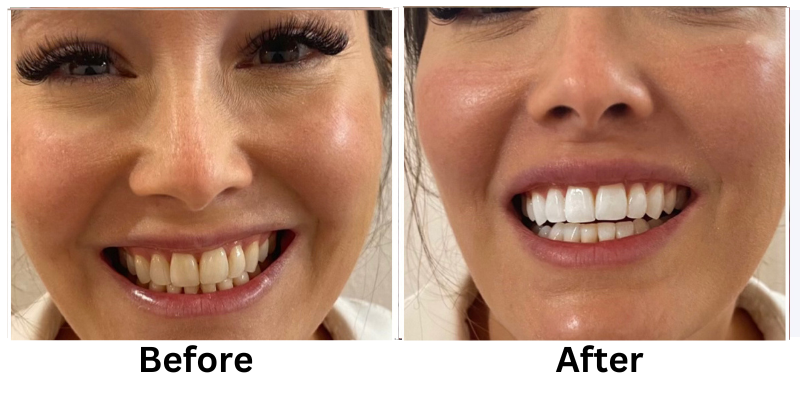
Contact your provider immediately with concerns about prolonged swelling, severe pain, or unusual symptoms. Proper aftercare and realistic expectations lead to satisfying aesthetic results. Learn more about lip filler aftercare and view before and after results at Slimming Solutions Med Spa.
![[thumb]](https://slimmingsolutionsspa.com/wp-content/uploads/2023/12/botox1-150x150.png)
![[thumb]](https://slimmingsolutionsspa.com/wp-content/uploads/2023/12/Before2-150x150.png)
![[thumb]](https://slimmingsolutionsspa.com/wp-content/uploads/2023/12/Before3-150x150.png)


![[thumb]](https://slimmingsolutionsspa.com/wp-content/uploads/2023/12/revanesse-versa-1-150x150.png)
![[thumb]](https://slimmingsolutionsspa.com/wp-content/uploads/2023/12/revanesse-versa-2-150x150.png)
![[thumb]](https://slimmingsolutionsspa.com/wp-content/uploads/2023/12/revanesse-versa-3-150x150.png)
![[thumb]](https://slimmingsolutionsspa.com/wp-content/uploads/2023/12/revanesse-versa-4-150x150.png)
![[thumb]](https://slimmingsolutionsspa.com/wp-content/uploads/2023/12/revanesse-versa-5-150x150.png)
![[thumb]](https://slimmingsolutionsspa.com/wp-content/uploads/2024/01/Eyebrow-treatment-1-1-150x150.png)
![[thumb]](https://slimmingsolutionsspa.com/wp-content/uploads/2023/12/Skin-Rejuvenation-1-150x150.png)
![[thumb]](https://slimmingsolutionsspa.com/wp-content/uploads/2023/12/Skin-Rejuvenation-2-150x150.png)


![[thumb]](https://slimmingsolutionsspa.com/wp-content/uploads/2024/01/Lip-Filler-1-150x150.png)
![[thumb]](https://slimmingsolutionsspa.com/wp-content/uploads/2024/01/Lip-Filler-2-150x150.png)
![[thumb]](https://slimmingsolutionsspa.com/wp-content/uploads/2025/02/Lip-Filler-1-150x150.png)
![[thumb]](https://slimmingsolutionsspa.com/wp-content/uploads/2024/01/Lip-Filler-150x150.jpg)
![[thumb]](https://slimmingsolutionsspa.com/wp-content/uploads/2024/01/Before-1-150x150.jpg)

![[thumb]](https://slimmingsolutionsspa.com/wp-content/uploads/2024/01/RHA-Treatmetn-3-150x150.png)
![[thumb]](https://slimmingsolutionsspa.com/wp-content/uploads/2024/01/RHA-Treatmetn-2-150x150.png)
![[thumb]](https://slimmingsolutionsspa.com/wp-content/uploads/2024/01/RHA-Treatmetn-1-150x150.png)
![[thumb]](https://slimmingsolutionsspa.com/wp-content/uploads/2024/01/Thread-Lifts-1-150x150.png)
![[thumb]](https://slimmingsolutionsspa.com/wp-content/uploads/2024/01/Thread-Lifts-2-150x150.png)
![[thumb]](https://slimmingsolutionsspa.com/wp-content/uploads/2025/02/Lip-Filler-2-150x150.png)

![[thumb]](https://slimmingsolutionsspa.com/wp-content/uploads/2023/12/skin-reuvulation1-150x150.png)
![[thumb]](https://slimmingsolutionsspa.com/wp-content/uploads/2023/12/skin-rejuvulation-2-150x150.png)
![[thumb]](https://slimmingsolutionsspa.com/wp-content/uploads/2023/12/Skin-Tighting-150x150.png)
![[thumb]](https://slimmingsolutionsspa.com/wp-content/uploads/2023/12/Before-150x150.jpg)
![[thumb]](https://slimmingsolutionsspa.com/wp-content/uploads/2023/12/weightloss-1-150x150.png)
![[thumb]](https://slimmingsolutionsspa.com/wp-content/uploads/2023/12/weightloss-2-150x150.png)
![[thumb]](https://slimmingsolutionsspa.com/wp-content/uploads/2023/12/2Weight-Loss-2-150x150.png)
![[thumb]](https://slimmingsolutionsspa.com/wp-content/uploads/2025/02/Weight-Loss-1-new-150x150.png)
![[thumb]](https://slimmingsolutionsspa.com/wp-content/uploads/2023/12/Weight-Loss-3-150x150.png)
![[thumb]](https://slimmingsolutionsspa.com/wp-content/uploads/2025/03/Slimming-Solutions-BA-Template-150x150.png)


![[thumb]](https://slimmingsolutionsspa.com/wp-content/uploads/2023/12/dat3-150x150.png)
![[thumb]](https://slimmingsolutionsspa.com/wp-content/uploads/2023/12/dat-0-150x150.png)
![[thumb]](https://slimmingsolutionsspa.com/wp-content/uploads/2023/12/dat-1-150x150.png)
![[thumb]](https://slimmingsolutionsspa.com/wp-content/uploads/2023/12/Before-1-150x150.png)

![[thumb]](https://slimmingsolutionsspa.com/wp-content/uploads/2024/01/EMS-Treatment-2-150x150.png)
![[thumb]](https://slimmingsolutionsspa.com/wp-content/uploads/2024/01/EMS-Treatment-1-150x150.png)
![[thumb]](https://slimmingsolutionsspa.com/wp-content/uploads/2025/02/ems-BNA-front-150x150.png)
![[thumb]](https://slimmingsolutionsspa.com/wp-content/uploads/2025/02/EMS-bna-SIDE-150x150.png)
![[thumb]](https://slimmingsolutionsspa.com/wp-content/uploads/2024/01/EMS-Treatment-6-150x150.png)