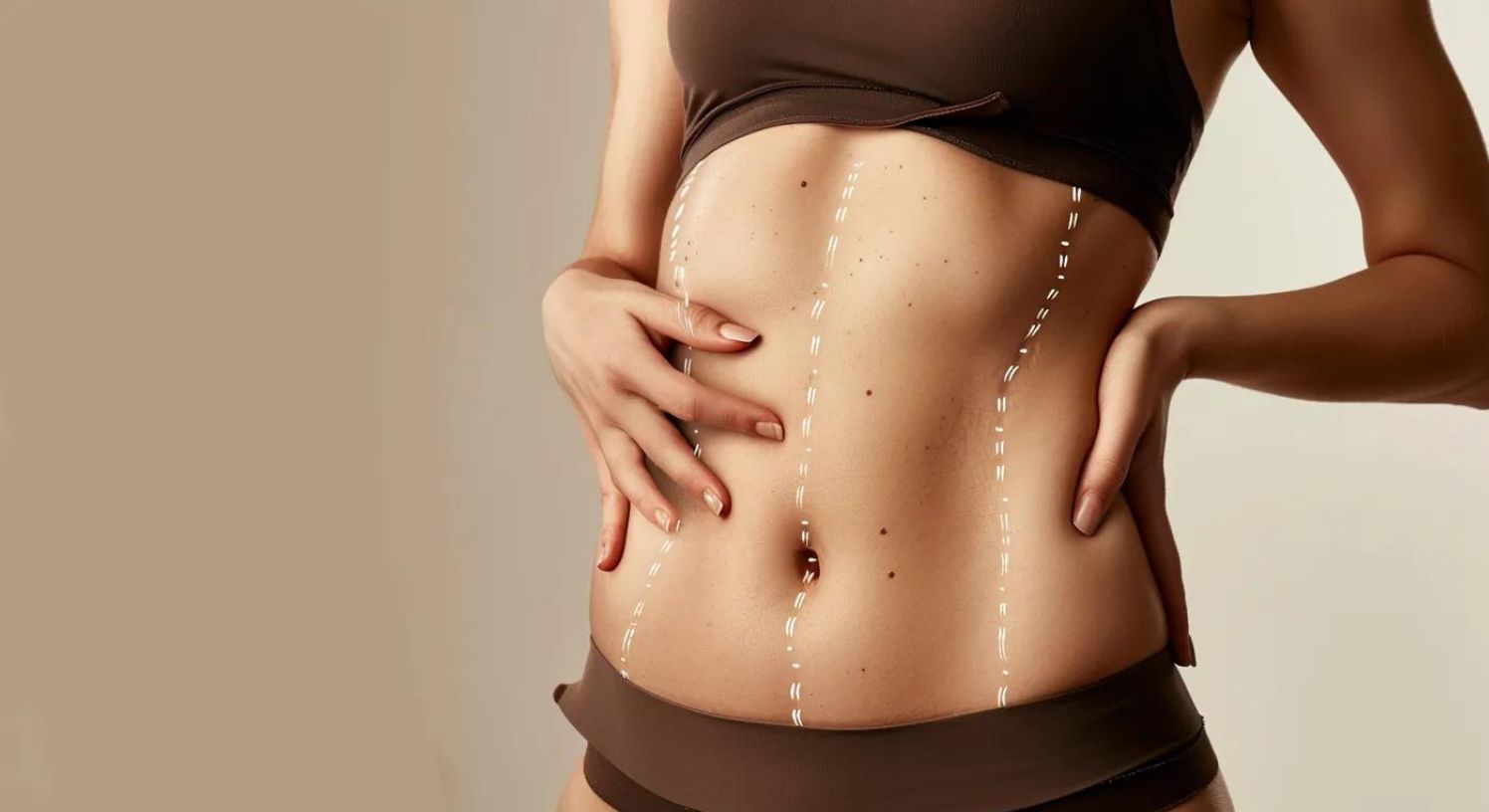

You can get a skinny shot once to twice per week for the best weight loss results. Most providers recommend weekly lipotropic injections as the standard frequency because the metabolic effects of each injection last approximately seven days before the body returns to its baseline level of fat metabolism. Some patients start with two to three shots per week during an initial intensive phase, then taper down to weekly maintenance injections as their metabolism improves. According to the ASPS 2024 Procedural Statistics Report, over 837,000 aesthetic patients were prescribed weight loss medications in 2024, reflecting the growing demand for medically supervised weight management solutions. This article covers how often you should get skinny shots, how long the effects last, what happens when you stop, and how to get the most out of each injection.
How Long Can You Take the Skinny Shot?
You can take the skinny shot for as long as your provider recommends, and there is no set maximum duration for treatment. Most patients receive weekly injections in cycles of 4 to 6 weeks, then reassess their progress with their provider before continuing. Because lipotropic injections contain natural vitamins, amino acids, and minerals like vitamin B12, methionine, inositol, and choline, they are considered safe for extended use under medical supervision.
The length of your treatment depends on your weight loss goals, how your body responds to the injections, and whether you are combining the shots with other weight management strategies. Some patients reach their target weight within 8 to 12 weeks and transition to monthly maintenance injections. Others with more significant weight loss goals may continue weekly treatments for several months.
A study referenced by the National Institutes of Health (NIH) noted that vitamin B12 deficiency is associated with higher body weight and fat mass, suggesting that ongoing supplementation can provide metabolic benefits even beyond the initial weight loss phase. The key is to work with a qualified provider who monitors your progress and adjusts your treatment plan as needed. At Slimming Solutions Med Spa, the team evaluates each patient’s response to treatment and customizes the injection schedule to maximize results while maintaining safety.
Does the Skinny Shot Really Work?
Yes, the skinny shot really works as a metabolic support tool when combined with a healthy diet and regular exercise. The ingredients in lipotropic injections, including methionine, inositol, choline, and vitamin B12, have documented roles in fat metabolism, liver function, and energy production. Most patients report losing 2 to 4 pounds per week during active treatment cycles.
It is important to set realistic expectations. Lipotropic injections are not a standalone weight loss solution. They work by enhancing the metabolic processes that your body already uses to break down and eliminate fat. Without changes to your diet and activity level, the injections alone are unlikely to produce significant results. A review published by Healthline noted that any weight loss experienced with lipotropic injections is likely driven more by the broader lifestyle changes than by the shots alone, though the metabolic boost they provide can make a meaningful difference for patients who are already putting in the effort.
The NIH has also found that carnitine supplementation, another common ingredient in lipotropic formulas, may support weight loss when combined with exercise and a balanced diet. For patients who want a more powerful weight loss intervention, GLP-1 weight loss treatments offer a clinically proven option. Clinical trials have shown that semaglutide can reduce body weight by 15% or more over 68 weeks. Some patients combine lipotropic injections with GLP-1 medications for a layered approach that addresses both appetite and fat metabolism.
Can I Get a Lipotropic Shot Twice a Week?
Yes, you can get a lipotropic shot twice a week in many cases, and some providers even recommend up to three injections per week during an initial intensive treatment phase. The frequency depends on your weight loss goals, your body’s response to the injections, and your provider’s recommendations. Vitamin B12, the primary energy-boosting component of most lipotropic formulas, is water-soluble and safe in higher quantities because the body naturally eliminates any excess.
Patients who receive twice-weekly injections often see faster initial results, particularly in energy levels and early fat mobilization. However, more frequent injections are not necessarily better for everyone. The additional cost of twice-weekly treatments adds up over a multi-week cycle, and some patients achieve comparable results with once-weekly injections combined with strong dietary compliance and consistent exercise.
Your provider will determine the right frequency based on your health assessment, BMI, metabolic profile, and goals. At Slimming Solutions Med Spa, the medical weight loss team creates personalized injection schedules that balance effectiveness with convenience. Some patients begin with twice-weekly injections for the first two weeks, then transition to weekly maintenance as their metabolism responds.
How Fast Does the Skinny Shot Work?
The skinny shot works fast in terms of its energy-boosting effects, with most patients noticing increased energy and improved mental clarity within 24 to 48 hours of their first injection. The fat metabolism and weight loss benefits take longer to become visible, with most patients seeing measurable results within 2 to 4 weeks of consistent weekly treatments.
The vitamin B12 in the injection provides an almost immediate energy boost because it goes directly into the bloodstream, bypassing the digestive system for rapid absorption. This is significantly more effective than oral B12 supplements, which lose a substantial portion of their potency during digestion. The lipotropic compounds, including methionine, inositol, and choline, begin supporting liver fat processing right away but need several treatment cycles to produce visible changes in body composition.
Most patients see their best results after 4 to 6 weeks of regular injections combined with a healthy lifestyle. According to the CDC, a safe and sustainable weight loss target is 1 to 2 pounds per week. With the added metabolic support from lipotropic injections, many patients exceed this rate, averaging 2 to 4 pounds per week. The initial weeks often show faster weight loss as the body sheds water weight, followed by a steadier pace of fat loss as treatment continues.
What Happens When You Stop Taking Skinny Shots?
When you stop taking skinny shots, the enhanced metabolic effects of the injections gradually wear off over approximately one to two weeks as the vitamins and amino acids are used up by the body. Your metabolism returns to its natural baseline level. The weight you have already lost does not automatically come back, but without continued metabolic support, it becomes more important than ever to maintain your healthy eating and exercise habits.
The CDC recommends preventing weight regain by exercising regularly, eating a balanced diet, and maintaining consistent eating habits. Patients who built strong lifestyle habits during their injection treatment cycle are much more likely to keep the weight off long term. Patients who relied heavily on the injections without making meaningful changes to their diet and exercise routine are at higher risk for weight regain.
Many patients choose to transition from weekly treatment injections to monthly maintenance shots after reaching their goal weight. This approach provides an ongoing metabolic boost and energy support while reducing the frequency and cost of treatment. For patients who find that their metabolism slows significantly after stopping injections, underlying hormonal imbalances may be a contributing factor. Hormone replacement therapy can help address conditions like thyroid dysfunction, insulin resistance, or cortisol imbalance that commonly interfere with sustained weight management.
Is the Skinny Shot Like Ozempic?
No, the skinny shot is not like Ozempic. The skinny shot (lipotropic injection) is a nutrient-based metabolic support containing vitamins and amino acids like B12, methionine, inositol, and choline. Ozempic (semaglutide) is a prescription GLP-1 receptor agonist drug that suppresses appetite, slows stomach emptying, and regulates blood sugar through a completely different pharmaceutical mechanism.
The two treatments differ significantly in how they work, their strength, their cost, and their side effects. Lipotropic injections enhance fat metabolism without affecting appetite or blood sugar. Ozempic directly reduces hunger and calorie intake. Clinical trials showed that semaglutide reduced body weight by an average of 15% over 68 weeks. According to a Gallup survey, 12.4% of U.S. adults were taking GLP-1 drugs for weight loss in late 2025, more than double the 5.8% reported in February 2024. The global GLP-1 weight loss drug market was valued at $13.84 billion in 2024 and is projected to reach $48.84 billion by 2030, according to Grand View Research.
Lipotropic injections cost significantly less than Ozempic and do not require a prescription. They are best for patients who want a mild to moderate metabolic boost alongside diet and exercise. Ozempic is better suited for patients with obesity or overweight conditions who need more substantial appetite suppression and weight loss. Slimming Solutions Med Spa offers GLP-1 weight loss treatments for patients who qualify, as well as lipotropic slimming shots for those who prefer a nutrient-based approach.
How Much Weight Do You Lose With a Skinny Shot?
Most patients lose 2 to 4 pounds per week with a skinny shot when the injections are combined with a healthy diet and regular exercise. Over a typical 4- to 6-week treatment cycle, this translates to 8 to 24 pounds of total weight loss. Patients with a higher starting BMI often see faster initial results, with some losing 5 to 8 pounds in the first week from a combination of water weight and early fat mobilization.
The ASPS 2024 report showed that patient demand for weight management solutions remained strong throughout 2024, with over 837,000 aesthetic patients utilizing prescribed weight loss medications. While lipotropic injections are not prescription drugs, they are part of the same growing trend of medically supervised approaches to weight management that are producing measurable results across the population. According to Gallup’s National Health and Well-Being Index, the U.S. obesity rate dropped to 37% from a high of 39.9% three years ago.
A reasonable and healthy goal with lipotropic injections is to lose about 10% of your starting body weight over a period of 4 to 6 months. Losing weight too rapidly can lead to nutrient deficiencies and other health issues. The team at Slimming Solutions Med Spa monitors each patient’s progress and adjusts the treatment plan to maintain a safe and effective rate of weight loss.
Who Should Not Take Lipotropic Injections?
People who should not take lipotropic injections include those with known allergies to any of the injection’s ingredients, pregnant or breastfeeding women, and patients with certain medical conditions that could be affected by the specific nutrients in the formula. If the injection contains semaglutide or tirzepatide, patients with a personal or family history of medullary thyroid cancer or multiple endocrine neoplasia type 2 should not receive it.
Patients taking monoamine oxidase inhibitors (MAOIs) or those with a history of cardiovascular disease, hyperthyroidism, or glaucoma should avoid lipotropic injections that contain prescription components like phentermine. Standard lipotropic formulas containing only vitamins, minerals, and amino acids are generally safe for most adults, but a thorough medical evaluation before starting treatment is always recommended.
The FDA has warned against the use of non-FDA-approved lipolysis injections and has received reports of adverse reactions including skin inflammation and hard nodules at injection sites. This is why it is critical to receive lipotropic injections from a licensed medical provider who uses properly compounded formulas. A free consultation at Slimming Solutions Med Spa includes a review of your medical history, current medications, and health conditions to determine if lipotropic injections are safe and appropriate for you.
Why Am I Not Losing Weight With the Skinny Shot?
If you are not losing weight with the skinny shot, the most common reasons are insufficient dietary changes, lack of consistent exercise, hormonal imbalances, or metabolic conditions that are interfering with fat breakdown. Lipotropic injections support and enhance weight loss, but they cannot overcome a calorie surplus or a sedentary lifestyle on their own.
Hormonal factors are a frequently overlooked barrier. Conditions like hypothyroidism, insulin resistance, elevated cortisol from chronic stress, and estrogen dominance can all cause the body to hold onto fat even when diet and exercise are on track. A 2023 study published in a medical journal found that vitamin B12 levels were significantly lower in people who were obese and overweight, suggesting that nutritional deficiencies can both cause and be caused by excess weight, creating a cycle that is hard to break without targeted intervention.
If your weight loss has stalled despite consistent injection treatments and lifestyle efforts, ask your provider about diagnostic testing. Blood work to assess thyroid function, insulin levels, hormone balance, and vitamin deficiencies can reveal underlying issues. At Slimming Solutions Med Spa, the medical weight loss team offers comprehensive metabolic assessments to identify and address these barriers. Treatments like hormone replacement therapy, peptide therapy, and GLP-1 medications can be added to the plan if lipotropic injections alone are not producing the expected results.
Does the Skinny Shot Cause Hair Loss?
The skinny shot does not typically cause hair loss. In fact, the vitamins and nutrients in lipotropic injections, particularly vitamin B12 and the amino acid methionine, are generally supportive of healthy hair growth. Vitamin B12 plays a role in red blood cell production, which supports the delivery of oxygen and nutrients to hair follicles.
However, rapid weight loss from any cause, including diet programs combined with lipotropic injections, can sometimes trigger temporary hair shedding known as telogen effluvium. This occurs when the body experiences a significant calorie deficit or stress response, causing more hair follicles to enter the resting phase and shed at the same time. This type of hair loss is temporary and typically resolves within a few months once the body adjusts to its new weight and nutritional intake stabilizes.
If you experience hair thinning during a weight loss program, it is important to make sure you are consuming enough protein, iron, biotin, and other nutrients that support hair health. The vitamin injections offered at Slimming Solutions Med Spa can help address nutritional gaps that may contribute to hair thinning during active weight loss.
Do You Gain Weight Back After Stopping Lipotropic Injections?
You can gain weight back after stopping lipotropic injections if you return to unhealthy eating habits and stop exercising regularly. The injections provide a temporary metabolic boost, and once that support is removed, your metabolism returns to its natural rate. If you have not made lasting changes to your diet and lifestyle during the treatment period, the conditions that led to weight gain in the first place will still be present.
The CDC emphasizes that sustainable weight management requires ongoing healthy habits including regular physical activity, a balanced diet, and consistent portion control. Patients who use the injection treatment period as an opportunity to build lasting habits have the best long-term success. The injections can serve as a powerful “jumpstart” that provides the energy, motivation, and metabolic support needed to establish new routines.
Transitioning to monthly maintenance injections after reaching your goal weight can help sustain results while reducing cost and visit frequency. Some patients also find success combining occasional lipotropic maintenance shots with other supportive treatments like vitamin injections or hormone therapy to keep their metabolism running efficiently long term.
Skinny Shot Treatment Schedule Comparison
The frequency and duration of skinny shot treatments vary based on your goals, starting weight, and provider recommendations. Below is a comparison of common treatment schedules and the results you can expect from each approach.
| Treatment Schedule | Injection Frequency | Typical Duration | Expected Weight Loss | Best For |
|---|---|---|---|---|
| Intensive Kickstart | 2 – 3x per week | 2 – 4 weeks | 4 – 8 lbs per week (includes water weight) | Patients with 30+ lbs to lose who want fast early results |
| Standard Weekly | 1x per week | 4 – 6 weeks per cycle | 2 – 4 lbs per week | Most patients seeking steady, consistent fat loss |
| Extended Program | 1x per week | 8 – 16 weeks | 2 – 4 lbs per week (20 – 40+ lbs total) | Patients with significant weight loss goals |
| Maintenance | 1x per month | Ongoing | Weight maintenance and energy support | Patients who have reached their goal weight |
| Combined with GLP-1 | 1x per week (lipo) + weekly GLP-1 | 12 – 16+ weeks | 3 – 5+ lbs per week | Patients who need both appetite control and metabolic support |
Sources: CDC safe weight loss guidelines (1-2 lbs/week baseline), patient-reported averages from weight loss clinics, clinical trial data on semaglutide (15%+ body weight reduction over 68 weeks), Healthline lipotropic injection review
What Shrinks Belly Fat the Fastest?
The approach that shrinks belly fat the fastest is combining a calorie-controlled diet, regular cardiovascular and strength training exercise, and medically supervised support like lipotropic injections or GLP-1 weight loss treatments. No single method can spot-reduce belly fat, but this combination creates the optimal metabolic environment for the body to burn stored abdominal fat.
According to the World Obesity Federation’s 2025 Atlas, the global number of adults living with obesity is projected to reach 1.13 billion by 2030, a 115% increase from 2010 levels. Belly fat, specifically visceral fat that wraps around internal organs, is one of the most dangerous forms of excess weight, linked to increased risk of heart disease, type 2 diabetes, and metabolic syndrome. Reducing calorie intake by 500 calories per day while maintaining physical activity produces a safe loss of 1 to 2 pounds per week, according to the CDC.
Adding lipotropic injections enhances the liver’s ability to process and eliminate fat. For patients who qualify, GLP-1 weight loss treatments provide even stronger results through appetite suppression and blood sugar regulation. For targeted fat reduction in stubborn belly areas that do not respond to diet and exercise, non-surgical body sculpting can complement the metabolic benefits of injectable weight loss treatments.
Frequently Asked Questions
How Fast Can You Lose 20 Pounds on Ozempic?
You can lose 20 pounds on Ozempic in approximately 3 to 5 months, depending on your starting weight, dosage, diet, and exercise habits. Clinical trials have shown that semaglutide (the active ingredient in Ozempic) can reduce body weight by an average of 15% over 68 weeks. The rate of weight loss tends to be faster in the first few months and then slows as the body adjusts. According to a Gallup survey, 12.4% of U.S. adults were using GLP-1 drugs for weight loss in late 2025, reflecting the strong real-world results these medications produce.
Can I Lose 50 Pounds in 3 Months on Ozempic?
No, losing 50 pounds in 3 months on Ozempic is not a realistic or safe expectation. The CDC recommends a safe weight loss rate of 1 to 2 pounds per week, which translates to 12 to 24 pounds over three months. Even with the appetite-suppressing effects of semaglutide, losing 50 pounds typically takes 6 to 12 months or more under medical supervision. Losing weight too rapidly can cause nutrient deficiencies, muscle loss, and other health complications.
What Does Going Off Ozempic Do to Your Body?
Going off Ozempic causes the appetite-suppressing and blood sugar-regulating effects of semaglutide to gradually wear off over one to two weeks. Many patients experience a return of hunger and cravings, which can lead to weight regain if healthy eating habits are not maintained. A study presented at a major medical conference found that patients who stopped semaglutide regained approximately two-thirds of the weight they had lost within one year of discontinuation. This is why most providers recommend a structured plan for transitioning off the medication.
Do I Need To Stay on Ozempic Forever?
You do not necessarily need to stay on Ozempic forever, but many patients require long-term or ongoing treatment to maintain their weight loss results. Obesity is classified as a chronic disease, and like other chronic conditions, it often requires ongoing management. Some patients successfully transition off Ozempic by building strong diet and exercise habits during treatment. Others find that they need continued medication to prevent weight regain. A medical weight loss provider can help you develop a long-term plan.
What Foods Should You Avoid While Taking Semaglutide?
Foods you should avoid while taking semaglutide include high-fat fried foods, sugary beverages, processed snacks, and large portions of heavy, greasy meals. These foods can worsen common side effects like nausea, bloating, and stomach discomfort because semaglutide slows stomach emptying. Focus on lean proteins, vegetables, fruits, whole grains, and plenty of water to support your weight loss and minimize side effects.
Why Do So Many People Quit Ozempic?
Many people quit Ozempic because of side effects like nausea, vomiting, diarrhea, and constipation, which are common especially during the dose escalation phase. Cost is another major factor. Without insurance coverage, Ozempic can cost approximately $500 or more per month out of pocket. According to a report, about 55% of commercial employers currently cover GLP-1s for obesity, but 15% of those have dropped coverage due to unsustainable costs. Supply shortages have also forced some patients to discontinue treatment involuntarily.
What Organ Is Ozempic Hard On?
Ozempic is hardest on the pancreas and the gastrointestinal system. The most common side effects of semaglutide, including nausea, vomiting, and diarrhea, are related to its effects on the digestive tract. In rare cases, semaglutide has been associated with pancreatitis (inflammation of the pancreas). The FDA labeling for Ozempic includes a boxed warning about the risk of thyroid C-cell tumors, based on findings in animal studies. Patients with a history of pancreatitis or thyroid cancer should discuss these risks with their provider before starting treatment.
Final Thoughts
Skinny shots are a safe, affordable, and effective way to boost your metabolism, increase your energy, and support your weight loss goals when combined with a healthy diet and regular exercise. Most patients get the best results with weekly injections over a 4- to 6-week cycle, losing 2 to 4 pounds per week. The key to long-term success is using the treatment period to build lasting healthy habits that sustain your results after the injections end.
If you are ready to add lipotropic skinny shots to your weight management plan, Slimming Solutions Med Spa offers free consultations to evaluate your health, identify any metabolic barriers, and create a personalized treatment plan. The team provides lipotropic slimming shots, vitamin injections, GLP-1 weight loss treatments, and comprehensive medical weight loss programs tailored to each patient’s unique needs. Call today or request a consultation to get started on your weight loss journey.
![[thumb]](https://slimmingsolutionsspa.com/wp-content/uploads/2023/12/botox1-150x150.png)
![[thumb]](https://slimmingsolutionsspa.com/wp-content/uploads/2023/12/Before2-150x150.png)
![[thumb]](https://slimmingsolutionsspa.com/wp-content/uploads/2023/12/Before3-150x150.png)


![[thumb]](https://slimmingsolutionsspa.com/wp-content/uploads/2023/12/revanesse-versa-1-150x150.png)
![[thumb]](https://slimmingsolutionsspa.com/wp-content/uploads/2023/12/revanesse-versa-2-150x150.png)
![[thumb]](https://slimmingsolutionsspa.com/wp-content/uploads/2023/12/revanesse-versa-3-150x150.png)
![[thumb]](https://slimmingsolutionsspa.com/wp-content/uploads/2023/12/revanesse-versa-4-150x150.png)
![[thumb]](https://slimmingsolutionsspa.com/wp-content/uploads/2023/12/revanesse-versa-5-150x150.png)
![[thumb]](https://slimmingsolutionsspa.com/wp-content/uploads/2024/01/Eyebrow-treatment-1-1-150x150.png)
![[thumb]](https://slimmingsolutionsspa.com/wp-content/uploads/2023/12/Skin-Rejuvenation-1-150x150.png)
![[thumb]](https://slimmingsolutionsspa.com/wp-content/uploads/2023/12/Skin-Rejuvenation-2-150x150.png)


![[thumb]](https://slimmingsolutionsspa.com/wp-content/uploads/2024/01/Lip-Filler-1-150x150.png)
![[thumb]](https://slimmingsolutionsspa.com/wp-content/uploads/2024/01/Lip-Filler-2-150x150.png)
![[thumb]](https://slimmingsolutionsspa.com/wp-content/uploads/2025/02/Lip-Filler-1-150x150.png)
![[thumb]](https://slimmingsolutionsspa.com/wp-content/uploads/2024/01/Lip-Filler-150x150.jpg)
![[thumb]](https://slimmingsolutionsspa.com/wp-content/uploads/2024/01/Before-1-150x150.jpg)

![[thumb]](https://slimmingsolutionsspa.com/wp-content/uploads/2024/01/RHA-Treatmetn-3-150x150.png)
![[thumb]](https://slimmingsolutionsspa.com/wp-content/uploads/2024/01/RHA-Treatmetn-2-150x150.png)
![[thumb]](https://slimmingsolutionsspa.com/wp-content/uploads/2024/01/RHA-Treatmetn-1-150x150.png)
![[thumb]](https://slimmingsolutionsspa.com/wp-content/uploads/2024/01/Thread-Lifts-1-150x150.png)
![[thumb]](https://slimmingsolutionsspa.com/wp-content/uploads/2024/01/Thread-Lifts-2-150x150.png)
![[thumb]](https://slimmingsolutionsspa.com/wp-content/uploads/2025/02/Lip-Filler-2-150x150.png)

![[thumb]](https://slimmingsolutionsspa.com/wp-content/uploads/2023/12/skin-reuvulation1-150x150.png)
![[thumb]](https://slimmingsolutionsspa.com/wp-content/uploads/2023/12/skin-rejuvulation-2-150x150.png)
![[thumb]](https://slimmingsolutionsspa.com/wp-content/uploads/2023/12/Skin-Tighting-150x150.png)
![[thumb]](https://slimmingsolutionsspa.com/wp-content/uploads/2023/12/Before-150x150.jpg)
![[thumb]](https://slimmingsolutionsspa.com/wp-content/uploads/2023/12/weightloss-1-150x150.png)
![[thumb]](https://slimmingsolutionsspa.com/wp-content/uploads/2023/12/weightloss-2-150x150.png)
![[thumb]](https://slimmingsolutionsspa.com/wp-content/uploads/2023/12/2Weight-Loss-2-150x150.png)
![[thumb]](https://slimmingsolutionsspa.com/wp-content/uploads/2025/02/Weight-Loss-1-new-150x150.png)
![[thumb]](https://slimmingsolutionsspa.com/wp-content/uploads/2023/12/Weight-Loss-3-150x150.png)
![[thumb]](https://slimmingsolutionsspa.com/wp-content/uploads/2025/03/Slimming-Solutions-BA-Template-150x150.png)


![[thumb]](https://slimmingsolutionsspa.com/wp-content/uploads/2023/12/dat3-150x150.png)
![[thumb]](https://slimmingsolutionsspa.com/wp-content/uploads/2023/12/dat-0-150x150.png)
![[thumb]](https://slimmingsolutionsspa.com/wp-content/uploads/2023/12/dat-1-150x150.png)
![[thumb]](https://slimmingsolutionsspa.com/wp-content/uploads/2023/12/Before-1-150x150.png)

![[thumb]](https://slimmingsolutionsspa.com/wp-content/uploads/2024/01/EMS-Treatment-2-150x150.png)
![[thumb]](https://slimmingsolutionsspa.com/wp-content/uploads/2024/01/EMS-Treatment-1-150x150.png)
![[thumb]](https://slimmingsolutionsspa.com/wp-content/uploads/2025/02/ems-BNA-front-150x150.png)
![[thumb]](https://slimmingsolutionsspa.com/wp-content/uploads/2025/02/EMS-bna-SIDE-150x150.png)
![[thumb]](https://slimmingsolutionsspa.com/wp-content/uploads/2024/01/EMS-Treatment-6-150x150.png)