Most people get Botox every three to four months to maintain smooth results. The effects typically last around three months before muscles start moving again and lines begin to reappear. Some people stretch it to four or even five months, while others come back sooner. Your ideal schedule depends on how your body breaks down the product, how strong your facial muscles are, and how long you want to maintain your results.
In this article, we’ll cover everything about Botox timing. You’ll learn how long results last, when to schedule your next appointment, and how to create a maintenance plan that works for your lifestyle and budget.
How Long Does Botox Actually Last?
Botox effects typically last three to four months for most people. The product starts working within a few days after injection, reaches full effect around two weeks, and then gradually wears off over the following months.
According to the American Society of Plastic Surgeons, Botox was performed over 7.4 million times in 2022, making it the most popular minimally invasive cosmetic procedure. Part of its appeal is the predictable timeline.
Here’s what happens: Botox works by temporarily blocking signals between nerves and muscles. The muscle can’t contract as strongly, so the skin above it stays smooth. Over time, your body naturally breaks down the product and those nerve signals reconnect. Muscles start moving again, and lines gradually come back.
The three-to-four-month range is average, not a guarantee. Some people metabolize Botox faster and see results fade sooner. Others get longer-lasting effects. Your metabolism, muscle strength, dosage, and injection technique all play a role.
We track results with our clients here in Lee’s Summit to help them find their personal sweet spot for scheduling.
What Affects How Long Botox Lasts?
Several factors influence how long your results stick around. Metabolism is a big one. If you have a fast metabolism, your body breaks down Botox quicker. People who exercise intensely or have very active lifestyles sometimes notice shorter duration.
Muscle strength matters too. Stronger facial muscles require more product and may break down Botox faster. If you have deep expression lines from years of muscle movement, you might need touch-ups more often at first.
The area being treated makes a difference. Forehead lines and crow’s feet often last the standard three to four months. Frown lines between the eyebrows sometimes last a bit longer because that muscle is smaller and doesn’t move as much throughout the day.
Dosage and technique count. Getting the right amount of Botox in the right spots helps results last longer. Too little product means shorter duration. Proper injection technique makes sure the product stays where it should and works efficiently.
According to research published in the Journal of Cosmetic Dermatology, first-time Botox users often experience shorter duration compared to people who maintain regular treatments. Your body adapts over time.
Age plays a small role too. Younger skin with less sun damage may hold results a bit longer than older skin that’s thinner and more fragile.
Thinking about trying Botox for the first time? Schedule a consultation and we can talk through what to expect based on your specific situation.
How Long Should You Wait Between Botox?
Wait at least three months between Botox treatments. Most people schedule their next appointment around the three-to-four-month mark when they notice lines starting to come back.
Going too often can cause problems. Your body might develop antibodies to the product, making it less effective over time. Spacing treatments properly keeps your body responsive to Botox.
Some people wait until their results completely wear off before booking again. Others like to stay ahead of it and come back right when they notice the first signs of movement returning. Both approaches work fine.
Here’s a simple breakdown of typical timing:
| Time After Treatment | What Happens | Action Needed |
|---|---|---|
| 3-5 days | Results start showing | None, be patient |
| 2 weeks | Full effects visible | None, enjoy results |
| 3 months | Lines may start returning | Consider rebooking |
| 4 months | Most results have faded | Time for maintenance |
We recommend scheduling your next appointment when you’re about 75% satisfied with your results. That keeps you looking consistent without letting everything wear off completely.
If you’re in the Kansas City area and want help figuring out your ideal timing, contact us and we’ll help you create a schedule that makes sense.
What Is the Best Botox Schedule?
The best schedule is one you can stick to consistently. For most people, that means appointments every three to four months. Regular treatments keep your results smooth and prevent deep lines from reforming.
Some people prefer a fixed schedule, like getting Botox the first week of every third month. Others book their next appointment at each visit based on how long their last treatment lasted. Both methods work.
Consistency matters more than perfection. If you get Botox regularly, your muscles stay relaxed longer. Over time, you might find you need less product or that results last a bit longer because the muscle isn’t contracting as forcefully.
According to the American Academy of Dermatology, patients who maintain regular Botox schedules often report better long-term results compared to those who stop and start treatments sporadically.
Many clients here in Lee’s Summit set up standing appointments every 12 to 14 weeks. That keeps them on track without having to remember to call and schedule.
If your lifestyle or budget doesn’t allow for treatments every three months, that’s okay. Come in when you can. Botox doesn’t stop working just because you take a break. You’ll just see your baseline lines return until your next treatment.
Can You Get Botox Every 2 Months?
You can, but most providers recommend waiting at least three months. Getting Botox every two months is generally too frequent and offers minimal benefit.
Your body needs time to process the previous treatment. Injecting too often increases the chance of developing resistance, where your body creates antibodies that make Botox less effective.
There are rare exceptions. Some people are fast metabolizers and truly see results fade in eight to ten weeks. In those cases, treatments every two to two and a half months might make sense. But that’s uncommon.
If you feel like your Botox is wearing off too quickly, talk to your provider before shortening your schedule. You might need a higher dose or adjustments to injection technique rather than more frequent appointments.
A study in Dermatologic Surgery found that patients receiving Botox more frequently than every 12 weeks did not experience significantly better outcomes and faced higher risks of reduced effectiveness over time.
We assess each client individually here at Slimming Solutions Med Spa. If someone’s results are fading unusually fast, we look at dosage and placement before recommending more frequent visits.
Want to figure out if your schedule needs adjusting? Request a consultation and let’s take a look at what’s happening with your results.
Does Botox Last Longer Over Time?
Yes, for many people Botox does last longer with consistent use. This happens because regular treatments train your muscles to relax. Over time, you’re not contracting those muscles as strongly, so wrinkles don’t form as deeply.
Think of it like breaking a habit. When you repeatedly stop a muscle from moving, it becomes weaker and less active. You might eventually need less product or find that results last closer to five or six months instead of three.
According to the International Society of Aesthetic Plastic Surgery, patients who maintain regular Botox schedules for several years often report gradually increasing duration between treatments.
This doesn’t happen for everyone, and it’s not immediate. You’ll need at least a year or two of consistent treatments before noticing any difference in how long results last.
Some areas respond better than others. Forehead lines and crow’s feet often show this pattern. Deep frown lines between the eyebrows may take longer to soften because that muscle is used frequently.
The preventive effect is real too. People who start getting Botox in their late 20s or early 30s often find they need less product in their 40s and 50s because they prevented deep wrinkles from forming in the first place.
How Often for Botox Maintenance?
Maintenance Botox happens every three to four months for most people. Once you’ve established your baseline and know how your body responds, you can settle into a regular routine.
Your first treatment is a test run. We see how your muscles respond, how long results last, and whether you need any adjustments. Your second treatment fine-tunes things. By your third or fourth treatment, you’ll have a good sense of your personal timeline.
Maintenance isn’t one-size-fits-all. Some clients come every 12 weeks like clockwork. Others stretch it to 16 or even 20 weeks. We work with your schedule and budget.
If you’re treating multiple areas, you might need different schedules for each. For example, crow’s feet might need touch-ups every three months, while forehead lines last four months. We can adjust treatments accordingly.
Life changes affect maintenance too. Stress, illness, weight loss, and hormonal shifts can all impact how long Botox lasts. If you notice your results wearing off faster than usual, let us know.
Our team in Lee’s Summit helps clients stay on track with maintenance by sending appointment reminders and checking in when it’s time to rebook. We make it easy to keep up with your schedule.
Curious about setting up a maintenance plan? Contact us and we’ll walk you through how it works.
When Should I Rebook Botox?
Rebook Botox when you start noticing movement coming back or when lines begin to reappear. For most people, that’s around the three-month mark.
Don’t wait until your results are completely gone. Booking while you still have some smoothness helps maintain consistent results. Think of it like getting your hair colored before the roots get too obvious.
Some signs it’s time to rebook: you can furrow your brow more easily, forehead lines are showing up again when you raise your eyebrows, or crow’s feet are visible when you smile. If you’re looking in the mirror and thinking “I need a touch-up,” it’s probably time.
We typically schedule follow-up appointments at the end of each visit. That way, you’re already on the books and don’t have to remember to call later. You can always move the appointment if needed.
According to data from the American Society of Plastic Surgeons, patients who maintain regular appointment schedules report higher satisfaction with their results compared to those who wait too long between treatments.
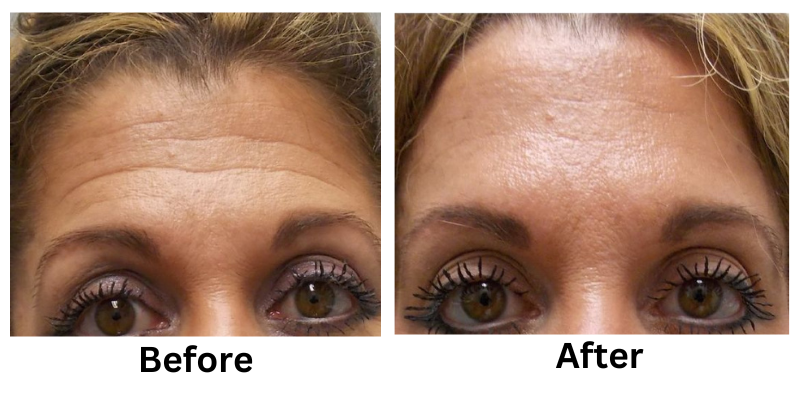
If you’re unsure about timing, take photos. Compare how your face looks right after treatment, at six weeks, at three months, and when you think you need a touch-up. Photos help you see exactly when results start fading.
Many of our Kansas City clients set phone reminders for 10 to 11 weeks after treatment. That gives them a heads-up to check their results and schedule their next visit before they’re completely worn off.
Creating Your Personal Botox Schedule
Your personal schedule depends on your goals, budget, and how your body responds to treatment. Start with the standard three-to-four-month timeline and adjust from there.
Track your results. Note when you get treatment, when you see full effects, and when you first notice things wearing off. After two or three rounds, you’ll have enough data to predict your ideal schedule.
Consider your lifestyle. If you have a big event coming up, schedule Botox two weeks before so you’re at peak results. If you travel frequently, plan treatments during times when you’ll be home for follow-up if needed.
Budget matters too. Botox cost adds up when you’re getting treatments every three months. Some people opt for longer intervals to make it more affordable. Others prioritize it in their budget and stay on a tight schedule.
Think about what bothers you most. If one area fades faster than others, you can treat just that area between full-face appointments. We do this often with frown lines, which some people want to keep smooth year-round.
Here’s what a typical first-year schedule might look like:
| Appointment | Timing | Purpose |
|---|---|---|
| First treatment | Week 0 | Establish baseline |
| Second treatment | Week 12-14 | Fine-tune dosage |
| Third treatment | Week 24-28 | Lock in schedule |
| Fourth treatment | Week 36-40 | Maintain results |
Want help building your personal Botox plan? Request a consultation and we’ll create a schedule that fits your needs.
What Happens If You Stop Getting Botox?
Nothing bad happens if you stop. Your face just goes back to how it looked before you started. Lines and wrinkles gradually return as your muscles regain full movement.
Botox doesn’t damage your skin or make aging worse. You won’t suddenly look older than you would have if you’d never gotten Botox in the first place. You simply return to your baseline.
Some people worry that stopping will make them look worse, but that’s not how it works. Your face returns to normal over a few months. If anything, you might have slightly fewer wrinkles than before because your muscles were relaxed for a period of time.
According to research in the Journal of Drugs in Dermatology, patients who discontinue Botox treatments after years of regular use do not experience accelerated aging or worsening of wrinkles beyond their natural progression.
Many people take breaks from Botox for various reasons: budget, pregnancy, personal preference, or just wanting a change. That’s completely fine. You can always start again later.
We have clients here in Lee’s Summit who do Botox seasonally. They get treatments before summer or before the holidays, then take breaks during slower social periods. There’s no wrong way to approach it.
Can You Mix Botox With Other Treatments?
Yes, Botox works well with other treatments. Many people combine it with dermal fillers for full-face rejuvenation. Botox smooths expression lines while fillers restore volume. Botox and fillers can be used together in the same visit.
Botox also pairs well with skin treatments like chemical peels, microneedling, and laser resurfacing. These treatments improve skin texture and tone, while Botox addresses muscle movement and wrinkles.
Timing matters when combining treatments. Some providers recommend waiting a day or two between Botox and other facial procedures to let the product settle. We can coordinate treatments to give you the best results with minimal downtime.
Many of our clients schedule Botox maintenance appointments alongside other services. For example, they might get Botox every three months and add a facial treatment or microdermabrasion at alternating visits.
If you’re interested in combining treatments, let us know during your consultation. We’ll help you put together a plan that addresses all your skin concerns without overloading your schedule or budget.
Common Scheduling Mistakes to Avoid
Don’t wait too long between treatments. If you let Botox completely wear off every time, you’re starting from scratch with each appointment. Muscles get stronger again, and lines deepen. Maintaining some level of relaxation between treatments gives better long-term results.
Don’t schedule treatments too close together. Going every six to eight weeks is overkill for most people and increases the risk of developing resistance. Stick to three months minimum unless your provider specifically recommends otherwise.
Don’t skip appointments because lines aren’t “bad enough yet.” Botox works best as prevention. Waiting until wrinkles are deep and set in means you’ll need more product and more time to see improvement.
Don’t assume your schedule will never change. Your body changes over time. What worked in your 30s might need adjustment in your 40s. Stay flexible and communicate with your provider about what you’re noticing.
Don’t compare your schedule to someone else’s. Your friend might need treatments every four months while you need them every three. Everyone’s different. Focus on what works for your face and your goals.
Ready to avoid these mistakes and set up a schedule that actually works? Contact us and let’s talk through your options.
How to Remember Your Botox Appointments
Set up a system that works for you. Many people add appointments to their phone calendar with reminders starting two weeks before. That gives you time to rebook if you need to adjust the date.
Schedule your next appointment before you leave each visit. Most offices, including ours at Slimming Solutions Med Spa, will book your next session while you’re checking out. You can always move it if needed, but at least you have it on the books.
Sign up for appointment reminders if your provider offers them. Text and email reminders help you stay on track, especially if you scheduled months in advance.
Link Botox appointments to other recurring events. Some people always go the week after their birthday. Others schedule treatments at the start of each season. Having a pattern makes it easier to remember.
Take before-and-after photos at each appointment. Seeing the difference helps motivate you to keep up with maintenance. Plus, photos help you and your provider track how long results are lasting.
Join a membership or loyalty program if available. Some practices offer programs that include scheduled treatments at a discounted rate. You’re more likely to keep appointments when you’ve already paid for them.
Does the Time of Year Matter?
Not really. You can get Botox any time of year. Some people prefer winter because they’re spending less time in the sun. Others like scheduling treatments before summer events or holiday parties.
Sun exposure after Botox is fine once the injection sites heal. Just wear sunscreen like you should anyway. Heat doesn’t affect how Botox works, so summer treatments are perfectly safe.
Some people schedule around their social calendar. They want to look their best for weddings, vacations, or important events. Remember to book at least two weeks before any big occasion so you’re at full results.
Holiday seasons get busy at med spas. If you want an appointment in November or December, book early. Slots fill up fast when everyone wants to look good for family gatherings and parties.
Our clients here in Lee’s Summit often schedule treatments before school starts, before the holidays, and before spring and summer begin. Those are peak times, so planning ahead helps.
Adjusting Your Schedule as You Age
Your Botox schedule might change as you get older. Skin loses elasticity over time, and facial muscles can become weaker. Some people find they need slightly more product or more frequent touch-ups in their 50s and 60s compared to their 30s and 40s.
On the flip side, if you’ve been getting Botox consistently for years, you might need less frequent treatments because your muscles are trained to stay relaxed. It varies from person to person.
Hormonal changes can affect how long Botox lasts. Menopause, thyroid issues, and other hormonal shifts might change your response to treatment. If you notice your usual schedule isn’t working anymore, mention it to your provider.
Your goals might shift too. Some people start Botox for prevention in their 20s and 30s, then increase treatments in their 40s and 50s when aging signs become more pronounced. Others scale back as they get older and care less about maintaining perfectly smooth skin.
The good news is that Botox is flexible. You can adjust your schedule at any time based on what you want and how your skin is responding.
Final Thoughts
Most people get Botox every three to four months to keep results looking smooth and consistent. Your ideal schedule depends on how your body breaks down the product, how strong your facial muscles are, and what you want to achieve.
Start with the standard timeline and adjust based on your experience. Track when you get treatments and when results start fading. After a few rounds, you’ll know exactly when to rebook.
Consistency gives better results than sporadic treatments. Regular appointments keep muscles relaxed, prevent deep lines from forming, and often lead to longer-lasting effects over time. If you can’t maintain a strict schedule, that’s okay too. Botox works whenever you’re ready for it.
If you’re in the Lee’s Summit or Kansas City area and want help creating a Botox schedule that fits your life, we’re here for you. Request a consultation and we’ll talk through timing, expectations, and how to get the most out of your treatments. Our team looks forward to helping you feel great about your skin.
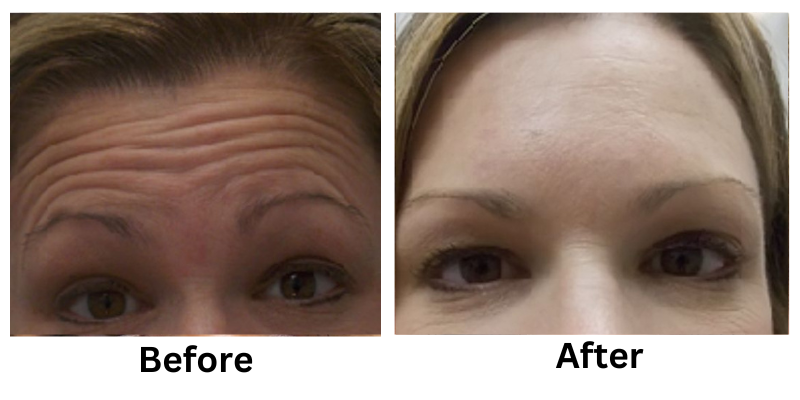
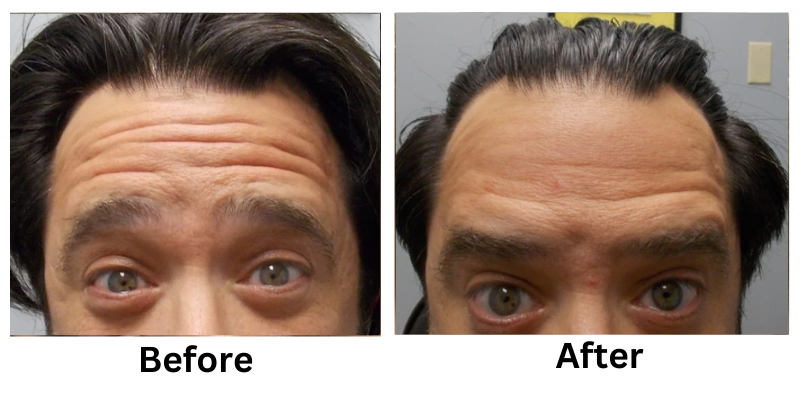
![[thumb]](https://slimmingsolutionsspa.com/wp-content/uploads/2023/12/botox1-150x150.png)
![[thumb]](https://slimmingsolutionsspa.com/wp-content/uploads/2023/12/Before2-150x150.png)
![[thumb]](https://slimmingsolutionsspa.com/wp-content/uploads/2023/12/Before3-150x150.png)
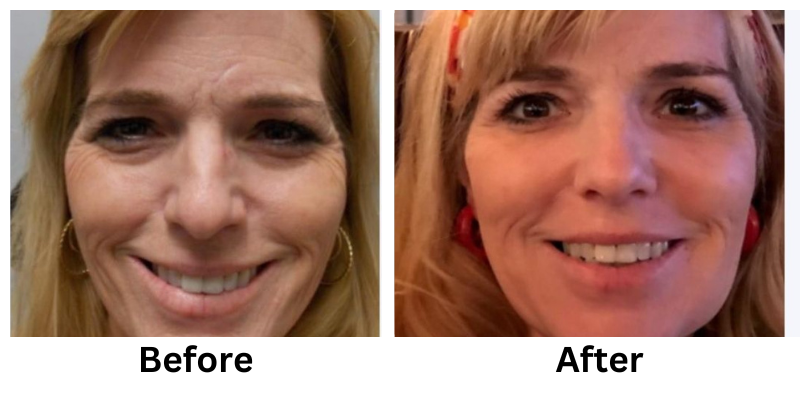
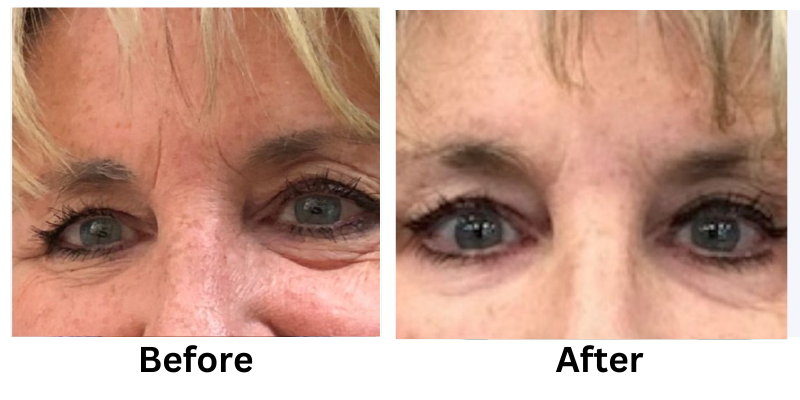
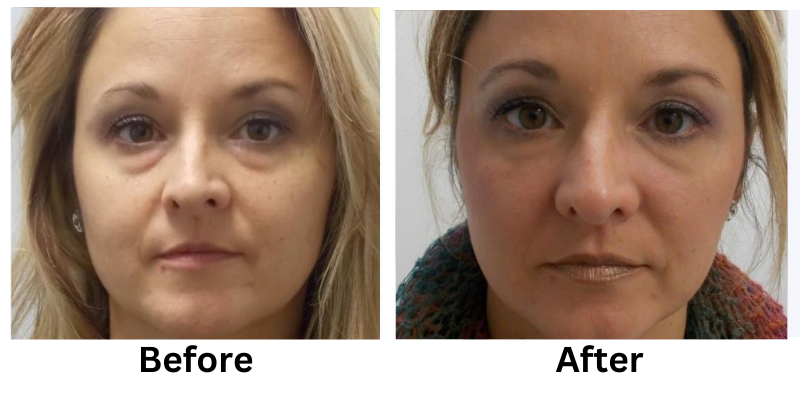
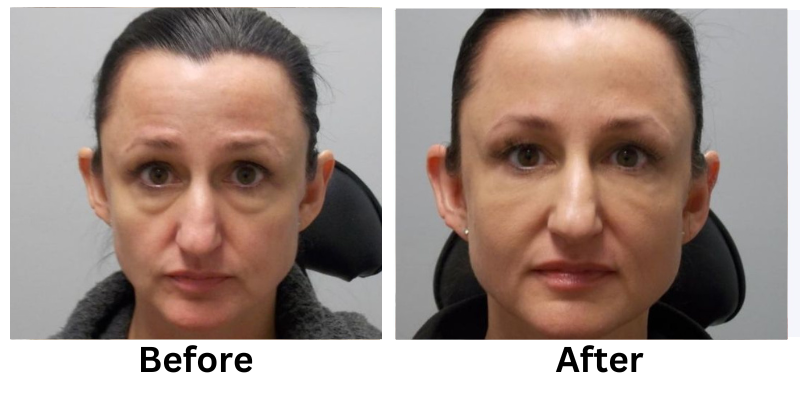
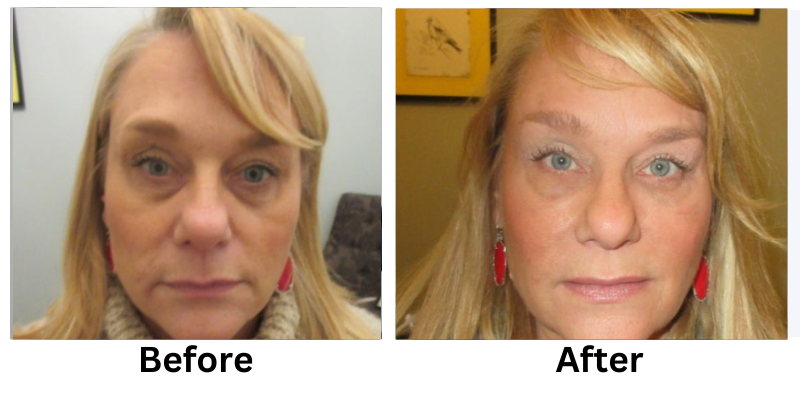


![[thumb]](https://slimmingsolutionsspa.com/wp-content/uploads/2023/12/revanesse-versa-1-150x150.png)
![[thumb]](https://slimmingsolutionsspa.com/wp-content/uploads/2023/12/revanesse-versa-2-150x150.png)
![[thumb]](https://slimmingsolutionsspa.com/wp-content/uploads/2023/12/revanesse-versa-3-150x150.png)
![[thumb]](https://slimmingsolutionsspa.com/wp-content/uploads/2023/12/revanesse-versa-4-150x150.png)
![[thumb]](https://slimmingsolutionsspa.com/wp-content/uploads/2023/12/revanesse-versa-5-150x150.png)
![[thumb]](https://slimmingsolutionsspa.com/wp-content/uploads/2024/01/Eyebrow-treatment-1-1-150x150.png)
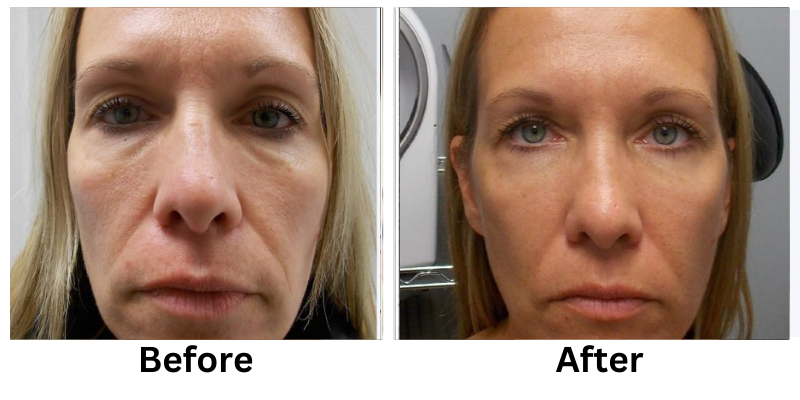
![[thumb]](https://slimmingsolutionsspa.com/wp-content/uploads/2023/12/Skin-Rejuvenation-1-150x150.png)
![[thumb]](https://slimmingsolutionsspa.com/wp-content/uploads/2023/12/Skin-Rejuvenation-2-150x150.png)


![[thumb]](https://slimmingsolutionsspa.com/wp-content/uploads/2024/01/Lip-Filler-1-150x150.png)
![[thumb]](https://slimmingsolutionsspa.com/wp-content/uploads/2024/01/Lip-Filler-2-150x150.png)
![[thumb]](https://slimmingsolutionsspa.com/wp-content/uploads/2025/02/Lip-Filler-1-150x150.png)
![[thumb]](https://slimmingsolutionsspa.com/wp-content/uploads/2024/01/Lip-Filler-150x150.jpg)
![[thumb]](https://slimmingsolutionsspa.com/wp-content/uploads/2024/01/Before-1-150x150.jpg)

![[thumb]](https://slimmingsolutionsspa.com/wp-content/uploads/2024/01/RHA-Treatmetn-3-150x150.png)
![[thumb]](https://slimmingsolutionsspa.com/wp-content/uploads/2024/01/RHA-Treatmetn-2-150x150.png)
![[thumb]](https://slimmingsolutionsspa.com/wp-content/uploads/2024/01/RHA-Treatmetn-1-150x150.png)
![[thumb]](https://slimmingsolutionsspa.com/wp-content/uploads/2024/01/Thread-Lifts-1-150x150.png)
![[thumb]](https://slimmingsolutionsspa.com/wp-content/uploads/2024/01/Thread-Lifts-2-150x150.png)
![[thumb]](https://slimmingsolutionsspa.com/wp-content/uploads/2025/02/Lip-Filler-2-150x150.png)

![[thumb]](https://slimmingsolutionsspa.com/wp-content/uploads/2023/12/skin-reuvulation1-150x150.png)
![[thumb]](https://slimmingsolutionsspa.com/wp-content/uploads/2023/12/skin-rejuvulation-2-150x150.png)
![[thumb]](https://slimmingsolutionsspa.com/wp-content/uploads/2023/12/Skin-Tighting-150x150.png)
![[thumb]](https://slimmingsolutionsspa.com/wp-content/uploads/2023/12/Before-150x150.jpg)
![[thumb]](https://slimmingsolutionsspa.com/wp-content/uploads/2023/12/weightloss-1-150x150.png)
![[thumb]](https://slimmingsolutionsspa.com/wp-content/uploads/2023/12/weightloss-2-150x150.png)
![[thumb]](https://slimmingsolutionsspa.com/wp-content/uploads/2023/12/2Weight-Loss-2-150x150.png)
![[thumb]](https://slimmingsolutionsspa.com/wp-content/uploads/2025/02/Weight-Loss-1-new-150x150.png)
![[thumb]](https://slimmingsolutionsspa.com/wp-content/uploads/2023/12/Weight-Loss-3-150x150.png)
![[thumb]](https://slimmingsolutionsspa.com/wp-content/uploads/2025/03/Slimming-Solutions-BA-Template-150x150.png)


![[thumb]](https://slimmingsolutionsspa.com/wp-content/uploads/2023/12/dat3-150x150.png)
![[thumb]](https://slimmingsolutionsspa.com/wp-content/uploads/2023/12/dat-0-150x150.png)
![[thumb]](https://slimmingsolutionsspa.com/wp-content/uploads/2023/12/dat-1-150x150.png)
![[thumb]](https://slimmingsolutionsspa.com/wp-content/uploads/2023/12/Before-1-150x150.png)

![[thumb]](https://slimmingsolutionsspa.com/wp-content/uploads/2024/01/EMS-Treatment-2-150x150.png)
![[thumb]](https://slimmingsolutionsspa.com/wp-content/uploads/2024/01/EMS-Treatment-1-150x150.png)
![[thumb]](https://slimmingsolutionsspa.com/wp-content/uploads/2025/02/ems-BNA-front-150x150.png)
![[thumb]](https://slimmingsolutionsspa.com/wp-content/uploads/2025/02/EMS-bna-SIDE-150x150.png)
![[thumb]](https://slimmingsolutionsspa.com/wp-content/uploads/2024/01/EMS-Treatment-6-150x150.png)