

Most people lose 15 to 20 percent of their body weight on semaglutide over 12 to 18 months. For someone weighing 200 pounds, that’s 30 to 40 pounds of weight loss. Clinical trials show an average loss of 15 percent body weight, though individual results vary based on starting weight, lifestyle habits, and how long you stay on the medication. Some people lose more, some lose less, but the majority see significant weight reduction when combining semaglutide with healthy eating and regular activity.
In this article, we’ll cover everything about semaglutide weight loss. You’ll learn what to expect at different time points, factors that affect results, and how to get the most out of treatment.
What Is Average Weight Loss on Semaglutide?
The average weight loss on semaglutide is approximately 15 percent of total body weight over 68 weeks, according to clinical trials. That translates to about 33 pounds for someone starting at 220 pounds, or 45 pounds for someone starting at 300 pounds.
A major study published in The New England Journal of Medicine followed over 1,900 participants taking semaglutide. Results showed an average weight loss of 14.9 percent compared to 2.4 percent in the placebo group. Nearly 70 percent of participants lost at least 10 percent of their body weight.
These numbers come from clinical trial settings where participants received nutritional counseling and were encouraged to increase physical activity. Real-world results can vary based on individual commitment and lifestyle factors.
Medical weight loss programs that include semaglutide typically see similar results when patients follow the recommended plan. The medication works best when combined with healthy habits, not as a standalone solution.
Individual results range widely. Some people lose 20 to 25 percent of their body weight, while others lose 8 to 10 percent. Factors like starting weight, metabolism, diet quality, exercise habits, and adherence to the medication schedule all play a role.
We work with clients here in Lee’s Summit who have varying goals and starting points. Some need to lose 30 pounds, others need to lose 100 pounds. Semaglutide helps both groups, just at different scales.
How Does Semaglutide Help Weight Loss?
Semaglutide works by mimicking a hormone called GLP-1 (glucagon-like peptide-1) that your body naturally produces. This hormone affects appetite, digestion, and blood sugar levels.
When you take semaglutide, it slows down how quickly food leaves your stomach. You feel full longer after eating, which naturally reduces how much you eat throughout the day. It also affects brain receptors that control hunger and cravings.
According to research published in Diabetes, Obesity and Metabolism, semaglutide reduces appetite by acting on areas of the brain responsible for regulating food intake. Patients report feeling satisfied with smaller portions and experiencing fewer food cravings.
The medication also helps stabilize blood sugar levels. When blood sugar stays steady, you experience fewer energy crashes that lead to snacking or overeating. Many people notice they don’t have the same intense cravings for sweets or processed foods.
Semaglutide doesn’t increase metabolism or burn fat directly. The weight loss comes from eating less because you feel full and satisfied. The medication makes it easier to stick to a reduced-calorie diet without feeling constantly hungry.
This is why lifestyle matters. Semaglutide creates the conditions for weight loss by controlling appetite, but you still need to make good food choices and stay active to see optimal results.
Curious if semaglutide could work for your weight loss goals? Schedule a consultation and we’ll talk through whether it’s a good fit.
How Fast Do You Lose Weight on Semaglutide?
Weight loss on semaglutide happens gradually. Most people start seeing results within the first four to eight weeks, with consistent weight loss continuing over the following months.
The medication starts at a low dose and increases slowly over several weeks. This titration period helps your body adjust and minimizes side effects. You probably won’t see dramatic weight loss in the first month because the dose is still low.
By month two or three, most people notice their clothes fitting differently and the scale moving down. Weight loss picks up as the dose increases and your body adapts to the medication.
Peak weight loss typically occurs between months six and 12. According to data from clinical trials, the most significant weight reduction happens during this window. After that, weight loss may slow or plateau as you approach your body’s new set point.
Here’s a typical timeline:
| Time Period | Expected Weight Loss | What’s Happening |
|---|---|---|
| Weeks 1-4 | 2-5 pounds | Starting dose, body adjusting |
| Months 2-3 | 5-8% body weight | Dose increasing, appetite reducing |
| Months 4-6 | 10-12% body weight | Consistent loss, habits forming |
| Months 7-12 | 15-20% body weight | Approaching goal, possible plateau |
Individual timelines vary. Some people lose weight faster in the beginning, others see slower initial loss but steady results over time. Your starting weight affects the pace too. People with more weight to lose often see faster initial drops.
The key is patience. Semaglutide isn’t a quick fix. It’s a tool for sustained, healthy weight loss over many months.
What Are Semaglutide Results After 3 Months?
After three months on semaglutide, most people have lost 5 to 8 percent of their body weight. For someone starting at 200 pounds, that’s 10 to 16 pounds. For someone at 250 pounds, that’s 12 to 20 pounds.
By month three, you’re typically at or near the full therapeutic dose. Your appetite is significantly reduced, and you’ve had time to establish new eating patterns. Clothes fit better, energy levels often improve, and many people notice changes in how their body feels.
A study in JAMA tracked participants at various intervals during semaglutide treatment. At the 12-week mark, average weight loss was approximately 6 percent of body weight, with continued loss in subsequent months.
Three months is also when people start noticing improvements in related health markers. Blood sugar levels may stabilize, blood pressure might drop, and cholesterol numbers often improve. These changes happen alongside weight loss and contribute to overall health benefits.
Some people feel discouraged if they expected faster results. Remember that 5 to 8 percent body weight in three months is significant and sustainable. Crash diets might promise faster results, but they’re rarely maintainable long-term.
We check in regularly with our Kansas City area clients during their first few months on semaglutide. Three months is a good checkpoint to assess progress, adjust the plan if needed, and set goals for the next phase of treatment.
Want to see what three months on semaglutide could do for you? Contact us and let’s talk about starting a program.
Does Semaglutide Work for Everyone?
Semaglutide works for most people, but not everyone responds the same way. Clinical trials show that about 85 to 90 percent of participants lose at least 5 percent of their body weight, which is considered clinically significant weight loss.
Some people are “super responders” who lose 20 to 25 percent or more. Others lose 8 to 10 percent despite following the program closely. A small percentage of people don’t respond well at all.
Factors that affect response include genetics, metabolism, hormonal balance, stress levels, sleep quality, and adherence to lifestyle changes. People who combine semaglutide with consistent healthy eating and regular exercise tend to see better results than those who rely on medication alone.
According to research in Obesity Reviews, predictors of better weight loss on semaglutide include higher baseline BMI, better medication adherence, increased physical activity, and dietary improvements. No single factor guarantees results, but multiple positive factors increase the likelihood of success.
Certain medical conditions or medications can interfere with weight loss. Thyroid disorders, PCOS, insulin resistance, and some antidepressants make weight loss harder. We screen for these issues during initial consultations to set realistic expectations.
Age plays a small role too. Younger people sometimes lose weight slightly faster than older adults, though people of all ages can achieve significant results with semaglutide.
The medication doesn’t work for everyone, but it works for the vast majority when combined with appropriate lifestyle changes.
Is Semaglutide Better Than Diet Alone?
Yes, semaglutide produces significantly more weight loss than diet and exercise alone. Clinical studies consistently show this difference.
The landmark STEP trial compared semaglutide plus lifestyle changes to lifestyle changes alone. The semaglutide group lost an average of 14.9 percent body weight compared to 2.4 percent in the diet-only group. That’s over six times more weight loss with medication.
According to the Centers for Disease Control and Prevention, most people who attempt weight loss through diet and exercise alone regain the weight within a few years. Only about 20 percent maintain significant weight loss long-term without additional support.
Semaglutide changes this pattern by addressing the biological factors that make weight loss difficult. It reduces appetite, controls cravings, and helps you feel satisfied with less food. These effects make it easier to stick to a healthy eating plan without feeling deprived or constantly hungry.
Diet and exercise are still necessary. Semaglutide isn’t magic. It’s a tool that makes healthy habits easier to maintain. Think of it like this: you still need to do the work, but the medication removes many of the barriers that typically derail weight loss efforts.
Many of our clients here in Lee’s Summit have tried diet and exercise repeatedly without lasting success. Weight loss programs that include semaglutide give them a realistic path to achieving and maintaining their goals.
Factors That Affect How Much Weight You Lose
Your starting weight affects total pounds lost. Someone starting at 300 pounds will lose more total pounds than someone starting at 180 pounds, even if they both lose the same percentage of body weight.
Adherence to the medication schedule matters. Missing doses or stopping treatment early reduces results. Semaglutide works best when taken consistently at the prescribed intervals.
Diet quality plays a huge role. Eating nutrient-dense whole foods supports better weight loss than relying on processed foods, even if calories are similar. Protein intake is especially important for preserving muscle mass during weight loss.
Physical activity boosts results. You don’t need intense workouts, but regular movement helps. Walking 30 minutes most days, strength training twice a week, and staying generally active throughout the day all contribute to better outcomes.
Sleep affects weight loss more than most people realize. Poor sleep disrupts hunger hormones and makes it harder to lose weight. According to research in the International Journal of Obesity, people who sleep fewer than six hours per night lose less weight than those who get seven to eight hours.
Stress management matters too. Chronic stress raises cortisol levels, which can interfere with weight loss and promote fat storage, especially around the midsection. Finding healthy ways to manage stress supports better results.
Hormonal balance affects weight loss. Thyroid issues, menopause, PCOS, and other hormonal conditions can slow progress. Hormone replacement therapy sometimes helps when hormonal imbalances are present.
Combining Semaglutide With Lifestyle Changes
Semaglutide works best when combined with healthy lifestyle habits. The medication creates favorable conditions for weight loss, but your daily choices determine how much weight you actually lose.
Start with protein at every meal. Protein keeps you full longer, preserves muscle mass during weight loss, and requires more energy to digest than carbs or fats. Aim for 25 to 30 grams per meal.
Fill half your plate with vegetables. Non-starchy vegetables are low in calories, high in nutrients, and full of fiber that supports satiety. They help you feel full without adding many calories.
Stay hydrated. Drinking water throughout the day helps control appetite and supports metabolism. Sometimes thirst feels like hunger. Many people find that drinking water before meals helps them eat less.
Move your body regularly. You don’t need to spend hours at the gym. Walking, swimming, cycling, yoga, or any activity you enjoy counts. Aim for 150 minutes of moderate activity per week, plus two days of strength training.
According to the American Heart Association, combining medication with lifestyle changes produces better weight loss outcomes and improves cardiovascular health markers more than medication alone.
Track your food if it helps you stay accountable. Apps and journals can reveal patterns you might not notice otherwise. You don’t need to count every calorie forever, but tracking for a few weeks helps establish awareness.
Get enough sleep. Aim for seven to eight hours per night. Poor sleep makes weight loss harder by affecting hunger hormones and willpower.
Manage stress. Find activities that help you relax, whether that’s reading, meditation, time with friends, or hobbies you enjoy. Chronic stress sabotages weight loss efforts.
Ready to start a comprehensive weight loss program? Request a consultation at Slimming Solutions Med Spa and we’ll create a plan that includes semaglutide and lifestyle support.
Maintaining Weight Loss After Semaglutide
Maintaining weight loss is often harder than losing weight in the first place. Semaglutide helps with this challenge by keeping appetite under control even after you reach your goal weight.
Many people continue taking semaglutide at a maintenance dose after achieving their target weight. Clinical data shows that people who stop semaglutide tend to regain about two-thirds of the weight they lost within a year.
A study published in JAMA followed participants who stopped semaglutide after reaching their goal weight. Those who discontinued the medication regained an average of 11.6 percent body weight over 52 weeks, while those who continued on a maintenance dose maintained their weight loss.
Continuing medication isn’t the only option. Some people successfully maintain weight loss after stopping semaglutide by sticking to the healthy habits they developed during treatment. Success requires ongoing attention to diet, exercise, and lifestyle factors.
The habits you build while on semaglutide matter for long-term success. If you use the medication to establish sustainable eating patterns, regular activity, and healthy routines, you’re more likely to maintain results even after stopping.
Think of semaglutide as a tool for resetting your relationship with food and your body. It gives you time to practice new behaviors without fighting constant hunger and cravings. Those new behaviors become easier to maintain over time.
We help clients in the Lee’s Summit area develop maintenance plans that work for their individual situations. Some continue medication long-term, others transition off gradually while monitoring weight, and some use intermittent treatment if weight starts creeping back up.
Side Effects and How They Affect Weight Loss
Most people experience some side effects when starting semaglutide, especially gastrointestinal issues like nausea, diarrhea, or constipation. These typically improve within a few weeks as your body adjusts.
Nausea is the most common side effect. According to clinical trial data, about 20 to 30 percent of people experience nausea, especially when first starting or increasing the dose. Eating smaller meals, avoiding fatty foods, and staying hydrated helps minimize nausea.
Some people lose appetite to the point where they struggle to eat enough. This can actually hurt weight loss results because eating too little slows metabolism and causes muscle loss. You need adequate nutrition even while losing weight.
Constipation happens when you’re eating less food and less fiber. Drinking more water, eating high-fiber foods, and staying active helps keep things moving. Some people need a fiber supplement.
Fatigue can occur, especially if you’re not eating enough protein or calories. Make sure you’re fueling your body appropriately for your activity level.
According to research in Diabetes Care, most side effects are mild to moderate and decrease over time. Serious side effects are rare but can include pancreatitis, gallbladder problems, or allergic reactions. We monitor for these during treatment.
Starting at a low dose and increasing gradually minimizes side effects. If you experience persistent or severe symptoms, we can adjust the dose or pace of increases.
The side effects usually don’t prevent weight loss. In fact, the appetite-reducing effects that cause nausea are part of how the medication works. The key is managing symptoms so you can stick with treatment long enough to see results.
Cost and Insurance Coverage
Semaglutide can be expensive, especially without insurance coverage. Brand name versions like Wegovy and Ozempic cost $900 to $1,300 per month without insurance.
Insurance coverage varies widely. Some plans cover semaglutide for weight loss, others only cover it for diabetes management, and some don’t cover it at all. Coverage often requires meeting specific criteria like BMI over 30 or BMI over 27 with weight-related health conditions.
According to the American Medical Association, insurance coverage for weight loss medications has improved in recent years, but many patients still face high out-of-pocket costs or coverage denials.
Compounded semaglutide is a more affordable option for many people. Compounding pharmacies can prepare semaglutide at lower costs than brand name versions. Our medical weight loss program includes access to compounded semaglutide.
The cost needs to be weighed against the benefits. Losing significant weight improves health markers, reduces risk of serious diseases, and often decreases spending on other medications or health conditions related to excess weight.
Some people budget for treatment by cutting other expenses. When you’re eating less food, grocery bills naturally decrease, which can offset some of the medication cost.
We’re transparent about costs during consultations. We’ll help you understand options, check insurance coverage if applicable, and discuss payment plans if needed.
Realistic Expectations for Semaglutide
Set realistic expectations before starting treatment. Semaglutide produces significant weight loss, but it’s not a miracle cure. You’ll still need to make lifestyle changes and stay committed to the process.
Expect to lose 15 to 20 percent of your body weight over 12 to 18 months if you follow the program consistently. Some people lose more, some lose less. Focus on your individual progress rather than comparing yourself to others.
Weight loss won’t be linear. Some weeks you’ll lose more, some weeks less, and occasionally the scale won’t move at all. That’s normal. The overall trend matters more than weekly fluctuations.
You might plateau at some point. Most people experience periods where weight loss slows or stalls. These plateaus are temporary if you stick with the program. Adjusting your routine or pushing through usually gets things moving again.
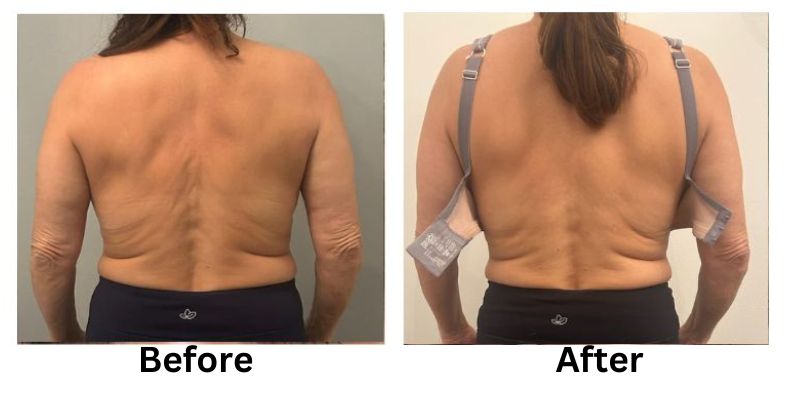
Loose skin may occur with significant weight loss, especially if you’re older or losing 50-plus pounds. Skin tightening treatments can help address this if it becomes a concern.
Your relationship with food will change. Semaglutide reduces appetite and cravings, which can feel strange at first. You might need to remind yourself to eat or learn to recognize different hunger signals.
Have questions about what to expect on semaglutide? Contact us and we’ll give you honest answers about the process.
Who Is a Good Candidate for Semaglutide?
Good candidates for semaglutide typically have a BMI of 30 or higher, or a BMI of 27 or higher with weight-related health conditions like high blood pressure, type 2 diabetes, or high cholesterol.
You should be committed to making lifestyle changes alongside medication. Semaglutide isn’t for people looking for a quick fix without effort. It works best for people ready to change their eating habits and increase activity levels.
Previous weight loss attempts that didn’t result in sustained success make you a good candidate. If you’ve tried diet and exercise repeatedly without lasting results, medication can provide the additional support you need.
You need to be able to take weekly injections or, in some cases, daily pills if using oral semaglutide. The injection is a small needle similar to insulin pens, but you need to be comfortable with self-injection.
Certain medical conditions make you ineligible for semaglutide. These include personal or family history of medullary thyroid cancer, multiple endocrine neoplasia syndrome type 2, or history of pancreatitis. We screen for these during your initial consultation.
Pregnancy and breastfeeding are contraindications. Women of childbearing age should use reliable contraception while on semaglutide and stop the medication at least two months before trying to conceive.
According to clinical guidelines from the Endocrine Society, semaglutide should be part of a comprehensive weight management program that includes dietary counseling, physical activity recommendations, and behavioral support.
We evaluate each person individually to determine if semaglutide is appropriate and safe for them.
Final Thoughts
Most people lose 15 to 20 percent of their body weight on semaglutide over 12 to 18 months when combining the medication with healthy lifestyle changes. Results vary based on starting weight, adherence to treatment, diet quality, exercise habits, and individual factors.
The medication works by reducing appetite and helping you feel full longer, making it easier to stick to a reduced-calorie diet without constant hunger. Weight loss happens gradually, with most significant results appearing between months six and 12.
Semaglutide isn’t a standalone solution. It works best as part of a comprehensive program that includes nutritional guidance, physical activity, and ongoing support. The habits you build during treatment determine long-term success.
If you’re in Lee’s Summit or the Kansas City area and struggling with weight loss, we can help. Request a consultation to learn more about our medical weight loss program. We’ll assess your situation, answer your questions, and create a personalized plan that includes semaglutide if appropriate. Our team at Slimming Solutions Med Spa is here to support you every step of the way toward achieving and maintaining a healthy weight.
![[thumb]](https://slimmingsolutionsspa.com/wp-content/uploads/2023/12/botox1-150x150.png)
![[thumb]](https://slimmingsolutionsspa.com/wp-content/uploads/2023/12/Before2-150x150.png)
![[thumb]](https://slimmingsolutionsspa.com/wp-content/uploads/2023/12/Before3-150x150.png)



![[thumb]](https://slimmingsolutionsspa.com/wp-content/uploads/2023/12/revanesse-versa-1-150x150.png)
![[thumb]](https://slimmingsolutionsspa.com/wp-content/uploads/2023/12/revanesse-versa-2-150x150.png)
![[thumb]](https://slimmingsolutionsspa.com/wp-content/uploads/2023/12/revanesse-versa-3-150x150.png)
![[thumb]](https://slimmingsolutionsspa.com/wp-content/uploads/2023/12/revanesse-versa-4-150x150.png)
![[thumb]](https://slimmingsolutionsspa.com/wp-content/uploads/2023/12/revanesse-versa-5-150x150.png)
![[thumb]](https://slimmingsolutionsspa.com/wp-content/uploads/2024/01/Eyebrow-treatment-1-1-150x150.png)
![[thumb]](https://slimmingsolutionsspa.com/wp-content/uploads/2023/12/Skin-Rejuvenation-1-150x150.png)
![[thumb]](https://slimmingsolutionsspa.com/wp-content/uploads/2023/12/Skin-Rejuvenation-2-150x150.png)


![[thumb]](https://slimmingsolutionsspa.com/wp-content/uploads/2024/01/Lip-Filler-1-150x150.png)
![[thumb]](https://slimmingsolutionsspa.com/wp-content/uploads/2024/01/Lip-Filler-2-150x150.png)
![[thumb]](https://slimmingsolutionsspa.com/wp-content/uploads/2025/02/Lip-Filler-1-150x150.png)
![[thumb]](https://slimmingsolutionsspa.com/wp-content/uploads/2024/01/Lip-Filler-150x150.jpg)
![[thumb]](https://slimmingsolutionsspa.com/wp-content/uploads/2024/01/Before-1-150x150.jpg)

![[thumb]](https://slimmingsolutionsspa.com/wp-content/uploads/2024/01/RHA-Treatmetn-3-150x150.png)
![[thumb]](https://slimmingsolutionsspa.com/wp-content/uploads/2024/01/RHA-Treatmetn-2-150x150.png)
![[thumb]](https://slimmingsolutionsspa.com/wp-content/uploads/2024/01/RHA-Treatmetn-1-150x150.png)
![[thumb]](https://slimmingsolutionsspa.com/wp-content/uploads/2024/01/Thread-Lifts-1-150x150.png)
![[thumb]](https://slimmingsolutionsspa.com/wp-content/uploads/2024/01/Thread-Lifts-2-150x150.png)
![[thumb]](https://slimmingsolutionsspa.com/wp-content/uploads/2025/02/Lip-Filler-2-150x150.png)

![[thumb]](https://slimmingsolutionsspa.com/wp-content/uploads/2023/12/skin-reuvulation1-150x150.png)
![[thumb]](https://slimmingsolutionsspa.com/wp-content/uploads/2023/12/skin-rejuvulation-2-150x150.png)
![[thumb]](https://slimmingsolutionsspa.com/wp-content/uploads/2023/12/Skin-Tighting-150x150.png)
![[thumb]](https://slimmingsolutionsspa.com/wp-content/uploads/2023/12/Before-150x150.jpg)
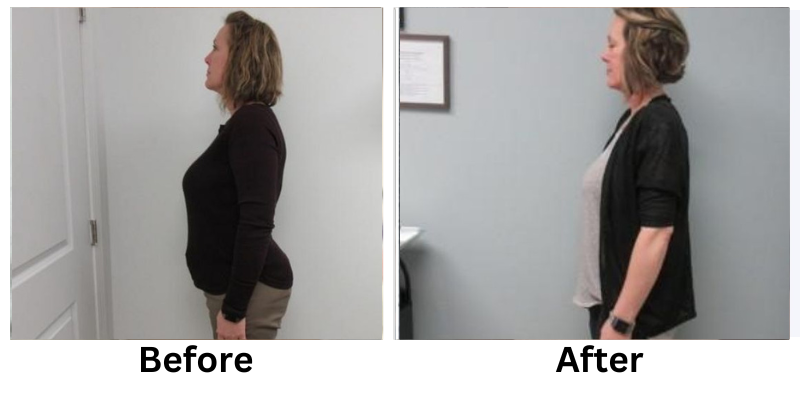
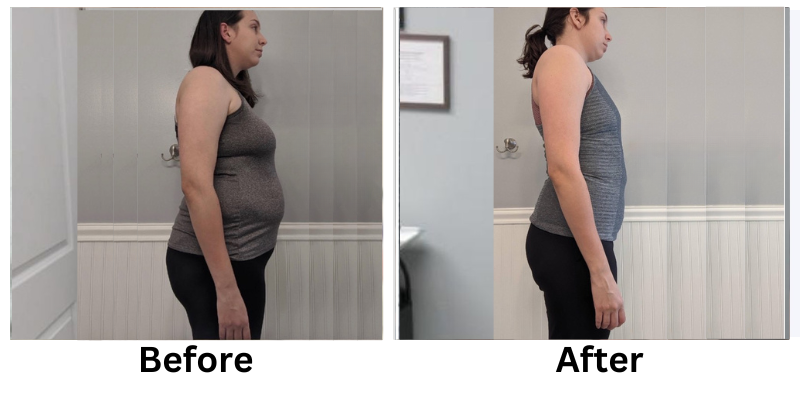
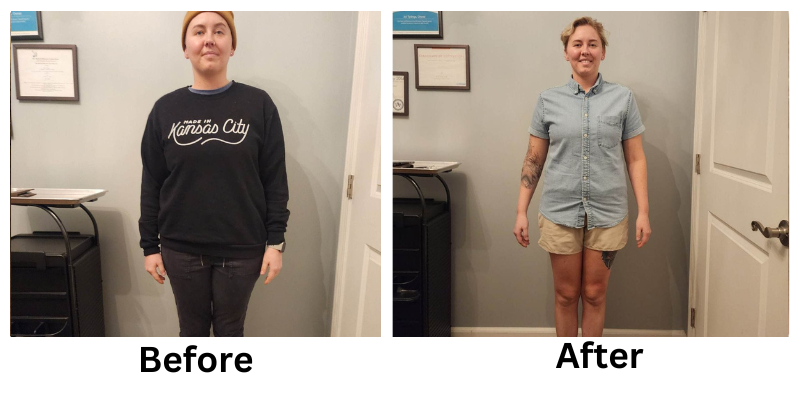
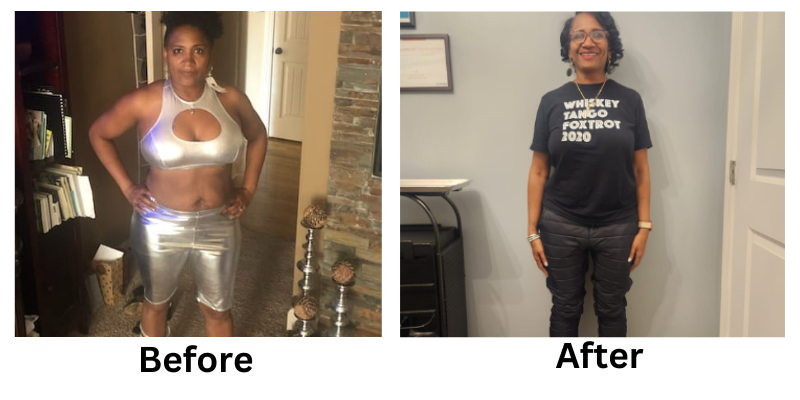
![[thumb]](https://slimmingsolutionsspa.com/wp-content/uploads/2023/12/weightloss-1-150x150.png)
![[thumb]](https://slimmingsolutionsspa.com/wp-content/uploads/2023/12/weightloss-2-150x150.png)
![[thumb]](https://slimmingsolutionsspa.com/wp-content/uploads/2023/12/2Weight-Loss-2-150x150.png)
![[thumb]](https://slimmingsolutionsspa.com/wp-content/uploads/2025/02/Weight-Loss-1-new-150x150.png)
![[thumb]](https://slimmingsolutionsspa.com/wp-content/uploads/2023/12/Weight-Loss-3-150x150.png)
![[thumb]](https://slimmingsolutionsspa.com/wp-content/uploads/2025/03/Slimming-Solutions-BA-Template-150x150.png)


![[thumb]](https://slimmingsolutionsspa.com/wp-content/uploads/2023/12/dat3-150x150.png)
![[thumb]](https://slimmingsolutionsspa.com/wp-content/uploads/2023/12/dat-0-150x150.png)
![[thumb]](https://slimmingsolutionsspa.com/wp-content/uploads/2023/12/dat-1-150x150.png)
![[thumb]](https://slimmingsolutionsspa.com/wp-content/uploads/2023/12/Before-1-150x150.png)

![[thumb]](https://slimmingsolutionsspa.com/wp-content/uploads/2024/01/EMS-Treatment-2-150x150.png)
![[thumb]](https://slimmingsolutionsspa.com/wp-content/uploads/2024/01/EMS-Treatment-1-150x150.png)
![[thumb]](https://slimmingsolutionsspa.com/wp-content/uploads/2025/02/ems-BNA-front-150x150.png)
![[thumb]](https://slimmingsolutionsspa.com/wp-content/uploads/2025/02/EMS-bna-SIDE-150x150.png)
![[thumb]](https://slimmingsolutionsspa.com/wp-content/uploads/2024/01/EMS-Treatment-6-150x150.png)