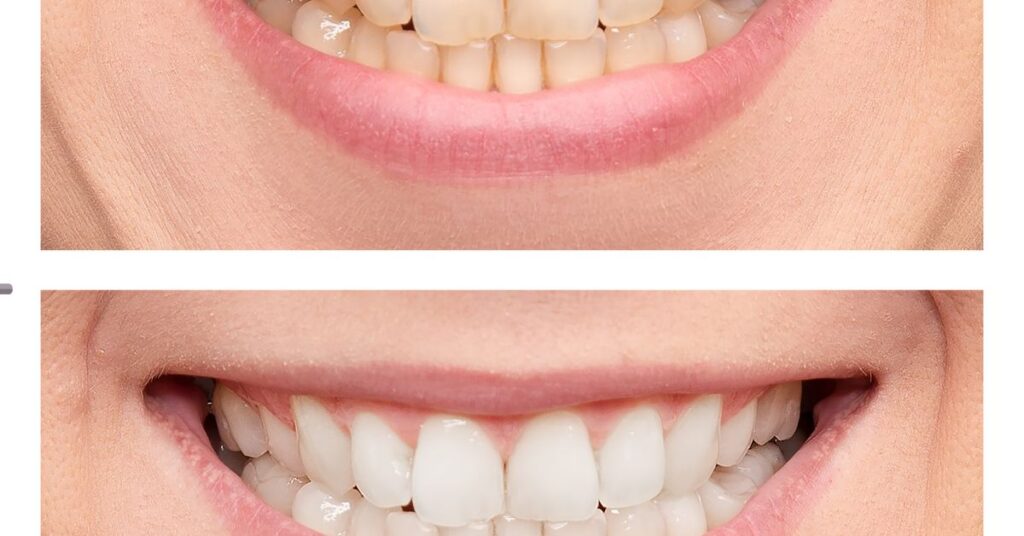
Teeth whitening costs between $300 and $1,000 for a professional in-office treatment, with most patients paying $400 to $800 per session. According to the American Dental Association (ADA), the average cost of external teeth whitening per arch is $297.12, meaning a full-mouth whitening session for both arches averages roughly $600. Americans spend close to $2 billion on teeth whitening products every year, according to CareCredit, and the global teeth whitening market was valued at $8.52 billion in 2024. In this article, you will learn what each type of whitening costs, what factors affect the price, how long results last, and how to get the best value for a brighter smile.
How Much Should I Expect To Pay for Teeth Whitening?
You should expect to pay between $300 and $1,000 for professional in-office teeth whitening, $150 to $400 for a dentist-prescribed at-home whitening kit, and $10 to $55 for over-the-counter whitening products. The specific price depends on the method you choose, the severity of your staining, and your provider’s experience and location.
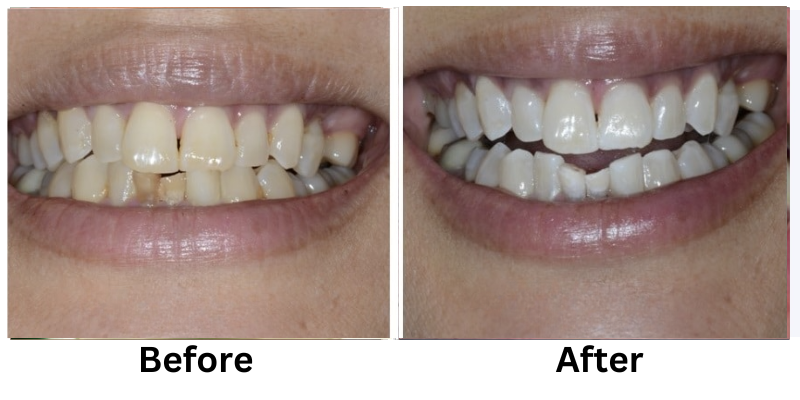
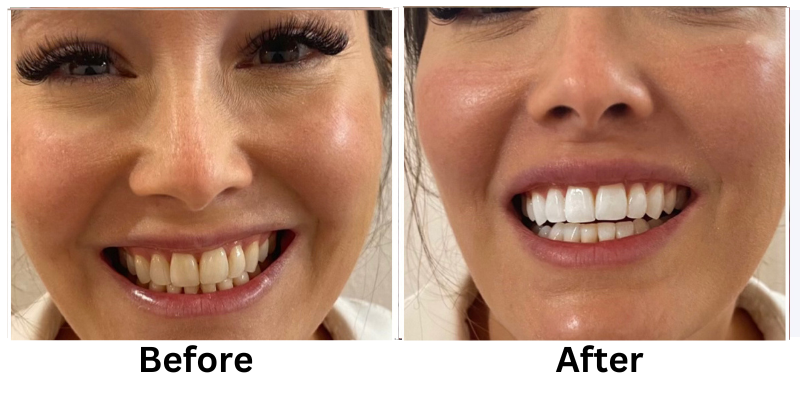
In-office treatments like Zoom whitening typically cost around $500 per session. Laser teeth whitening, which uses higher-intensity light to accelerate the bleaching process, ranges from $400 to $1,500 per session. These professional treatments use high-concentration hydrogen peroxide (35% to 40%) and produce the most dramatic results, lightening teeth by 5 to 8 shades in a single visit that lasts about 60 to 90 minutes.
According to a Delta Dental survey from 2024, 52% of adults rate tooth brightness as a top oral health priority, and 91% equate dental checkups with annual physicals. This shows that teeth whitening has become a mainstream part of personal care, not just a luxury cosmetic procedure. Patients interested in professional whitening can explore teeth whitening treatments to find the right option for their goals and budget.
Is It Worth Paying for Teeth Whitening?
Yes, it is worth paying for teeth whitening if you want safe, fast, and noticeably brighter results. Professional teeth whitening produces more dramatic and longer-lasting improvement compared to over-the-counter products. In-office treatments can lighten teeth by up to 8 shades in one session, while store-bought strips and gels typically deliver 1 to 3 shades of improvement over several weeks.
The American Academy of Cosmetic Dentistry (AACD) found that when people were asked what they would most like to improve about their smile, the most common answer was whiter, brighter teeth. The same organization reports that 99.7% of Americans believe a smile is an important social asset, and 74% believe an unattractive smile could hurt career success. With those stakes, many patients find professional whitening to be a worthwhile investment in both confidence and appearance.
Professional whitening also comes with safety advantages. A dentist monitors the concentration of bleaching agents, protects the gums from irritation, and customizes the treatment to your specific level of staining and tooth sensitivity. Over-the-counter products carry a higher risk of uneven results, gum irritation, and enamel damage from improper use. For patients who value consistent, reliable outcomes, the professional route delivers far better value per dollar.
Can Yellow Teeth Become White Again?
Yes, yellow teeth can become white again in most cases through professional whitening treatments. The effectiveness depends on the cause of the discoloration. Extrinsic stains caused by coffee, tea, red wine, tobacco, and certain foods respond very well to bleaching. These surface stains can typically be removed or significantly reduced with hydrogen peroxide-based whitening agents.
Intrinsic stains, which are deeper discolorations caused by genetics, aging, certain medications (like tetracycline), or fluorosis, are harder to treat. These stains may require stronger bleaching agents, multiple sessions, or alternative cosmetic treatments like veneers or bonding. As teeth age, the enamel thins and becomes more translucent, revealing the yellowish dentin underneath. Internal bleaching for individual teeth that have darkened due to trauma or root canal treatment costs an average of $271.67 per tooth, according to the ADA.
For most patients with standard extrinsic staining, a single professional whitening session delivers a dramatic transformation. Patients who maintain results with good oral hygiene, periodic touch-ups, and avoidance of high-staining foods can keep their smile bright for 1 to 3 years after treatment.
How Long Does Teeth Whitening Last?
Teeth whitening lasts between 6 months and 3 years, depending on the type of treatment and your lifestyle habits. Professional in-office whitening produces the longest-lasting results, typically holding for 12 to 18 months or longer with proper maintenance. Dentist-prescribed at-home kits produce results that last 4 to 6 months on average. Over-the-counter products deliver the shortest-lived results, usually fading within a few weeks to a couple of months.
Several factors determine how long your whitening results hold. Consuming high-staining beverages like coffee, tea, and red wine accelerates re-staining. Tobacco use is one of the biggest contributors to rapid discoloration. Patients who maintain excellent oral hygiene, avoid heavy staining, and use a whitening toothpaste for maintenance can extend their results significantly.
Many dental professionals recommend periodic touch-up treatments every 6 to 12 months to maintain brightness. Some clinics include at-home maintenance kits with their in-office whitening packages, which allow patients to refresh their results between professional sessions. Patients who also invest in regular professional whitening sessions find that their smile stays consistently bright year after year.
What Is the Downside of Teeth Whitening?
The downside of teeth whitening is temporary tooth sensitivity, potential gum irritation, and the fact that results are not permanent. Tooth sensitivity is the most common side effect, occurring because the bleaching agents temporarily open the pores in the enamel, exposing the dentin layer beneath. This sensitivity usually resolves within a few days after treatment, according to the ADA.
Gum irritation can occur if the whitening gel comes into contact with soft tissue. Professional in-office treatments minimize this risk because the dentist applies a protective barrier to the gums before treatment. Over-the-counter products, which use one-size-fits-all trays, carry a higher risk of gel contacting and irritating the gums.
Another limitation is that whitening does not work on dental restorations. Crowns, veneers, fillers, and bonding materials do not respond to bleaching agents. This can create an uneven appearance if you have visible restorations alongside natural teeth. A dental professional will evaluate your mouth before treatment and advise you on whether whitening is appropriate for your specific situation.
Is Teeth Whitening Painful?
Teeth whitening is not painful for most patients, but some people experience temporary sensitivity during and after treatment. The sensitivity feels like a sharp, brief zing when consuming hot, cold, or sweet foods and drinks. It is caused by the bleaching agent penetrating the enamel and temporarily affecting the tooth’s nerve.
Dentists can minimize discomfort by using desensitizing agents before and after treatment, adjusting the concentration of the bleaching gel, or reducing the duration of exposure. Many modern whitening systems include potassium nitrate or fluoride in the gel formula to help reduce sensitivity during the procedure.
Patients with naturally sensitive teeth or thin enamel may experience more discomfort. In those cases, a dentist may recommend a custom take-home kit with a lower concentration gel that is applied for shorter periods. This approach is gentler on the teeth while still producing visible results over 1 to 2 weeks. Always discuss any history of tooth sensitivity with your provider before starting treatment.
Why Do Teeth Turn Yellow?
Teeth turn yellow because of a combination of enamel wear, staining substances, aging, and genetics. The outer layer of the tooth (enamel) is naturally white but translucent. Beneath it sits the dentin, which is naturally yellowish. As enamel thins over time from brushing, acidic foods, and general wear, more of the yellow dentin shows through, giving teeth a yellow or dull appearance.
Extrinsic staining from coffee, tea, red wine, berries, tobacco, and certain spices builds up on the surface of the enamel and contributes to yellowing. These surface stains respond well to whitening treatments. Intrinsic discoloration caused by medications (especially tetracycline antibiotics taken during childhood), excessive fluoride exposure, or dental trauma affects the interior of the tooth and is harder to address with standard bleaching.
Age is the most universal factor. After age 30, the enamel naturally begins to thin, and the body produces less dentin. The combination of thinner enamel and accumulated surface staining makes teeth appear progressively more yellow with each passing decade. Regular dental cleanings, good brushing habits, and periodic whitening treatments are the most effective strategies for combating this natural process.
Can I Whiten My Teeth at Home?
Yes, you can whiten your teeth at home using either a dentist-prescribed custom kit or over-the-counter products from the drugstore. Dentist-prescribed at-home kits typically cost $150 to $400 and include custom-fitted trays and professional-strength whitening gel. These deliver noticeably better results than store-bought products because the gel concentration is higher and the trays fit precisely, providing even coverage without irritating the gums.
Over-the-counter options include whitening strips ($10 to $55), whitening gels ($10 to $30), whitening toothpastes ($1 to $20), and whitening rinses ($5 to $10). Whitening strips are the most effective OTC option, but even the best strips typically lighten teeth by only 1 to 3 shades compared to the 5 to 8 shades achievable with professional treatment.
At-home products carry higher risks of gum irritation and uneven whitening because they are not customized to your mouth. The ADA recommends consulting with a dental professional before starting any whitening regimen, especially if you have sensitive teeth, gum disease, or dental restorations. For the safest, most effective at-home results, a dentist-prescribed custom kit is the best option.
Does Brushing More Whiten Teeth?
Brushing more does not significantly whiten teeth beyond removing daily surface buildup. Regular brushing with a fluoride toothpaste removes plaque, food particles, and some surface stains, which helps teeth look cleaner and brighter. However, brushing alone cannot change the underlying color of the enamel or reverse deep staining.
Whitening toothpastes contain mild abrasives and low-concentration bleaching agents that can remove minor surface stains over time. According to the ADA, whitening toothpastes are effective for maintenance but should not be relied upon as a primary whitening method. Over-brushing or using highly abrasive toothpastes can actually damage the enamel, making teeth more prone to yellowing over time as the dentin becomes more visible.
The best approach is to brush twice a day with a soft-bristled toothbrush, floss daily, and schedule regular dental cleanings. These habits keep teeth looking their best between professional whitening sessions. For actual shade change, professional treatment or a dentist-prescribed kit is necessary.
What Is the Safest Method To Whiten?
The safest method to whiten teeth is a professional in-office treatment administered by a licensed dental professional. In-office whitening is the safest because the dentist controls the concentration of the bleaching agent, protects the gums with a barrier, monitors the treatment in real time, and customizes the procedure to your specific dental health and sensitivity level.
The ADA has granted its Seal of Acceptance to certain whitening products that meet safety and efficacy standards. When choosing over-the-counter products, look for the ADA Seal to verify that the product has been independently tested. Products without this seal may contain untested ingredients or unsafe concentrations of bleaching agents.
Custom dentist-prescribed at-home kits are the second-safest option. They use a lower concentration gel than in-office treatments but provide precise, even application through custom trays. Over-the-counter strips and trays are generally safe when used as directed, but they carry a higher risk of gum irritation and uneven results because they are not customized to your mouth.
Do Teeth Stay White After Whitening?
Teeth do not stay white permanently after whitening, but results can last 1 to 3 years with professional treatment and proper maintenance. The bleaching agents used in whitening remove existing stains and lighten the color of the enamel, but they do not prevent new stains from forming. Over time, daily exposure to staining foods, beverages, and natural aging will gradually darken the teeth again.
To extend results, dental professionals recommend avoiding or limiting coffee, tea, red wine, and dark berries, especially in the first 48 hours after treatment when the enamel pores are still open. Using a straw for staining beverages, brushing after meals, and rinsing the mouth with water throughout the day also help maintain brightness.
Regular touch-up treatments every 6 to 12 months, either in-office or with a dentist-prescribed at-home kit, keep the smile looking consistently bright. Many patients find that maintaining their whitening results becomes easy and affordable once the initial treatment is done.
Teeth Whitening Cost Comparison by Method
| Whitening Method | Average Cost | Shades Improved | How Long It Lasts | Treatment Time |
|---|---|---|---|---|
| In-Office Professional (Zoom/LED) | $400 to $800 | 5 to 8 shades | 1 to 3 years | 60 to 90 minutes |
| In-Office Laser Whitening | $400 to $1,500 | 5 to 10 shades | 1 to 3 years | 60 to 90 minutes |
| Dentist-Prescribed At-Home Kit | $150 to $400 | 3 to 6 shades | 4 to 6 months | 1 to 2 weeks |
| OTC Whitening Strips | $10 to $55 | 1 to 3 shades | 2 to 4 months | 10 to 14 days |
| Whitening Toothpaste | $1 to $20 | 1 shade (surface only) | Ongoing use required | Daily |
| Whitening Rinse | $5 to $10 | Minimal | Ongoing use required | Daily |
Sources: American Dental Association (ADA), CareCredit teeth whitening cost guide, Colgate Professional, Gentle Dental treatment guide, Aspen Dental pricing data
How Do I Fix My Teeth if I Don’t Have Money?
If you don’t have money for professional teeth whitening, there are several affordable options available. Over-the-counter whitening strips ($10 to $55) are the most effective budget option and can lighten teeth by 1 to 3 shades when used as directed. Whitening toothpastes ($1 to $20) help remove surface stains with daily use, though they will not change the underlying tooth color.
Many dental offices and medical spas offer financing through CareCredit and similar programs that allow you to spread the cost of treatment over several months with little or no interest. Some practices also offer seasonal promotions, new-patient discounts, or bundled packages that reduce the per-treatment cost significantly.
Dental schools and community health clinics sometimes offer cosmetic dental services at reduced rates as part of their training programs. While these treatments take longer and are performed by supervised students, the quality is still professional-grade. Flexible Spending Accounts (FSAs) and Health Savings Accounts (HSAs) may also cover teeth whitening if your dentist documents it as part of your dental care plan, though this varies by plan.
Do Dentists Whiten Your Teeth for Free?
No, dentists do not typically whiten teeth for free. Teeth whitening is classified as a cosmetic procedure, and the cost is the patient’s responsibility. Most dental insurance plans do not cover whitening because it is considered elective rather than medically necessary.
However, some dental practices include whitening as a complimentary benefit for new patients, as part of a loyalty program, or bundled with other cosmetic services. Seasonal promotions around holidays and special events are also common. It is always worth asking your dental provider about any available discounts or packages that could reduce the cost.
According to Humana, some dental insurance plans in certain states do offer a limited allowance for in-office whitening treatments. Check your specific plan details or ask your insurance provider whether any cosmetic dental benefits are included in your coverage.
What Are the Risks of Teeth Whitening?
The risks of teeth whitening include temporary tooth sensitivity, gum irritation, uneven whitening, and potential enamel damage from overuse or improper application. When performed by a qualified dental professional using FDA-approved products, these risks are minimal and manageable.
Tooth sensitivity is the most common side effect, occurring in a significant percentage of patients. It is caused by the bleaching agent temporarily penetrating the enamel and affecting the dental nerve. Sensitivity typically resolves within 1 to 3 days after treatment. Gum irritation occurs when whitening gel contacts the soft tissue, and it resolves quickly once the gel is removed.
The most serious risks come from unsupervised use of high-concentration bleaching agents, DIY whitening hacks (like baking soda and lemon juice), and unregulated products purchased online. These can cause permanent enamel erosion, chemical burns to the gums, and uneven discoloration. The ADA strongly recommends consulting a dental professional before starting any whitening treatment, especially for patients with existing dental work, sensitive teeth, or gum disease.
Frequently Asked Questions
How Long Will a Teeth Whitening Last?
A teeth whitening treatment lasts between 6 months and 3 years, depending on the method used and your lifestyle habits. Professional in-office whitening produces the longest-lasting results at 1 to 3 years. Dentist-prescribed at-home kits last 4 to 6 months. Over-the-counter strips and gels last 2 to 4 months. Avoiding tobacco, coffee, tea, and red wine helps extend your results. Touch-up treatments every 6 to 12 months keep your smile looking its brightest.
Does Insurance Cover Teeth Whitening?
No, insurance does not cover teeth whitening in the vast majority of cases. According to industry data, approximately 92% of dental plans classify whitening as a cosmetic procedure and do not provide coverage. Some plans in specific states may offer a limited allowance toward in-office whitening, so it is worth checking your plan details. Financing options through CareCredit and similar programs can make professional whitening more affordable.
What Color Cancels Yellow Teeth?
The color that cancels yellow teeth is purple. Color theory shows that purple sits opposite yellow on the color wheel, which means purple-toned products can neutralize yellow tones and make teeth appear brighter. Several toothpaste brands now offer purple-tinted formulas that temporarily counteract yellowness for a whiter appearance. However, these products only create an optical illusion and do not actually bleach or remove stains. For genuine shade change, professional whitening or bleaching products are required.
How Much Does Zoom Whitening Cost?
Zoom whitening costs approximately $400 to $600 per session at most dental offices. The treatment uses a hydrogen peroxide-based whitening gel that is activated with a specialized LED light. The entire procedure takes about 45 to 90 minutes and can lighten teeth by up to 8 shades in a single visit. Many clinics include a take-home maintenance kit with the purchase, which adds to the overall value of the treatment.
Can Teeth Whitening Damage Enamel?
Teeth whitening does not damage enamel when performed correctly by a dental professional using approved products. The ADA confirms that professional whitening agents are safe for tooth enamel when used as directed. However, overuse of whitening products, using products with excessively high peroxide concentrations, or leaving whitening agents on longer than recommended can cause temporary or permanent enamel erosion. This is why professional supervision is always the safest approach.
How Often Should You Get Teeth Whitening?
You should get professional teeth whitening once every 6 to 12 months for maintenance after your initial treatment. The frequency depends on how quickly your teeth re-stain based on your diet, oral hygiene habits, and lifestyle. Heavy coffee or tea drinkers may benefit from touch-ups every 6 months, while patients who avoid staining substances and maintain excellent oral care may only need annual treatments. Your dental provider can recommend a schedule based on your individual results.
Final Thoughts
Teeth whitening is one of the most popular and accessible cosmetic treatments available today. With professional in-office options ranging from $400 to $800 per session and at-home kits starting at $150, there is a whitening solution for every budget. The global teeth whitening market is valued at over $8 billion, and 67% of American adults have tried to whiten their teeth in some form, reflecting how deeply this treatment has become part of everyday self-care.
The safest, fastest, and most effective way to achieve a dramatically brighter smile is through professional treatment supervised by a qualified provider. When combined with good oral hygiene, regular dental cleanings, and smart lifestyle choices, professional whitening results can last 1 to 3 years. Touch-up treatments keep your smile looking its best year after year.
If you are ready to brighten your smile, Slimming Solutions Med Spa offers professional teeth whitening treatments with experienced practitioners who will customize your treatment for the best possible results. Call (816) 524-3438 or request a consultation today to take the first step toward the confident, radiant smile you deserve.
![[thumb]](https://slimmingsolutionsspa.com/wp-content/uploads/2023/12/botox1-150x150.png)
![[thumb]](https://slimmingsolutionsspa.com/wp-content/uploads/2023/12/Before2-150x150.png)
![[thumb]](https://slimmingsolutionsspa.com/wp-content/uploads/2023/12/Before3-150x150.png)


![[thumb]](https://slimmingsolutionsspa.com/wp-content/uploads/2023/12/revanesse-versa-1-150x150.png)
![[thumb]](https://slimmingsolutionsspa.com/wp-content/uploads/2023/12/revanesse-versa-2-150x150.png)
![[thumb]](https://slimmingsolutionsspa.com/wp-content/uploads/2023/12/revanesse-versa-3-150x150.png)
![[thumb]](https://slimmingsolutionsspa.com/wp-content/uploads/2023/12/revanesse-versa-4-150x150.png)
![[thumb]](https://slimmingsolutionsspa.com/wp-content/uploads/2023/12/revanesse-versa-5-150x150.png)
![[thumb]](https://slimmingsolutionsspa.com/wp-content/uploads/2024/01/Eyebrow-treatment-1-1-150x150.png)
![[thumb]](https://slimmingsolutionsspa.com/wp-content/uploads/2023/12/Skin-Rejuvenation-1-150x150.png)
![[thumb]](https://slimmingsolutionsspa.com/wp-content/uploads/2023/12/Skin-Rejuvenation-2-150x150.png)


![[thumb]](https://slimmingsolutionsspa.com/wp-content/uploads/2024/01/Lip-Filler-1-150x150.png)
![[thumb]](https://slimmingsolutionsspa.com/wp-content/uploads/2024/01/Lip-Filler-2-150x150.png)
![[thumb]](https://slimmingsolutionsspa.com/wp-content/uploads/2025/02/Lip-Filler-1-150x150.png)
![[thumb]](https://slimmingsolutionsspa.com/wp-content/uploads/2024/01/Lip-Filler-150x150.jpg)
![[thumb]](https://slimmingsolutionsspa.com/wp-content/uploads/2024/01/Before-1-150x150.jpg)

![[thumb]](https://slimmingsolutionsspa.com/wp-content/uploads/2024/01/RHA-Treatmetn-3-150x150.png)
![[thumb]](https://slimmingsolutionsspa.com/wp-content/uploads/2024/01/RHA-Treatmetn-2-150x150.png)
![[thumb]](https://slimmingsolutionsspa.com/wp-content/uploads/2024/01/RHA-Treatmetn-1-150x150.png)
![[thumb]](https://slimmingsolutionsspa.com/wp-content/uploads/2024/01/Thread-Lifts-1-150x150.png)
![[thumb]](https://slimmingsolutionsspa.com/wp-content/uploads/2024/01/Thread-Lifts-2-150x150.png)
![[thumb]](https://slimmingsolutionsspa.com/wp-content/uploads/2025/02/Lip-Filler-2-150x150.png)

![[thumb]](https://slimmingsolutionsspa.com/wp-content/uploads/2023/12/skin-reuvulation1-150x150.png)
![[thumb]](https://slimmingsolutionsspa.com/wp-content/uploads/2023/12/skin-rejuvulation-2-150x150.png)
![[thumb]](https://slimmingsolutionsspa.com/wp-content/uploads/2023/12/Skin-Tighting-150x150.png)
![[thumb]](https://slimmingsolutionsspa.com/wp-content/uploads/2023/12/Before-150x150.jpg)
![[thumb]](https://slimmingsolutionsspa.com/wp-content/uploads/2023/12/weightloss-1-150x150.png)
![[thumb]](https://slimmingsolutionsspa.com/wp-content/uploads/2023/12/weightloss-2-150x150.png)
![[thumb]](https://slimmingsolutionsspa.com/wp-content/uploads/2023/12/2Weight-Loss-2-150x150.png)
![[thumb]](https://slimmingsolutionsspa.com/wp-content/uploads/2025/02/Weight-Loss-1-new-150x150.png)
![[thumb]](https://slimmingsolutionsspa.com/wp-content/uploads/2023/12/Weight-Loss-3-150x150.png)
![[thumb]](https://slimmingsolutionsspa.com/wp-content/uploads/2025/03/Slimming-Solutions-BA-Template-150x150.png)


![[thumb]](https://slimmingsolutionsspa.com/wp-content/uploads/2023/12/dat3-150x150.png)
![[thumb]](https://slimmingsolutionsspa.com/wp-content/uploads/2023/12/dat-0-150x150.png)
![[thumb]](https://slimmingsolutionsspa.com/wp-content/uploads/2023/12/dat-1-150x150.png)
![[thumb]](https://slimmingsolutionsspa.com/wp-content/uploads/2023/12/Before-1-150x150.png)

![[thumb]](https://slimmingsolutionsspa.com/wp-content/uploads/2024/01/EMS-Treatment-2-150x150.png)
![[thumb]](https://slimmingsolutionsspa.com/wp-content/uploads/2024/01/EMS-Treatment-1-150x150.png)
![[thumb]](https://slimmingsolutionsspa.com/wp-content/uploads/2025/02/ems-BNA-front-150x150.png)
![[thumb]](https://slimmingsolutionsspa.com/wp-content/uploads/2025/02/EMS-bna-SIDE-150x150.png)
![[thumb]](https://slimmingsolutionsspa.com/wp-content/uploads/2024/01/EMS-Treatment-6-150x150.png)